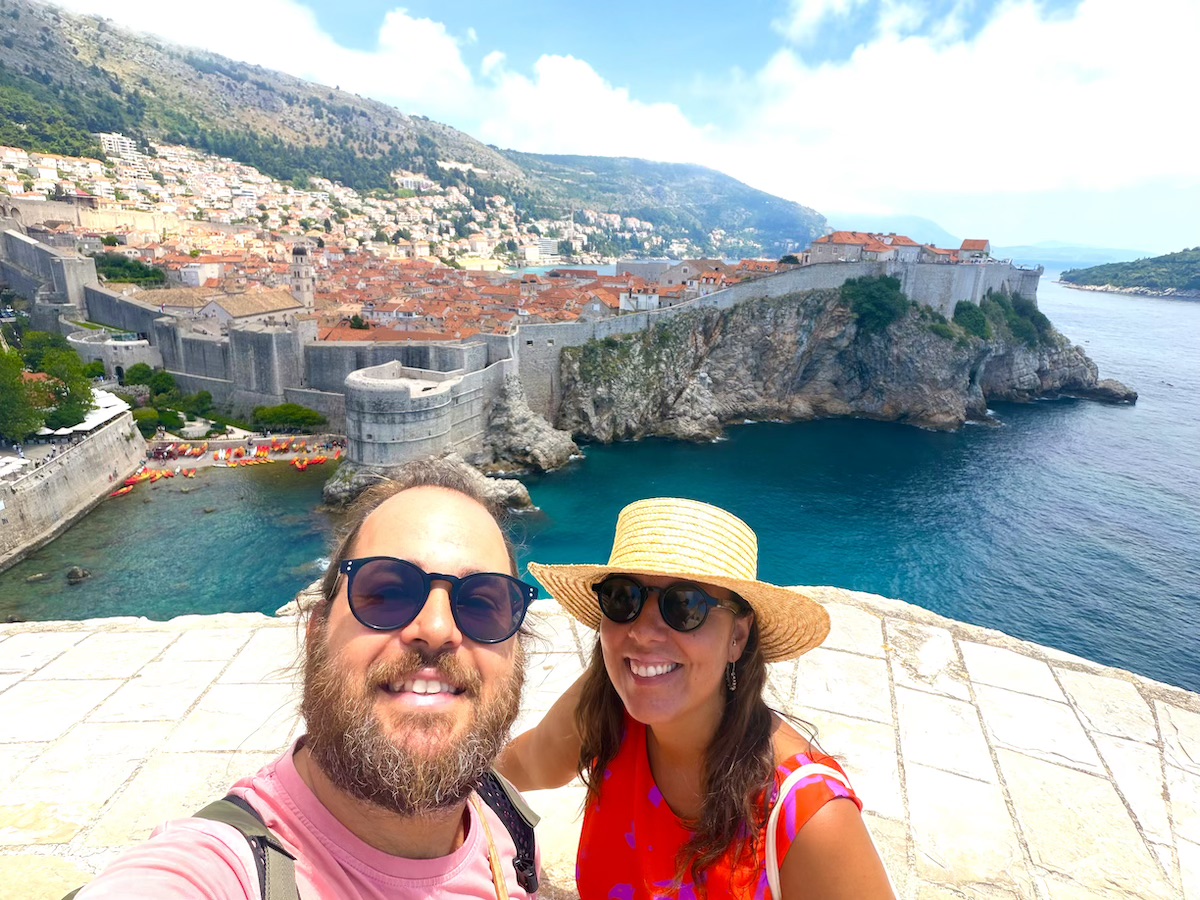
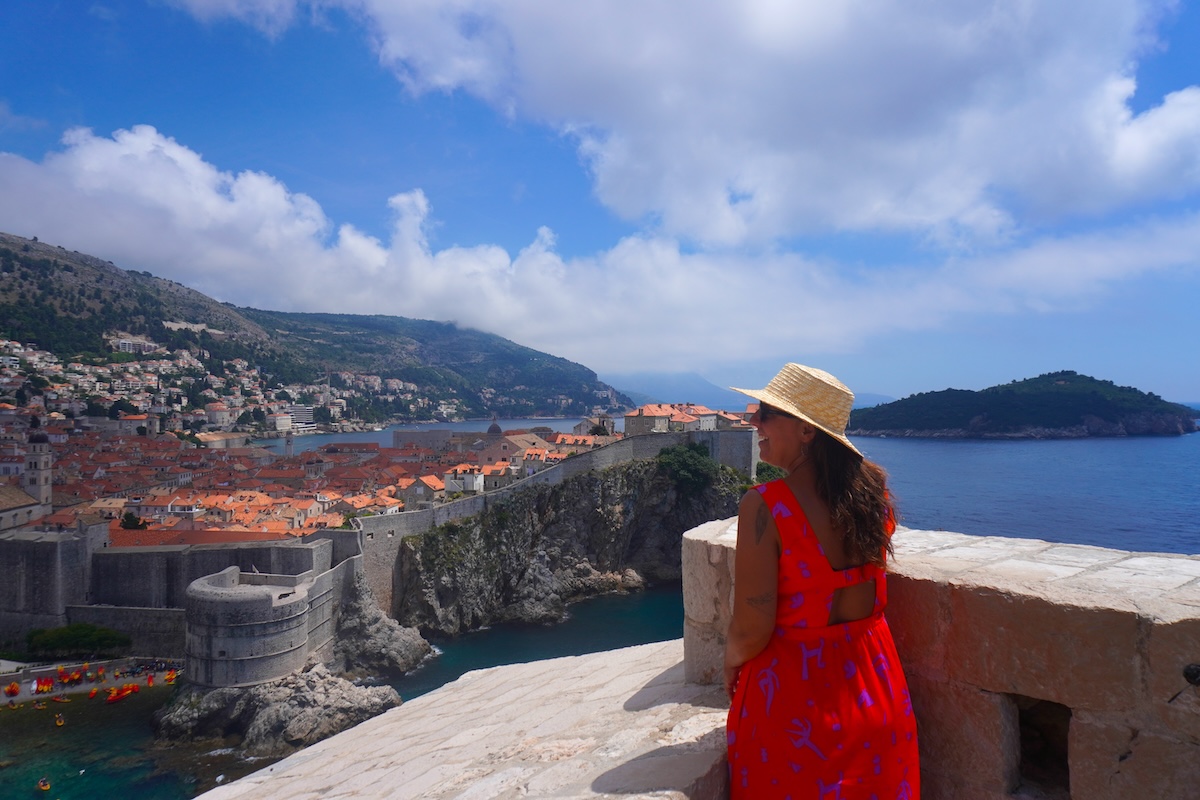
We’d been wanting to visit Dubrovnik for a while, and honestly, when you arrive, you’re struck by just how beautiful it is: even if you’ve seen it a thousand times in photos and on screen—like King’s Landing in Game of Thrones—it still takes your breath away. It’s also striking because of the sheer number of tourists it attracts, especially in the spring and summer. Its Old Town, a UNESCO World Heritage Site since 1979, was the heart of the former Republic of Ragusa, a powerful maritime city-state that flourished in the Adriatic and still preserves an impressive architectural legacy today, despite the 1667 earthquake and the damage sustained during the War of Independence in the 1990s.
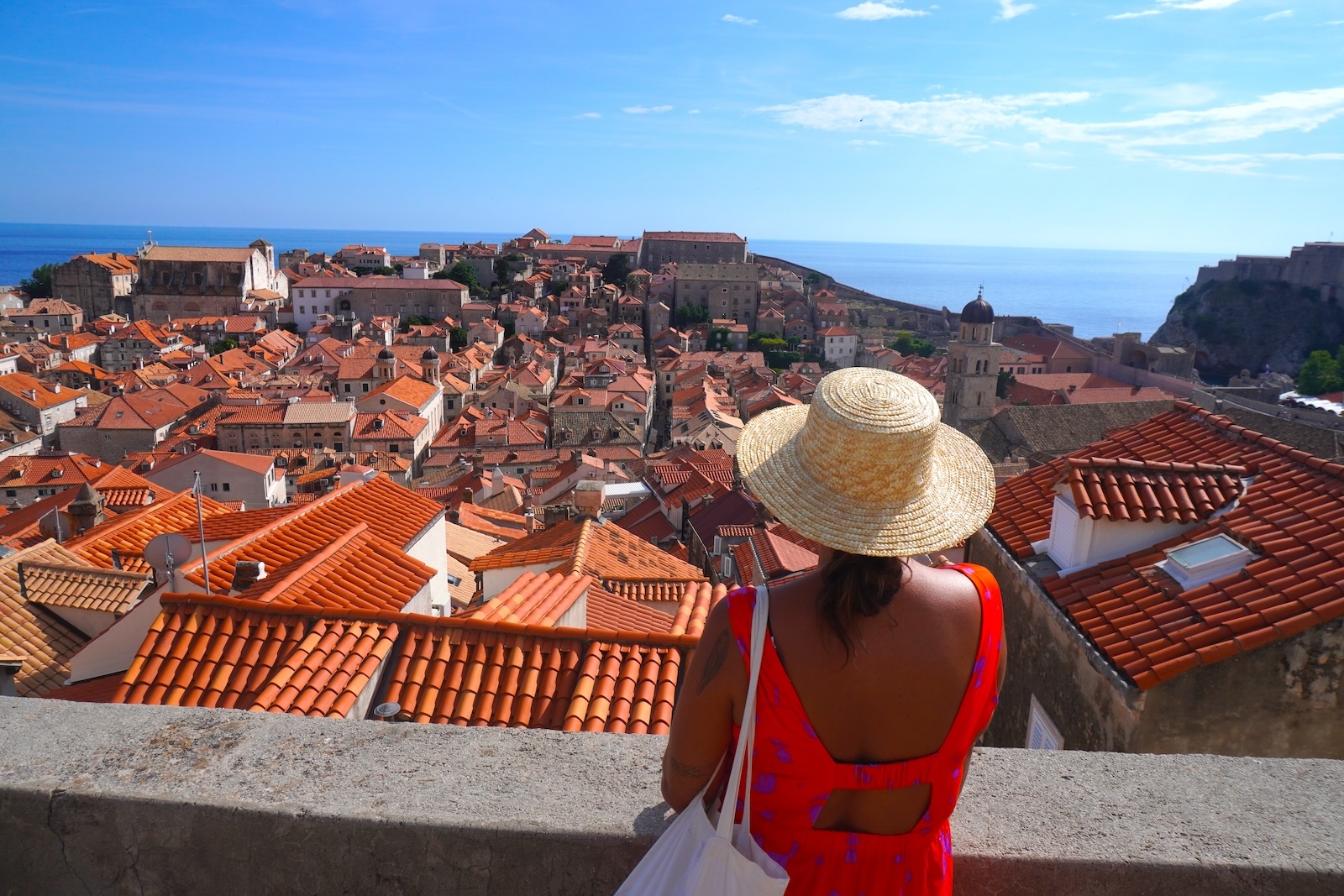
Strolling through Dubrovnik means journeying through centuries of history amid city walls, palaces, churches, and squares, but it also means encountering a city deeply marked by mass tourism. That’s why, beyond simply enjoying it, it’s worth taking your time and showing respect—with a little leisure —without rushing—, seeking out the best times to visit, avoiding the busiest hours, and combining your visit with day trips to the surrounding area to better understand all that this part of the Adriatic has to offer.
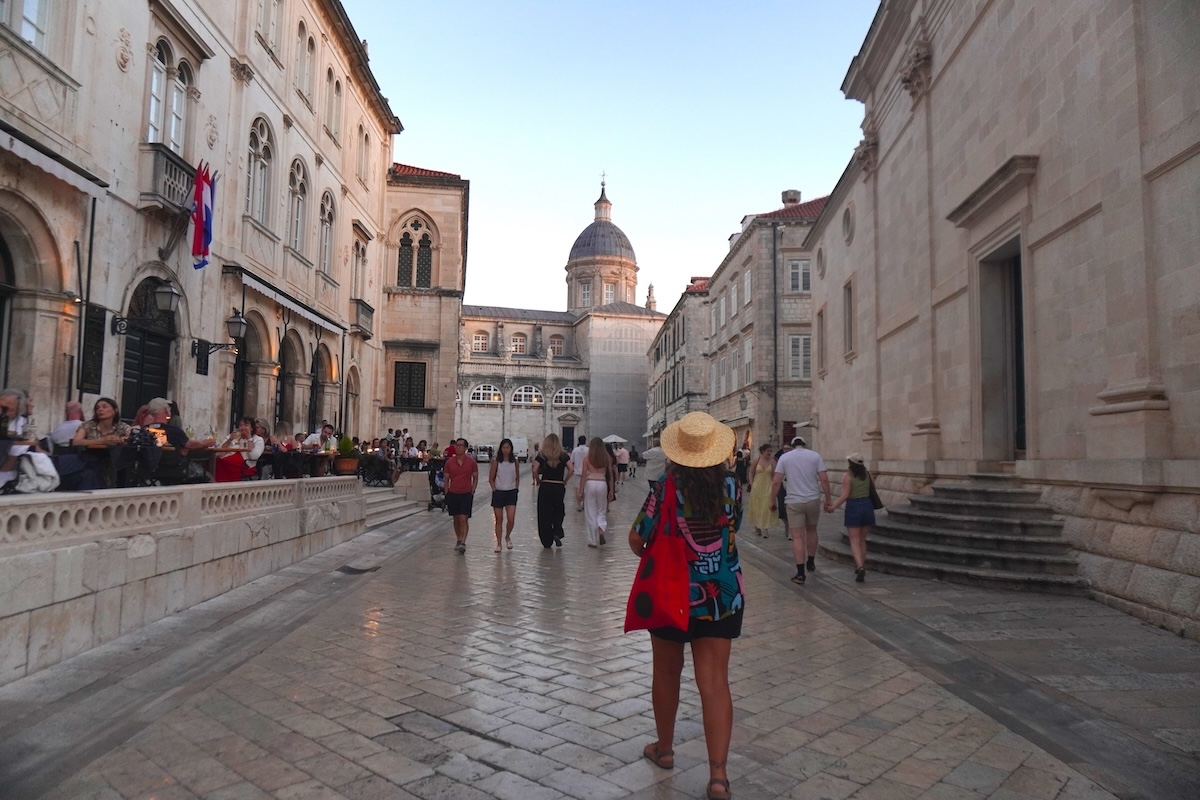
In this guide, we’ll tell you what to see and do in Dubrovnik and its surroundings, with specific itineraries for 1, 2, 3, or 4 days, including practical tips, where to stay, and even what to try and where to eat—so your trip will be just as incredible as ours was.
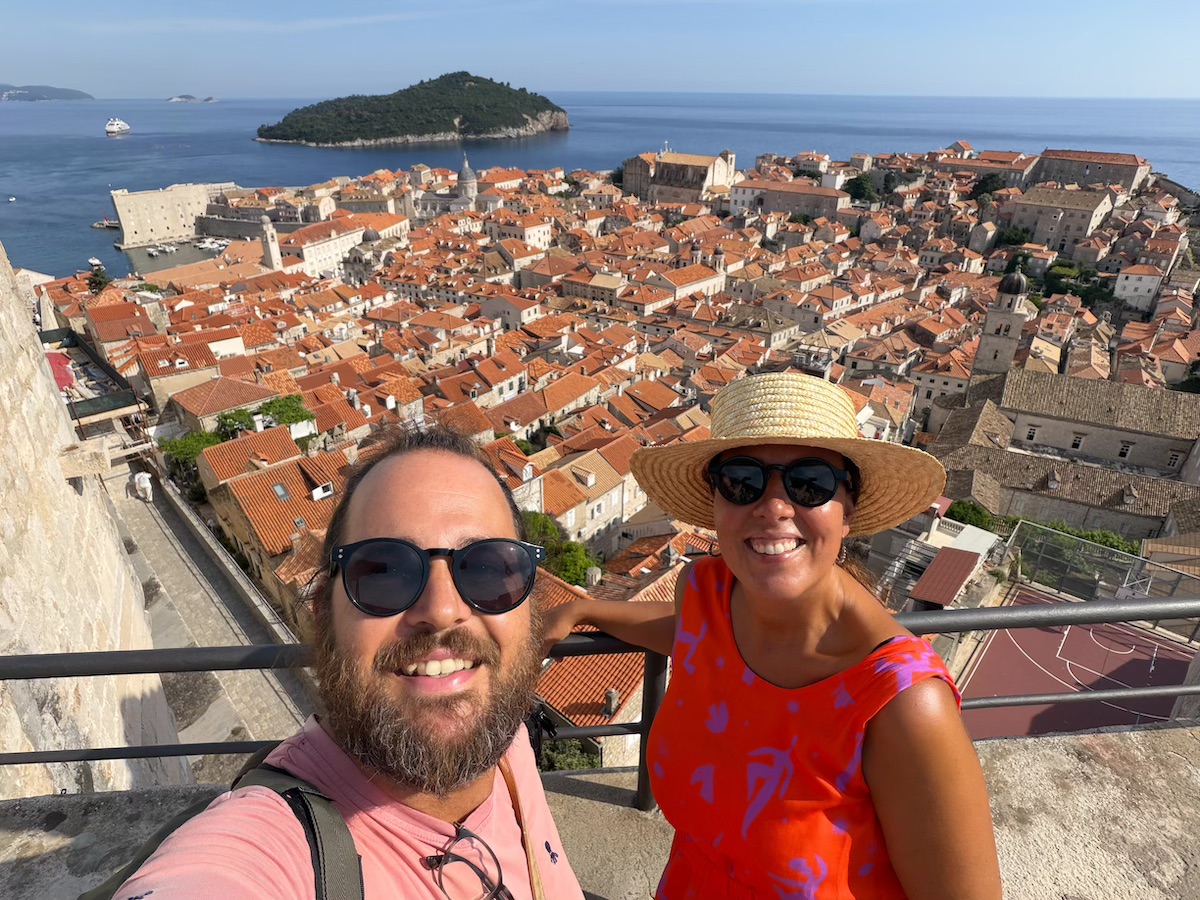
Basic facts for traveling to Dubrovnik
Official Language: Croatian
Currency: Euro (as of 2023)
Population: 41,000 (as of 2021)
When to go: In our opinion, the best months are May, June, September, and October (good weather, reasonable prices, and fewer crowds). If you want the lowest prices and to see Dubrovnik without crowds, winter is best (though the weather is colder). We’ll give you more details on when to visit Dubrovnik in this section of the guide.
How many days: Ideally, you’ll want 3–4 days to explore Dubrovnik and its surroundings. In this section, we share specific itineraries for Dubrovnik to help you plan your trip.
How to get there: There are plenty of direct international flights to Dubrovnik, so we recommend using flight comparison sites like Skyscanner and Kiwi and being flexible with your dates to get the best possible price. We’ll go into more detail in this section of the guide.
Where to Stay: Ideally, you should stay in the Old Town or nearby. At Randomtrip , we stayed in an apartment with an unbeatable location—right next to the Cathedral, yet completely quiet—which we highly recommend. We’ll go into more detail in the “Where to Stay in Dubrovnik” section of the guide.
What to Pack: Good travel insurance (click this link for a 5% discount on the policy we always use) and here’s a list of must-haves for your backpack on this trip (check out our favorites from Decathlon)
Getting Around: The best way to get around Dubrovnik is on foot (the entire Old Town is pedestrian-only). To explore the surrounding areas, you can take an Uber/Bolt, the bus (included in the Dubrovnik Pass, which we’ll discuss later), or rent a car for complete freedom of movement. More info on getting around Dubrovnik is in this section of the guide.
Cost: Starting at 90 €/day per person (approx.), depending on the type of accommodation, meals, and how much you want to explore the surrounding area. More information on budgeting in this section of the guide.
Internet connection: If you are visiting for a few days, your phone supports eSIM and you don’t want to complicate things, we recommend Holafly eSIM (unlimited data, 5% off with the code RANDOMTRIP) or the Sim Local eSIM (limited data, but cheaper, 10% off with the code RANDOMTRIP). More info here
Time zone: GMT+1 in winter, GMT+2 in summer
Where is Dubrovnik?
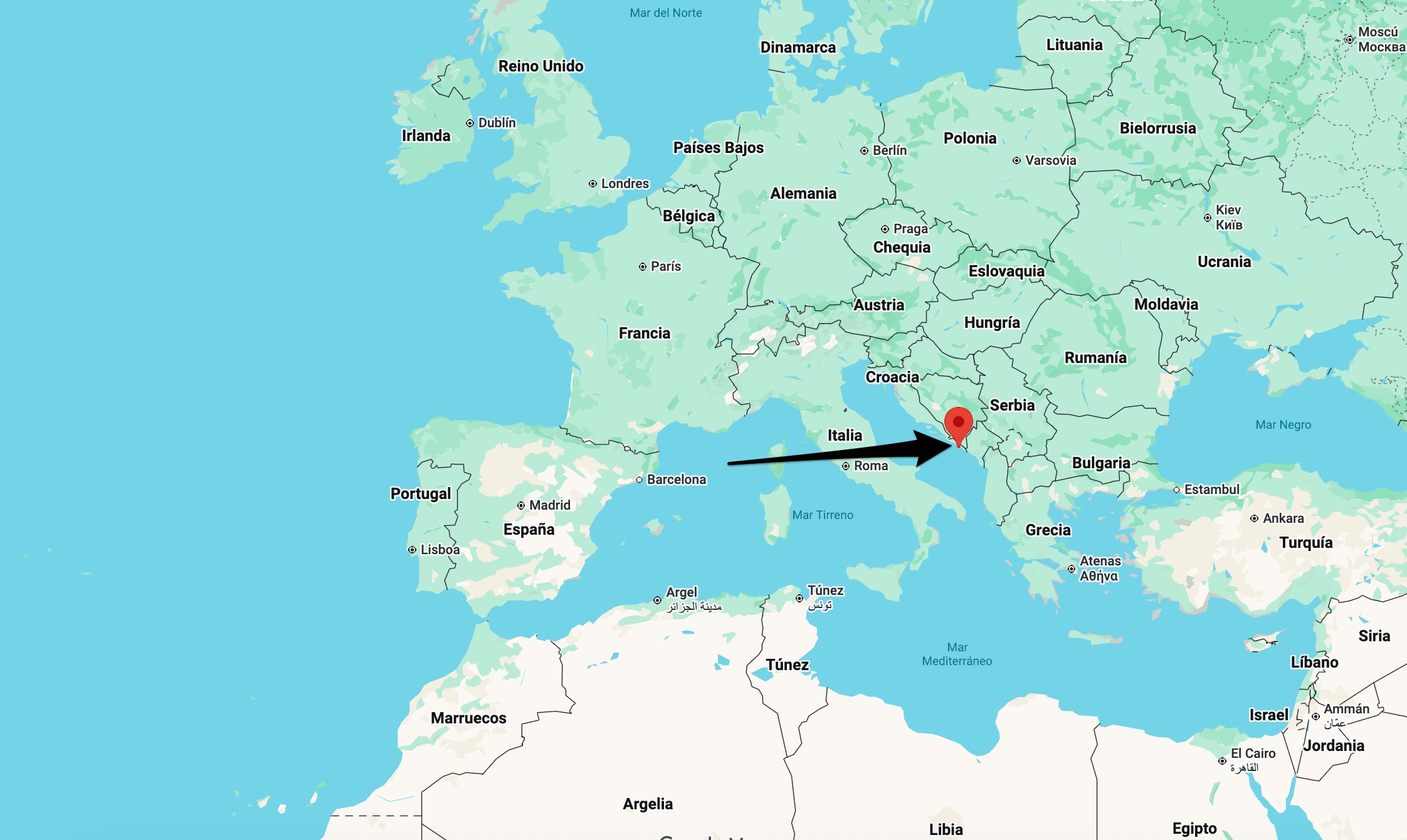
Dubrovnik is located on the southern coast of Croatia, very close to the borders with Montenegro and Bosnia and Herzegovina. Here you can see Dubrovnik’s location within Europe and the surrounding area:
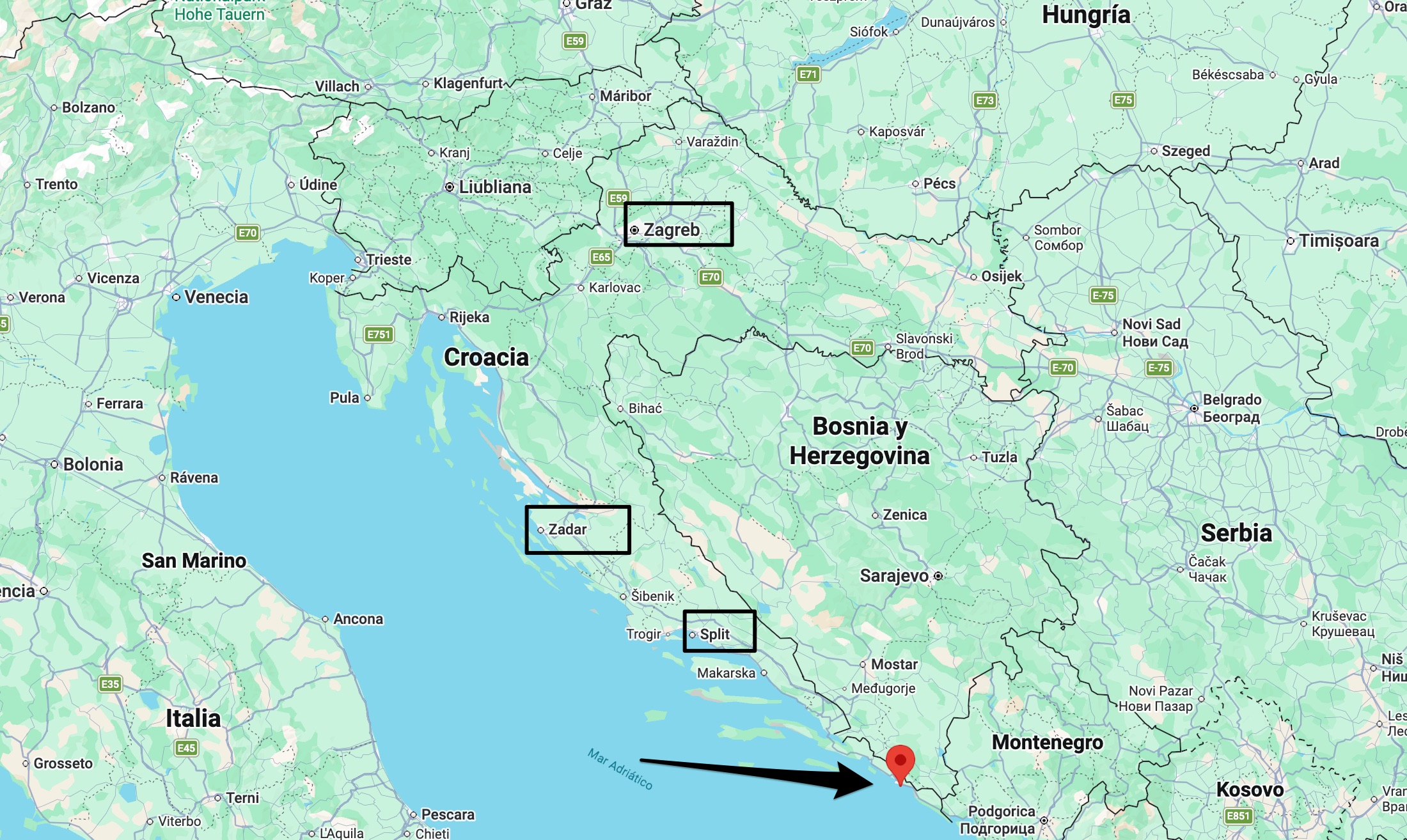
And on this other map, you can see Dubrovnik’s location within Croatia, as well as other major destinations in Croatia such as Zagreb, Zadar, and Split:
When to visit Dubrovnik
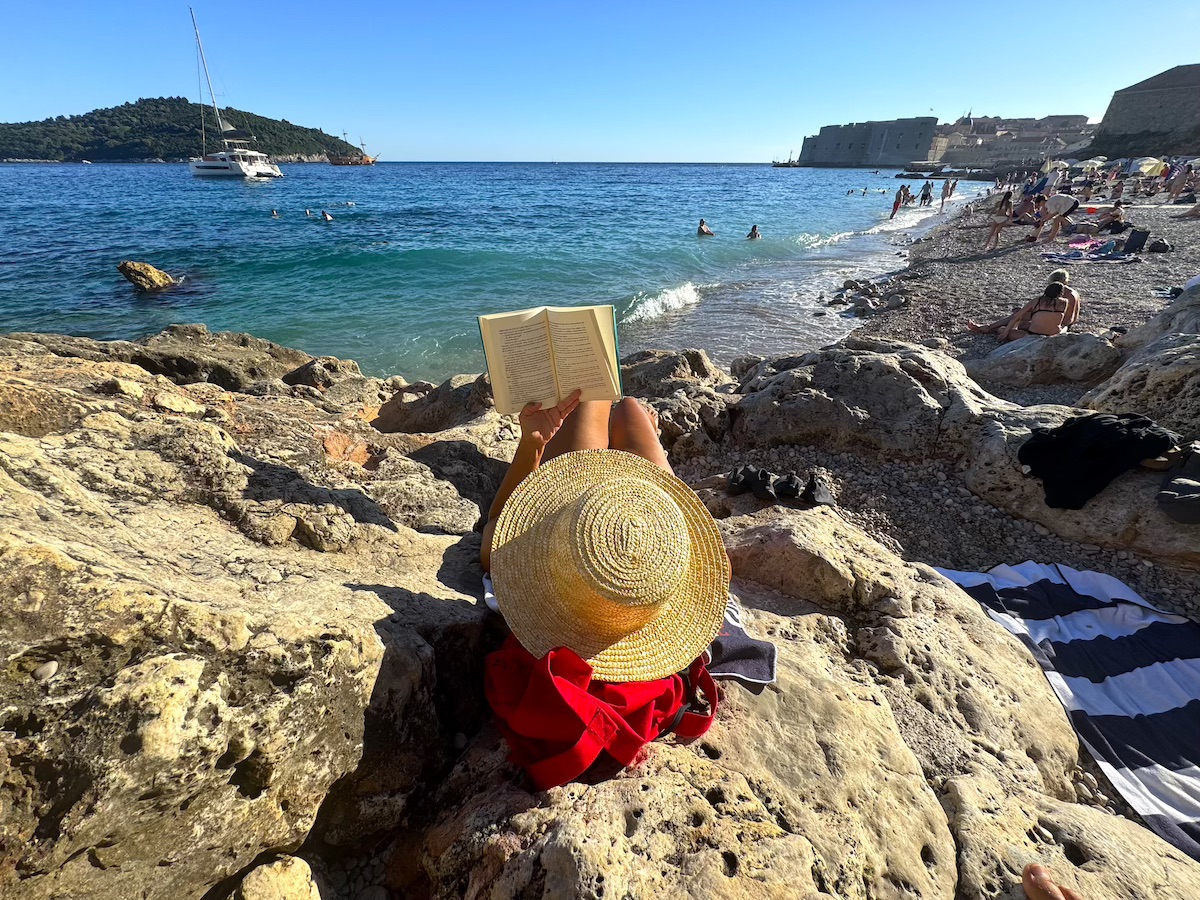
In general, we recommend visiting Dubrovnik during the middle months of the year (April through October), when the weather is best. However, due to the city’s high volume of tourists, it’s best to avoid the busiest months (especially July and August). May, June, September, and October are our top picks for enjoying good weather and even the beaches. If you’re looking to save as much as possible and avoid the crowds, the winter months are ideal, since prices drop and you’ll be able to enjoy the city “almost all to yourself” (although many tourism-oriented businesses are closed).
Weather in Dubrovnik
The climate in Dubrovnik is typically Mediterranean, with hot summers and mild, somewhat rainier winters.
Here’s a summary table of Dubrovnik’s climate to give you an idea of what to expect:
Dubrovnik Climate Table, with temperatures and rainy days per month:
| Month | Lowest temperature | Maximum temperature | Water temperature (average) | Rainy days |
|---|---|---|---|---|
| January | 6ºC | 12ºC | 14ºC | 9 |
| February | 6ºC | 12ºC | 14ºC | 9 |
| March | 8ºC | 15ºC | 14ºC | 9 |
| April | 11ºC | 18ºC | 15ºC | 9 |
| May | 15ºC | 22ºC | 18ºC | 7 |
| June | 19ºC | 27ºC | 22ºC | 5 |
| July | 22ºC | 29ºC | 24ºC | 4 |
| August | 22ºC | 29ºC | 25ºC | 5 |
| September | 18ºC | 25ºC | 23ºC | 7 |
| October | 14ºC | 21ºC | 21ºC | 9 |
| November | 10ºC | 17ºC | 18ºC | 10 |
| December | 7ºC | 13ºC | 16ºC | 11 |
| Month | Lowest temperature | Maximum temperature | Water temperature (average) | Rainy days |
Tourist Demand in Dubrovnik
The peak tourist seasons (and therefore, when you’ll find more people, longer lines, higher prices, and more difficulty getting into restaurants or popular attractions) are:
- Summer (July and August): These are the busiest months with the most tourists, and therefore the highest prices
- Easter (March/April)
So we recommend avoiding those dates if you want to enjoy the city at a more leisurely pace and with better accommodation prices (or traveling during those times if what you’re looking for is precisely more of a lively atmosphere, warmer weather—in the summer—and the chance to experience a festival)
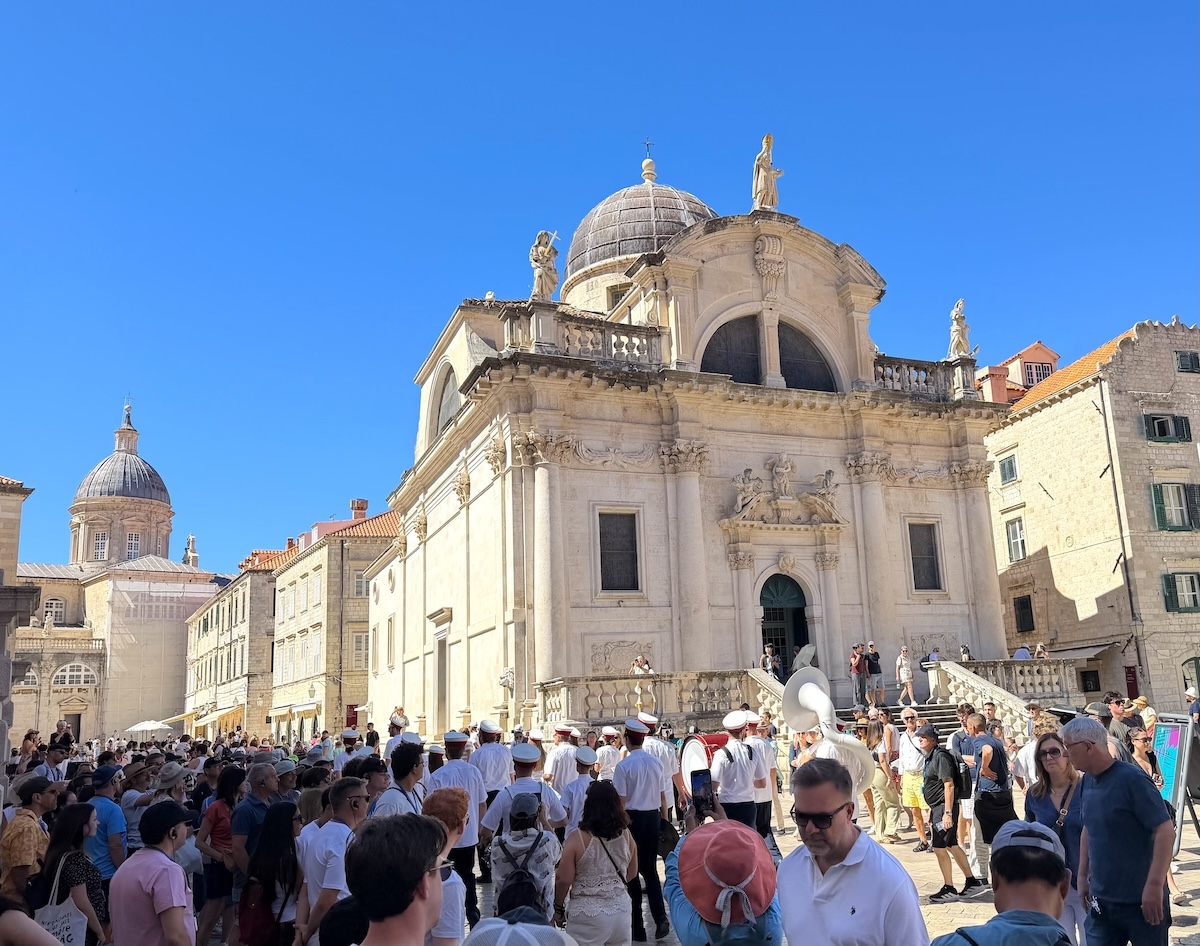
Major Festivals in Dubrovnik
If you want to be in Dubrovnik for the biggest festivals of the year, don’t miss:
- Dubrovnik Summer Festival (held annually from July 10 to August 25). It’s the cultural event of the year; the city transforms into an open-air stage, with concerts, theater, dance, and more taking place at various locations throughout the city.
- Feast of St. Blaise (held every year on February 3). St. Blaise is the patron saint of Dubrovnik, and his feast day is the city’s most important celebration. It begins the day before (February 2) with the ringing of bells and the release of several white doves, a symbol of peace. The celebration commemorates St. Blaise’s saving the city from a Venetian invasion. It is a UNESCO World Heritage Site.
- Holy Week (March or April, depending on the year): In Croatia, Easter is celebrated with great fervor, featuring processions through the Old Town. Additionally, locals have other traditions such as painting eggs (using beeswax and natural red dyes) and baking traditional sweets likesirnica/pinca (made with flour, eggs, butter, raisins, and a touch of prošek).
- Good Food Festival (usually in the fall, in October): a food festival lasting about two weeks, where you’ll have the opportunity to discover more about Croatian cuisine, sample special menus designed by chefs, participate in workshops to learn how to cook local dishes, and enjoy concerts.
Summary: Best months to visit Dubrovnik
Based on the above, if you’re looking to visit Dubrovnik when it’s less crowded, with good weather, beaches, and more reasonable prices, the best months are May, June, September, and October. If you don’t mind skipping the beach, are more interested in the city’s cultural side, and want to save money, the best months are the winter months (November through March).
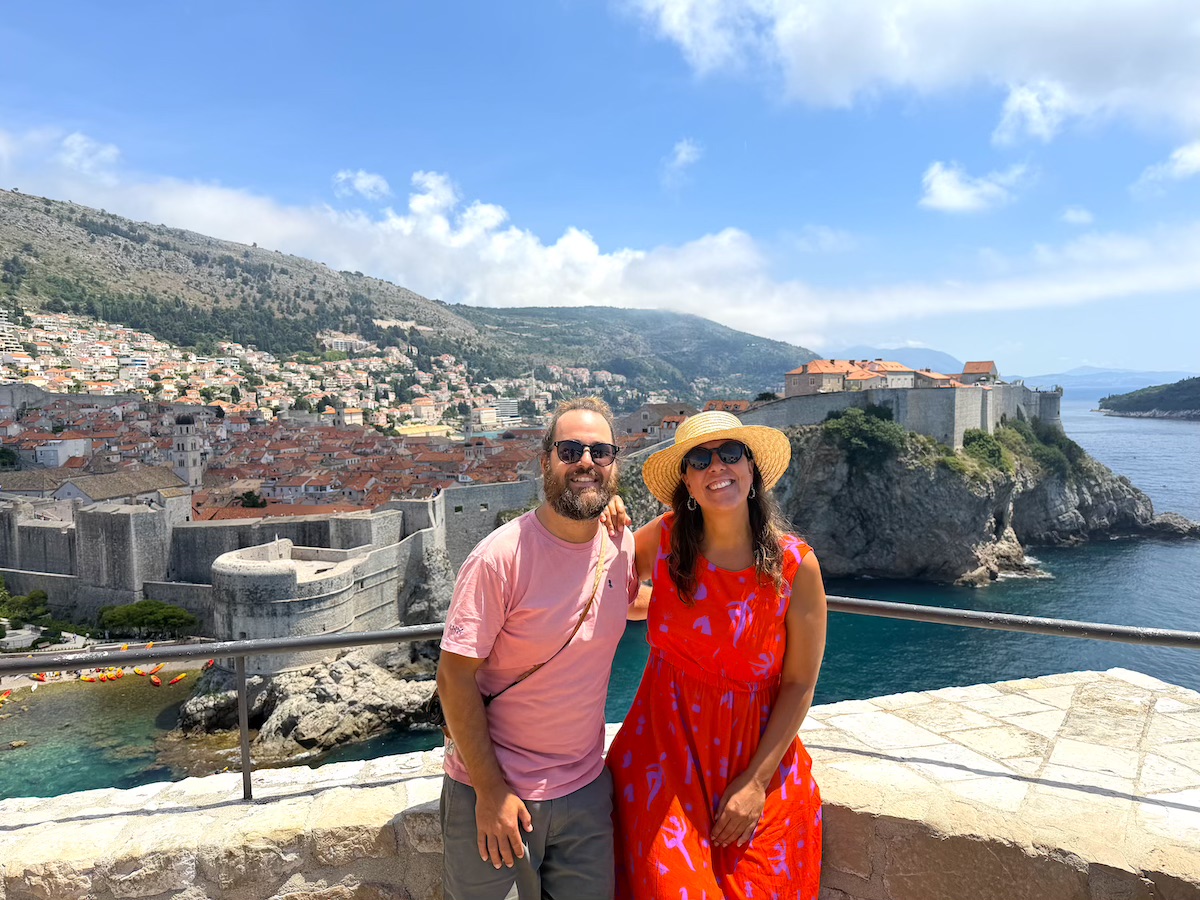
How to get to Dubrovnik
In general, there are plenty of direct international flights to Dubrovnik from various destinations in Europe, so we recommend using flight comparison sites like Skyscanner and Kiwi and being flexible with your dates to get the best possible price.
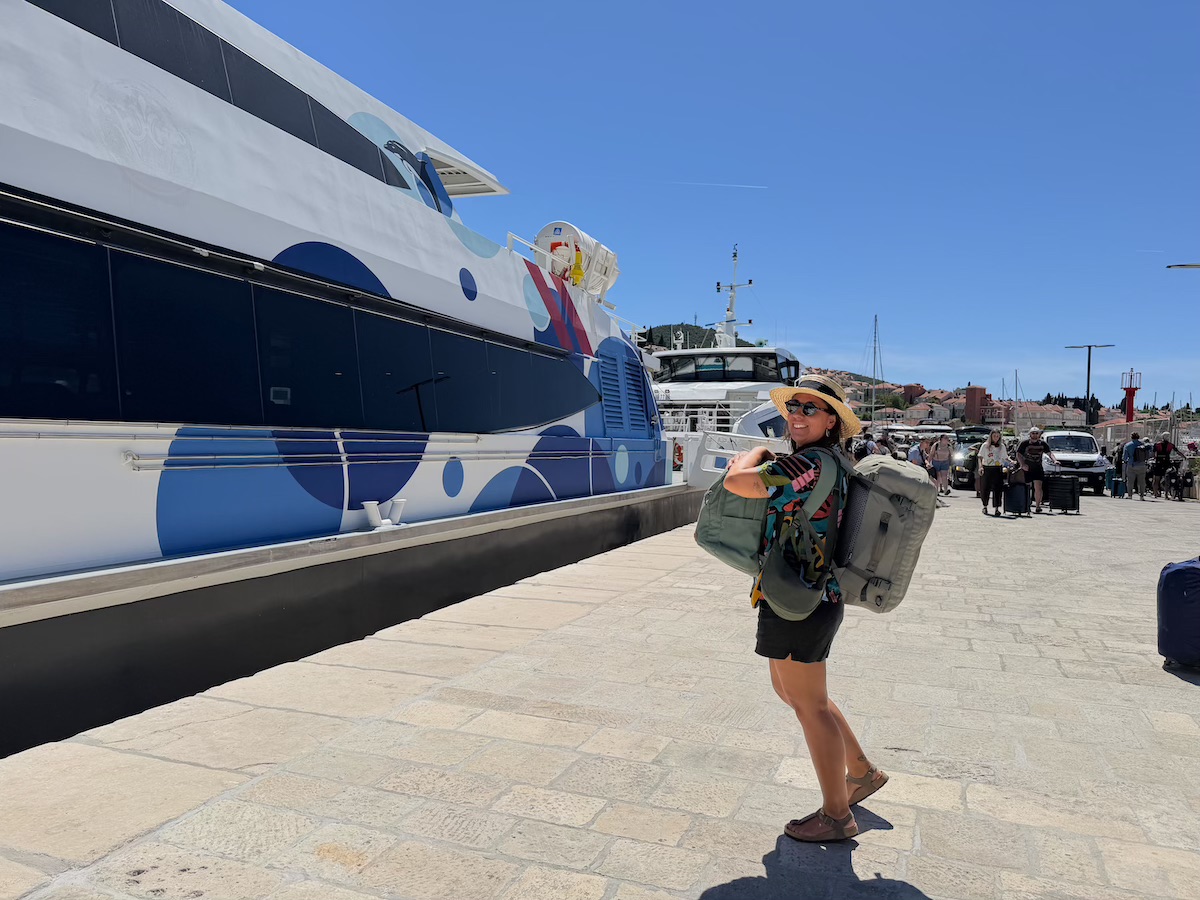
If you’re already in Croatia, you can get to Dubrovnik in different ways depending on where you are (by plane, bus/car, or boat). In our case, we traveled to Dubrovnik from Hvar by boat (there are two companies that operate this route, TP Line and Krilo; the trip takes about 4 hours and cost us 50 € per person). There are also connections to other Adriatic islands. Check out the options, schedules, and prices on FerryHopper
How many days to stay in Dubrovnik
In our opinion, 3–4 days is the ideal amount of time to explore Dubrovnik, including touring its historic center and taking in some nearby attractions.
In this section, we’ll share specific itineraries for Dubrovnik for 1, 2, 3, or 4 days to help you plan your trip.
Croatia travel insurance
Do you know what you should always have in your backpack? Good travel insurance! On our trip to Croatia, we purchased Heymondo Travel Premium. Beyond medical assistance in case something happens to you, the insurance also covers you for adventure sports. Plus, if anything happens to your luggage—damage, theft, delayed delivery, or loss—the insurance has your back. We use and partner with various insurance providers, and as a reader, you can enjoy the following discounts:
Carefully read the terms and conditions of each policy and hire the insurance that best suits your needs.
Things to see and do in Dubrovnik
Map of Dubrovnik
We’ve divided Dubrovnik’s attractions into two areas (the Old Town and the surrounding area). It’s all on a Google Map that you can save to your smartphone to use during your trip:
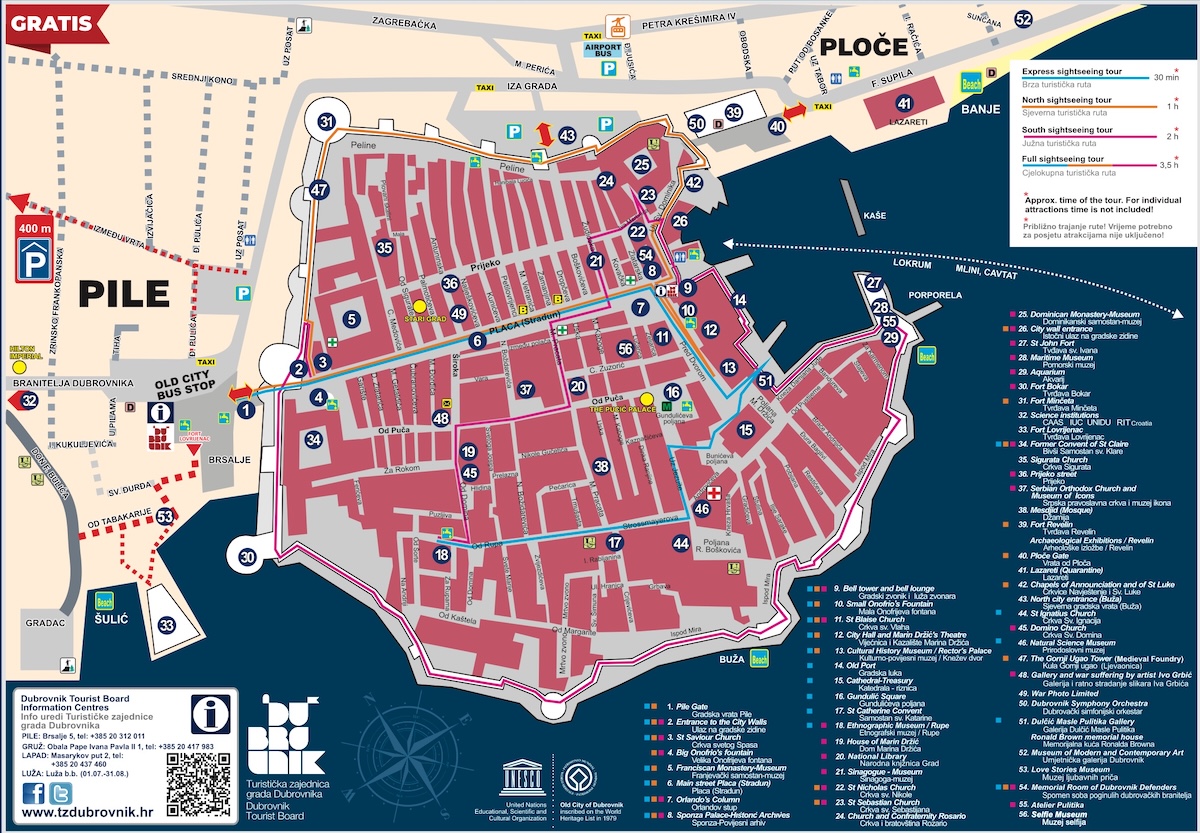
Here’s also a tourist map of Dubrovnik (you can download it in a larger size and higher resolution by clicking here or on the image):
Introduction: A brief history and responsible tourism in Dubrovnik
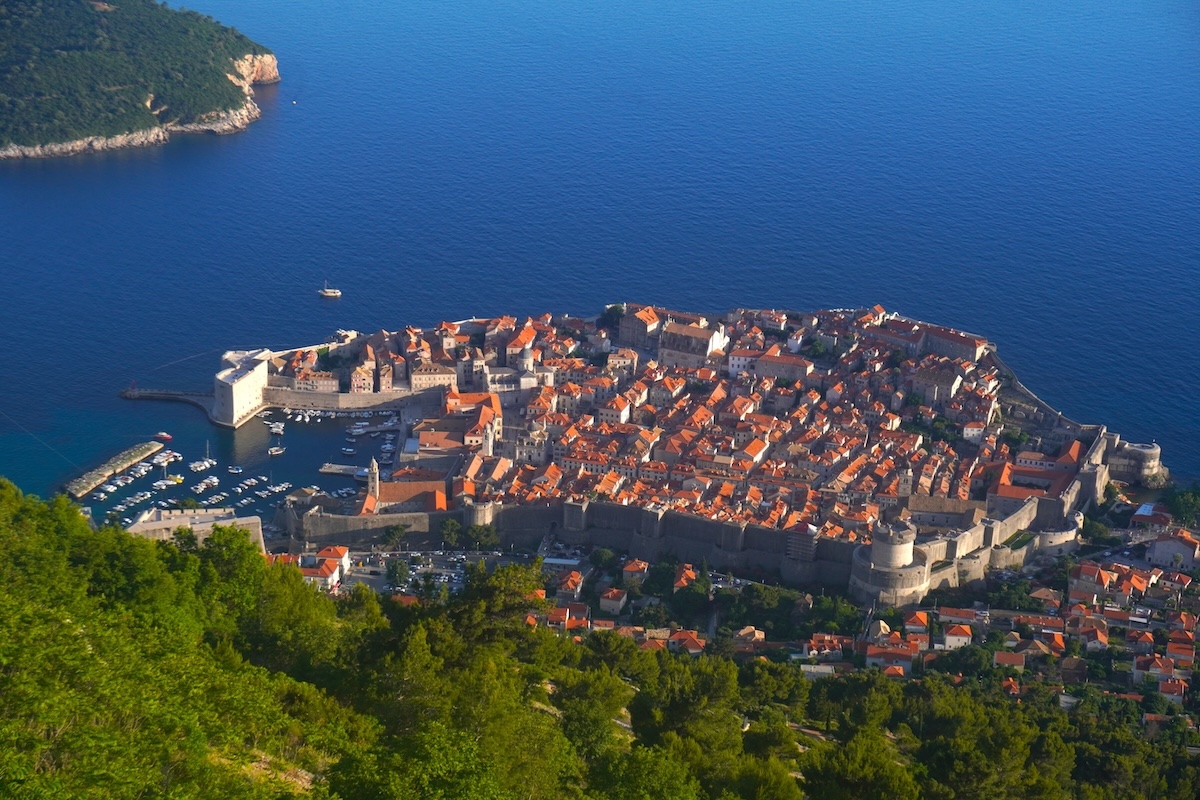
Dubrovnik is one of those cities that amazes you the moment you see it—not only because of its beauty but also because of the sheer number of tourists packed into just a few square meters (especially if, as in our case, you visit the city in the spring or summer). Its Old Town, a UNESCO World Heritage Site since 1979, preserves an immense historical legacy: it was a powerful maritime republic (the Republic of Ragusa), flourished as a commercial and diplomatic hub in the Adriatic, and—despite the devastating earthquake of 1667 and the damage sustained during the 1990s—has managed to keep much of its architectural charm intact.
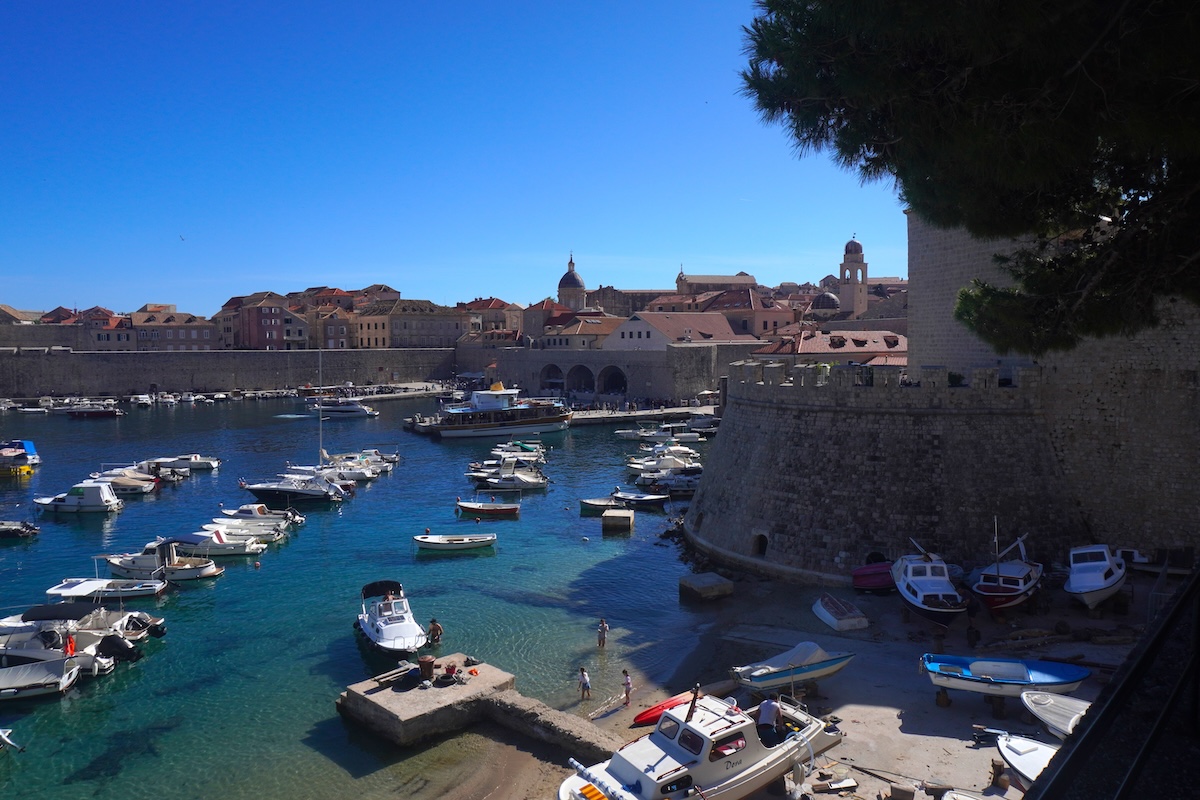
During that decade, the city was caught up in the Yugoslav War, particularly in Croatia’s struggle for independence, and suffered bombings and harassment that damaged historic buildings and left a deep mark on the population. Walking through its streets today is like traveling back in time among city walls, palaces, churches, and squares that tell centuries of history.
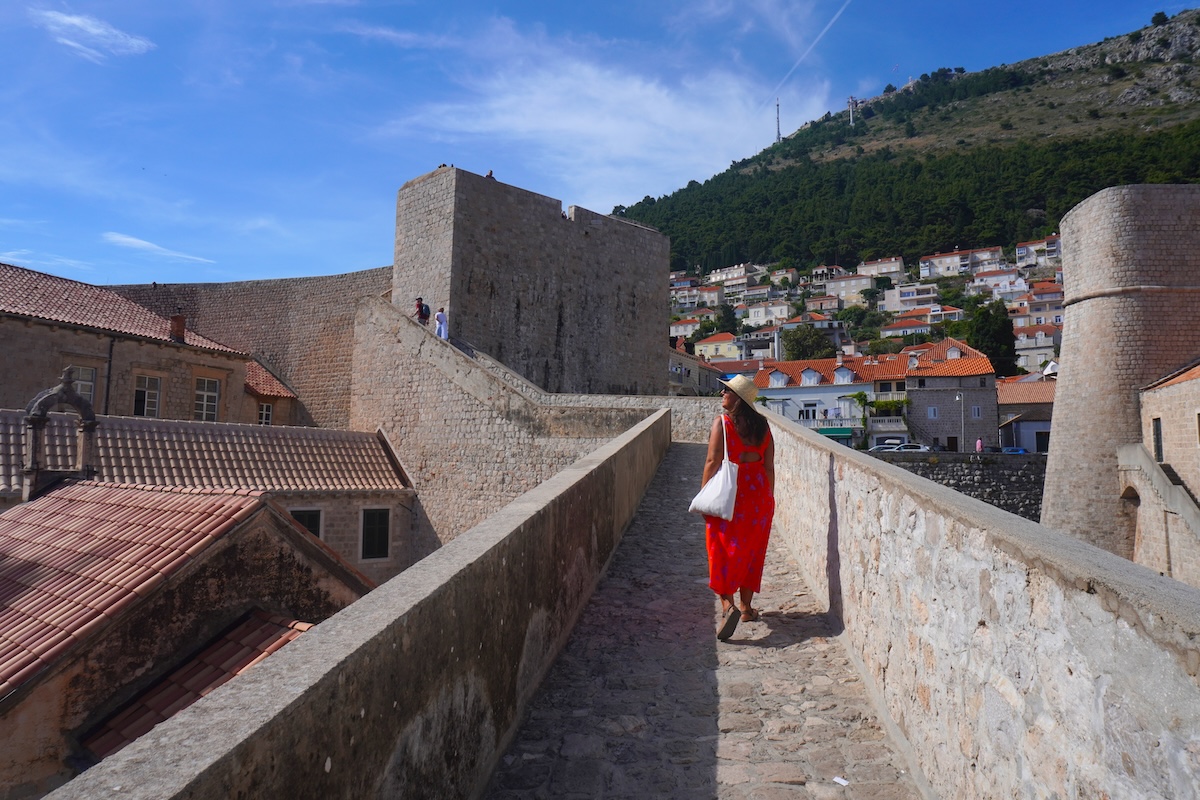
The city walls, which almost completely surround the old town, are one of the main reasons the city gives off that “this looks like a set, but it isn’t” vibe—and the fact that we’ve seen it so many times on screen as the main setting for Game of Thrones (more specifically, as King’s Landing, the capital of the Seven Kingdoms) doesn’t help. It also doesn’t help that thousands of people flock to the city every day to take a photo at every corner where an important scene from the famous series—based on George R.R. Martin’s book series—was filmed.
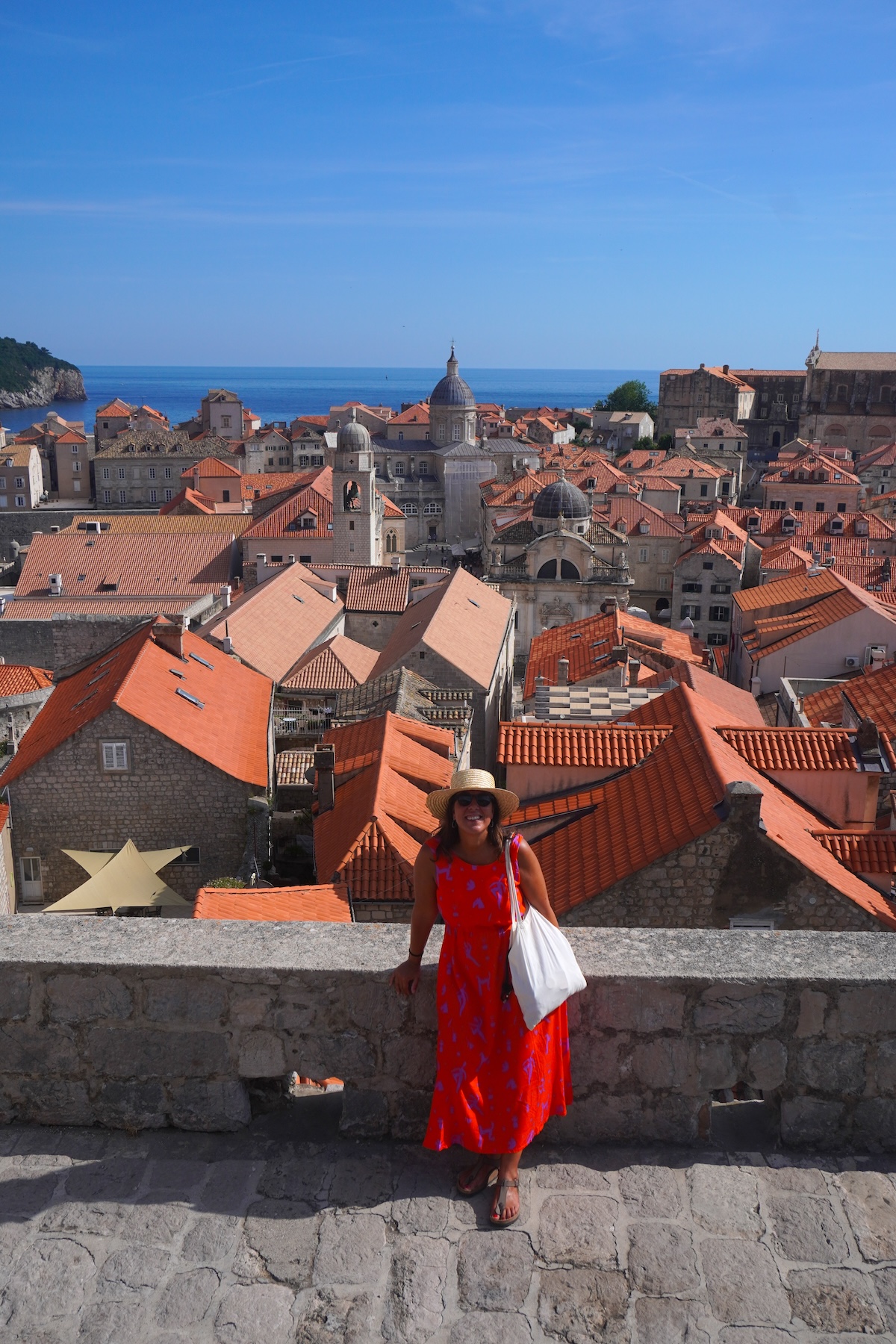
The fact is, Dubrovnik today is a city heavily impacted by mass tourism. That’s why, beyond simply enjoying it, it’s worth visiting with respect: if you take tours, opt for small groups and local guides rather than the crowded free tours, which, in such a compact city, have a massive impact on noise, traffic, and the local atmosphere. If possible, avoid the Old Town on days and at times when cruise ships arrive, because the city gets extremely crowded (you can take the opportunity to head to one of the beaches if it’s hot or check out some of the activities in the surrounding area). Here you can see the daily cruise schedule
Even if you have the Dubrovnik Pass (which we’ll discuss below), there’s no need to visit every museum just to get your money’s worth; it’s better to go to the ones you’re truly interested in (at Randomtrip, we’ve come across disrespectful people with no interest in deeply moving exhibitions about the Yugoslav War, for example). It’s also important to respect the city’s rules—both the written ones (regarding dress codes, noise, etc.) and those that just make sense: keeping the area clean, respecting the local population… the usual, really.
A reusable water bottle will also come in handy for refilling with water and reducing plastic waste (there are several drinking fountains throughout the Old Town!). And, if you have a choice, avoid the summer months, which are the most crowded—and, incidentally, the most expensive. Ultimately, being a responsible tourist is also part of the experience.
Important: Is it worth buying the Dubrovnik Pass?
The Dubrovnik Pass is the city’s official pass and is available in 1, 3 and 7-day versions. It includes admission to several of Dubrovnik’s main attractions, as well as free public transportation during its validity period and discounts on other activities, museums, restaurants, and experiences. In practice, it can be a great deal if you plan to visit several paid sites, especially if your itinerary includes the city walls, which alone cost 40 € during peak season—the same price as the 1-day pass.
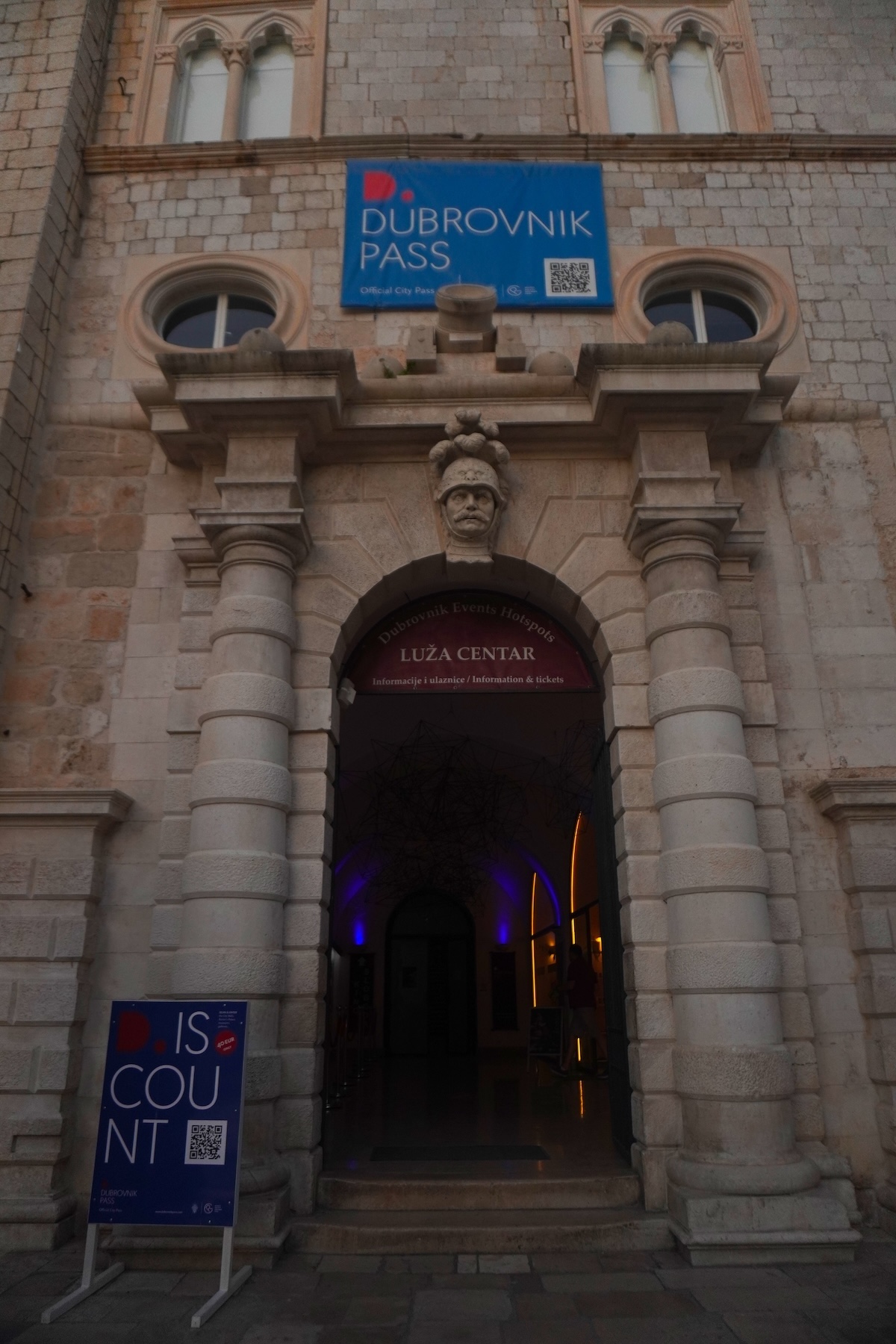
At Randomtrip, we bought the 3-day Dubrovnik Pass for 50 € per person, and it paid off for us, but the best approach here is to do the math based on what you want to visit. In our case, it was a no-brainer because we wanted to visit several of the included sites and spread our visits over 3 days.
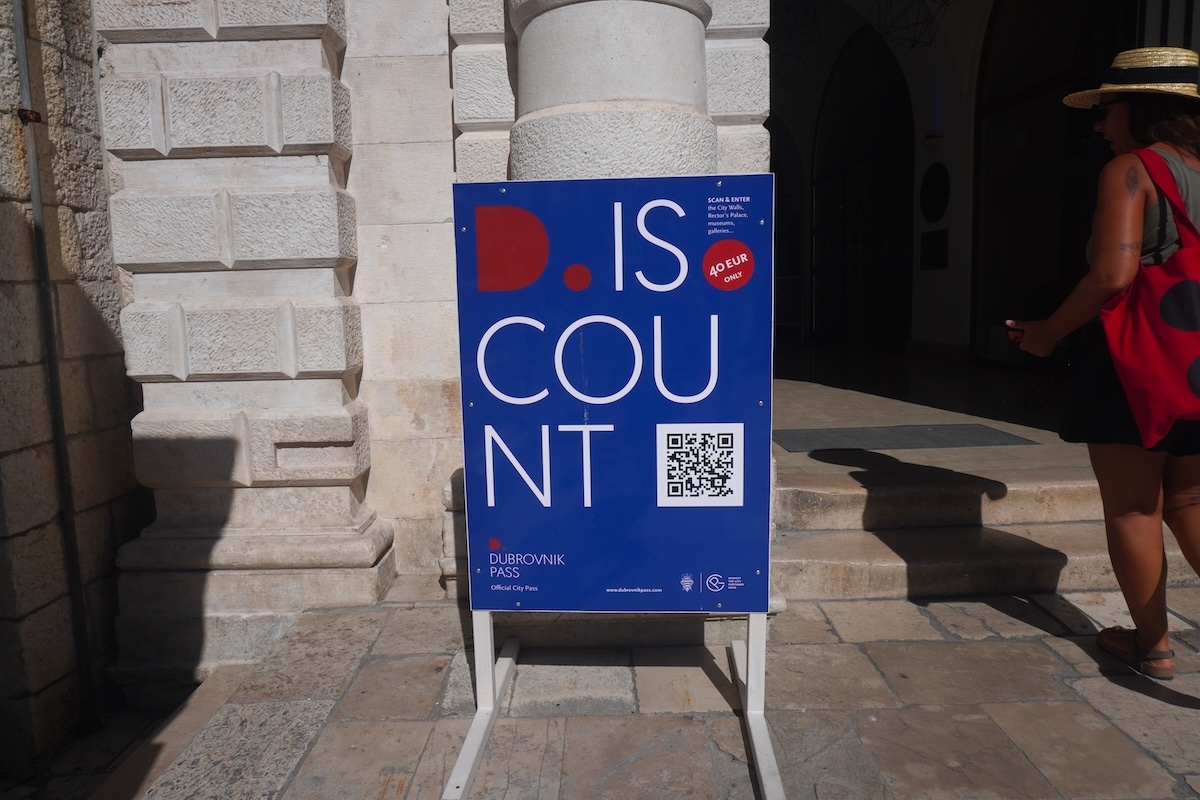
In general, the Dubrovnik Pass is worth it if you plan to make the most of the historic center and several monuments in a short amount of time. If you’d rather go at your own pace and see just a couple of things, it might not be as cost-effective. It’s best to check the official list of included sites beforehand and compare the price of individual tickets (which we’ll list throughout this guide as we tell you about each place) with the cost of the pass, because that’s where you’ll really see whether it’s worth it or not. You can check all the sites included in the Dubrovnik Pass on the official website at dubrovnikpass.com.
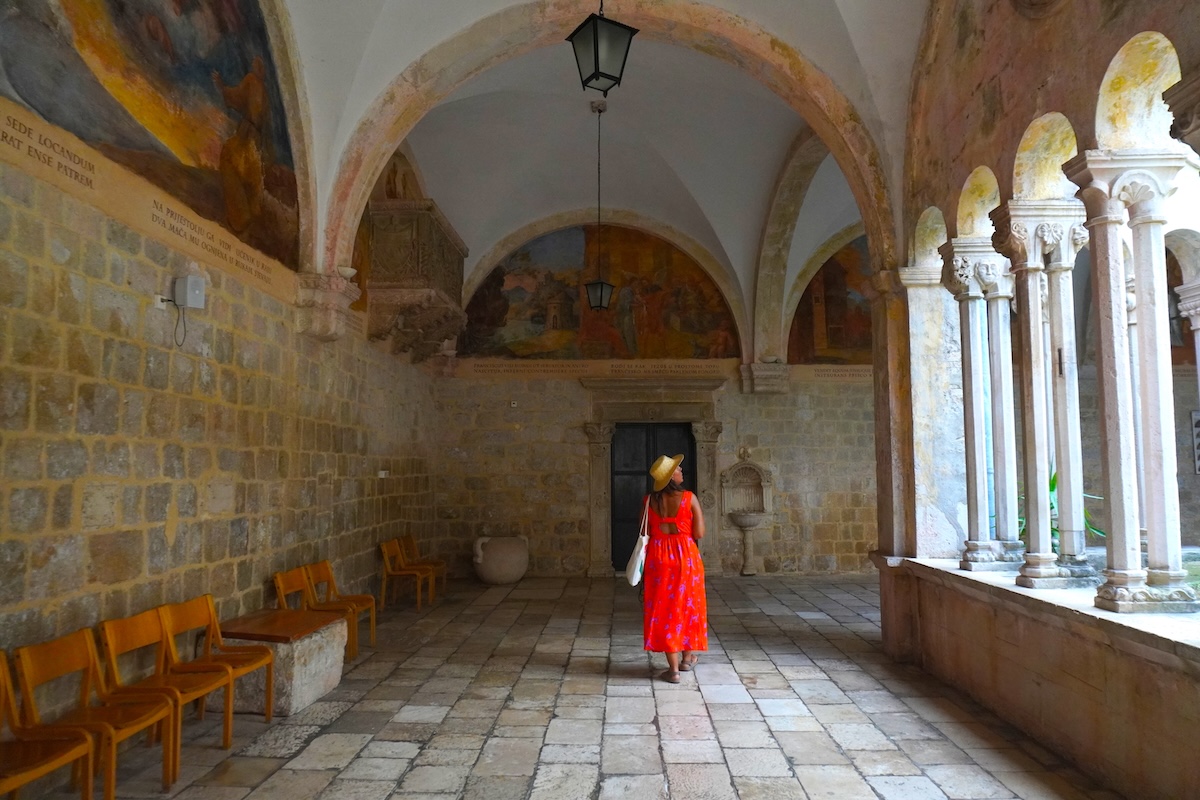
Table showing what’s included and when it’s worth buying the Dubrovnik Pass:
| Pass | Price | What’s included | When it’s worth it |
| 1 day | 40 € | Access to the city walls and various attractions in Dubrovnik, public transportation, and discounts | If you’re visiting the city walls during peak season, the price is the same. |
| 3 days | 50 € | Same as above, but for 3 days | If you plan to make several visits spread out over a couple of days |
| 7 days | 60 € | Same as above, but for a week | If you’re staying in the city longer and want to take it easy |
RandomTIP: If you plan to climb the city walls during peak season, the 1-day pass is already worth it. If you’re going to visit several monuments and museums, the 3-day pass is usually the best option—that’s the one we bought at Randomtrip to space out our visits. If you only want to see two or three sites, it’s best to compare prices first, because it might not be worth it. The key is to calculate it based on your itinerary, and not to buy it “just in case.”
Things to see and do in Dubrovnik’s Old Town
Dubrovnik’s Historic Center encapsulates much of the city’s charm, with cobblestone streets, small squares, palaces, churches, and buildings that invite you to explore at a leisurely pace. Its medieval layout and atmosphere make it worth discovering little by little before stopping at its main monuments. In the following sections, we’ll tell you what to see and what not to miss to make the most of your visit.
The 3 city gates: Pile, Ploče, and Buže
For centuries, Dubrovnik was protected by a meticulously designed defensive system, and its gates marked the passage between the walled city and the outside world. These gates have watched merchants, residents, and visitors come and go for centuries—and today, they welcome several thousand tourists a day. The most important are the Pile and Ploče gates, which were the main historical entrances to the Old Town, while Buže is a more discreet, less monumental entrance, but one with its own charm.
Pile Gate
The Pile Gate is the western entrance to the Old Town and is probably the most famous (and busiest) gate in Dubrovnik. For centuries, this gate was the first point of entry into the city for those arriving from the mainland.
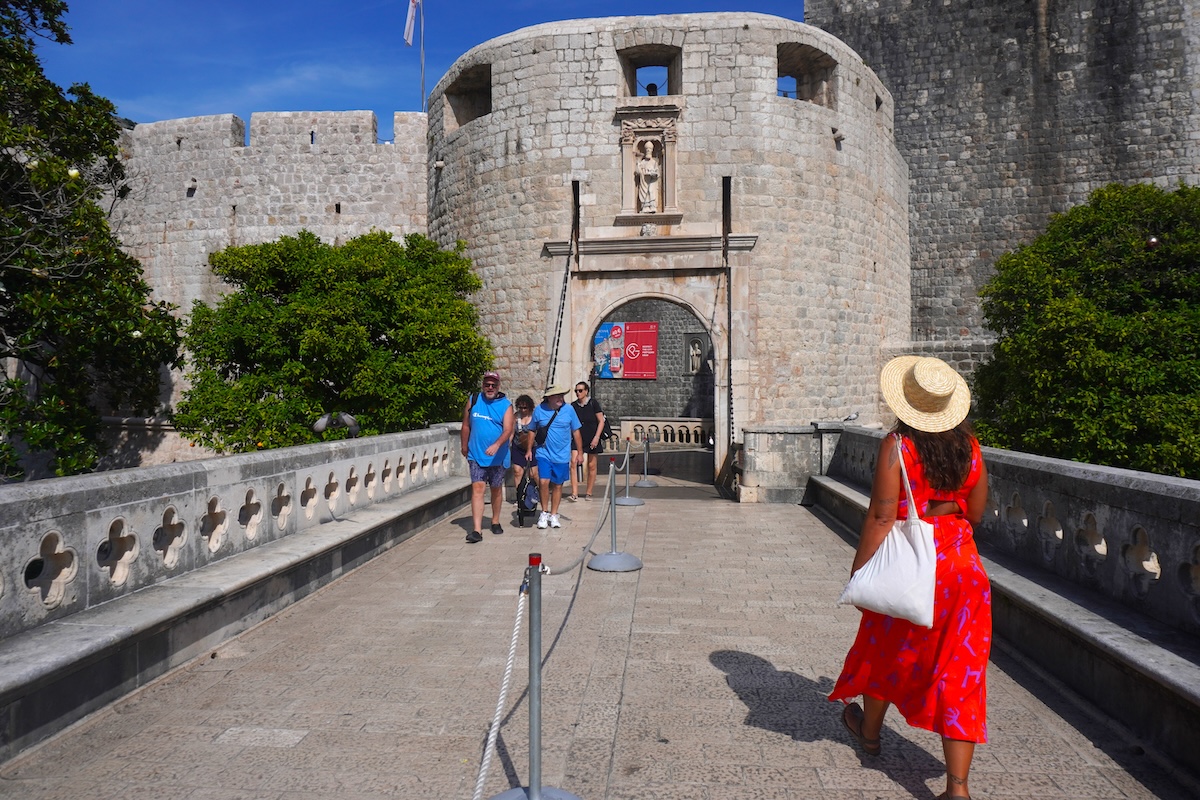
It stands on the site of the ancient Pile Fortress, from which it takes its name, and which already existed in the year 972 to protect the western landward side of the former Republic of Ragusa. It was later demolished in 1818 (in part to improve traffic flow and facilitate the city’s expansion), although remnants of the fortress can still be seen today between the outer and inner gates.
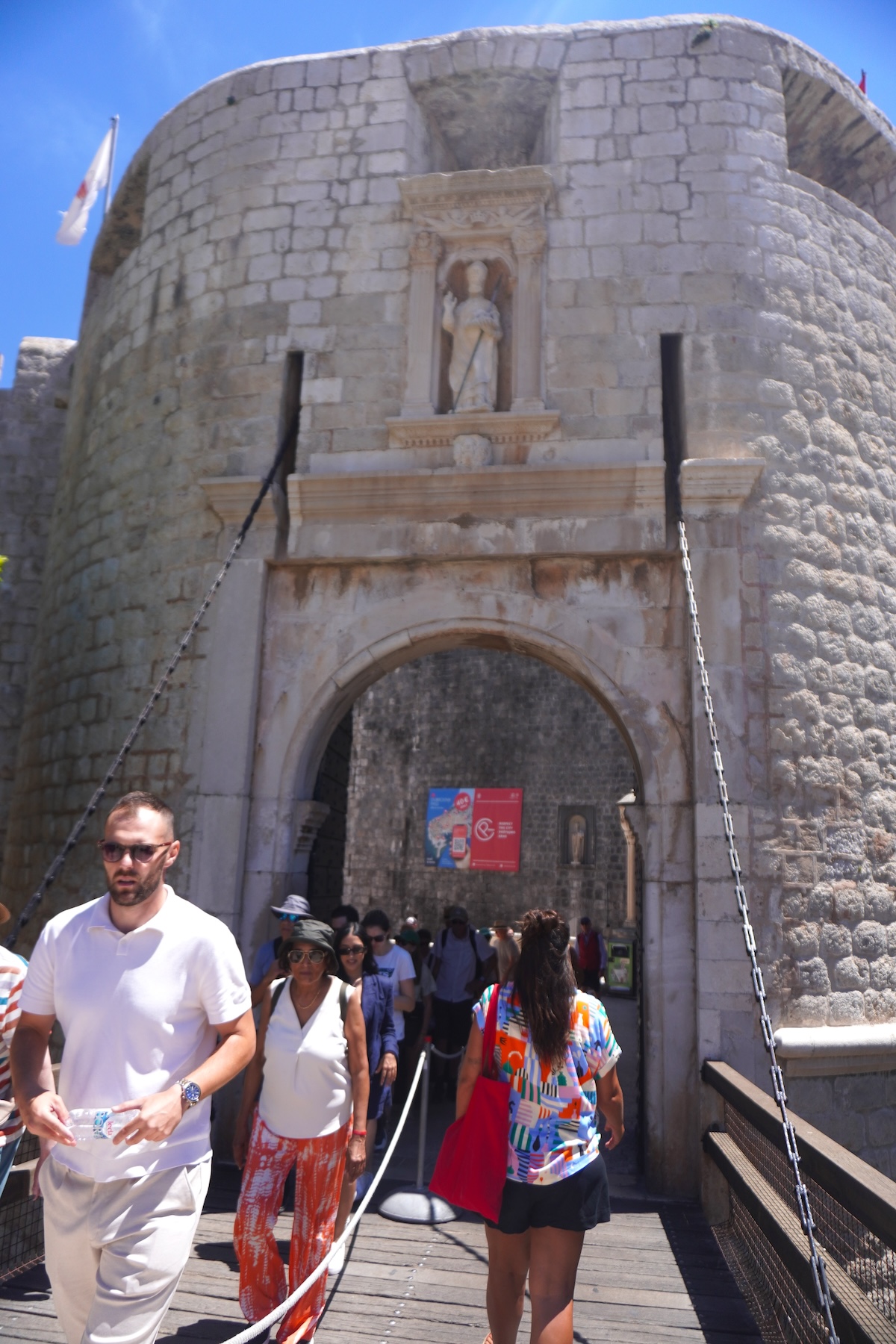
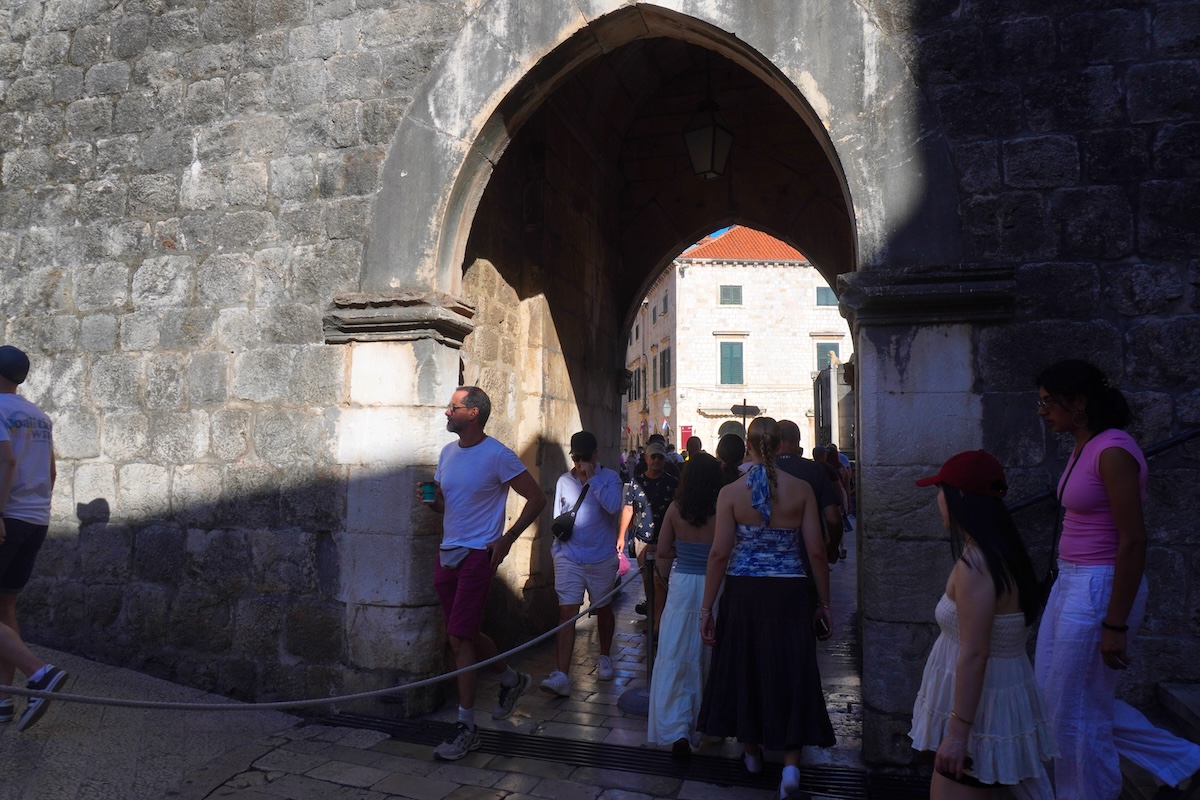
Access to the city through the Pile Gate is via a three-arched stone bridge leading to the fortified entrance complex, and one of the most intriguing details is that the wooden drawbridge is still preserved. Apparently, during the time of the Republic of Ragusa, this bridge was raised at night as a defensive measure. That said, be patient when entering or exiting through this gate, because in addition to feeling the weight of history, you’ll also feel the weight of mass tourism. Since it’s one of the most famous and busiest gates, during peak months the number of tourists is so high that lines form to enter (or exit) the walled city.
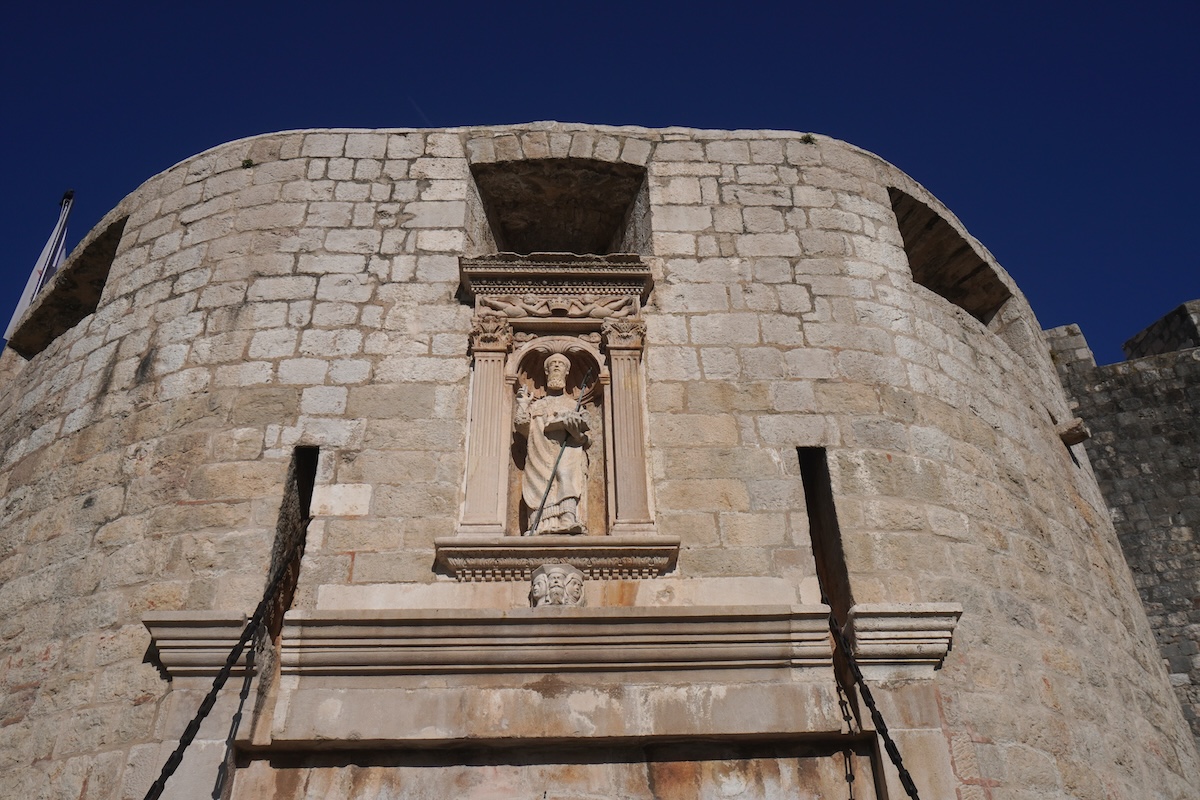
Above the Pile Gate, you’ll see the statue of St. Blaise, the patron saint of Dubrovnik, and just below it, the famous three stone heads—one of the city’s curiosities. The most widely told legend says that these three heads represent a monk and two nuns caught in a forbidden intimate relationship.
Ploče Gate
Ploče Gate is Dubrovnik’s main eastern entrance and played a key role for centuries due to its connection to the port and the eastern access route (it was the arrival point for caravan routes bringing goods from the East). Like Pile, it was part of the city’s defensive system and was designed not only to control who entered but also to protect one of the most vulnerable points of the city wall.
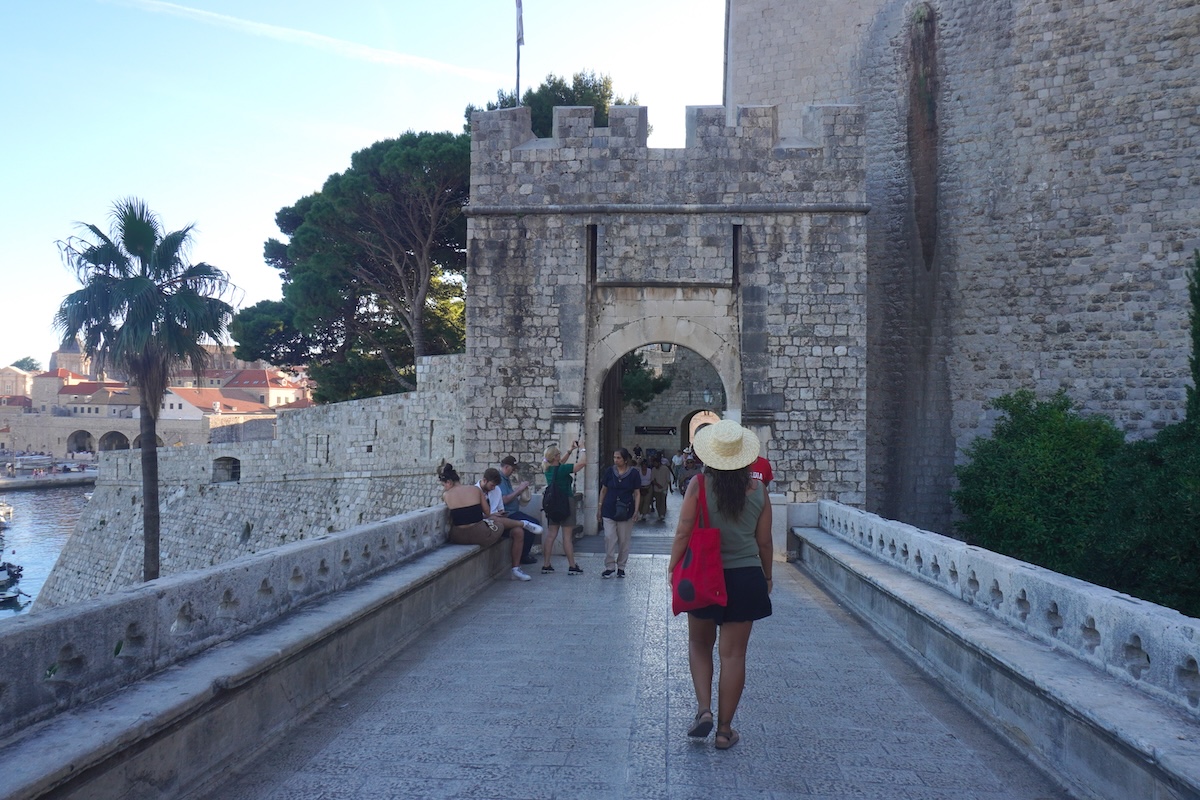
It’s located in a very beautiful area, next to the Old Harbor and near the Revelin Fortress, so it’s a great spot to stop for a moment and take in the views of Dubrovnik and the Old Harbor.
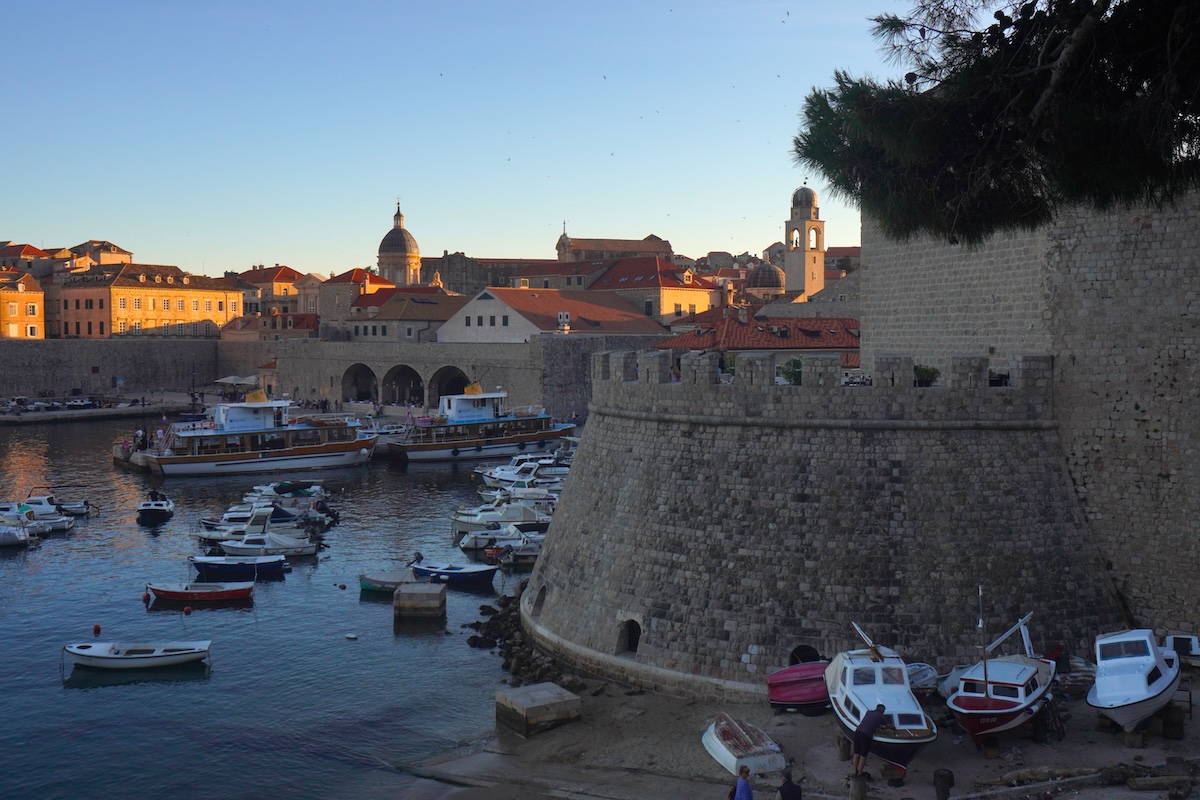
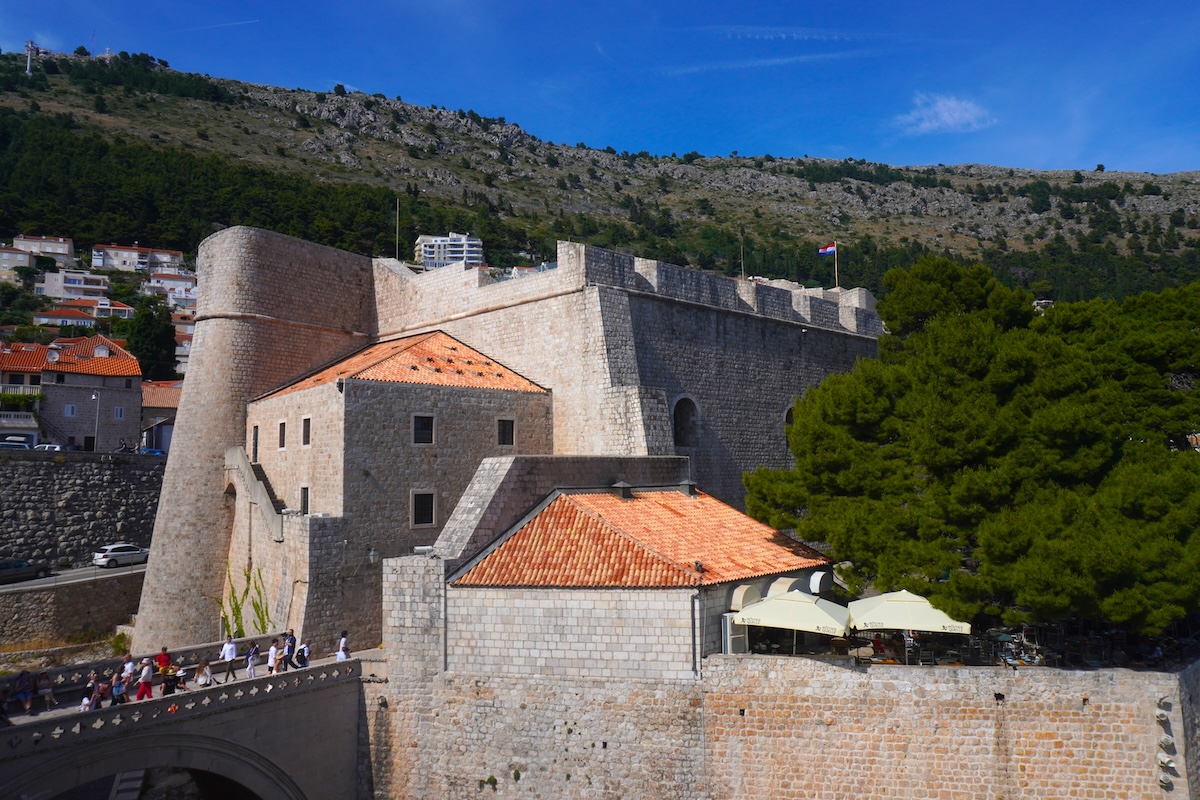
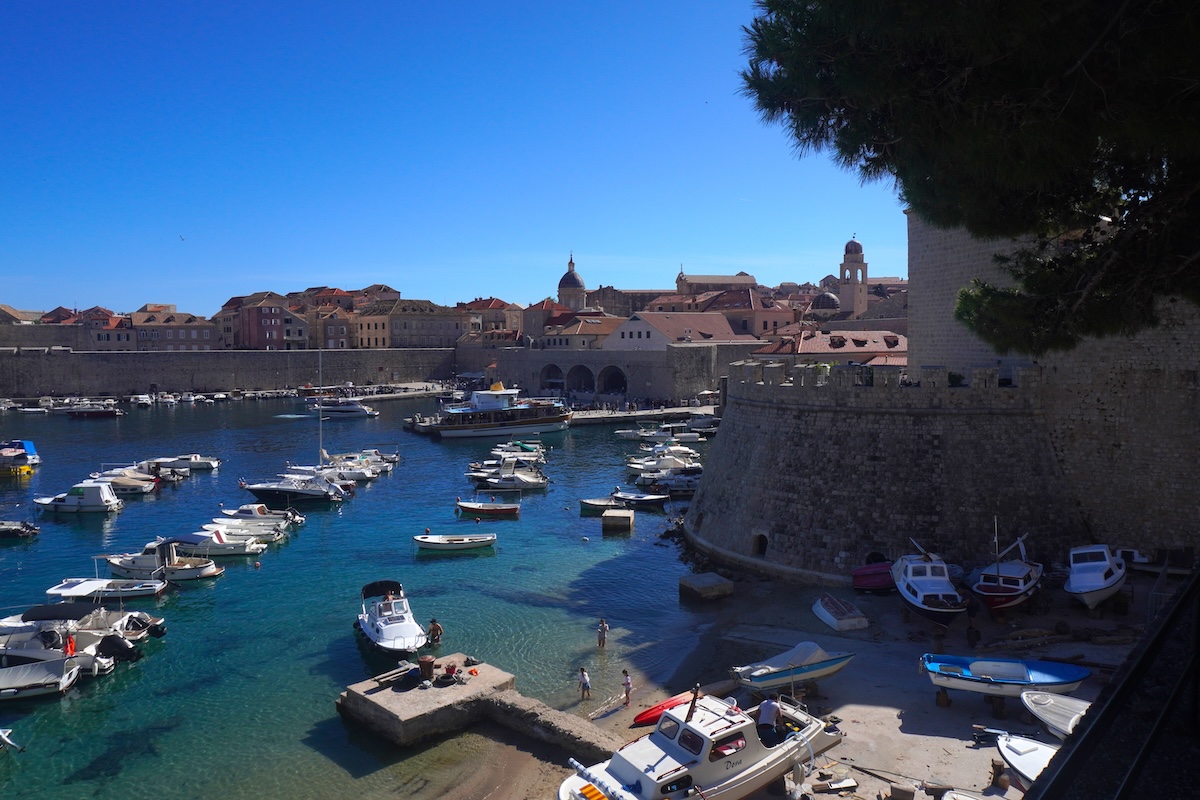
It’s also the gate we passed through most often on Randomtrip, and we recommend entering the walled city through it for the first time, if you can. In addition to the views of the harbor and the grandeur of the entrance itself, it’s the closest gate to the place where we stayed in the city (this apartment right next to the Cathedral), and we passed through it several times at different times of the day.
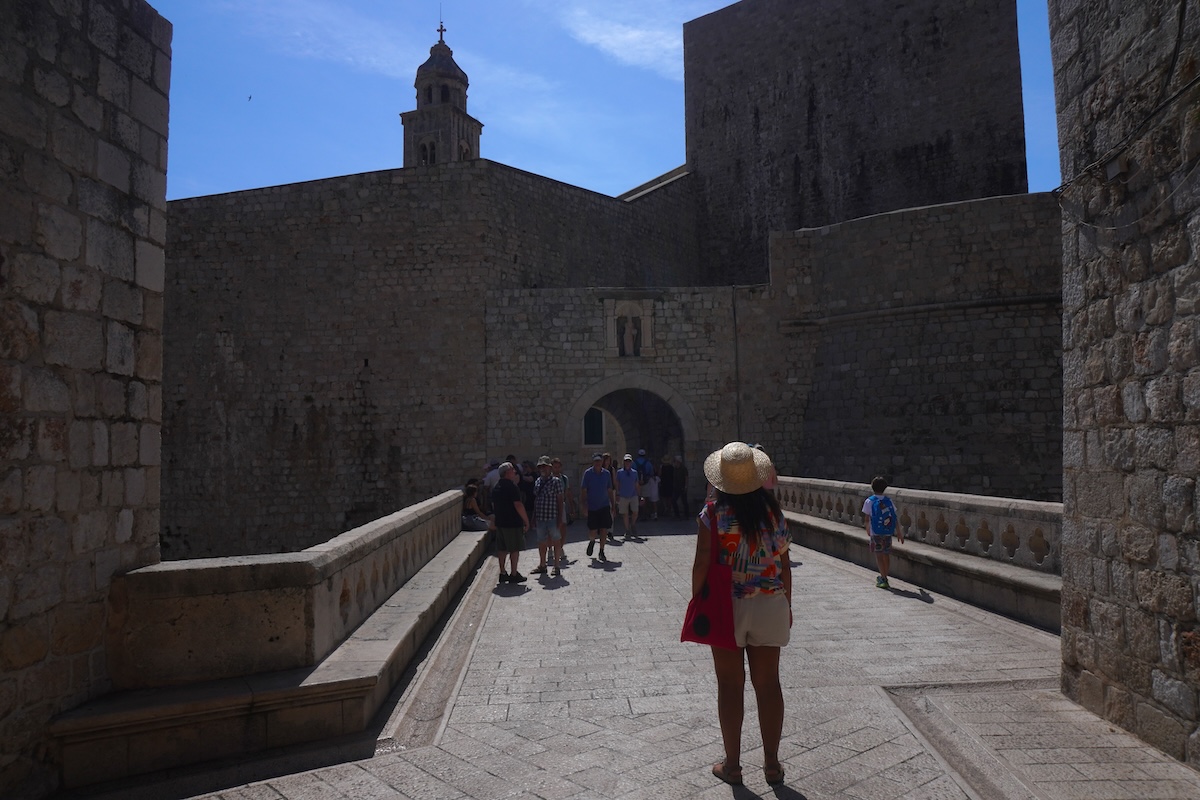
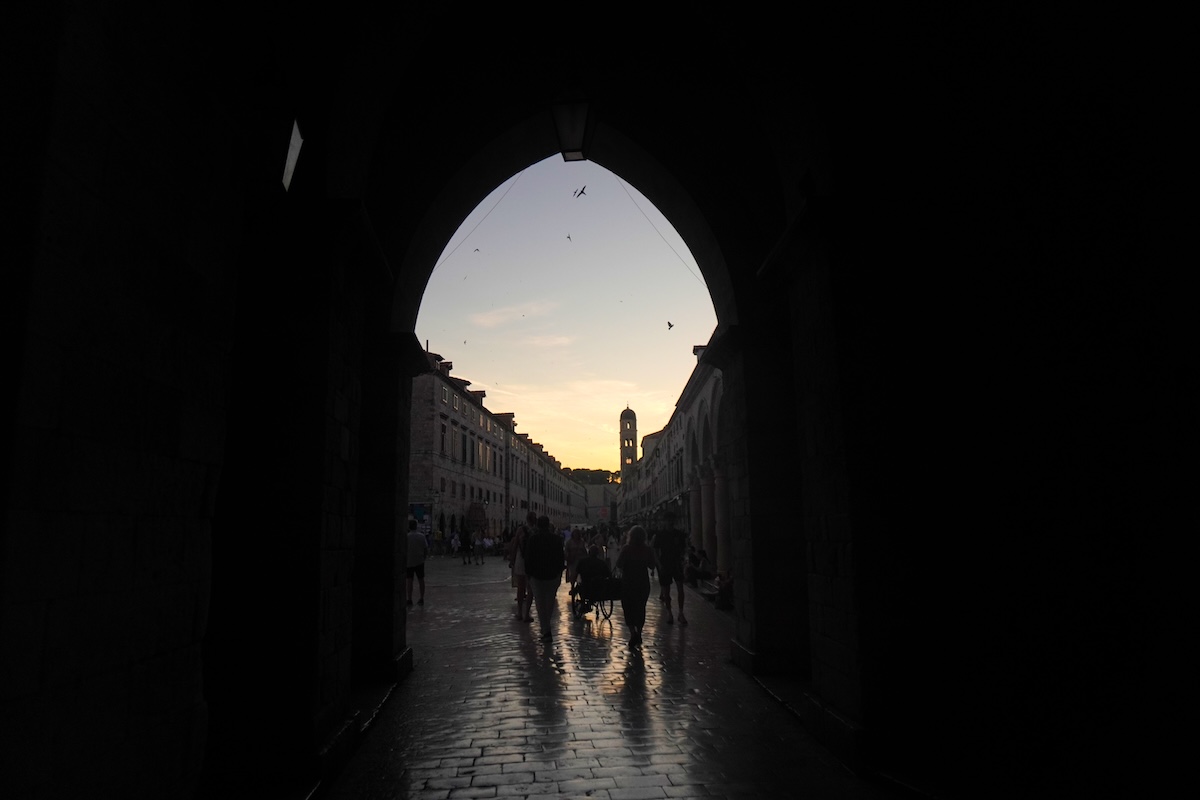
The sunset took the cake, with swallows flying over the gate and the city wall, providing the entrance to the city with its own soundtrack as if they were little dragons (in the imagination of two Game of Thrones fans like us).
Buže Gate
The Buže Gate is quite different from Dubrovnik’s other two major entrances. It lacks the same historical significance and monumental grandeur as Pile or Ploče, because the current gate was opened much later, in the early 20th century, during the Austro-Hungarian era. It was built in 1907–1908 as a practical passageway between the city and the surrounding area, to facilitate passage (“Buže” literally means “hole”).
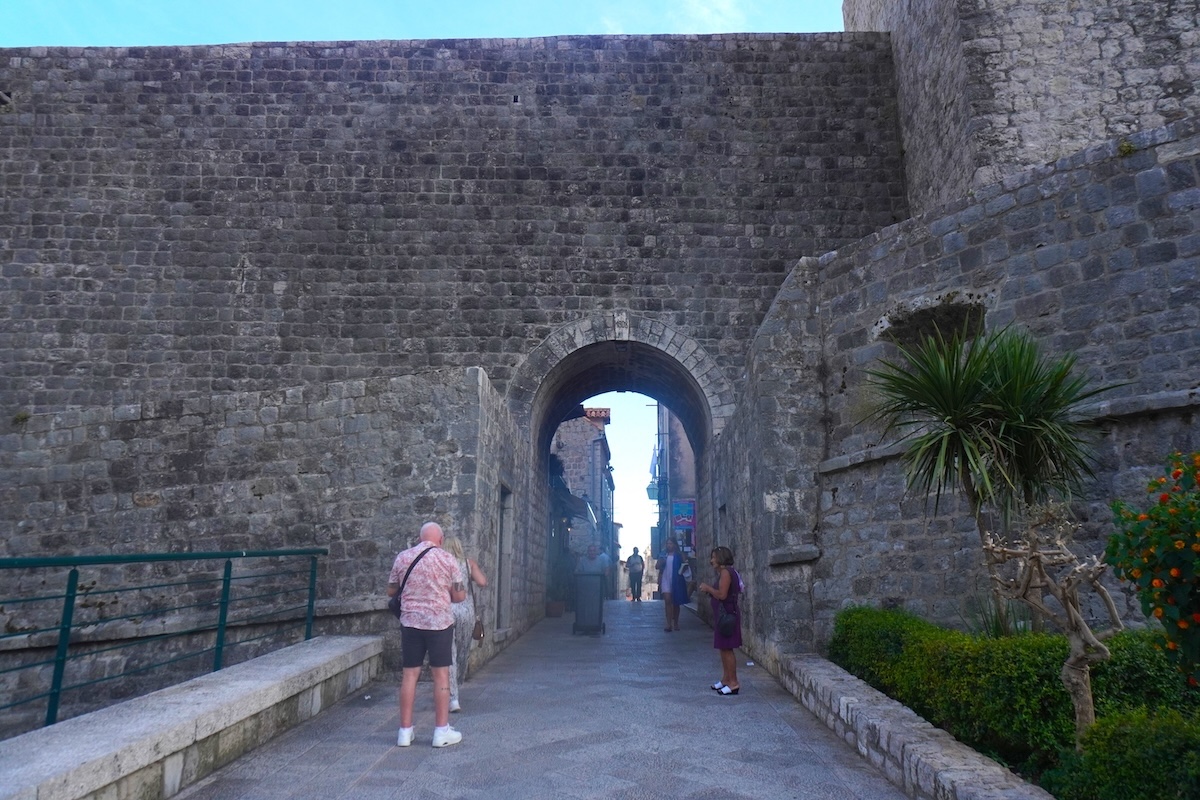
Precisely for this reason, it is often seen more as a discreet opening than as a grand monumental gate—a fact that aligns with the reality that Dubrovnik no longer needed the same defensive system as it had during the time of the Republic.
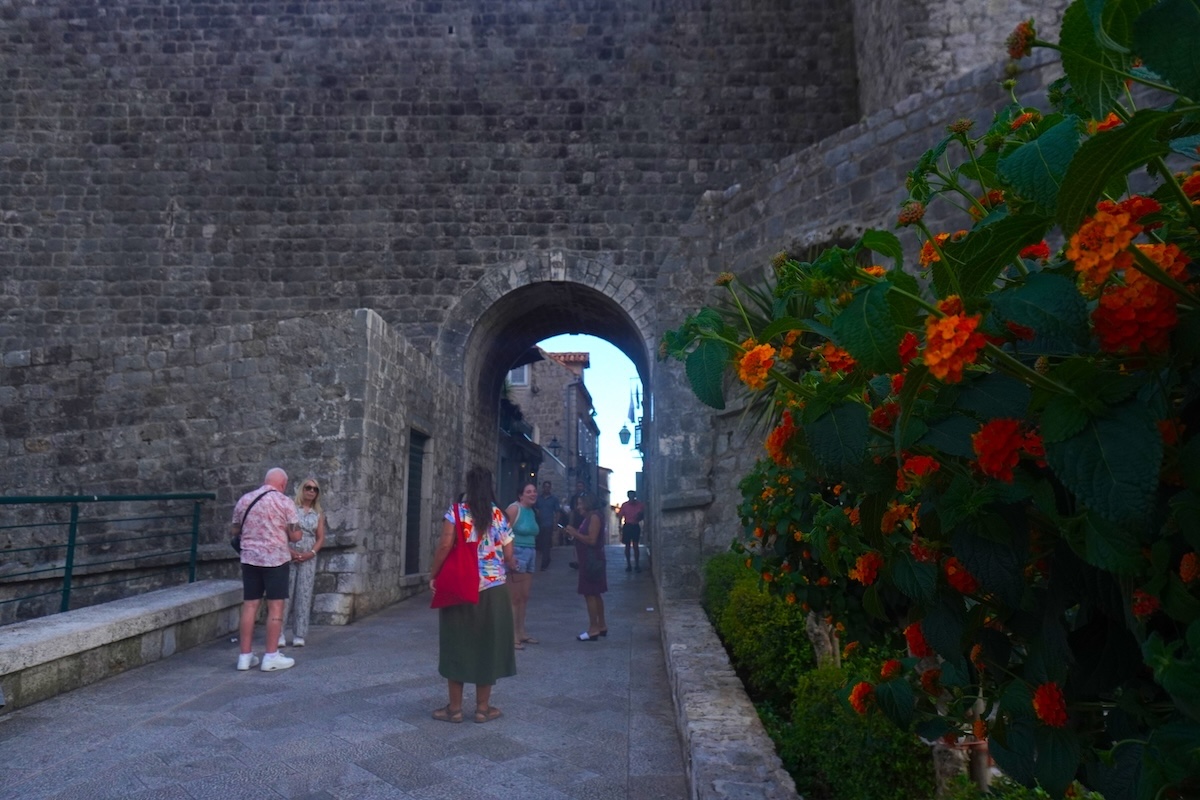
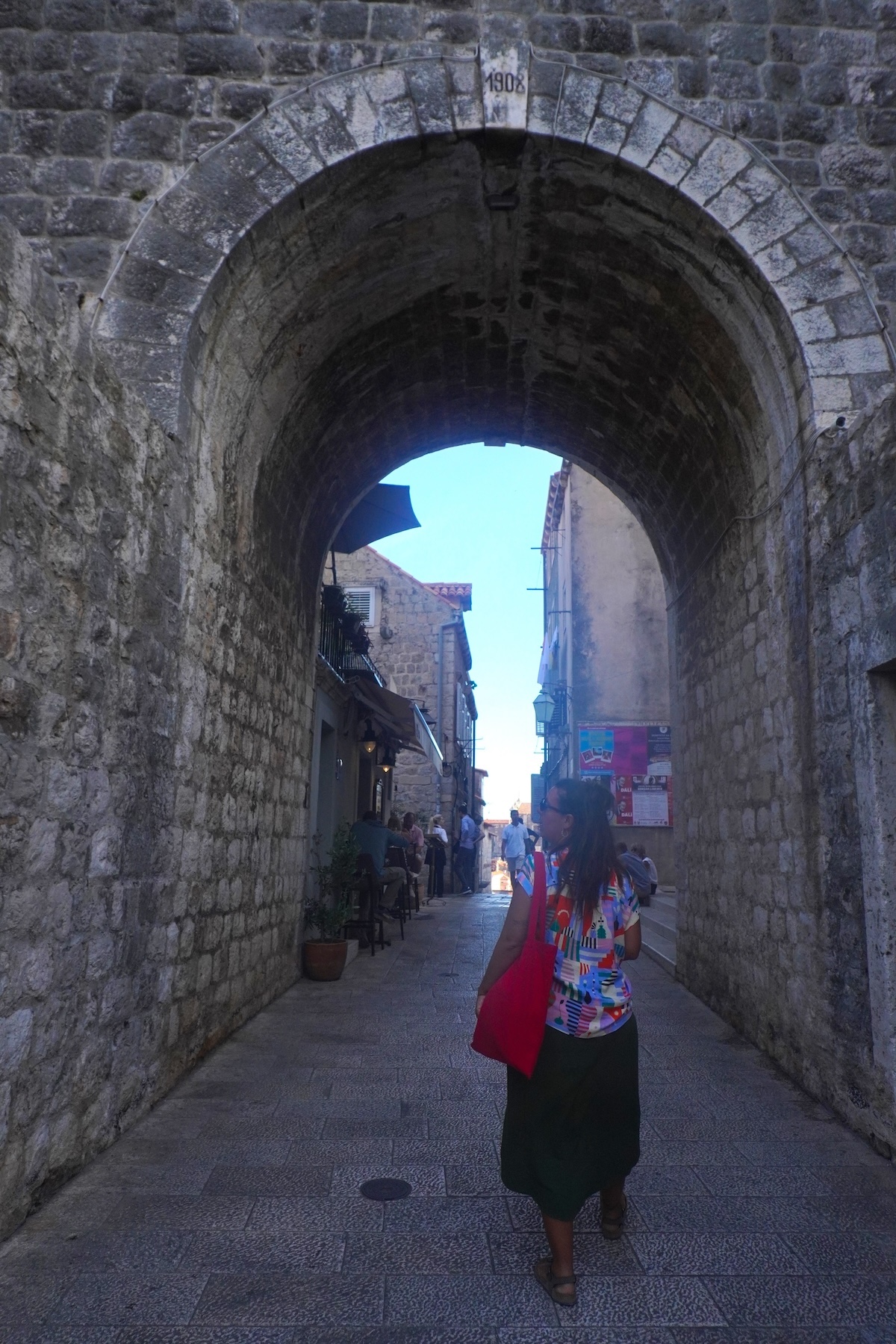
Even so, it has its charm, especially because it’s a quieter and less crowded entrance than Pile or Ploče, although there’s always plenty of activity within the Old Town.
Dubrovnik’s City Walls
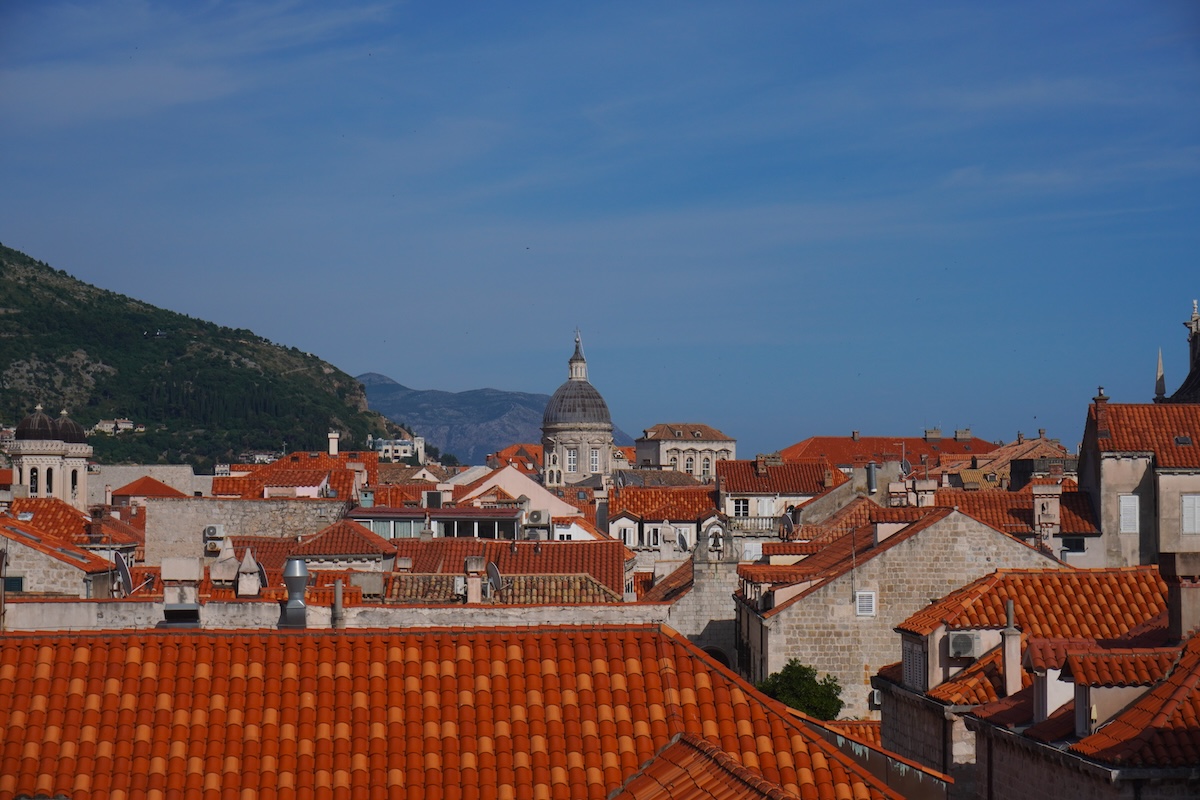
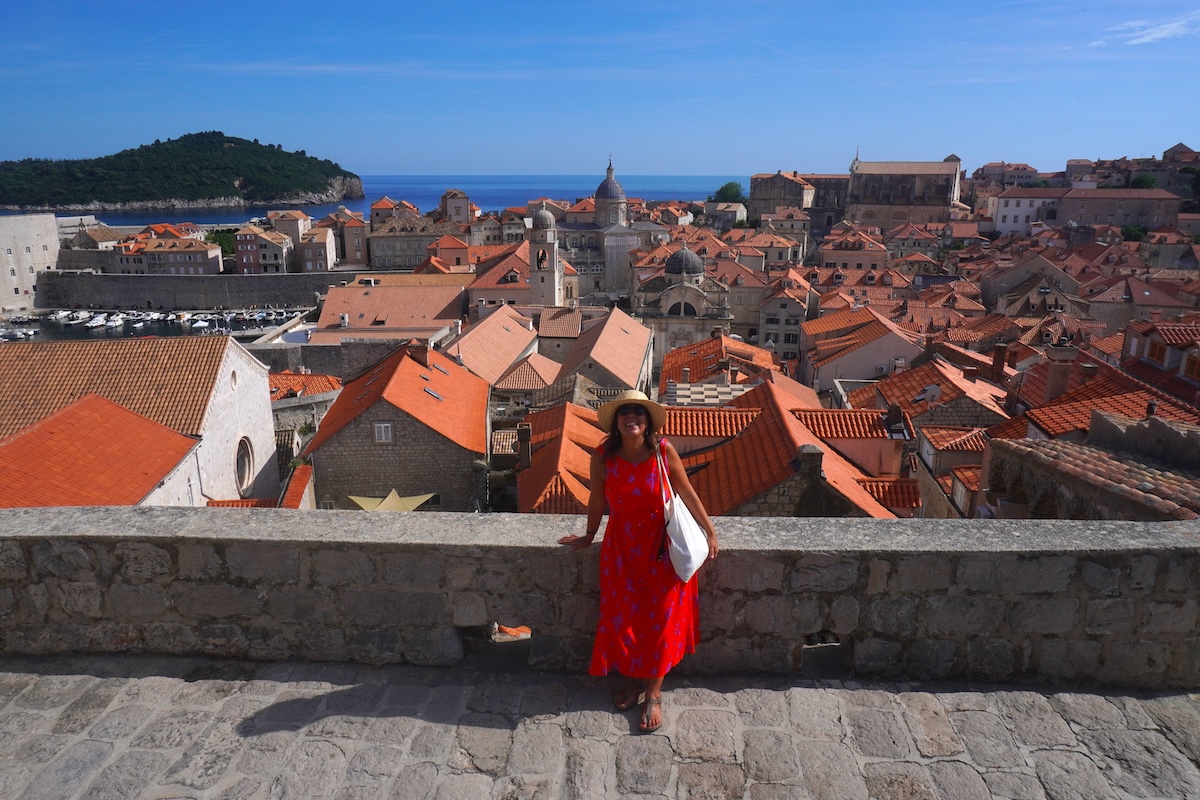
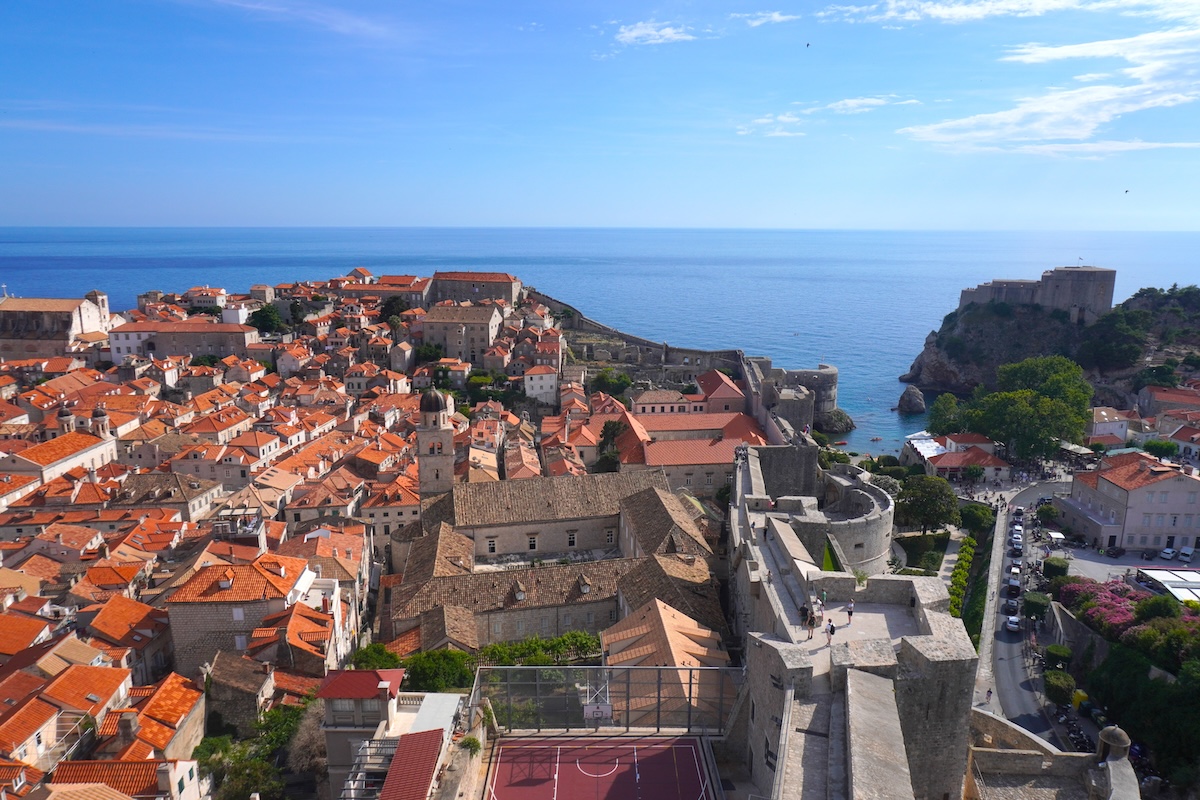
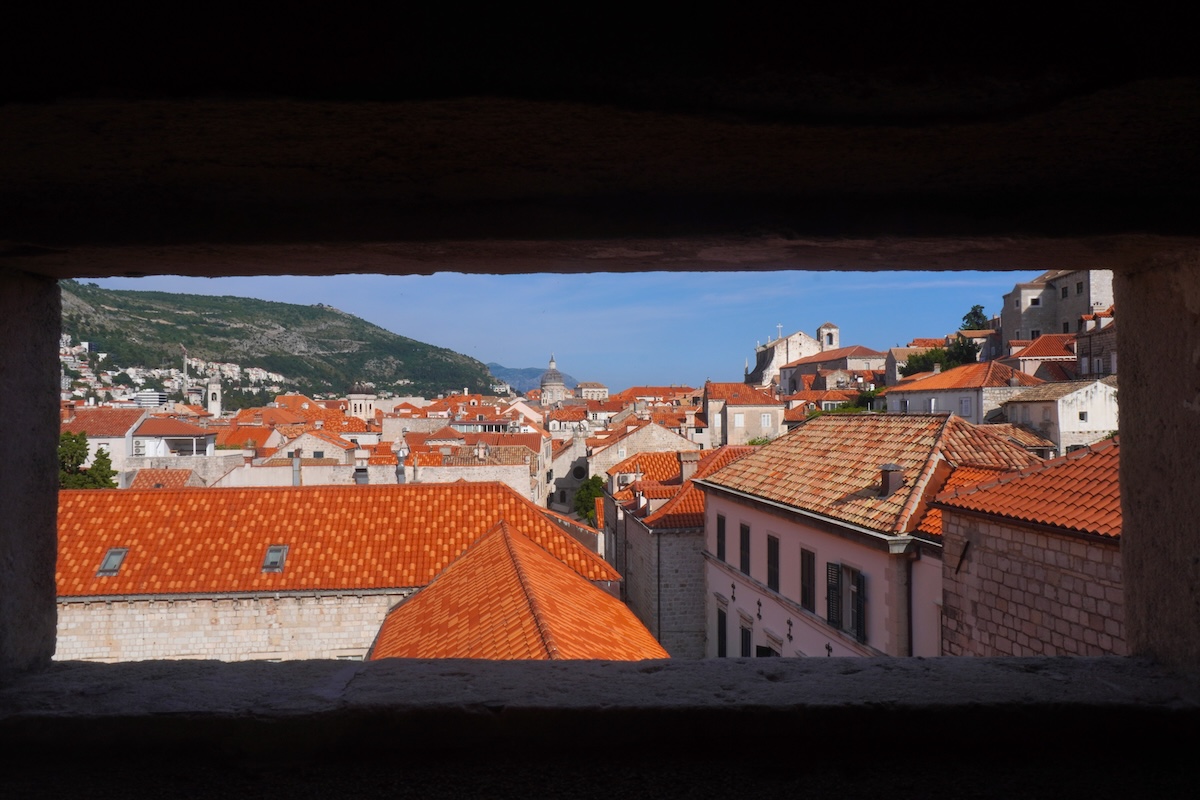
If there’s one postcard image that defines Dubrovnik, it’s probably this one: the city walls, red rooftops, and the Adriatic Sea peeking out from all sides. The view from the city walls is, in fact, likely the city’s most recognizable image.
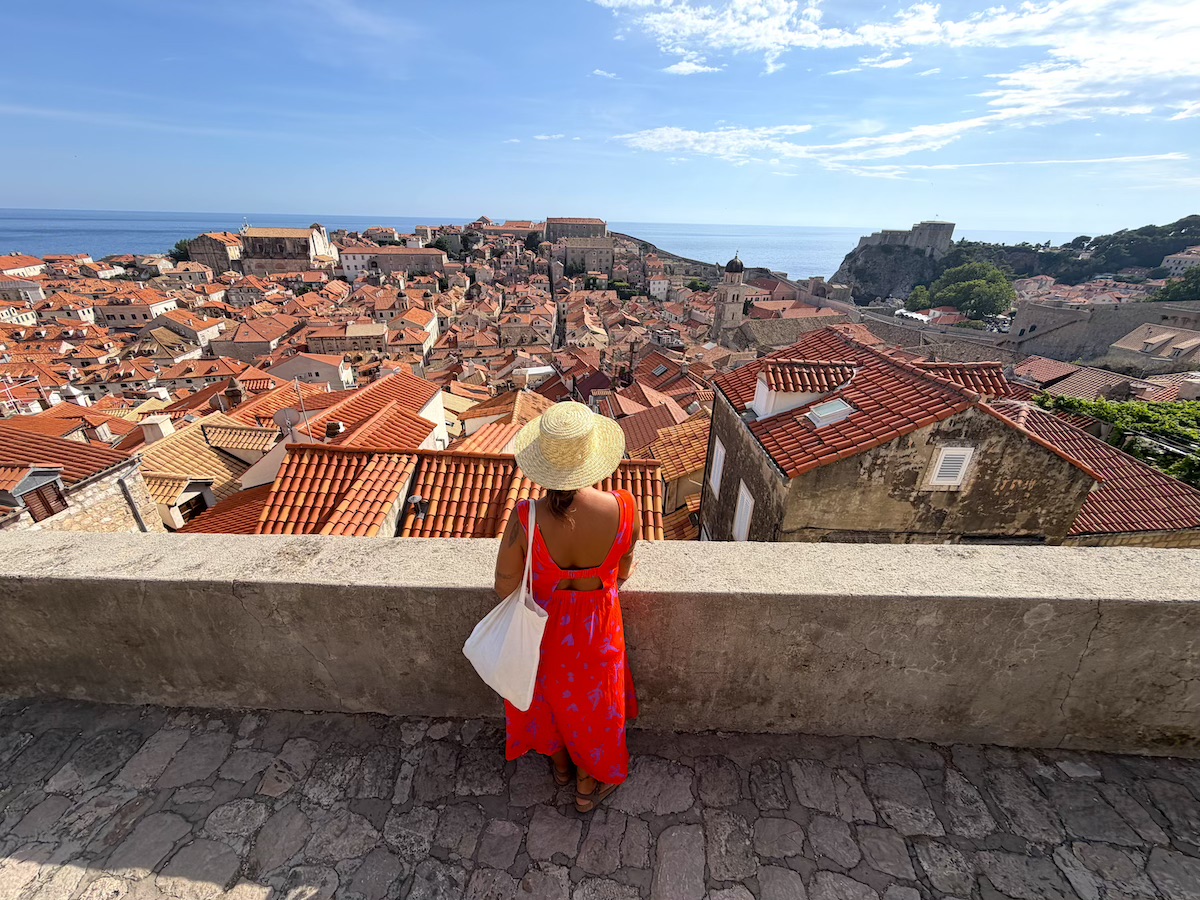
They almost completely surround the Old Town and served for centuries as the main defense of the Republic of Ragusa, protecting the city from both land and sea. Their current appearance is the result of centuries of expansions and reinforcements, especially between the 13th and 16th centuries when Dubrovnik significantly strengthened its defensive system, although their origins date back even further, to the 8th century. Walking along them is one of the best ways to understand the city, because from above you can clearly see how the Old Town was laid out and also why Dubrovnik was so strategically important for centuries.
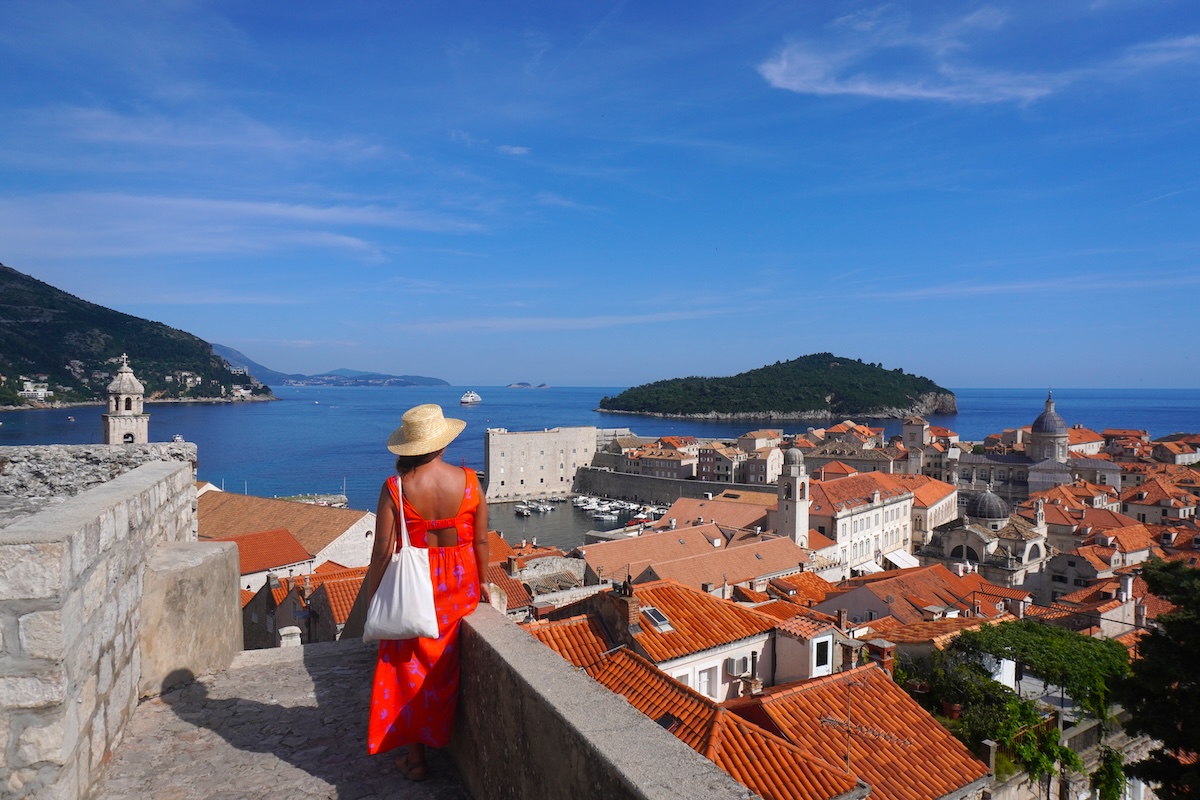
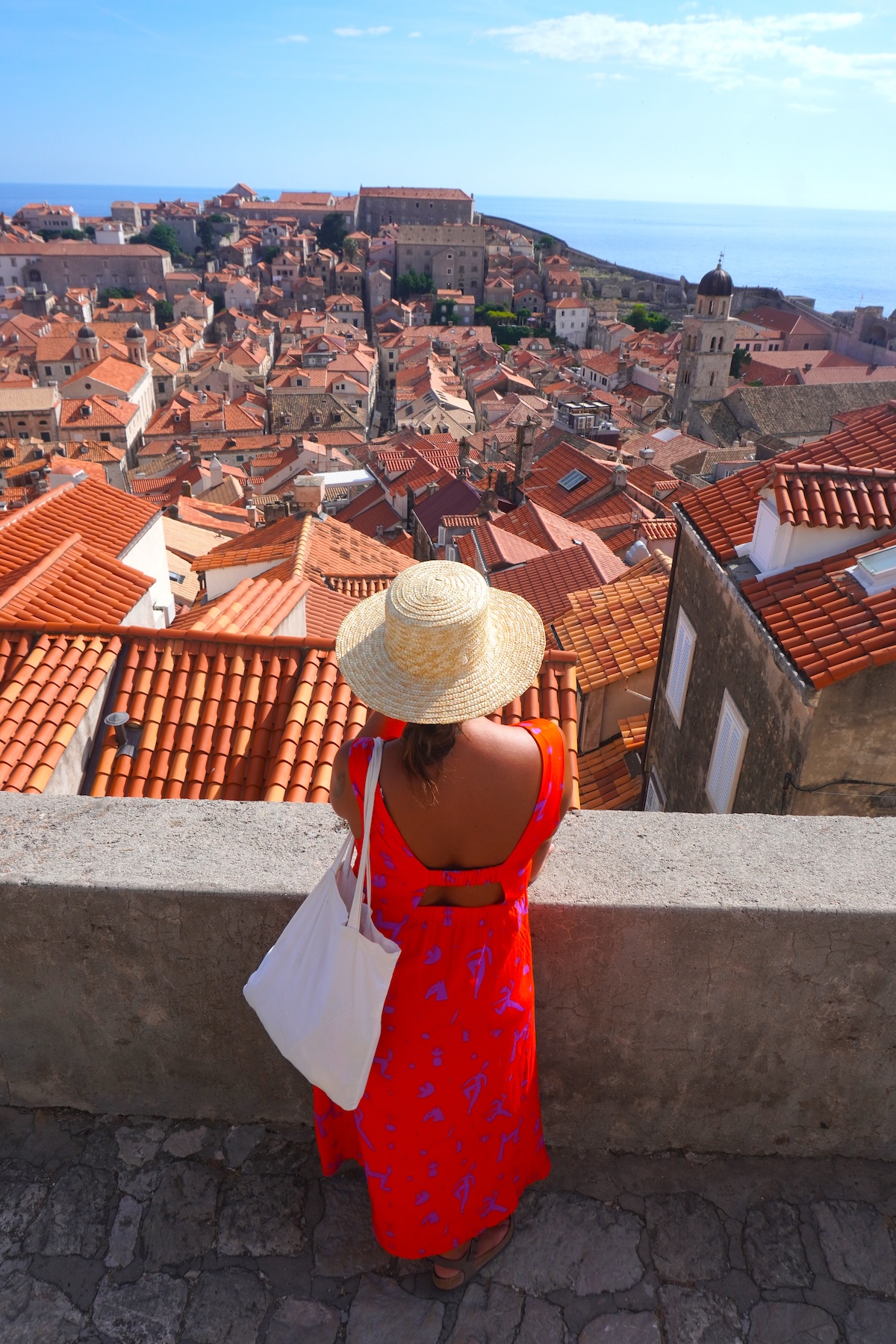
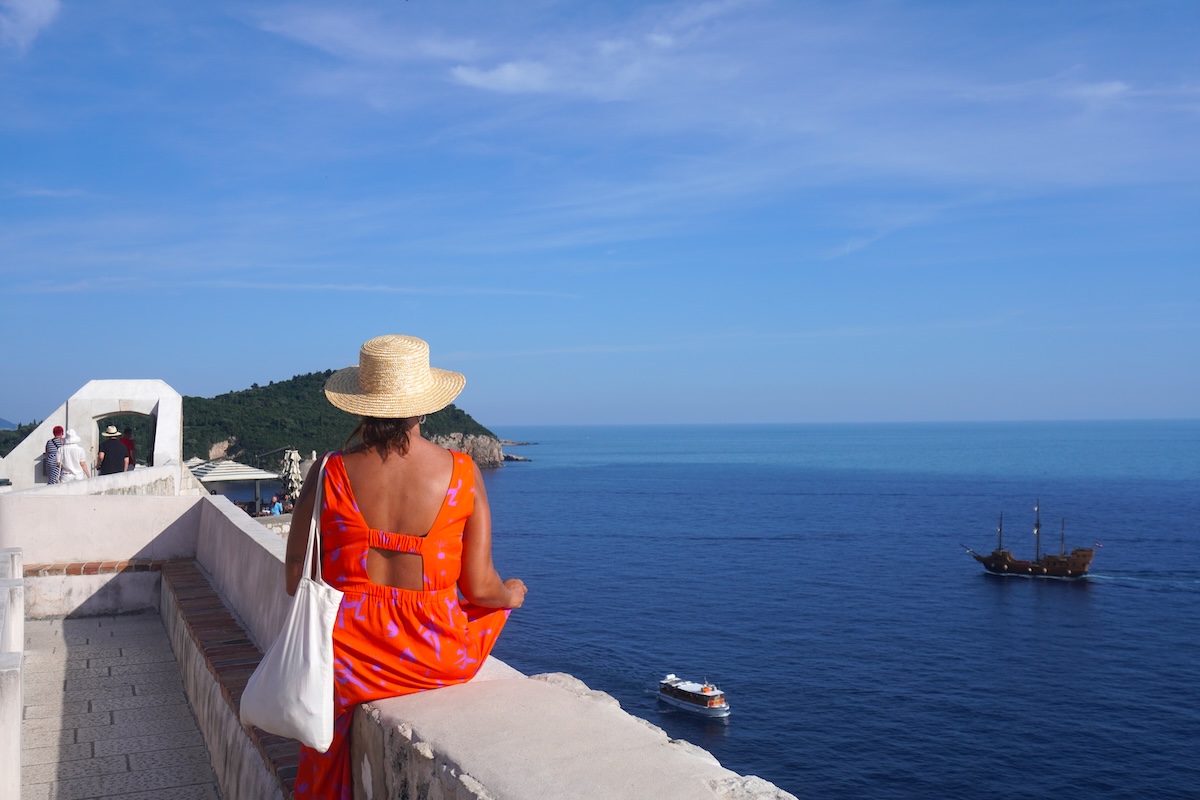
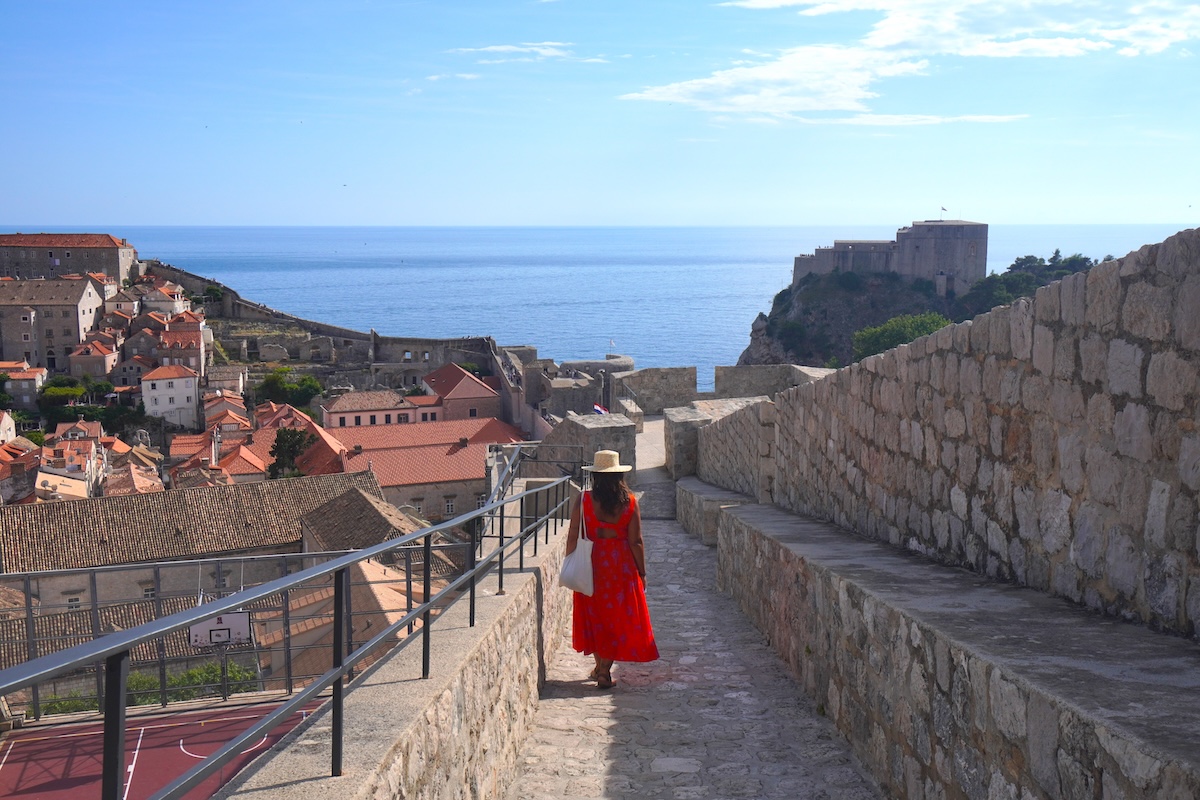
Walking along the walls is, quite literally, a way to circle Dubrovnik from above, with a panoramic view that changes at every turn and reveals the city from very different angles. The entire walk is about 2 km long , and between the uphill and downhill sections and the stairs, you’ll be doing quite a bit of walking: a total of 1,080 steps. It’s not a short walk, nor is it exactly flat, but it’s well worth it if you have plenty of time and aren’t in a hurry. Plus, the views from the walls are, in our opinion, the best in Dubrovnik.
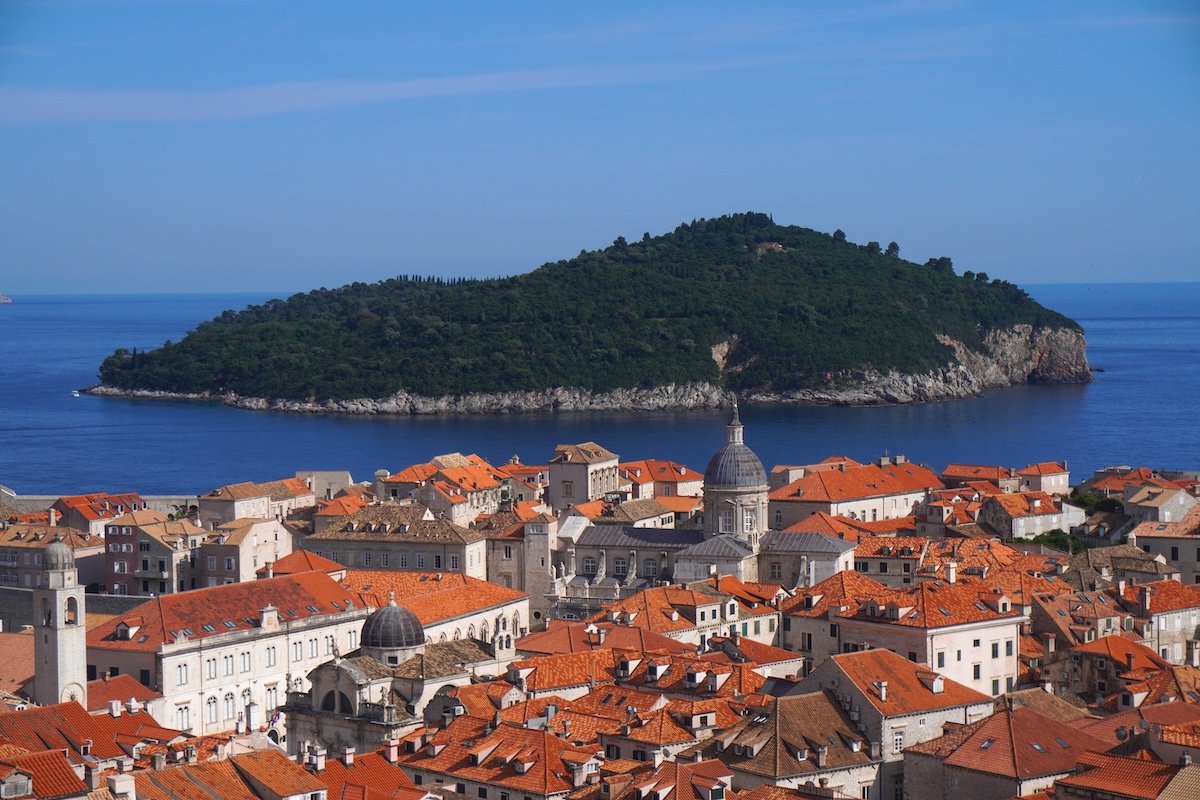
At some points on the landward side, the walls were up to 6 meters thick—a clear indication that their primary function was to defend against attacks from within. And they weren’t just walls: the entire system was reinforced by towers and bastions such as Minčeta, north of Pile—one of the city’s most iconic landmarks; Lovrijenac, to the west, perched on a rocky promontory with breathtaking views; and St. John’s, home to the Maritime Museum. In fact, the Republic of Dubrovnik did not fall after an assault on the walls, but rather after it allowed Napoleon’s troops to enter in the hope that they would respect its independence.
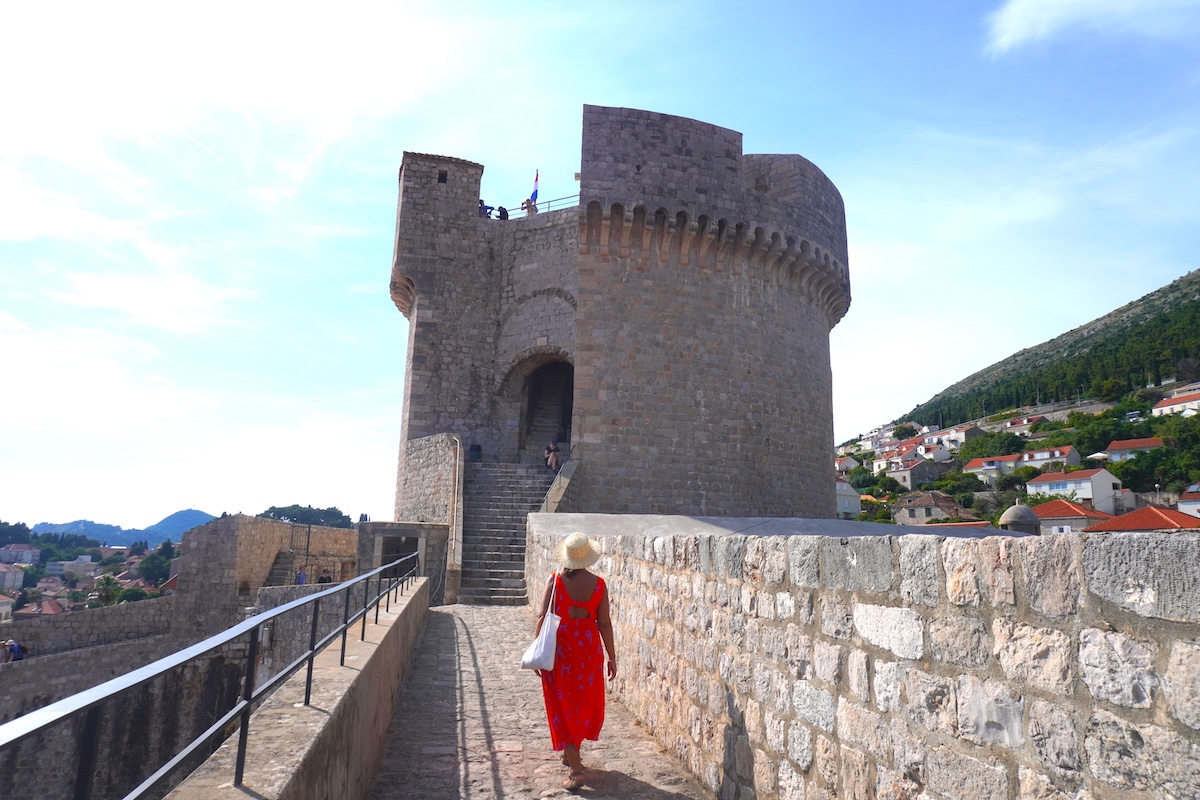
The walls have three main entrances: through Pile, through Ploče, and near the Maritime Museum. On our time there, we entered and exited through Ploče, which we thought was a great idea to avoid the main entrance at Pile, where crowds tend to build up much more. If you want a more relaxed experience, we find this option much more comfortable. We went on a Sunday around 4:00 p.m., and although we occasionally ran into groups, we were generally able to go at our own pace, stop to take photos, and enjoy the views without feeling rushed. If you can, going in the late afternoon is usually a good idea, because the heat eases up if you’re visiting during one of the hottest months, and the light starts to look more beautiful.
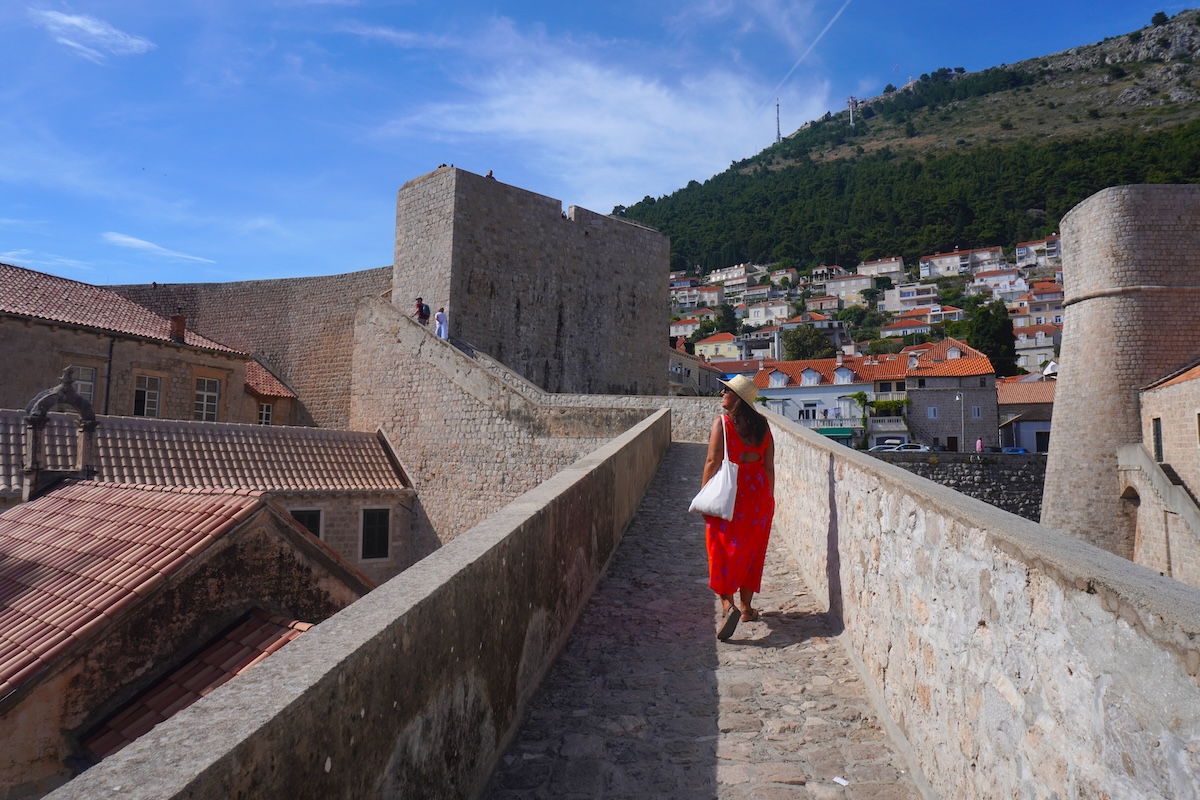
Along the route, there are several spots worth stopping at, but if there’s one that stands out above all others, it’s the Minčeta Minčeta, the highest point on the wall. From there, you have one of the most comprehensive views of all of Dubrovnik—and not just because of the height, but also because the perspective of the Old Town from that vantage point is breathtaking.
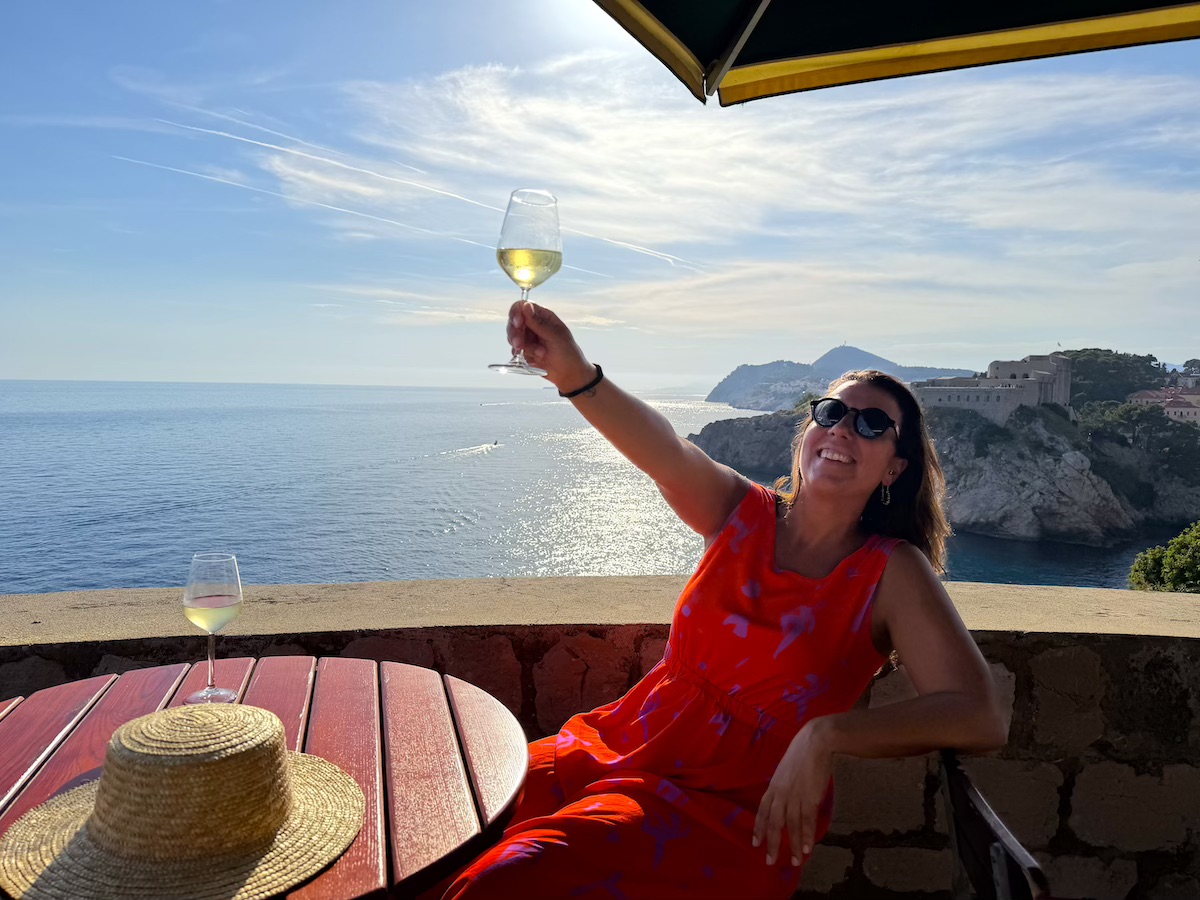
Further along, near the sea, we come across a café with a terrace with a beautiful panoramic view of the sea and the fortress itself, although the prices aren’t exactly cheap—a small beer for 6.50 €, a glass of wine for 7 €, cocktails for 13 €, coffee for 3.50 €, and water for 3 €—but in this case, the views are worth it. At Randomtrip, we ended up treating ourselves.
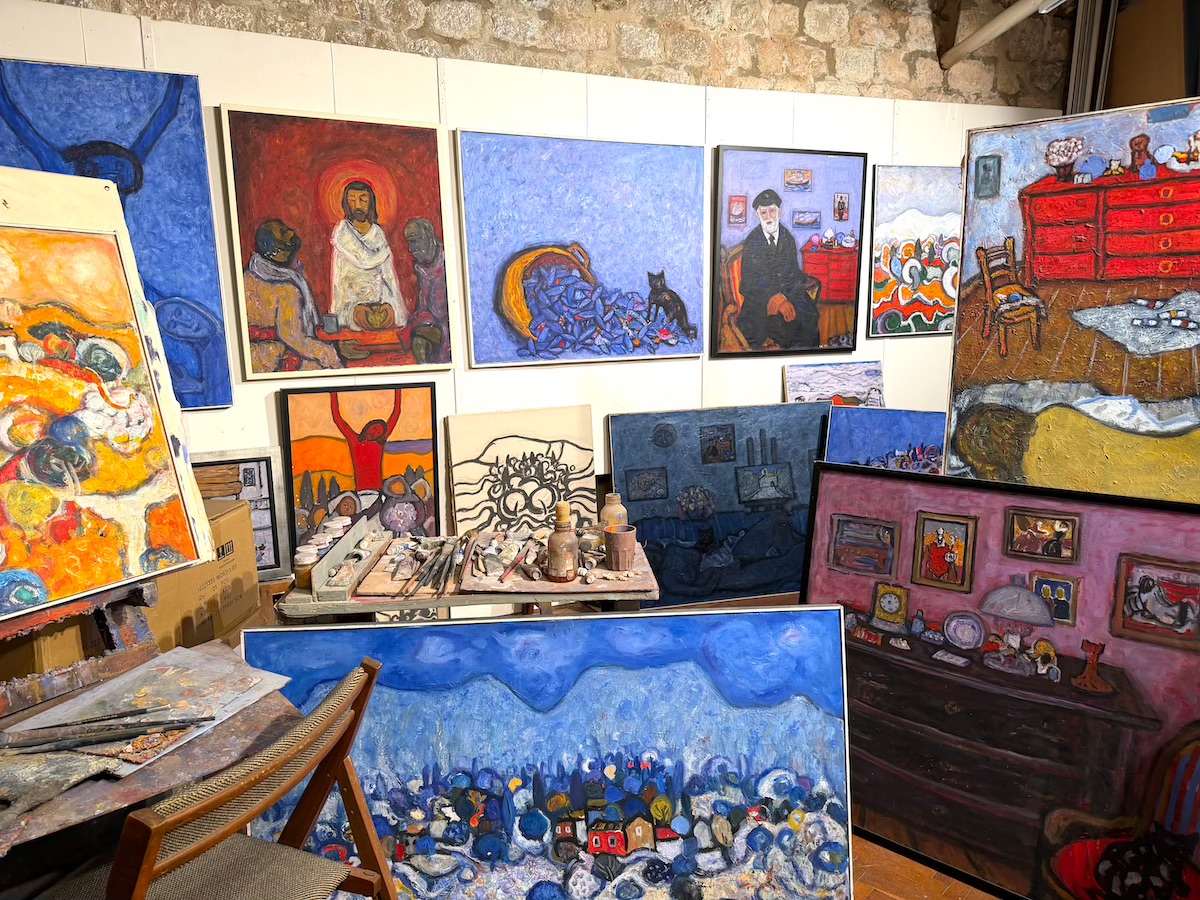
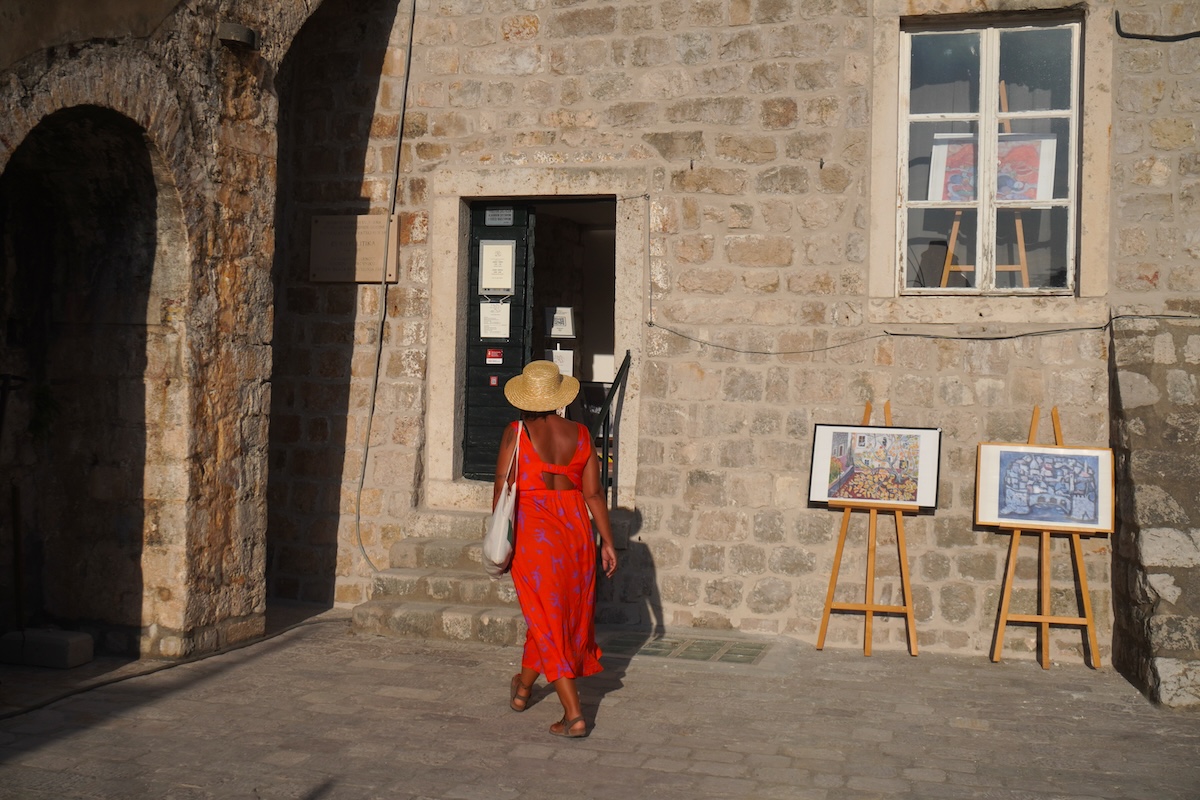
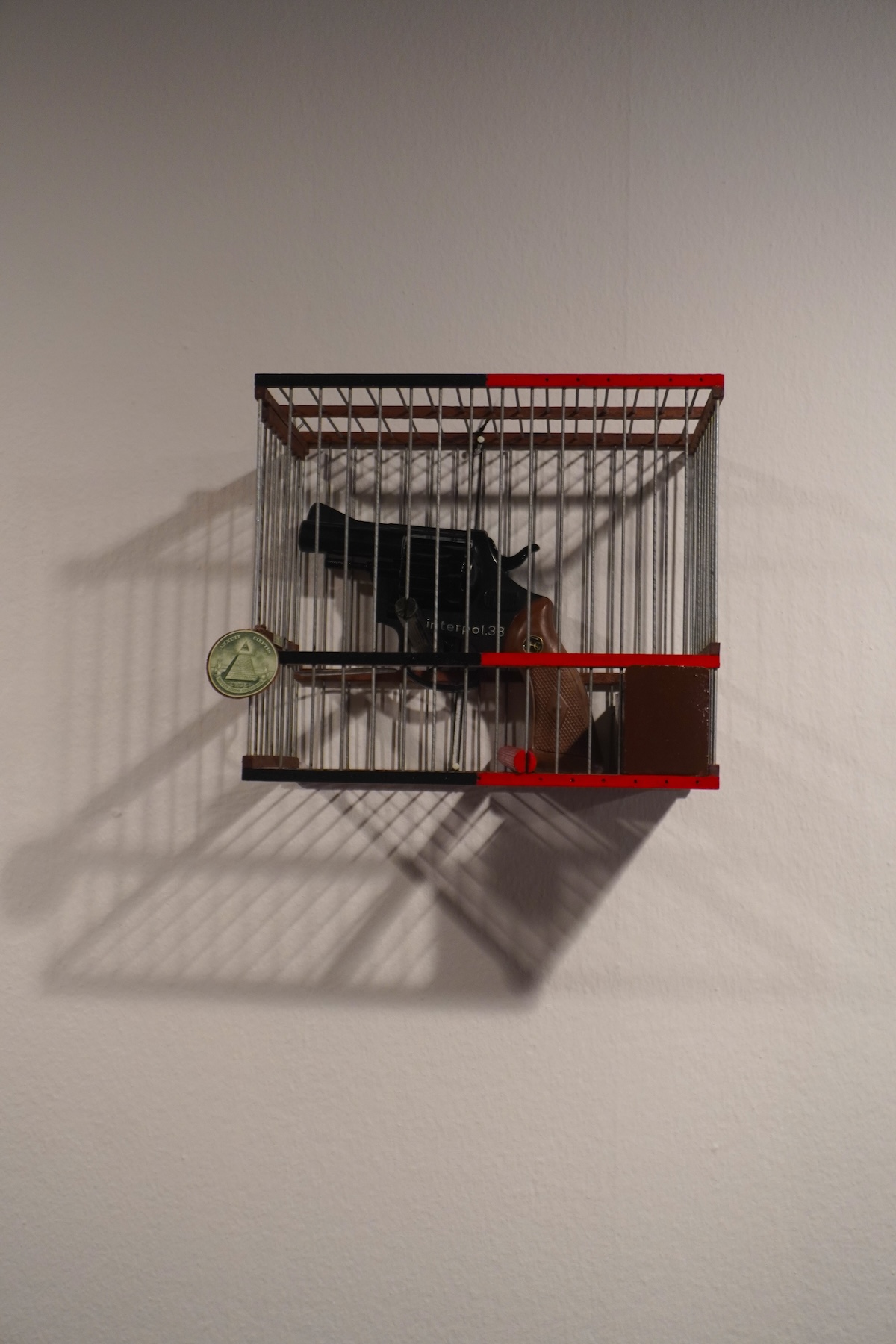
We also stopped by the Atelier Pulitika, part of Momad (the Museum of Modern Art, which we visited the next day). Admission is included with the Dubrovnik Pass, so if you have one and are interested in art, you should take advantage of it.
Hours: The hours vary practically from month to month, ranging from 8:00 a.m. to 7:30 p.m. during the sunniest months and from 9:00 a.m. to 3:00 p.m. during the darker months. Check the hours for your specific dates to see when you can visit.
Price: 40 € in high season; 20 € in low season. Admission is included in the Dubrovnik Pass. If you visit the city walls between March and November, admission costs 40 € per person, so if you plan to explore them, the 1-day Dubrovnik Pass is worth it because it costs the same and also allows you to visit other sites in Dubrovnik.
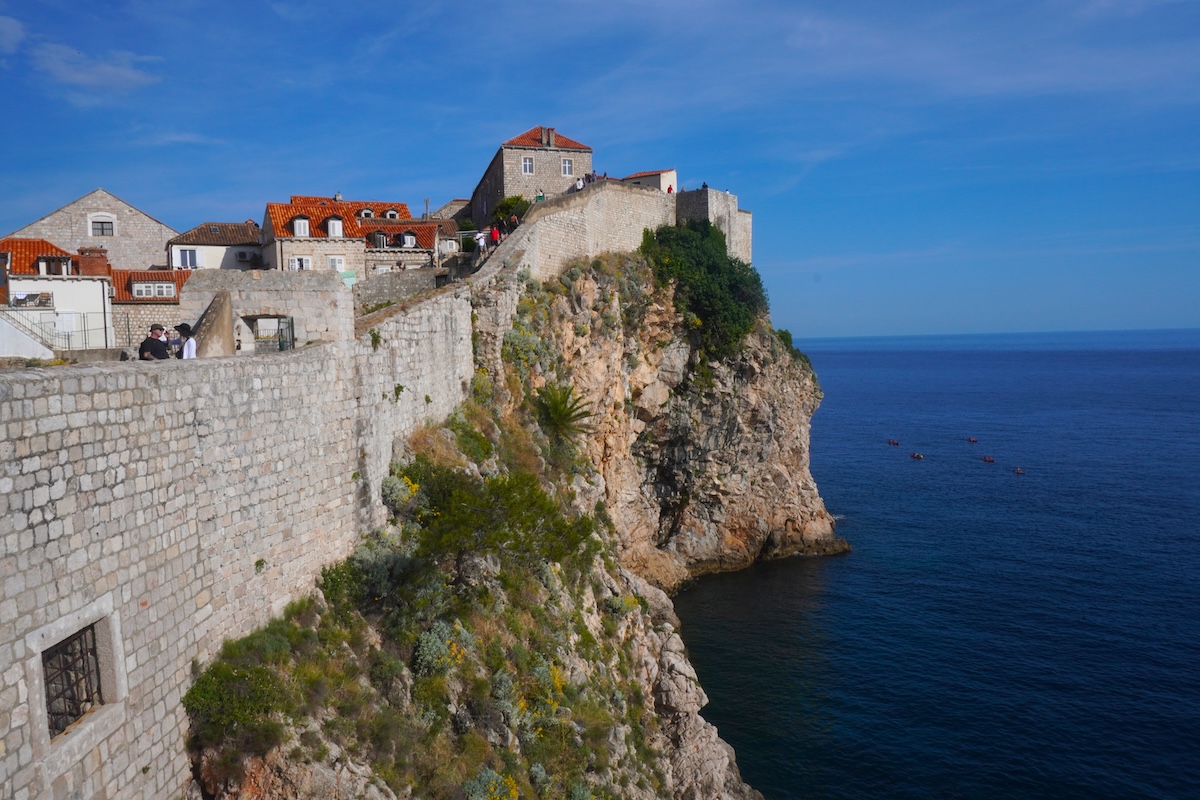
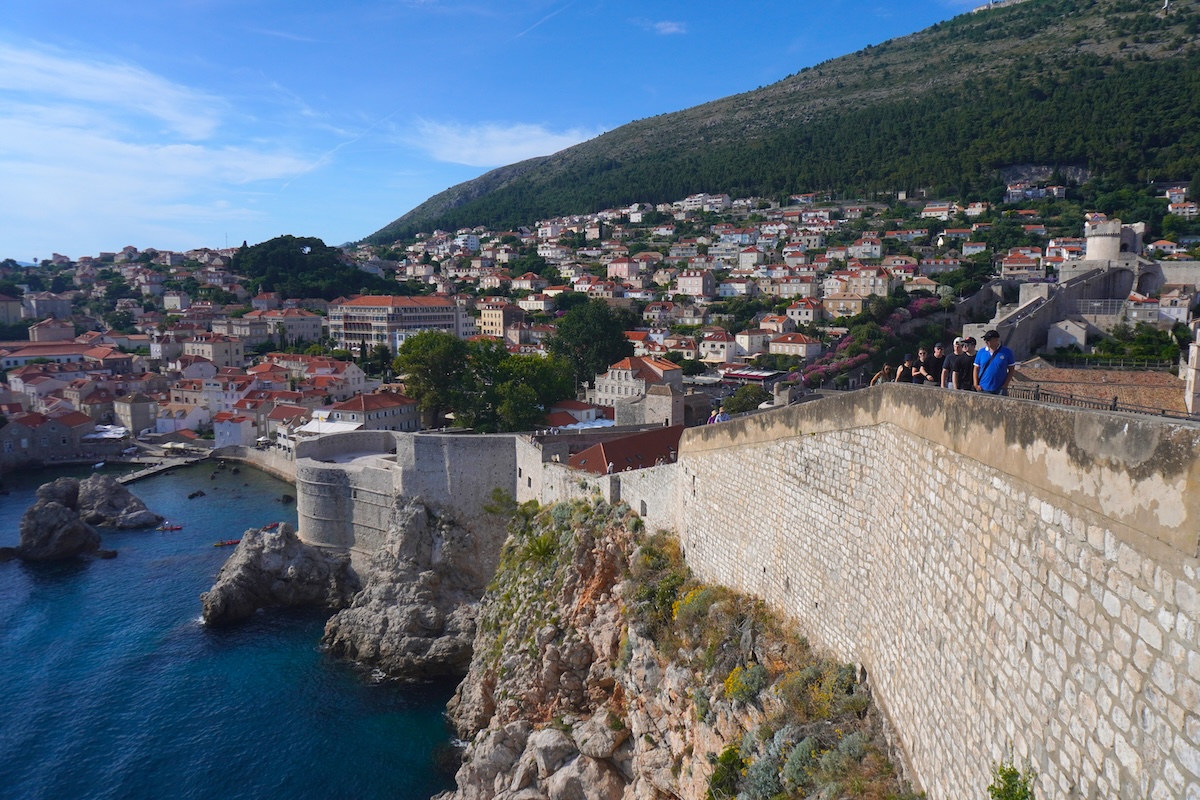
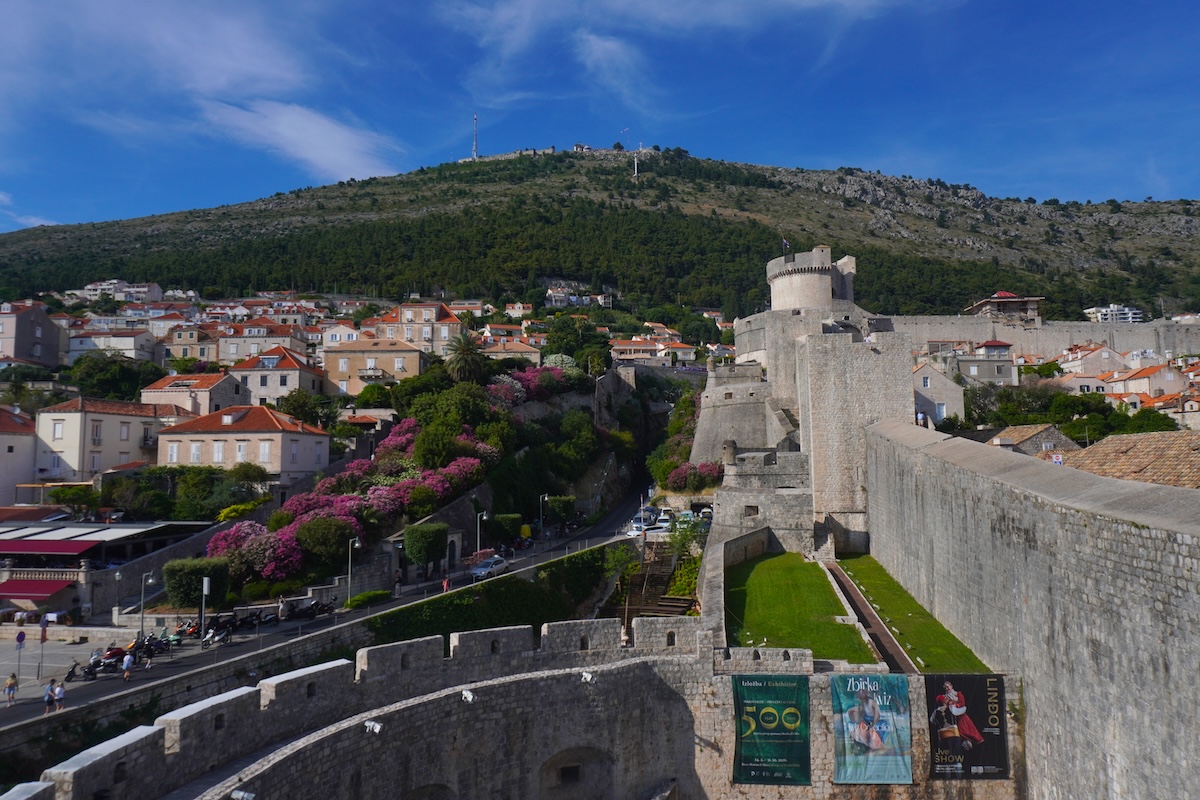
RandomTIP: Avoid entering through the Pile Gate and avoid the middle of the day if you want to enjoy a peaceful walk along the city walls.
Stradun Street
Stradun Street is Dubrovnik’s main street, and you’ll notice on your walks that you almost always end up back here. Its official name is Placa, though the name most commonly used is Stradun, which comes from the Italian word strada. You won’t see this name on street signs, but it’s the one everyone uses to refer to the Old Town’s main thoroughfare, which connects the city’s two main entrances: Pile to the west and Ploče to the east.
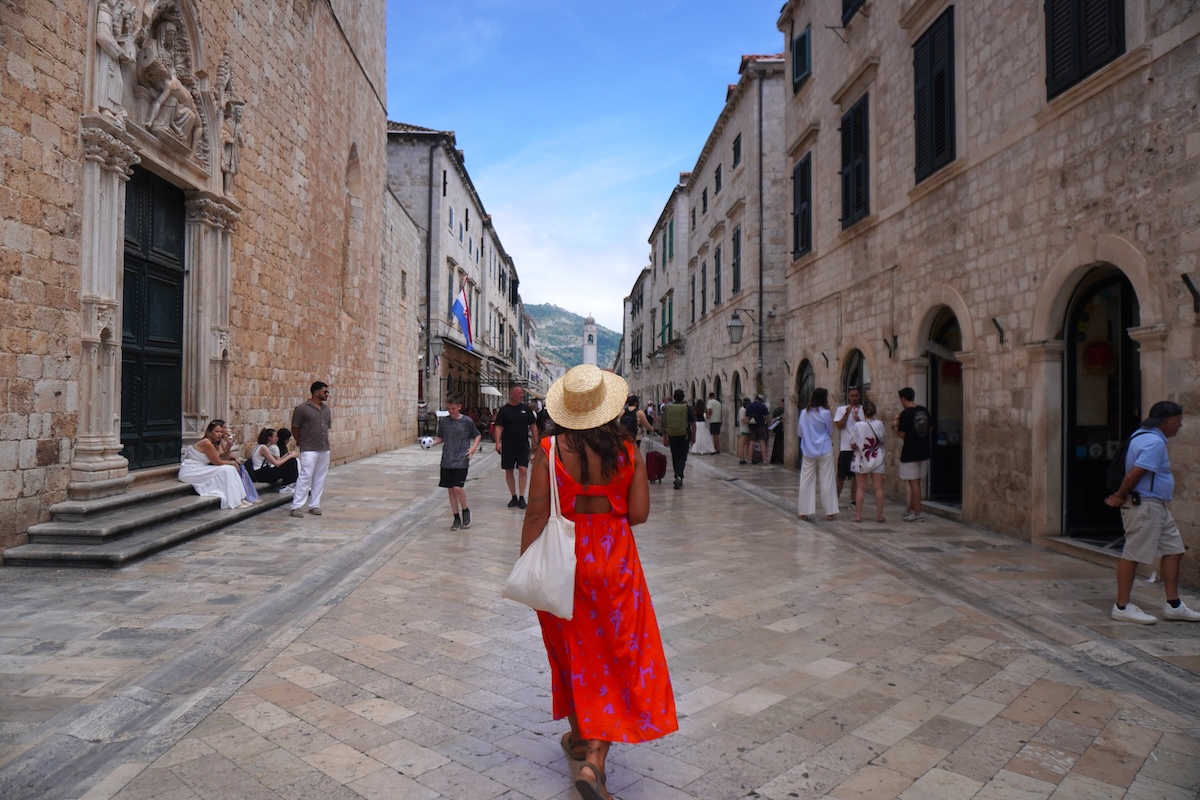
The most interesting thing is that this wasn’t always a street. Originally, it was a canal separating two settlements: one of Roman origin, called Laus, and another of Slavic origin, known as Dubrava. Laus, which means “rock” in Greek, eventually gave rise to the names Raus, Rausa, and, finally, Ragusa. The canal was filled in during the 12th century, and from then on, the two parts were united and began to grow as a single city. That is why Stradun represents a symbol of unity between two very different worlds—something that fits quite well with the history of Dubrovnik.
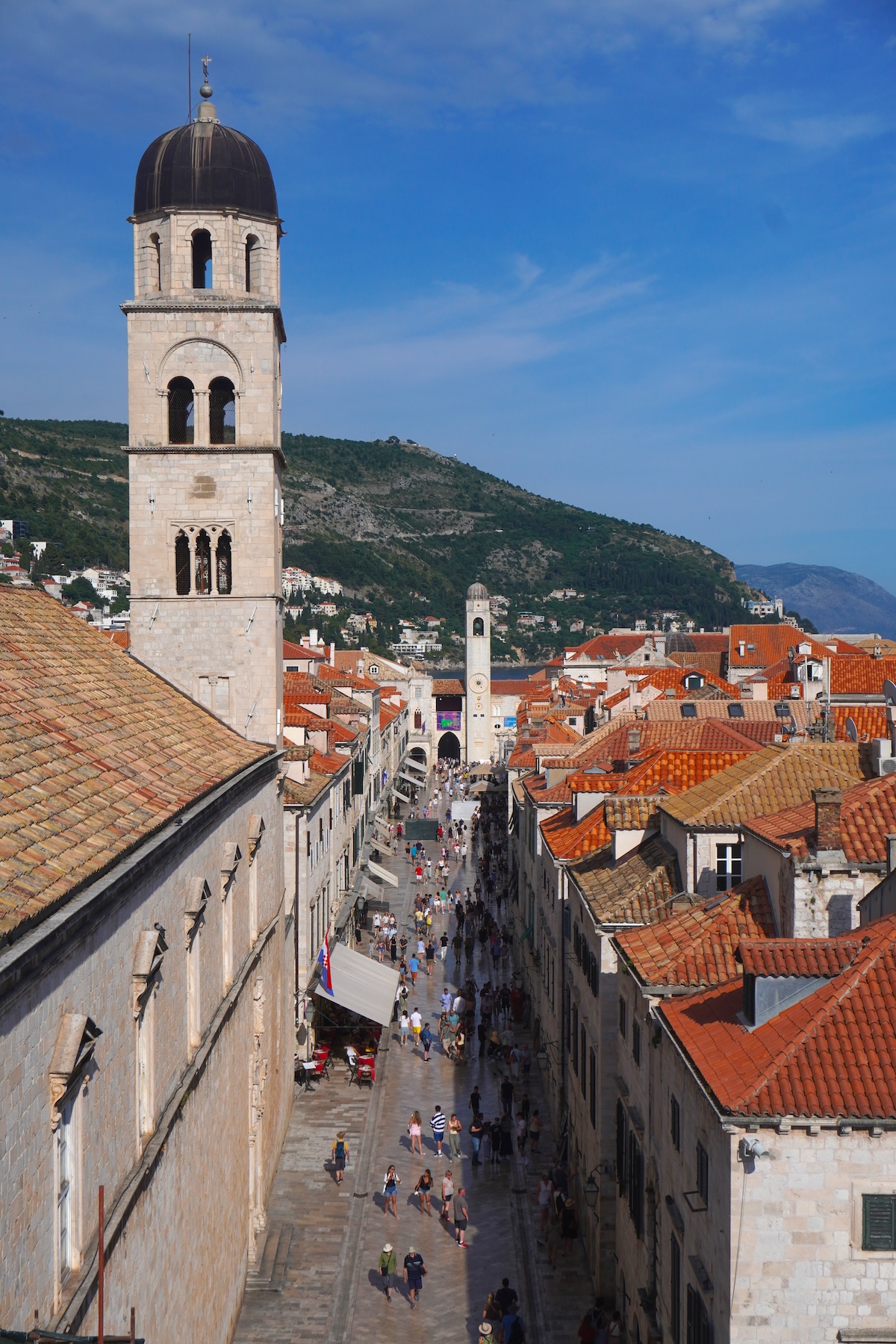
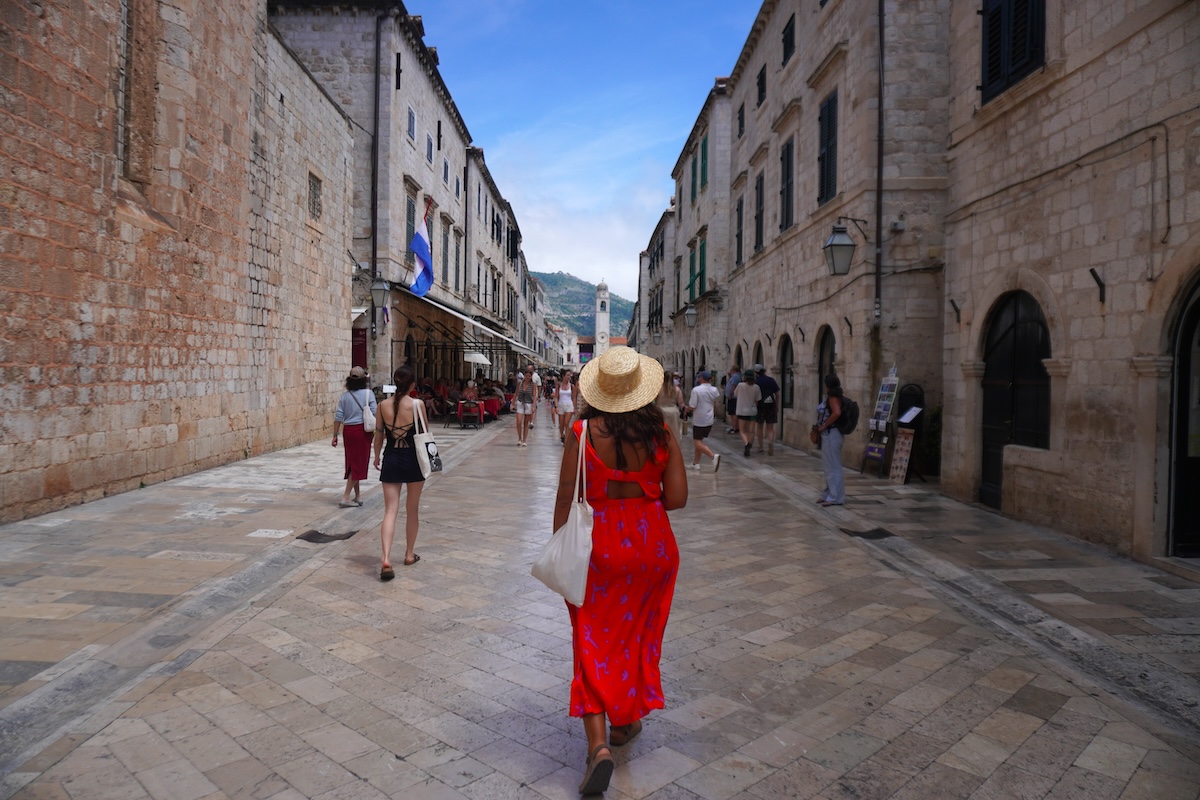
The street was paved with limestone around 1468, and that is one of the reasons why it has such a brilliant and instantly recognizable appearance today when the light hits it. After the 1667 earthquake, much of the city was rebuilt with a fairly uniform style, and Stradun became the grand showcase of this new Dubrovnik — more orderly, more harmonious, and, in a way, more “postcard-perfect.”
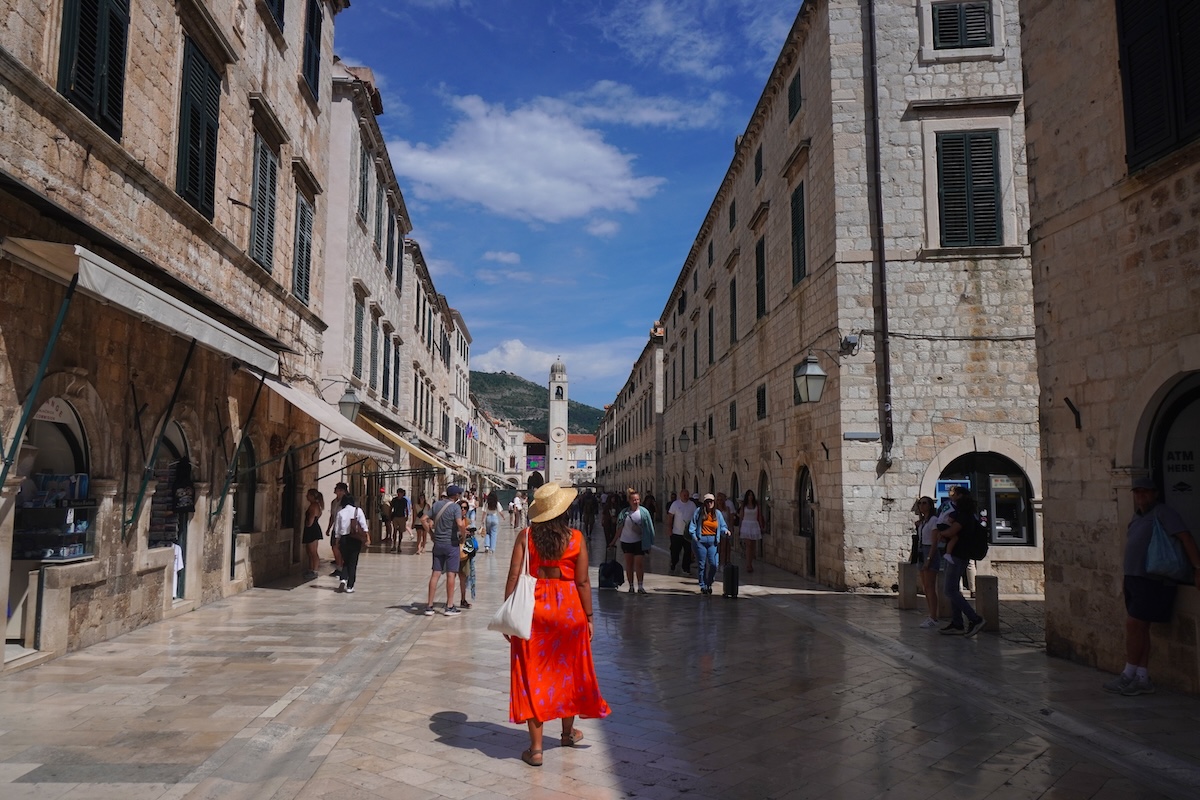
For centuries, Stradun was much more than just a pretty street: it was the place where people socialized, shared news, and where nearly all of the city’s life unfolded. Today it remains the heart of the Old Town, and it’s also where people meet up, chat with friends, run errands, or simply have a drink at coffee time. Even so, the influx of tourism has significantly altered its atmosphere. You still see locals drinking coffee or just strolling by, a reminder that this street was—and still is, to some extent— Dubrovnik’s living room.
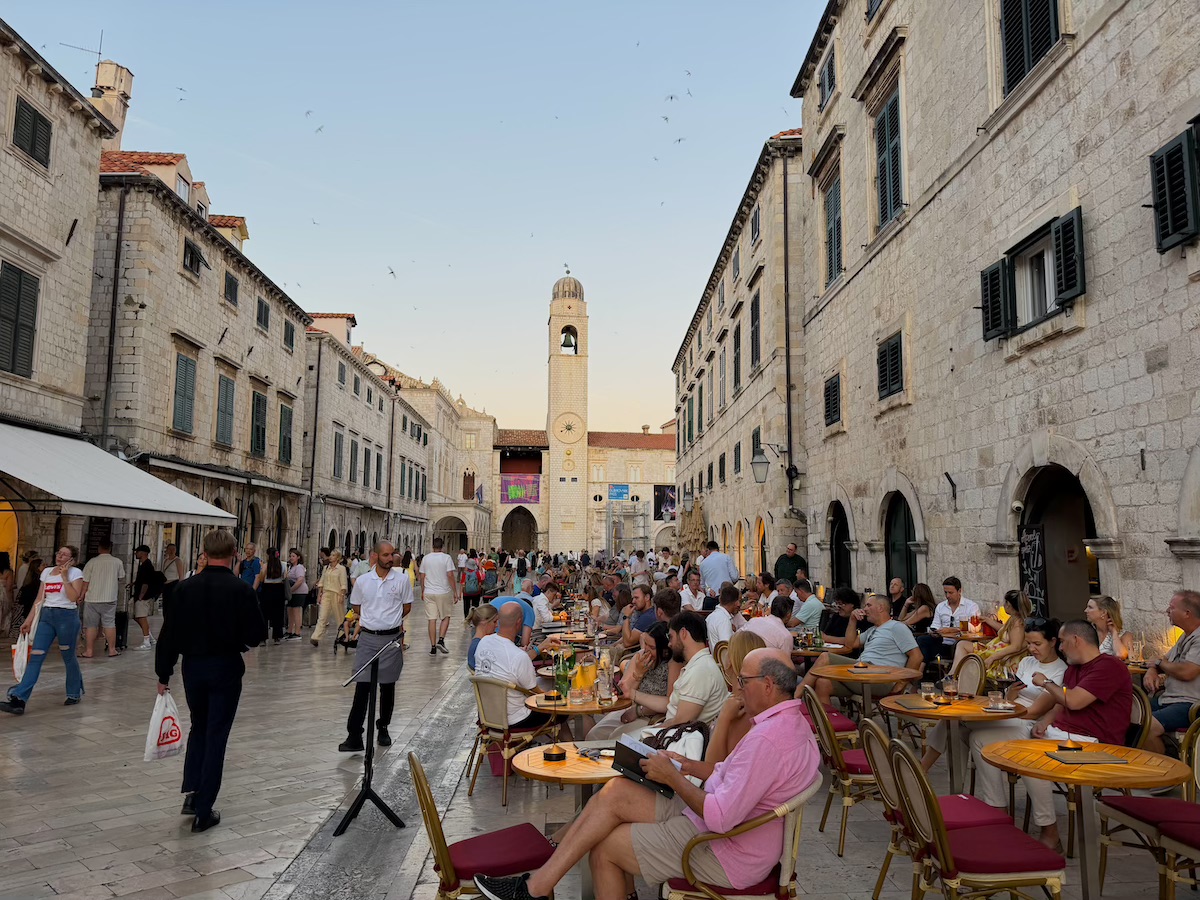
It’s also known as the most expensive street in Croatia, and it’s not hard to see why. Tourist pressure and the gentrification of the historic center have sent prices skyrocketing—for both businesses and real estate—and living inside the city walls is nothing like it used to be. The exact figures may vary depending on the time of year, but the overall impression is clear: Dubrovnik has changed dramatically due to tourism, and Stradun is one of the places where the contrast between the city of the past and the city of today is most evident.
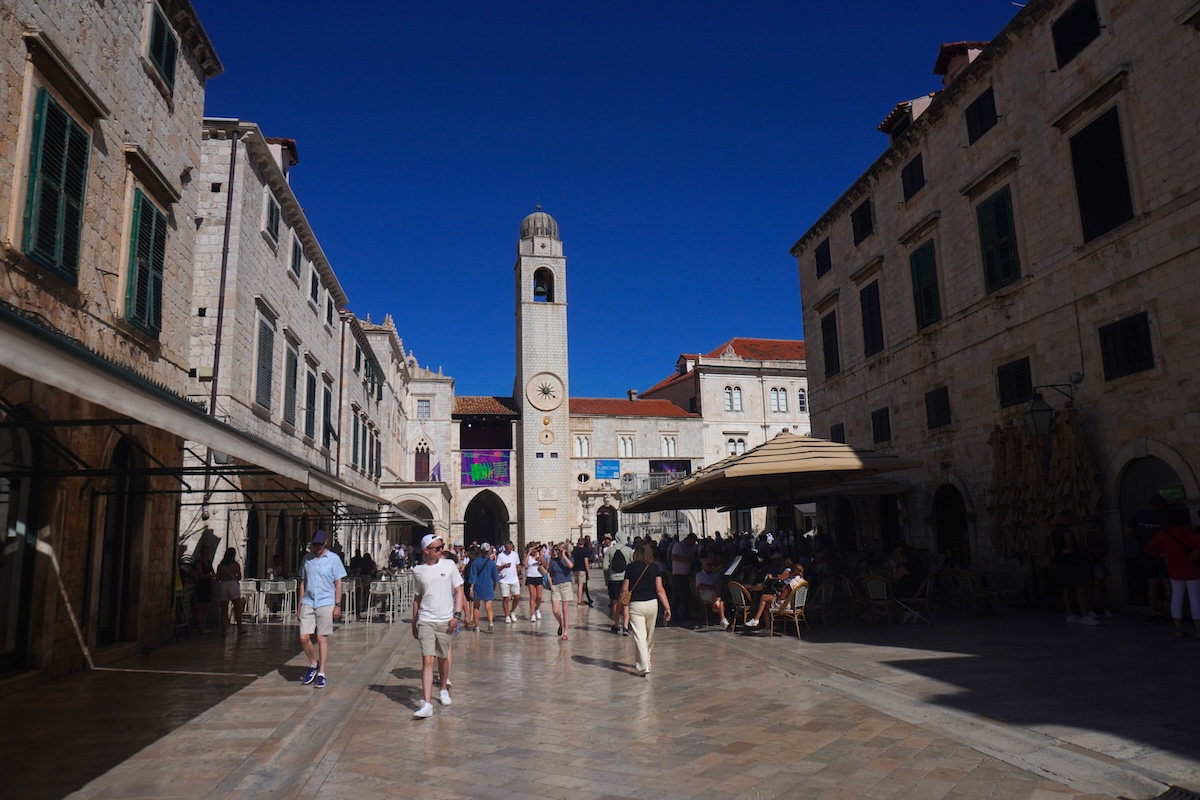
Changing of the Guard: During the summer, you can watch a reenactment of the changing of the guard. It usually takes place on Wednesdays and Saturdays, starting at 7:00 p.m., beginning at Pile Gate, proceeding along Stradun, and ending at Ploče Gate. It’s free and typically lasts 1 hour and 30 minutes. If you want to attend, it’s best to arrive a little early to get a good spot from which to watch. Check the days and times during your visit.
Onofrio’s Large Fountain (Velika Onofrijeva česma)
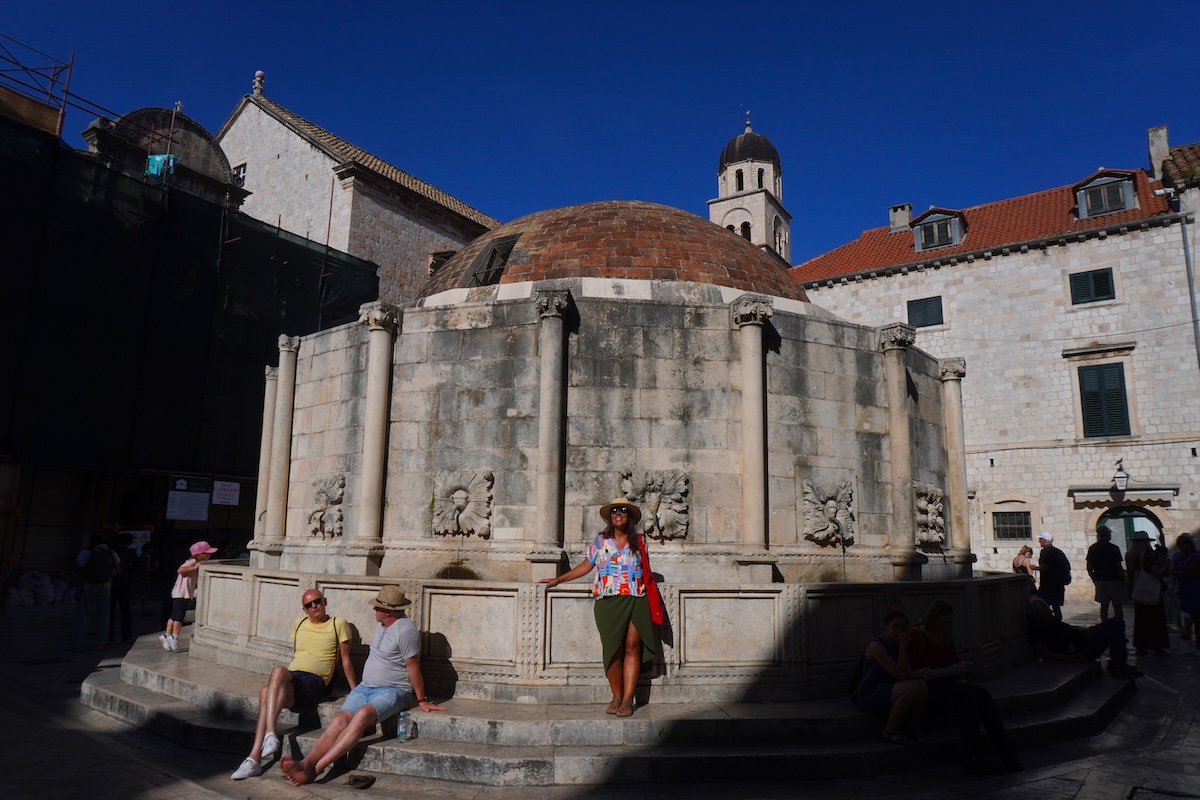
It’s impossible to miss the Onofrio’s Large Fountain: it’s right next to Pile Gate and is one of the first spectacular sights to greet you as you enter Stradun.
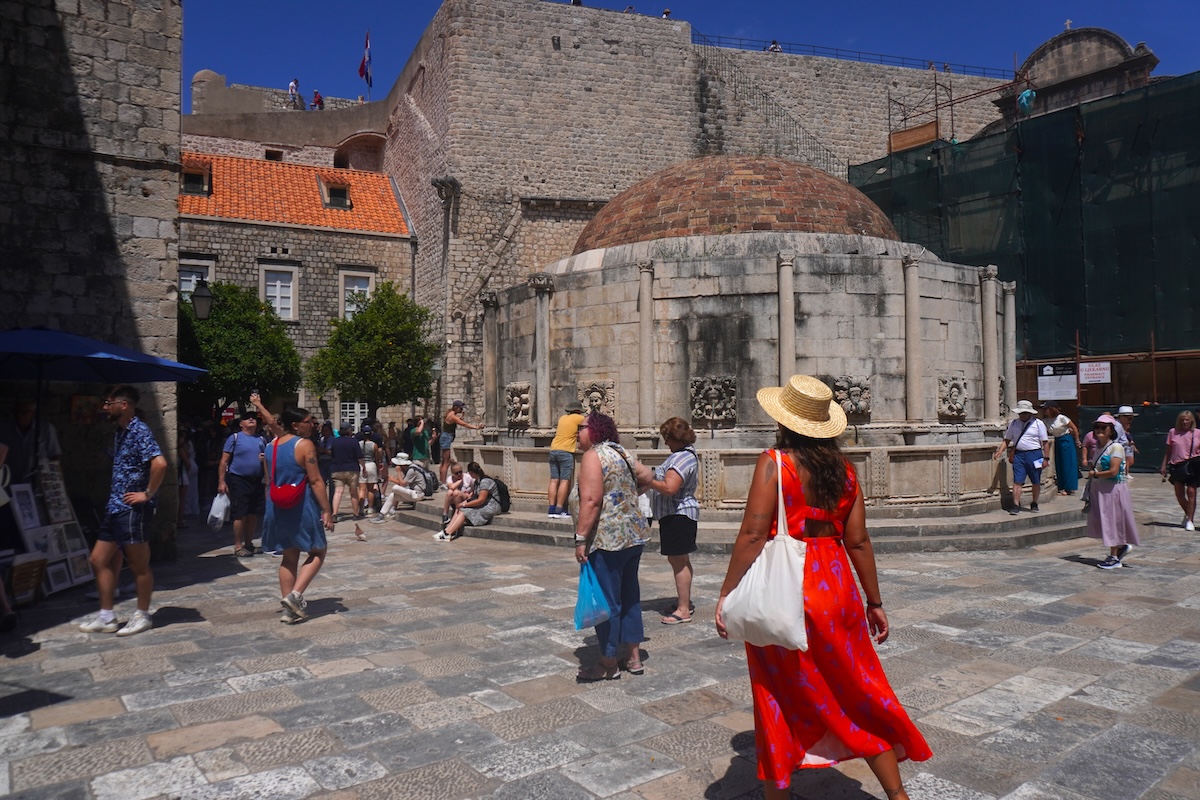
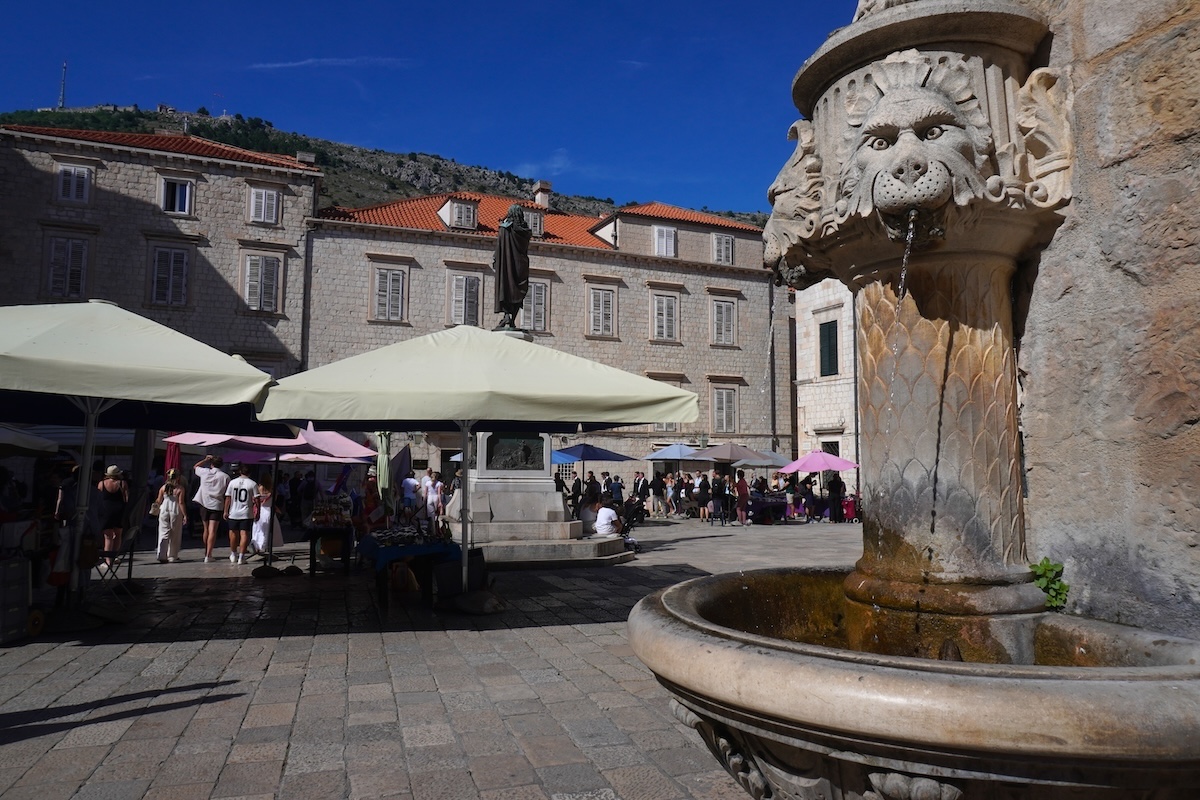
With its enormous central dome and sixteen masks from which water flows, it is one of the great symbols of Dubrovnik’s ancient water supply system. It was designed by Onofrio della Cava, a Neapolitan architect, in collaboration with Andriuzzi de Bulbilo, and built in 1438 as part of the aqueduct that carried water to the city from a spring located nearly 12 kilometers away.
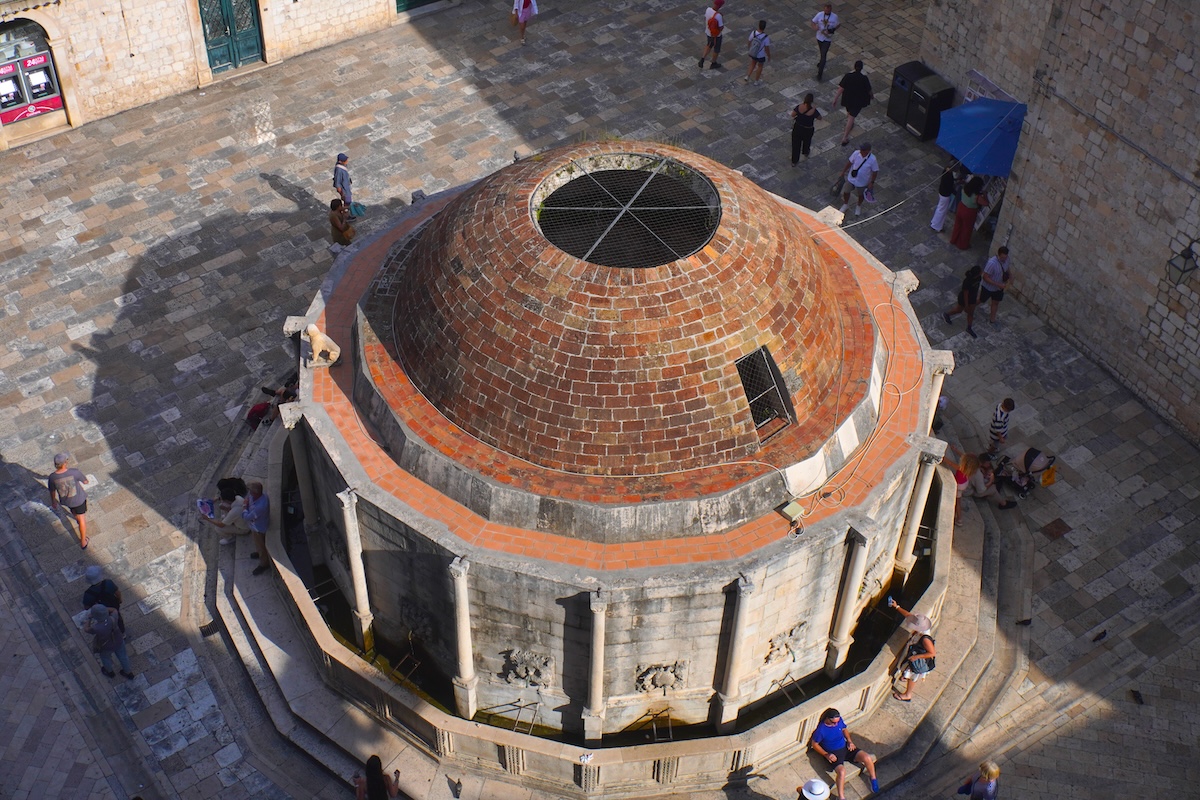
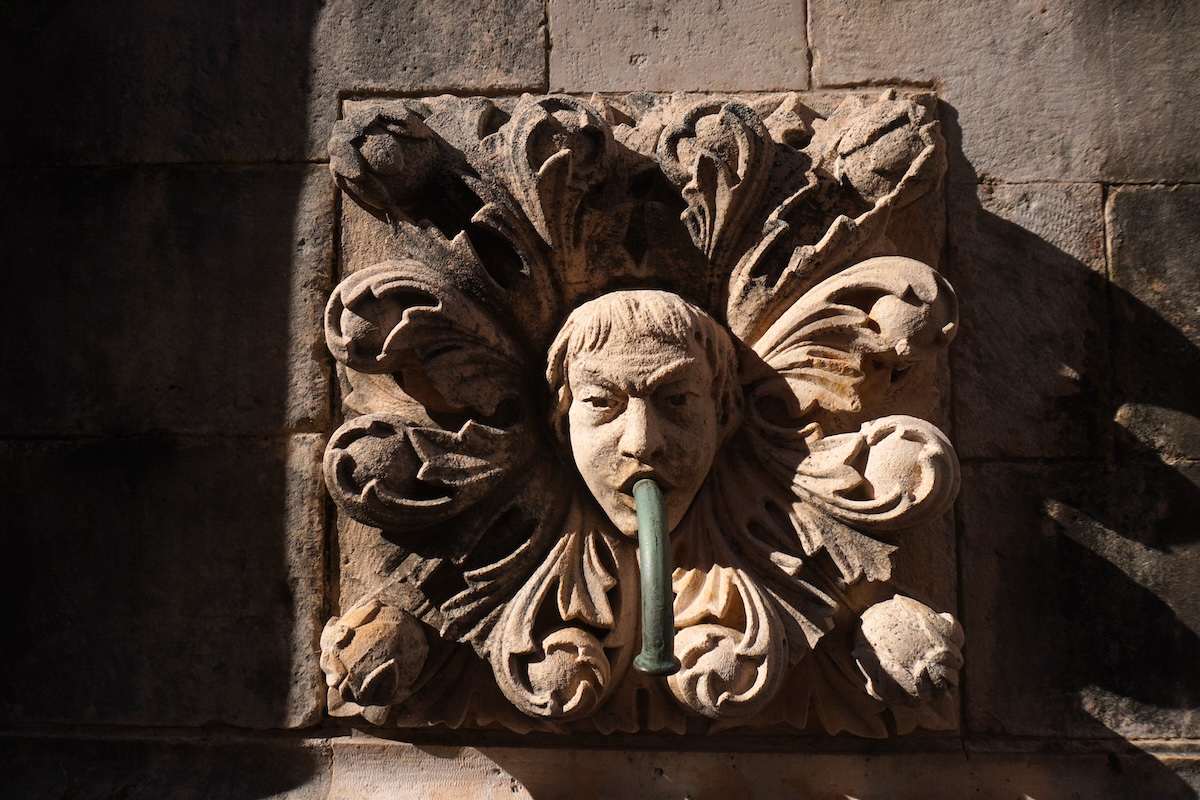
In its heyday, the fountain was even more monumental, but it suffered significant damage in the 1667 earthquake, which damaged its structure and dome, and it never fully regained its original appearance. Even so, it still retains much of its charm, and the ledge and steps surrounding it also make it a perfect spot to sit for a moment and rest. The water is safe to drink, so it’s also a great place to refill your water bottle if you’re exploring the Old Town on a hot day.
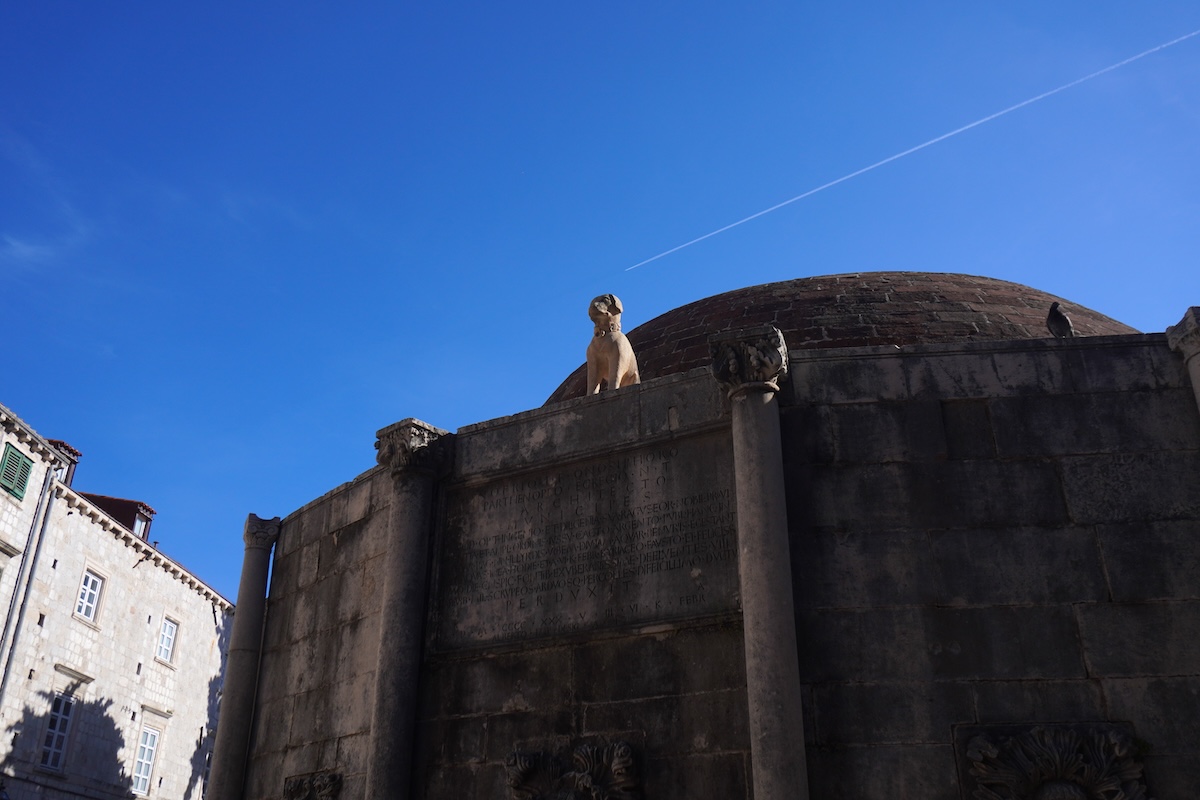
And then there’s the most curious detail: the small stone dog at the top, known locally as a kučak. This is a historical figure associated with the fountain that disappeared or deteriorated over time and was restored with a replica in 2016.
Church of St. Spas (Crkva sv. Spasa)
The Church of St. Spas is right next to Onofrio’s Fountain, and although it doesn’t usually attract as much attention as its neighbor, it’s part of the historic ensemble at this entrance to Dubrovnik. When we visited the city, it was under construction, so we couldn’t see it in all its splendor.
It was built in the early 16th century, at a time when the city was still strongly defined by its role as a maritime republic and by the need to demonstrate both power and devotion through its religious buildings. If you find it open and free of scaffolding, be sure to stop by briefly before continuing along Stradun, and let us know what the interior is like in the comments.
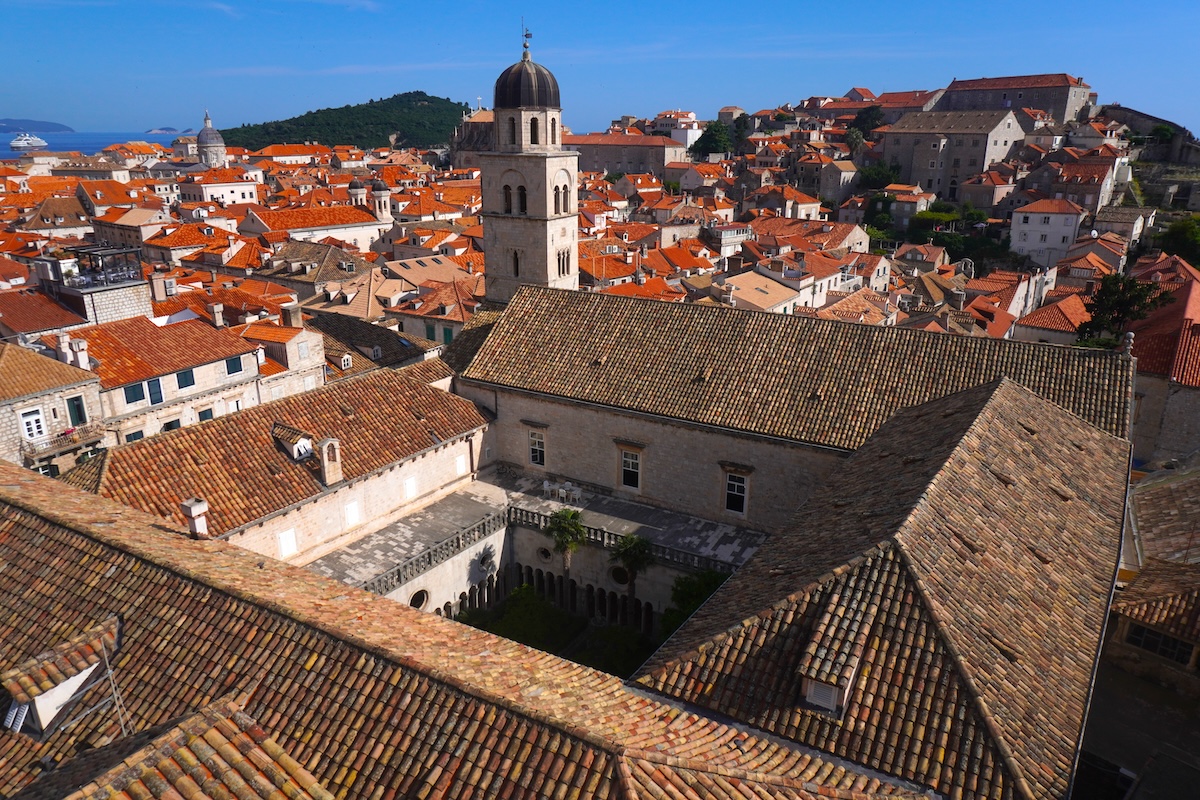
Franciscan Monastery (Franjevački samostan i crkva u Dubrovniku)
When we entered the Franciscan Monastery in Dubrovnik, we didn’t expect what we’d find inside, and in fact, it ended up becoming one of our favorite stops in the Old Town.
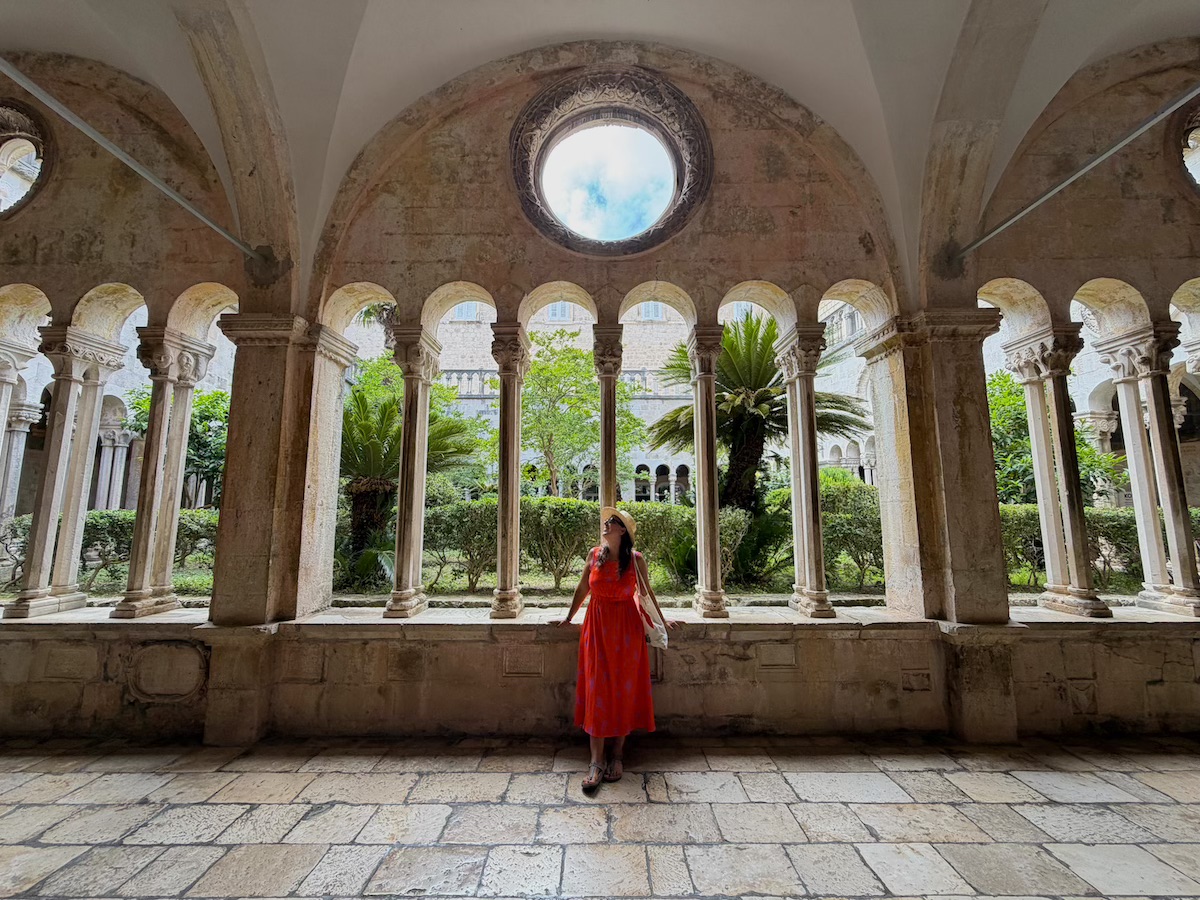
The complex is one of the most beautiful and peaceful places in Dubrovnik and is also home to one of Europe’s oldest pharmacies, the famous Mala Braća, founded in 1317 to serve both monks and locals, and still in operation today—though now as a modern pharmacy. Construction of the monastery began in the 14th century, and, like almost everything in Dubrovnik, it had to be rebuilt after the 1667 earthquake.
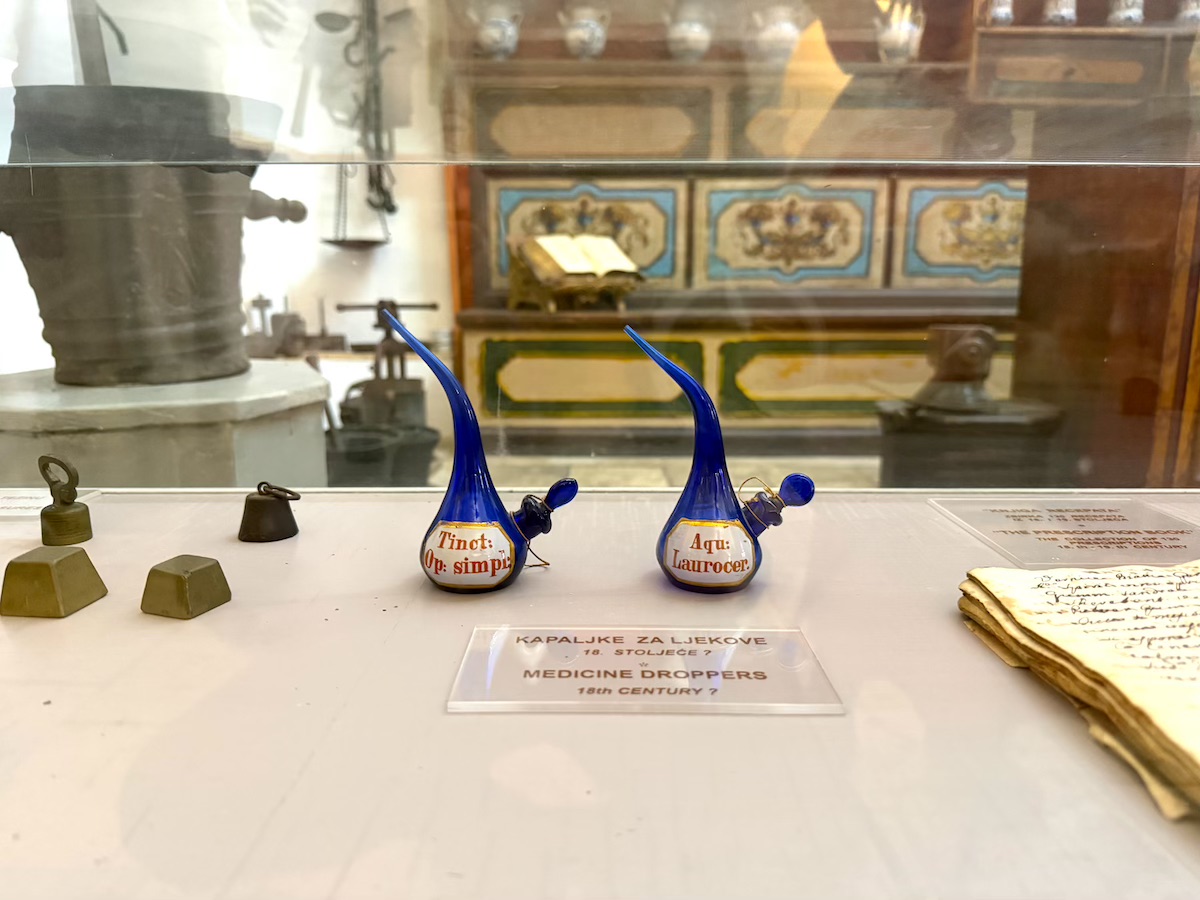
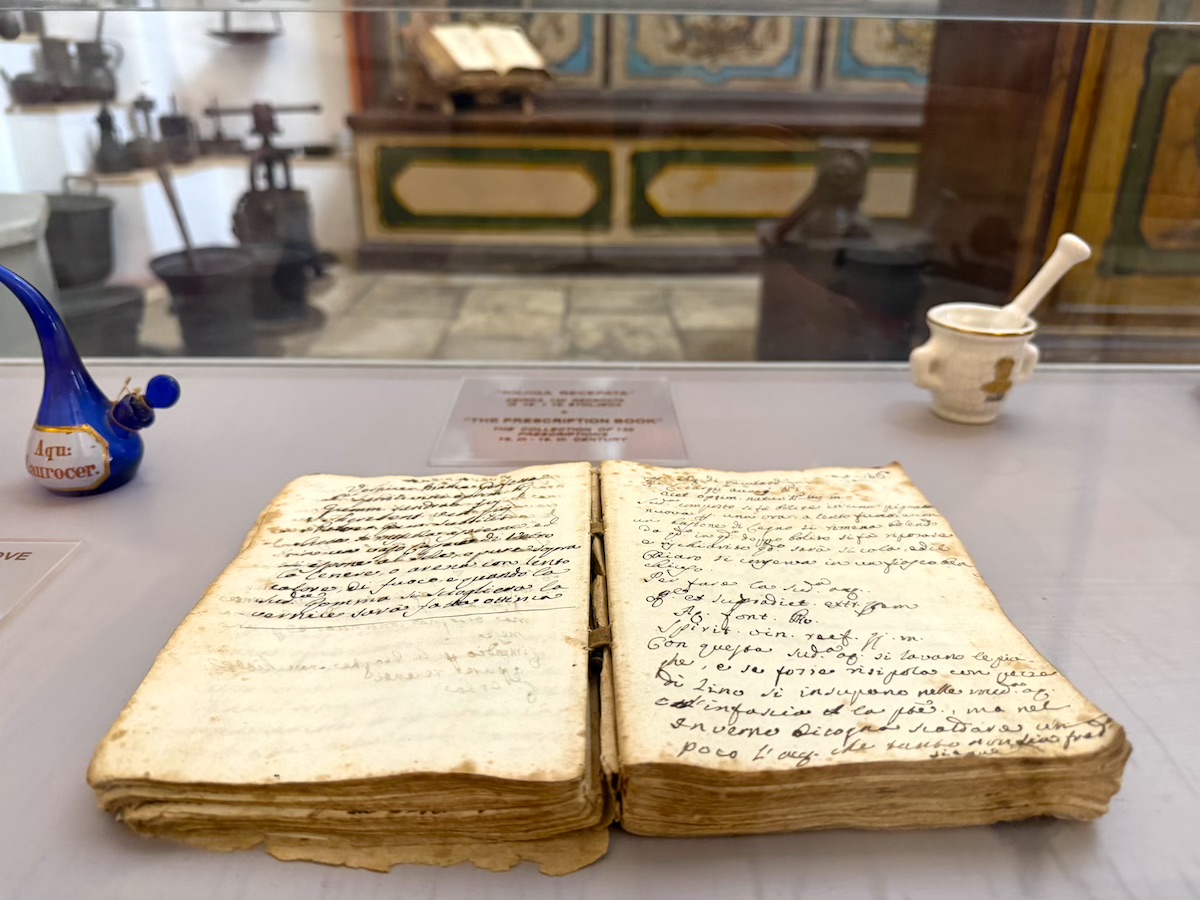
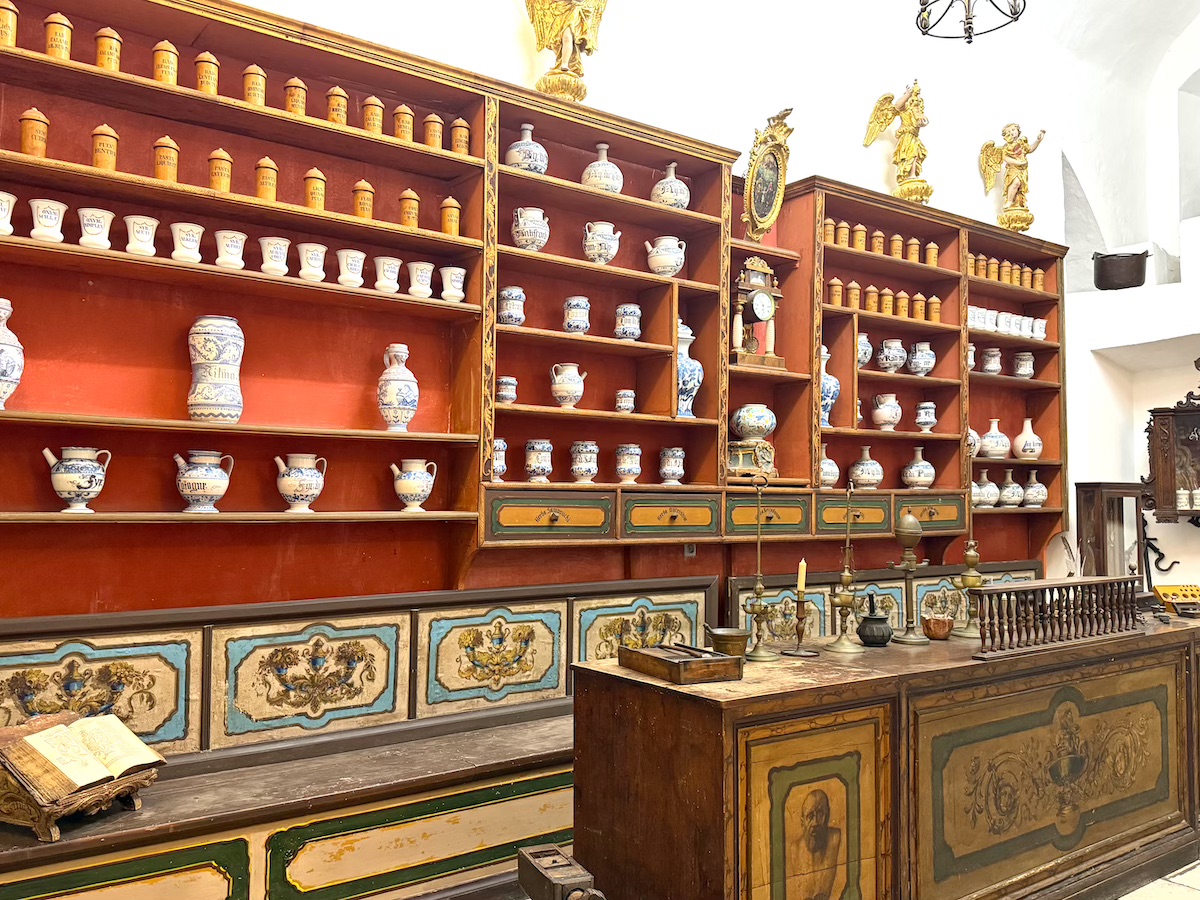
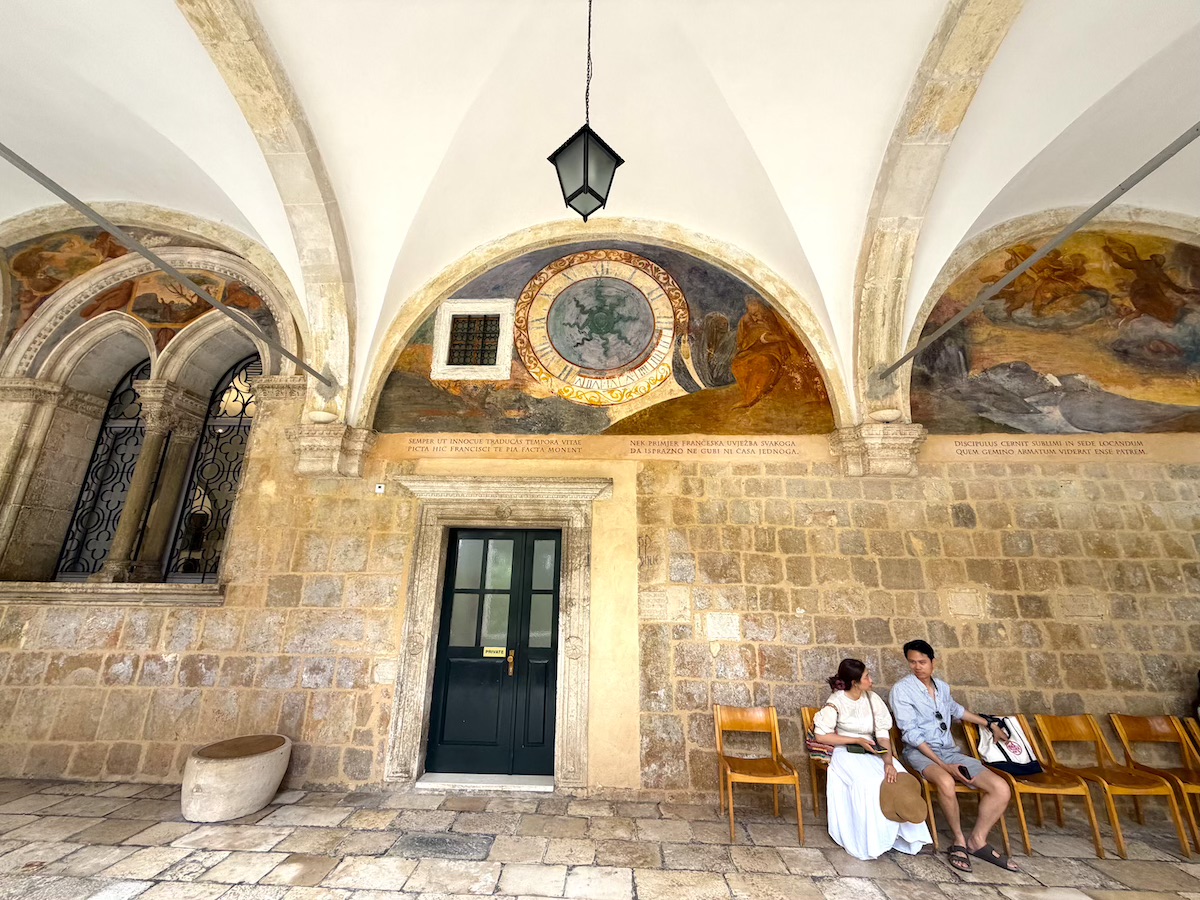
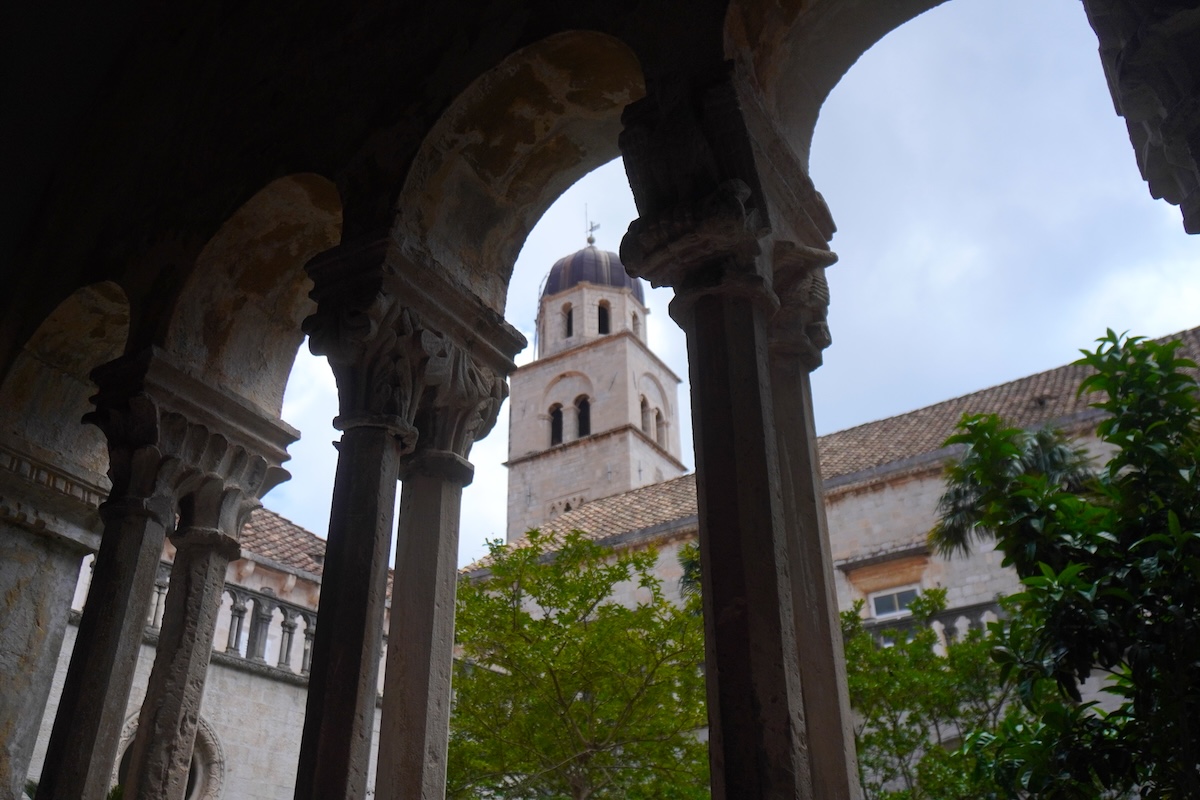
What impressed us most was the cloister, with its columns surrounding a garden filled with orange trees, its central fountain, and the beautiful frescoes decorating the walls, which depict scenes from the life of St. Francis. That blend of Romanesque-Gothic architecture and the courtyard gave it such a special atmosphere that we experienced it almost as a refuge within the Old Town— a respite from the hustle and bustle outside. One of the monastery’s main attractions is its museum, which houses artifacts, manuscripts, and items related to that historic pharmacy. The utensils, furniture, and some of the antique items can be seen inside the monastery, at the Museum Apotheca, so it’s worth going in if only for that little trip back in time.
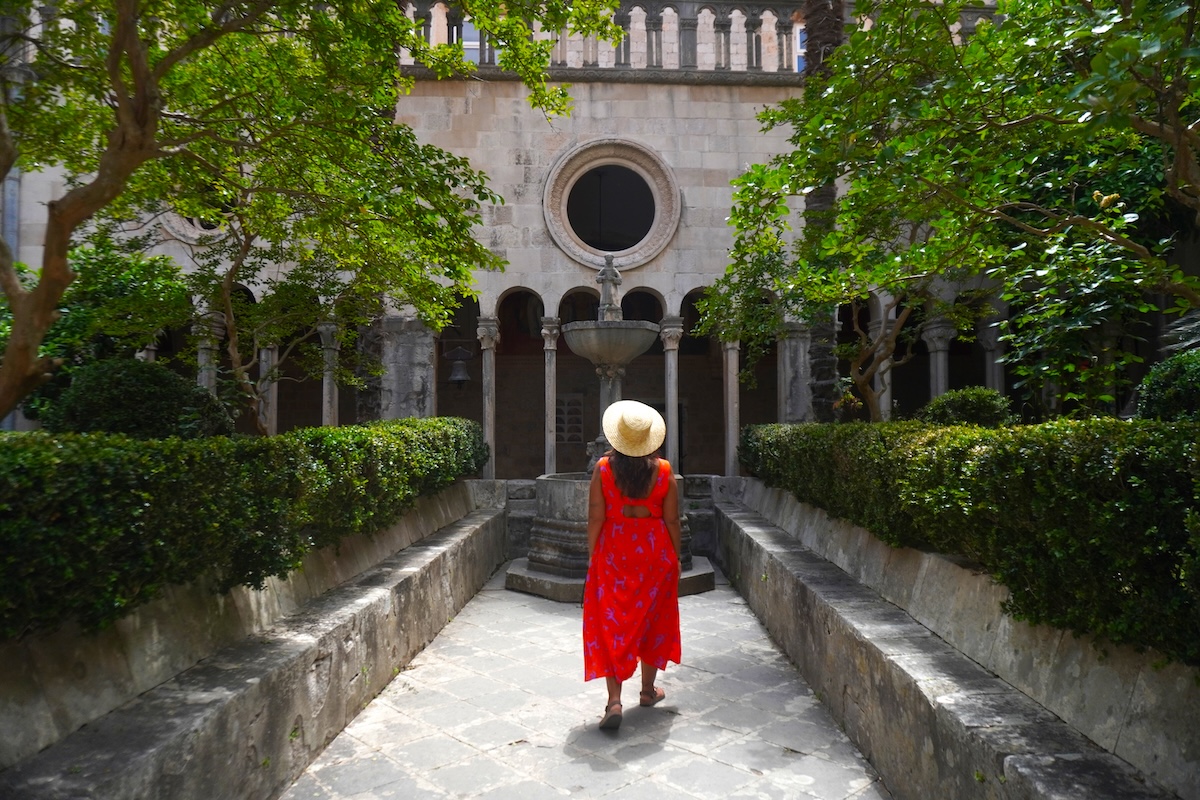
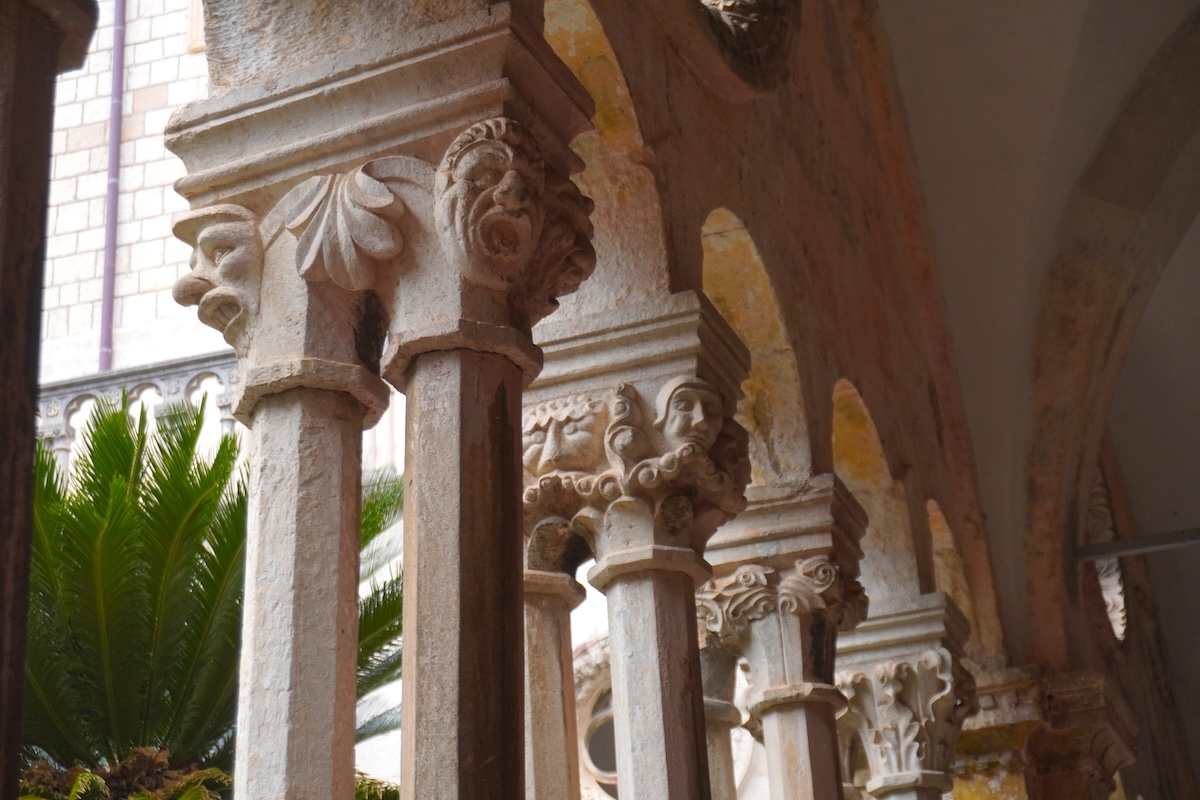
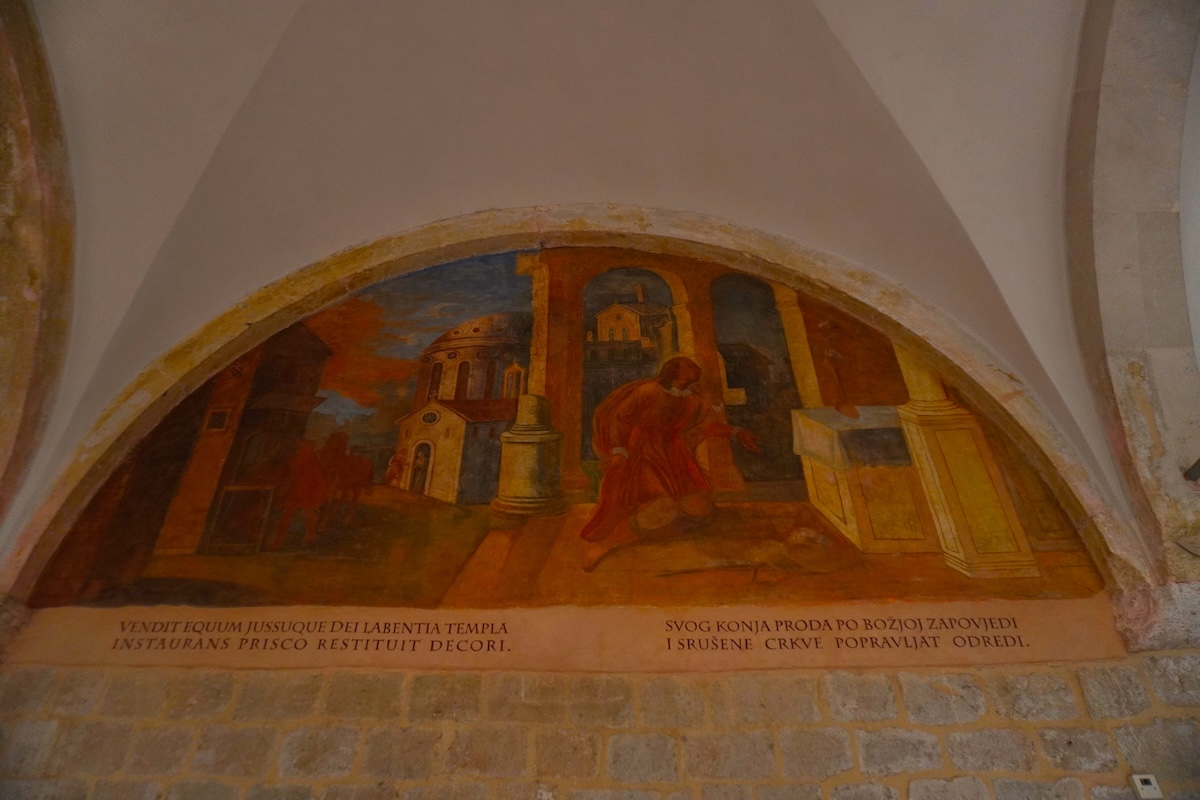
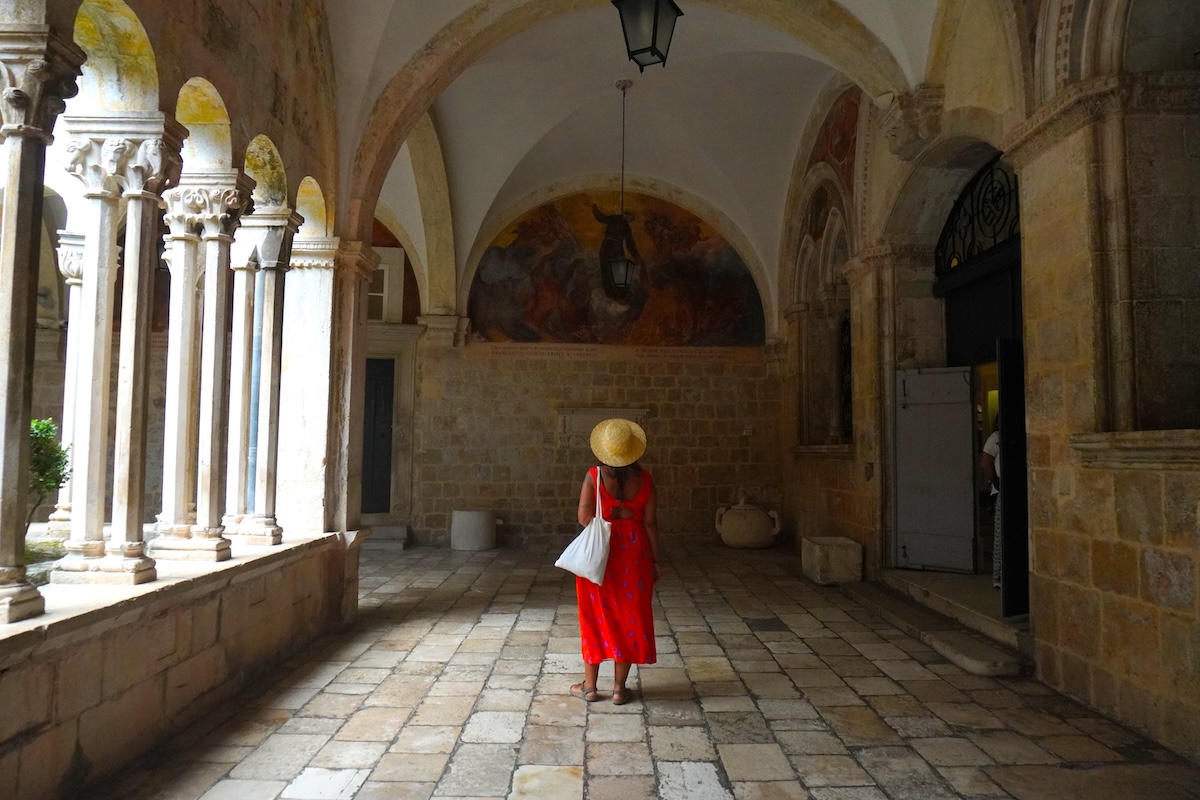
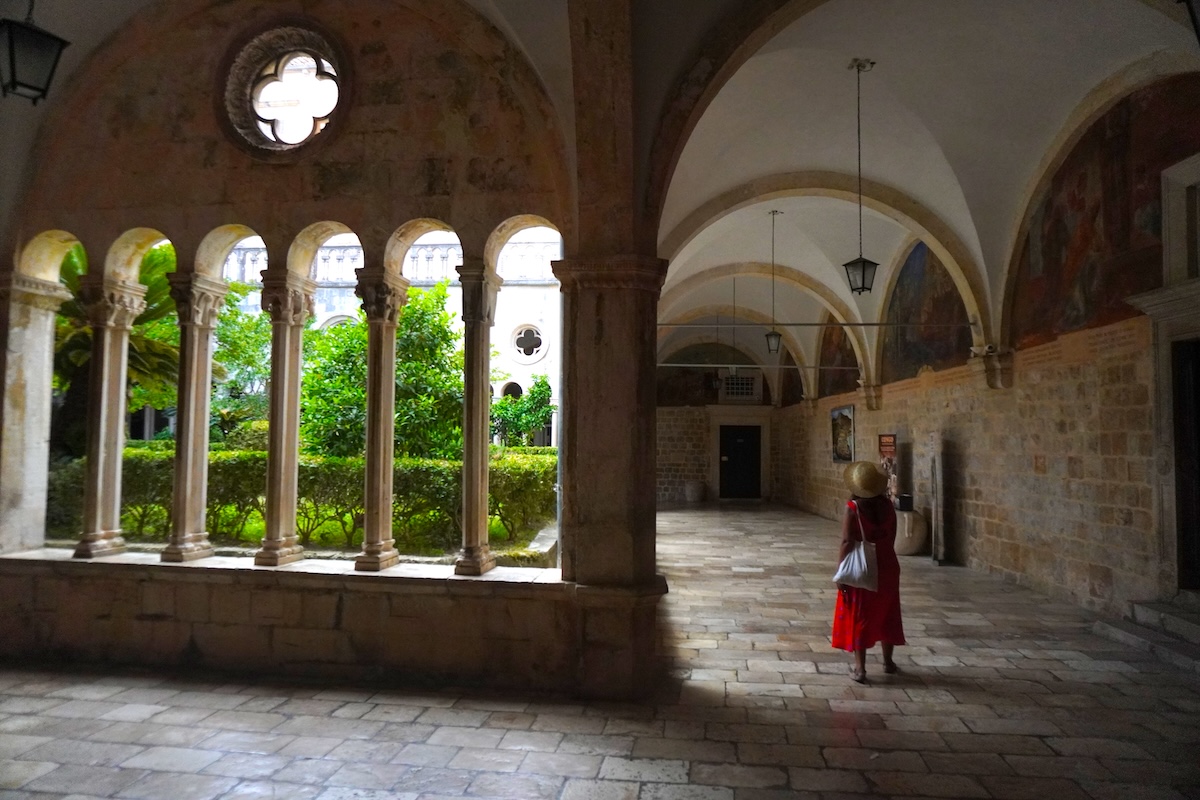
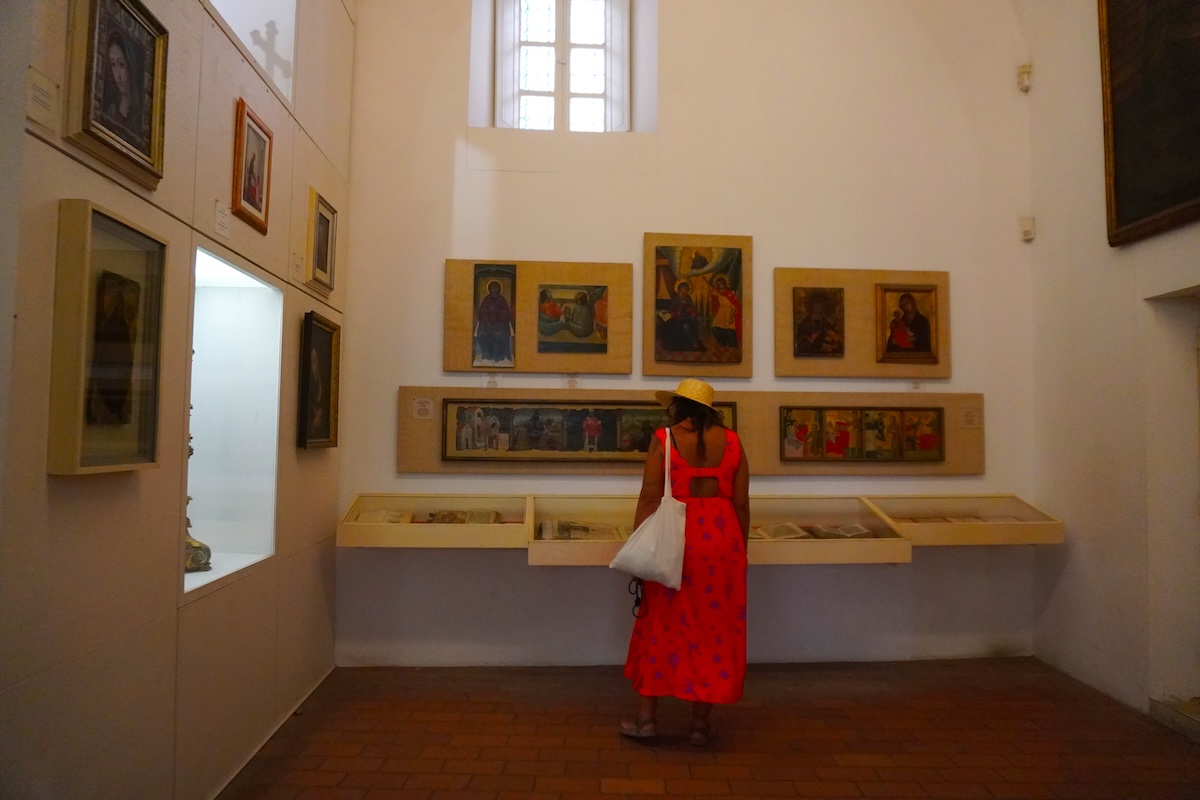
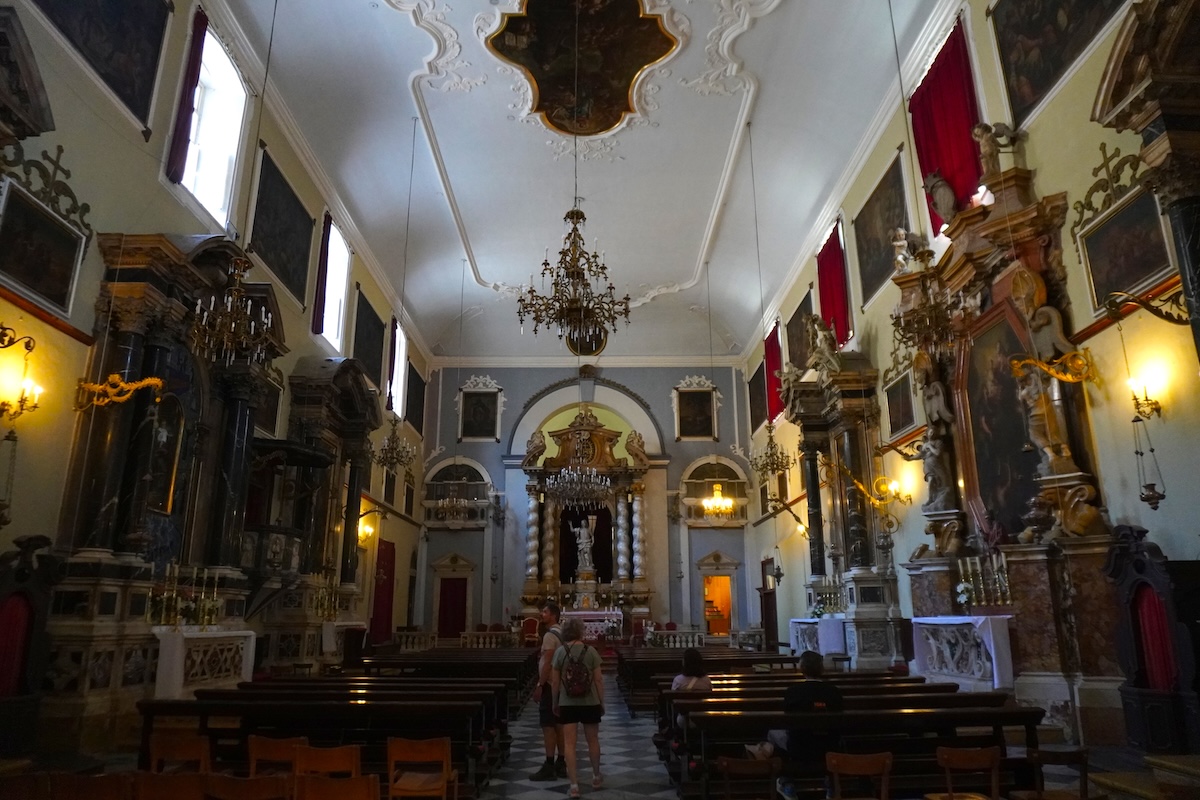
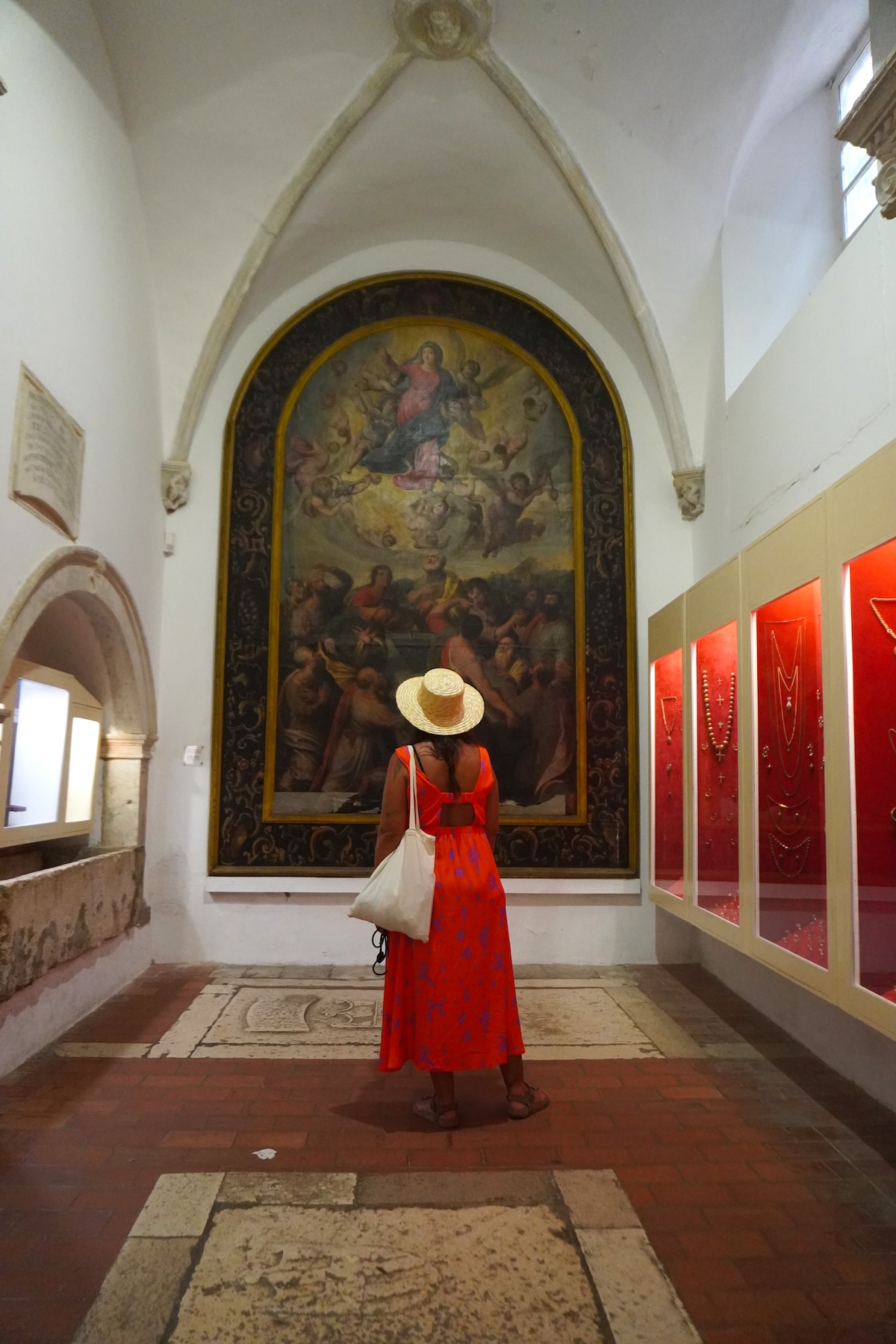
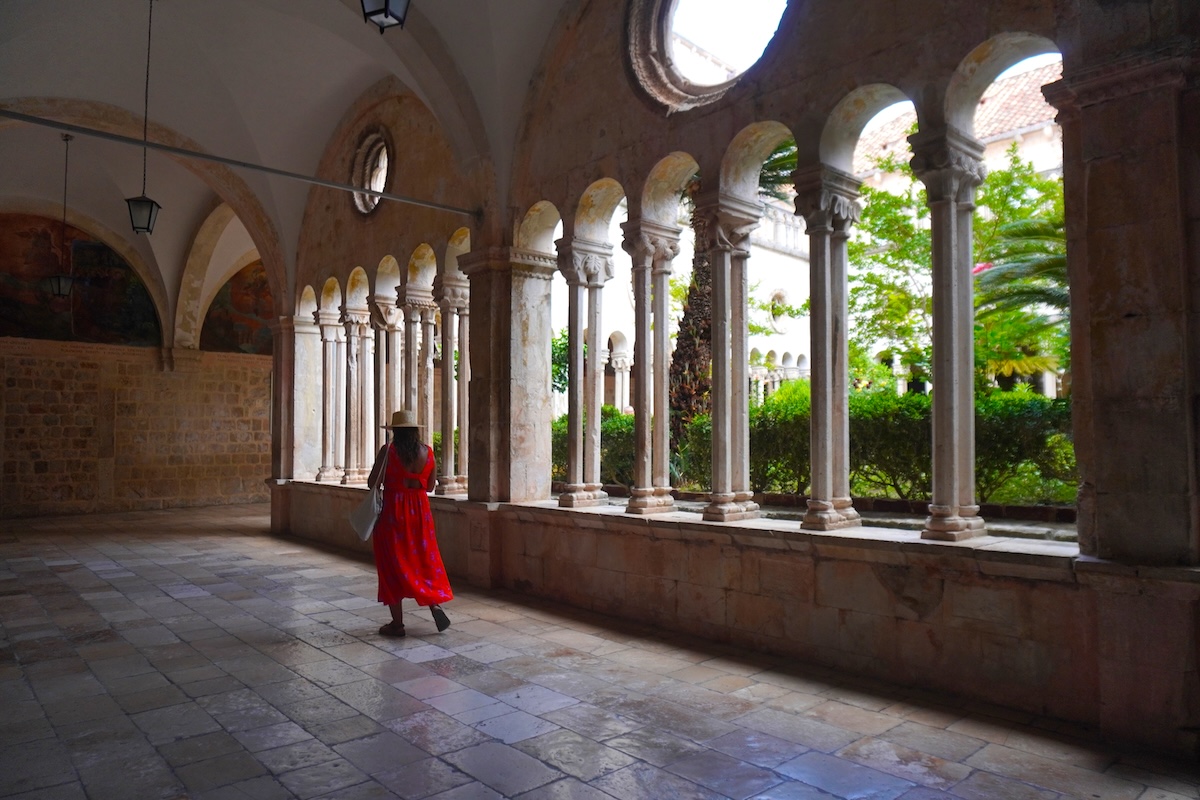
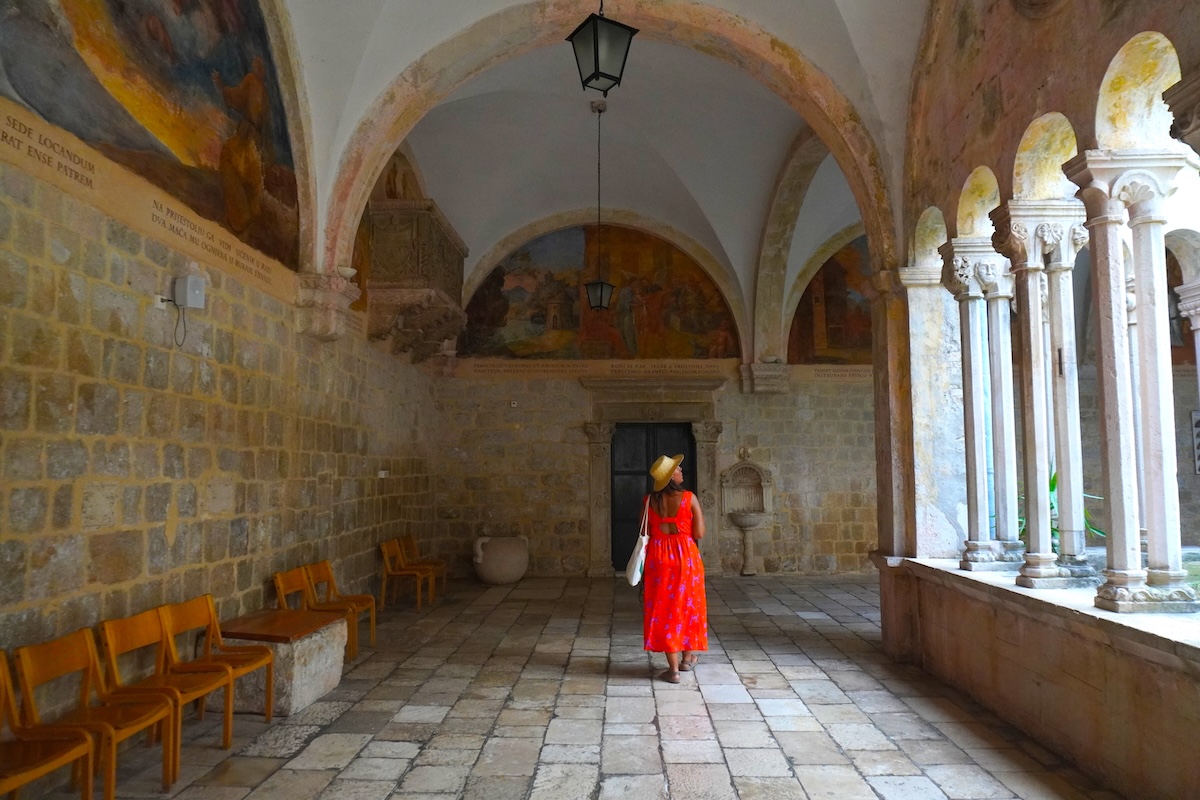
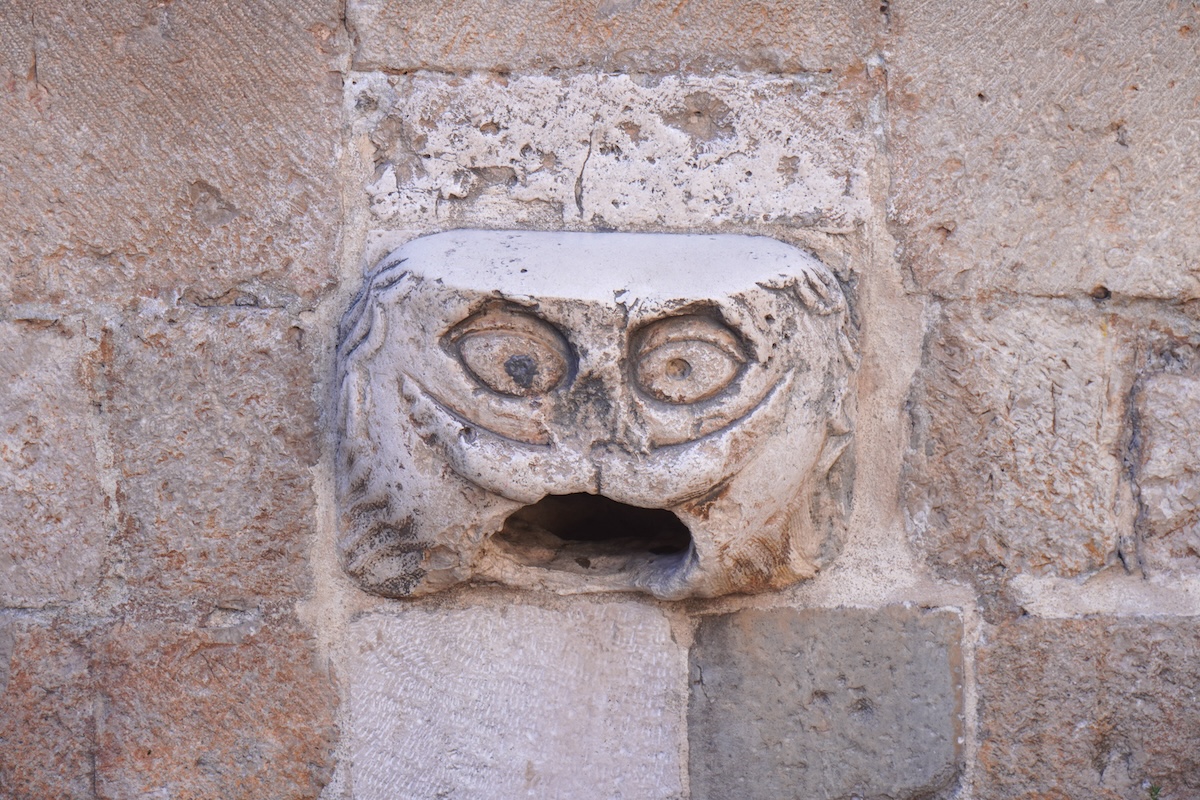
The most intriguing part is outside: the so-called “Maskeron“, a rather slippery stone face with its own local legend. They say that if you run up to it, take off your shirt, and manage to stand on it without falling, you’ll have luck in love. We don’t know if the trick works, but we do know that the ground is quite slippery, so it’s best to be careful if your curiosity gets the better of you.
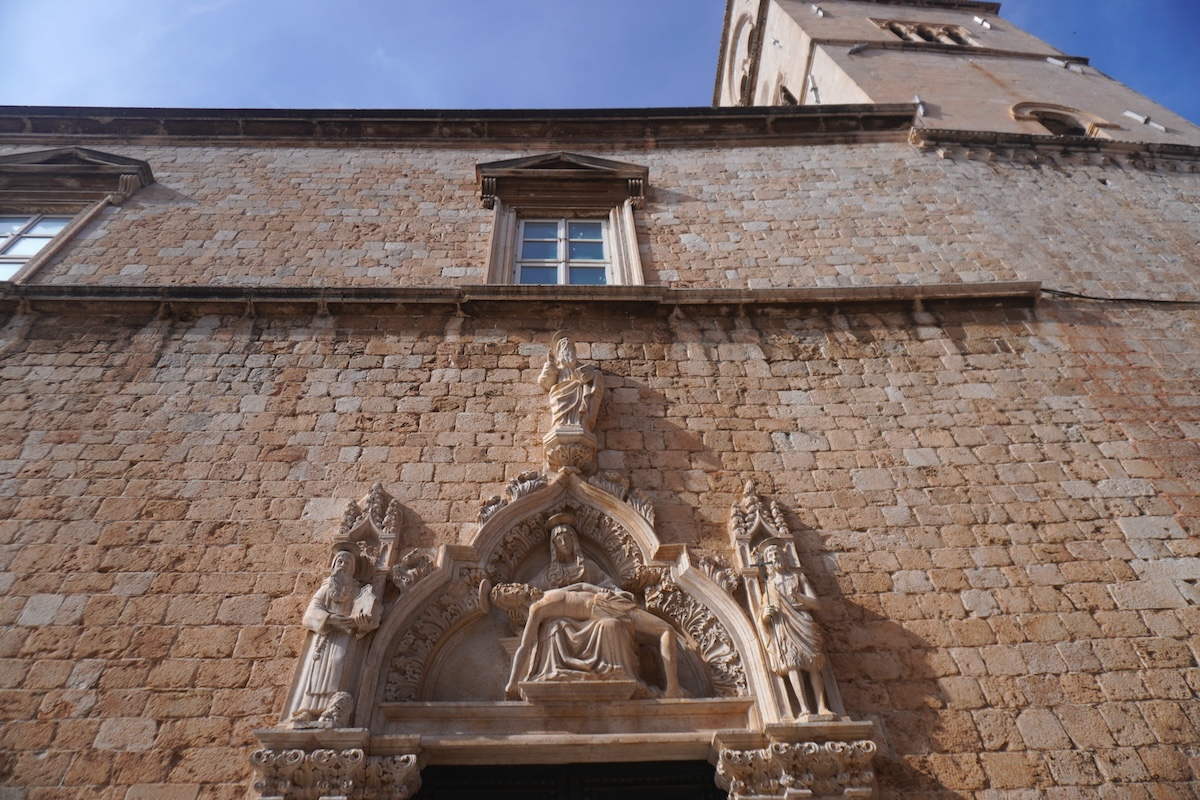
Hours: Daily from 9:00 a.m. to 6:00 p.m . Price: 10 € for general admission. Admission included in the Dubrovnik Pass. Free admission to the church.
War Photo Limited Photo Gallery
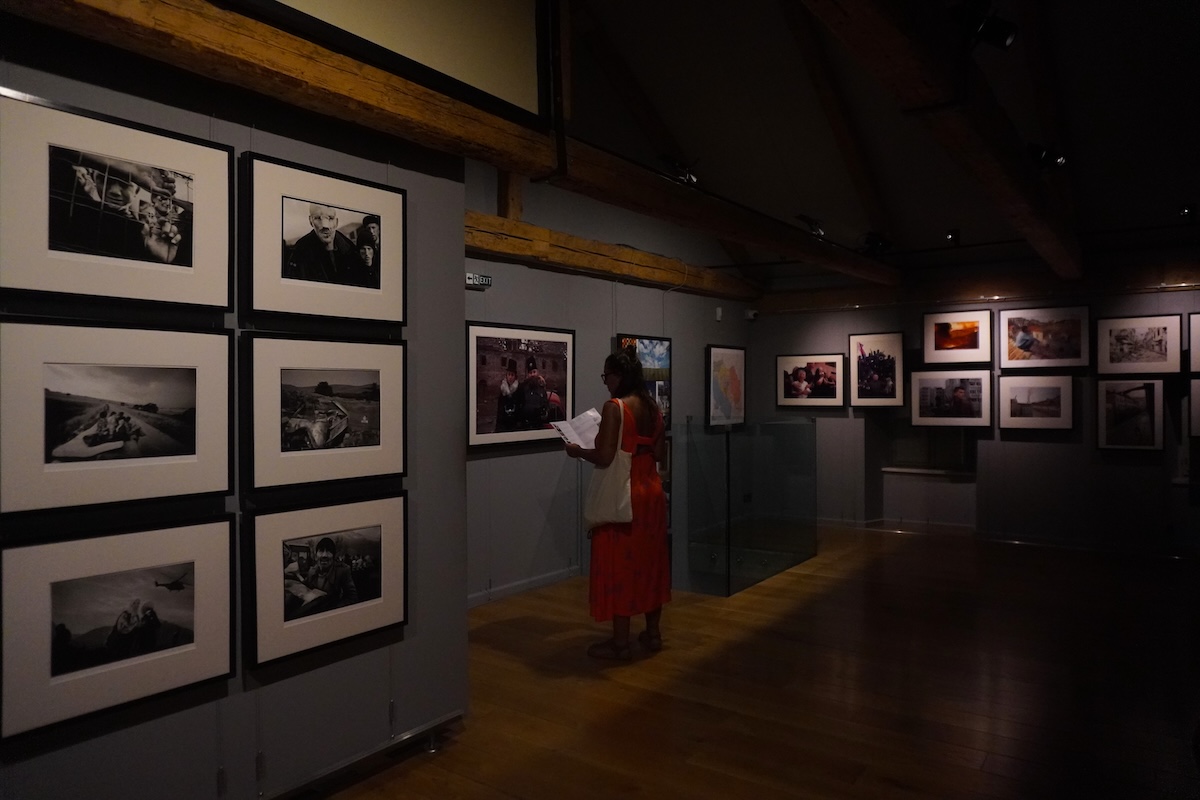
War Photo Limited isn’t your typical museum that you visit “just because you have to”; rather, it’s one of those places that will leave a lasting impression on you. It’s a photo gallery dedicated to war photojournalism, with a special focus on the conflicts in the Balkans, though it also displays images from other conflicts around the world.
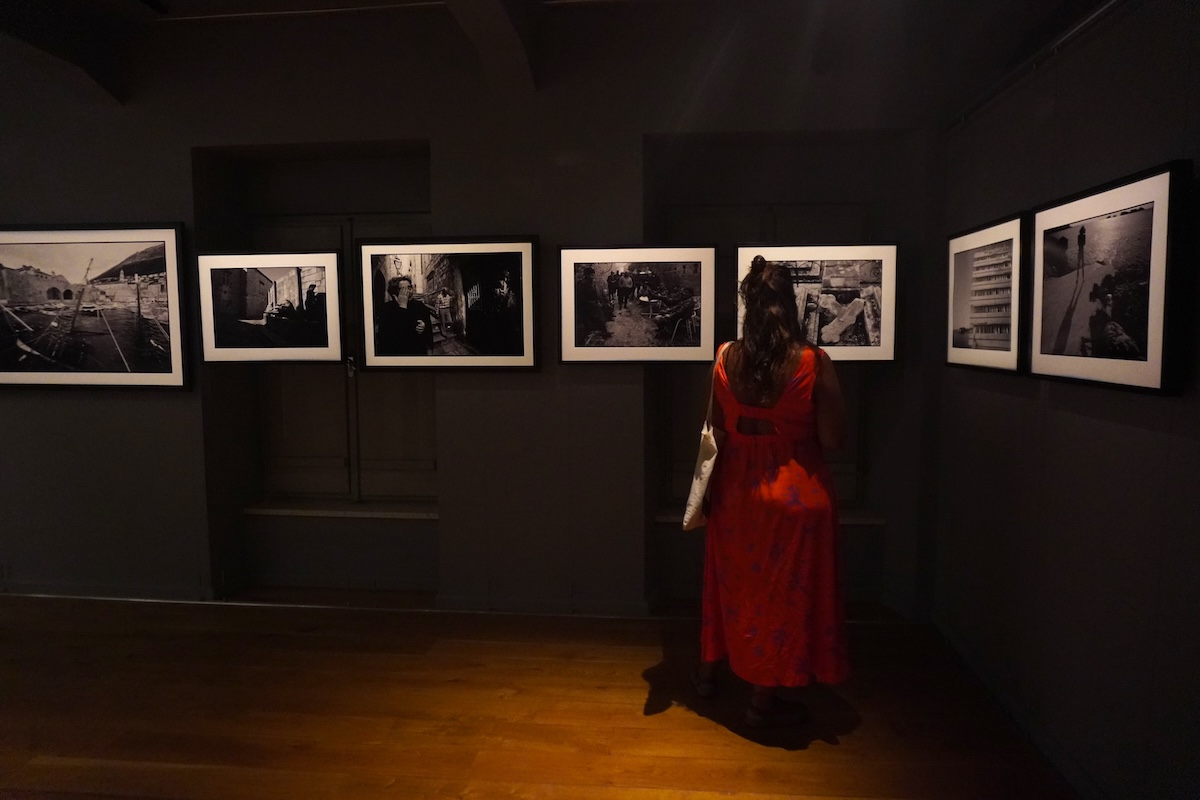
The visit isn’t easy, but that’s precisely why we consider it one of the most important places in Dubrovnik if you’re interested in better understanding Croatia’s recent history and what happened in the 1990s.
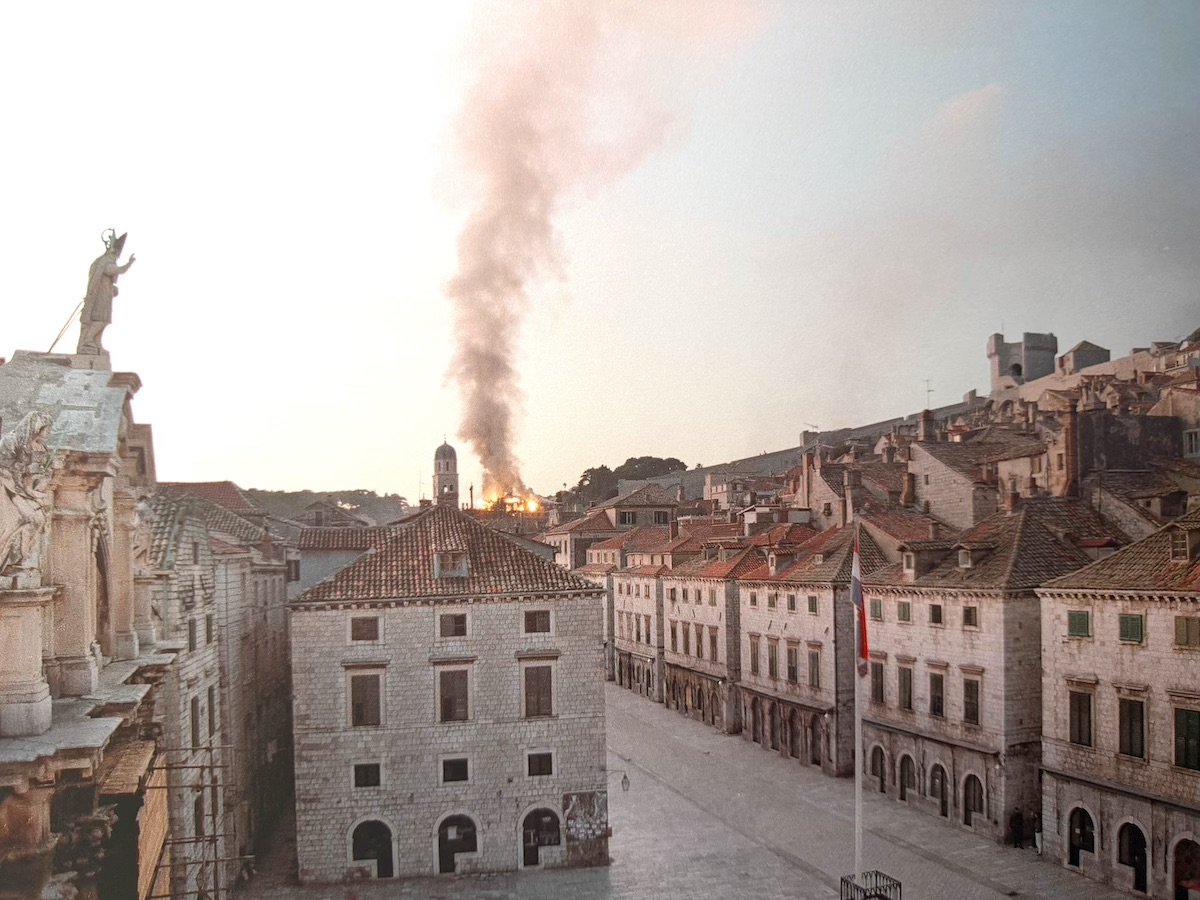
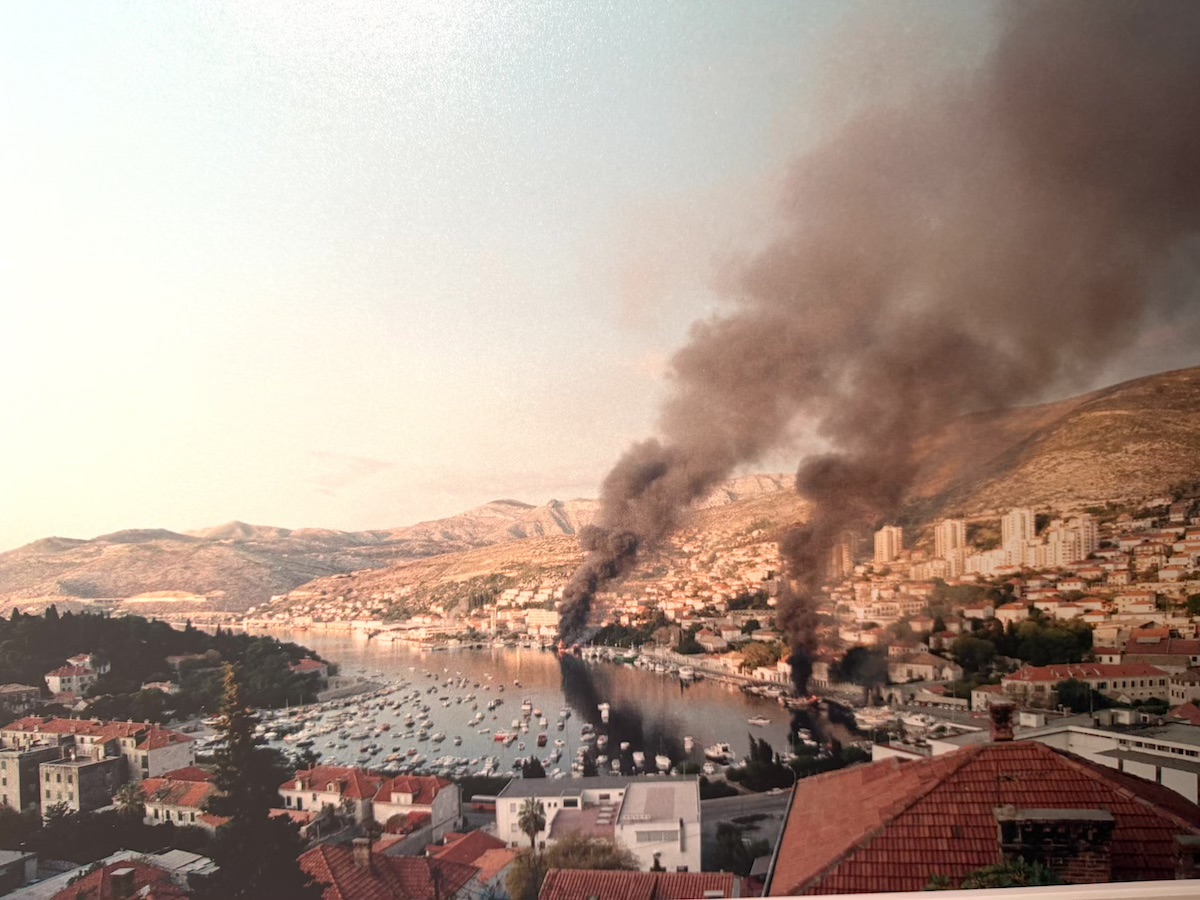
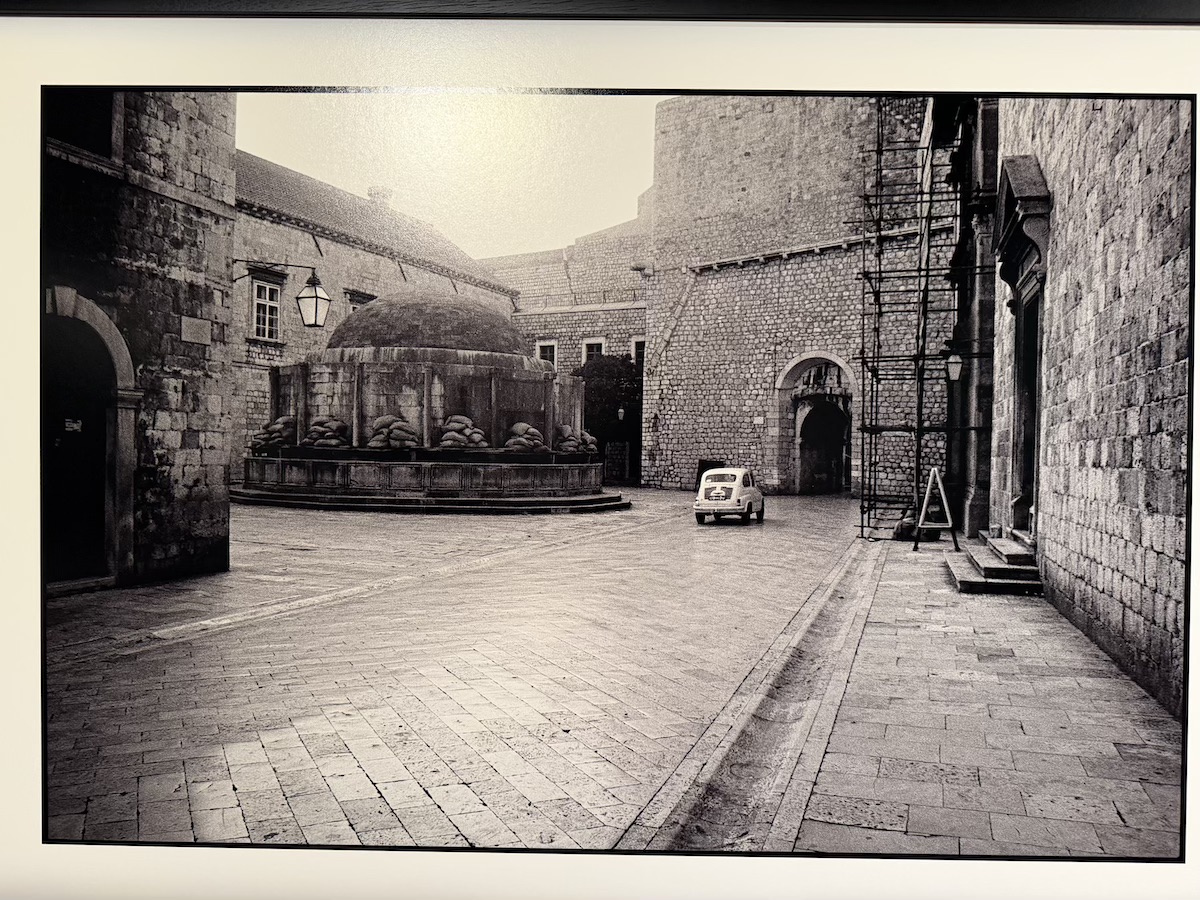
The permanent collection is spread over two floors and covers about 350 m², featuring exhibitions by renowned photojournalists who have documented regional and global conflicts. The purpose of the space isn’t just to display harrowing images, but also to debunk any romanticized view of war and reveal its harshest reality: violence, corruption, and the impact on civilians and combatants.
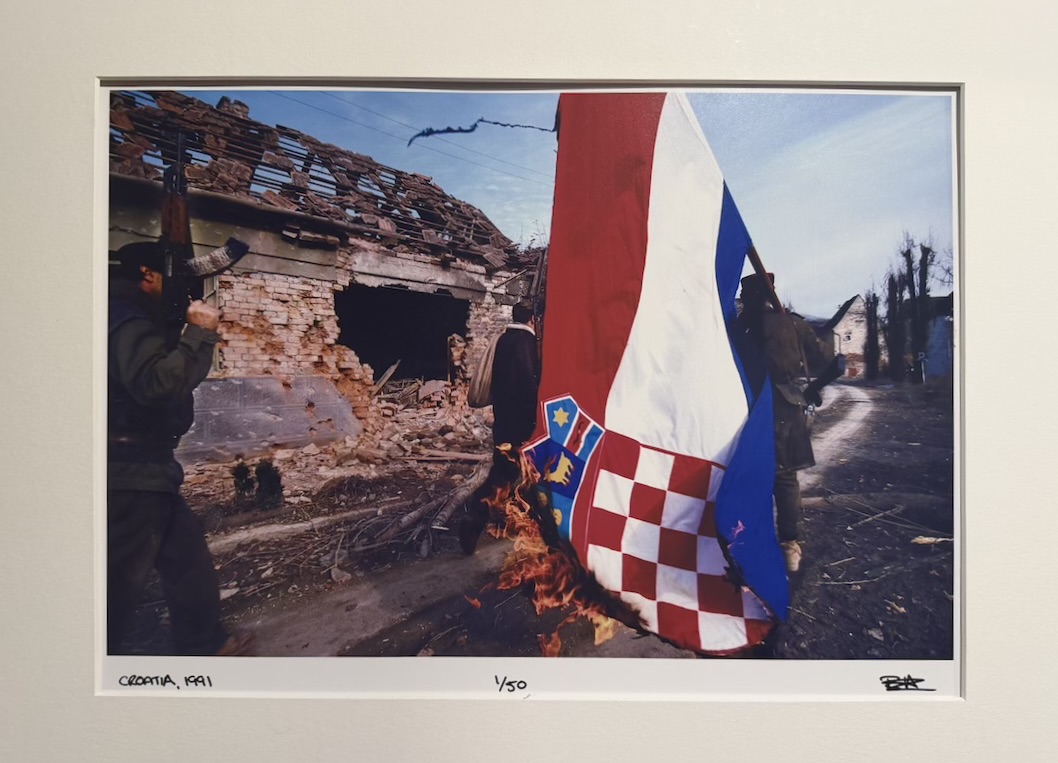
One of the most powerful sections is the permanent exhibition on the breakup of Yugoslavia, located on the second floor, which brings together iconic photographs from the wars in Croatia, Bosnia and Herzegovina, and Kosovo, accompanied by multimedia content. The photos in this space are by Zoran Filipović, and just thinking about them gives us goosebumps. They also often host retrospectives of major figures in photojournalism, such as Goran Tomašević—one of those photographers who have transformed conflict photography into something deeply human, without losing any of its power or context.
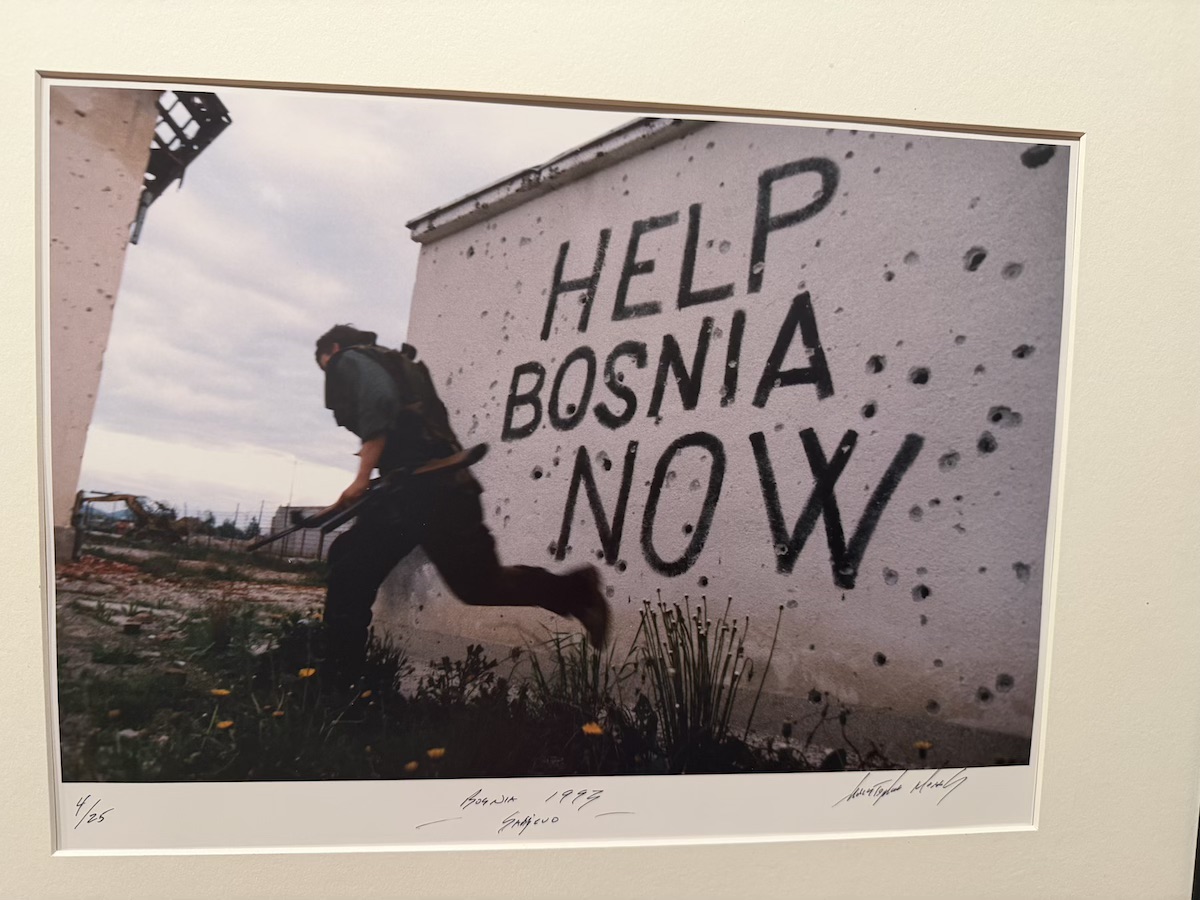
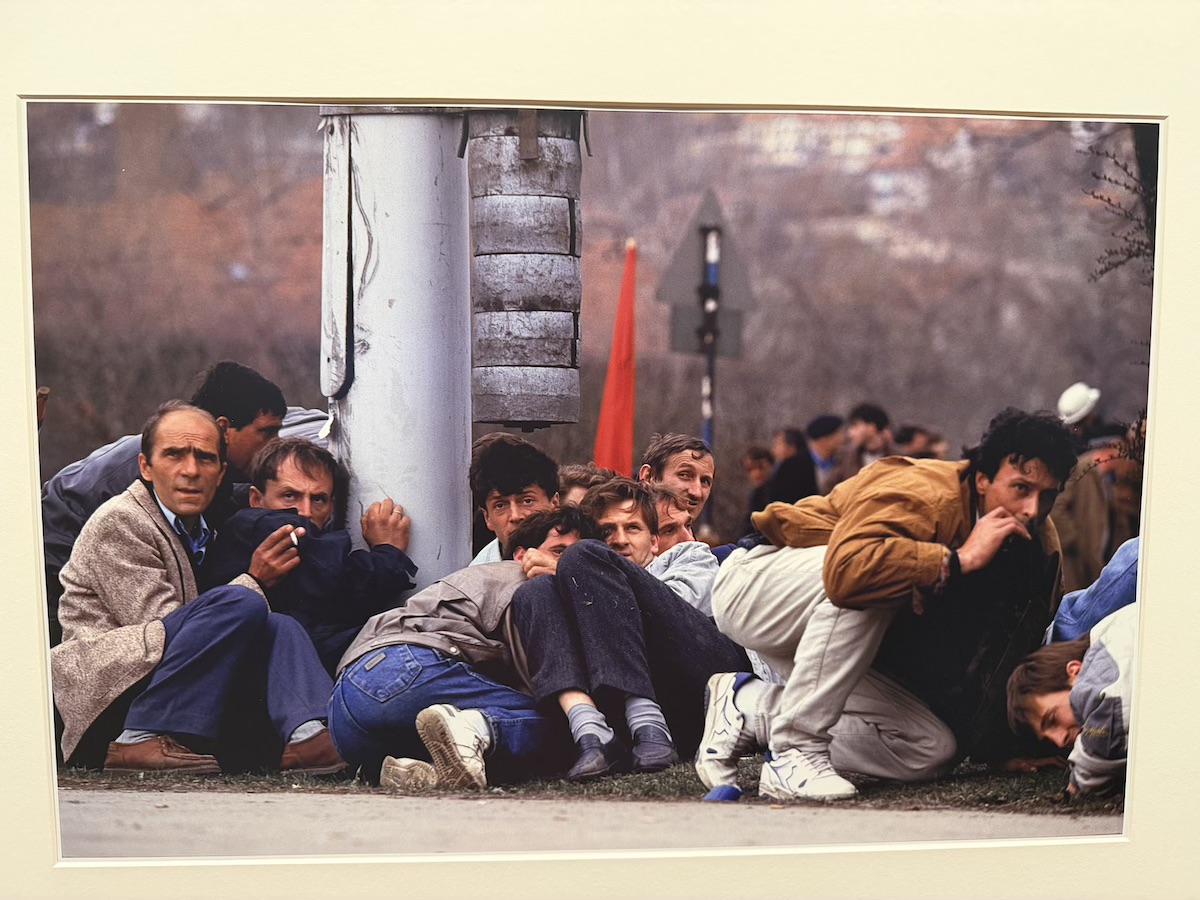
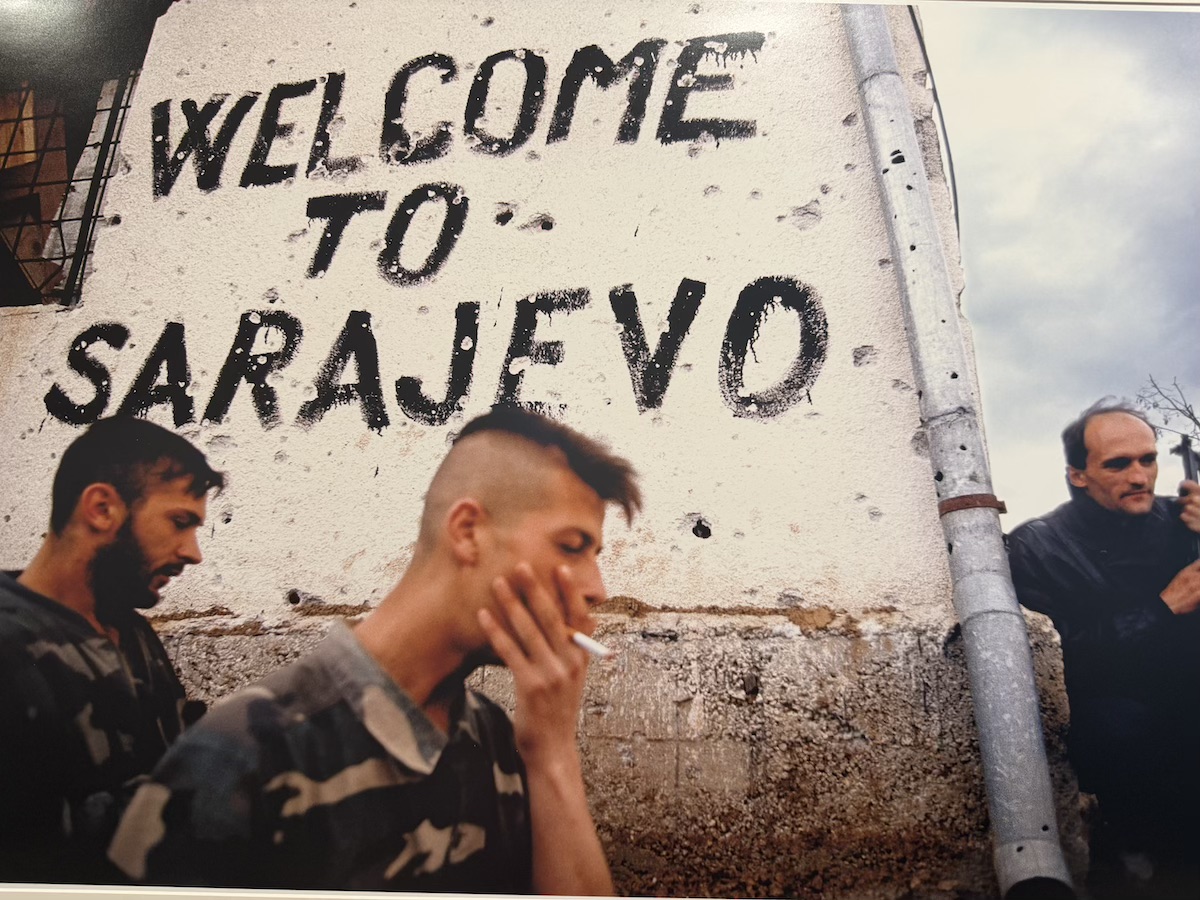

This isn’t a casual visit, nor is it one to rush through. It’s one of those places where it’s best to arrive with plenty of time and leave in quiet reflection, because what you see here stays with you much longer than you expect—or at least that’s what happened to us at Randomtrip.
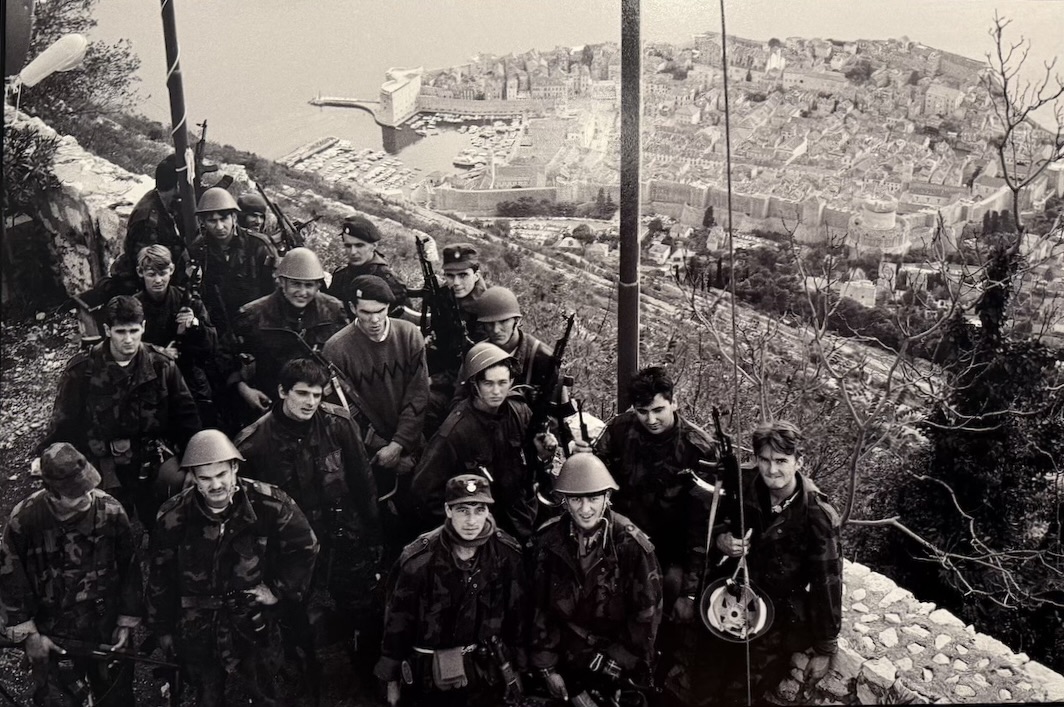
Hours: May through September, daily from 10:00 a.m. to 10:00 p.m. (last admission at 9:00 p.m.); April and October, daily from 10:00 a.m. to 5:00 p.m. (last admission at 4:00 p.m.); closed from November through March Price: 10 € per person; 8 € with the Dubrovnik Pass.
Synagogue and Jewish Museum
The Synagogue and Jewish Museum often go unnoticed but can be an interesting stop if you have time. The synagogue, dating back to 1352, is considered the second oldest in Europe after the one in Prague, and is tucked away in a building that was once accessed from inside the surrounding houses, right in the heart of the old Jewish ghetto. That alone gives you an idea of how discreet yet unique this space was within the walled city.
In the late 15th century, Dubrovnik’s Jewish community settled here permanently, having formed following the exodus (or, more accurately, the expulsion) from Portugal and Spain. Over time, the community grew and came to play an important role in the city, with highly respected doctors, merchants, and community leaders. Even so, its history was also marked by restrictions at various times, so a visit goes a long way toward understanding that mix of integration, daily life, and limitations that was part of historic Dubrovnik.
Inside, the synagogue is small but very beautiful, with the velvet curtains, the dark blue ceiling, and the intimate atmosphere of the space standing out in particular. The museum, for its part, houses valuable artifacts such as menorahs and Torah scrolls, as well as panels and materials on the history of Dubrovnik’s Jewish community.
Hours: 9:00 a.m. to 6:00 p.m. Price: 10 € per person
Luža Square
Luža Square is one of the most important landmarks in Dubrovnik’s Old Town and one of those places you’re almost certain to pass by more than once. Several of the city’s best-known monuments are concentrated here, such as the Column of Orlando, the Clock Tower, St. Blaise’s Church, Sponza Palace, and Onofrio’s Small Fountain.
The square not only brings together some of Dubrovnik’s greatest icons but has also been, for centuries, one of the most representative spaces of the city’s public life. This is where commerce, celebrations, official announcements, and the daily rhythm of ancient Ragusa intersected. Today, it remains a place to see and be seen, a square bustling with constant foot traffic right in the heart of Dubrovnik.
Orlando’s Column
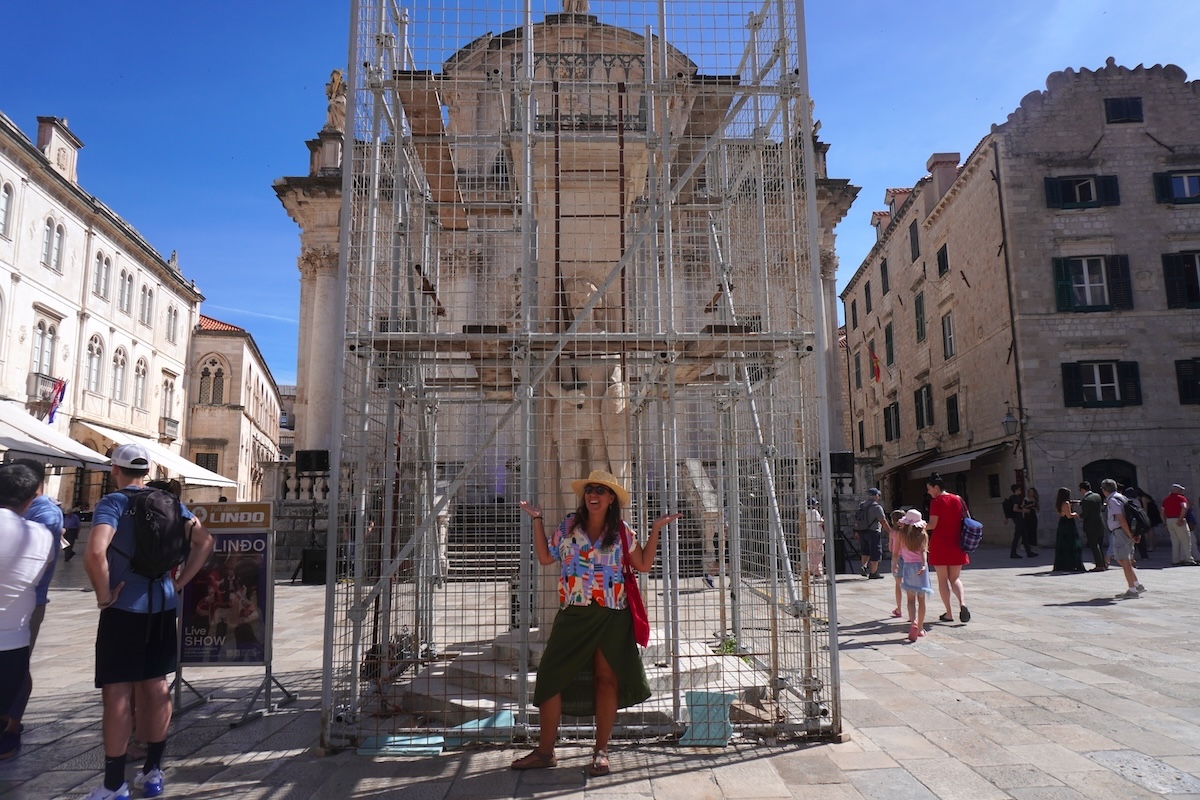
The Column of Orlando depicts the medieval hero Orlando, also known as Roland, Charlemagne’s nephew and a legendary figure in the ballads of the minstrels, associated with freedom and nobility. The column was erected in 1418 and for centuries was one of the city’s most important landmarks: the flag of Saint Blaise flew here until the end of the Republic, and today you can see the white flag of Libertas, which symbolizes Dubrovnik’s spirit of independence.
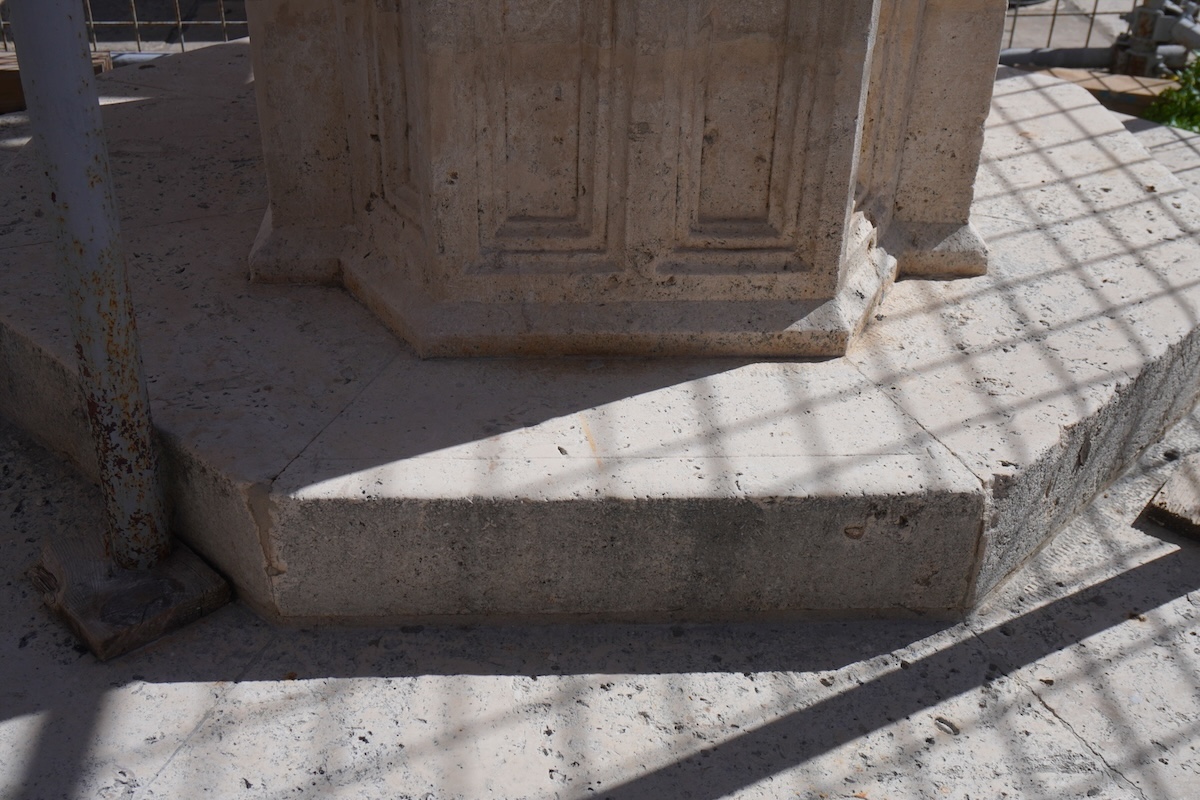
Its right arm was based on the so-called “Ragusan cubit,” an ancient unit of measurement from the former Republic of Ragusa equivalent to 51.2 cm. In fact, a carved mark can still be seen at the base of the column that served as a guide for measuring fabrics and other goods in the market.
In addition to its practical function, the column also had a much less pleasant side: for centuries, it served as a sort of pillar of shame, where those being punished could be tied up and publicly exposed. In a city where reputation was everything, such punishments carried enormous social weight.
Clock Tower (Gradski zvonik)
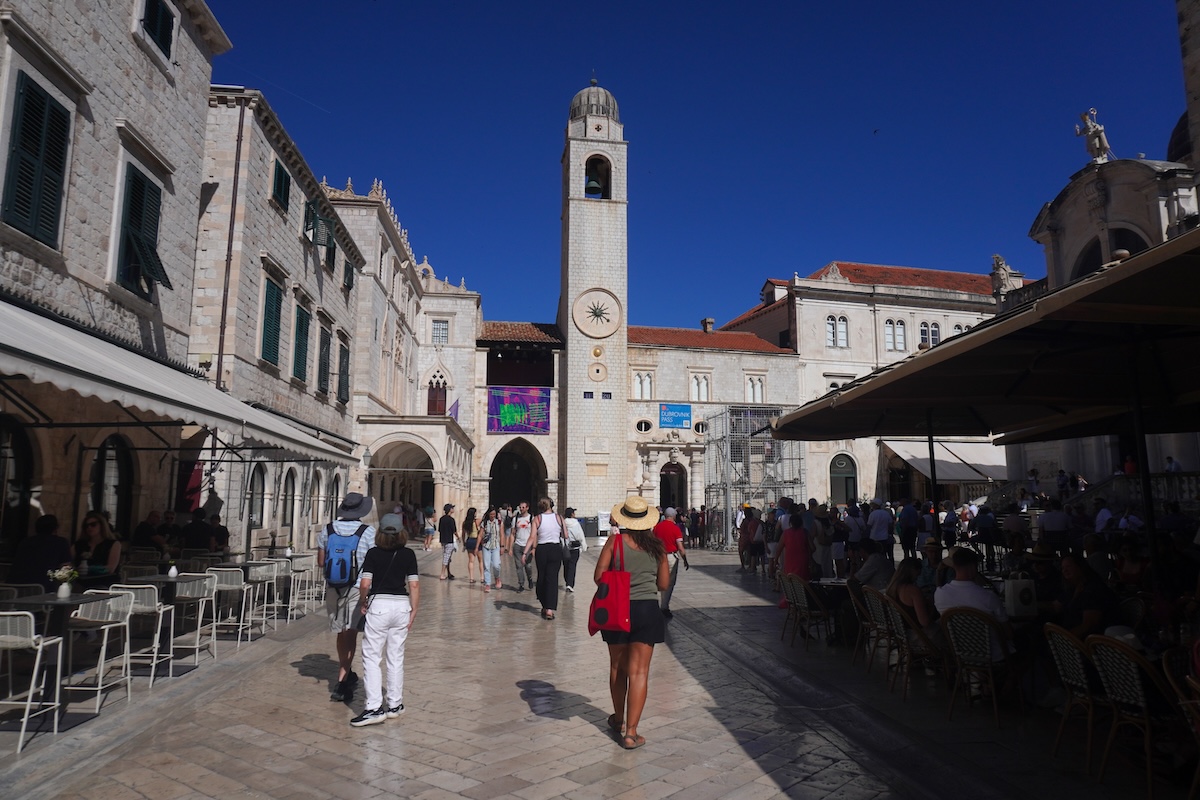
The Clock Tower is one of Dubrovnik’s most recognizable landmarks and, in fact, remains a regular meeting spot for locals right in the heart of the city. The city had its own municipal clock very early on, and the tower was built before Venice’s famous Clock Tower, so it wasn’t just a decorative feature—it also helped organize daily life in the former Republic of Ragusa.
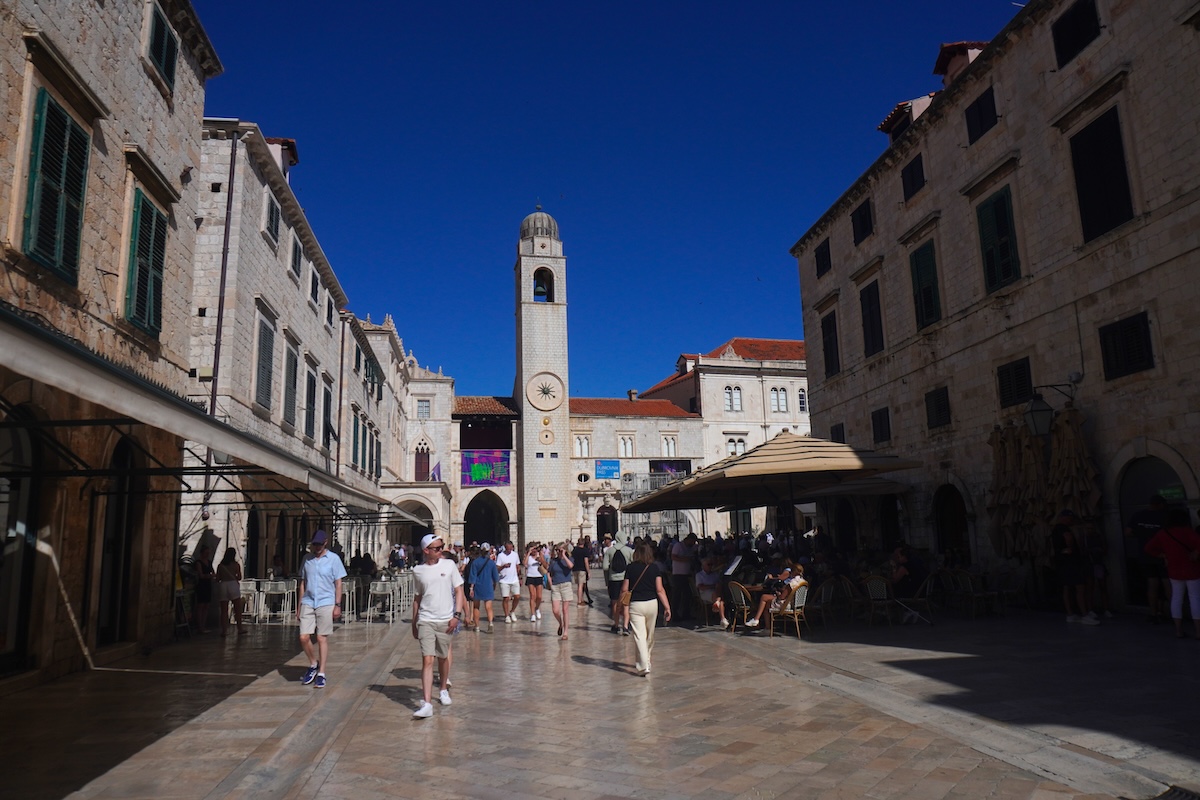
The most striking feature is the zelenci—the green figures that mark the hours from the top of the tower and are known to locals as Maro and Baro. They represent two Roman soldiers and owe their name (zelenci) to the greenish patina that gives them their distinctive appearance. They are one of Dubrovnik’s small icons, and if you can’t make them out clearly from the tower, you can see their “big brothers” at Sponza Palace, right next door.
The bell they strike weighs two metric tons and was cast by Ivan Krstitelj Rabljanin, a master craftsman known for his bells and cannons. The current bell is the only original part of the tower that remains, since a previous one, dating from 1444, was destroyed and rebuilt in 1928. And if you look closely at the clock, you’ll see that its center has a very simple, almost solar-like shape.
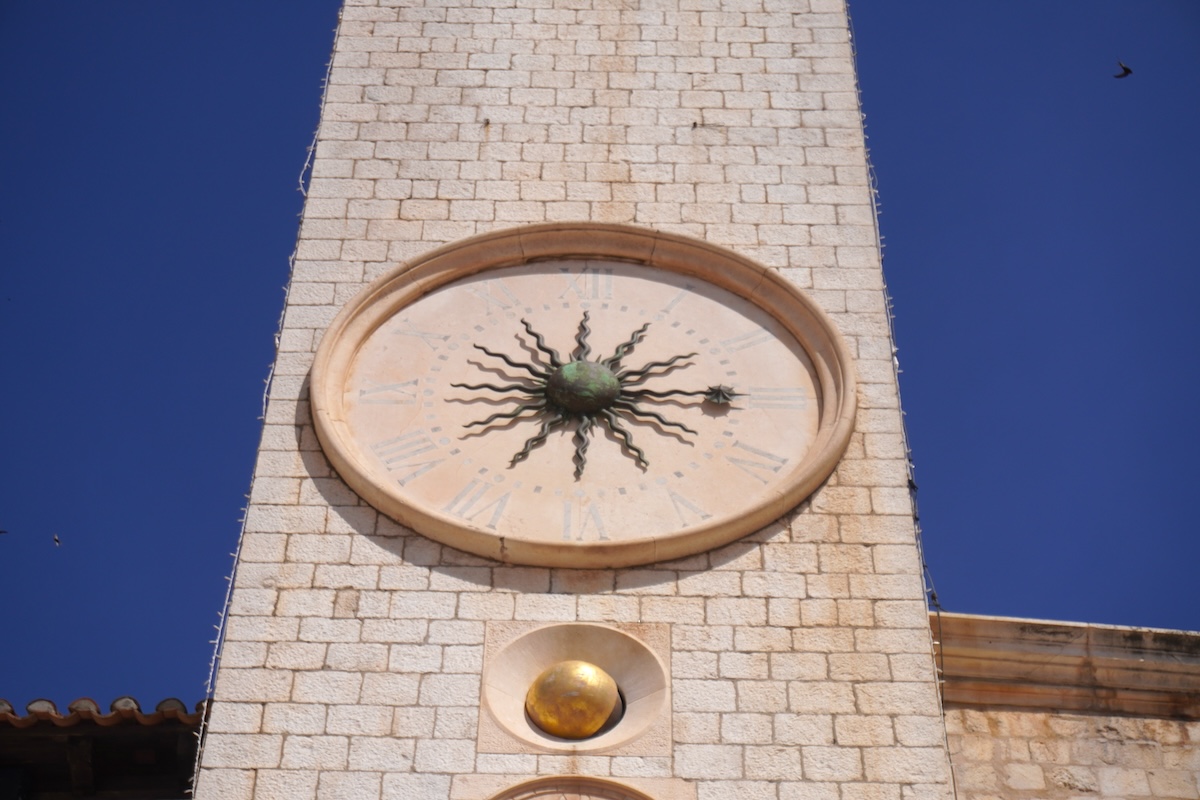
There’s another interesting detail: if you look closely, the tower clock doesn’t always show the exact time and may be a few minutes slow because the mechanism is reset periodically. So, if you’re meeting someone here, you can use the tower as a reference, but don’t rely on it for the exact meeting time…
Sponza Palace (Palača Sponza)
Sponza Palace is one of the most photogenic buildings in Dubrovnik. Located right across from the Column of Orlando, right on Stradun, it has always been a public building. For centuries, the Republic’s customs house and mint operated here, so all trade passed through this spot. This makes sense, since it’s located right next to the main entrance to the Old Town (Ploče Gate), where goods and the movement of people arriving by boat at Dubrovnik’s old port were inspected. It was, therefore, a key building in the city’s commercial life and its relationship with the sea.
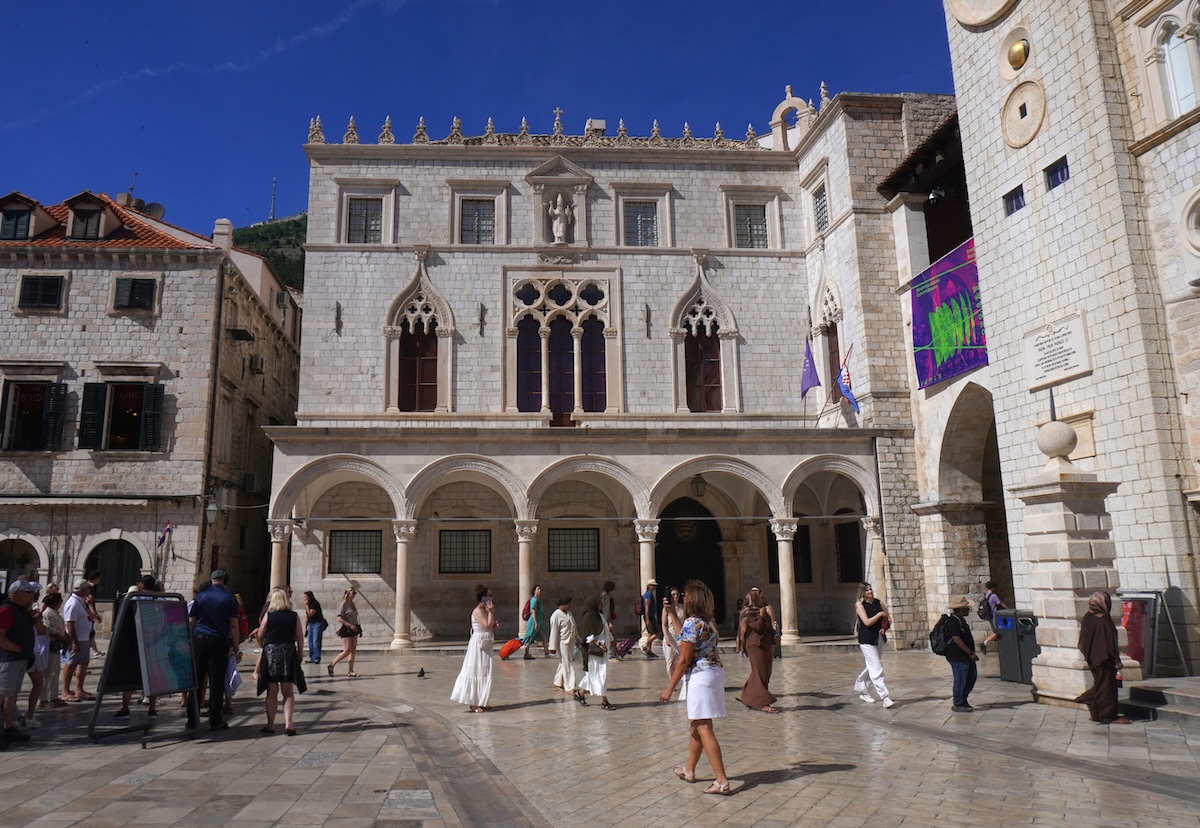
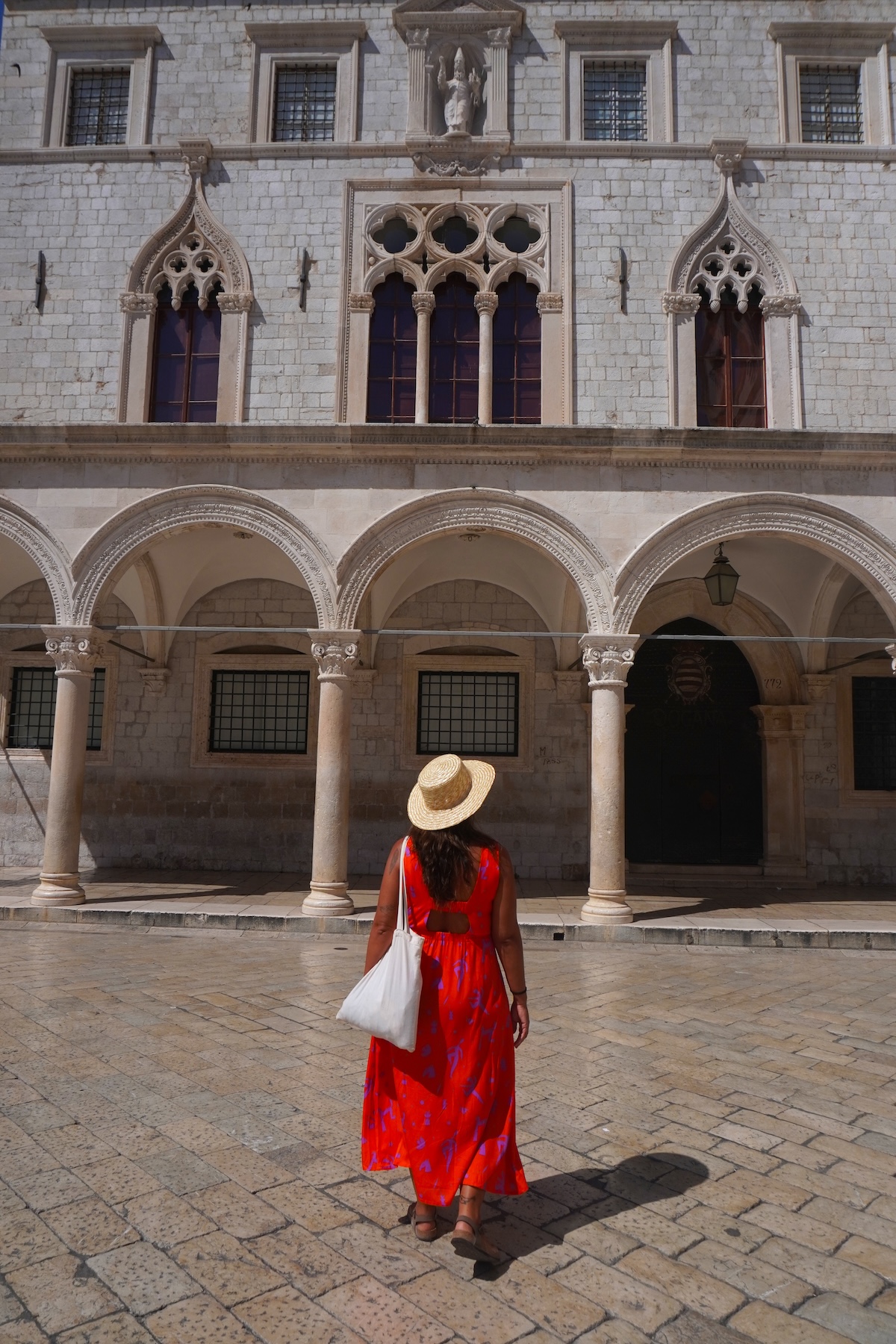
It was built between 1516 and 1522 according to plans by Paskoje Miličević and stands out for its blend of styles, with an elegant façade that combines Gothic and Renaissance elements. This blend is no accident: it beautifully reflects the history of Dubrovnik, a city that grew amid diverse influences while always maintaining its own distinct identity.
Over time, the palace has served various purposes, but it has always been closely tied to the life of the city. Today, its elegant atrium is used for exhibitions and recitals, and a room on the left as you enter is dedicated to the memory of the soldiers who fell during the 1991–92 siege of Dubrovnik. The upper galleries were once a gathering place for artists and intellectuals, while the building continues to house the Dubrovnik State Archives, a veritable treasure trove of documents on the former Republic of Ragusa. On the ground floor, you can even purchase replicas of some of these historical documents, though the originals are preserved for research purposes.
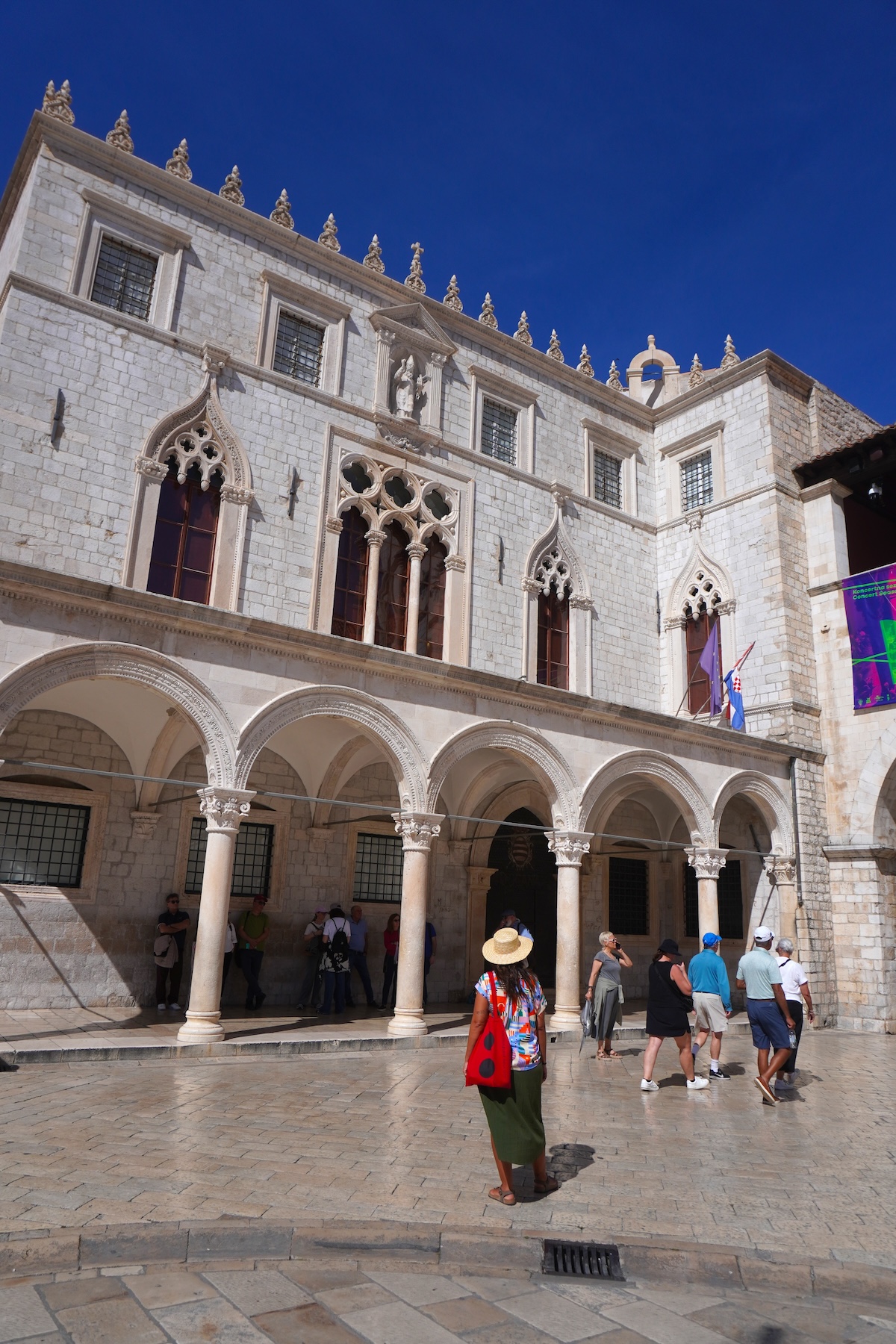
Hours: Daily from 9:00 a.m. to 9:00 p.m. Price: 5 € for general admission in summer; free admission the rest of the year. Admission not included in the Dubrovnik Pass.
Small Onofrio Fountain (Mala Onofrijeva fontana)
Onofrio’s Small Fountain is one of those spots in Dubrovnik that tends to go a bit unnoticed but is part of the city’s everyday history. It was built as a source of drinking water, so for centuries it served as a vital part of daily life for the residents of the Old Town. Today, it remains a perfect spot to take a quick break, cool off, and refill your water bottle.
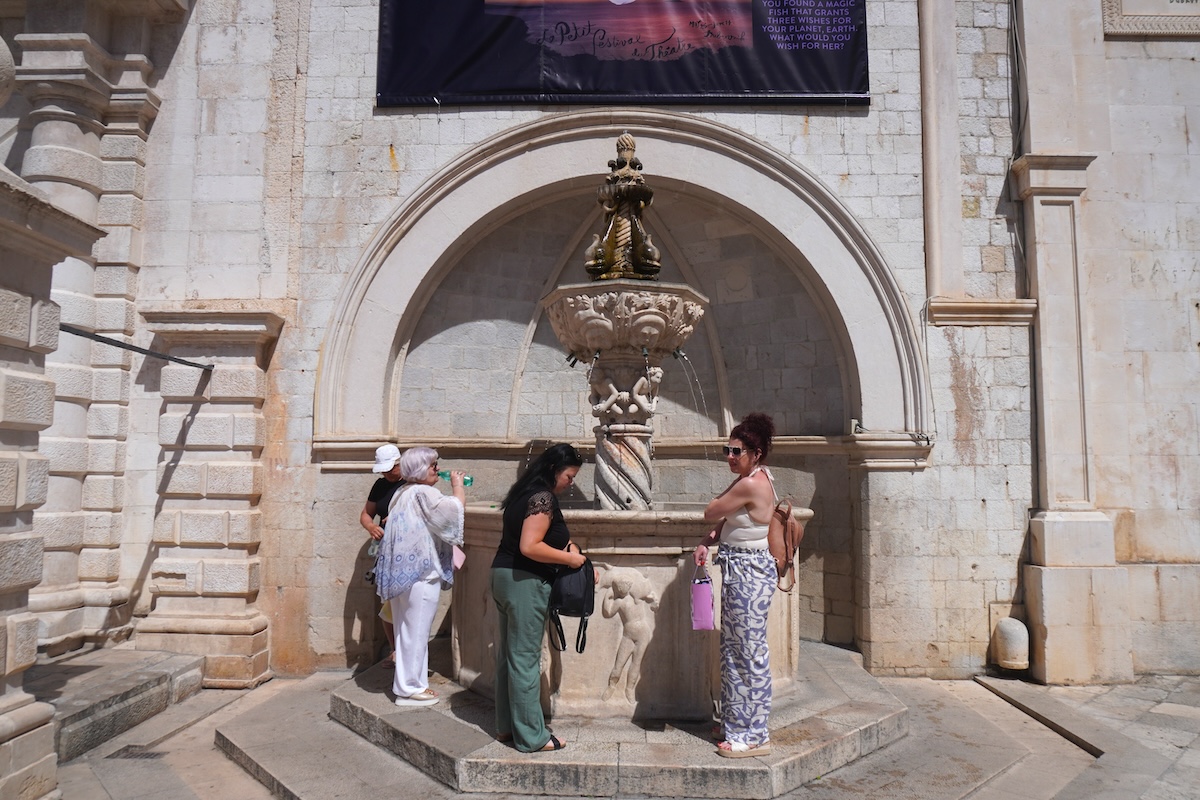
The fountain is part of the same water system as the large Onofrio Fountain, and its existence is linked to the supply of water to the city from sources located outside the city walls. In a city so densely built-up and so dependent on trade and life within the walled enclosure, access to drinking water was essential. That is why, even though it is not one of the most striking monuments—not counting the playful dolphins that decorate it—it carries far more historical significance than it appears at first glance.
Church of St. Blaise (Crkva sv. Vlaha)
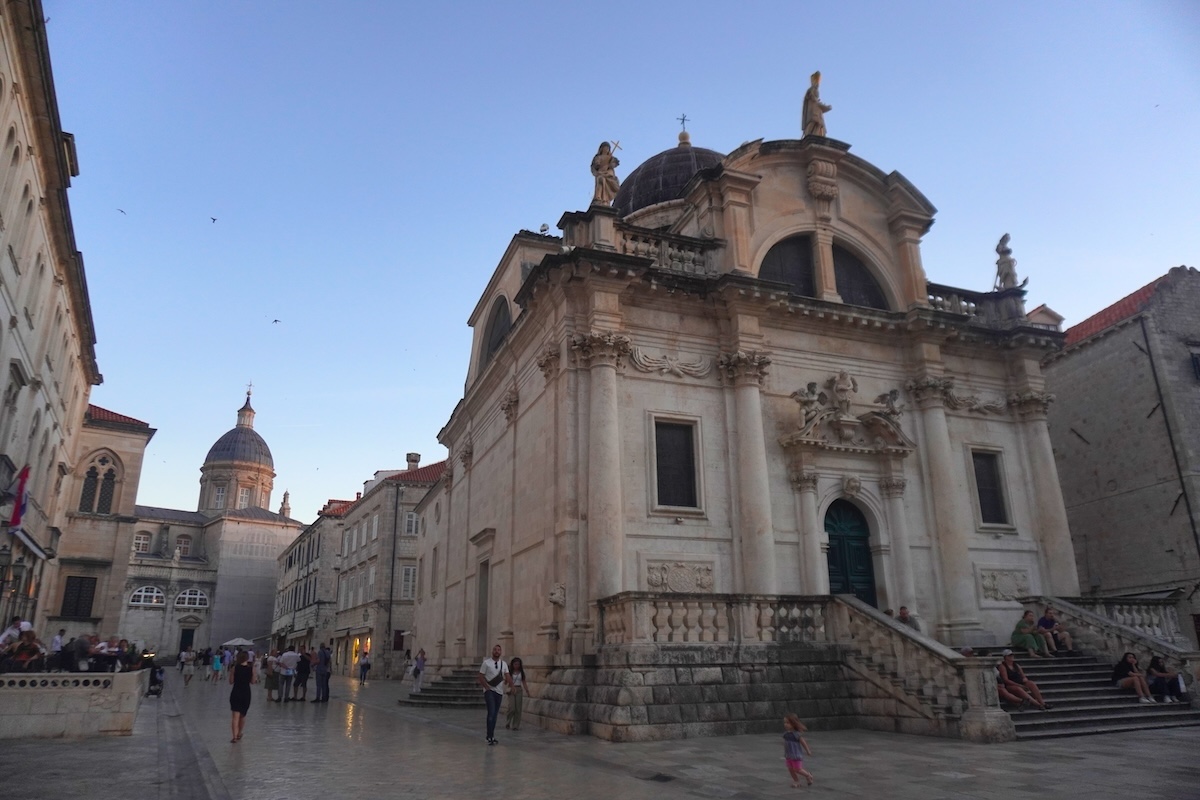
The Church of St. Blaise, dedicated to St. Blaise—the city’s patron saint—is one of Dubrovnik’s greatest symbols and serves as a powerful statement of identity. For centuries, the city coexisted with Venetian influence, as Venice often left its St. Mark’s lions as a mark of its territory; consequently, Dubrovnik gradually reinforced its own symbols to make it clear that it had its own distinct identity. St. Blaise was a highly symbolic choice because, although he was born in what is now Turkey, he was a highly revered Catholic saint—a figure who embodied faith, identity, and diplomacy.
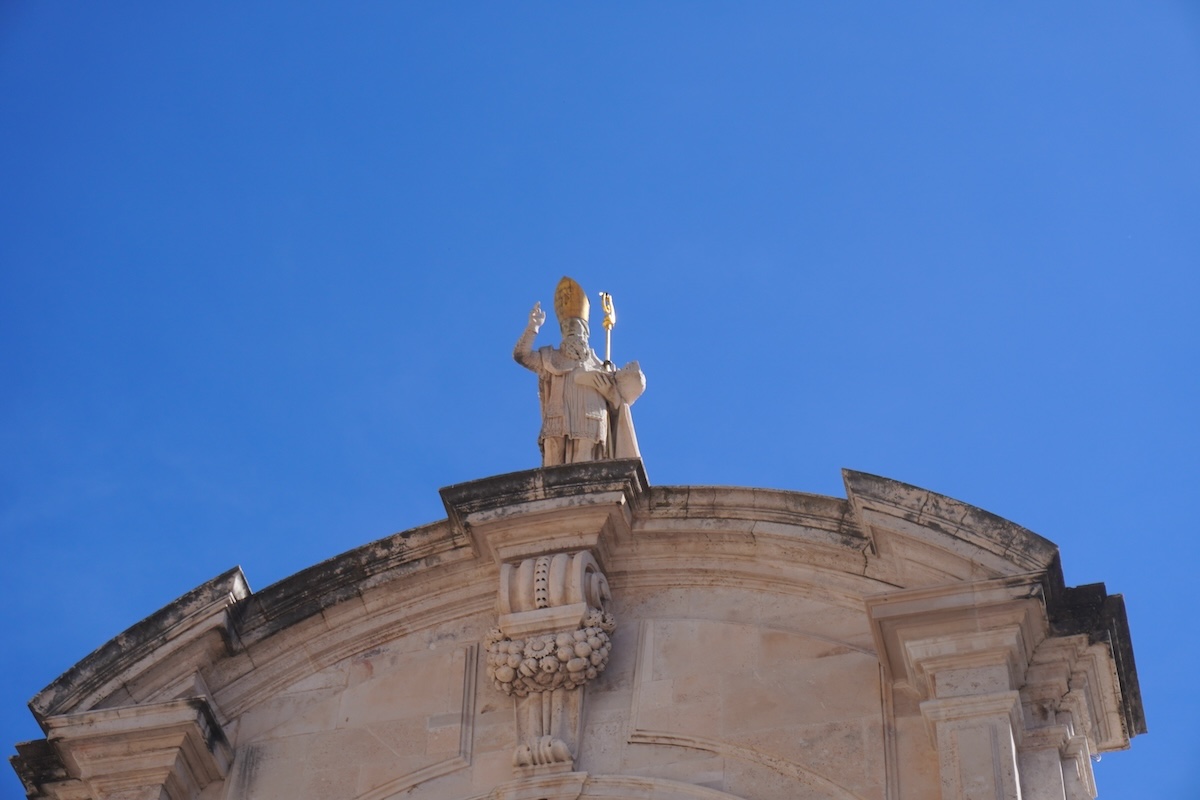
For that reason (and bearing in mind the importance of the Ploče Gate as the main entrance at that time), the Church of St. Blaise also served as a sort of calling card for Dubrovnik for anyone arriving in the Old Town—almost like a small way for the city to show off .
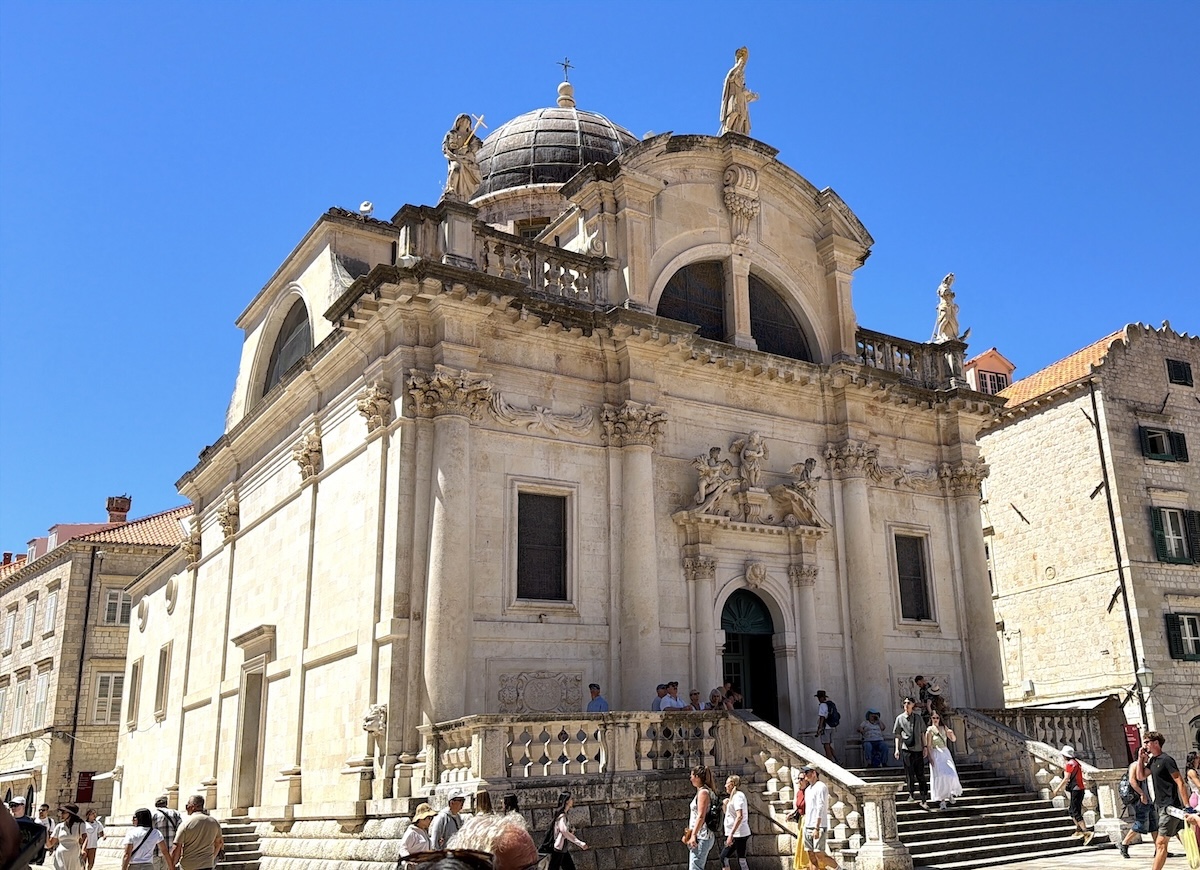
Located right on Stradun, there has been a church on this site since 1368, although the current one was built in 1717 after a fire, in the Baroque style and under the direction of the Venetian architect Marino Gropelli. The church we see today was rebuilt in the early 18th century following the great earthquake of 1667, on the site of the previous medieval church, which had been severely damaged. Its façade, with the grand staircase and the statue of St. Blaise at the top holding a trumpet, is one of the most recognizable sights in the Old Town.
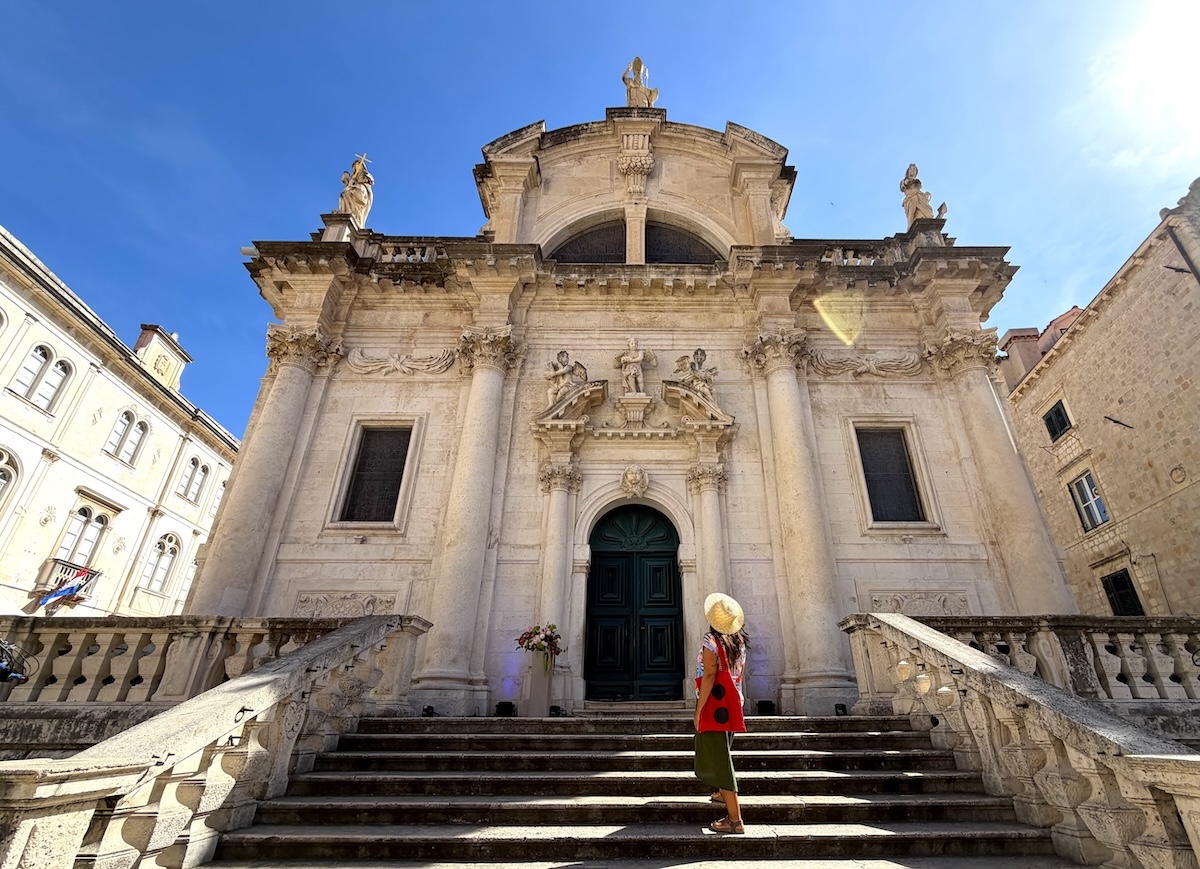
One of its most beautiful features is the stained-glass windows, created by local artist Ivo Dulčić in 1971, which are illuminated in a particularly striking way at night. It’s also a very lively place: during the days we spent there on RandomTrip, we saw at least three weddings, so it continues to play an important role in the life of Dubrovnik, beyond simply being a monument. The church’s staircase is also a very important setting in the city’s life, as events such as New Year’s Eve and the opening of the Summer Festival are celebrated here.
Dominican Monastery (Dominikanski samostan)
The Dominican Monastery is located very close to the Ploče Gate (at a strategic point in the Old Town, vulnerable to attacks from both land and sea) and for centuries was also part of the city’s defensive system. The Dominican Order settled here in the 13th century, and the complex took shape over the following centuries. From the outside, the complex appears rather austere, but the climb up the elegant stone staircase already hints that inside there is more than just a religious building.
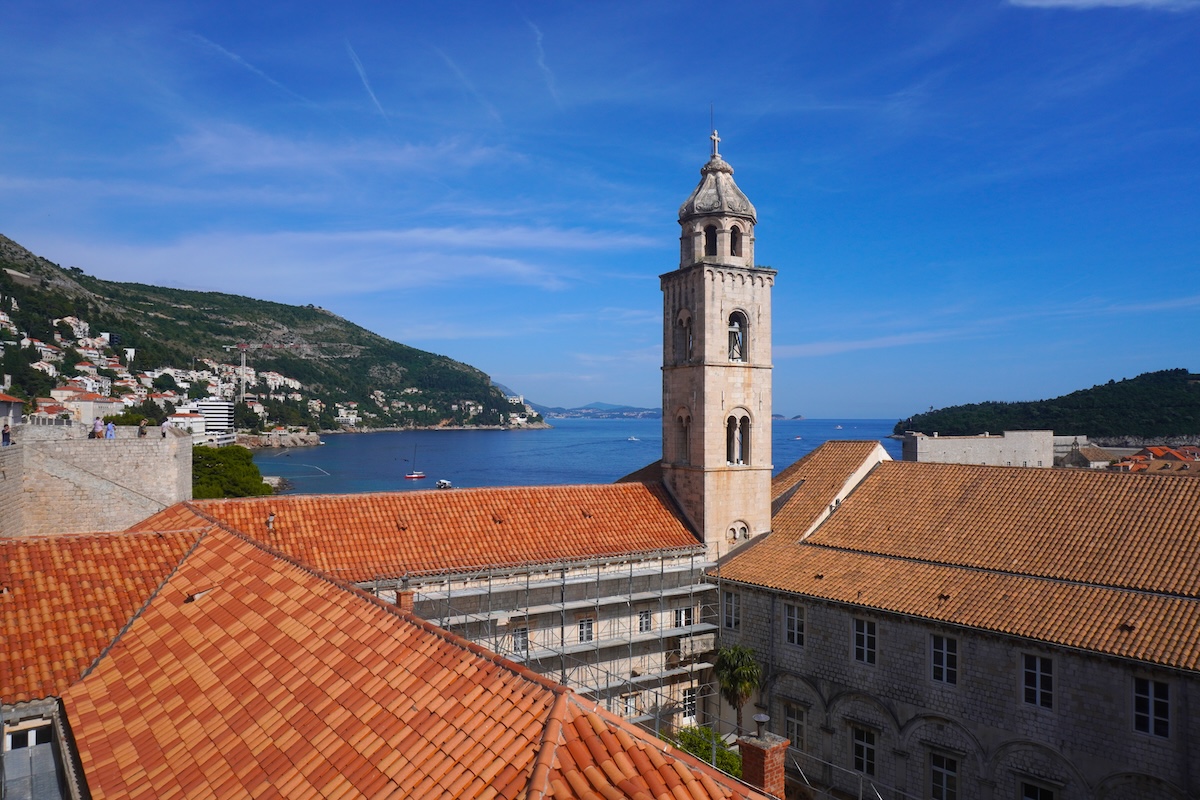
On our trip, we viewed the monastery only from above, from the city wall, because it was covered in scaffolding and under construction at the time, and unfortunately we couldn’t go inside. Even so, we were able to admire the monastery’s greatest treasure from above: its cloister, a Gothic and Renaissance space built between 1456 and 1469. If you’re able to go inside during your visit to Dubrovnik, we’ve read that although the church is quite simple—with a wooden ceiling and a rather austere interior—the monastery complex also houses an important library and a very valuable art collection. Among its pieces are works from the Dubrovnik school of painting and artists such as Nikola Božidarević, Titian, Paolo Veneziano, and Vlaho Bukovac, as well as a painting of Dubrovnik before the great earthquake, which is particularly important for understanding what the city was like.
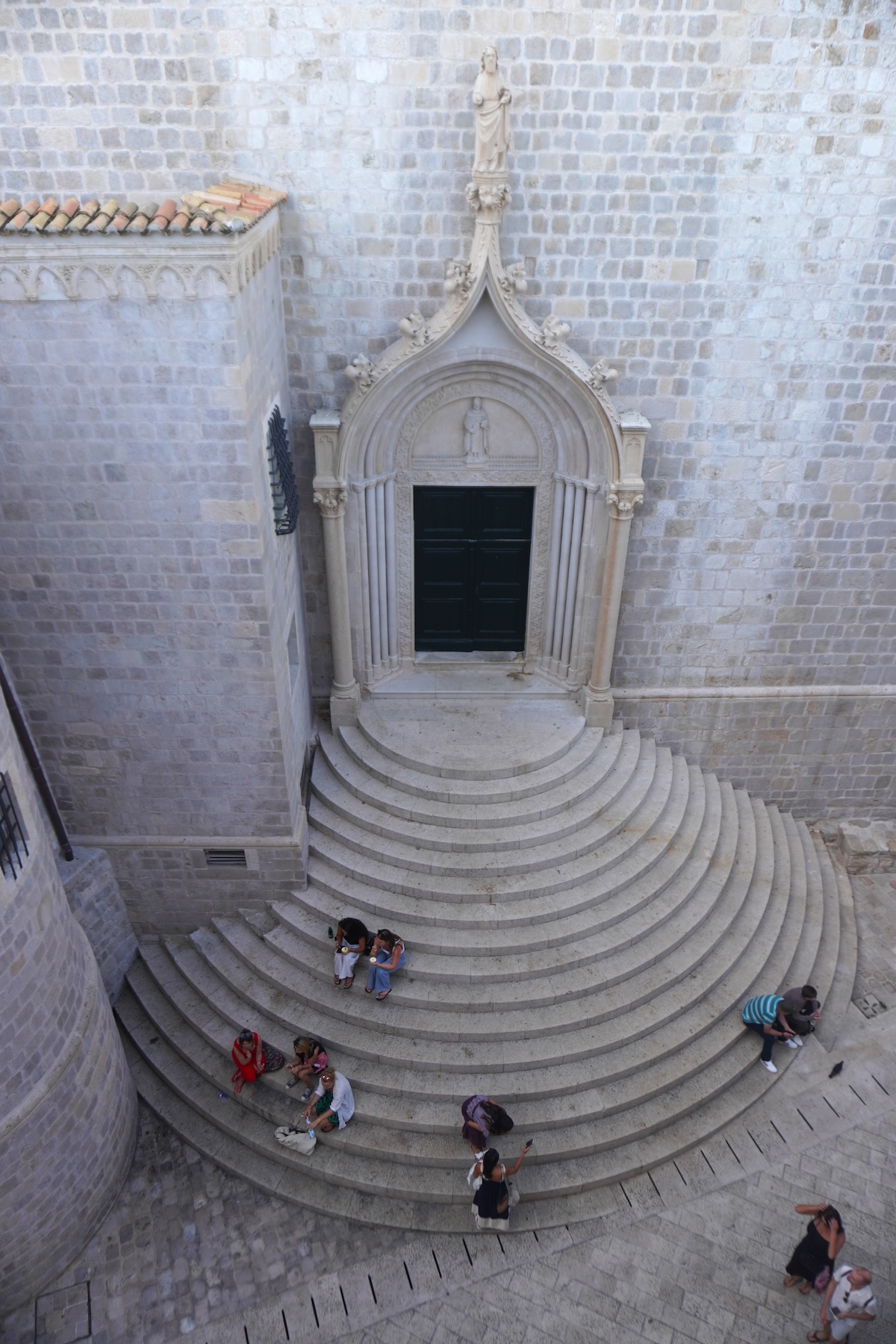
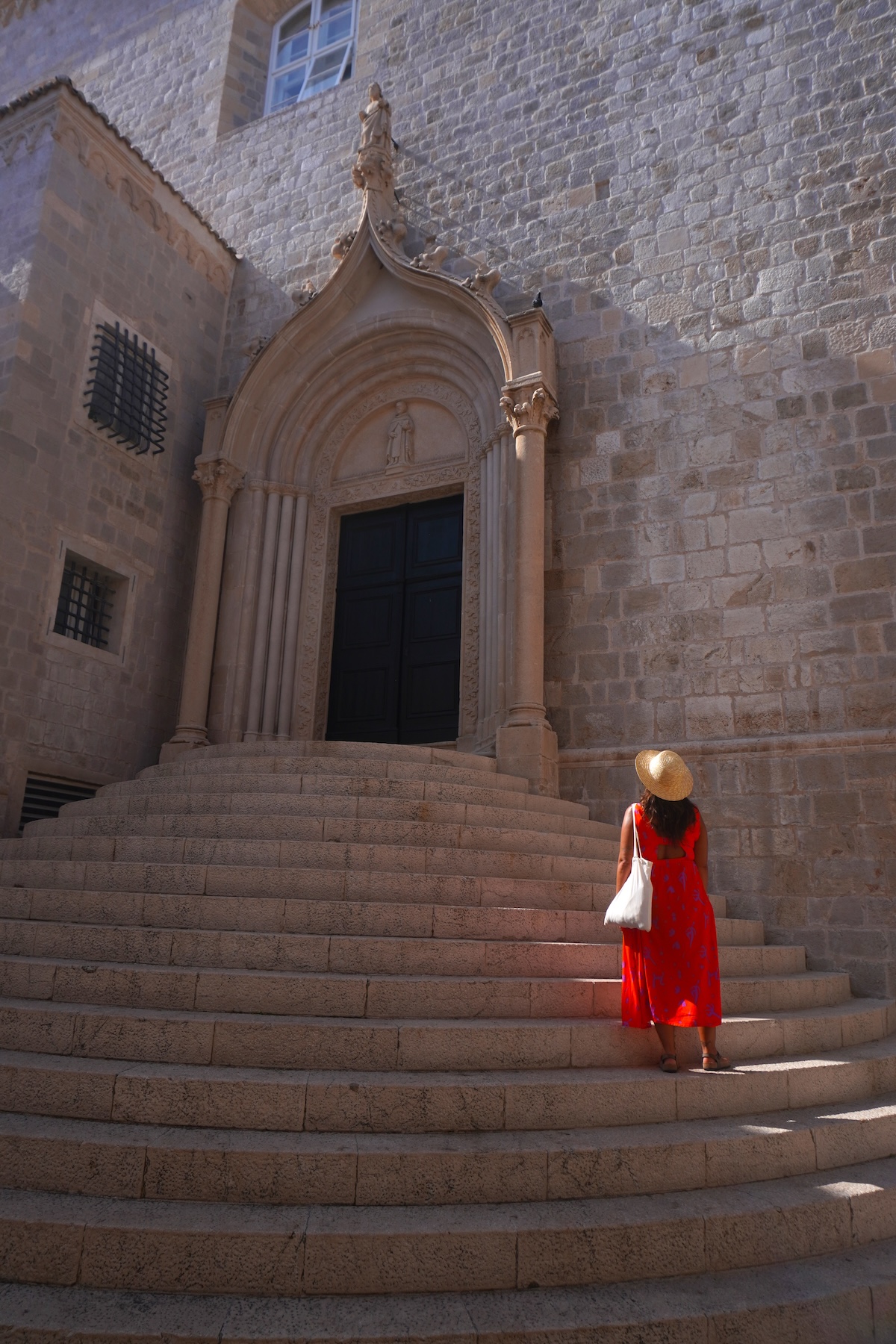
Before climbing the stairs to the monastery, there’s a detail worth taking a closer look at: the balustrades (the decorative railing composed of a series of small vertical columns) were covered up to a certain height to prevent prying eyes from seeing the dev out women’s ankles when their skirts lifted as they went up and down the stairs—a solution that speaks volumes about the morals of the time..
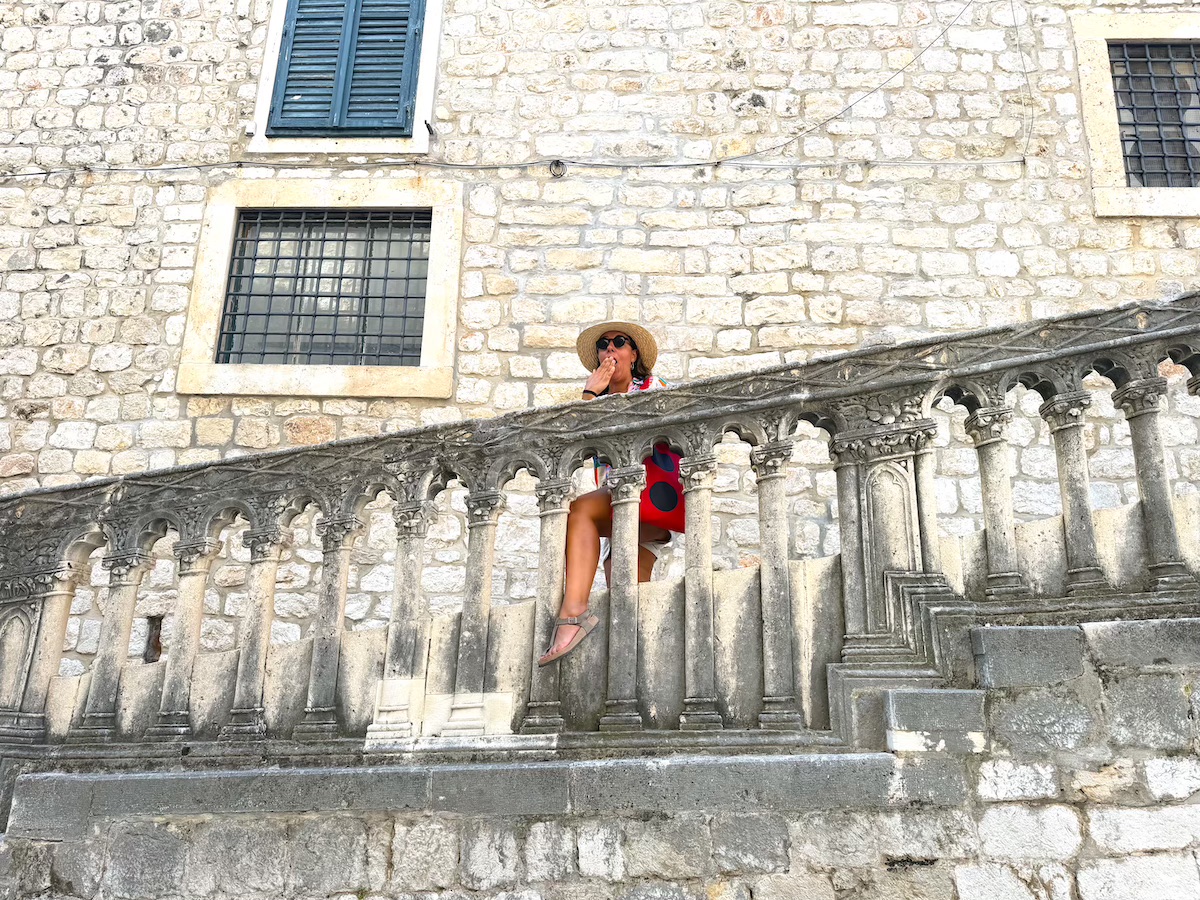
Hours: 9:00 a.m. to 6:00 p.m. Price: 5 € (4 € if you present the Dubrovnik Pass).
Church of St. Sebastian (Crkva sv. Sebastijan)
The Church of St. Sebastian is one of those little gems that goes largely unnoticed if you don’t know what you’re looking at. It was built in 1466 next to the Dominican monastery as protection against the plague—a decision very typical of a city that was constantly concerned with health, trade, and the arrival of travelers. Its location is no coincidence: it stood in a key entry point to the Old Town and was also linked to the work of stonemasons and the storage of stone.
Throughout its history, its role has changed considerably. After the French occupation, it was converted into a prison in 1808 and later ceased to be used as a church; today it houses an exhibition space.
Statue of Marin Držić (Spomenik Marinu Držiću) and House of Marin Držić
The Statue of Marin Držić is one of the most beloved and photographed figures in Dubrovnik’s Old Town. Marin Držić was the great Croatian playwright, often dubbed the“Shakespeare of Dubrovnik,”and the statue is the work of Ivan Meštrović, one of Croatia’s most important sculptors (whose work we got to know very well in Split, at his home and gallery). The statue is located at the eastern end of Stradun, in an area where almost everyone passes by, so it’s easy to spot… and just as easy to end up with your hand on his nose, which shines from being rubbed so much because it’s said to bring good luck.
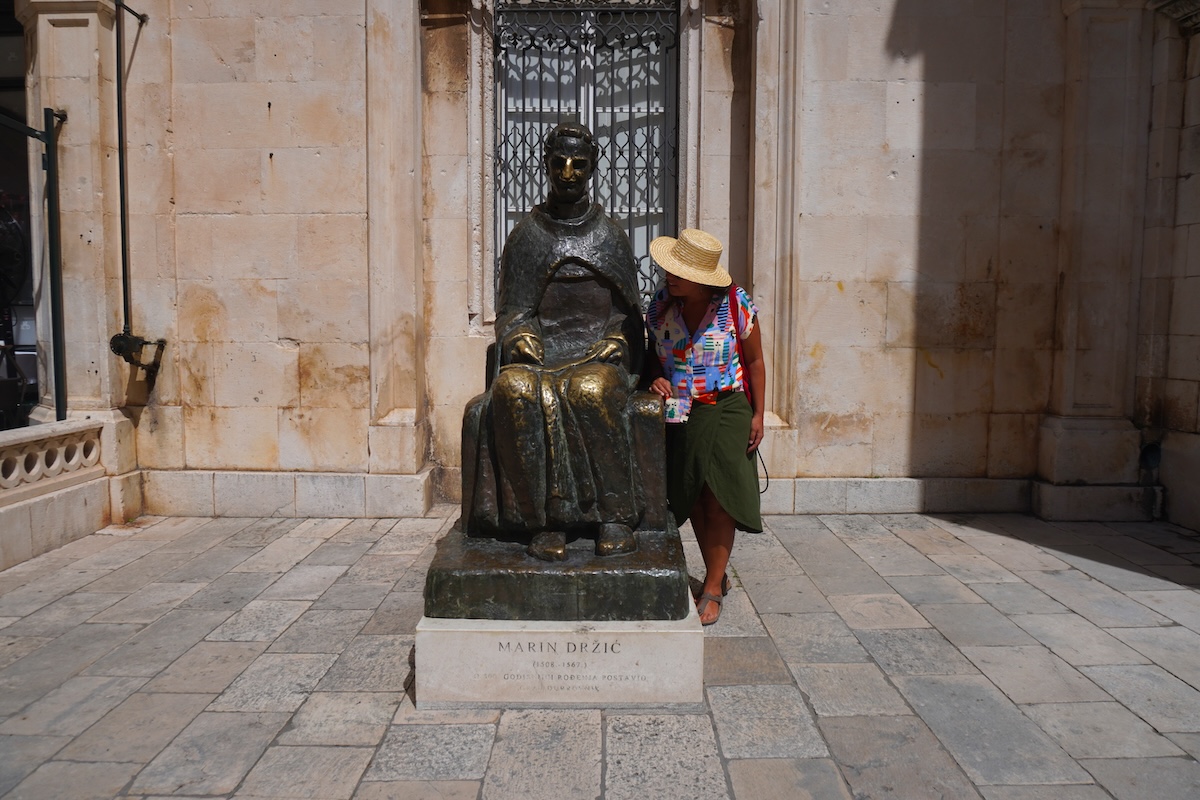
If you’re interested in learning more about the famous playwright’s life, we recommend visiting the house where he was born, the House of Marin Držić. It’s a highly recommended visit to gain a better understanding of this figure, who was quite free-spirited and rebellious for his time. In fact, he wasn’t fully appreciated until after his death, in part because he was a controversial figure and highly critical of those in power.
Although Držić is best known for his plays, full of satire and humor, he is also known for his rather daring attempt to write to the Medici family in Florence to ask for their support against the government of Dubrovnik, convinced that it was run by elitist autocrats. Today, his birthplace has been turned into a small exhibition dedicated to his life and work, making it a great stop for gaining cultural context and strolling through the old town.
Hours: 10:00 a.m. to 4:00 p.m., closed Mondays. Price: 8 € for adults; 5 € for students; 20 € for a family ticket (2 adults + 2 children under 14)
By the way, his comedies are regularly performed at the Dubrovnik Summer Festival, which takes place every year from July 10 to August 25.
Rector’s Palace / Dubrovnik Museum (Kneževo dvor)
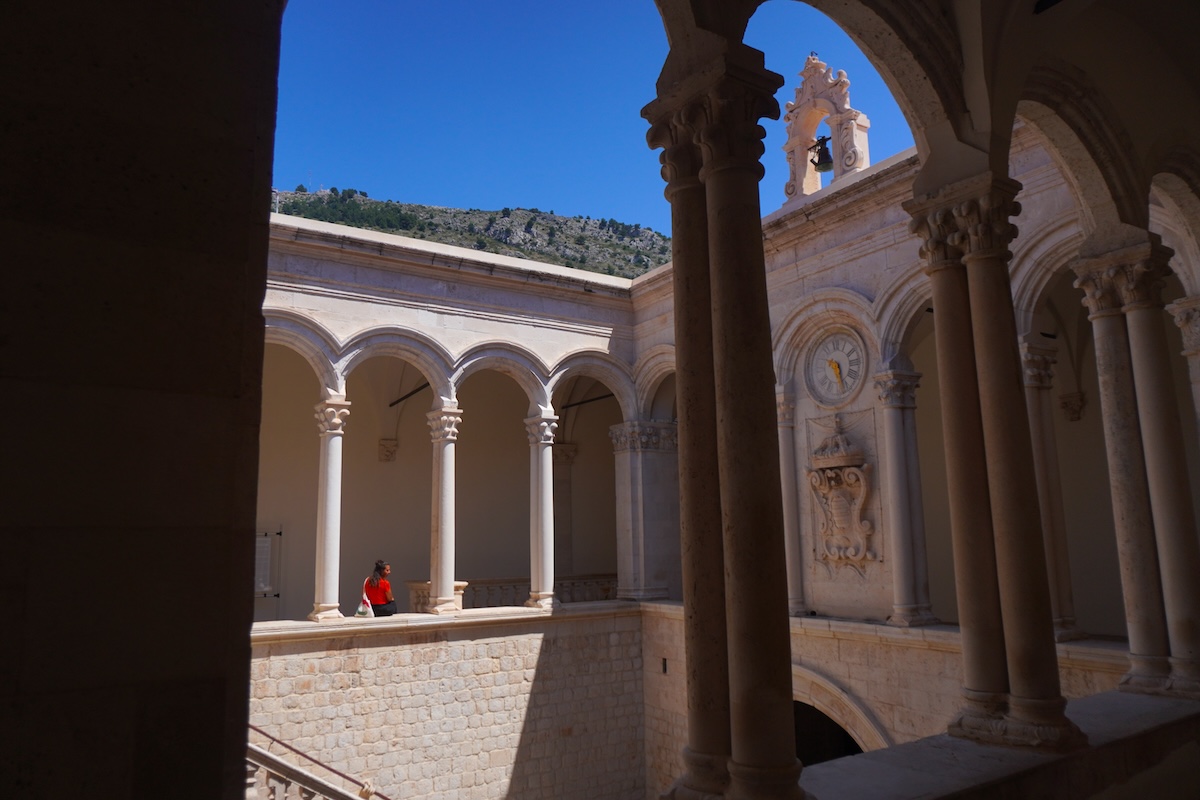
The Rector’s Palace is one of the most beautiful buildings in Dubrovnik and one of the best places to begin understanding how the former Republic of Ragusa functioned. It served as the seat of government and was also the residence of the rector, the highest political office in the Republic of Dubrovnik, although in practice the position was more ceremonial than one of actual power.
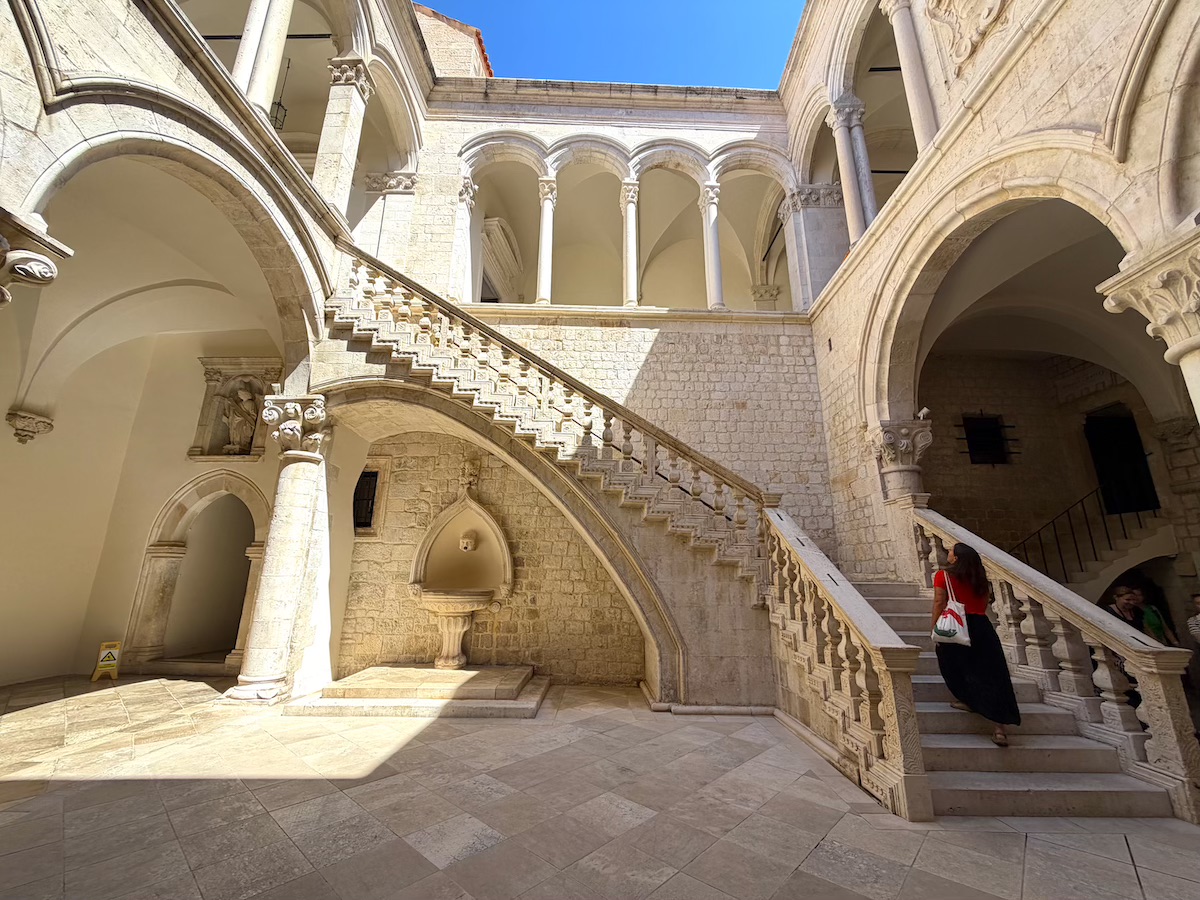
The rector was elected from among the nobility; he had to be over 50 years old, and his term lasted only one month—precisely to prevent anyone from concentrating too much power. Furthermore, the rector received no salary and was strictly monitored: he was required to remain almost exclusively within the palace, leave only for official events, and return the keys to the city—which he had guarded overnight—first thing in the morning. (Here at Randomtrip, we can’t help but think that perhaps some of these ideas could inspire measures to be implemented in today’s politics and help reduce corruption—don’t you think?)
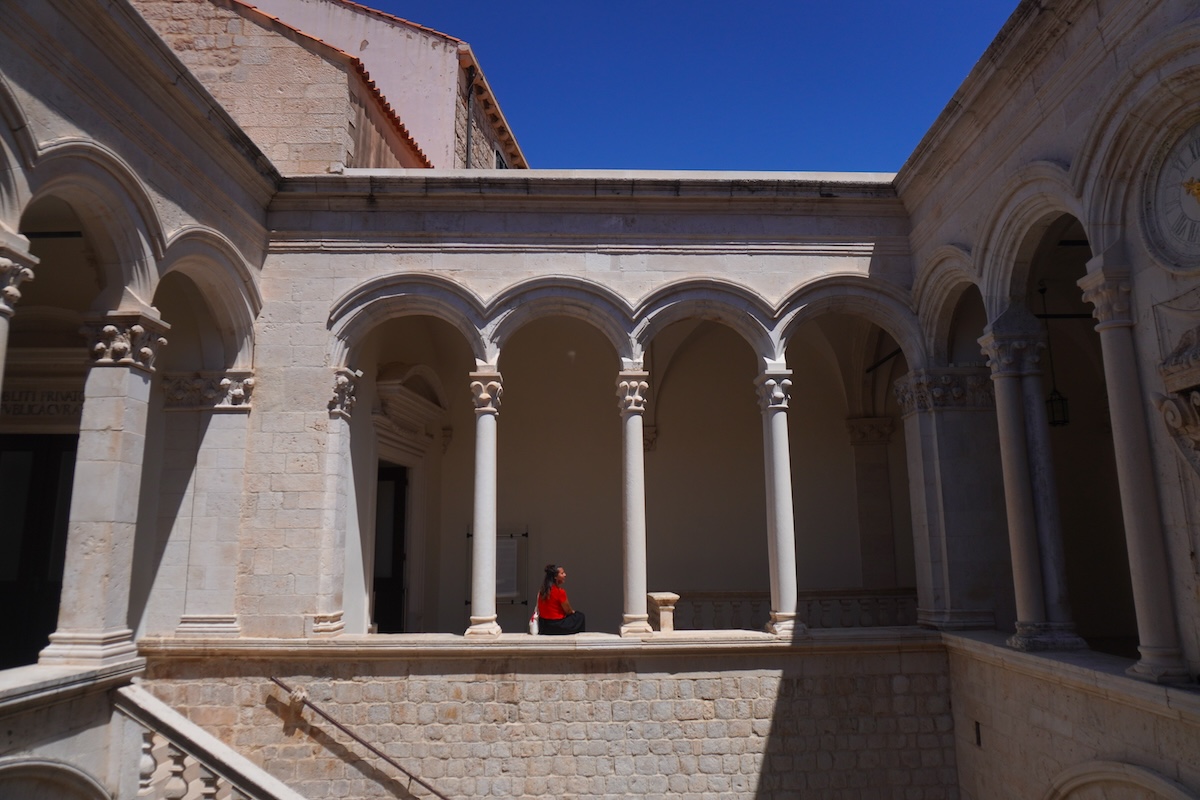
The palace preserves several historic rooms, such as council chambers, a prison, an armory, and halls used for ceremonies and receptions. It houses the Dubrovnik Museum of Cultural History, featuring paintings, furniture, clocks, costumes, and household items from the 16th to the 19th centuries salvaged from nearby houses and palaces, which help visitors imagine what life was like and how power was exercised in the former Republic.
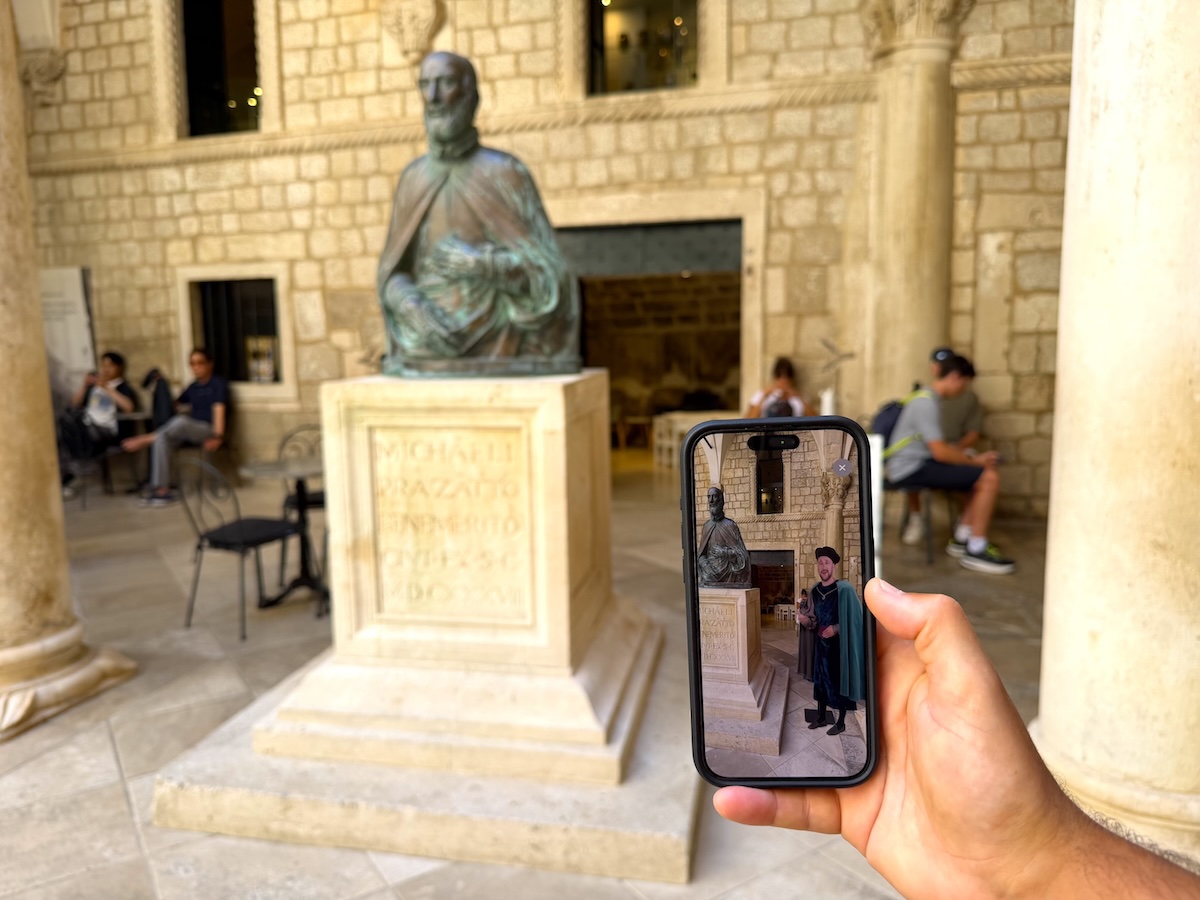
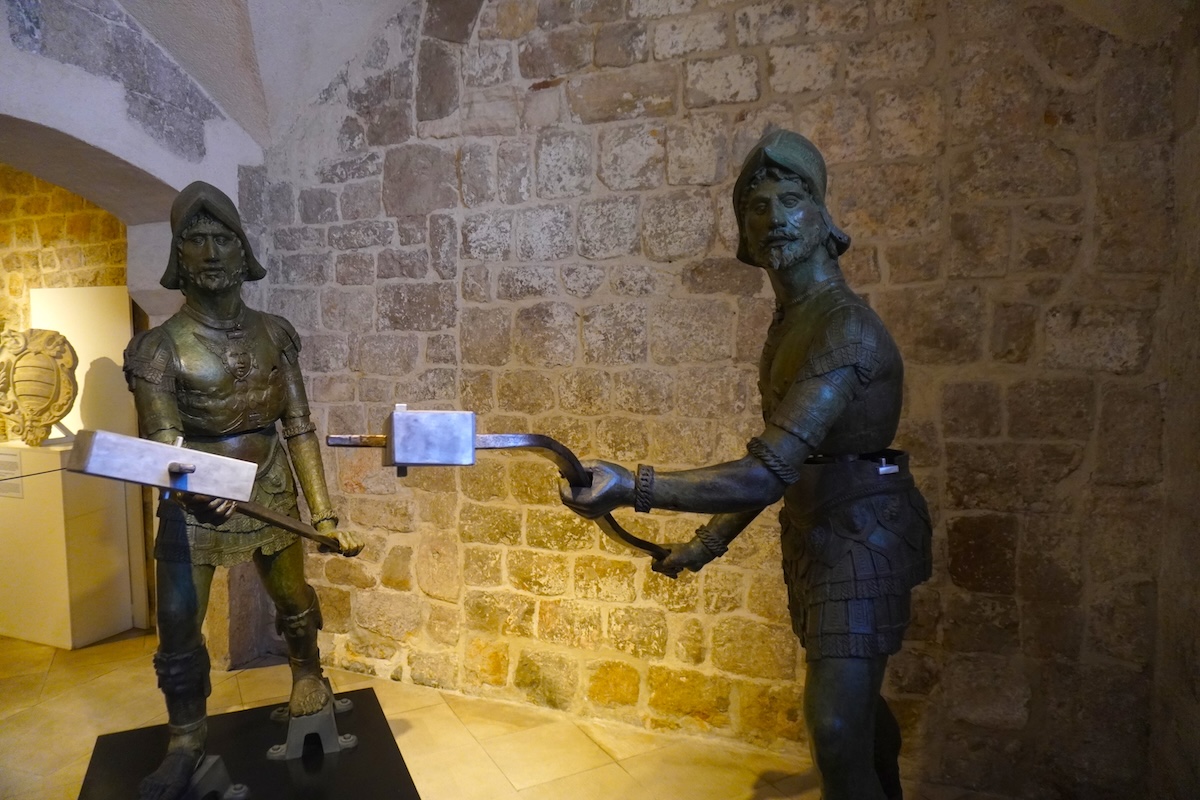
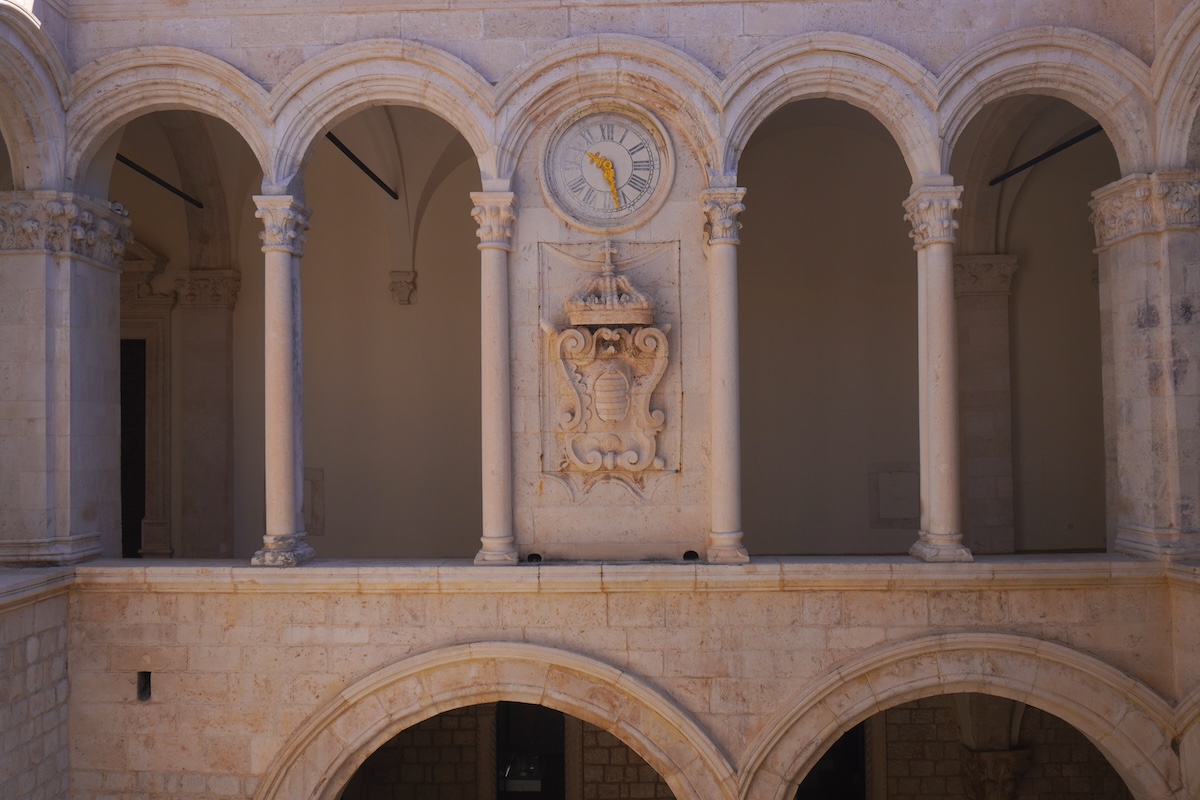
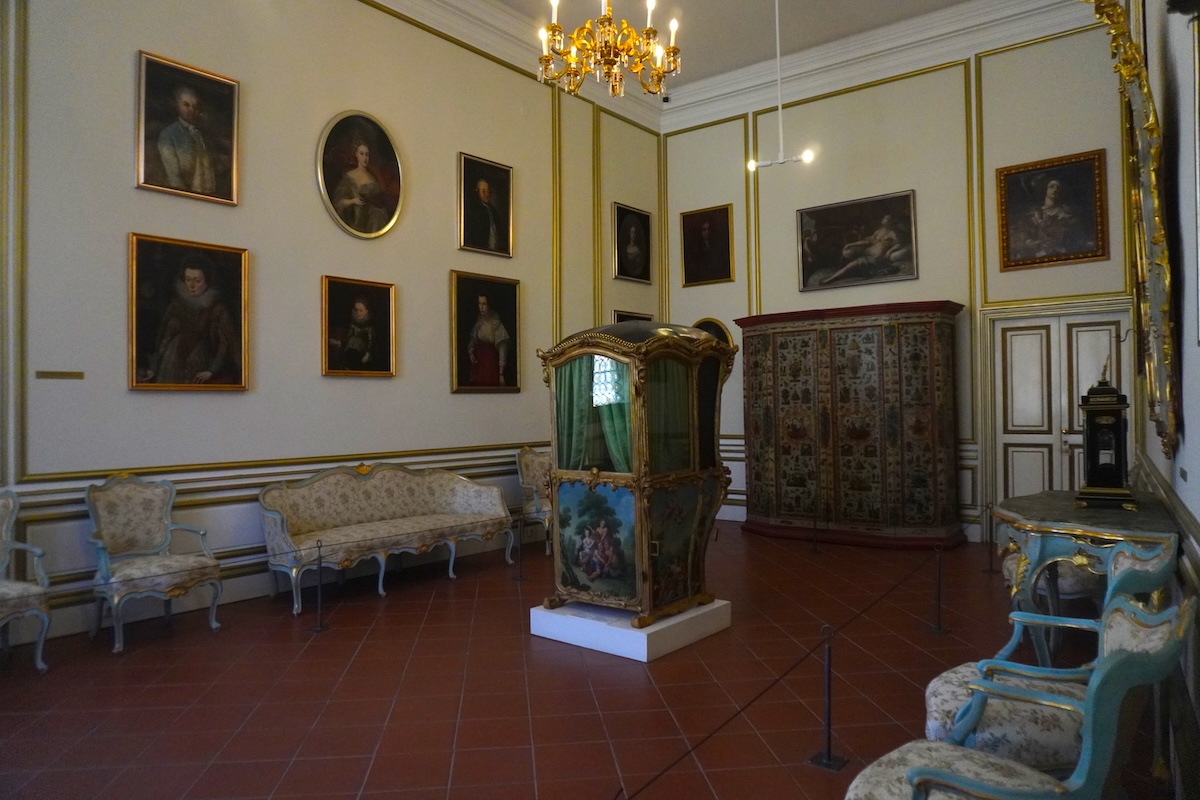
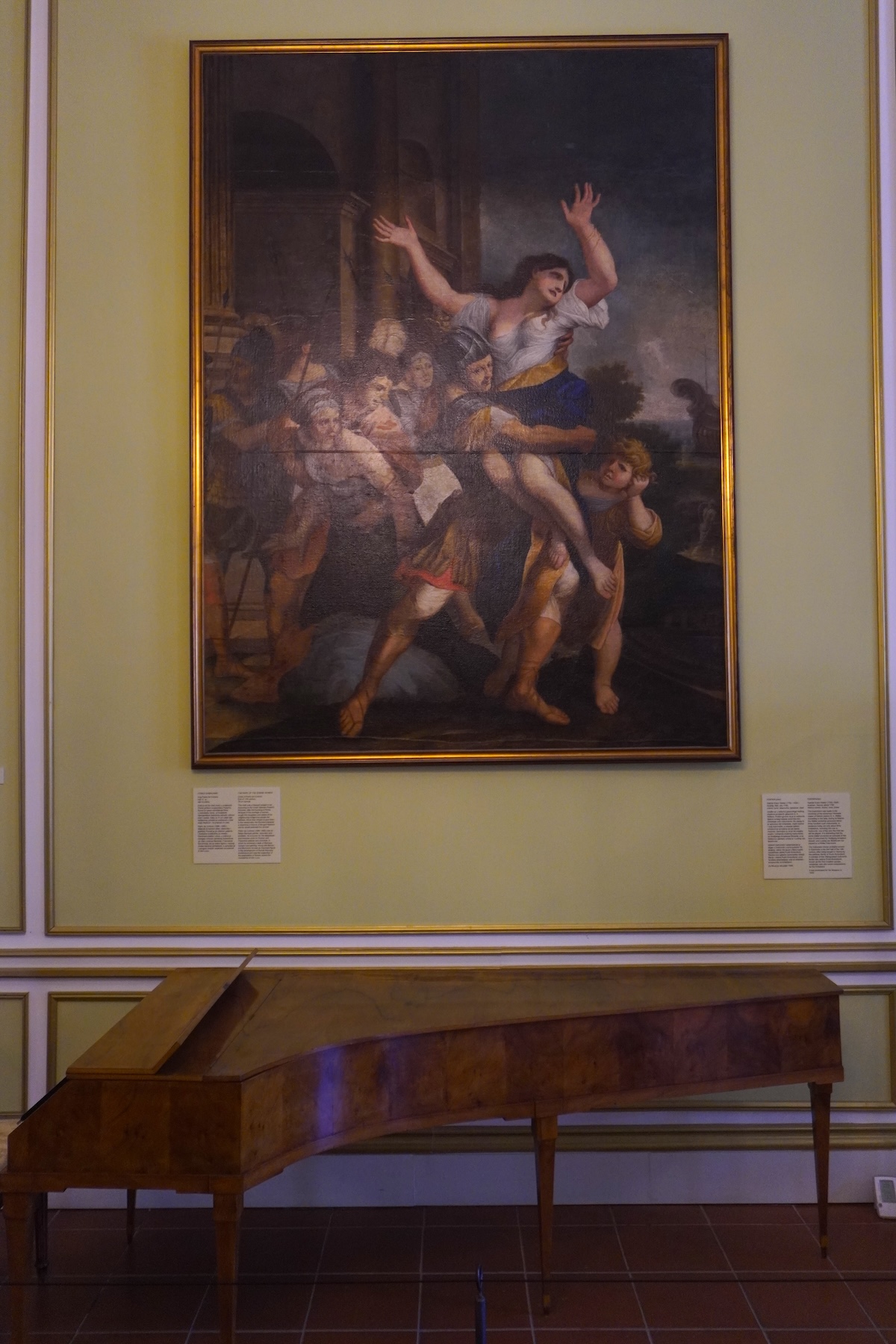
It’s worth taking your time to explore the upper floor, where impressive works by Italian and Croatian masters are on display. One of the pieces that struck me the most (and which I hadn’t seen before) was The Rape of the Sabine Women by Pietro da Cortona. Beyond the beauty of the painting, it left me thinking about something that remains painfully relevant today: how, in war, women’s bodies have been used time and again as a bargaining chip, as an instrument of power and violence.
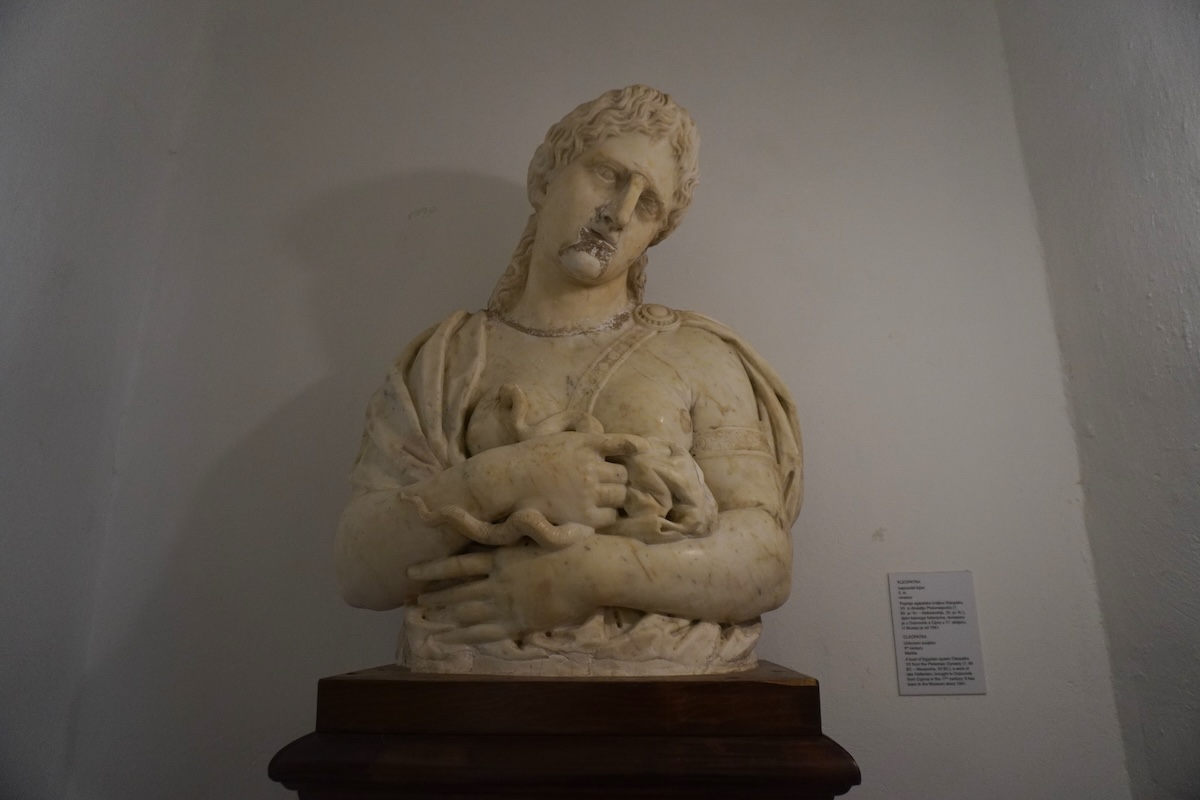
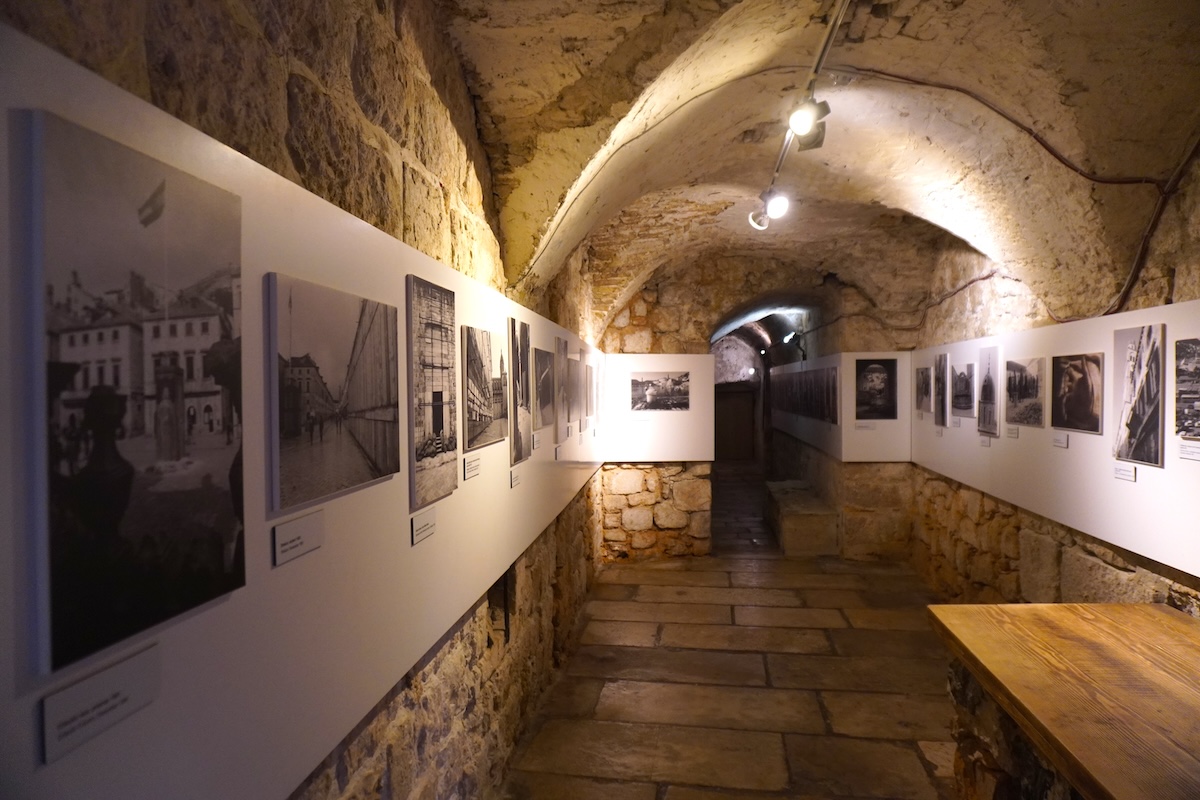
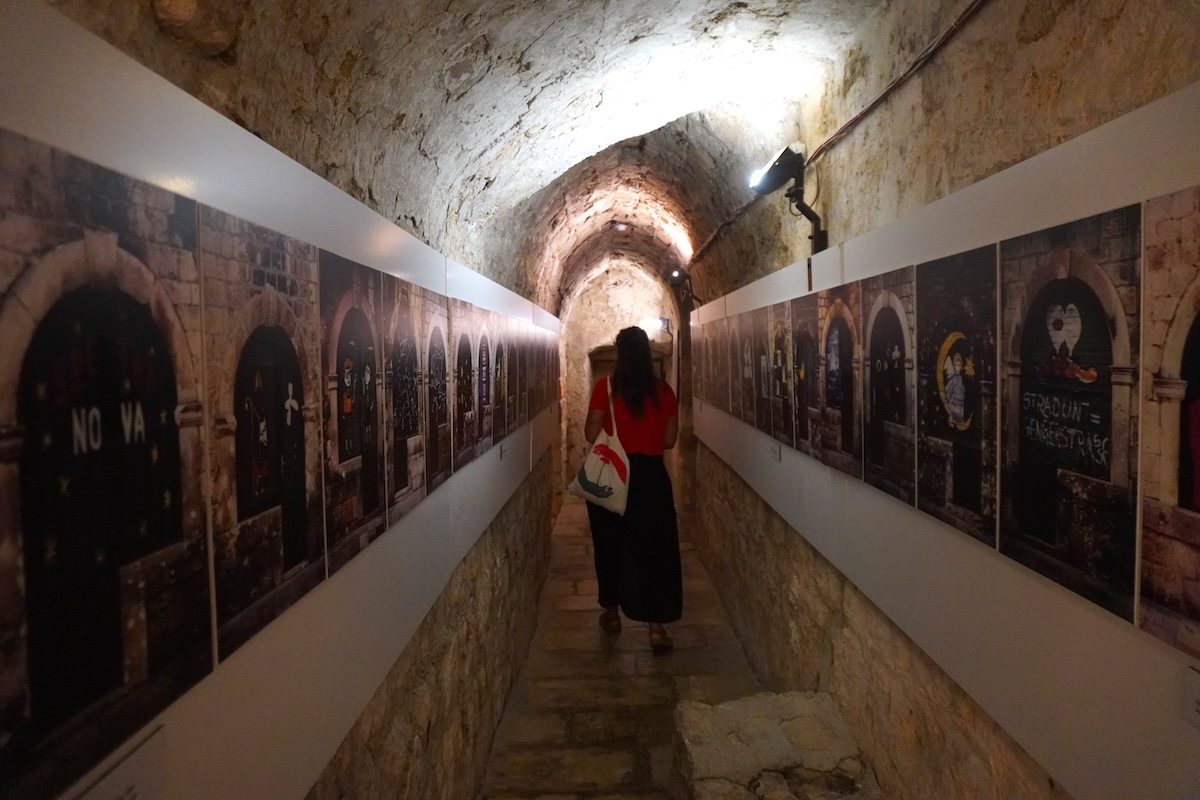
Inside the palace, on the ground floor, you can also see an exhibition of photographs of Dubrovnik during the 1991–92 war, which adds a more recent and very valuable dimension to the visit.
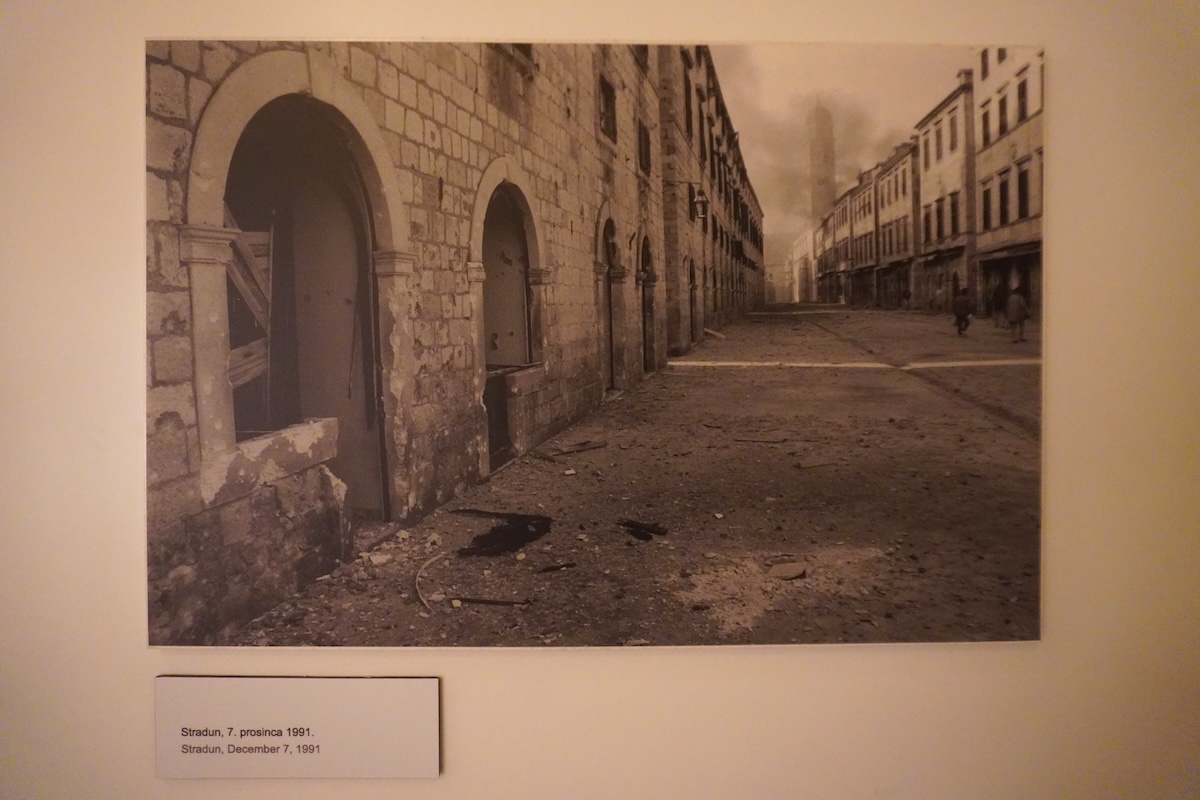
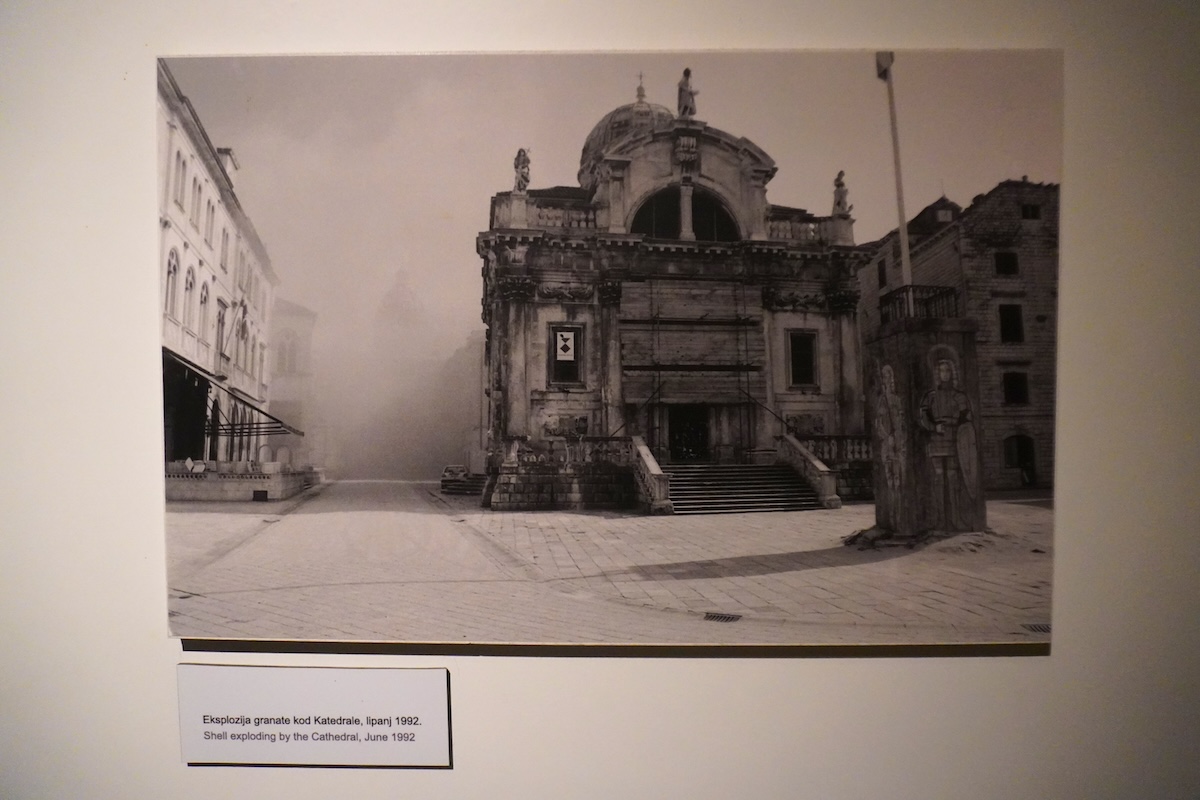
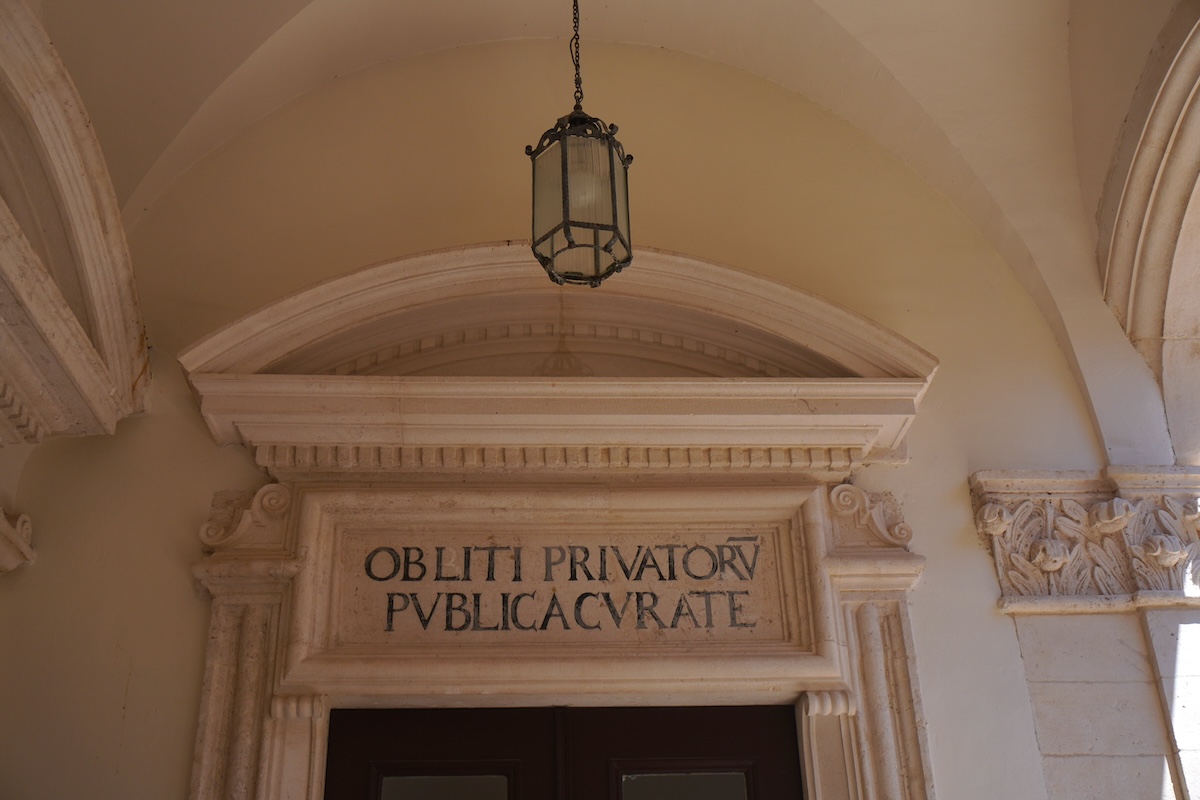
At the entrance to the Grand Council Hall, you can read the Latin inscription “Obliti privatorum publica curate,” which roughly translates to “forget the private and attend to the public”—a phrase that perfectly encapsulates the idea of the city-state that Dubrovnik championed.
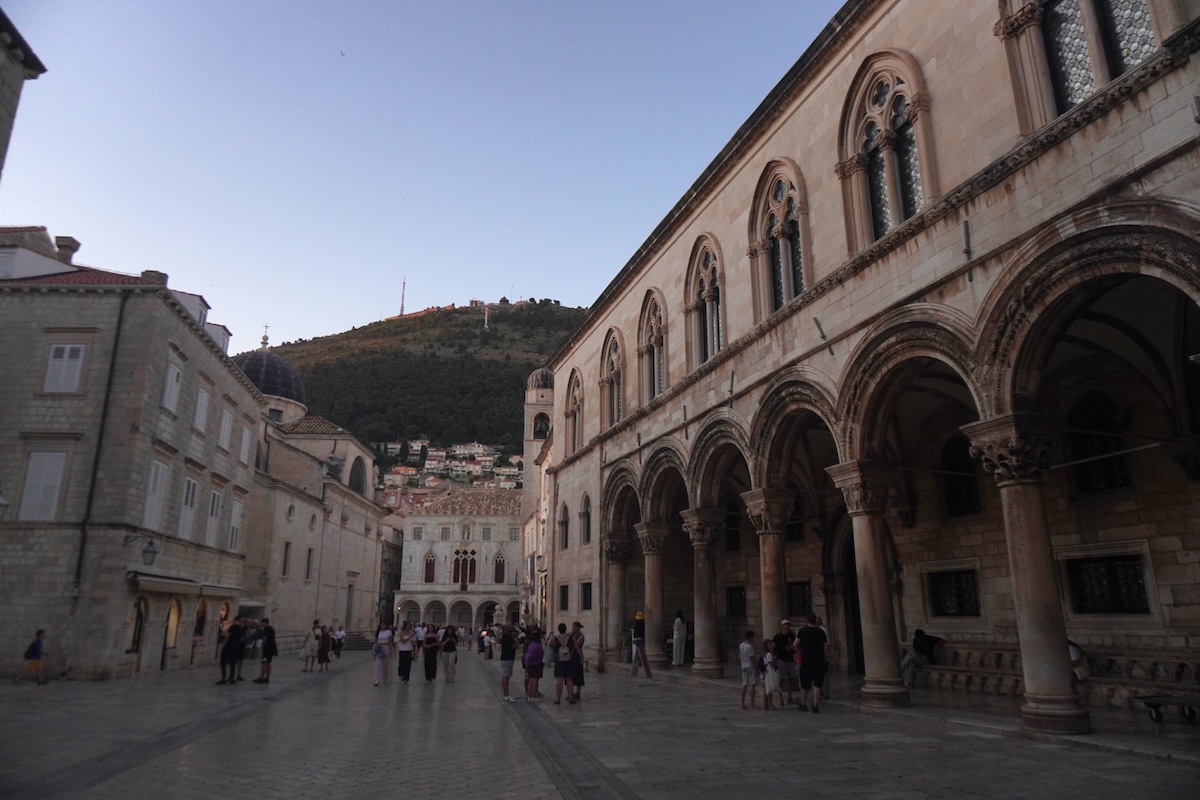
The palace’s current architecture blends several eras: the original building was Gothic, then it was rebuilt according to Renaissance designs by Juraj Dalmatinac and Michelozzo, and later received Baroque additions following the earthquake. This fusion of styles, along with its inner courtyard, ensures that it remains one of the most beautiful places—and, in our opinion, a must-see—in the Old Town. In addition, the atrium hosts concerts and recitals, and the Dubrovnik Symphony Orchestra often schedules performances here on certain days, with tickets typically starting at 25 €.
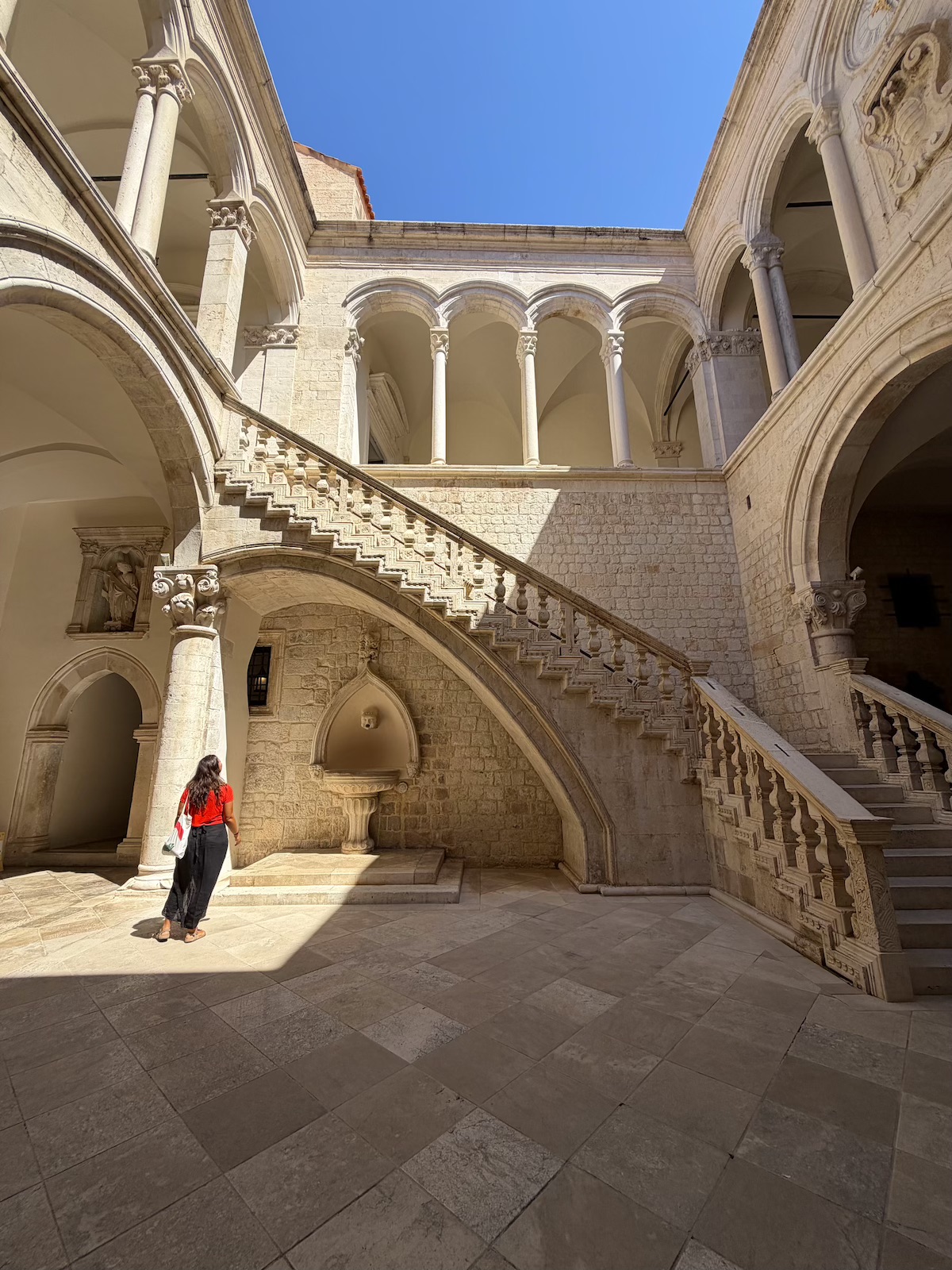
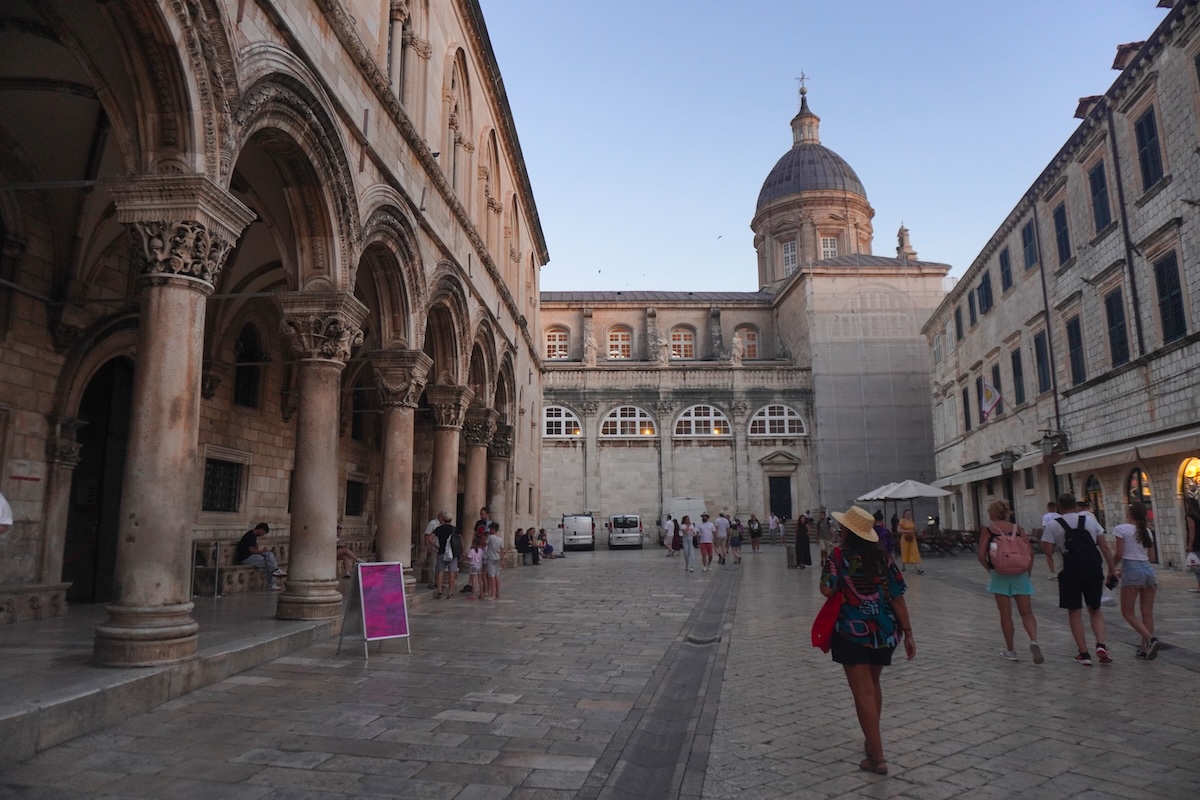
Along with the Franciscan Monastery—with its cloister and frescoes—this was one of the attractions included in the Dubrovnik Pass that we enjoyed the most.
Hours: April 1–October 31, daily from 9:00 a.m. to 6:00 p.m.; November 1–March 31, Tuesday through Sunday from 9:00 a.m. to 4:00 p.m.
Price: 20 € for adults; 10 € for students. Admission included in the Dubrovnik Pass.
Galerija Dulčić Masle Pulitika / Ronald Brown Memorial House
The Galerija Dulčić Masle Pulitika / Ronald Brown Memorial House is located very close to the Rector’s Palace. The building was restored with assistance from the U.S. government to serve as a memorial dedicated to Ronald Brown, the U.S. Secretary of Commerce who died in a plane crash in 1996 while en route to Dubrovnik.
The gallery is dedicated to three key 20th-century painters from Dubrovnik: Ivo Dulčić, Antun Masle, and Đuro Pulitika. Their works beautifully capture Dubrovnik and life along the Dalmatian coast, featuring colorful landscapes and local scenes. In addition, the house itself offers a view that almost rivals the art hanging on the walls: from here, you can see the cathedral and part of the Old Town, creating a charming “living painting.”
Hours: Tuesday through Sunday, 9:00 a.m. to 8:00 p.m.; closed Mondays. Price: 8 € for adults, 5 € for students. Free admission for Dubrovnik residents and children under 12. Admission included with the Dubrovnik Card.
The Arsenal, City Hall, and the Marin Držić Theater
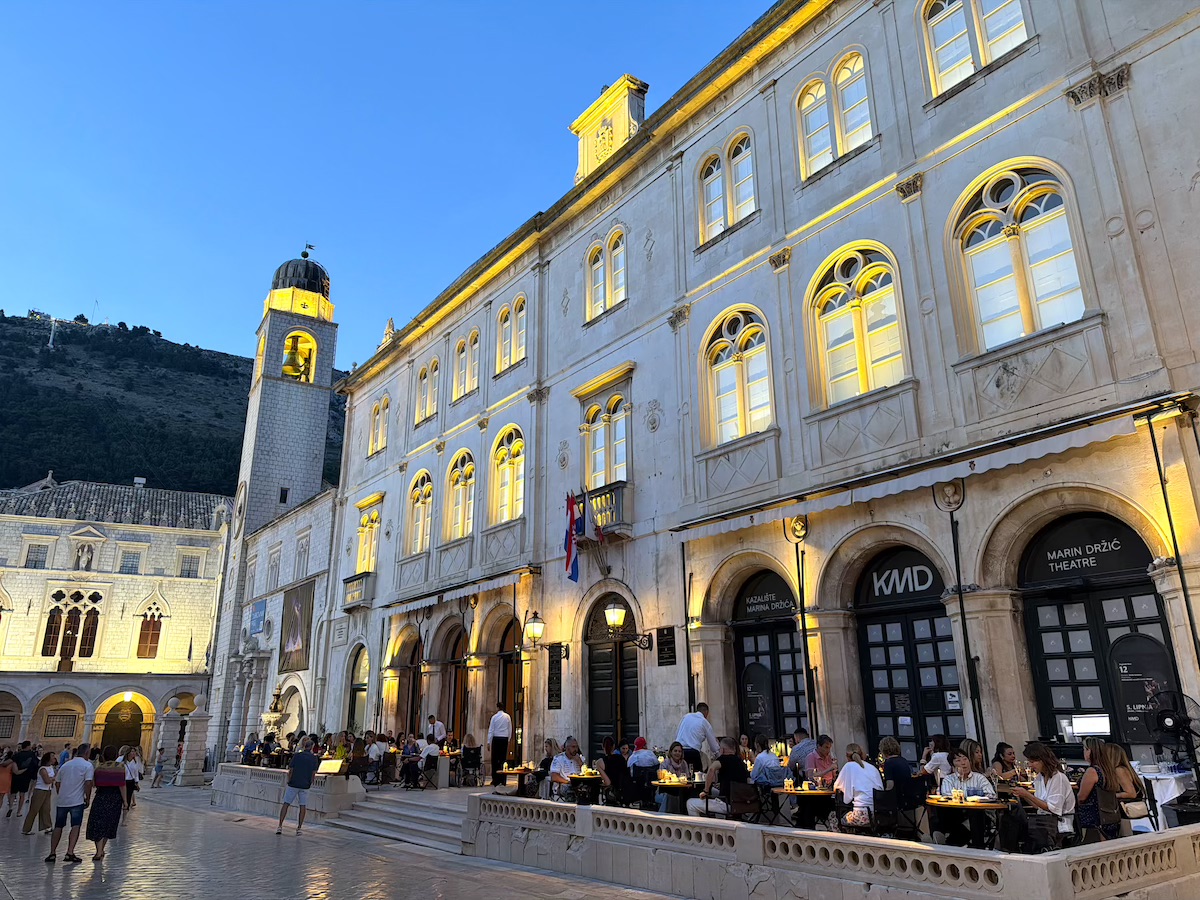
South of the Clock Tower, at the eastern end of Stradun, lies an area featuring several buildings closely tied to Dubrovnik’s history. The first is the old Arsenal, with its large arches opening onto the sea, where galleons were once brought in for repairs. Today, however, it’s the perfect spot to sit for a while on its terrace and enjoy the atmosphere with views of St. Blaise’s Church. Right next door are the City Hall chambers, built in the Middle Ages, destroyed by fire, and later rebuilt in the Neo-Renaissance style. And right next to it is the Marin Držić Theater, the city’s main theater, which stands on the site of the old town hall and is named after one of Croatia’s greatest playwrights.
Dubrovnik’s Old Harbor (Stara Luka)
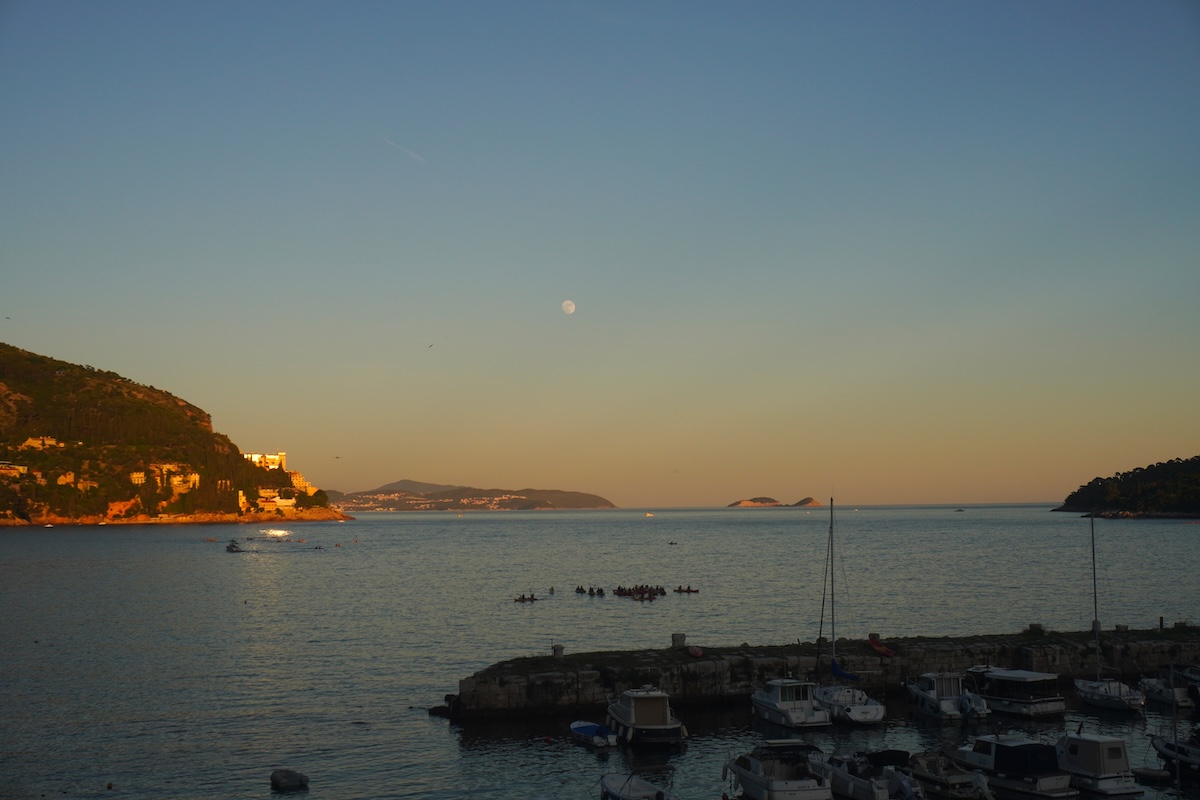
Dubrovnik’s Old Harbor is one of those places where you can really get a sense of the city’s origins. Dubrovnik owes much of its history to maritime trade, and for centuries this harbor served as its main gateway to and from the Adriatic Sea. From very early on, the city flourished thanks to its strategic location—protected by Mount Srđ and with a coastline that favored trade routes—long before Dubrovnik began to establish itself as a maritime republic.
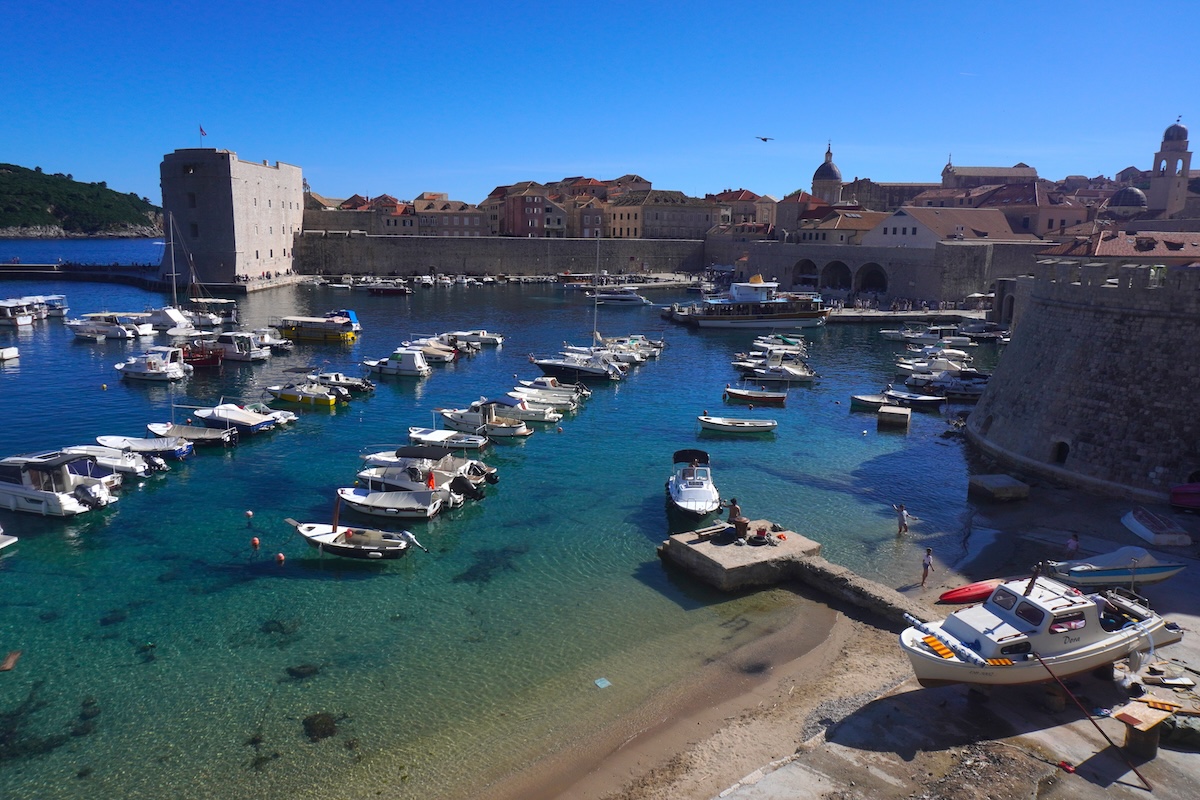
During the 15th and 16th centuries, when the Republic of Ragusa was at the height of its splendor, hundreds of merchant ships docked here. At its peak, the fleet numbered between 180 and 200 ships, and seafaring and shipbuilding were fundamental to the city’s wealth. It was from here that the famous Dubrovnik karakas set sail—galleons renowned for their quality and the use of durable wood, such as Lebanese cedar.
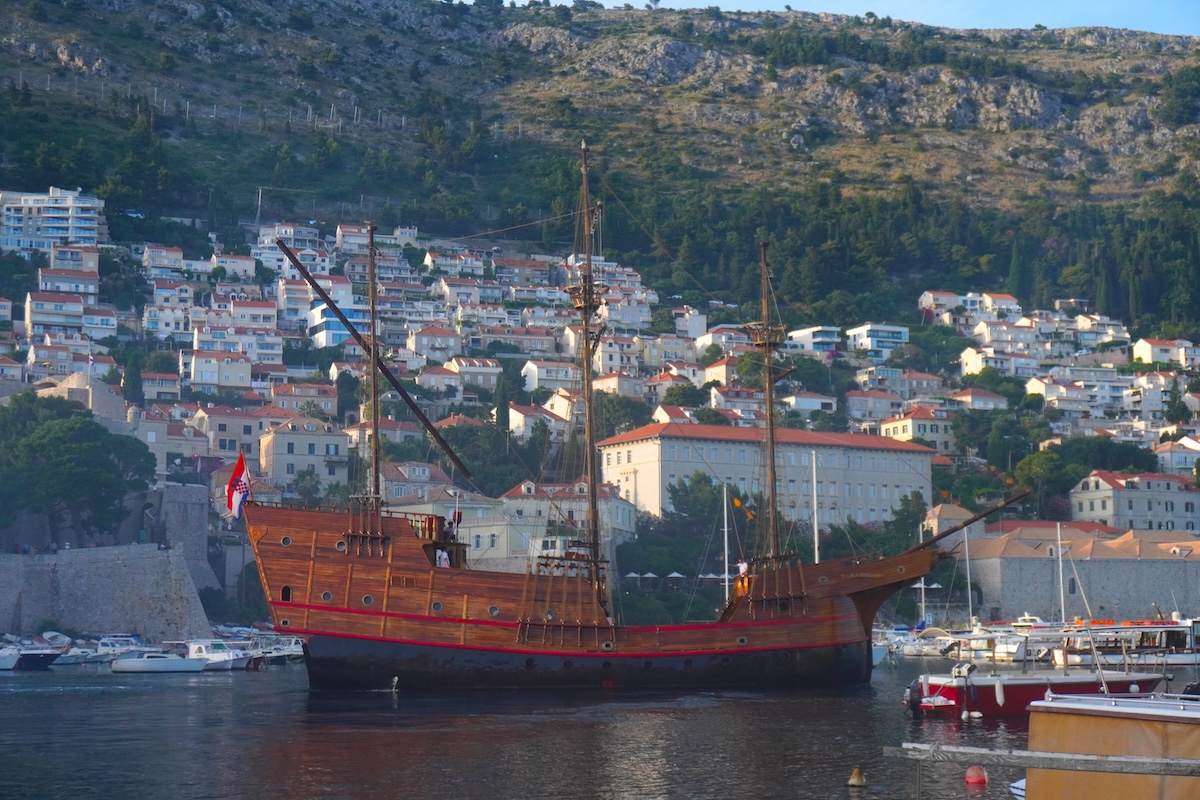
Dubrovnik even rivaled Venice in maritime trade, and its ships sailed far beyond the Adriatic, into the Mediterranean, the Black Sea, and even farther afield.
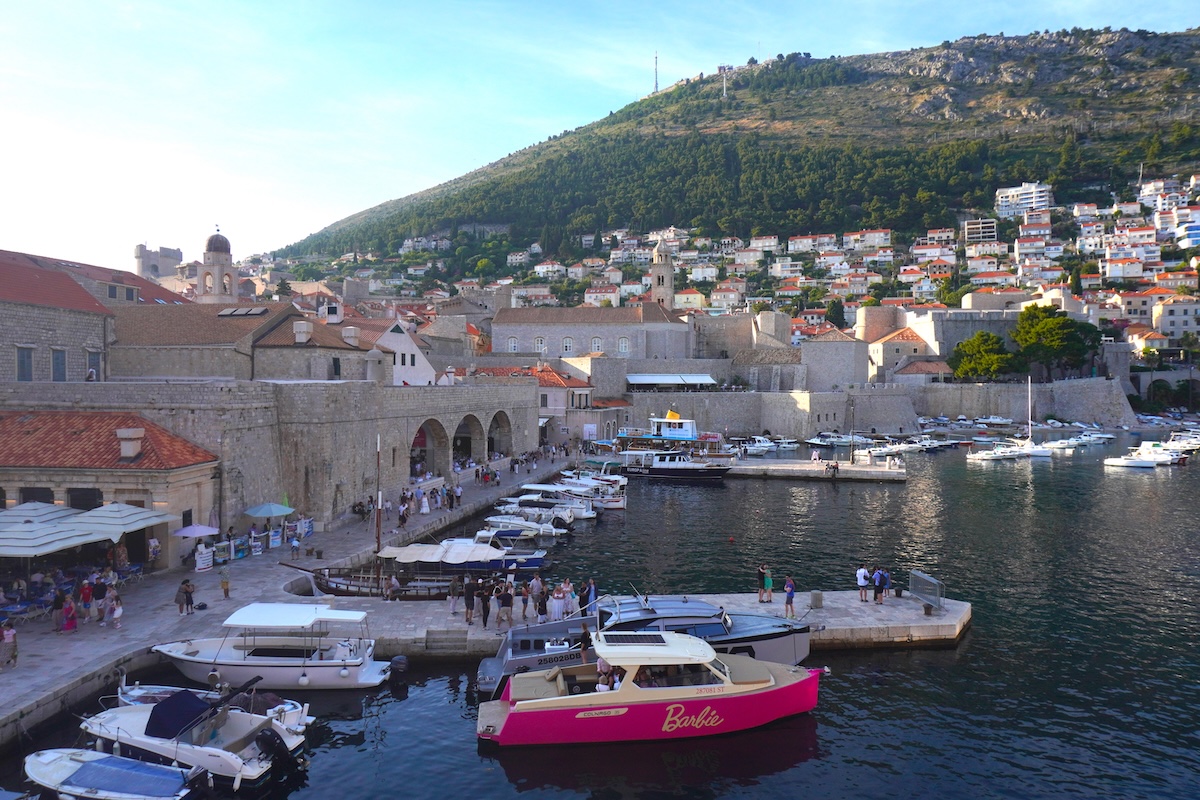
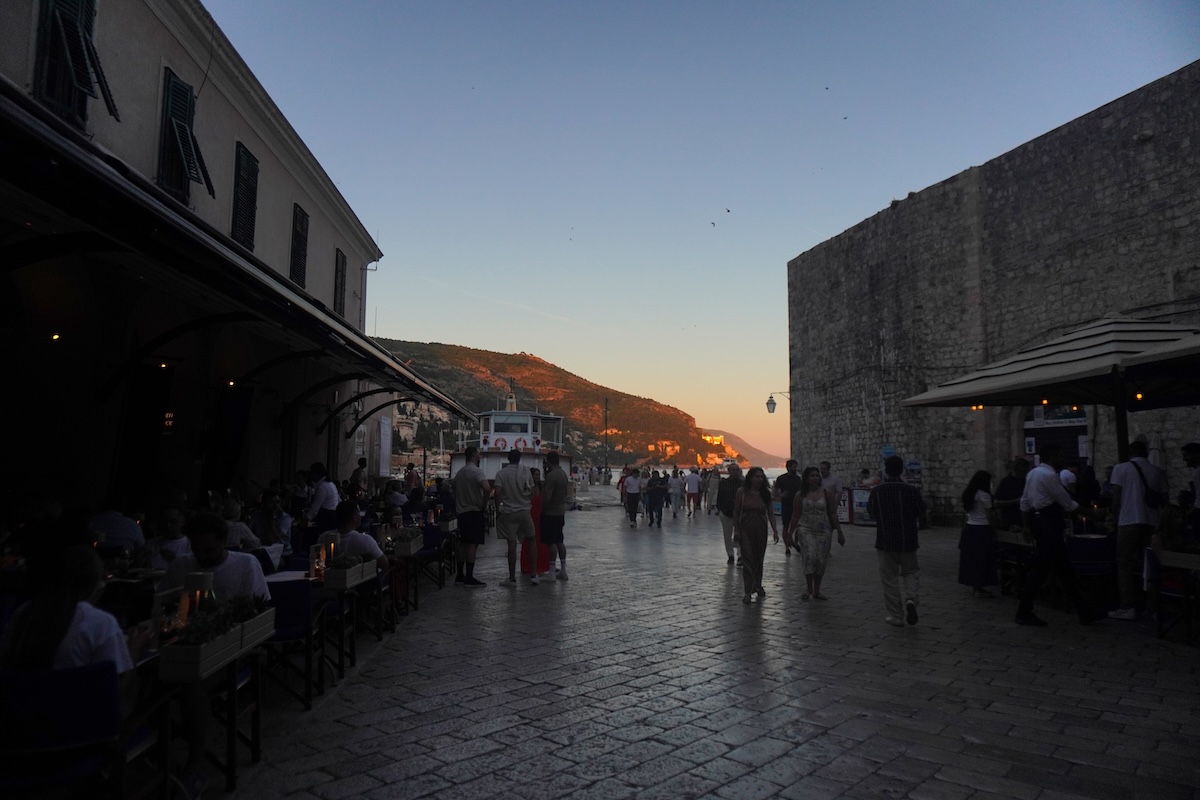
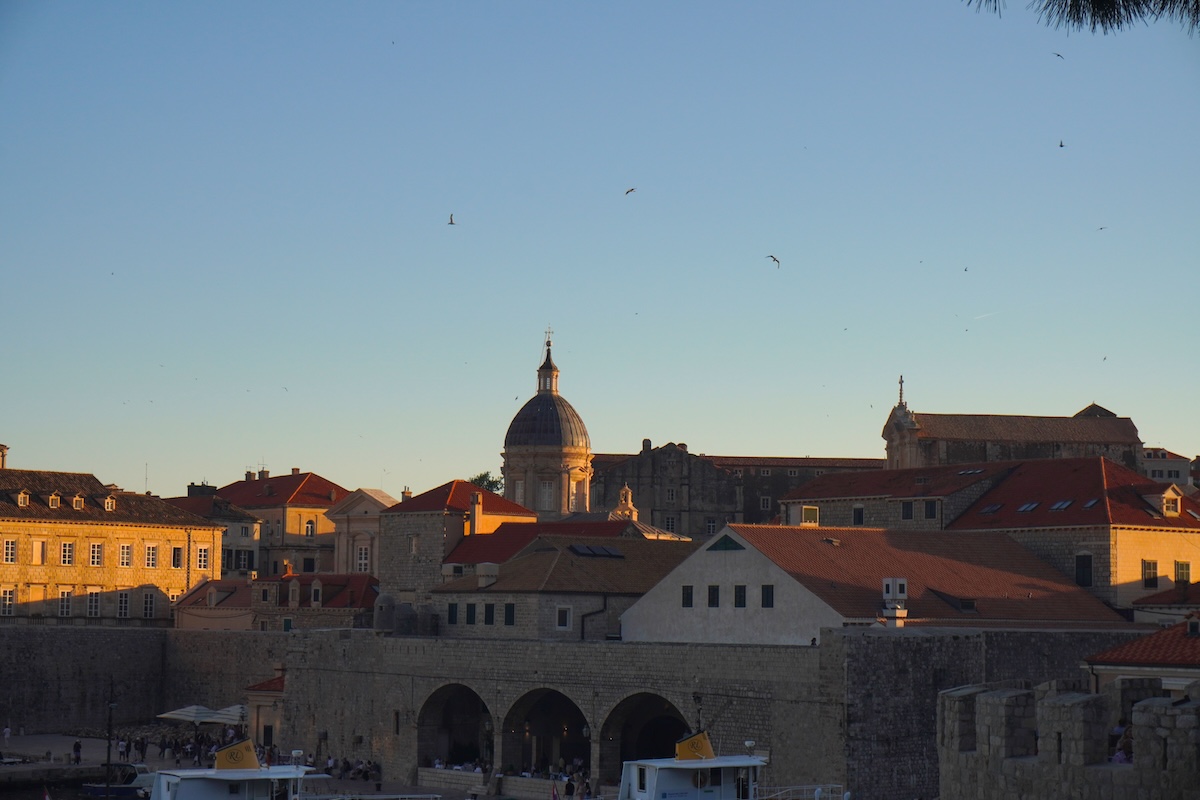
One of Dubrovnik’s most recognizable postcard views is that of the pier with the three-arched building, which was once part of the arsenal and the old shipyard. You can still see the outline of a fourth arch, a reminder of how the sea once reached almost right up to the building. Today, the area is home to quite a few tourist trap restaurants that don’t offer great value for money—choose wisely if you want to have lunch or dinner here.
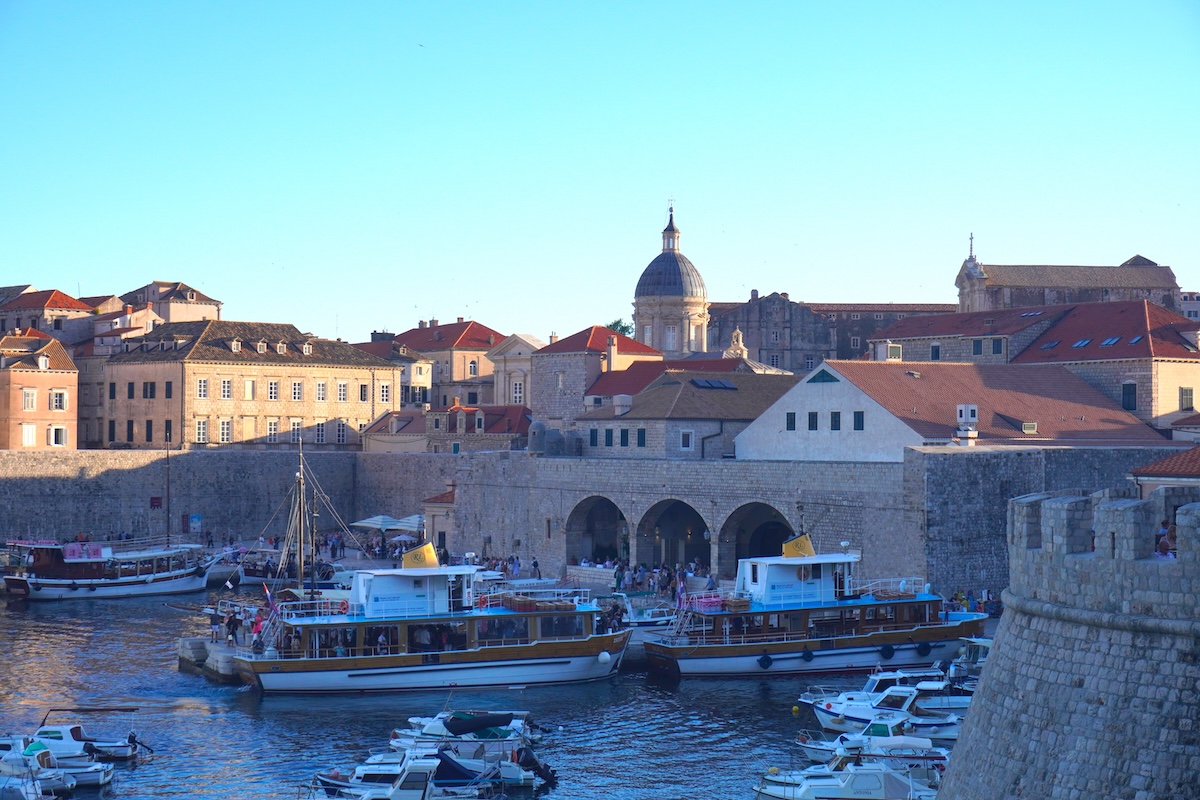
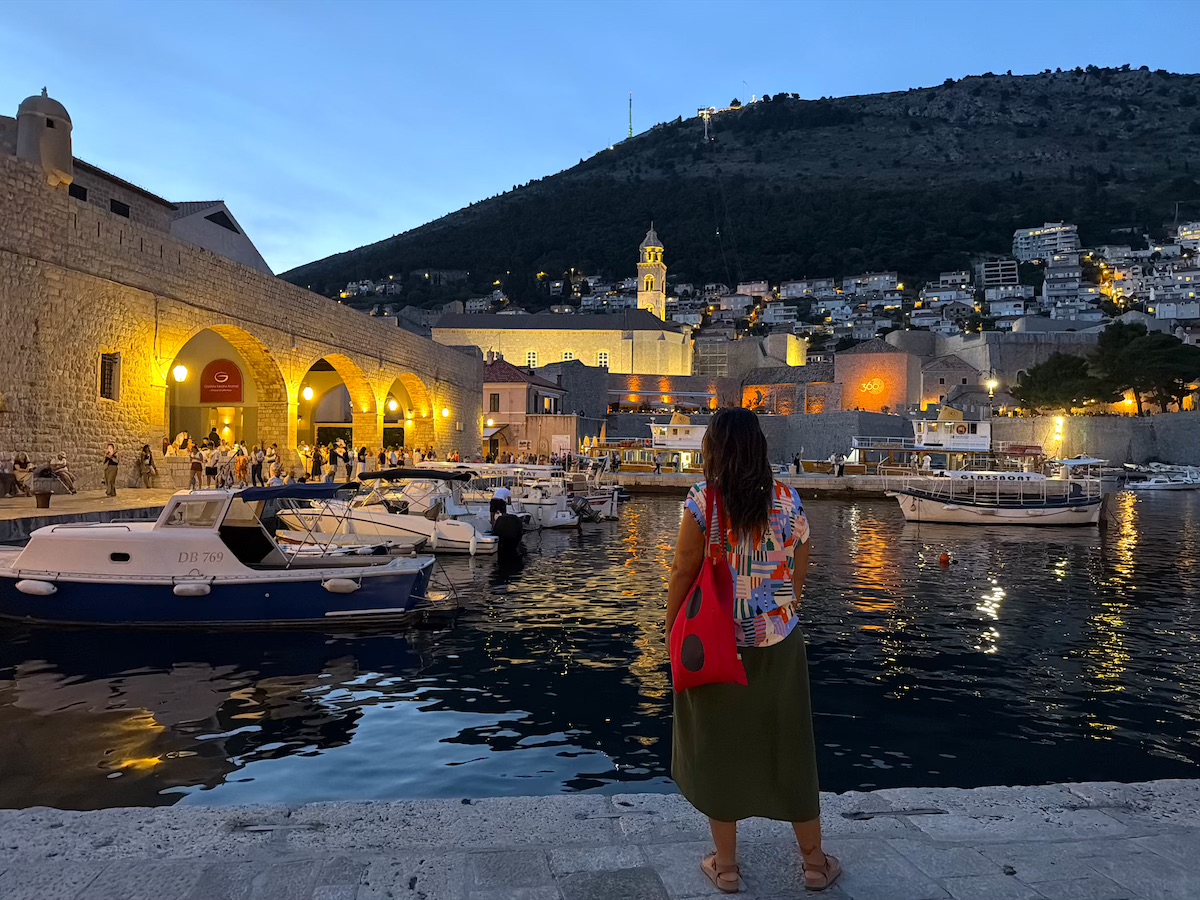
If you don’t mind sacrificing the view of the Adriatic, just a few steps away is one of the restaurants we enjoyed most in Dubrovnik: Trattoria Carmen, very close to the entrance to the Maritime Museum. It’s famous (you’ll understand why when you go, since restaurants offering good value for money are becoming increasingly scarce in the city); it’s usually packed and doesn’t take reservations, but if you go off-peak (for an early lunch or a late dinner), you might get lucky.
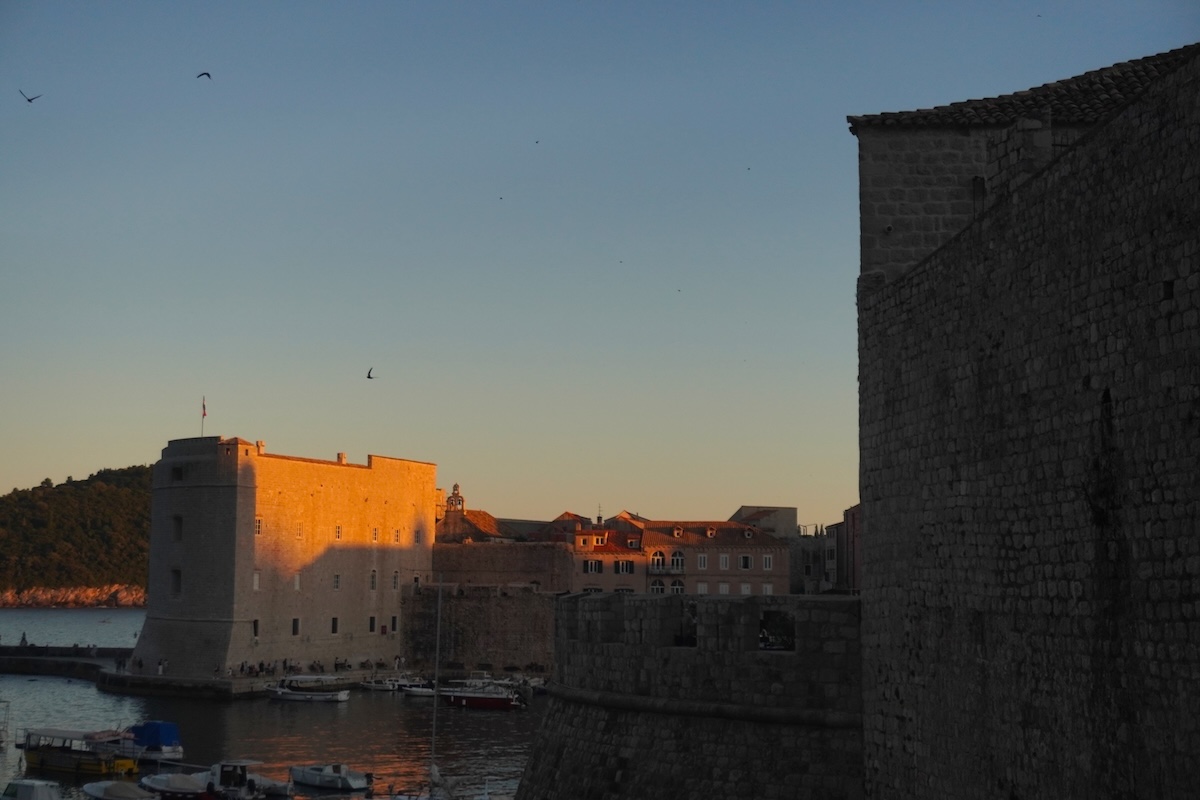
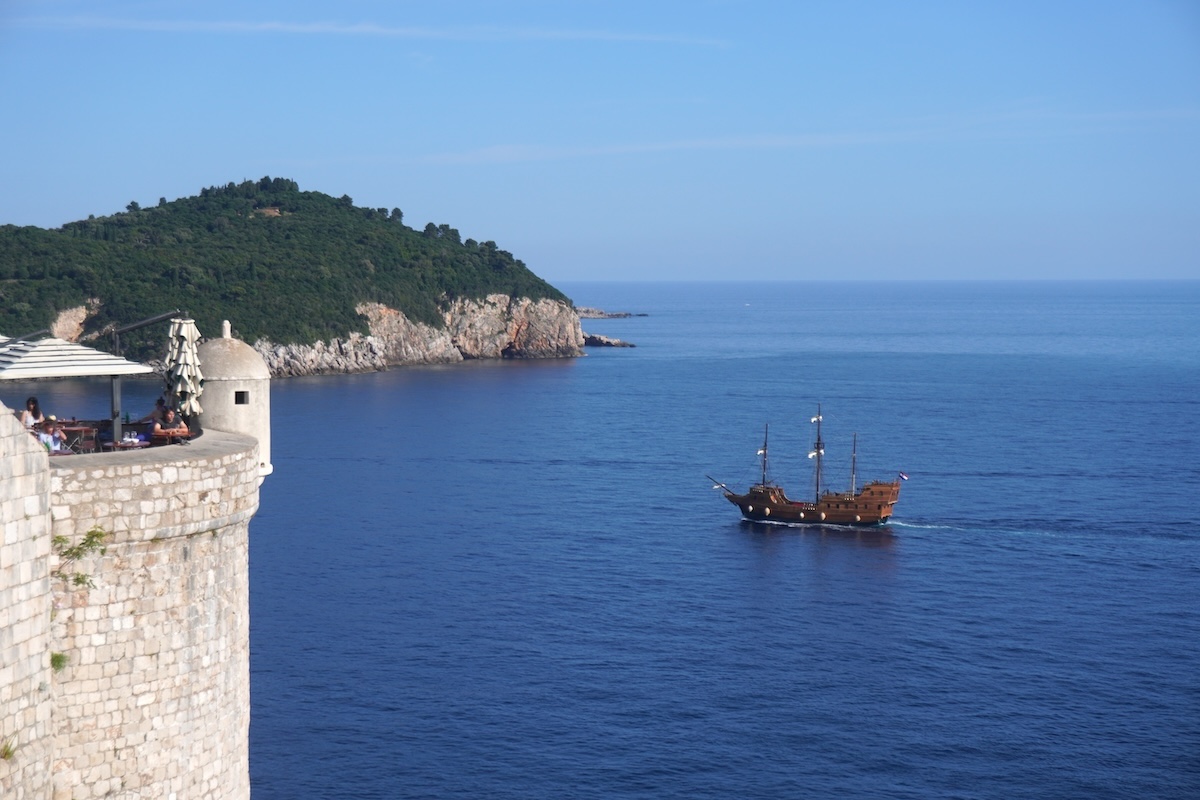
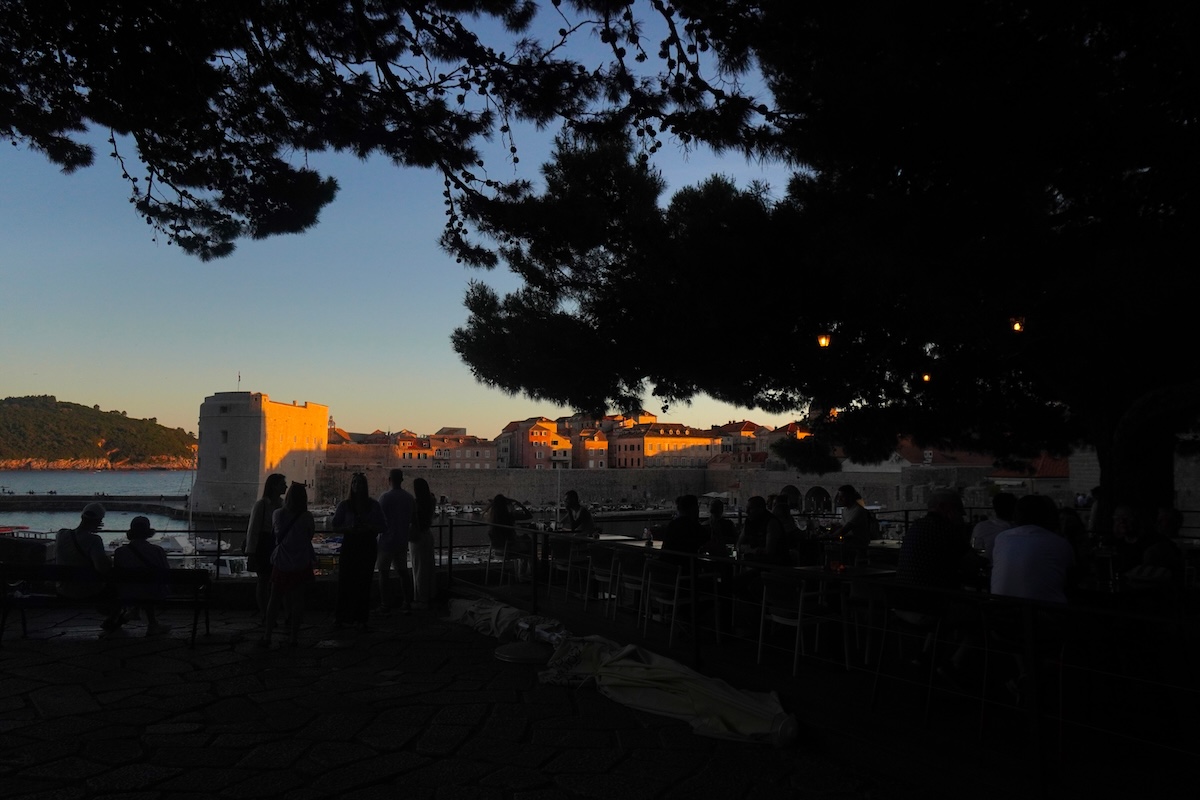
At sunset, the harbor takes on even more charm, and a replica of the Karaka— Dubrovnik’s traditional galleon, designed for tours and tourist experiences—sails by at the end of the day, giving us a glimpse of what a day in the harbor of ancient Ragusa might have been like.
Maritime Museum (Pomorski muzej)
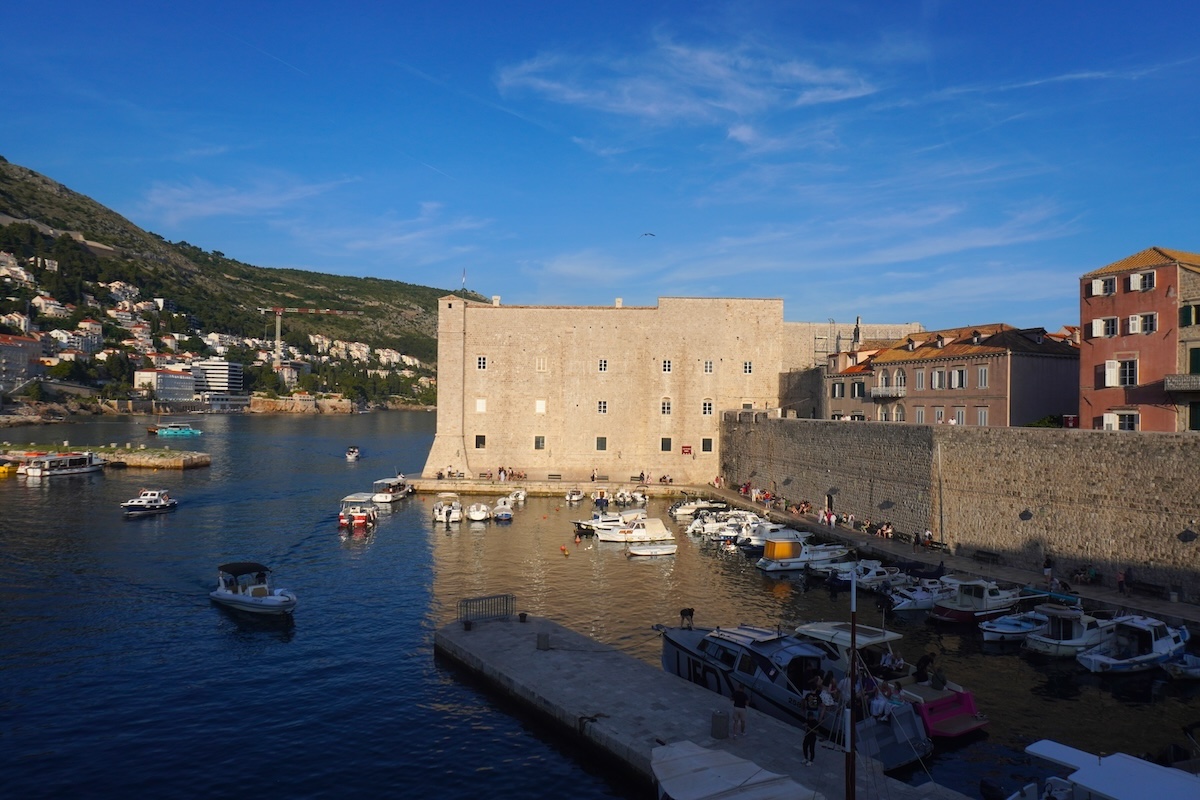
The Maritime Museum is one of Dubrovnik’s most important museums for understanding why the city became so powerful. It’s located in St. John’s Fortress, right in the heart of the Old Harbor, exactly where you can best grasp the role of the sea in the history of ancient Ragusa. In fact, the fortress served to protect the harbor entrance, which for centuries was closed at night with a chain stretched out to the breakwater, so the site itself is steeped in history.
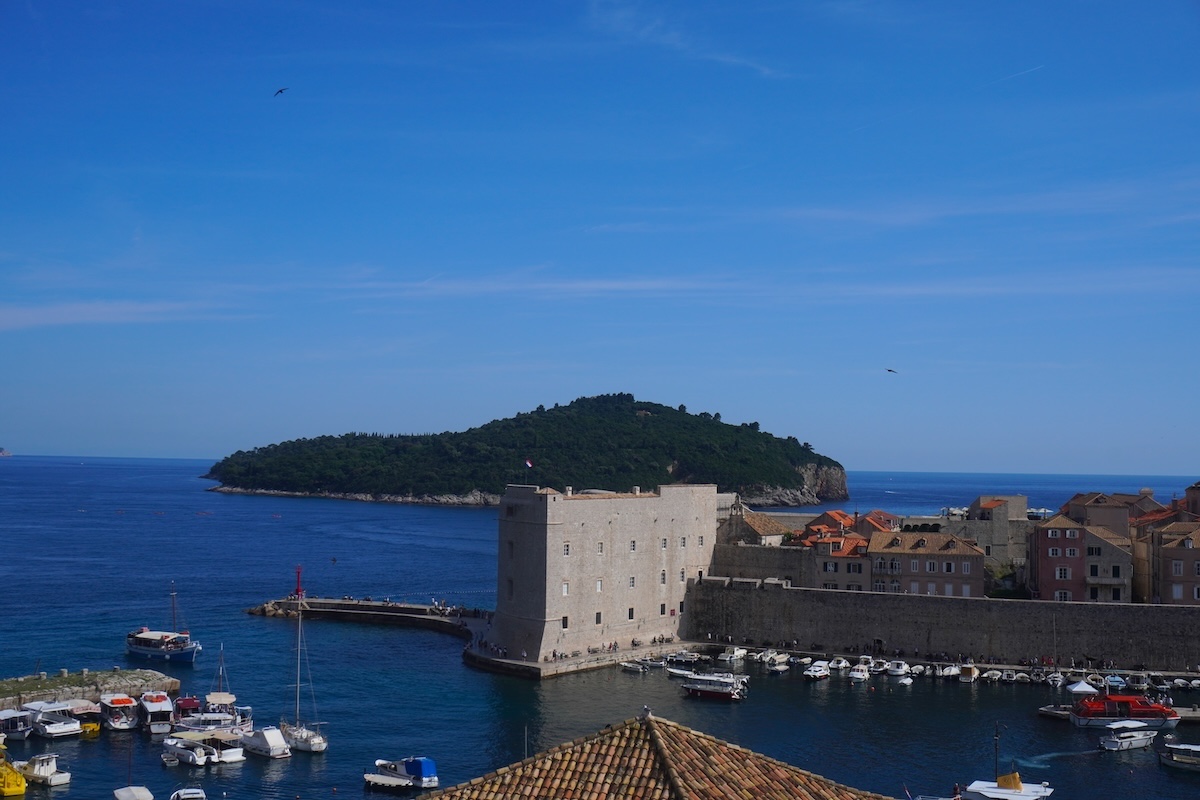
The museum was founded in 1941 and today occupies the upper floors of the fortress. Inside, it traces Dubrovnik’s maritime history through maps, atlases, navigational instruments, sailors’ uniforms, anchors, cannons, and artifacts recovered from shipwrecks, as well as a collection of scale models of galleons and sailing ships.
In addition, St. John’s Fortress, where the Maritime Museum is located, is also one of the access points to the Dubrovnik City Walls .
Hours: 9:00 a.m. to 6:00 p.m., closed on Wednesdays. Price: 10 € for adults; 7 € for students. Admission included with the Dubrovnik Pass.
Dubrovnik Cathedral (Dubrovačka katedrala)
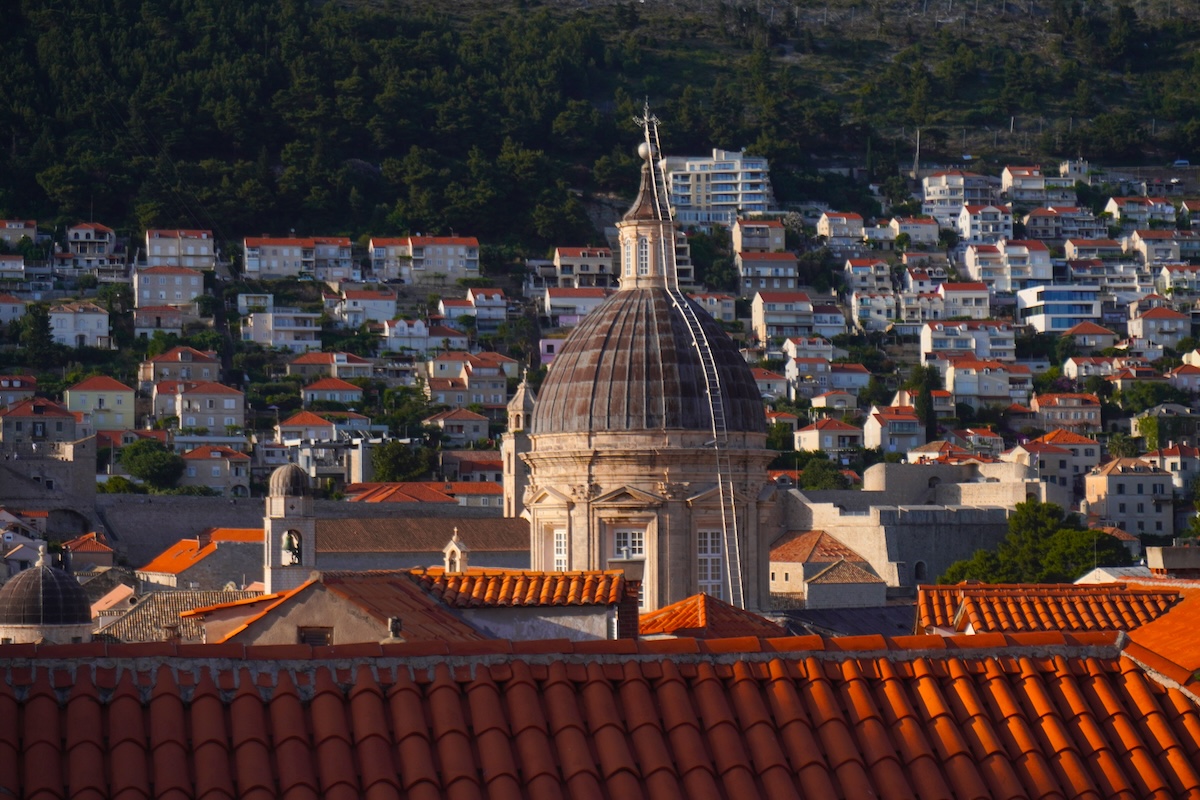
Dubrovnik Cathedral is one of the most important sights in the Old Town and one of those stops that help you understand the historical significance of ancient Ragusa. The current cathedral was built after the 1667 earthquake, on the site of an earlier church and in a location that tradition links to Richard the Lionheart.
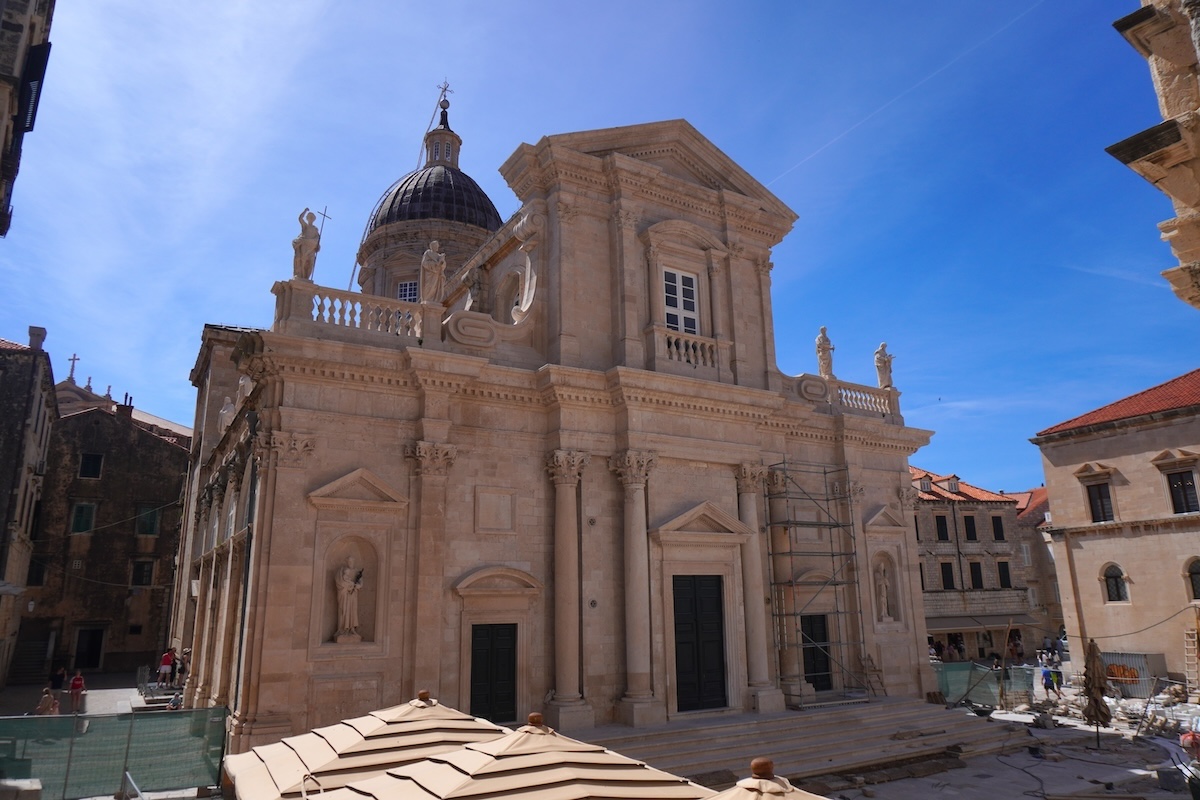
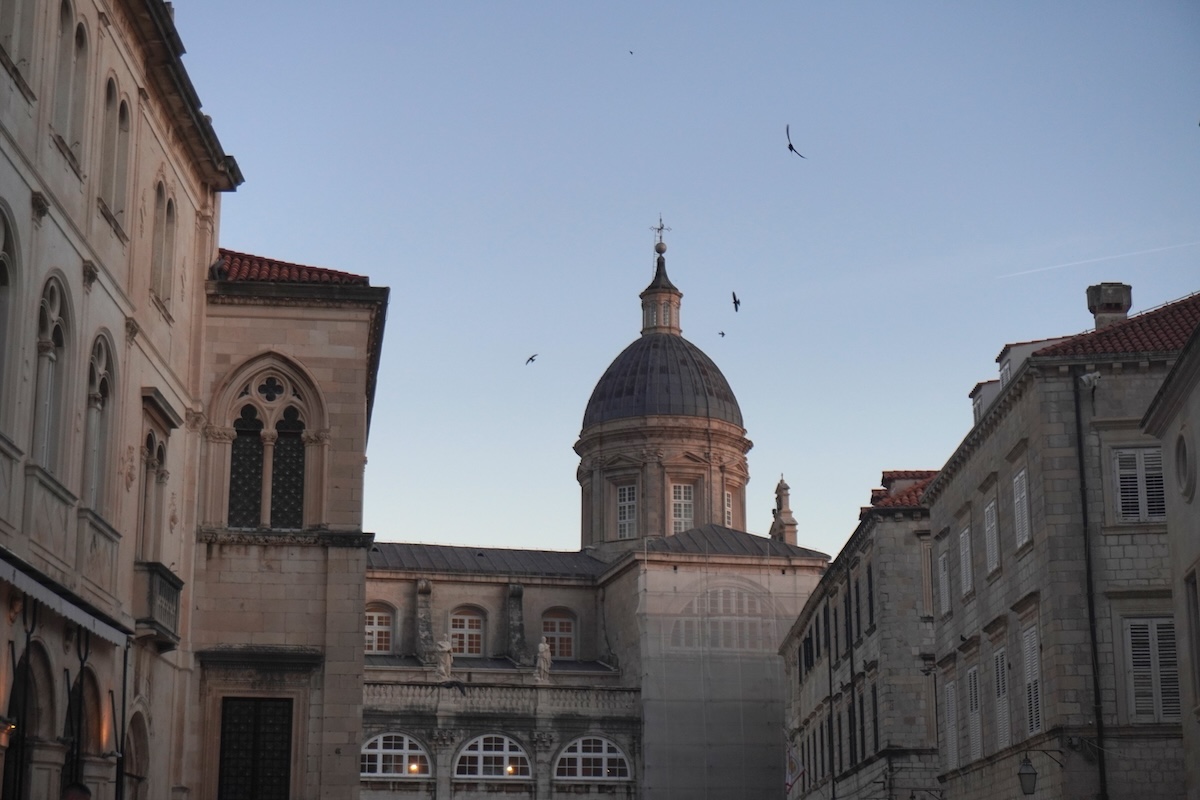
Its interior is fairly simple, but the main altar features the polyptych of the Assumption of the Virgin, a work by Titian and a piece of great artistic value. The cathedral also houses a treasury that can be visited separately. It contains reliquaries of 132 saints and artifacts dating from the 11th to the 19th centuries, making it an interesting visit if you’d like to delve a little deeper into Dubrovnik’s religious history.
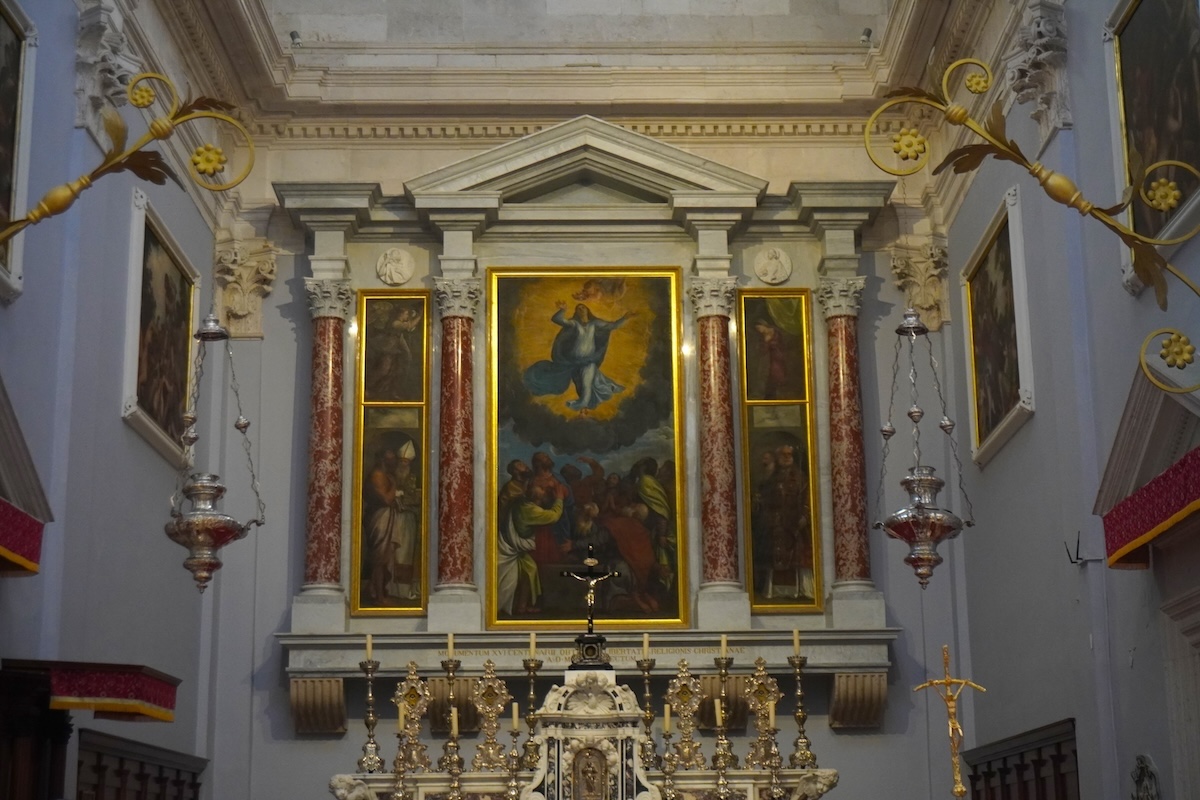
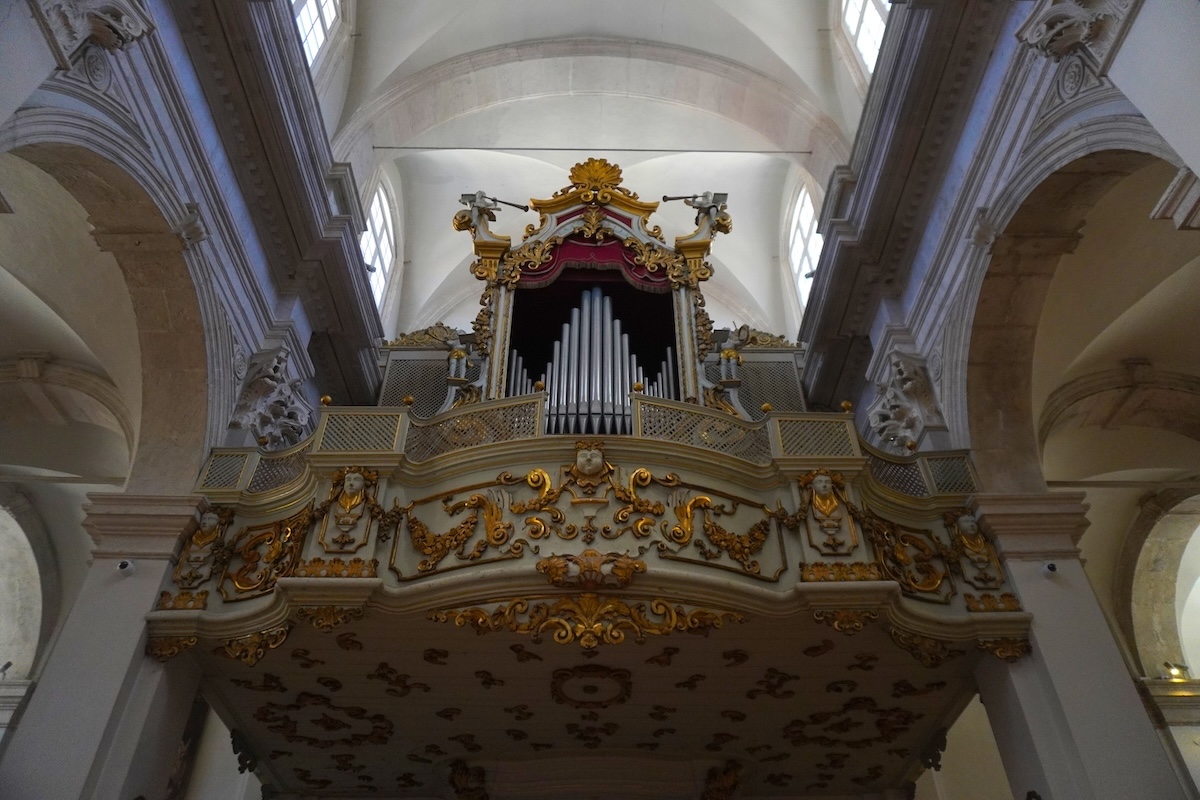
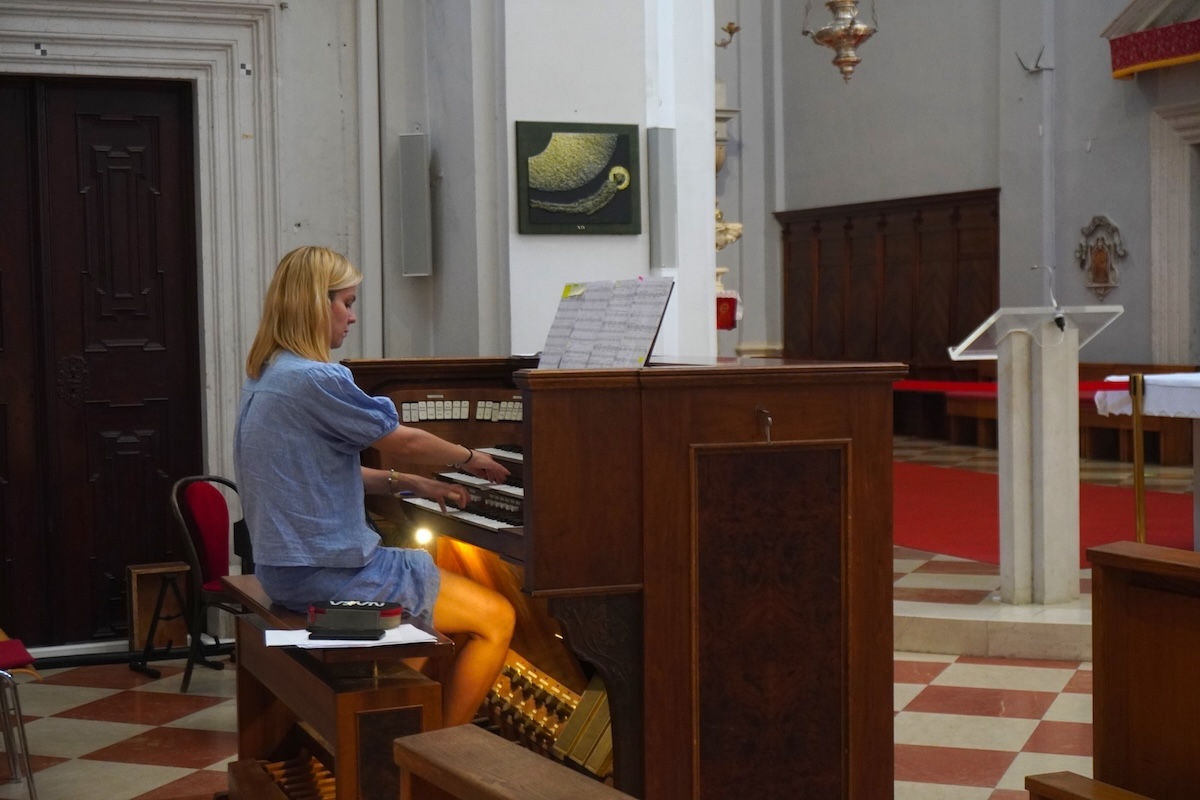
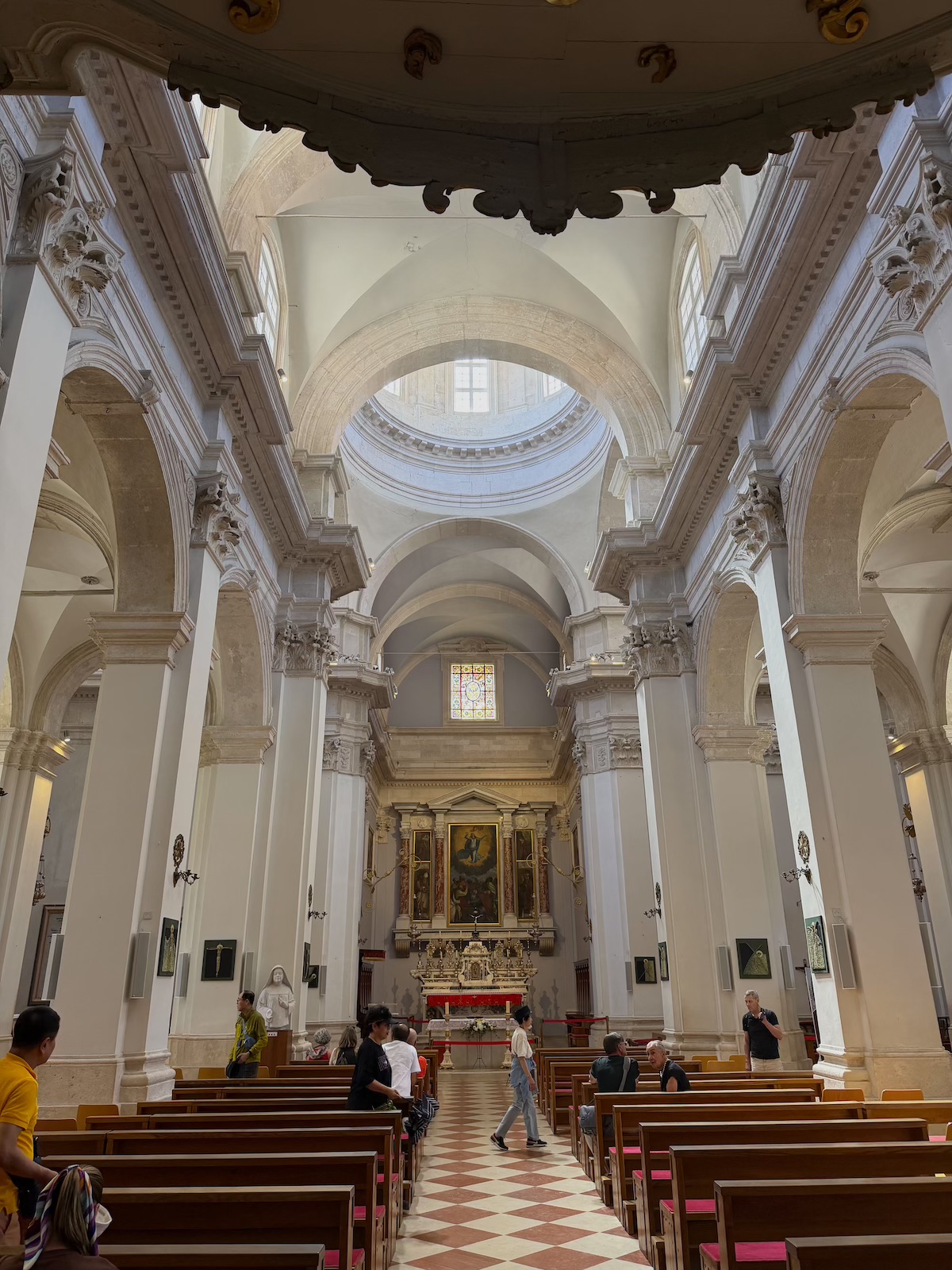
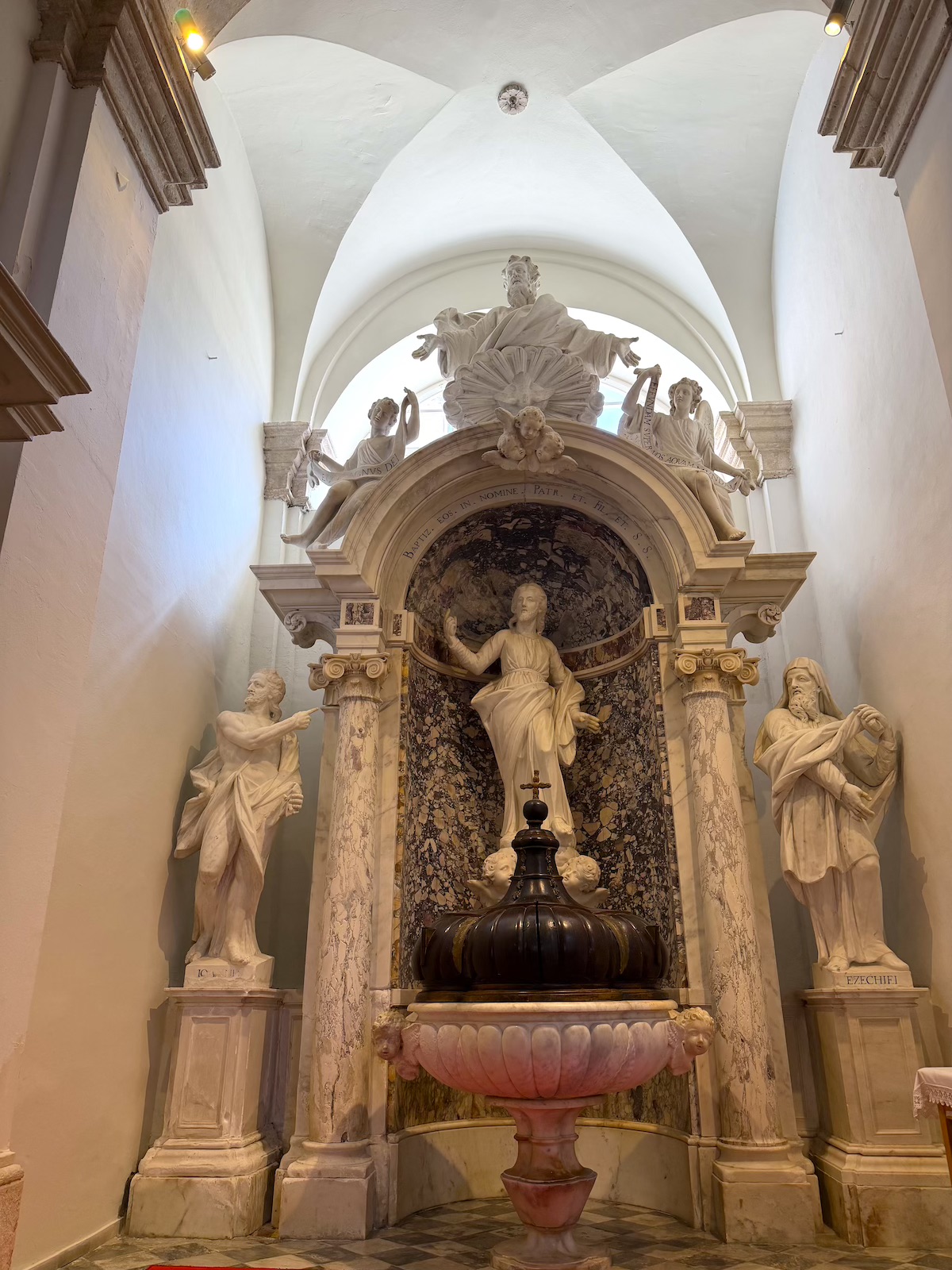
When we entered the cathedral on Randomtrip, there was also a young woman playing the organ, lending the atmosphere a sense of solemnity and musicality.
Hours: Daily from 8:00 a.m. to 7:00 p.m.; Sundays, opens at 11:30 a.m. Price: Admission to the cathedral is free; treasury, 3 €.
Gundulić Square: Market (Gundulićeva Poljana Market) and the Gundulić-Gondola Monument (Spomenik Ivanu Gunduliću)
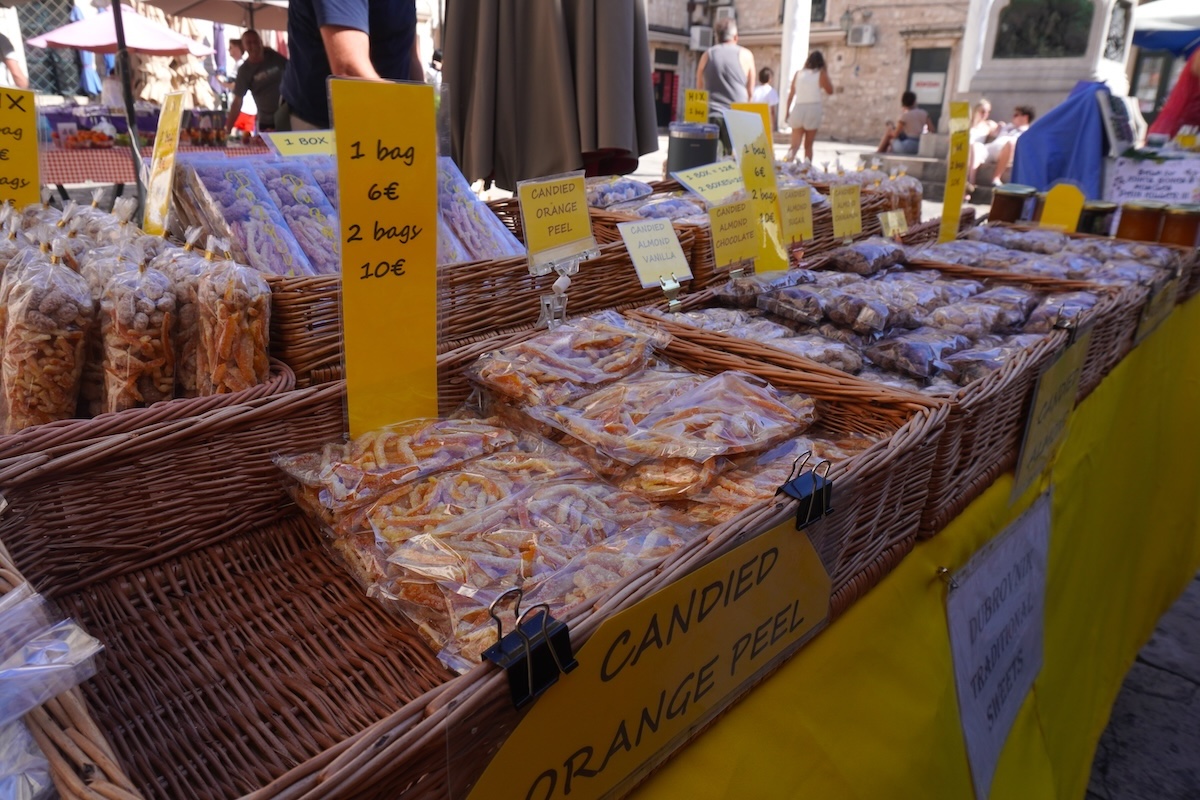
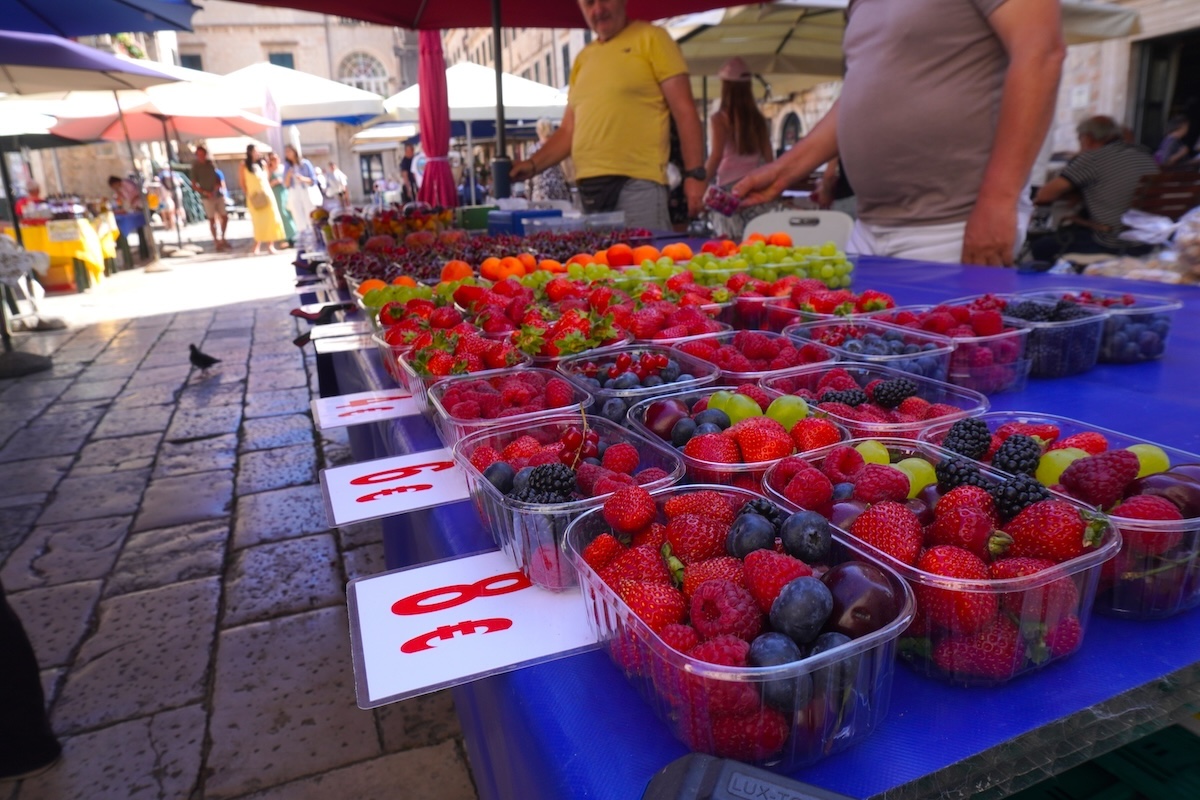
Gundulić Square is one of the most pleasant squares in the Old Town and a place that changes quite a bit depending on the time of day. In the mornings, it hosts the Gundulić Square Market, a small market selling fruit, flowers, and some traditional sweets like arancini—sugar-coated orange peels—at tourist-friendly prices, of course…
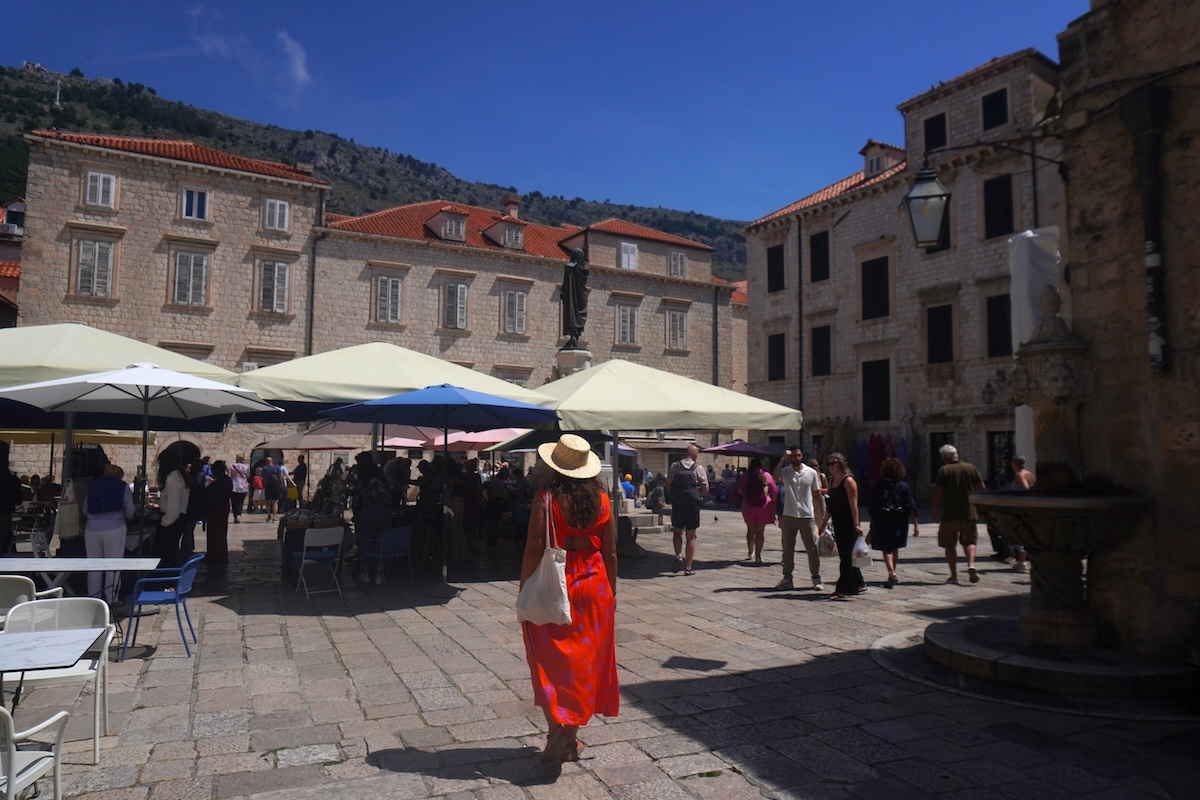
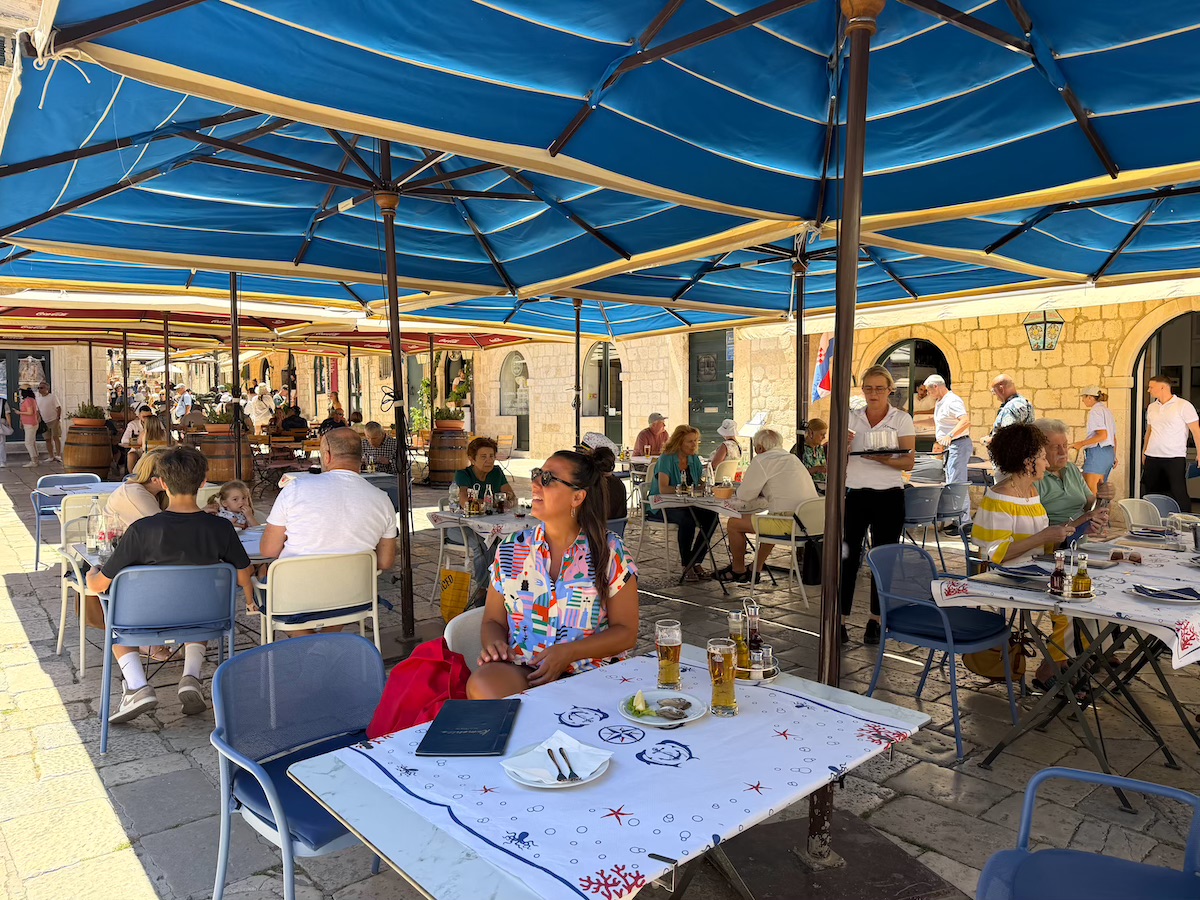
Surrounded by shops, homes, and restaurants—we recommend the terrace at Kamenice, where you can try some incredibly fresh oysters, if you like them—the market stalls gradually disappear as the day goes on, just as the crowds begin to thin out.
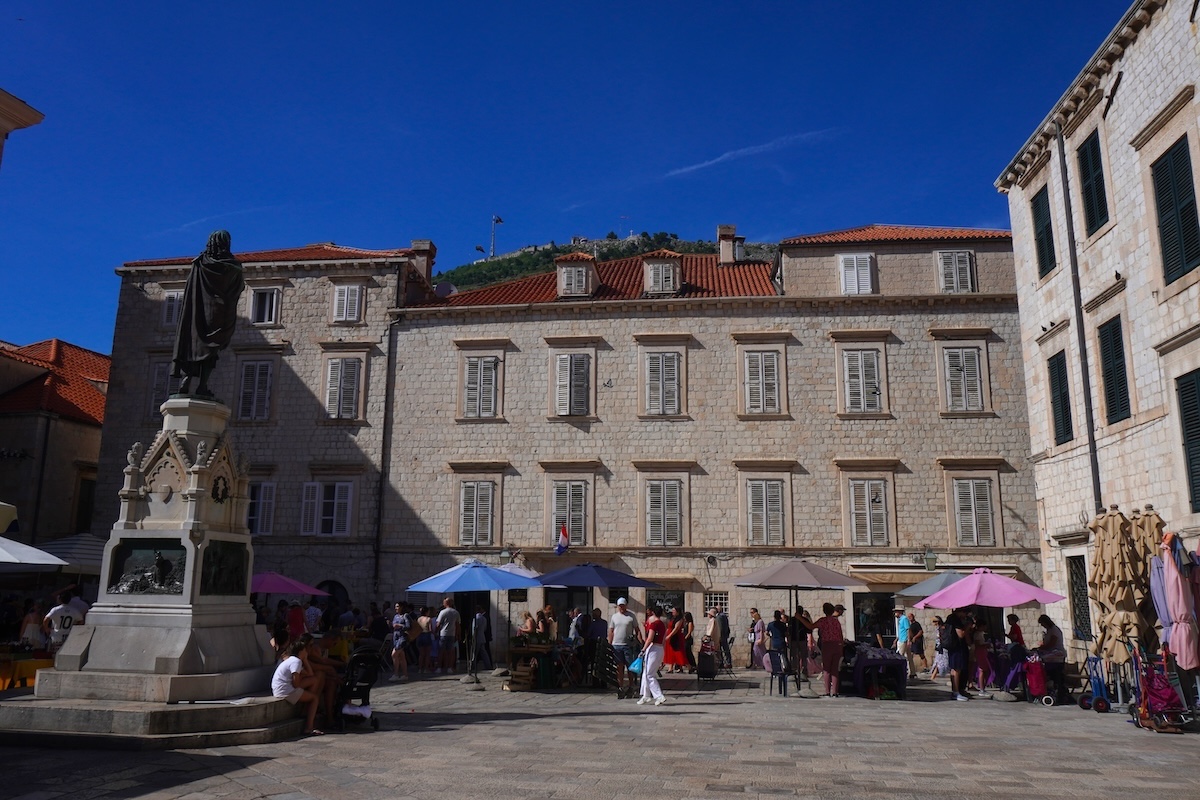
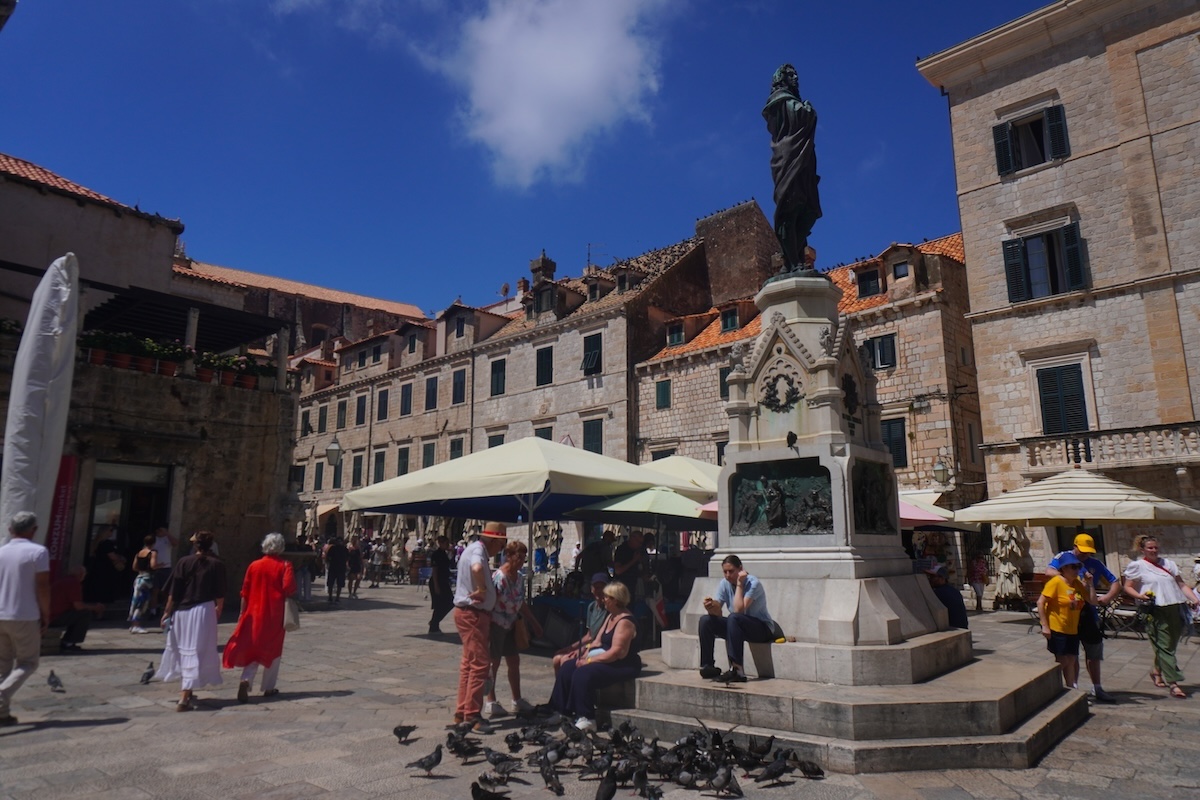
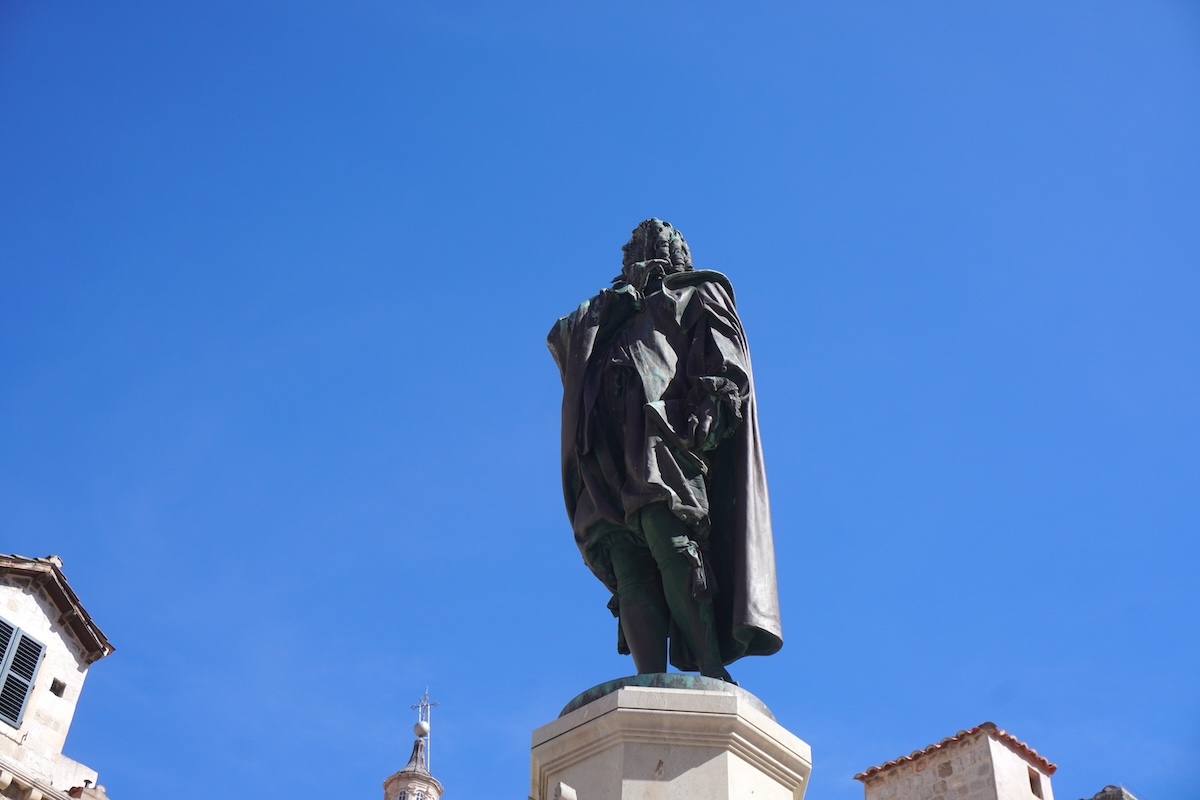
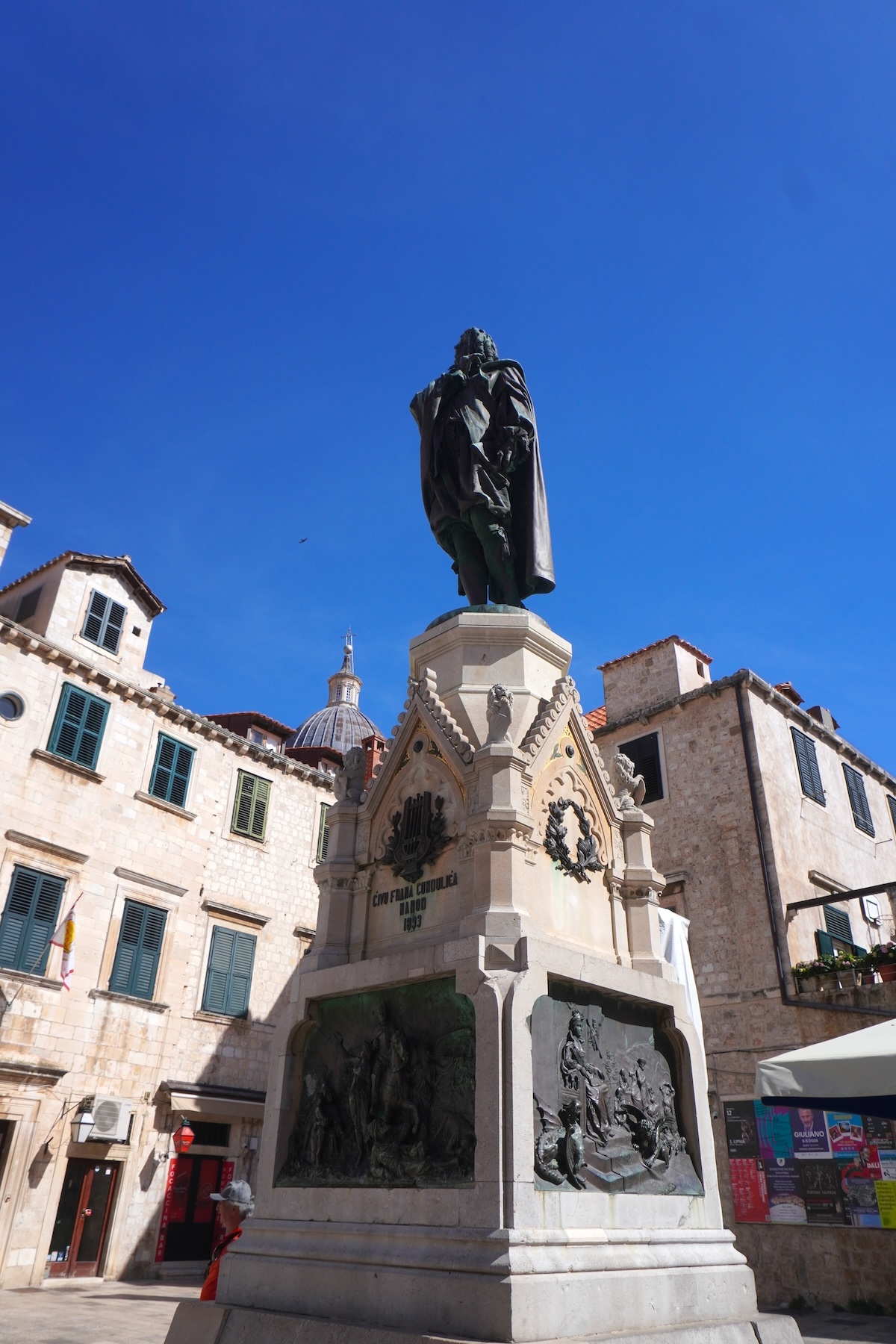
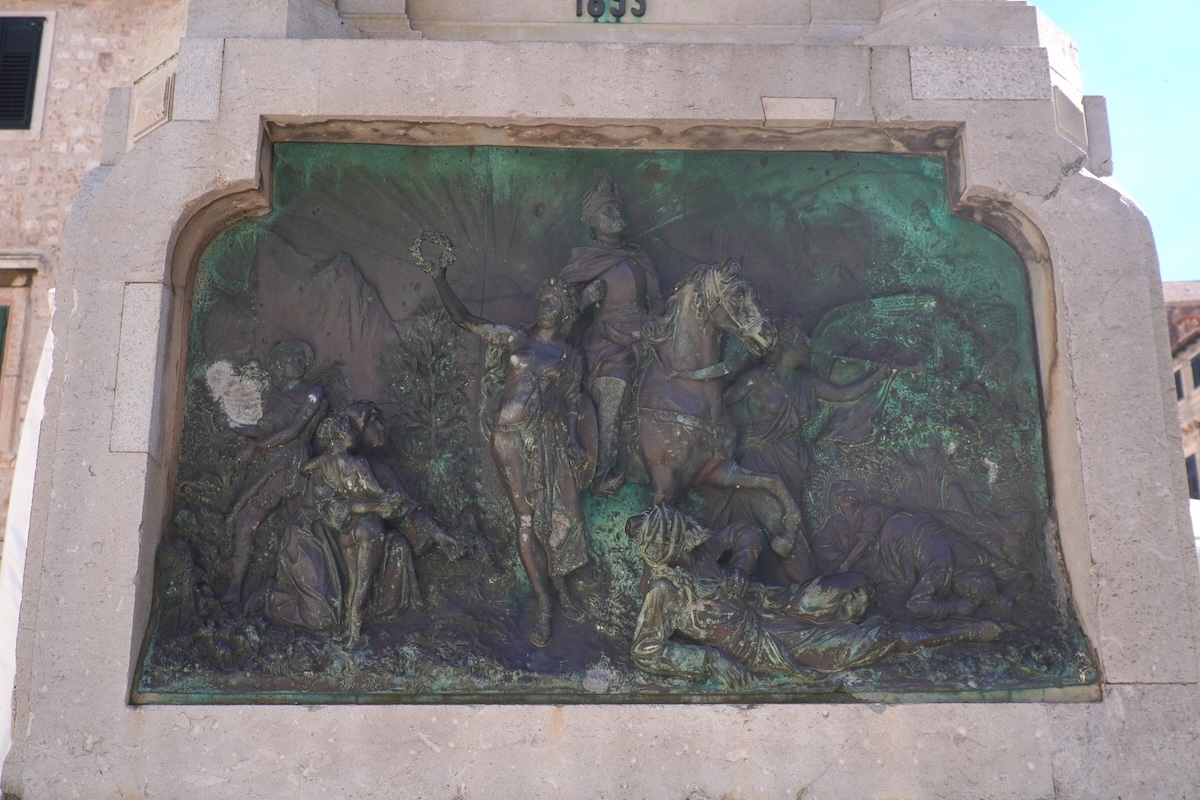
In the center of the square stands the Gundulić-Gondola Monument, a Baroque poet and one of Dubrovnik’s greatest cultural figures. Gundulić was one of the leading figures in Croatian literature, and his verses—filled with patriotism and references to the struggles of the Slavic peoples—helped lay the foundations for the literary Croatian language still in use today. The statue was erected here in 1893 and was the work of sculptor Ivan Rendić.
The most interesting part is the base, where bronze reliefs depict scenes and symbols from the poem Osman. Furthermore, the square came into being after the 1667 earthquake, when the houses that once stood on this site were destroyed, so its history is also closely tied to the city’s reconstruction.
Natural History Museum (Prirodoslovni muzej Dubrovnik)
The Dubrovnik Natural History Museum is a brief but intriguing stop within the historic center. The museum’s collection dates back to 1872, when it was founded thanks to a donation from the Chamber of Commerce and Crafts and the private collection of pharmacist and shipowner Antun Drobac.
It’s not a huge museum, so you can see it quickly, and it might be a good option if you’re traveling with kids or if you simply feel like something more laid-back and less grand. Inside, you’ll find everything from old taxidermy specimens (dating back over 100 years) to collections of mollusks, rocks, algae, fossils, birds, crabs, fish, and mammals, as well as a few rooms for temporary exhibitions that help you understand Dubrovnik’s natural environment.
Hours: Monday through Saturday, 10:00 a.m. to 6:00 p.m.; closed Sundays and holidays. Price: adults 8 €, students 5 €, families 20 € (2 adults + 2 children under 14). Admission included with the Dubrovnik Pass.
Jesuit Staircase—The Famous Staircase from Game of Thrones
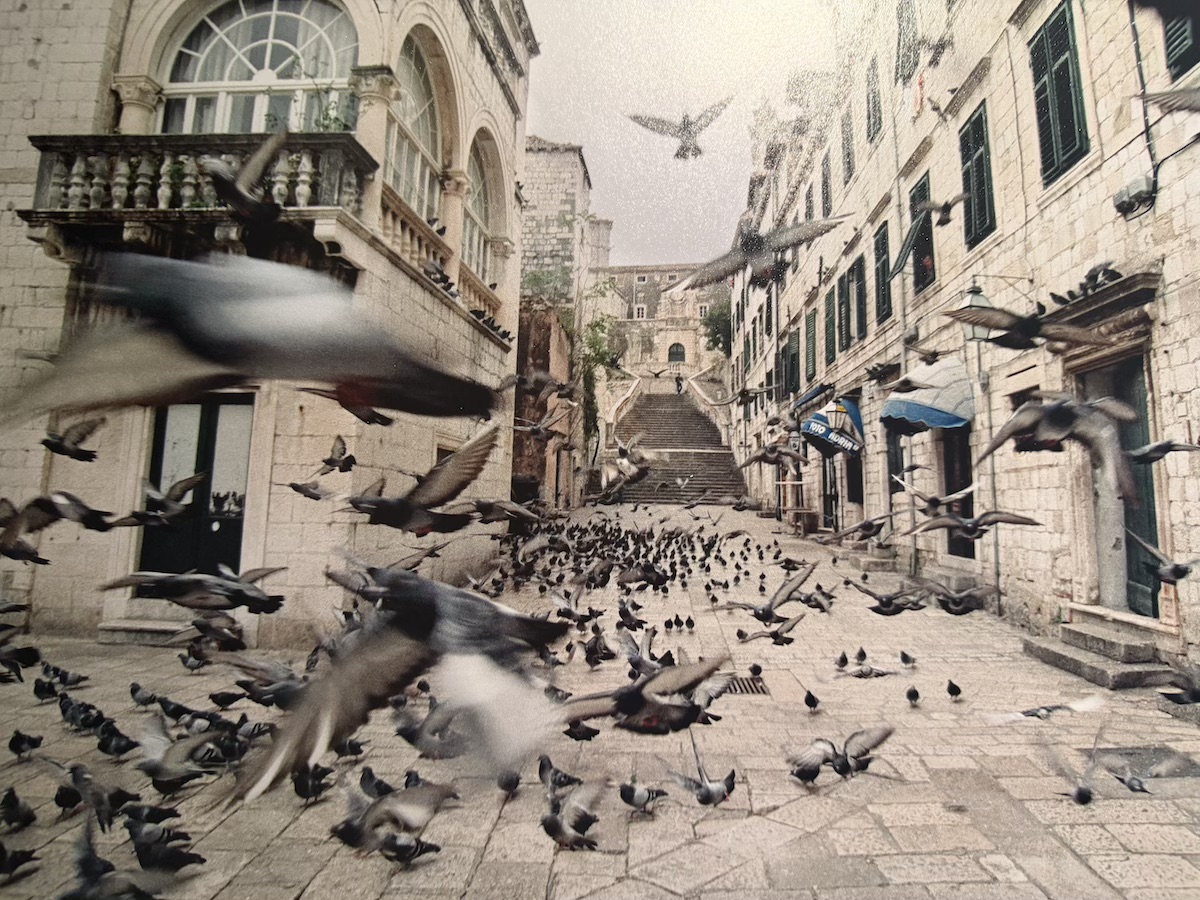
The Jesuit Staircase is one of Dubrovnik’s most famous landmarks, although, in our opinion, it’s surprisingly small compared to how it usually appears in photos and videos. It was designed in 1738 by the Italian architect Pietro Passalacqua, who drew inspiration from the Spanish Steps in Rome, and is part of the Baroque complex that leads up to the Jesuit Church of St. Ignatius.
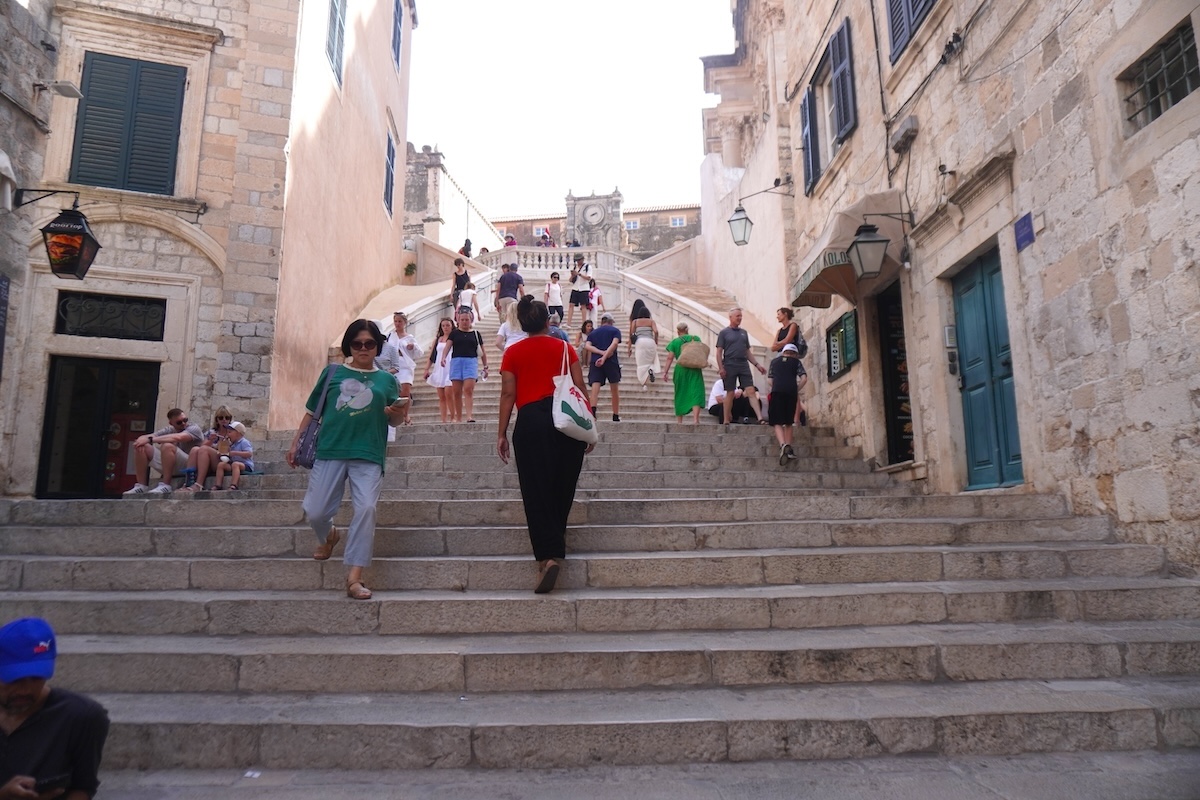
The history of this area also has an interesting twist: the Jesuit complex was built up gradually after the 1667 earthquake, taking advantage of the city’s Baroque urban layout and the available space in the Jesuit quarter.
And of course, today it’s best known for Game of Thrones: Cersei’s famous “Walk of Shame” scene was filmed here, turning these stairs into a must-see stop for fans of the series.
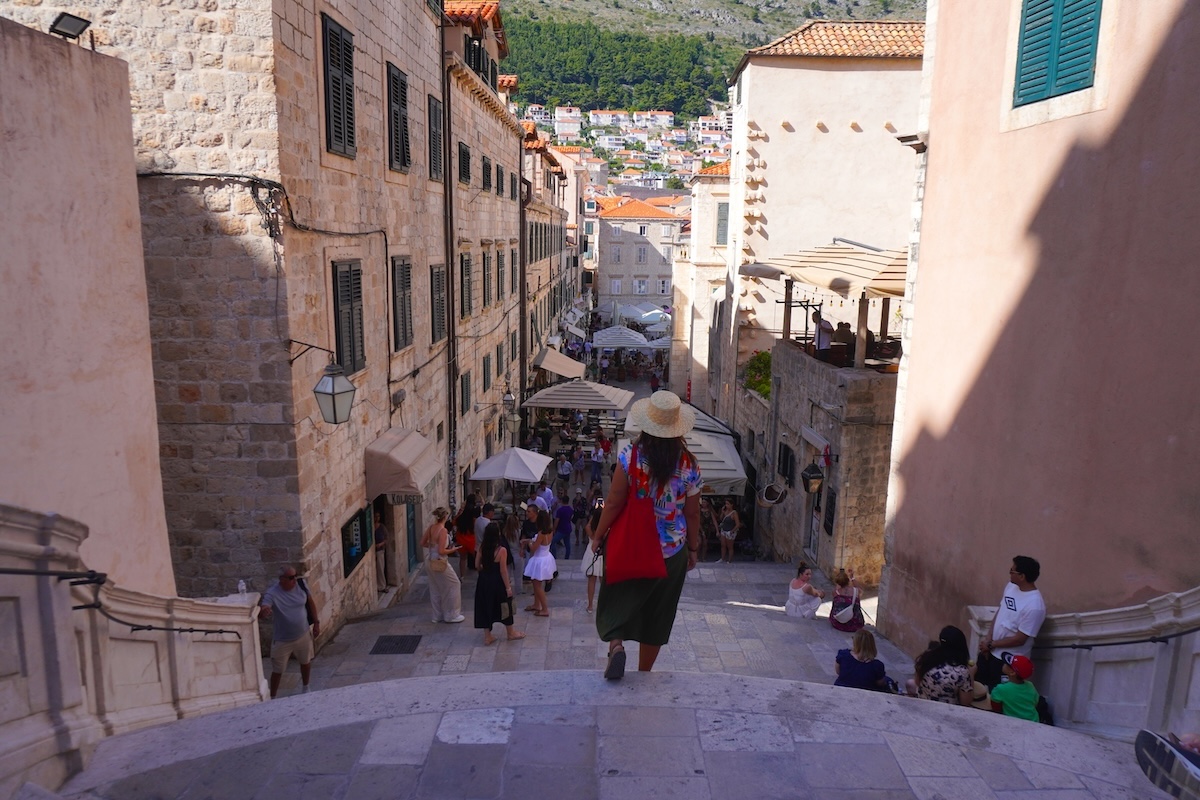
As a fun fact, we were told that this scene was filmed here for three consecutive days in September, right in the middle of peak season, so people got very upset because they couldn’t access the area. Apparently, residents on the street were paid around 150 € per closed window per day, and restaurants were compensated for those days they were closed with an amount equivalent to three times their best day’s revenue from previous years, in addition to being provided with off-site accommodations during filming. We don’t know if these figures are entirely accurate, but we’re sharing them as a fun fact based on what we were told in the city.
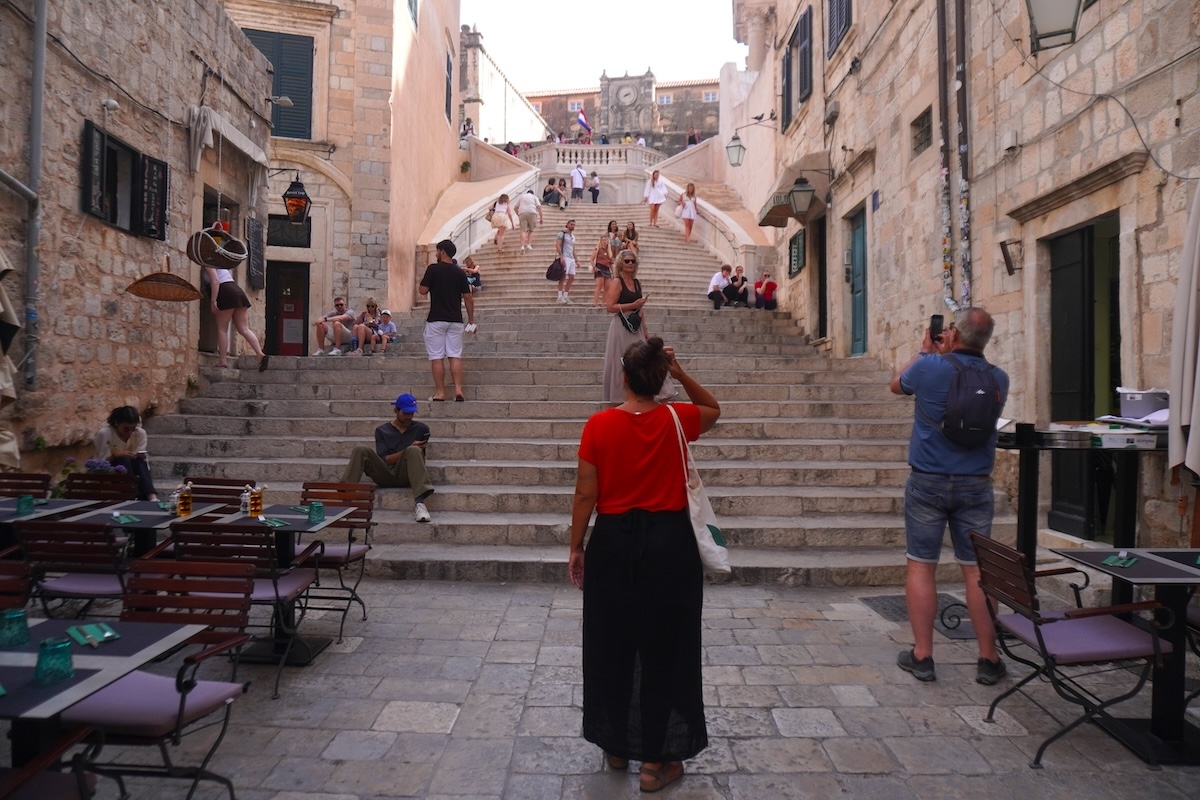
If you’re a Game of Thrones fan, you can take a guided tour that takes you to the Dubrovnik locations featured in the series. Book it here with free cancellation
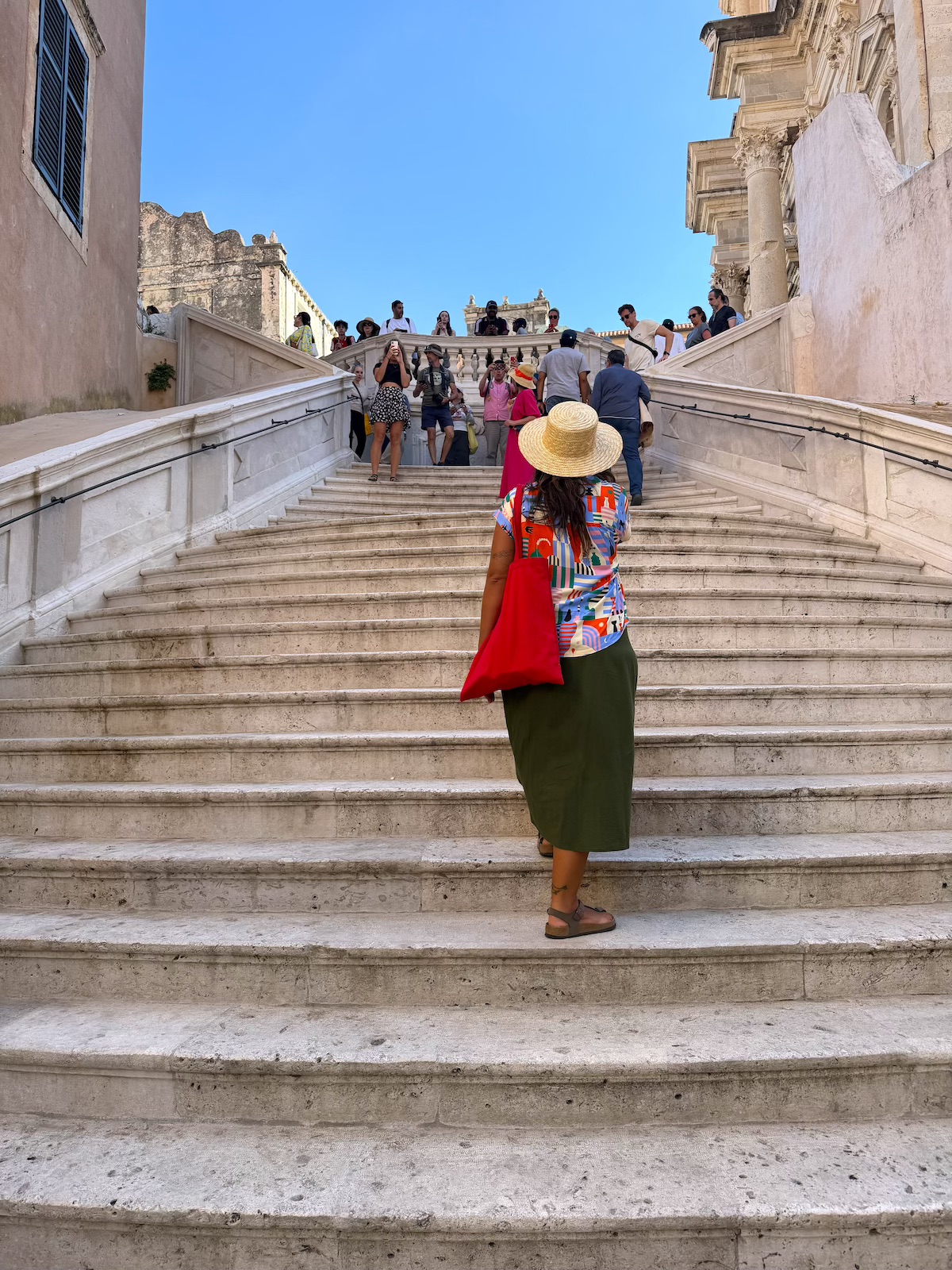
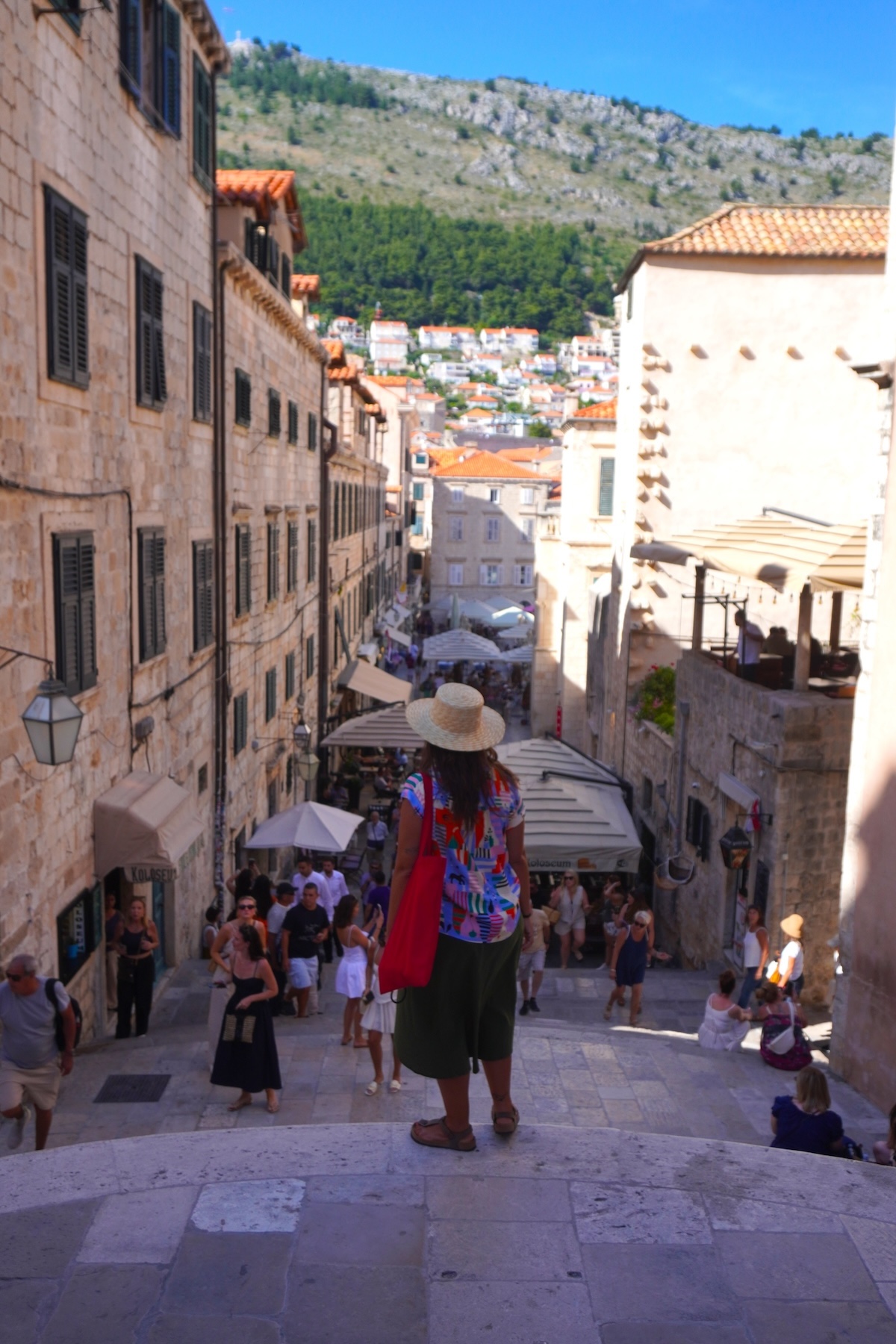
If you want to visit when it’s less crowded, it’s best to go in the late afternoon, when the tours and the hustle and bustle of the Old Town tend to die down. At the top of the stairs is the Church of St. Ignatius, which we’ll discuss next.
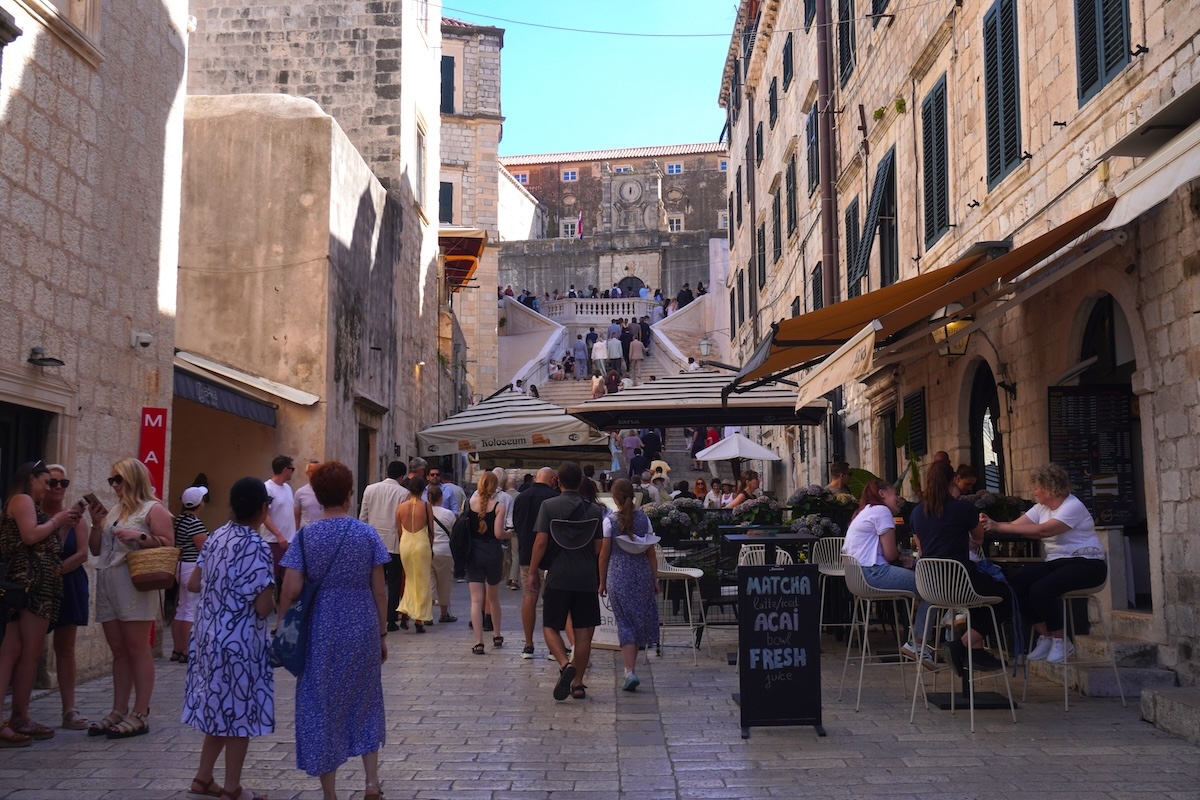
Church of St. Ignatius (Crkva sv. Ignacija)
The Church of St. Ignatius is one of the most beautiful Baroque churches in Dubrovnik and the perfect finale after climbing the Jesuit Staircase. It’s part of the city’s Jesuit complex and is linked to the former Collegium Ragusinum, the old Jesuit college, so it’s not just a beautiful church—it was also an important site for education and religious life in ancient Ragusa.
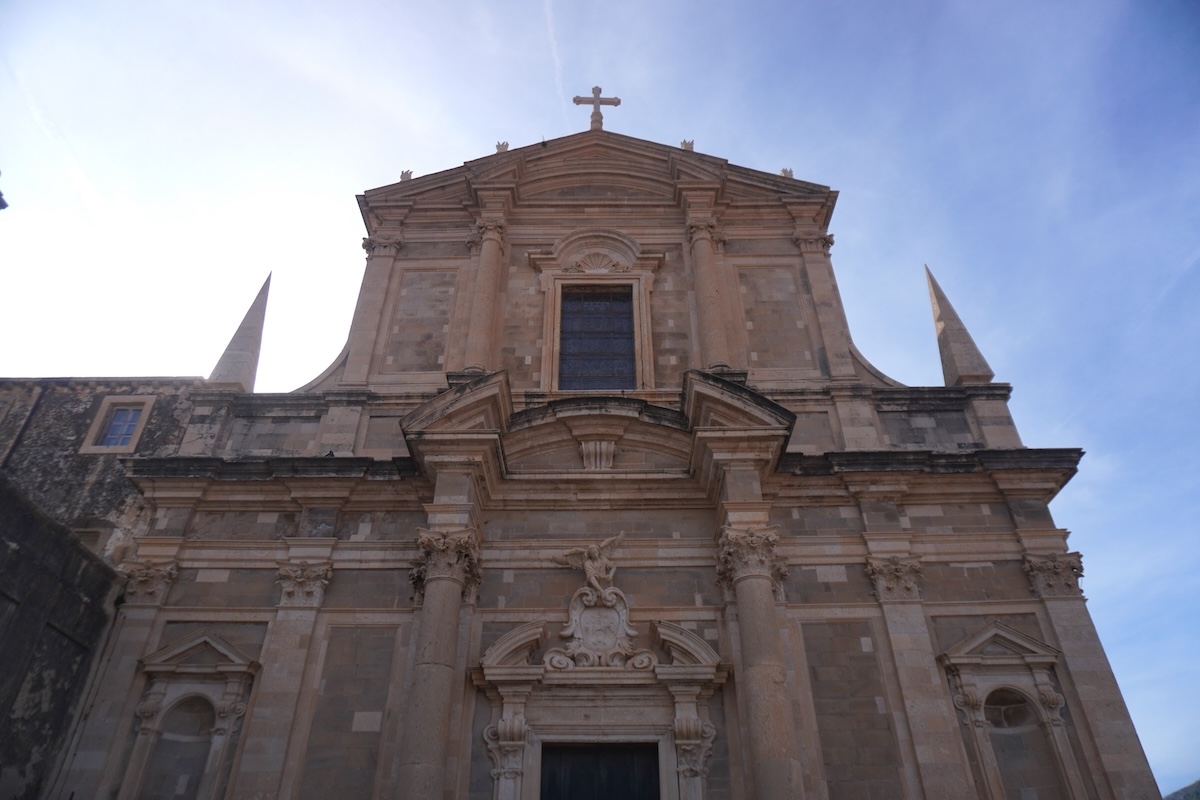
Inside, the most striking features are the frescoes depicting the life of St. Ignatius of Loyola, painted around the main altar by Gaetano García, as well as a painting depicting the death of St. Francis Xavier. It also has a grotto dedicated to Our Lady of Lourdes, added in the 19th century.
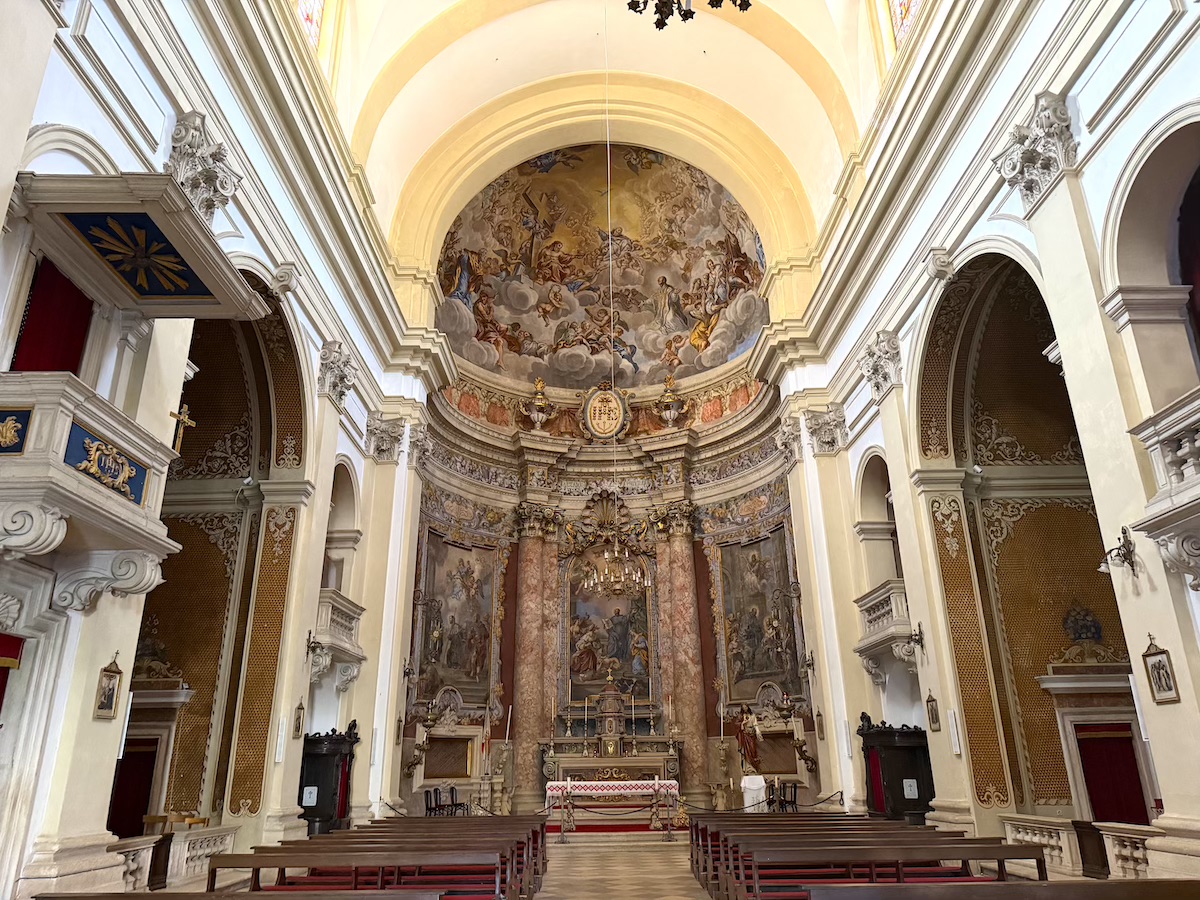
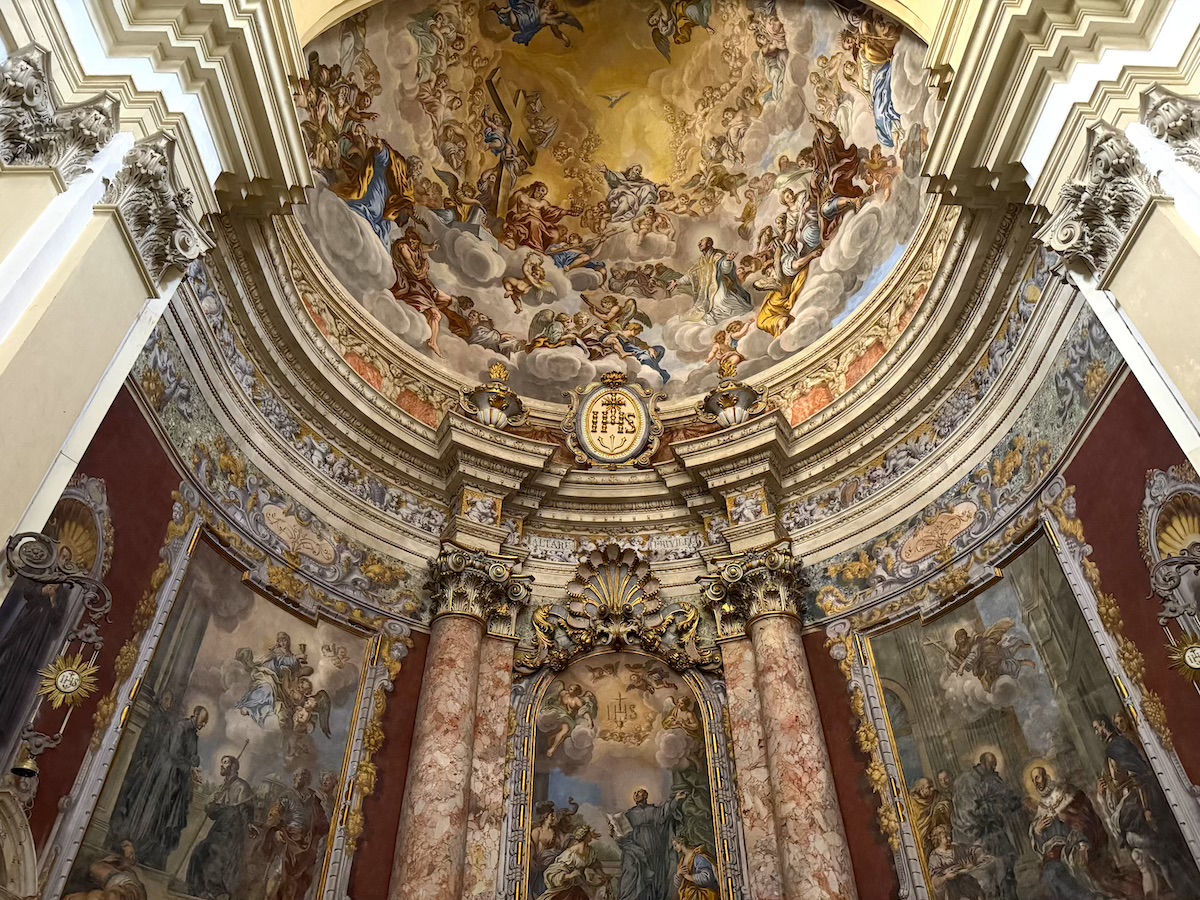
As a fun fact, this church is very popular for weddings. In fact, Sean Stewart, son of Rod Stewart and a Game of Thrones fan, got married here—so we assume its proximity to the famous steps has something to do with it…
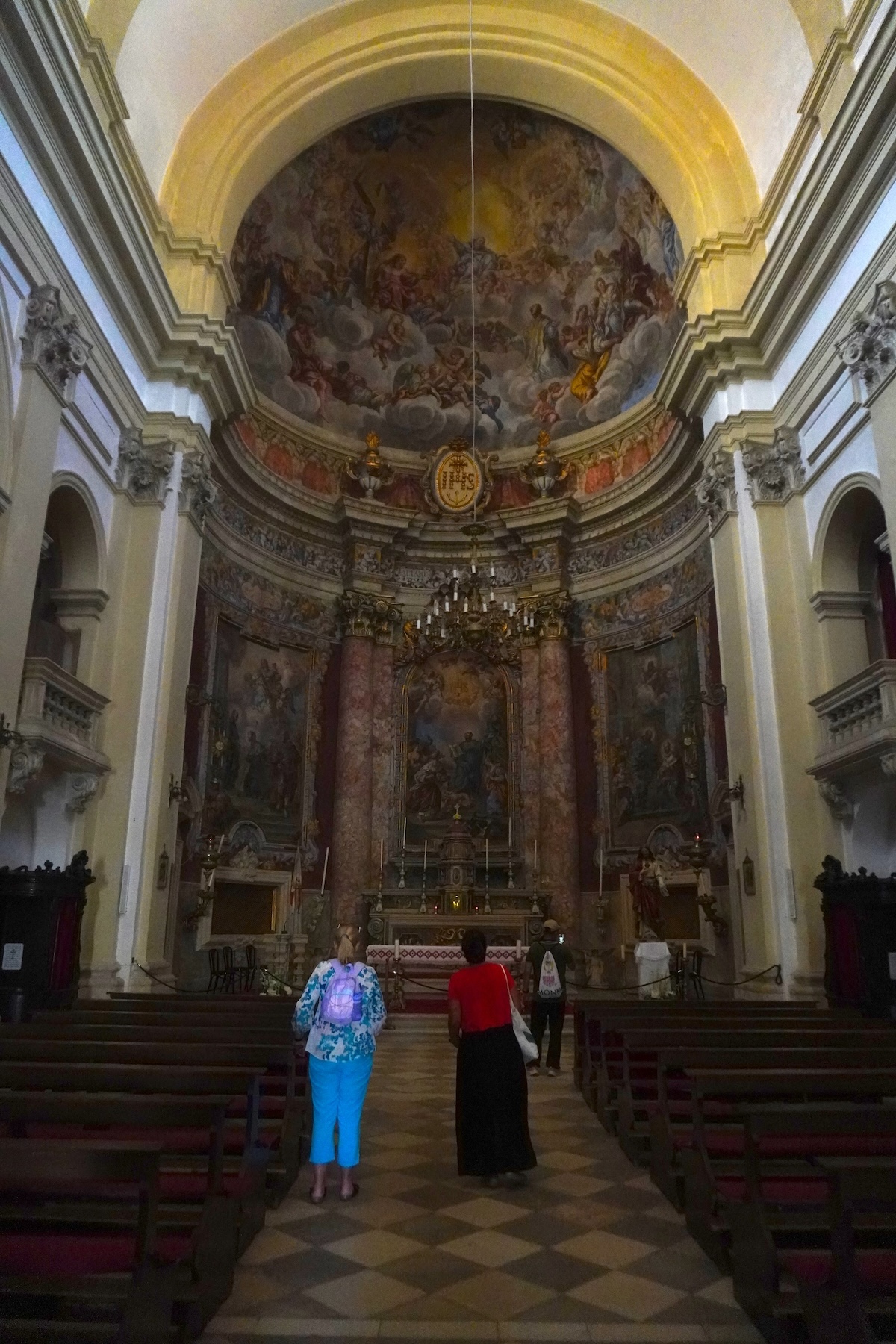
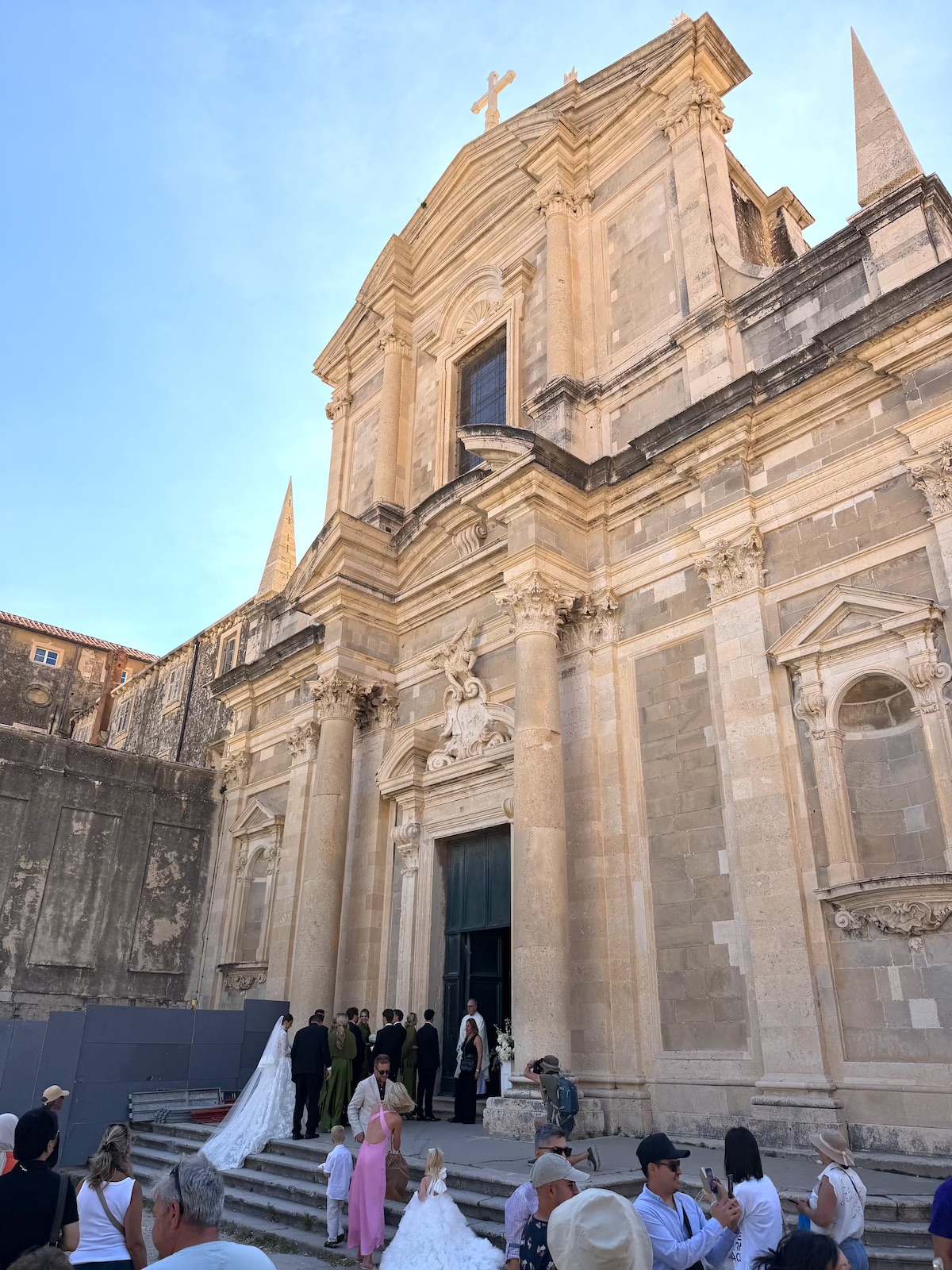
Hours: Daily from 7:00 a.m. to 8:00 p.m. (except when a wedding is taking place, during which you won’t be able to enter…). Price: Free admission.
Rupe Ethnographic Museum (Etnografski muzej u žitnici “Rupe”)
The Rupe Ethnographic Museum is housed in a building steeped in history: the former granary of the Republic of Dubrovnik, built in 1590. The name “Rupe” roughly translates to “hollows” and comes from the cavities carved into the rock that were used to dry and store the imported grain that supplied the city. For that reason alone, the building is worth a visit, as it helps you understand how Dubrovnik functioned when it was a city-republic and trade was its driving force.
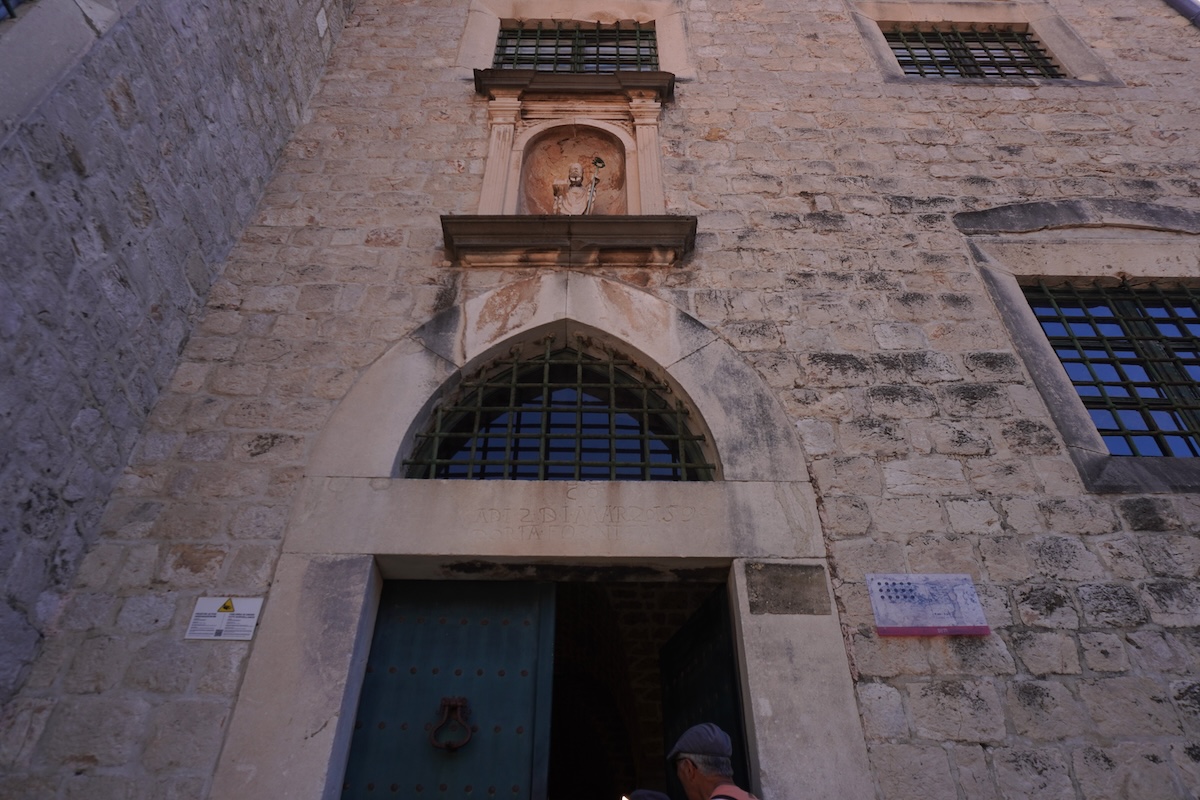
Inside, the museum traces the economic, cultural, and spiritual evolution of Dubrovnik and its region, with a special focus on traditional costumes, textiles, and local folk culture. It’s a small museum but very helpful for putting everything you’ve seen earlier in the city into context, as it showcases the more everyday and less monumental side of ancient Ragusa.
Hours: Open from 9:00 a.m. to 6:00 p.m.; closed on Tuesdays. Price: adults 8 €, students 5 €. Admission included with the Dubrovnik Pass.
Buža Beach
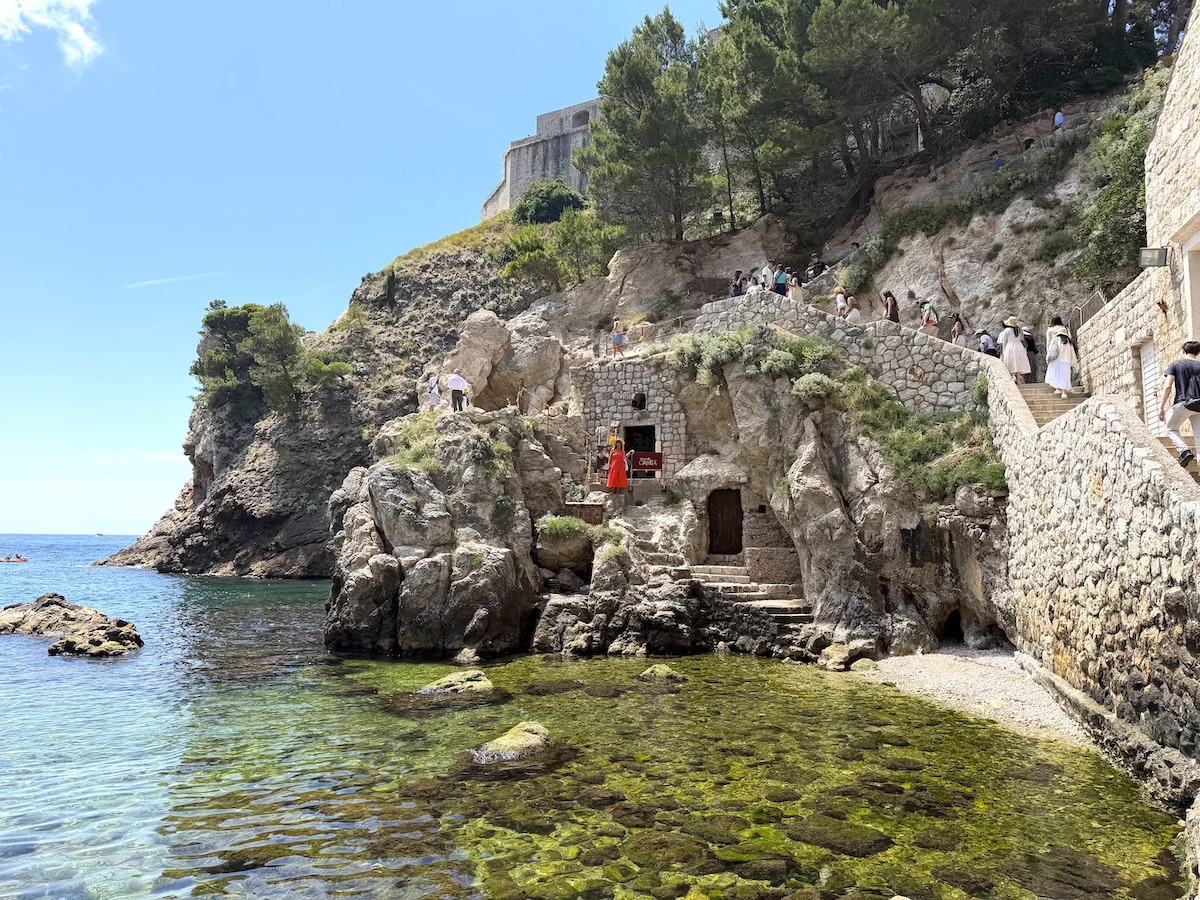
Buža Beach, more than just a beach per se, is one of the most unique spots for swimming in Dubrovnik. It’s an access point to the sea nestled between the rocks and the walls of Dubrovnik (from right there, we saw people jumping in and having fun), with small steps to get in and out of the water and areas where people sit to sunbathe—or even dive into the sea from the rocks.
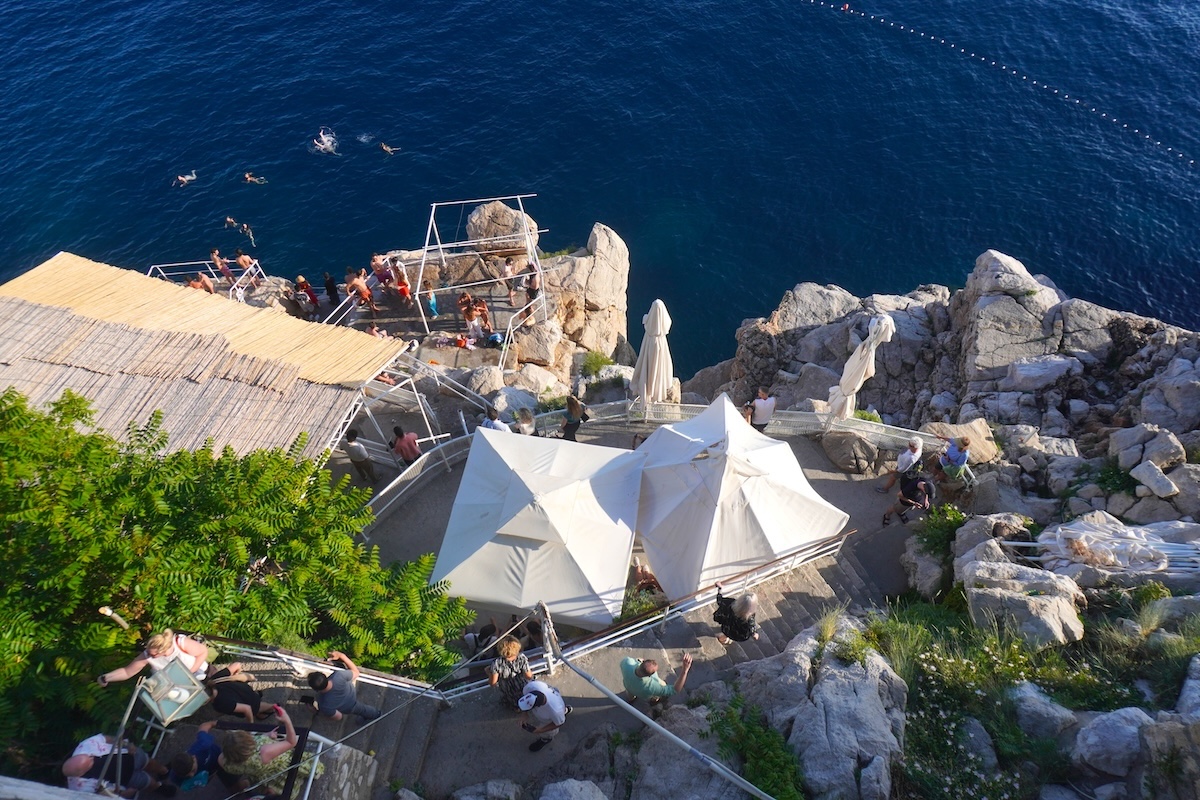
The name “Buža” refers to the passage or “hole” in the city wall through which you access the spot, so right from the start it has that somewhat secret, somewhat makeshift feel that gives it quite a bit of charm.
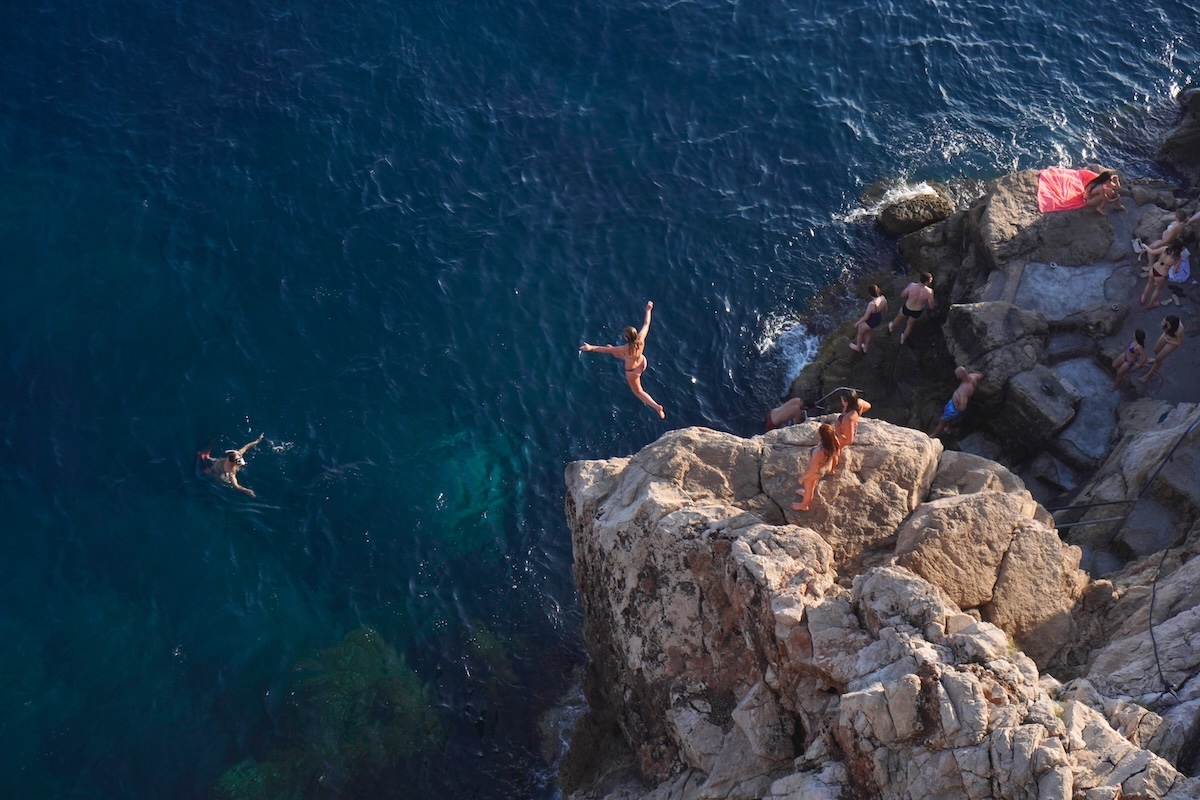
From here, you’ll have incredible views of the Adriatic Sea, Lokrum Island, and—if you look up—the city walls. It’s also one of the most special (and popular) spots to watch the sunset. That said, on nice days it gets pretty crowded, so it’s best to arrive early and adjust your expectations: don’t expect a quiet, idyllic postcard-perfect beach—here, the plan is more about going with the flow, taking a quick dip, and sticking around for a drink while gazing out at the sea. The water can get a bit choppy depending on the wind, so it’s best to take it easy, especially if you’re planning to jump off the rocks.
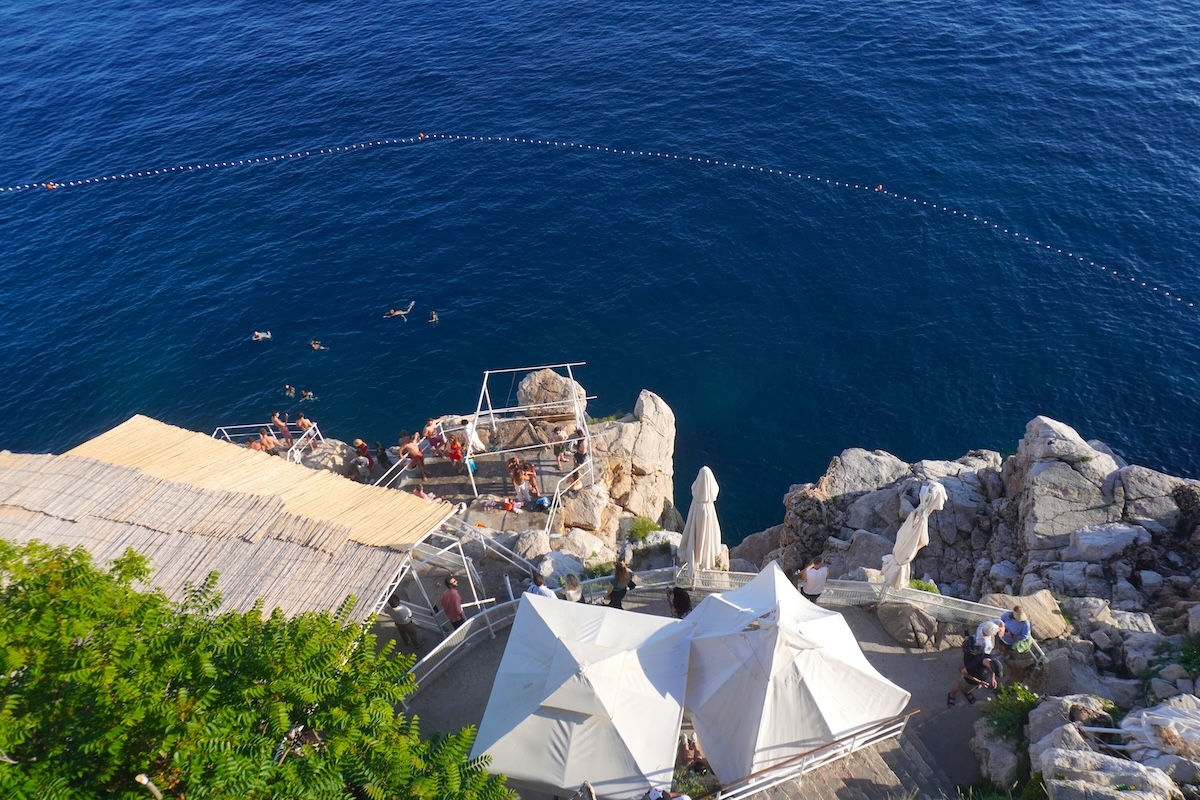
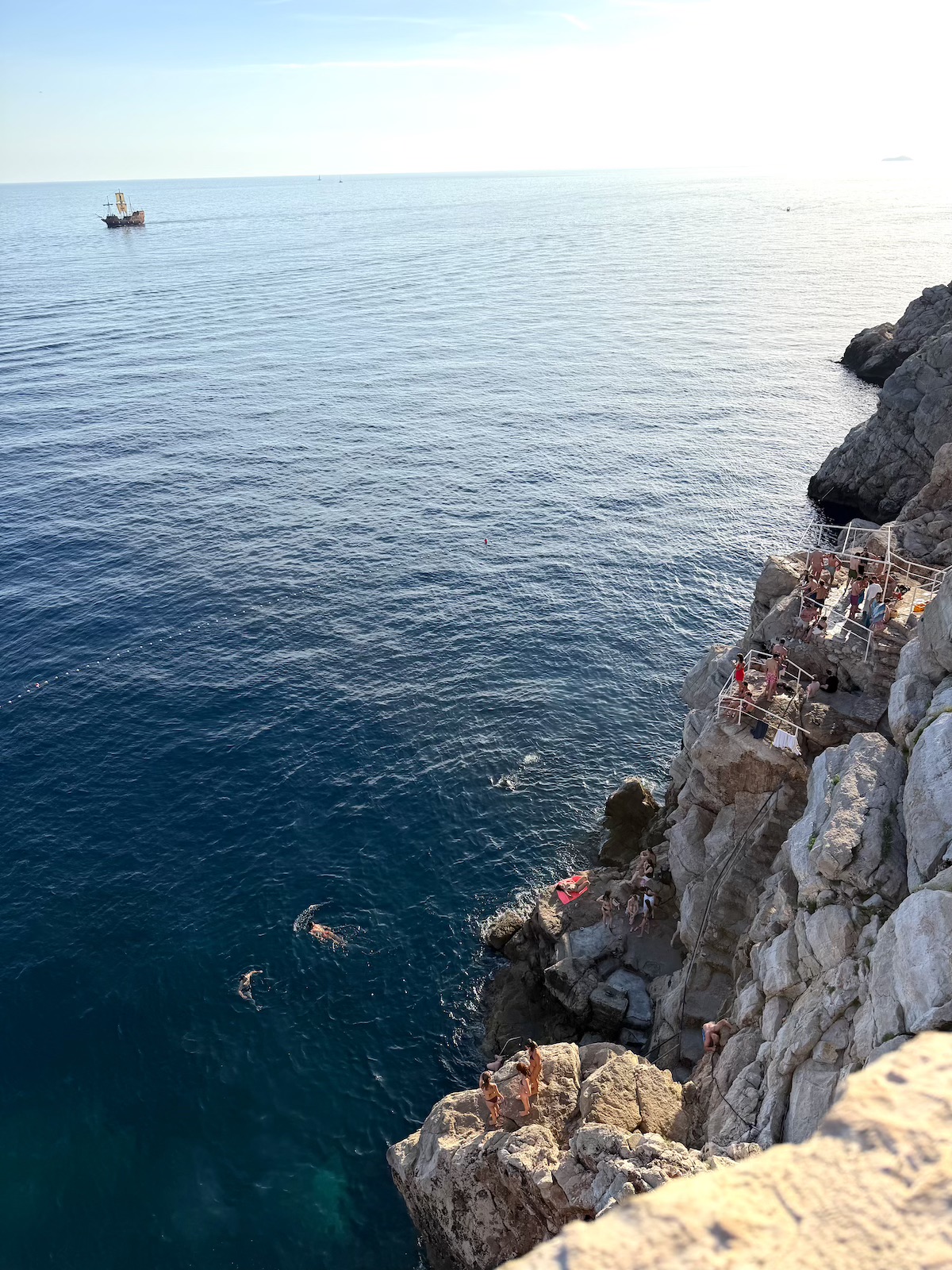
In the same area, there’s a small bar (Buža Bar) that sells drinks and plays music, though it doesn’t offer many amenities: it’s a spot right up against the cliff where the sea, the views, and the atmosphere take center stage. A little further along, there’s another spot where you can take a dip and have a drink or two: the Bard (Mala Buža).
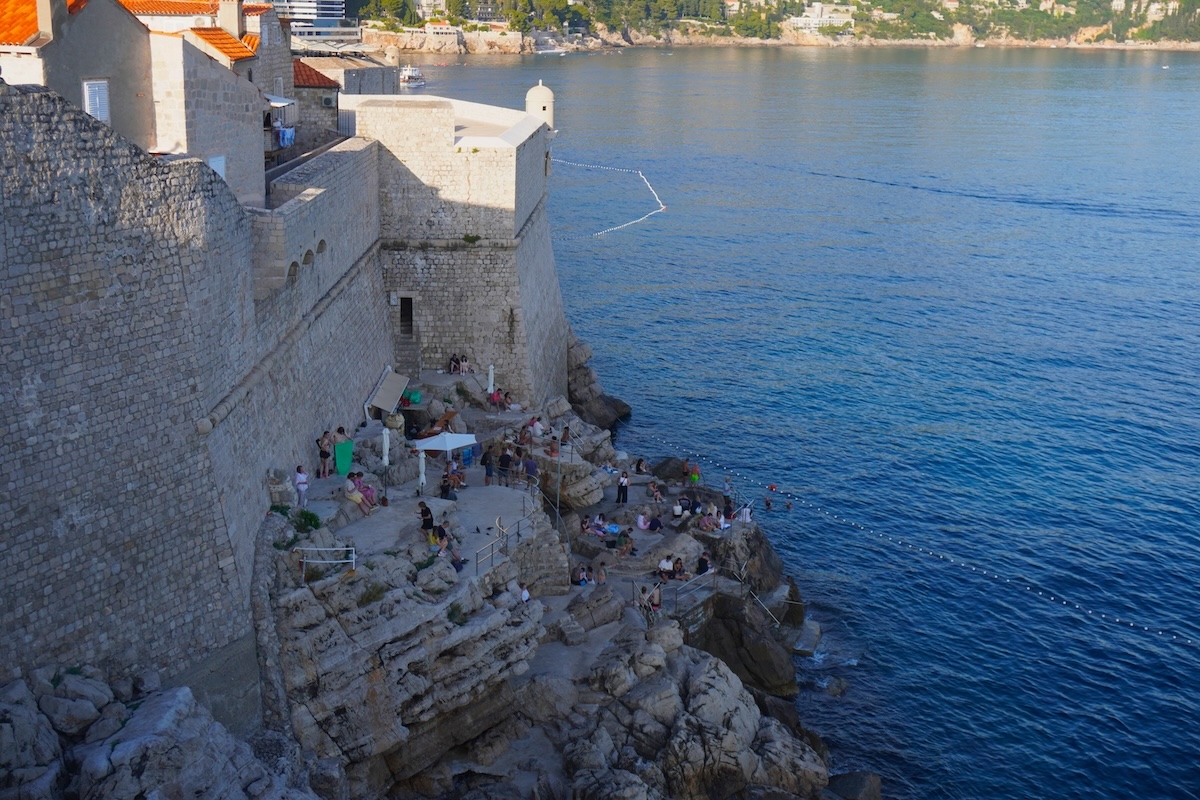
In the same area but further east, there’s also another spot with access to the sea for swimming where people gather— right here.
Things to see and do outside Dubrovnik’s Historic Center
Beyond the historic center, Dubrovnik also has other places worth exploring, from viewpoints and beaches to quieter areas that offer a different perspective on the city. In this section, we’ll tell you what to see outside the city walls to round out your visit to the city.
Climb Mount Srđ: Viewpoint and Museum of the War of Independence
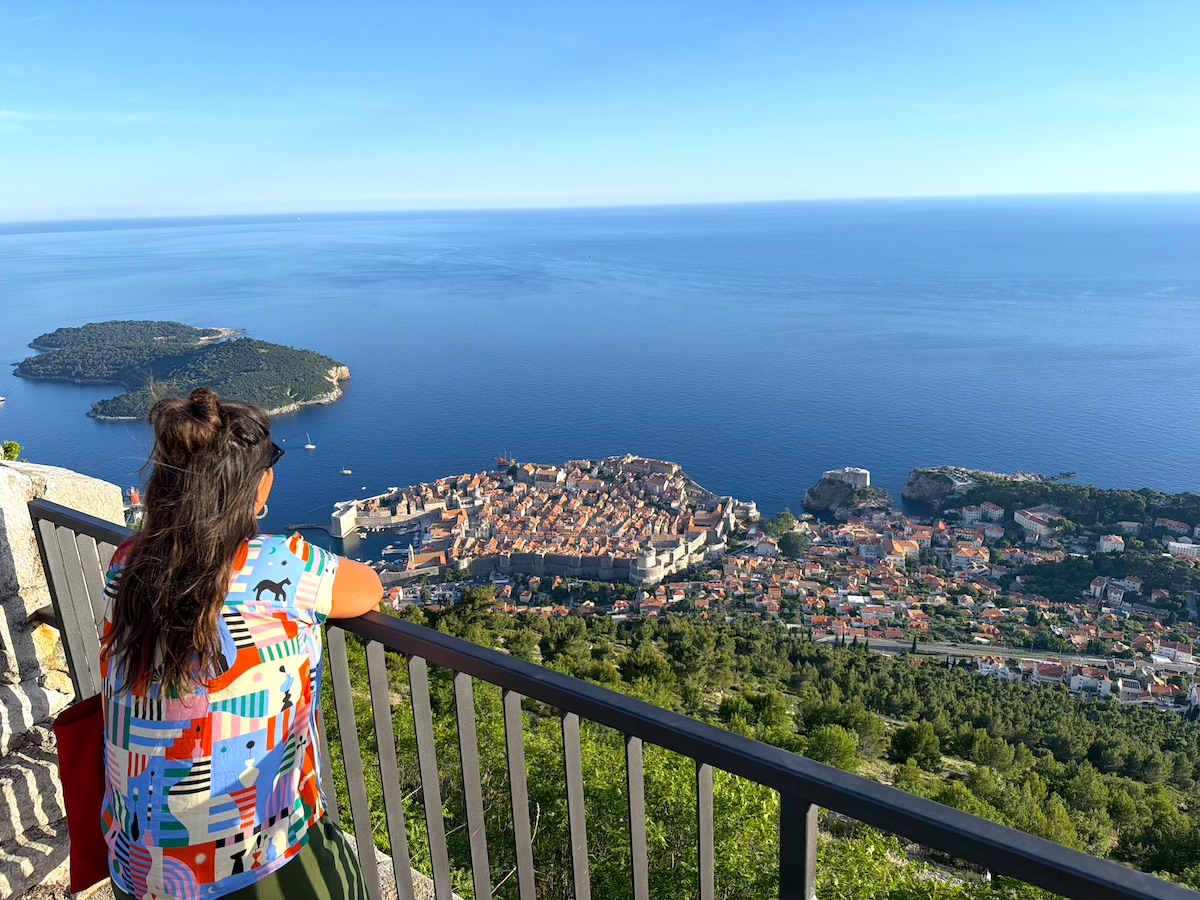
If you have the time and energy—and love views as much as we do at Randomtrip— climbing Mount Srđ is a fantastic thing to do in Dubrovnik. At the top, you’ll find the Dubrovnik Viewpoint, the Museum of the War of Independence (Muzej Domovinskog rata Dubrovnik), and even the Panorama Restaurant, where you can grab a drink or have lunch or dinner with spectacular views of the Old Town and the sea.
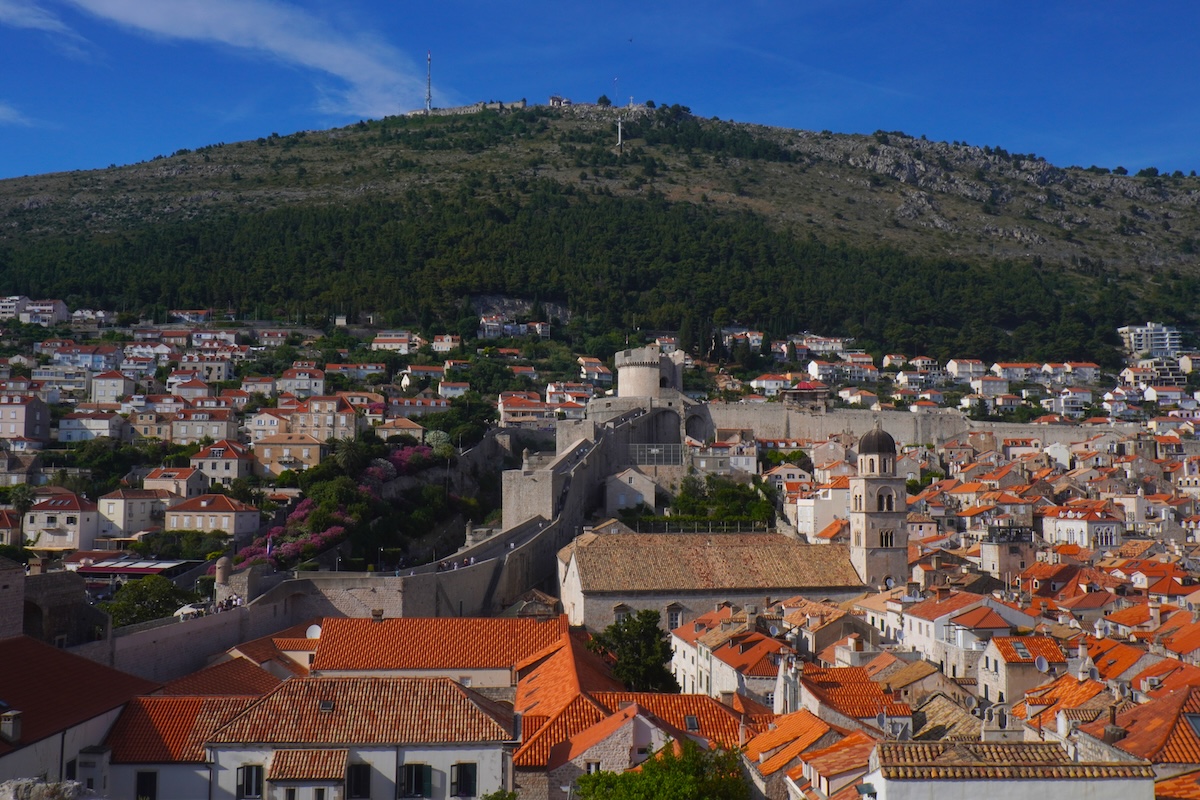
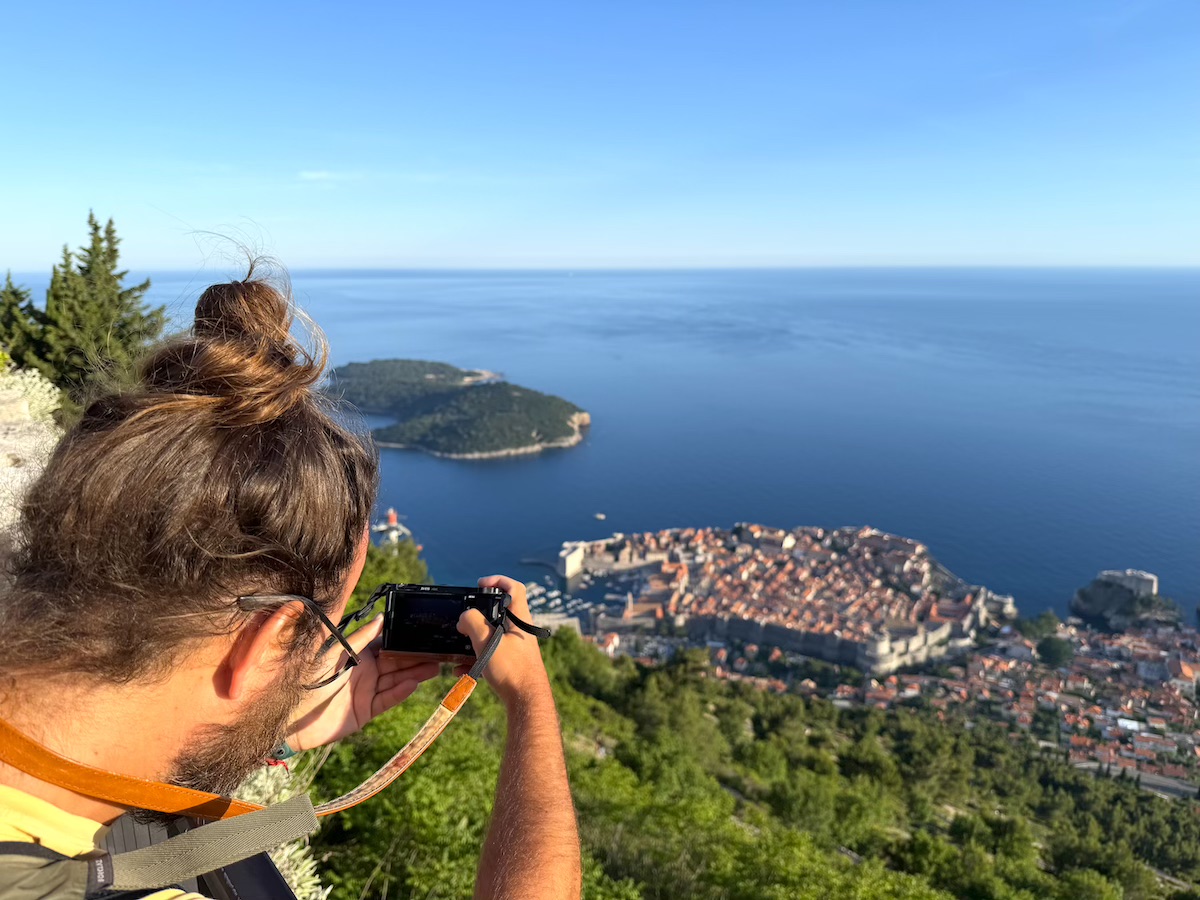
The Dubrovnik Viewpoint is the ultimate reward for climbing Mount Srđ: from here , you have a panoramic view of the Old Town, the sea, and Lokrum. It’s one of the best spots to get a sense of how Dubrovnik is laid out and to snap that classic postcard photo. In our opinion, the views are actually better along the hiking trail itself than from the viewpoint, thanks to the cable car lines.
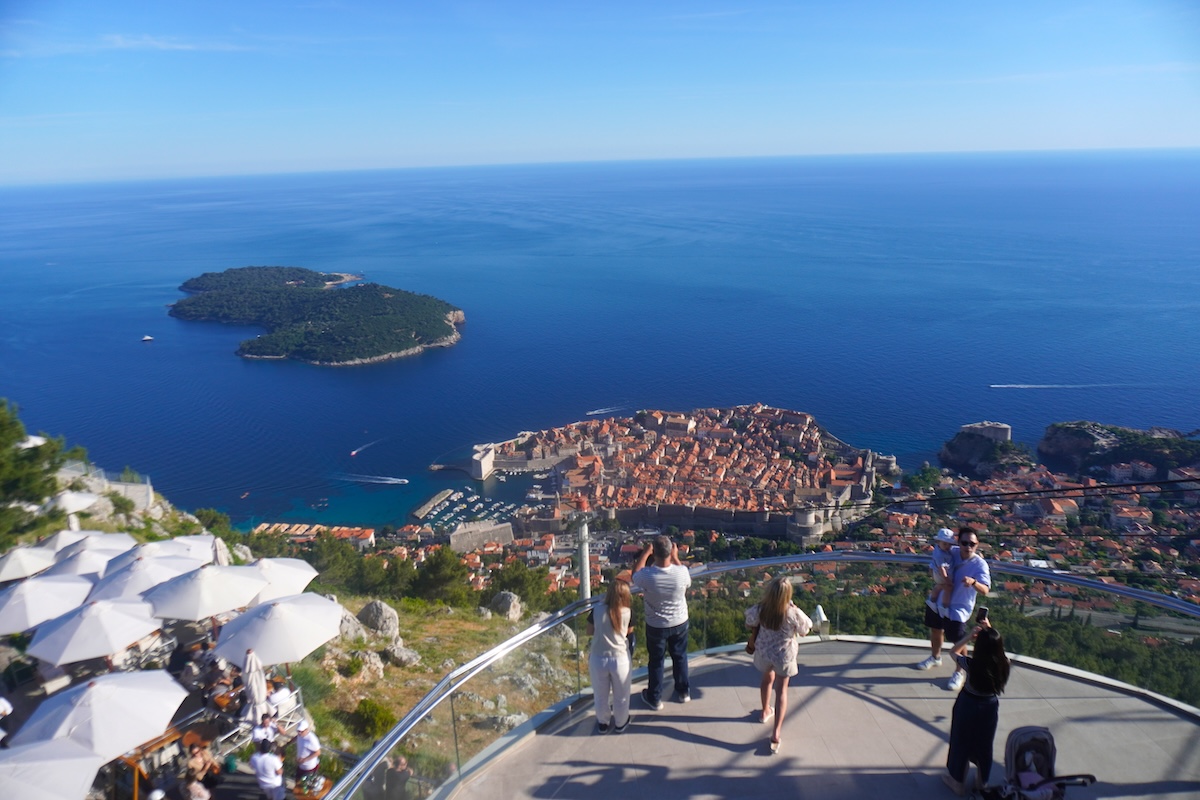
The Museum of the War of Independence (Muzej Domovinskog rata Dubrovnik), housed in the Imperial Fortress, features a permanent exhibition dedicated to the Croatian War of Independence (1991–1995), with a special focus on Dubrovnik and its military history. The exhibition traces the fall of the Republic of Dubrovnik, the Serbian aggression of 1991, the Croatian victory of 1995, and the consequences all of this had for the local population and the city’s heritage.
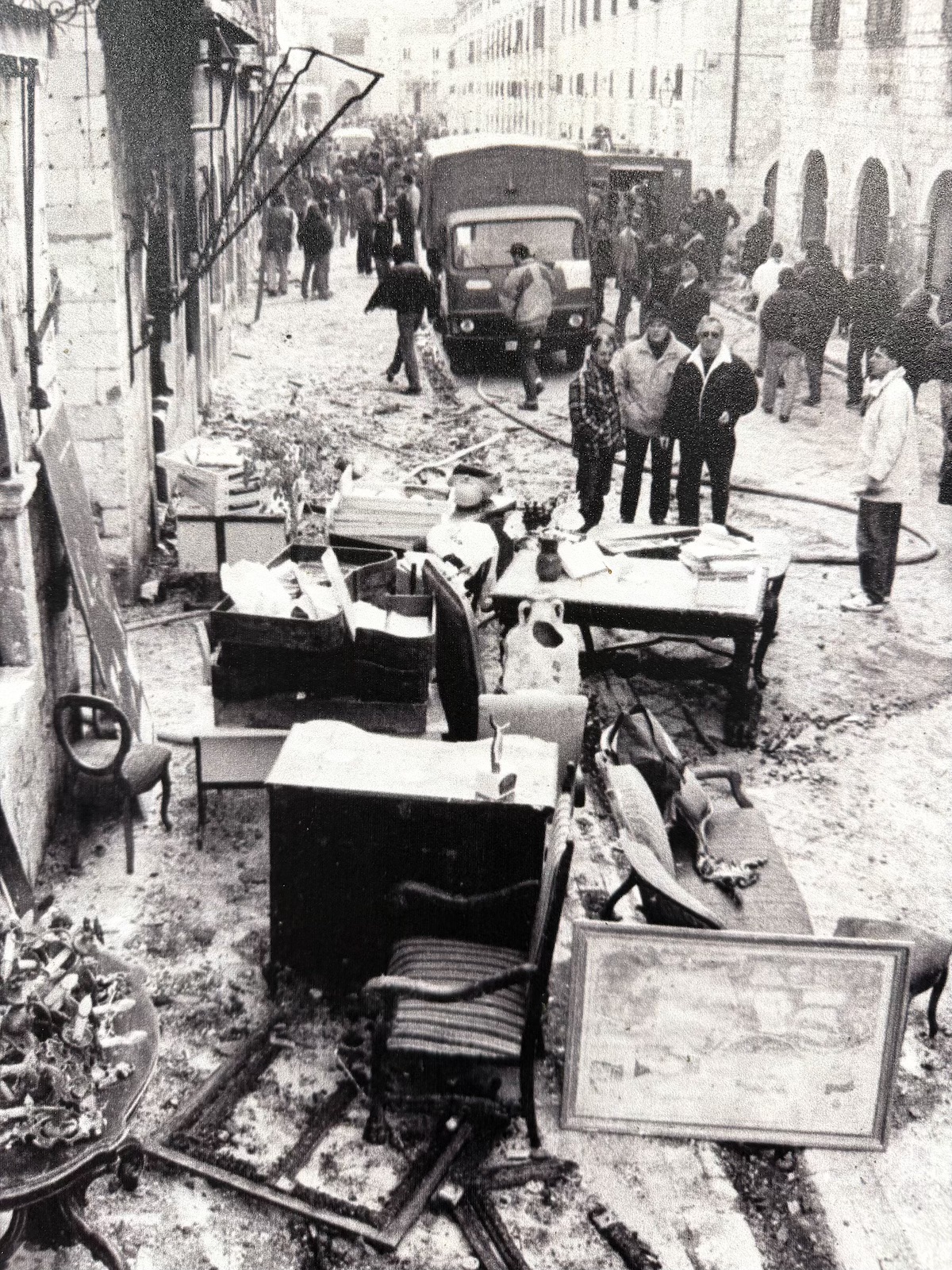
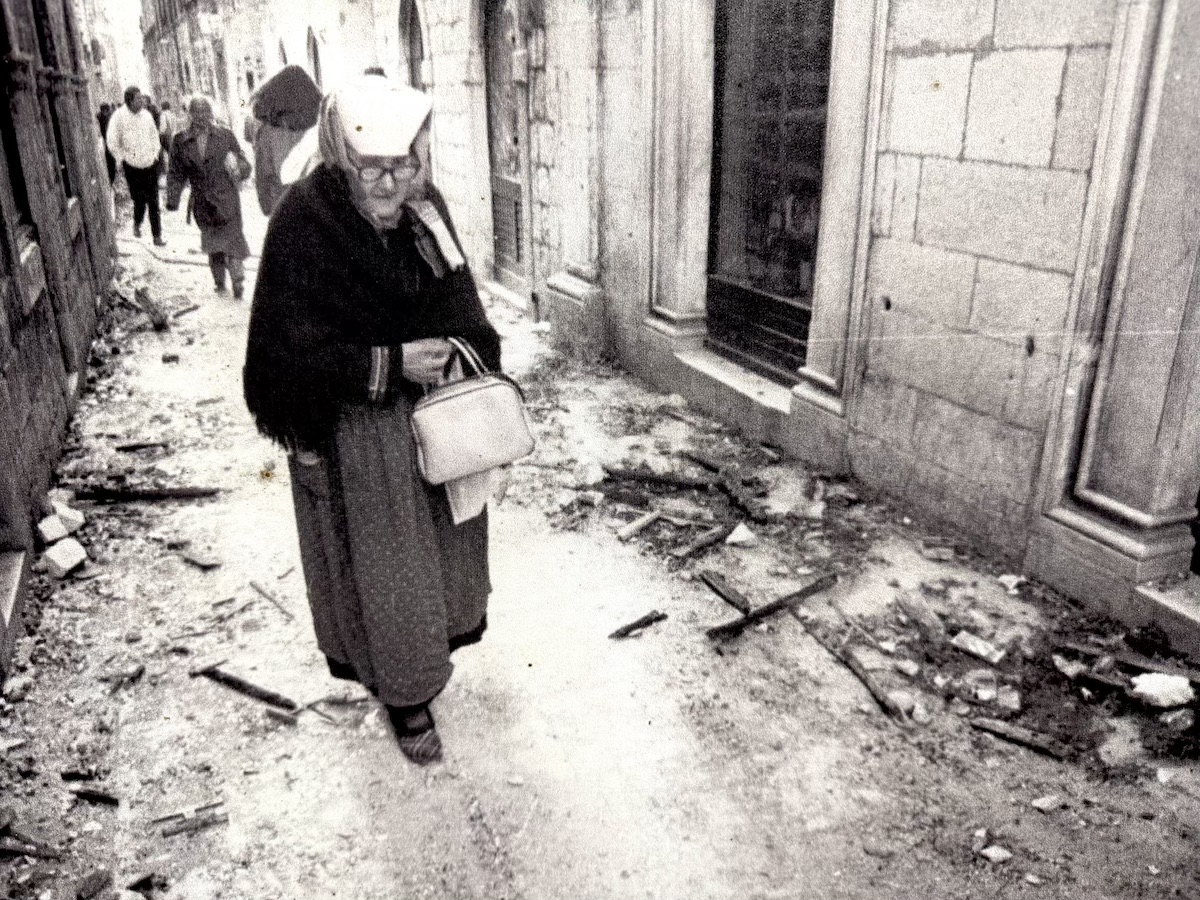
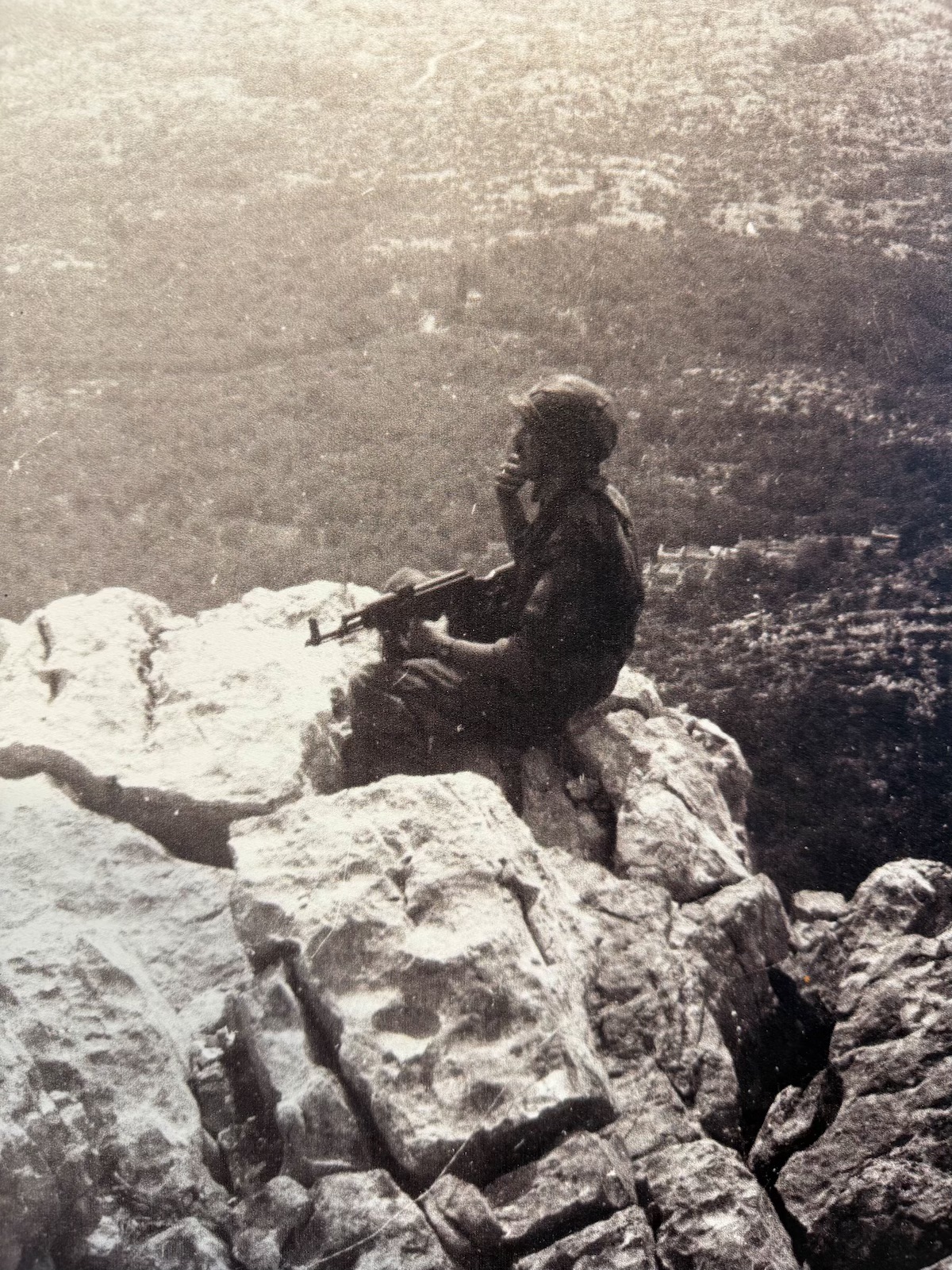
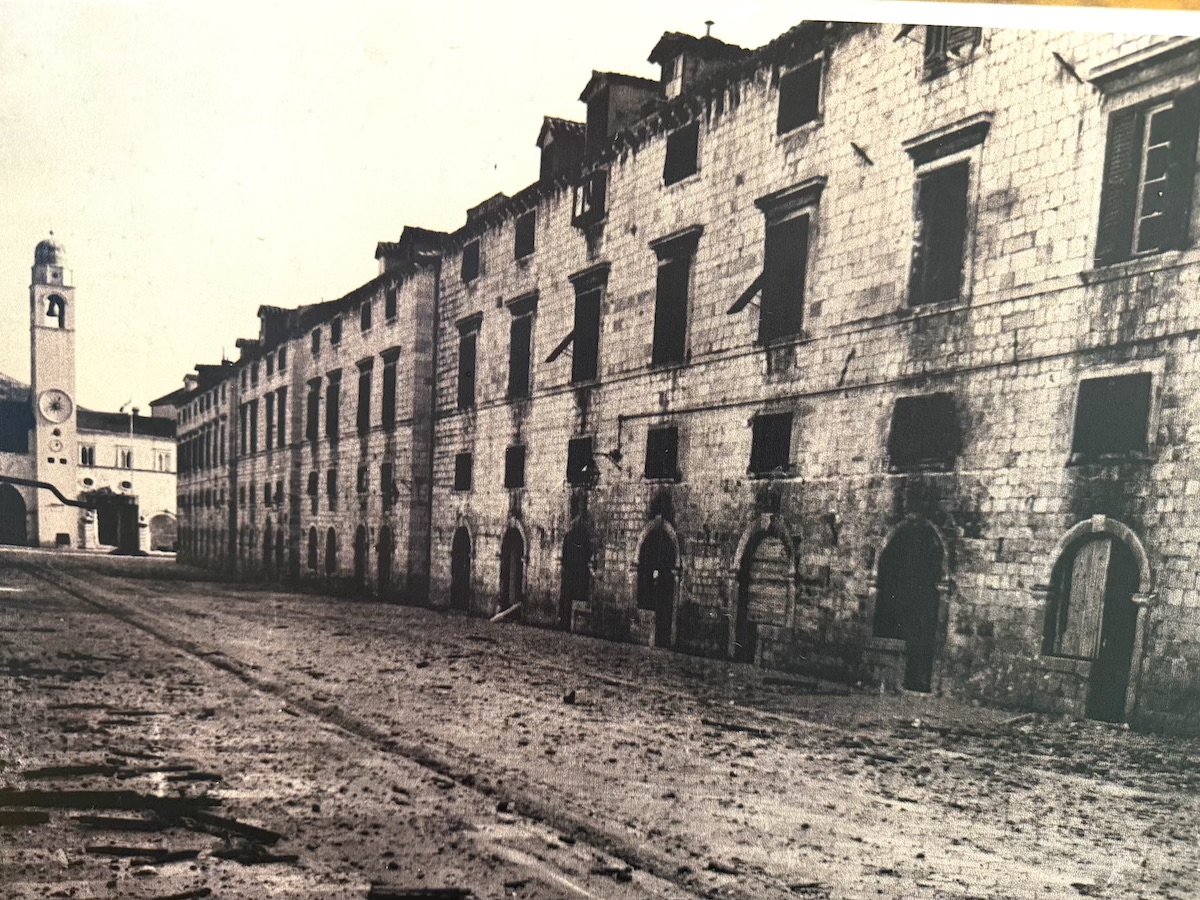

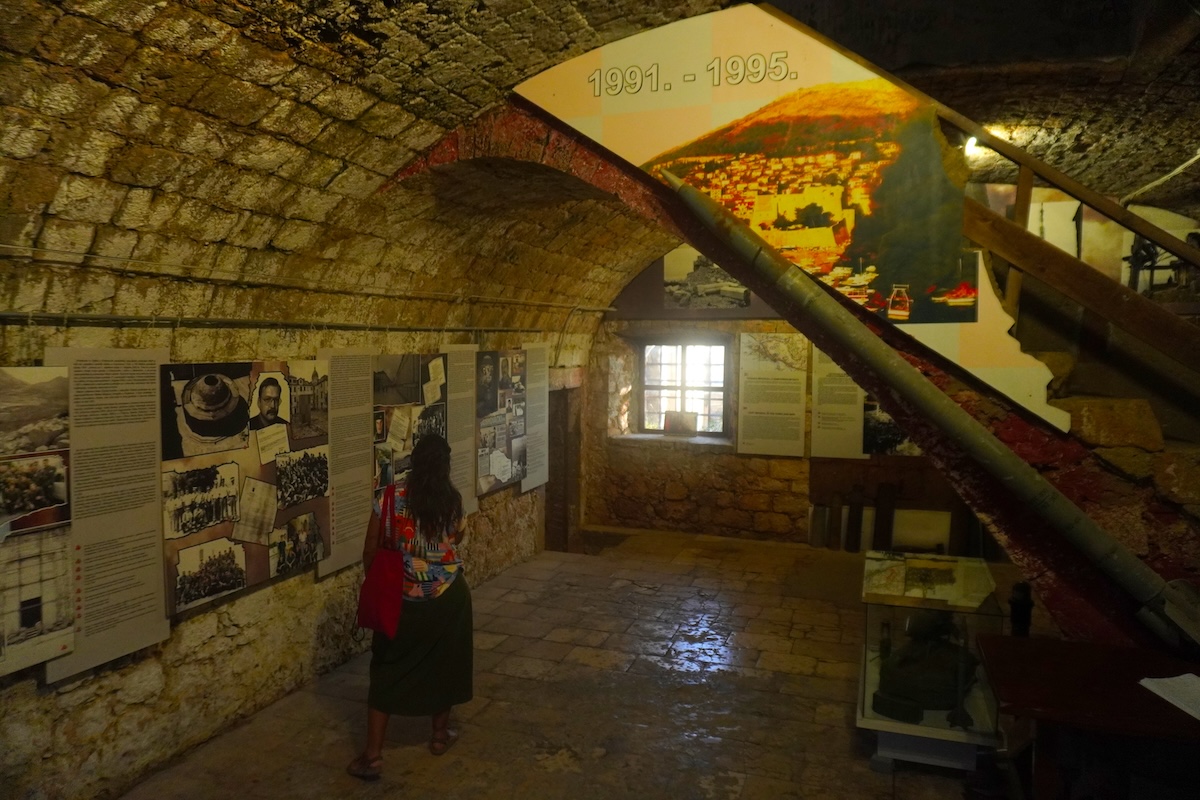
In addition, from the outside, the fortress offers incredible views of Dubrovnik that we liked even more than those from the cable car, since the cables don’t interfere as much with the panoramic view.
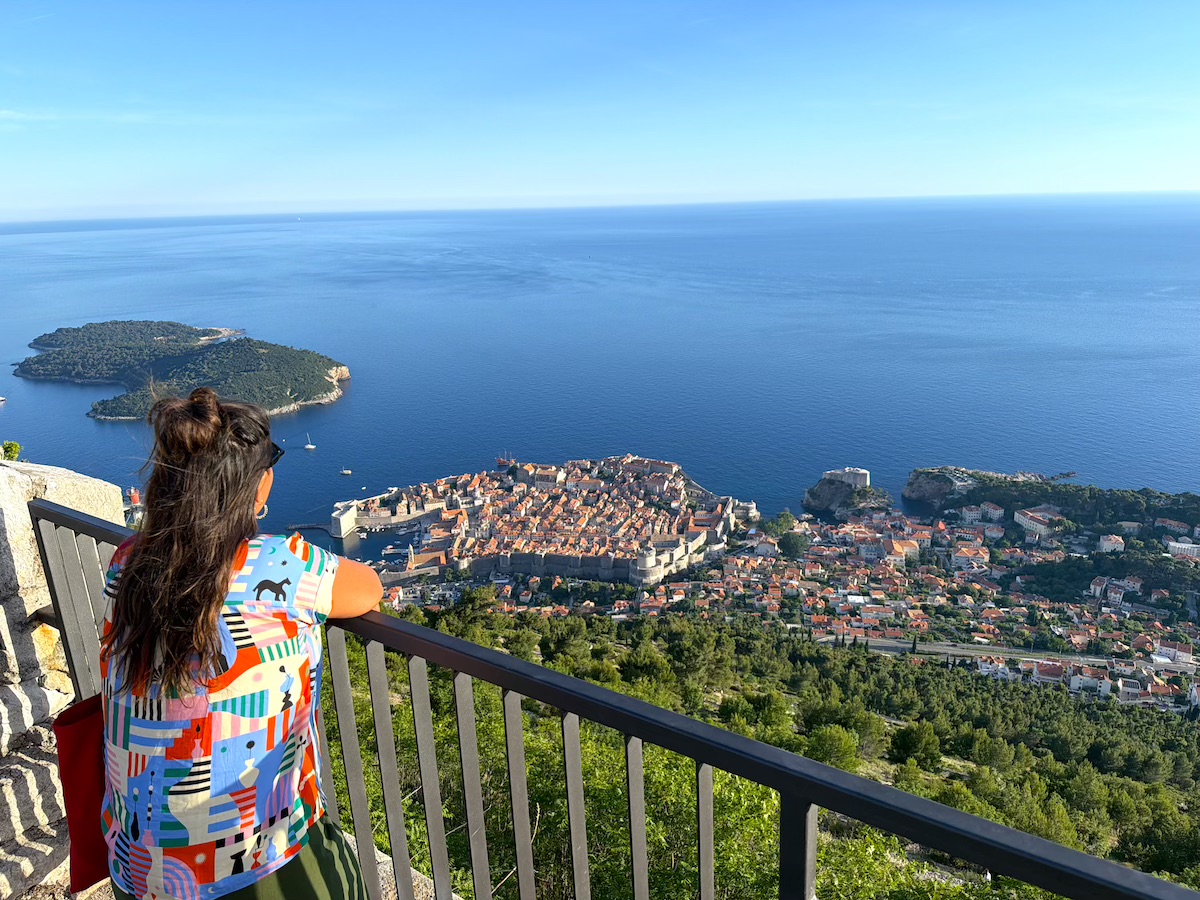
Museum hours (Imperial Fortress): 8:30 a.m. to 10:00 p.m. Price: 5 €/adults; 3 €/students; 12 €/family ticket (2 adults and two children under 14); free admission for children under 7. Admission not included in the Dubrovnik Pass.
If you’d like to grab a drink, the Panorama Restaurant offers great views (we don’t know how the food is because we didn’t try it, though we’ve read good reviews), although part of the charm of the views is lost due to the cable car—or rather, its cables.
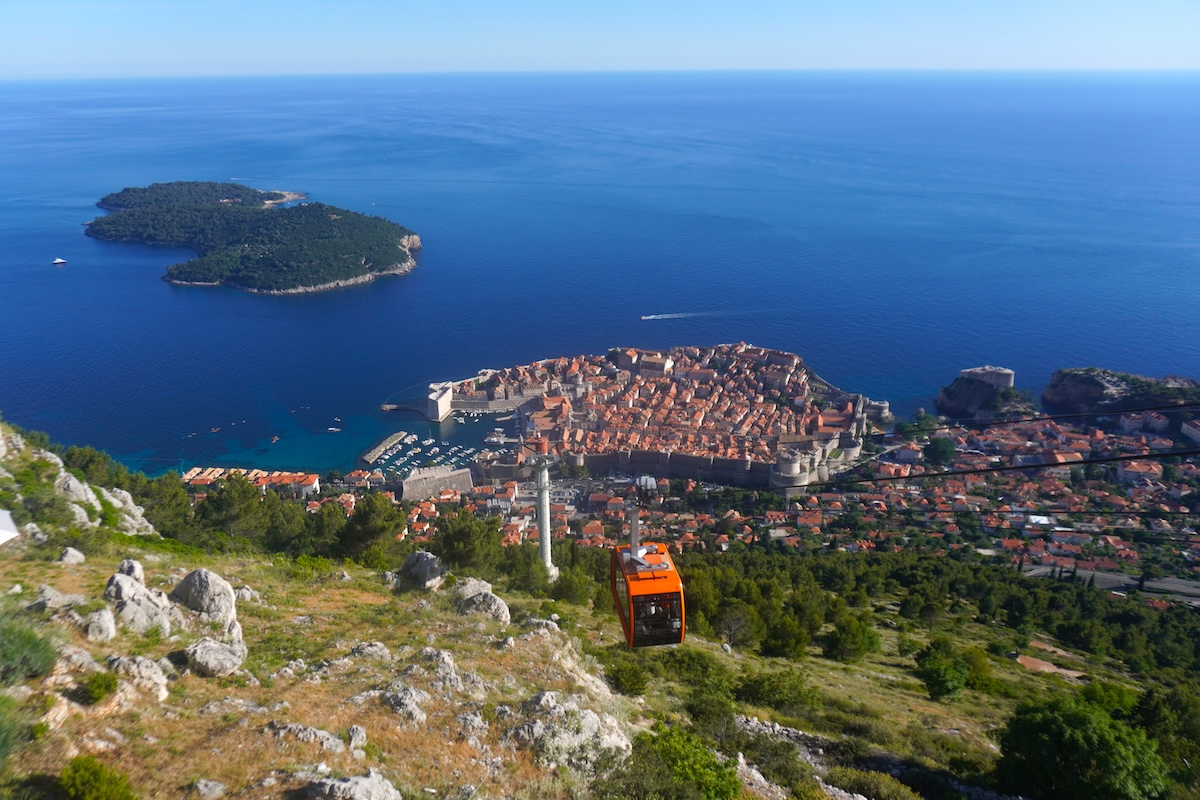
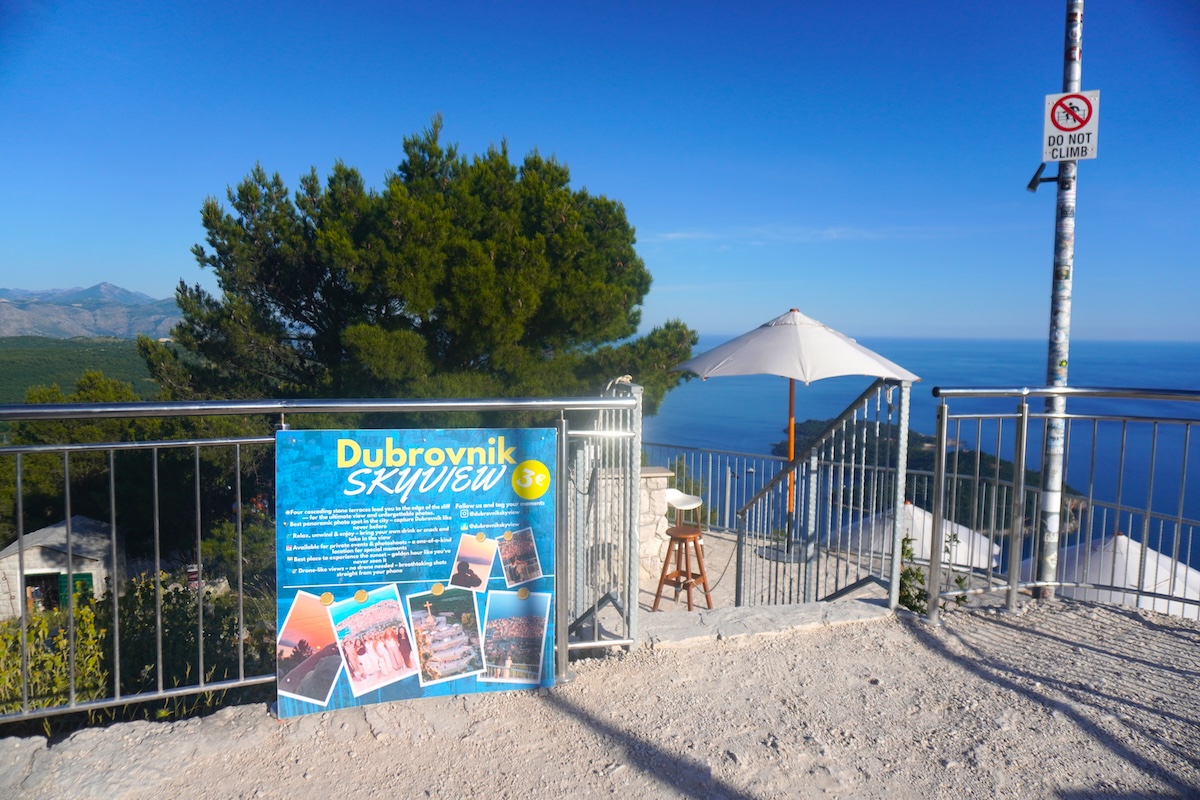
Right next door are some terraces with even better views (without the cable car’s wiring)— Dubrovnik Skyview/Momento Snap —where they charge 3 € per person, and, as we mentioned earlier, if you go up to the museum, you’ll also find a very pleasant panoramic area from the fortress where it’s located. If you want to go to the restaurant, it’s best to make a reservation in advance.
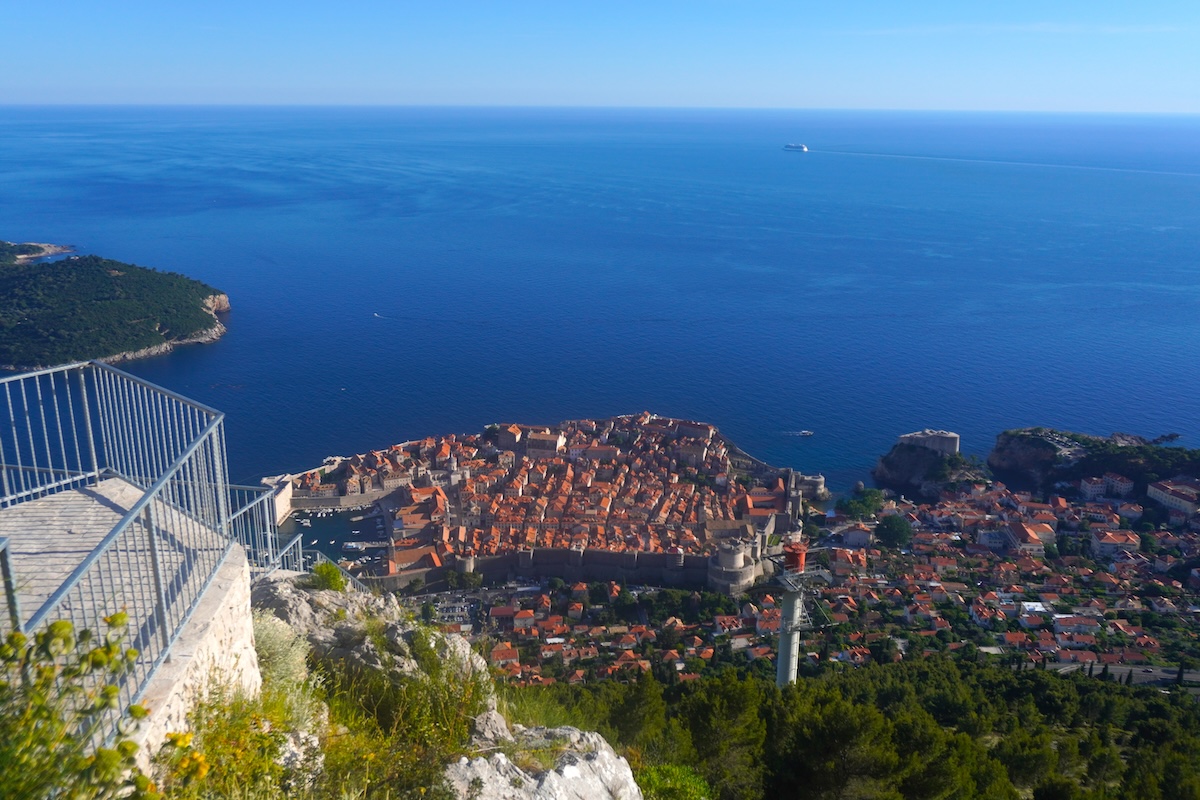
How do you get up Mount Srđ? You have 3 options:
- Cable car: This is the most convenient option and departs from the base of King Petar Krešimir Street. The 778-meter ride offers breathtaking views of the Old Town, and the upper station features two panoramic terraces, binoculars, a bar, a restaurant (Panorama), and a souvenir shop. Cable car hours: 9:00 a.m. to midnight. Round-trip fare: 30 €/adults; 8 €/children under 12. One-way fare: 17 €/adults; 5 €/children under 12. Free admission for children under 4. Not included in the Dubrovnik Pass.
- By Uber/Bolt: The fare depends on the time of day (higher or lower demand) and the season you’re visiting. In our case, at 5:30 p.m. on a May afternoon, we paid 21 € for a one-way ride (uphill) on Bolt, since we took the cable car back down.
- On foot: If you have plenty of time, are up for it, are in good physical shape, and it’s not too hot, we think this is a good option for at least one leg of the trip—for example, taking the cable car up and walking down (or taking an Uber/Bolt up and walking down)—because the trail offers beautiful views, and you’ll get incredible vistas—without the cable car cables, which, to be honest, really do obstruct the view.
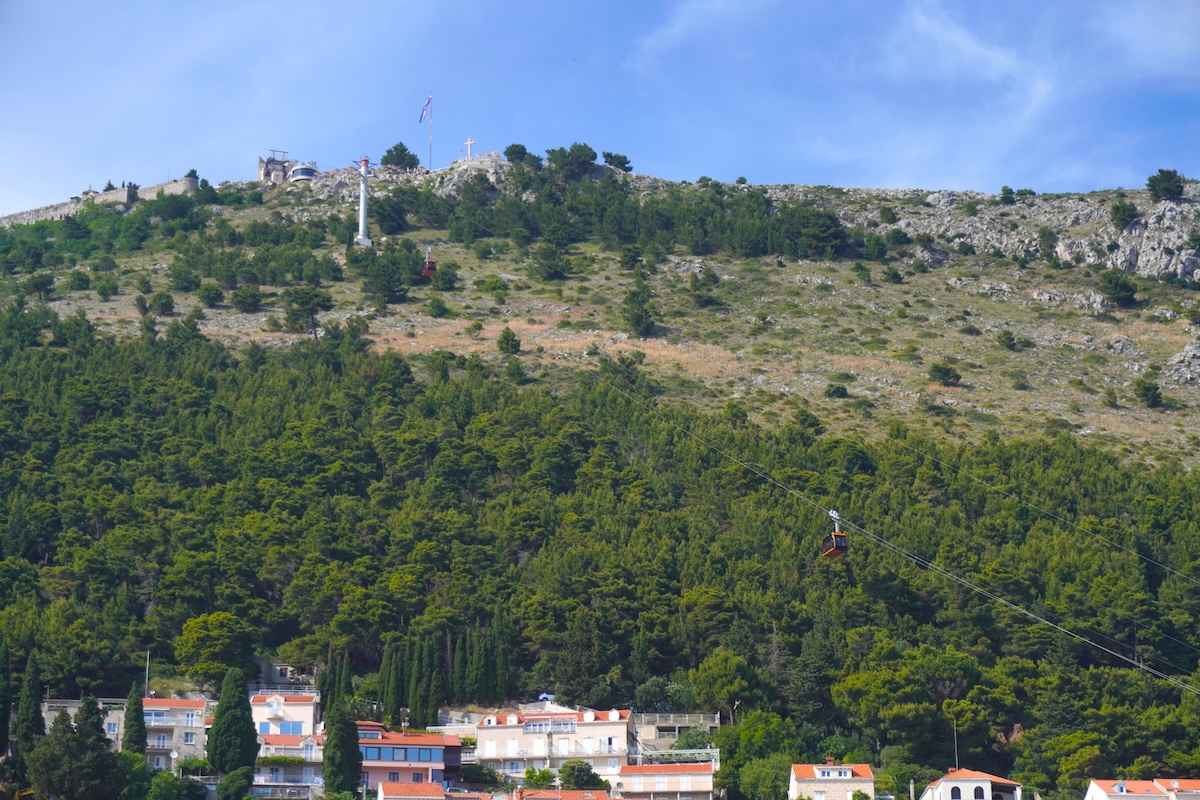
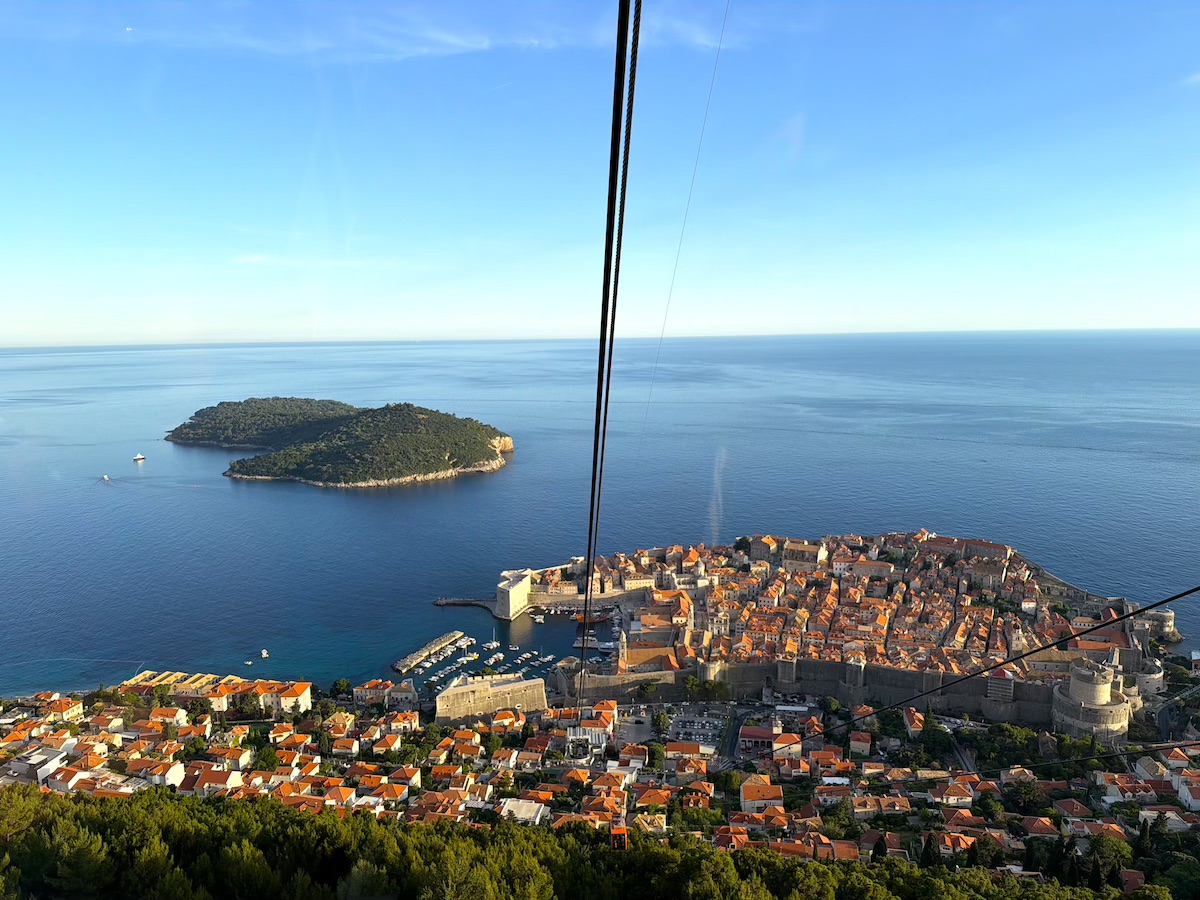
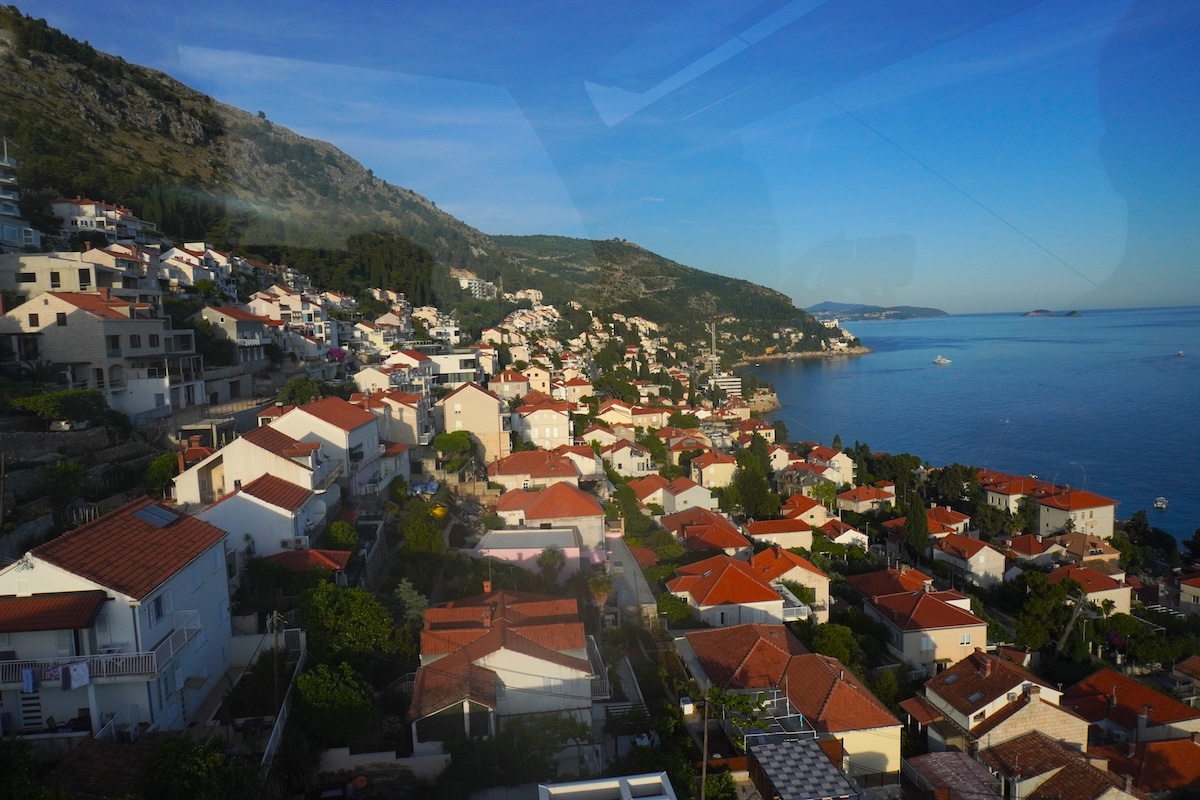
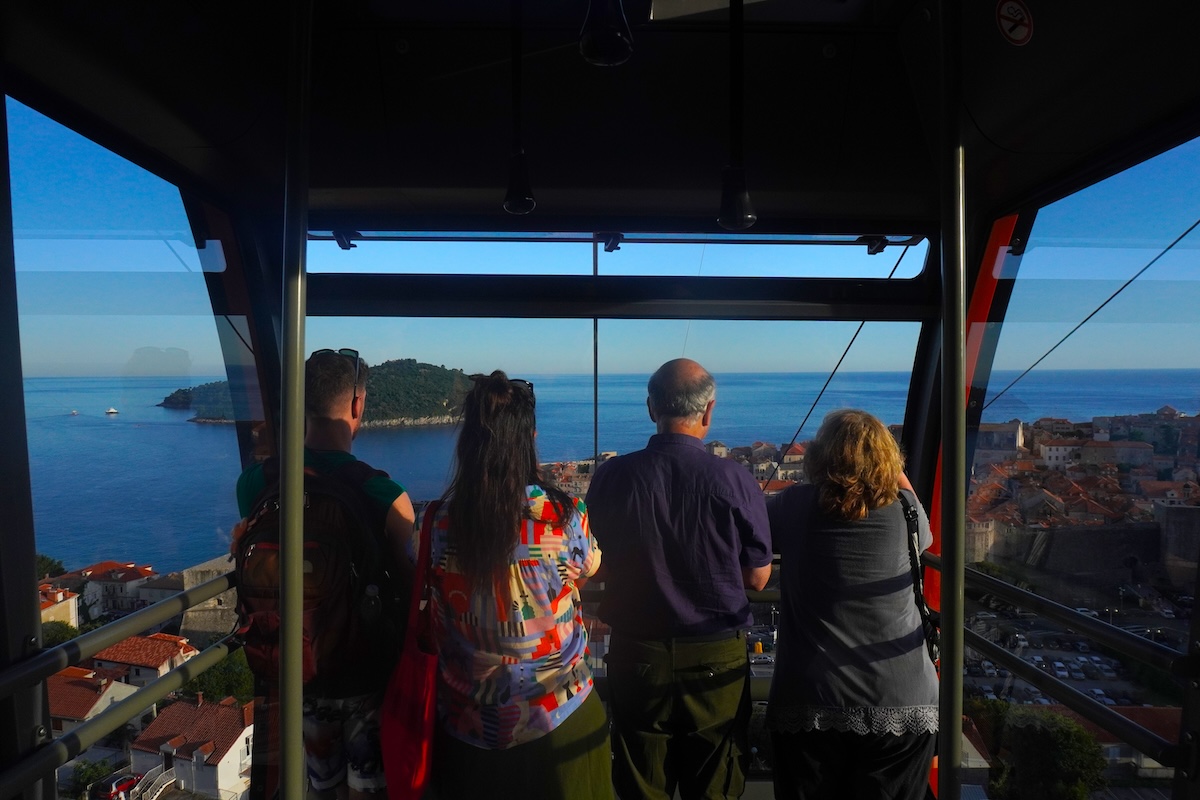
If you walk up (or drive and want to make stops along the way), there are other lookouts in between with incredible views of the historic center, such as these:
- Bosanka Viewpoint: This is a viewpoint located near the village of Bosanka, on the slope of Mount Srđ, offering sweeping views of Dubrovnik’s historic center and the Adriatic Sea.
- Dubrovnik View: This is another scenic spot in the same area of Mount Srđ, designed primarily for admiring the Old Town from above and taking postcard-worthy photos.
- Old Town and Lokrum Viewpoint: Although you have to climb a few flights of stairs, it offers incredible views of the Old Town and the island of Lokrum.
Fortress of St. Lawrence (Lovrijenac tvrđava)
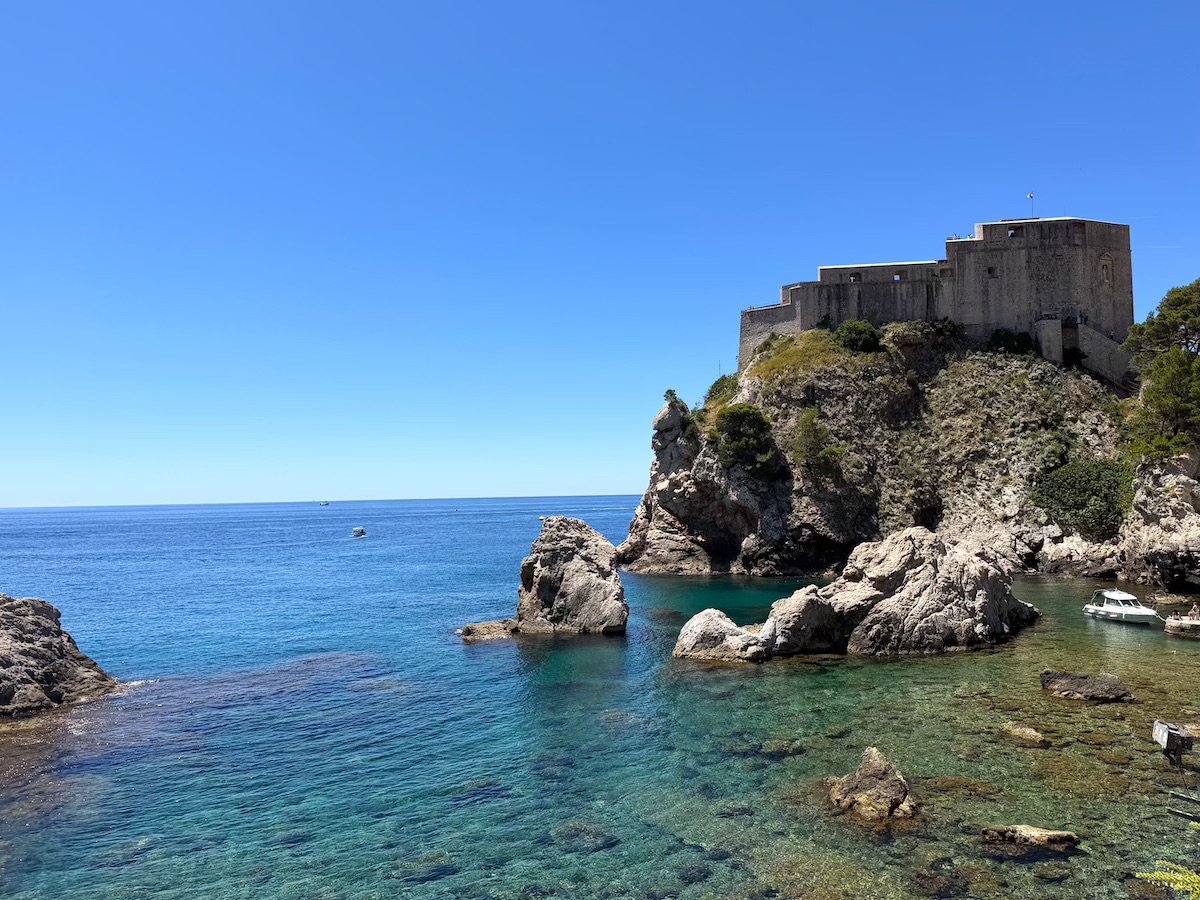
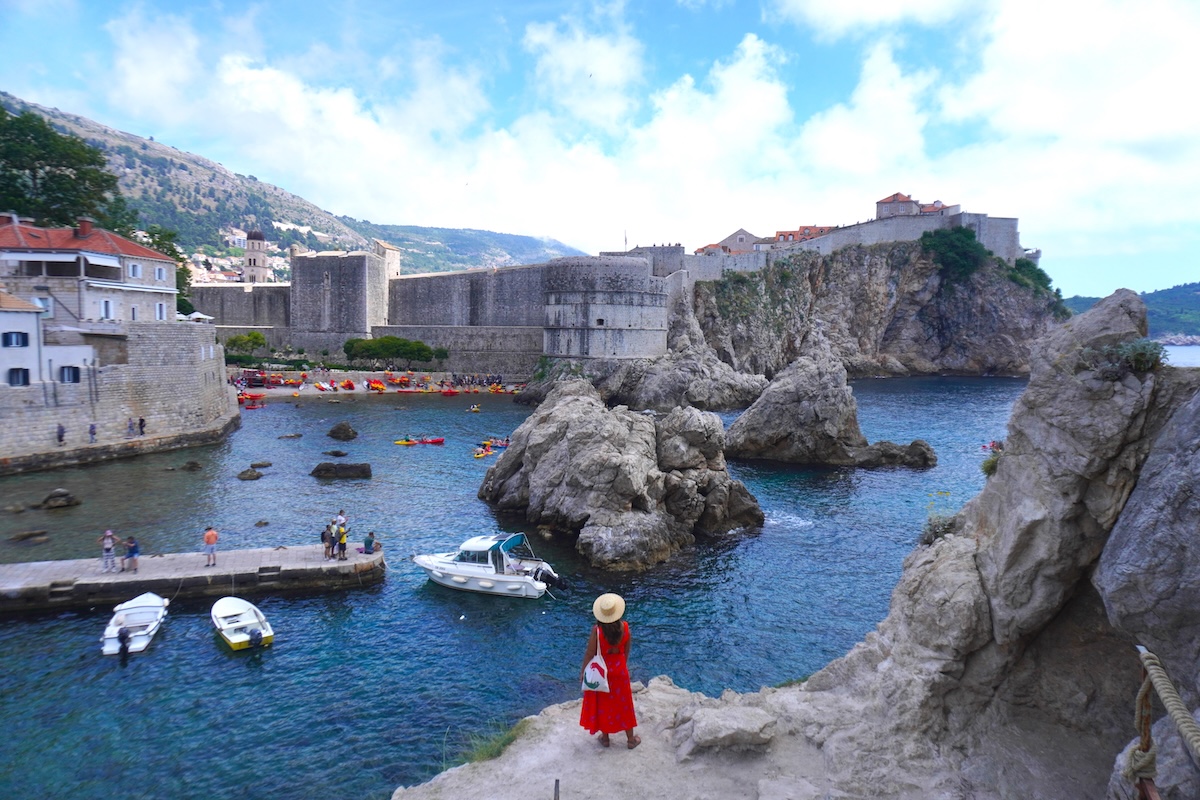
The Fortress of St. Lawrence, or Lovrijenac, is one of those places worth the climb even if it means breaking a sweat. It’s located just outside the city walls, perched on a 37-meter cliff, and from the top you’ll enjoy breathtaking views of Dubrovnik, with the Old Town nestled within the walls and the Adriatic Sea framing the postcard-perfect scene.
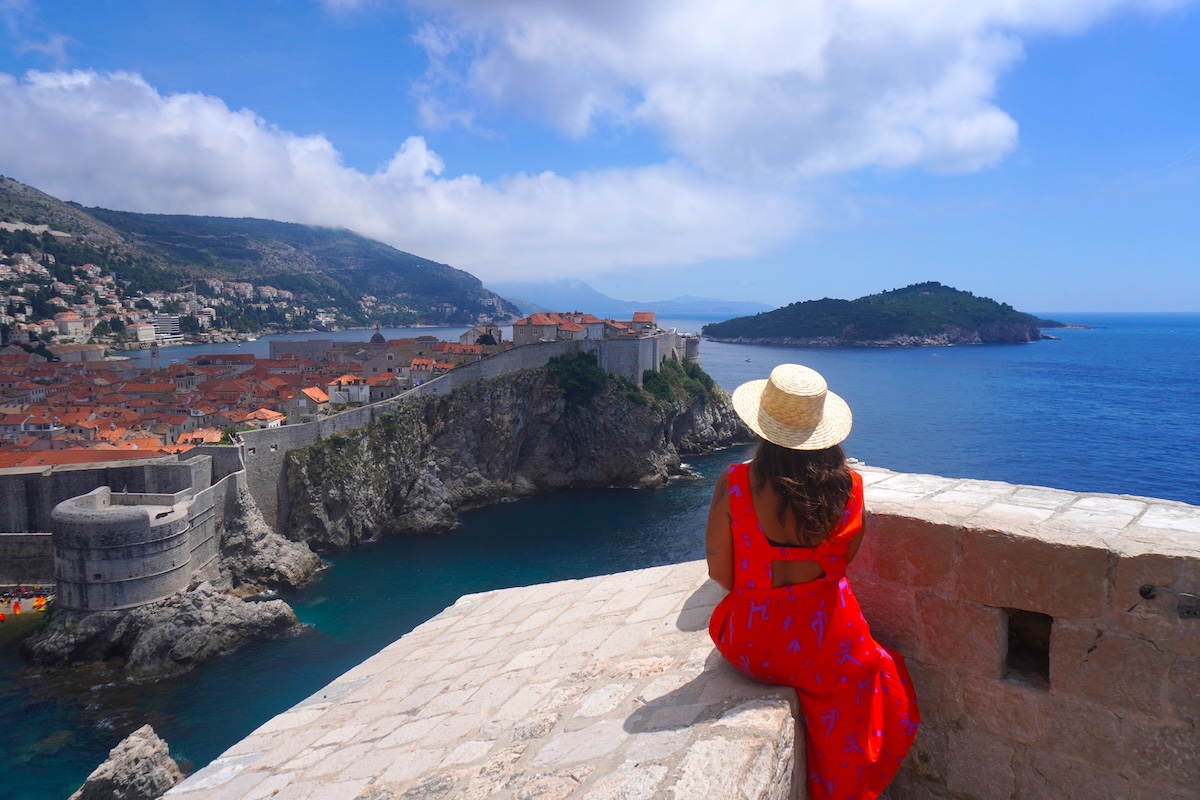
Although its history dates back to the early 11th century, when it was built to protect the city from the Venetian threat—the fortress became a key bastion of Dubrovnik’s resistance against Venice —the earliest surviving documented mention of it is from 1301. The fortress was reinforced over time, suffered significant damage in the 1667 earthquake, and later became an integral part of the city’s military and cultural history.
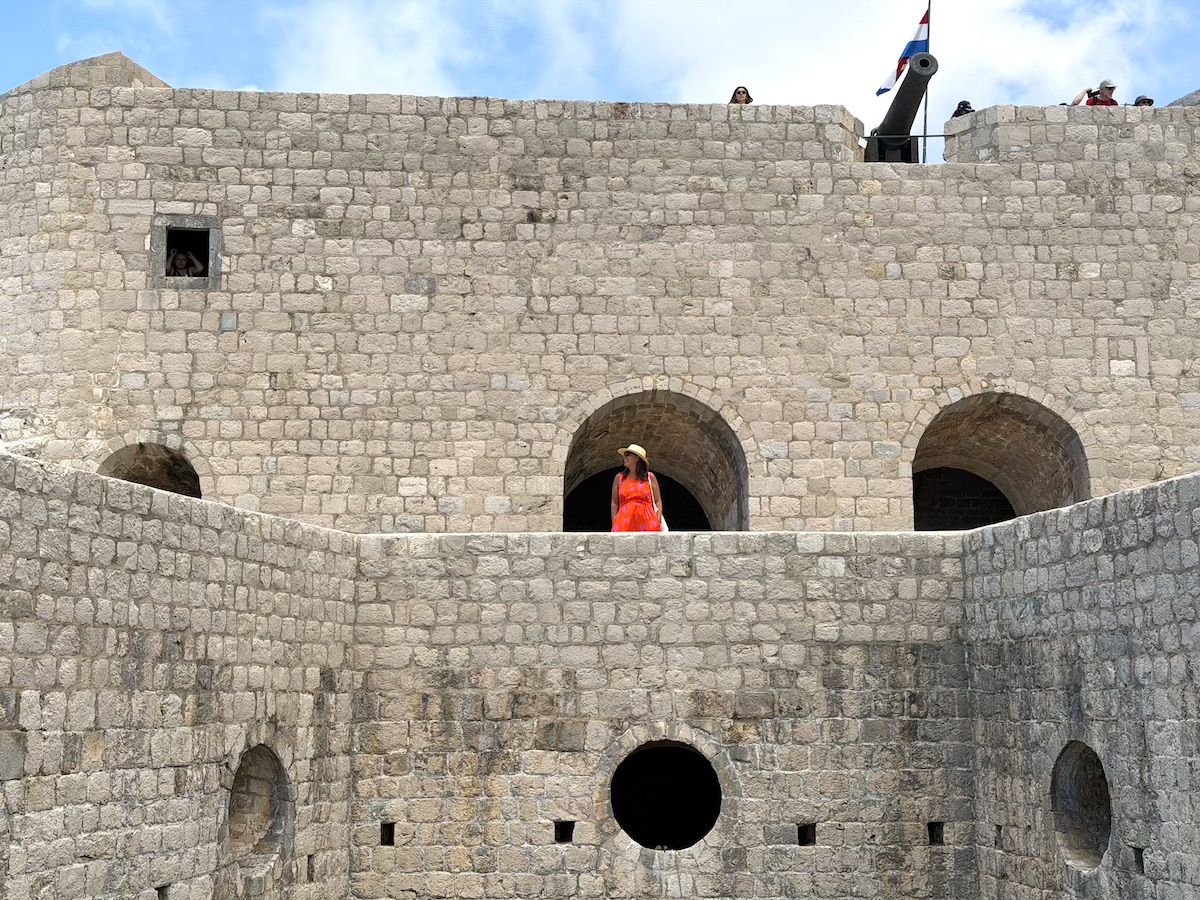
At the entrance, the Latin phrase “Non bene pro toto libertas venditur auro” is inscribed, serving as a reminder that freedom cannot be bought with all the gold in the world.
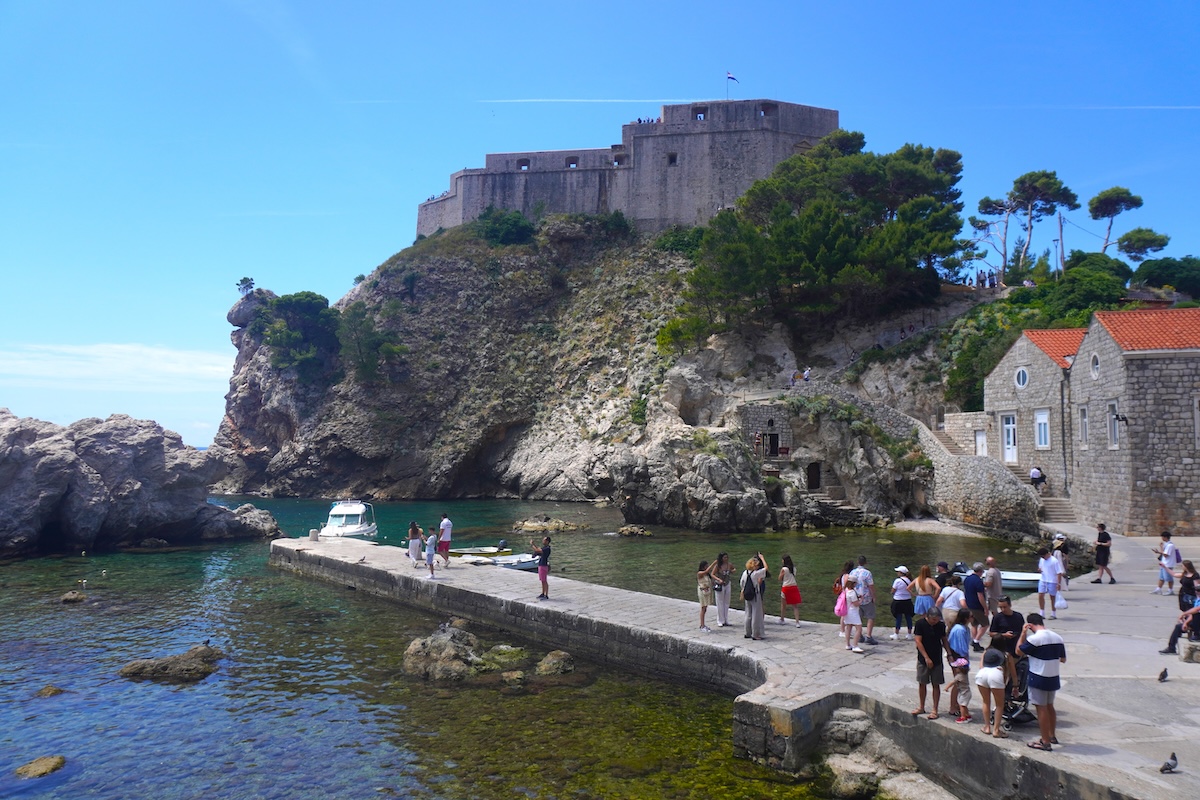
Today, in addition to boasting what is, in our opinion, one of the city’s most beautiful panoramic views, the fortress also has a vibrant cultural life: events from the Dubrovnik Summer Festival are held here, and it’s one of the most famous settings for Hamlet.
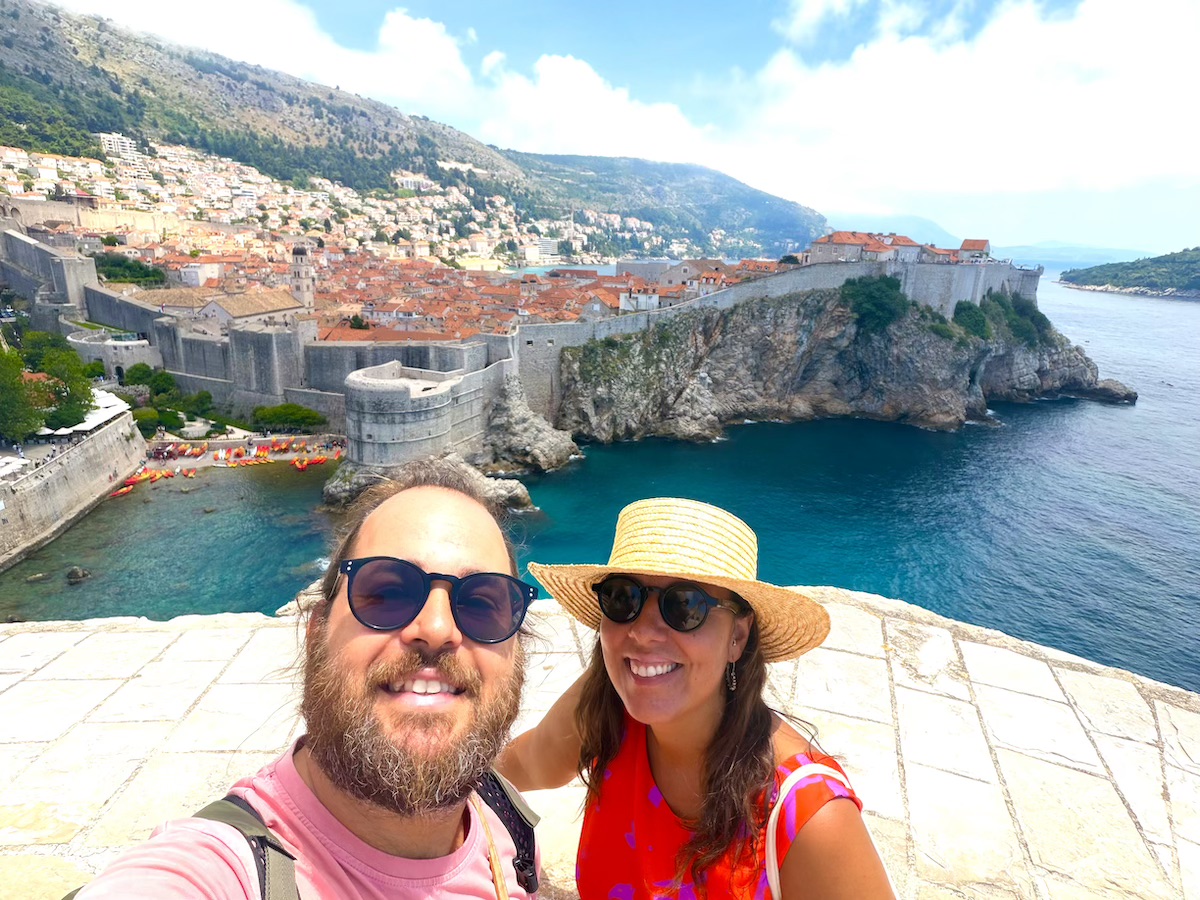
To enter the fortress, you have to climb about 200 steps, and at Randomtrip we recommend doing so when the sun is already high in the sky or in the afternoon, when the light is more favorable and the views—especially of the walls surrounding the Old Town with their red rooftops—and the Adriatic Sea look their best. If you’ve purchased the Dubrovnik Pass, go right in without a second thought: the views alone make it worth it. Plus, it’s a visit that complements the city walls perfectly and shows you Dubrovnik from a different angle.
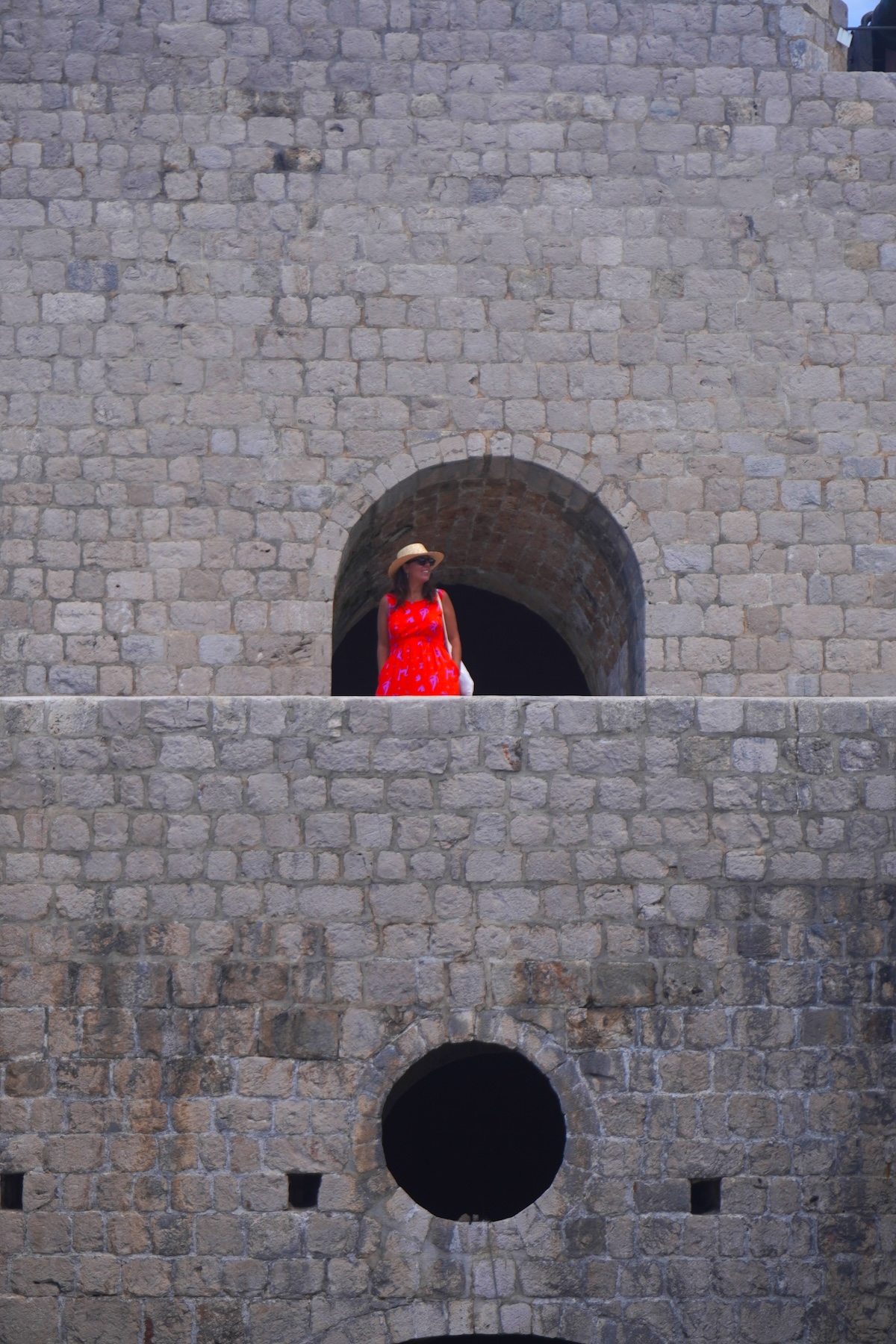
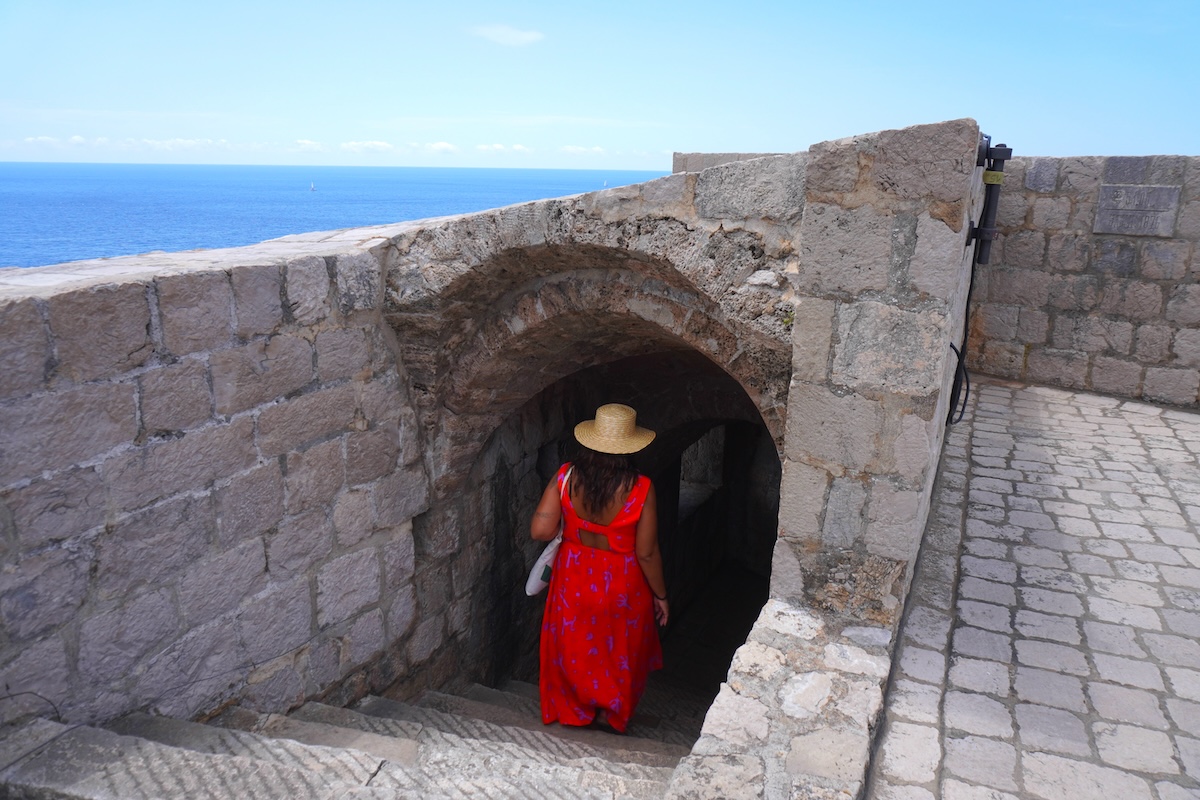
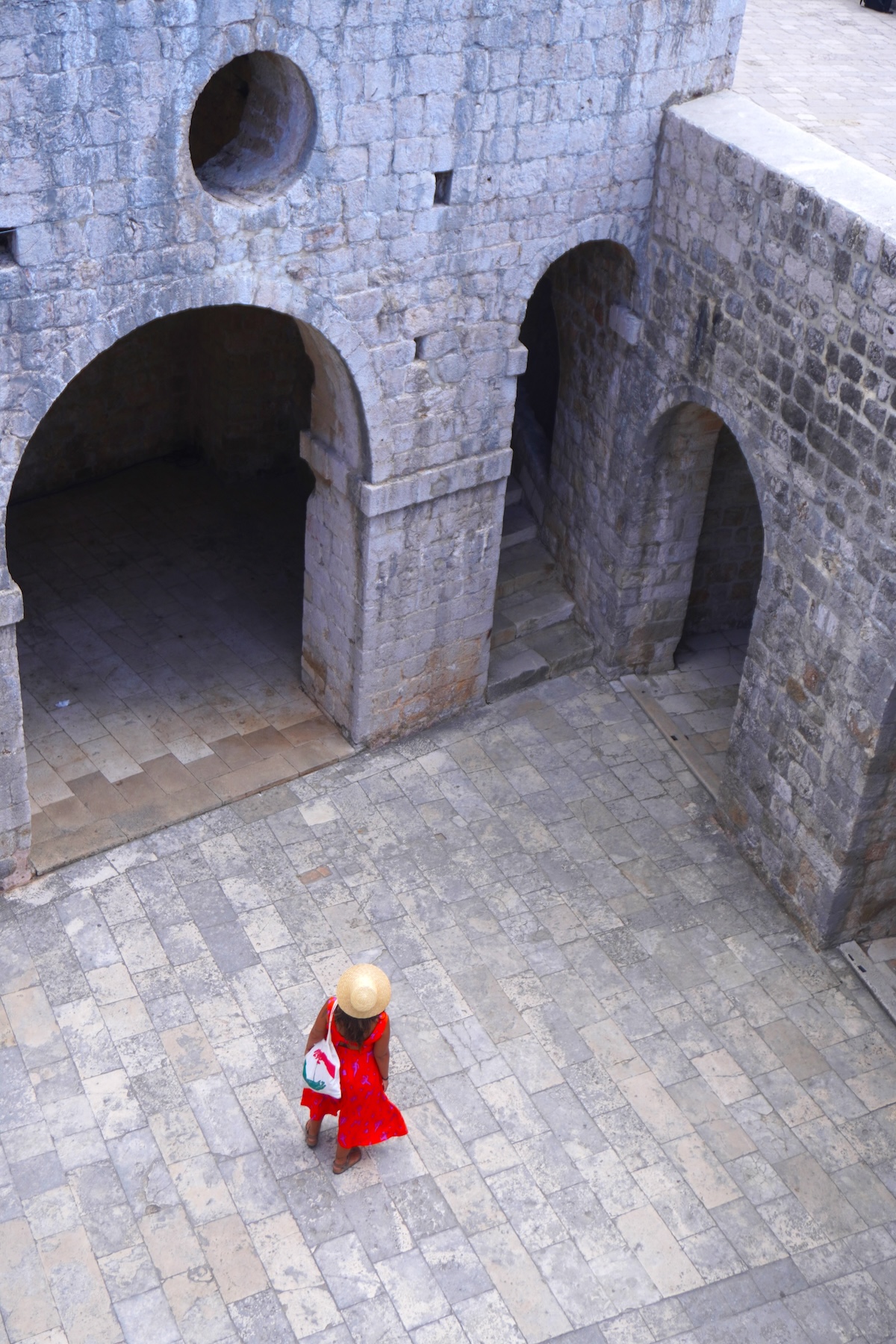
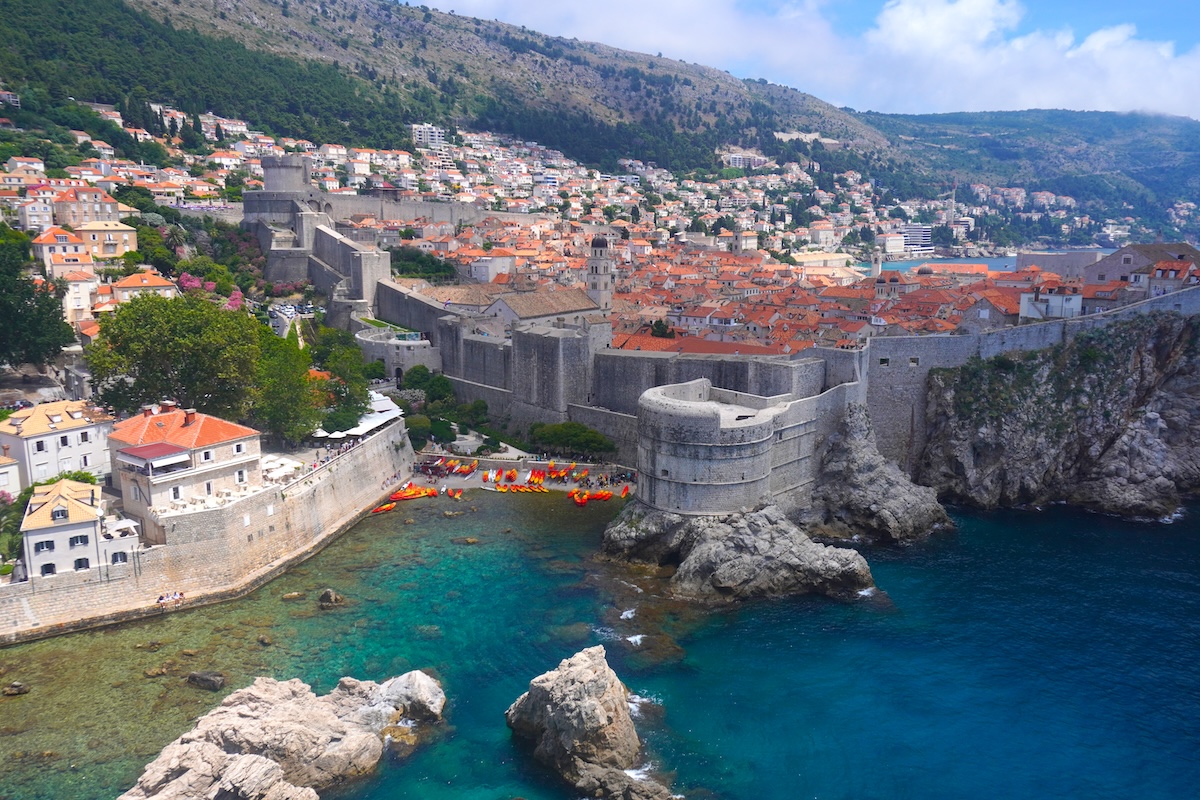
Fortress hours: 8:00 a.m. to 7:30 p.m. Price: 15 € per person. Admission included with the Dubrovnik Pass.
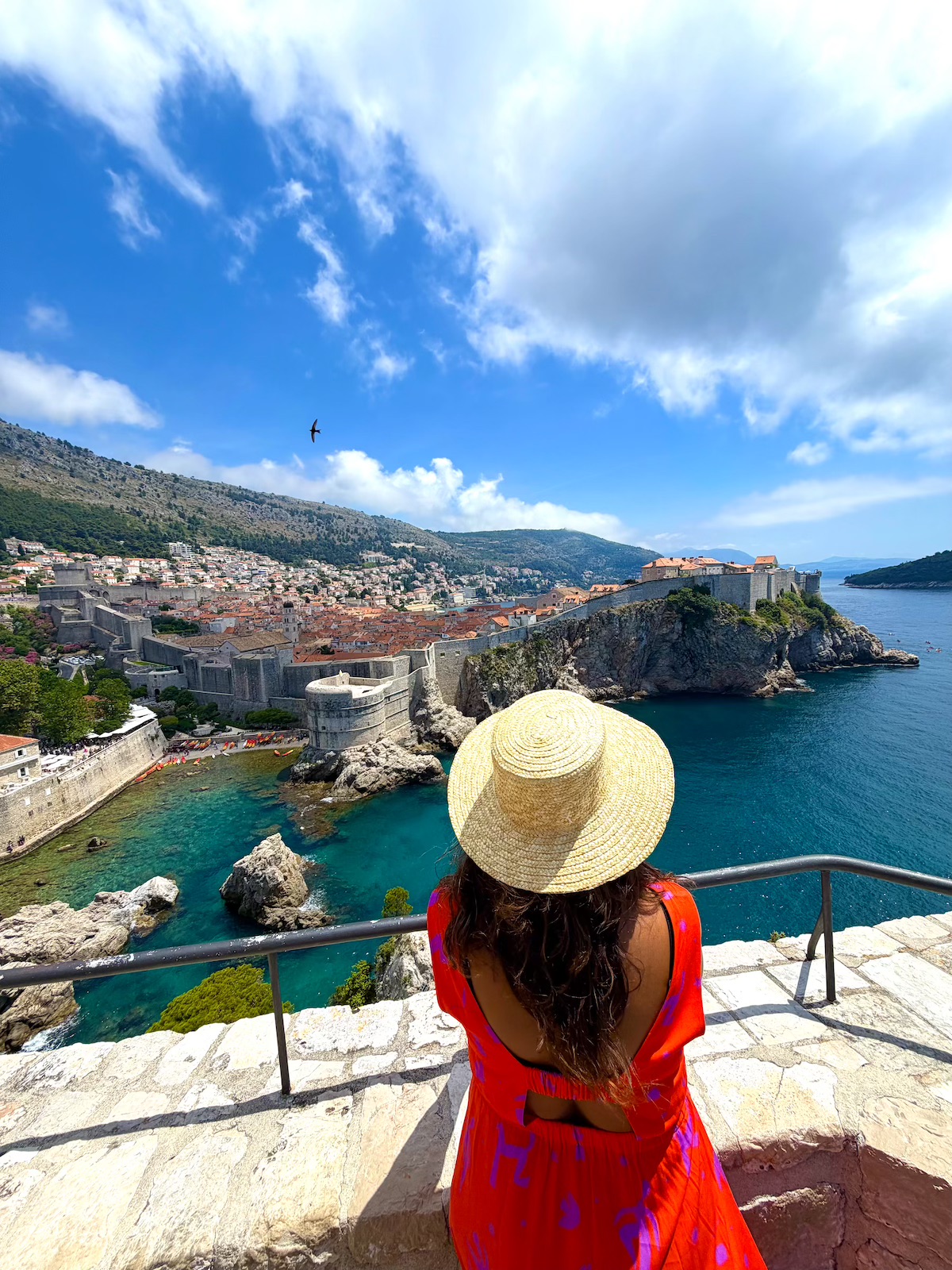
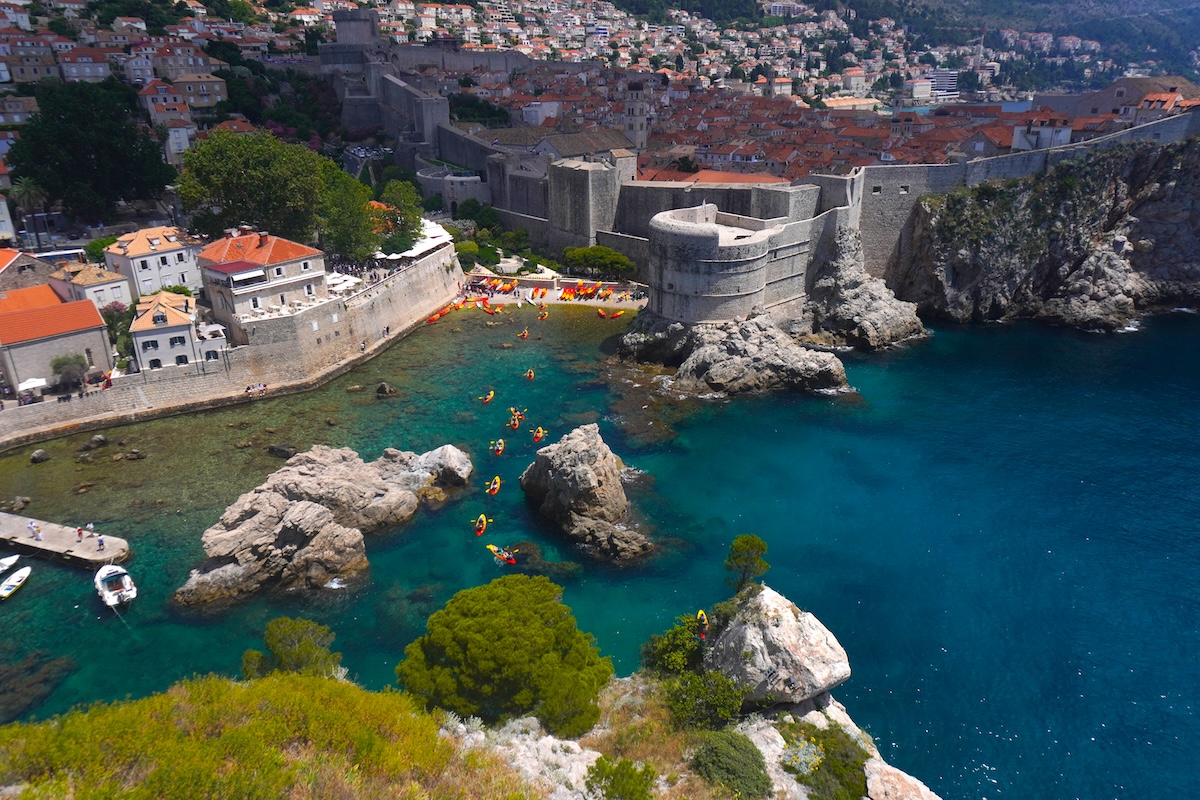
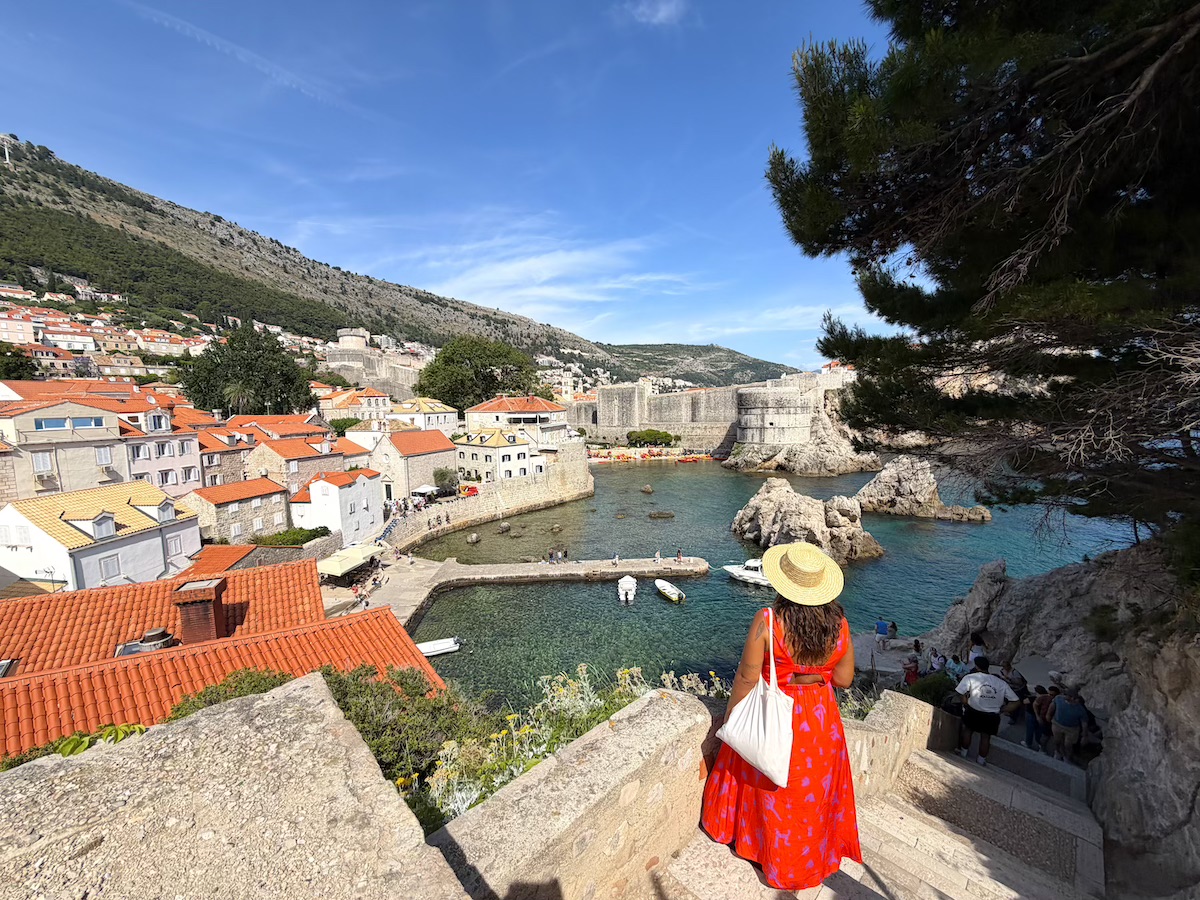
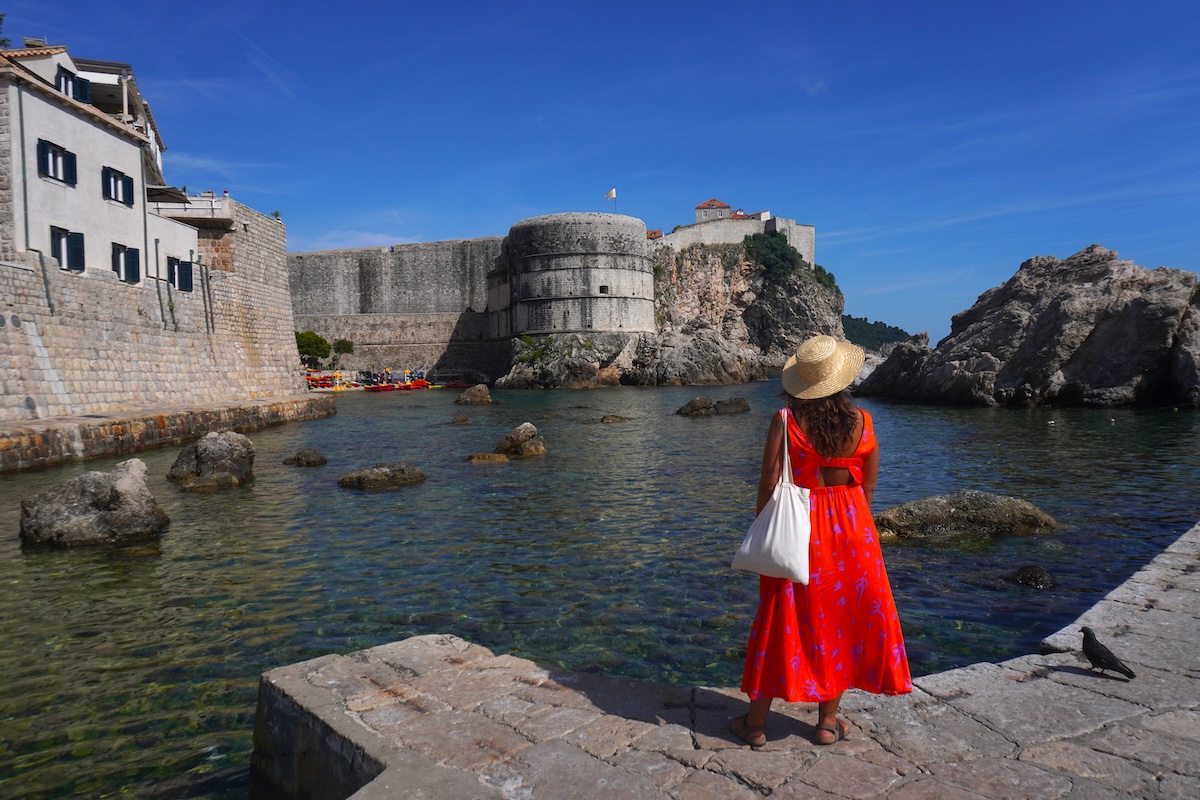
On your way to the fortress, you can stop at a few free viewpoints that we also really liked:
- Viewpoint (views of the fortress and the city walls): An ideal spot to stop for a moment before reaching the fortress, with views of Lovrijenac and the city walls.
- Dubrovnik Walls Beach View: A viewpoint overlooking the city walls and the coastline, ideal if you’re walking up the hill because of the perspective it offers
- Viewpoint Dubrovnik: For those who don’t want to pay the entrance fee, the view of Dubrovnik from here is also well worth it.
Love Stories Museum
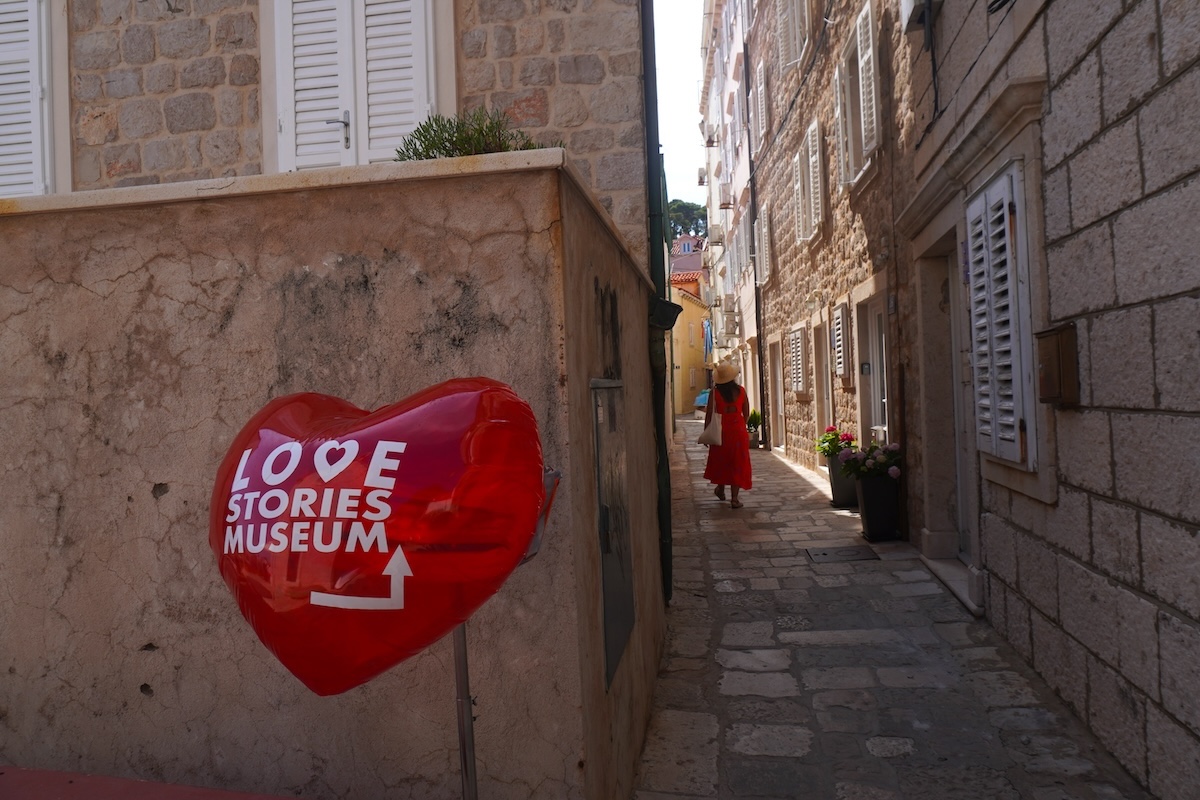
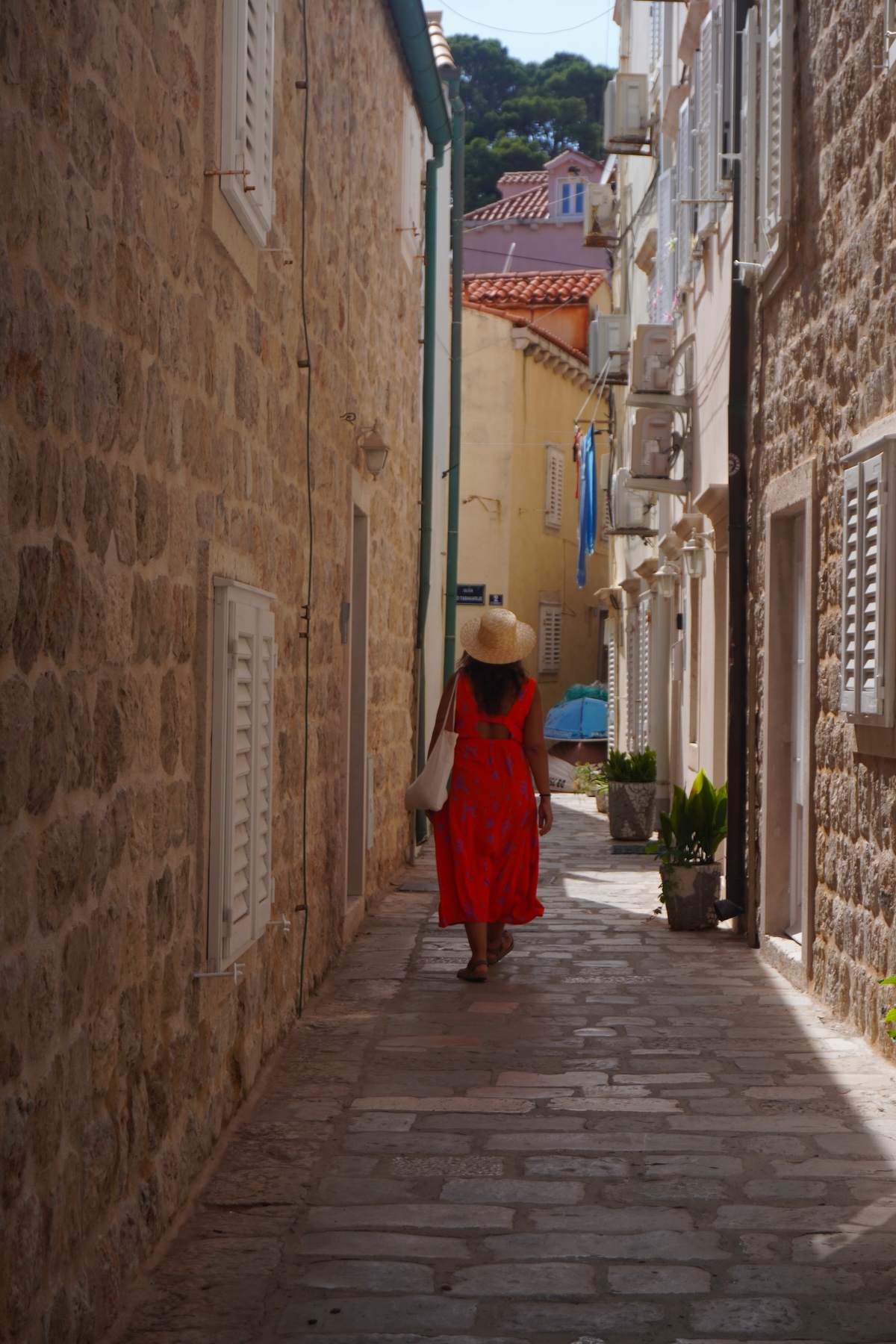
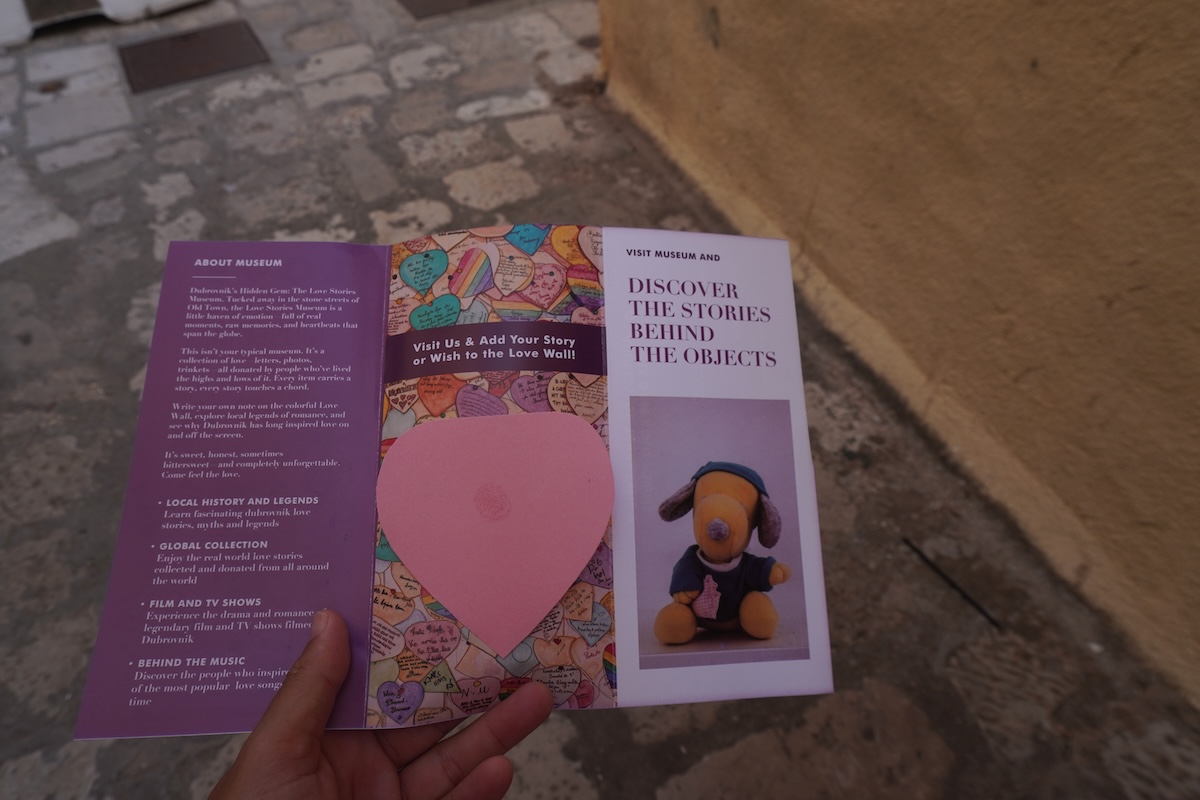
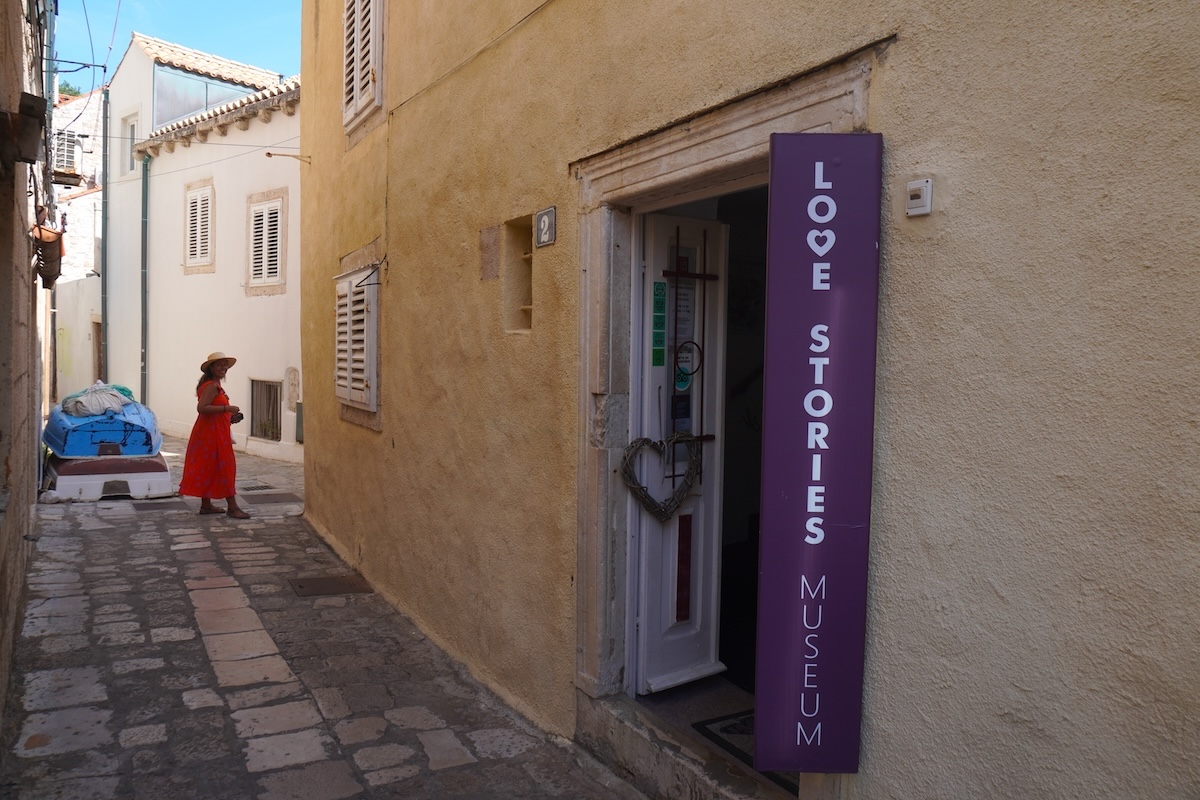
The Love Stories Museum is located right below Lovrijenac and is a small private museum designed as a journey through real stories, legends, mementos, photos, and small objects donated by people from all over the world.
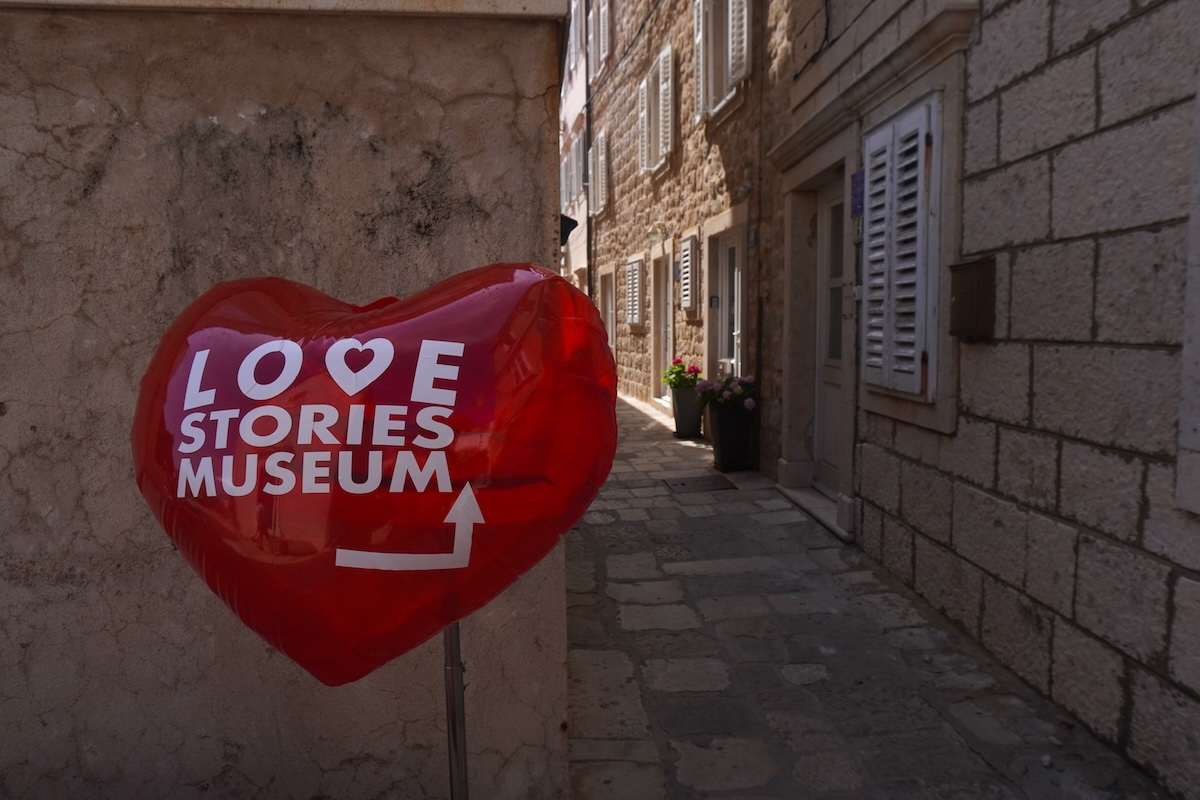
It occupies several floors of a narrow house and isn’t your typical museum with display cases and historical artifacts; rather, it’s a romantic haven filled with letters, mementos, and anecdotes that tell of happy loves, complicated romances, and everything in between. It’s a lovely concept: each object tells a story, and the collection as a whole becomes a blend of the local and the universal, as it brings together Dubrovnik’s love legends with mementos sent from different corners of the world.
There’s also room for some fun: you can leave your own message on the Love Wall, discover stories linked to photos of famous couples who’ve visited the city, film and TV shoots in Dubrovnik, and learn about famous songs inspired by real people. It’s a museum that isn’t for everyone, but if it catches your eye and fits into your day, why not? We at Randomtrip didn’t go, but if you’re in the mood for a different kind of visit after Lovrijenac and decide to check it out, will you tell us about your experience in the comments?
Hours: 10:00 a.m. to 9:00 p.m. during high season; 10:00 a.m. to 6:00 p.m. during low season.
Price: 9 € for adults; 6.30 € for teens; free for children 10 and under when accompanied by an adult.
With the Dubrovnik Pass, you get a 20% discount (7.20 €)
Gradac Park
Gradac Park is one of Dubrovnik’s best-known parks, a small green oasis just above the historic center and very close to Lovrijenac and the Pile area. It opened in 1898 and has since been used as a place to stroll, relax, and enjoy views of the city, the sea, and the fortress from a different perspective.
It’s a very pleasant spot to take a break if you’re exploring this part of Dubrovnik, as it offers shade, great views, and a peaceful atmosphere. The park also gained some fame for appearing in Game of Thrones: the Purple Wedding from Season 4 was filmed here, where King Joffrey Baratheon is poisoned during his own wedding banquet with Margaery Tyrell.
If you’re a Game of Thrones fan, you can take a guided tour that takes you to the Dubrovnik locations featured in the series. Book it here with free cancellation
Keep in mind that when we visited, it was closed for renovations, so it’s a good idea to check if it’s open before you go.
Lazareti (or Lazarettos)
The Lazareti, or Lazarettos, are one of the most interesting places in this part of Dubrovnik for understanding how seriously the city took public health centuries ago. This stone complex, just east of the historic center and next to the entrance to Ploče, was built in the 17th century as a quarantine center ( an isolation hospital for outbreaks of the plague and cholera) for merchants, sailors, and travelers arriving from areas considered high-risk.
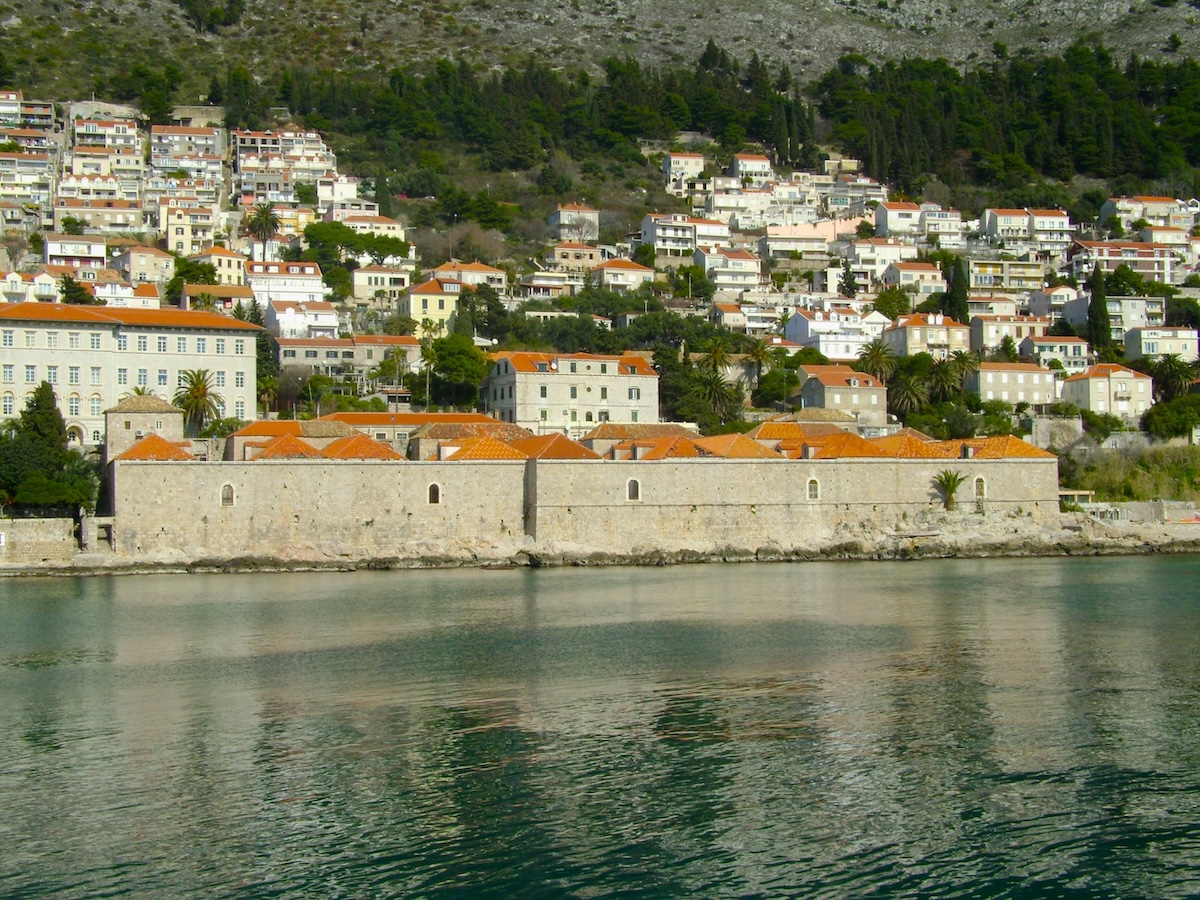
The idea wasn’t exactly kind, but it was very advanced for its time: Dubrovnik had already passed one of the world’s first quarantine regulations in 1377, and the Lazareti eventually functioned as the Republic’s main health station, where arrivals were required to undergo a mandatory 40-day isolation period (quarantine) before entering the city.
Completed in 1647, the complex is also quite large: it is a long, narrow building consisting of ten naves (parallel, narrow halls, similar to those in a church) separated by five courtyards, all surrounded by high walls—which explains quite well that it was designed for control.
Its location is significant: it stands opposite the city’s main entrance (on the road leading from nearby Trebinje, through which, at that time, all caravans from the Ottoman territories entered the city), and right next to Ploce, the gateway to the Old Town.
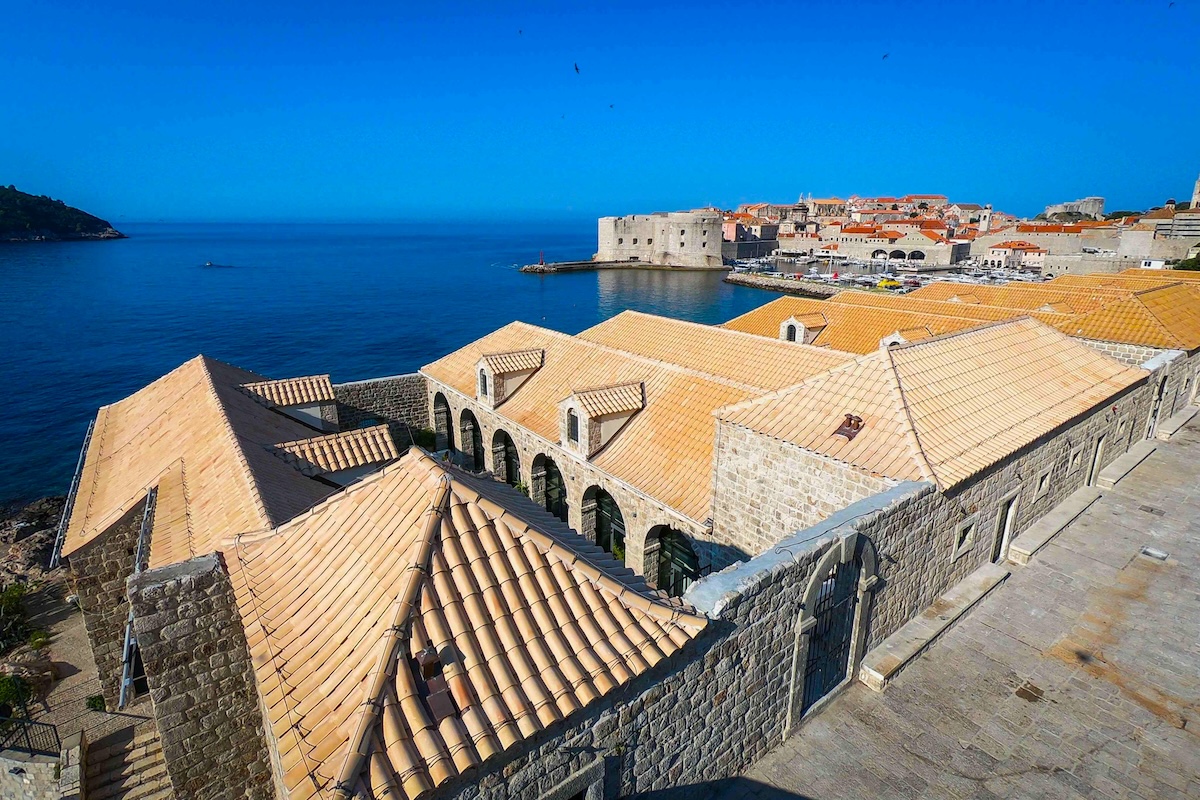
After a lengthy restoration, it reopened in 2019 as a cultural center, featuring workshops, exhibitions, and contemporary art programs. You can check the cultural center’s Instagram page to see what events are happening when you visit. It also hosts Club Lazareti at night—probably one of the most unique nightclubs in Dubrovnik—where the stone rooms that once served as quarantine facilities have been transformed into a rather underground venue, featuring electronic DJs, concerts, theater, dance, and an international multimedia festival that really brings the place to life. If you’re interested in seeing which DJs or events will be at the club during your stay in the city, they post the schedule on this website.
MOMAD – Dubrovnik Museum of Modern Art (Umjetnička galerija Dubrovnik)
At Randomtrip, we always try to visit the modern and/or contemporary art museum in every city we visit (when there is one), because we love discovering local (and non-local) artists on every trip, and Dubrovnik was no exception. MOMAD—the Dubrovnik Museum of Modern Art— is also included in the Dubrovnik Pass, so if you have the pass and enjoy the insights and lessons that exhibitions at these museums often provide, don’t think twice about visiting.
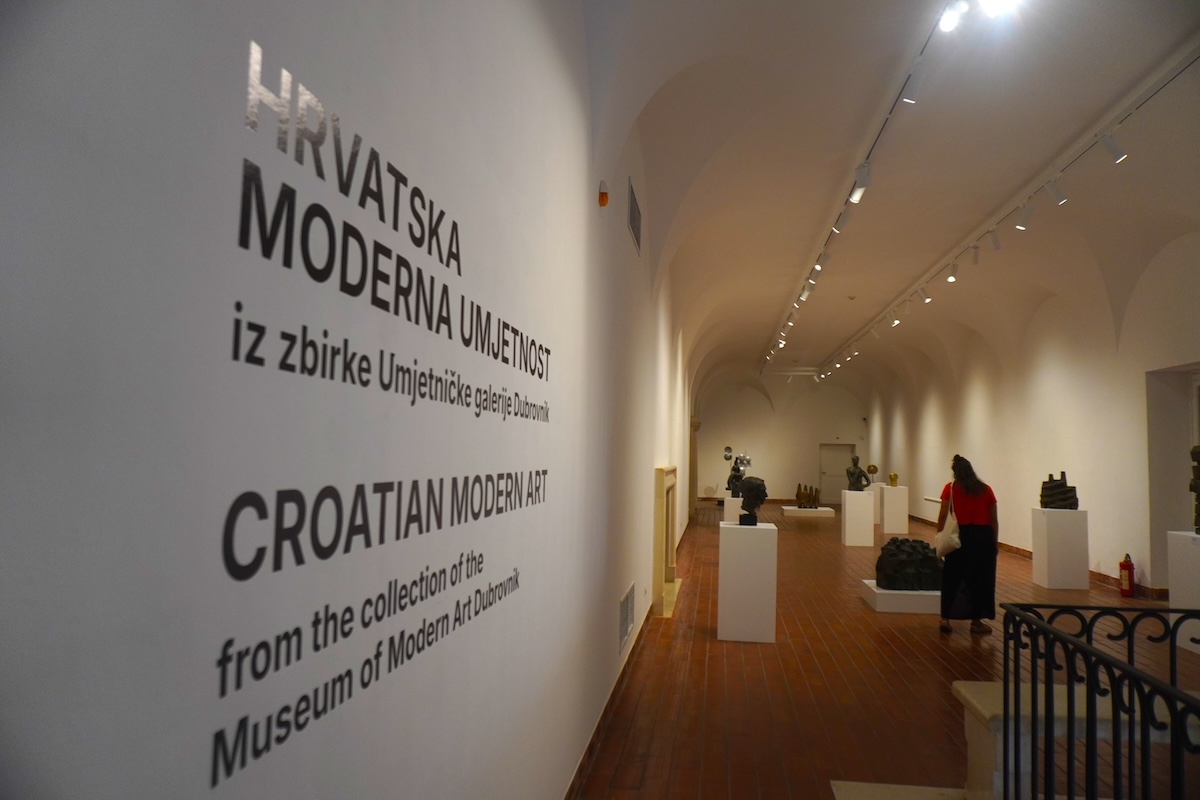
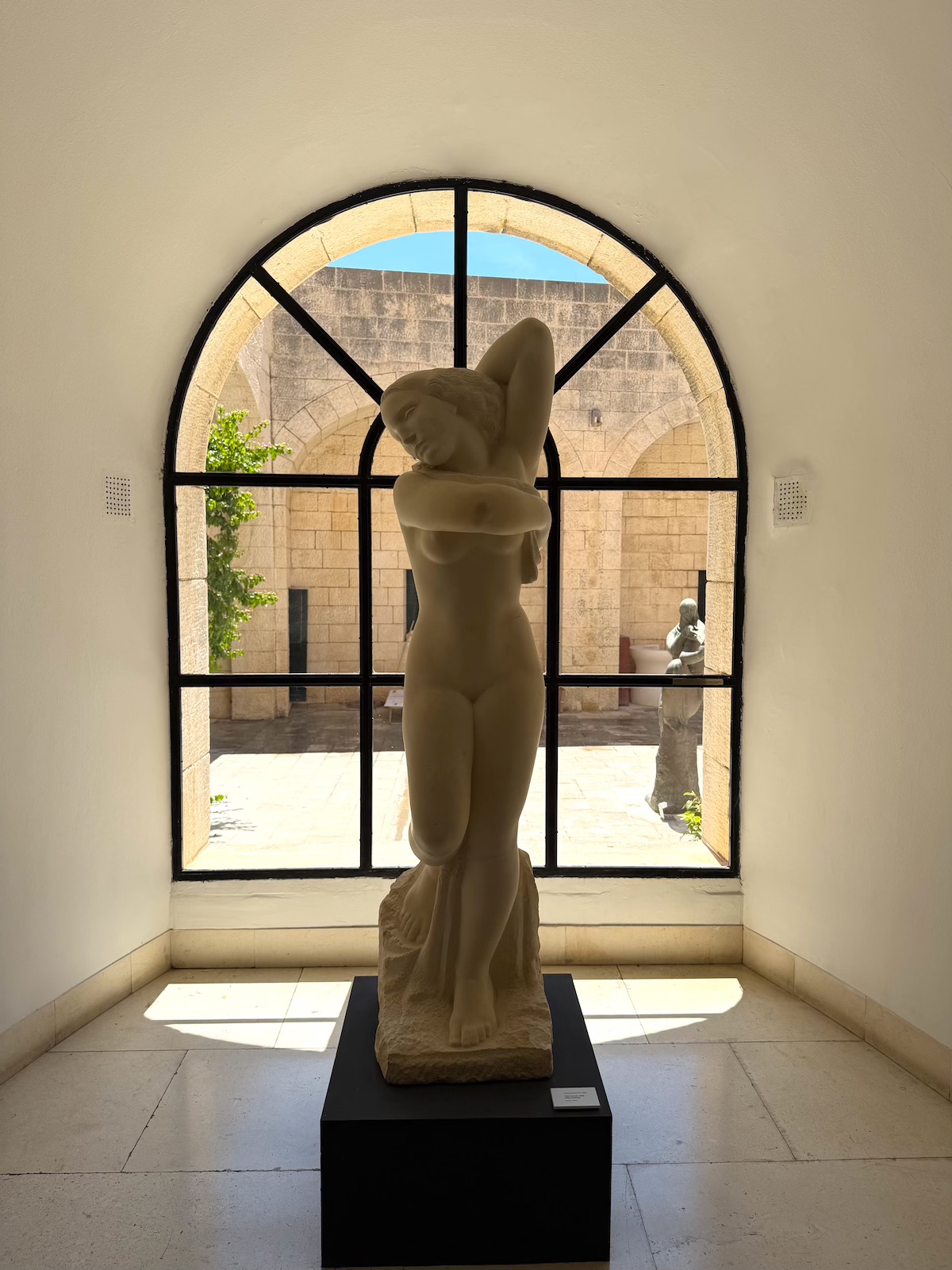
The museum is housed in a 1930s mansion in Ploče, just outside the Old Town, and features a rather interesting collection of modern Croatian painting and sculpture, with over 2,870 works and a history dating back to 1945. In addition to its exhibition program, it also organizes workshops, lectures, and other activities, and manages other art-related spaces in the historic center, such as the Dulčić Masle Pulitika Gallery and the Atelier Pulitika, which we visited on the city walls. It has three floors, though when we visited, the second floor was closed for preparations for a temporary exhibition, and in general the galleries are small, so the visit goes by relatively quickly.
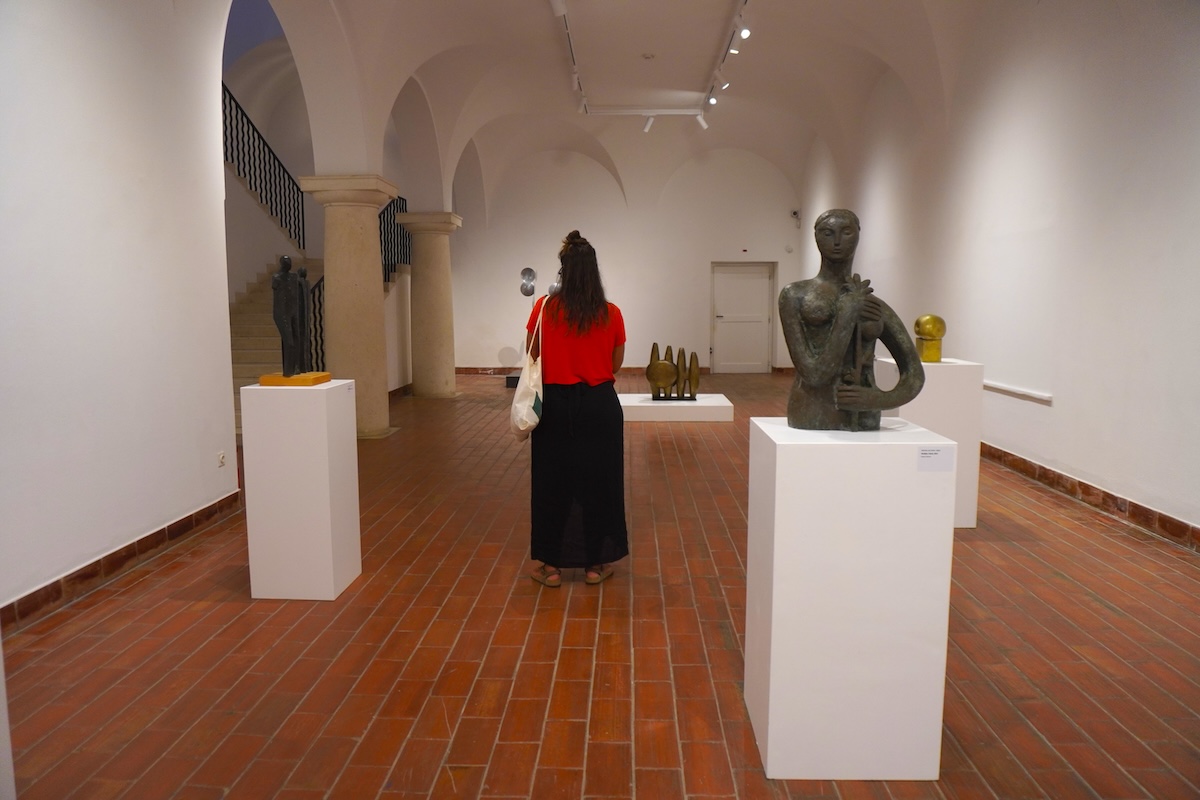
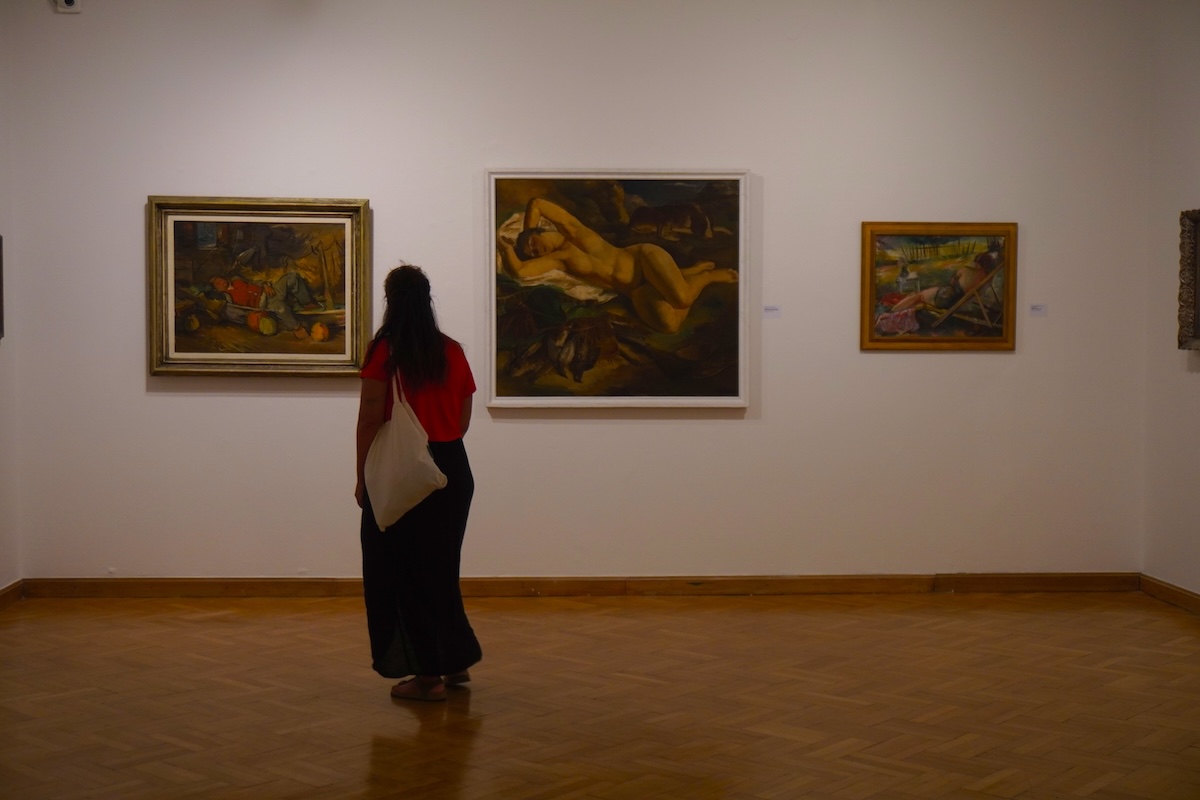
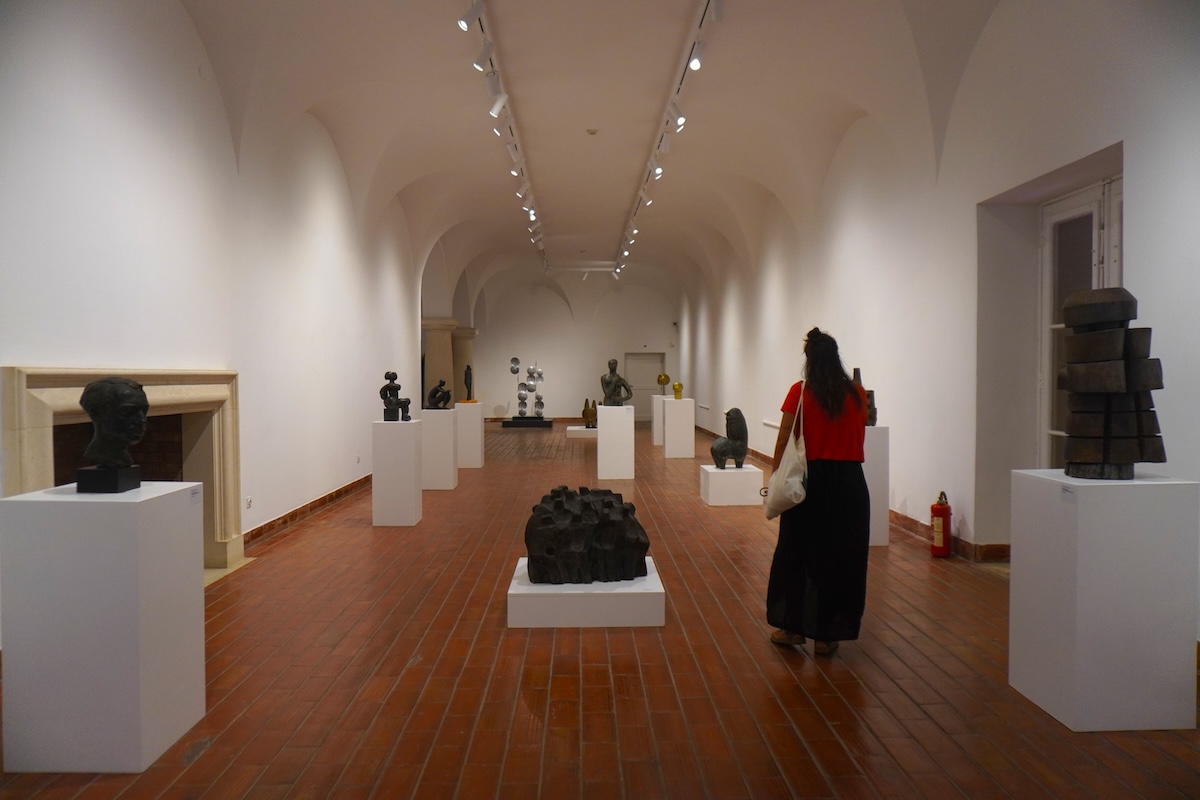
If you like art, it’s worth stopping by for a while because it’s a great way to get a glimpse of the Croatian art scene without leaving the center of Dubrovnik.
Hours: 9:00 a.m. to 8:00 p.m. If possible, check the hours in advance before you go, since weddings are held at the mansion where the museum is located; for example, on the day we visited, it closed at 2:00 p.m. for that reason. Price: 10 € for adults; 7 € for students. Admission is included in the Dubrovnik Pass.
Red History Museum
The Red History Museum is one of those museums we recommend including in your itinerary if you want to understand a destination like Dubrovnik (and, in this case, Croatia in general) on a deeper level than just its beauty. Here, you’ll dive deep into Croatia’s history within socialist Yugoslavia, from 1945 to 1991, through original artifacts, personal accounts, recreated scenes, and a highly immersive exhibition that brings to life what daily life was like during that era.
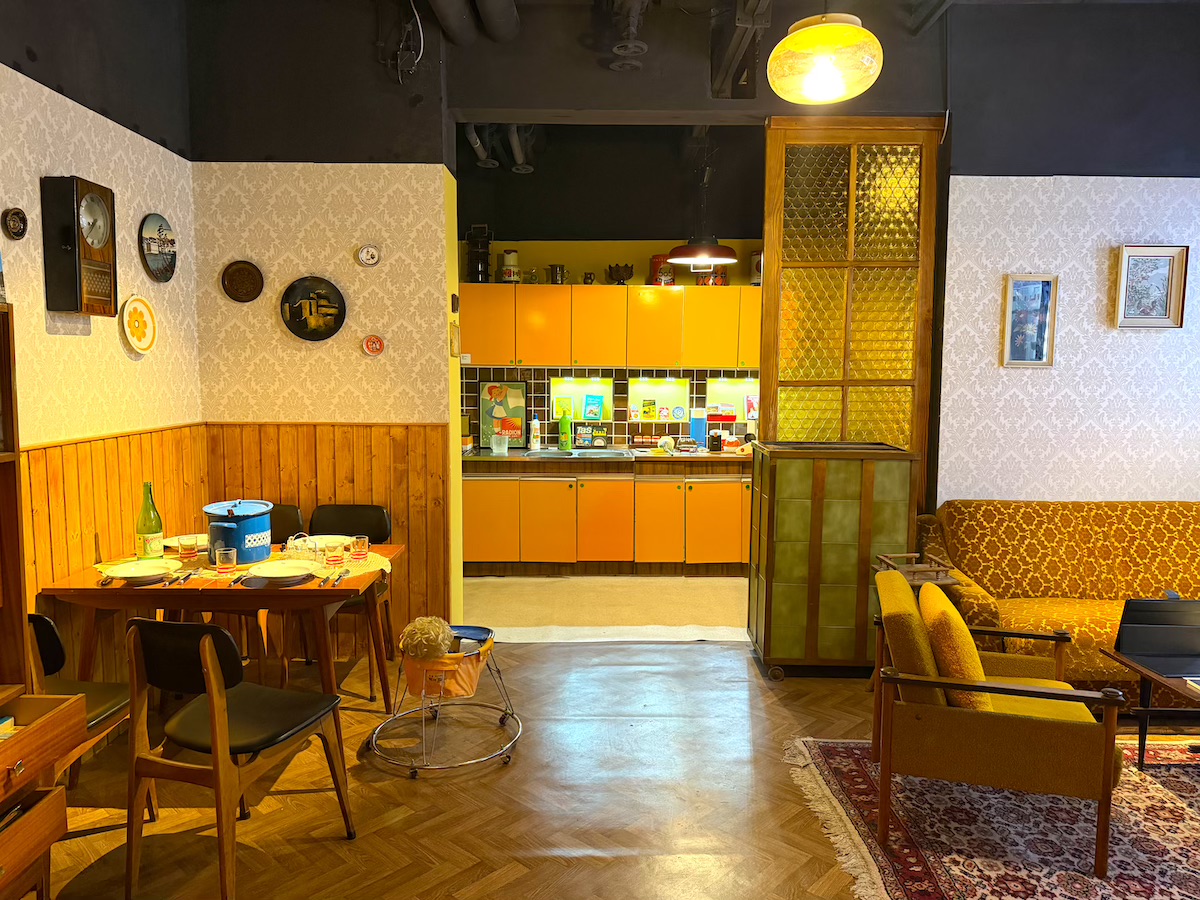

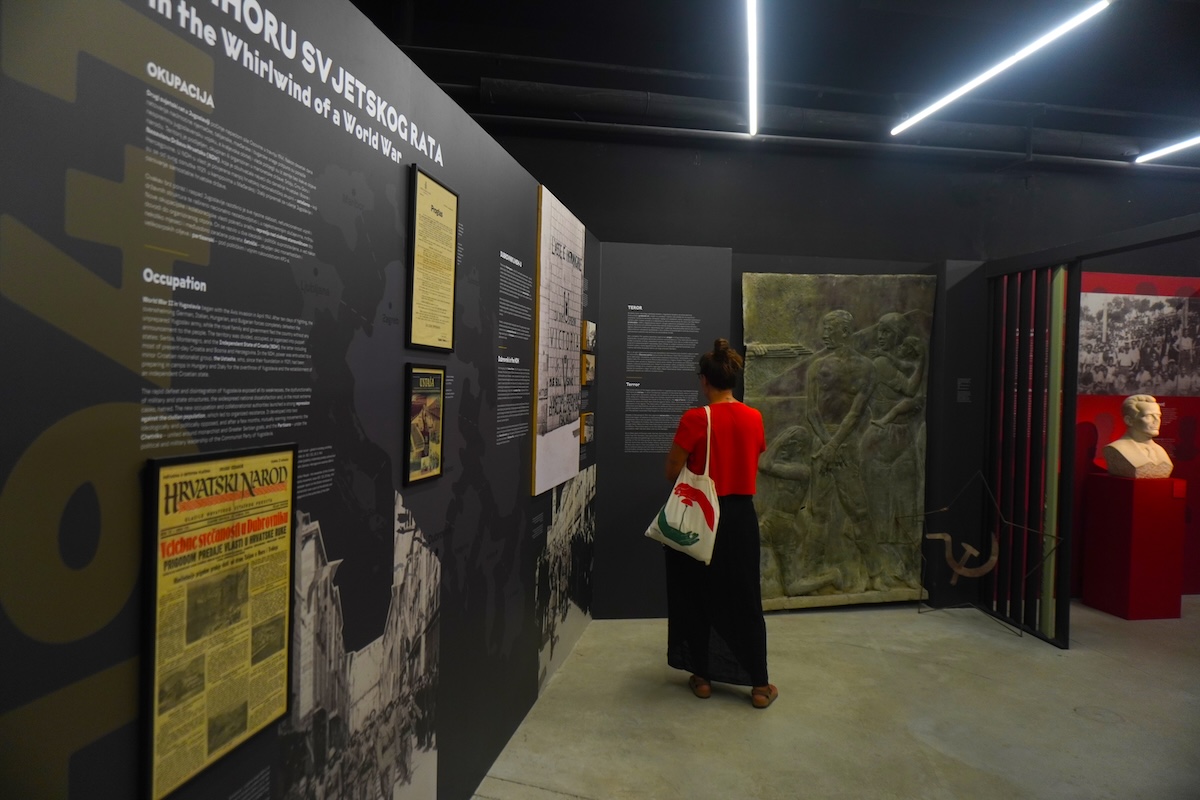

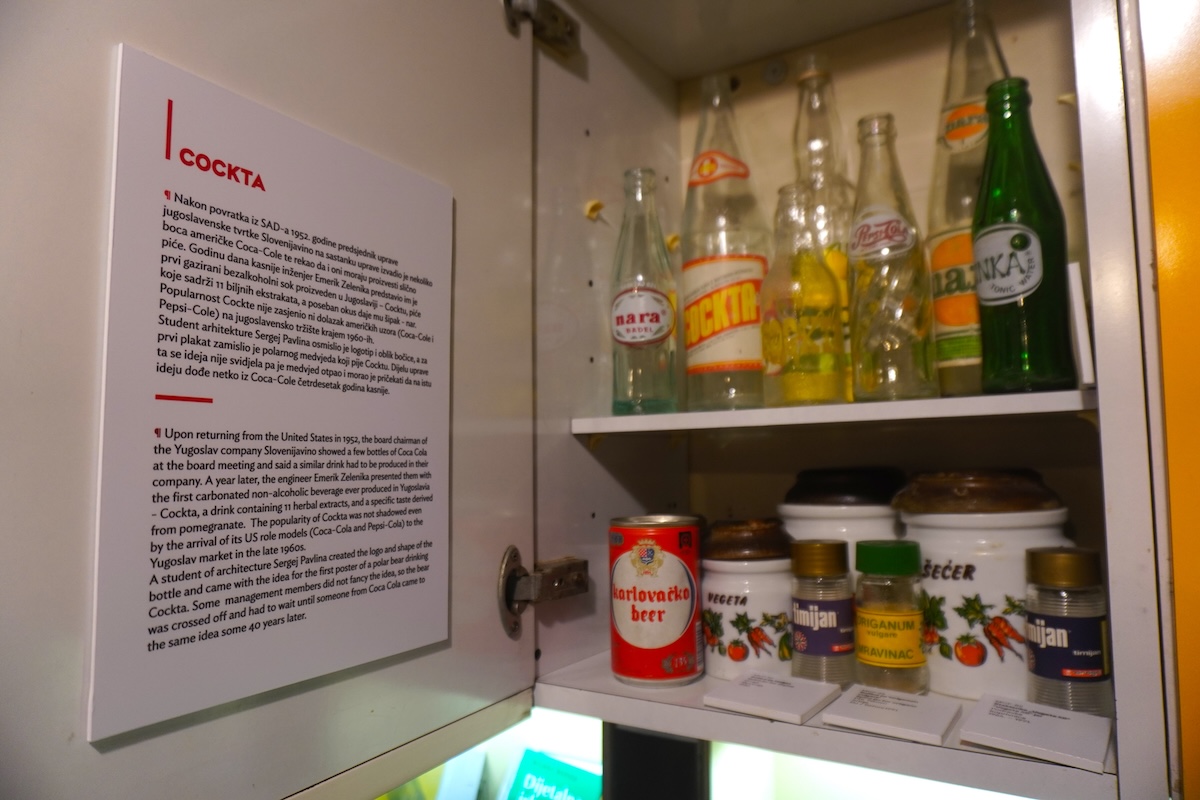
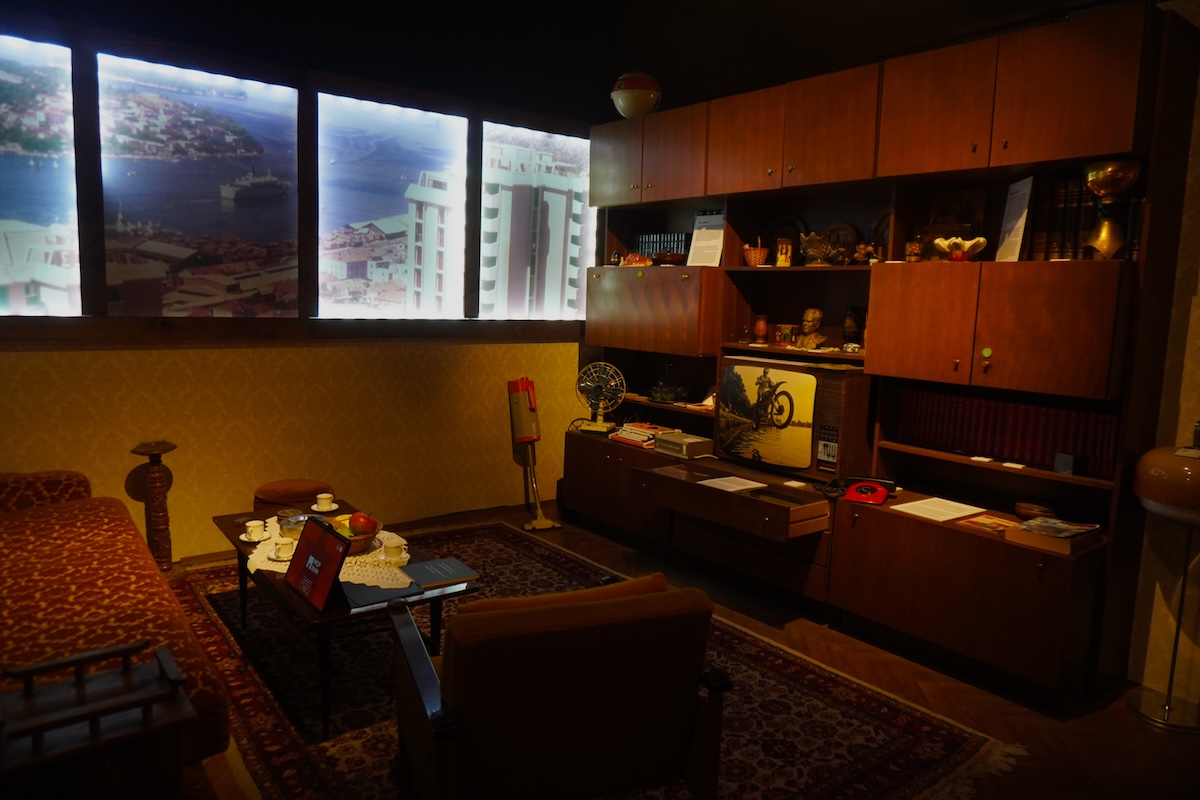
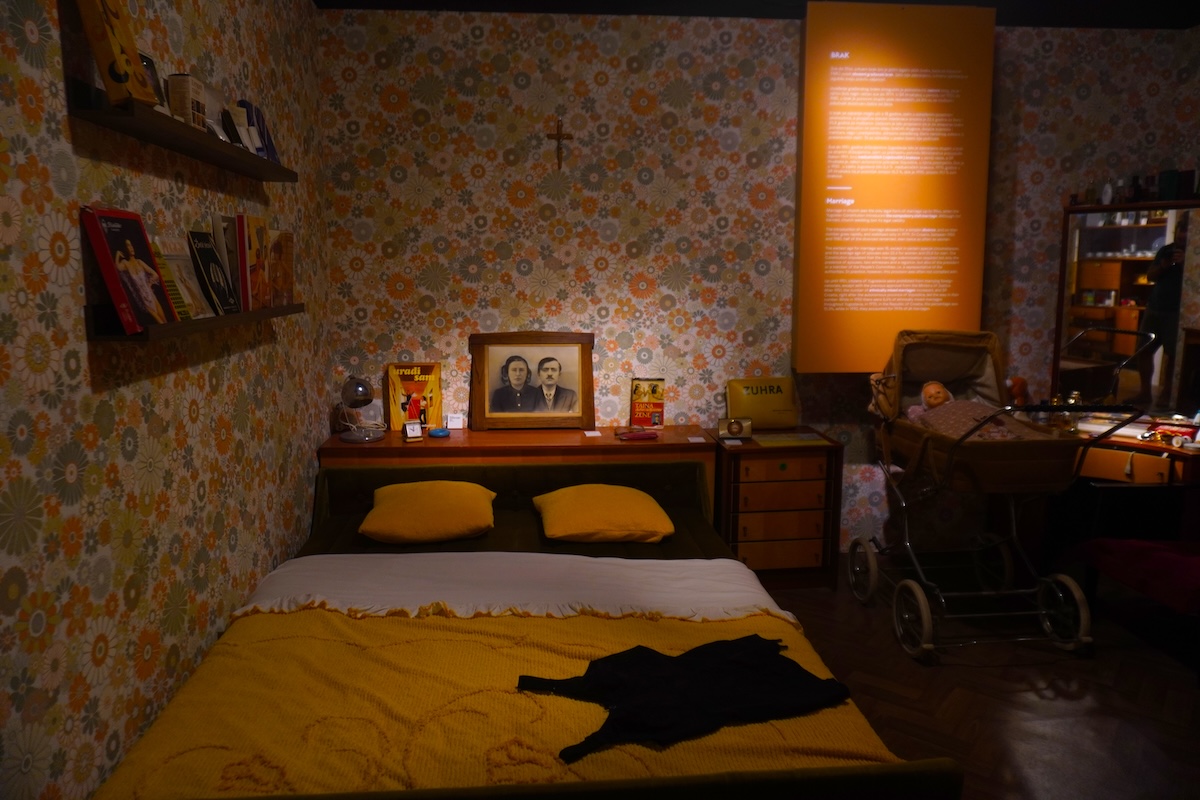
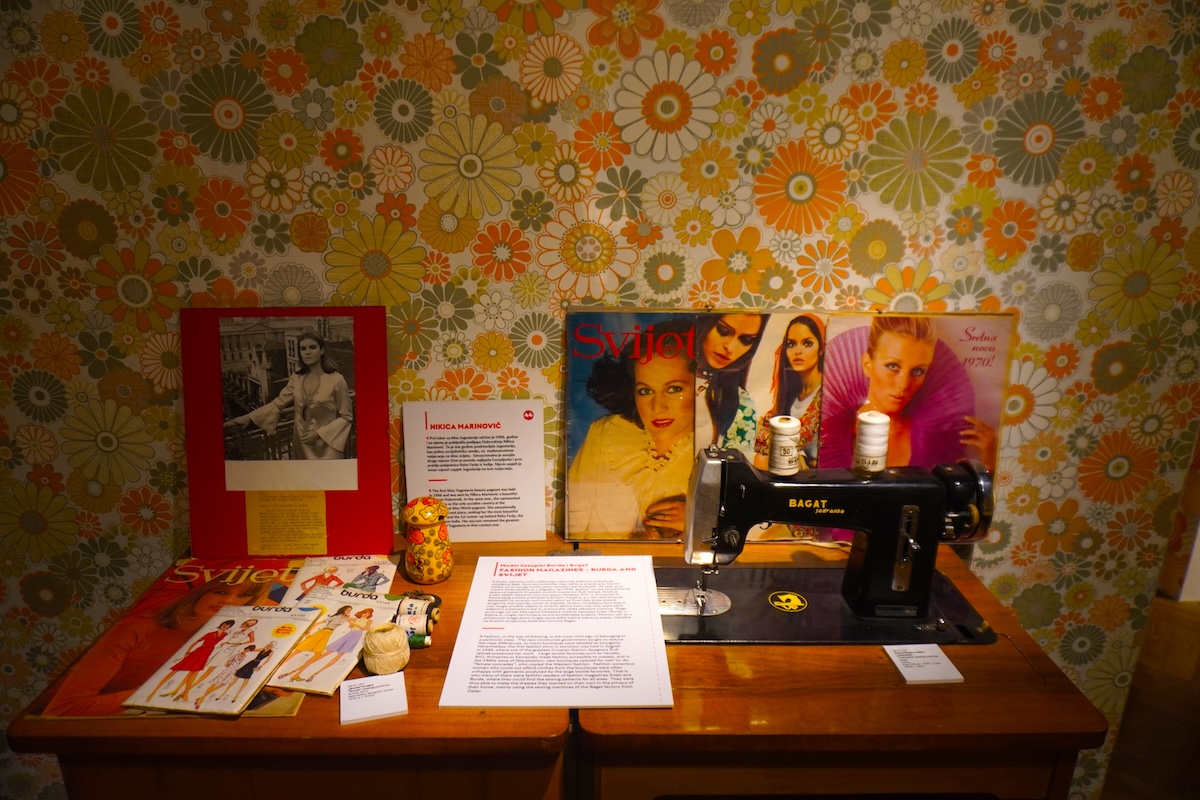
The museum is located on the ground floor of the former TUP factory in Gruž and offers a journey through various facets of that historical period: from propaganda and politics to popular culture, consumerism, domestic life, and the social change that ultimately led to the War of Independence (or the Homeland War).
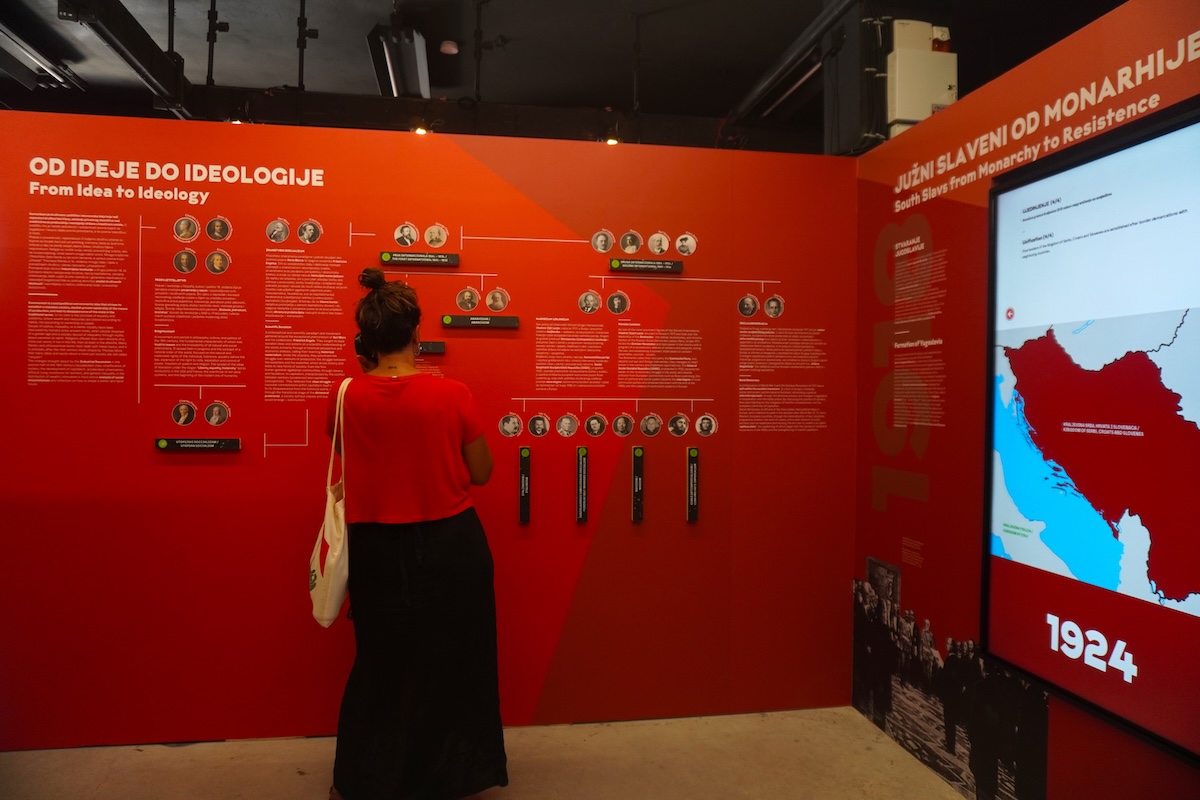
What’s more, the museum continues to grow. It opened in 2018 and has been officially listed in the Republic of Croatia’s museum registry since 2022, a status that gives it significant weight within Dubrovnik’s cultural landscape. It also serves as a venue for temporary exhibitions, so the experience can evolve over time and isn’t static. At Randomtrip, we highly recommend a visit and believe it’s essential to explore this period of the country’s history to better understand its present.

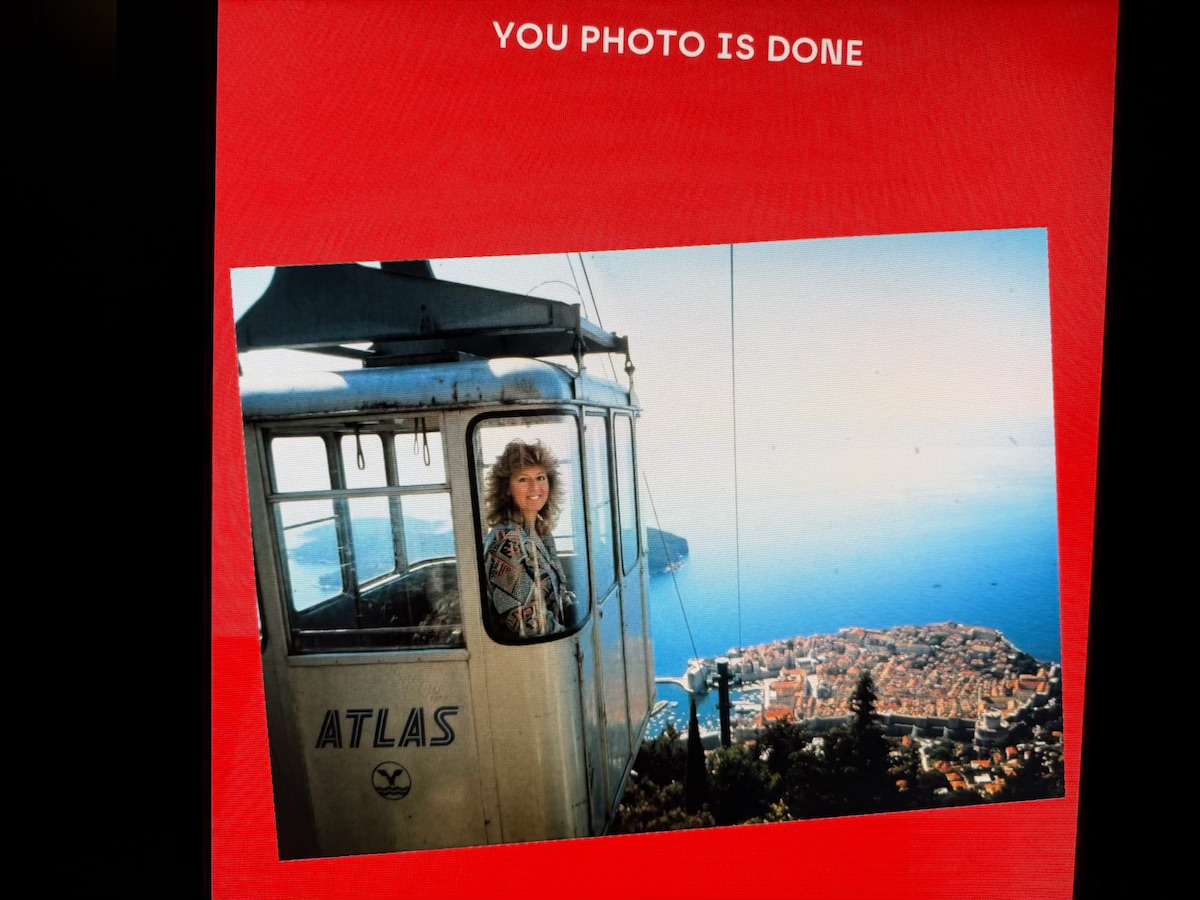
Hours: 10:00 a.m. to 8:00 p.m., daily during high season (April 1–October 31); 11:00 a.m. to 5:00 p.m., Monday through Saturday, and closed on Sundays during low season (November 1–March 31). Price: 9 € for adults; 7.20 € for students and seniors; 3.60 € for schoolchildren; free admission for children under 10. Admission not included in the Dubrovnik Pass.
Gruž Market
The Gruž Market is a local market in Dubrovnik, so if you like markets and want to get a glimpse of everyday life in the city amid your days as a tourist, it’s well worth a visit. It’s located in the Gruž harbor area and is the main market for buying fruit, vegetables, fish, and other fresh produce sourced from the region.
It’s much more authentic and less touristy than the one in the historic center, and it’s also usually larger and cheaper, so if your lodging is in the area or if you want to buy something for breakfast or to pack a picnic, this could be a good option. You should go in the morning—you’ll find plenty of local atmosphere and are likely to run into people doing their daily shopping.
Hours: 7:00 a.m. to 12:00 p.m., Monday through Saturday; closed on Sundays.
Lokrum Island (Otok Lokrum)
You don’t have to go very far to enjoy the tranquility of island life (depending on when you go, of course…). Lokrum Island is just a 15-minute boat ride from Dubrovnik’s Old Town and makes for a great getaway if you feel like getting out of the city for a while and exploring a small island that combines nature, history, and swimming in crystal-clear waters (and even in a little “Dead Sea”!).
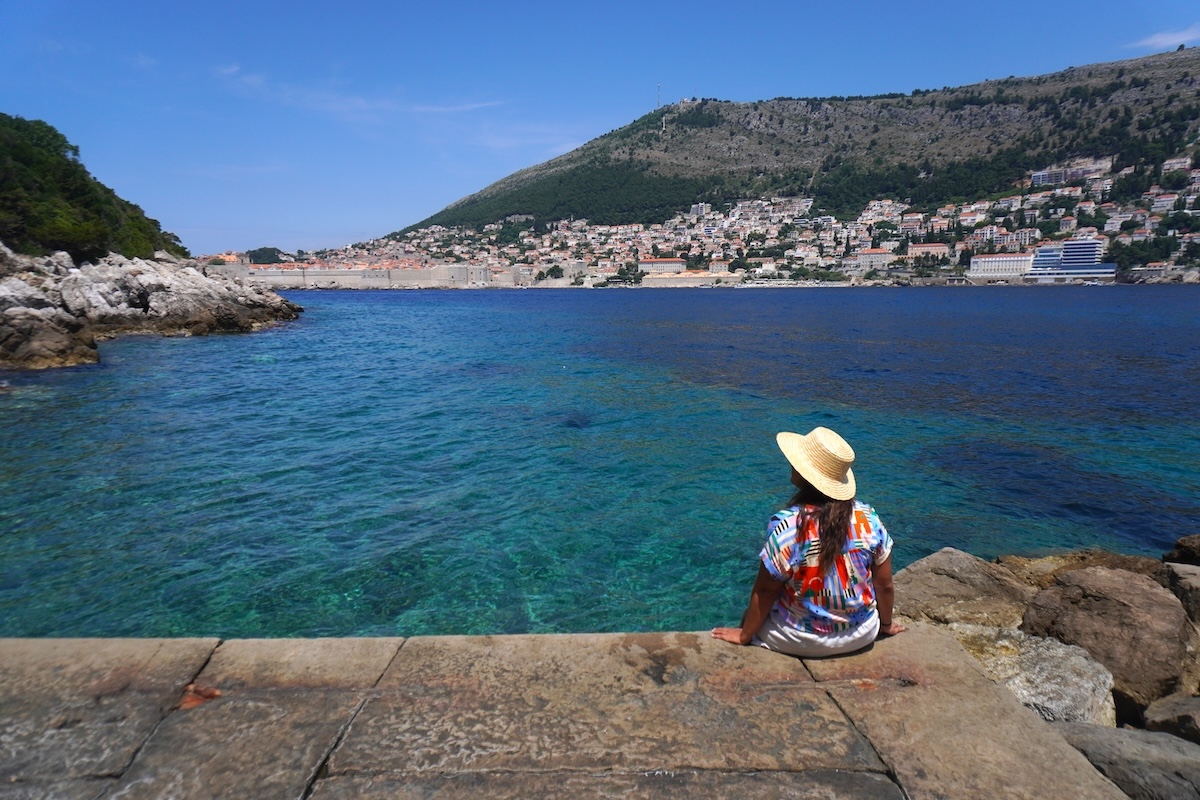
Lokrum is a nature reserve covered in pine trees and Mediterranean vegetation, and it features a variety of distinct spots: ruins, gardens, coves, lookouts, and even a saltwater lake where you can take a dip. If you’re looking for a half-day or full-day outing with a peaceful atmosphere, Lokrum is a great choice, although it can get quite crowded in the summer.
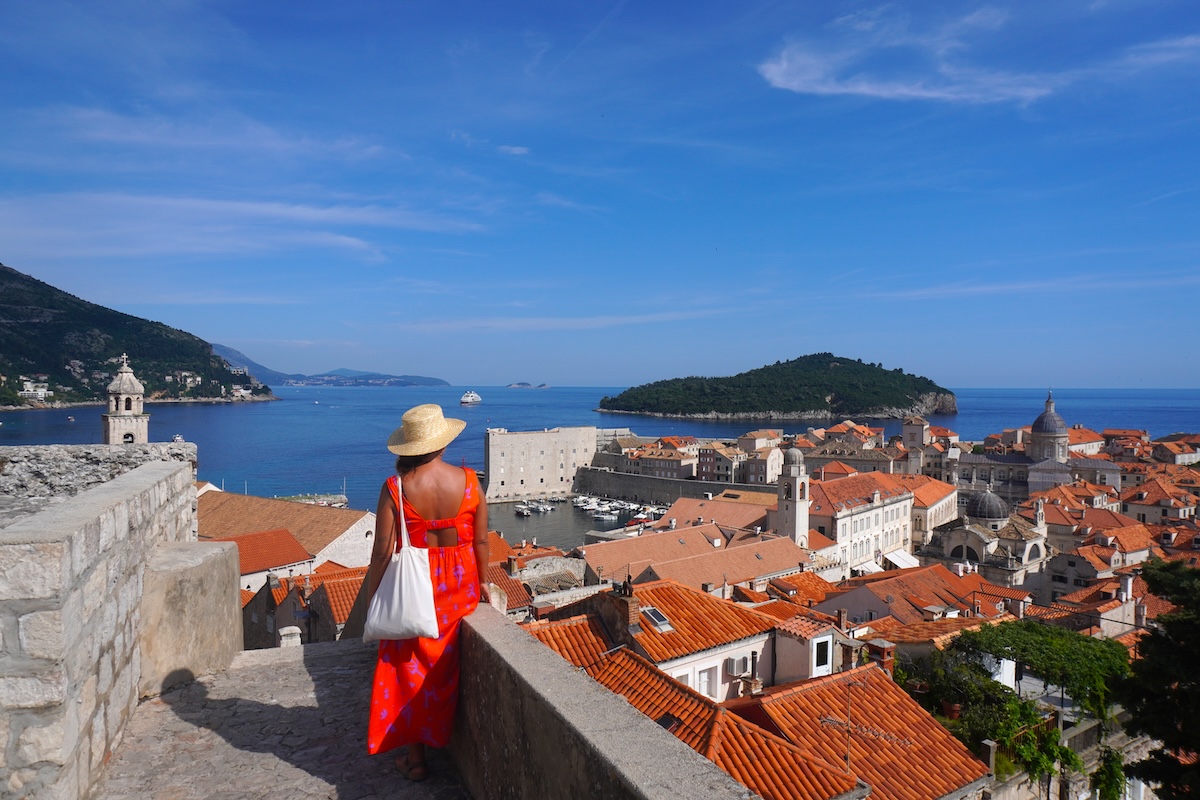
A Brief History of Lokrum Island
The first written mention of Lokrum dates back to 1023, when the Benedictine abbey and monastery were founded; for centuries, the monastery owned the entire island. According to legend, Richard the Lionheart was shipwrecked here in 1192 on his return from the Crusades and vowed to build a church at the spot where he came ashore if he survived; he kept his word only partially, because at the request of the inhabitants of Dubrovnik, the church was ultimately built in the city rather than on the island.
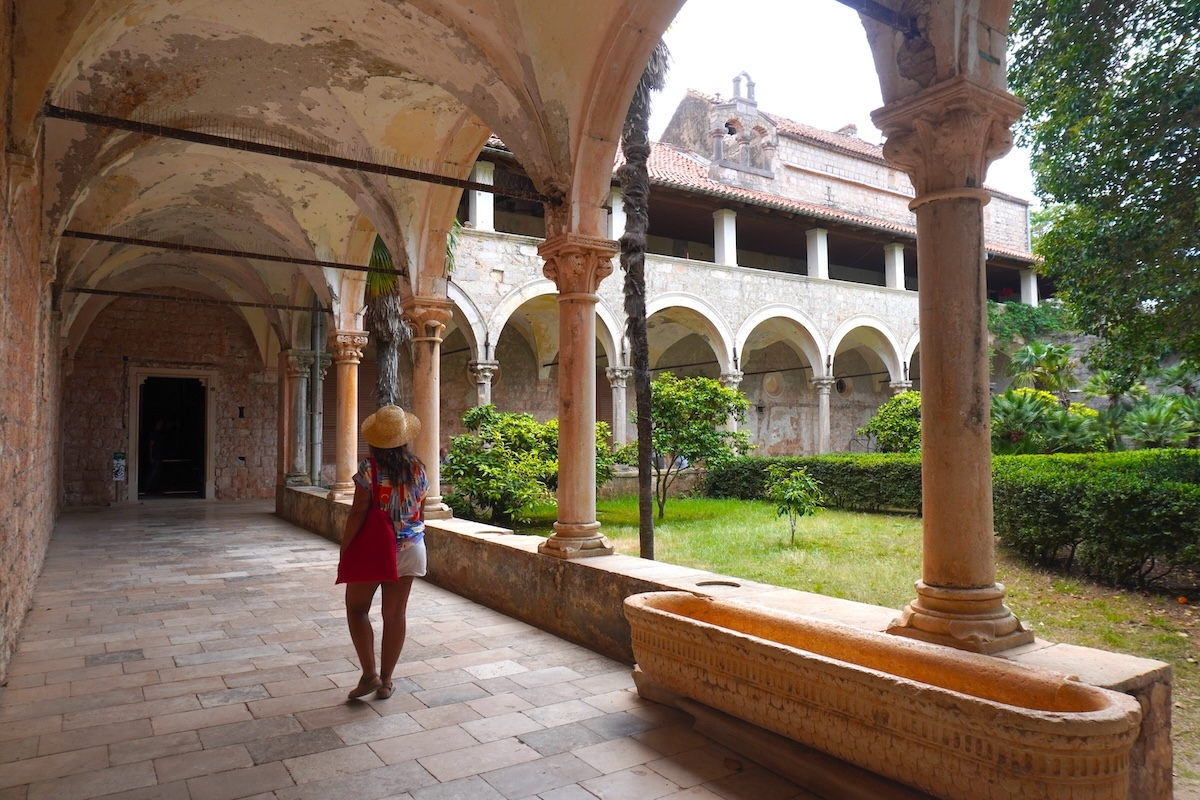
In 1859, Maximilian Ferdinand of Habsburg purchased the island of Lokrum to convert the Benedictine monastery into his summer residence and gave it the character it has today: he commissioned the construction of a tower-shaped residence and a spectacular garden featuring plant species brought from all over the world (the island’s very name comes from the Latin acrumen, meaning “sour fruit,” due to that tradition of exotic plants that had already been established by the Benedictines).
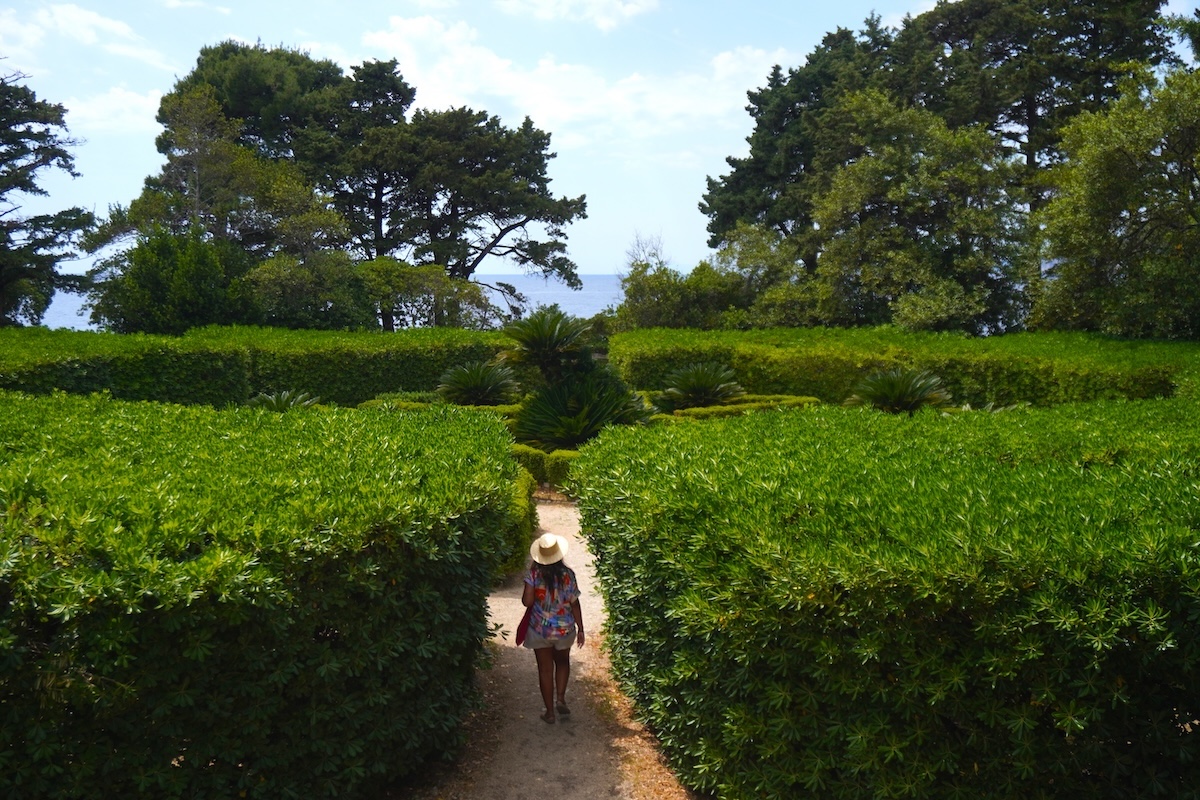
He also brought peacocks—which still roam freely across the island—from none other than the Canary Islands. This botanical focus was formalized in 1959 with the creation of the Botanical Garden, featuring species primarily from Australia and South America, and the island has been protected as a nature reserve since 1964.
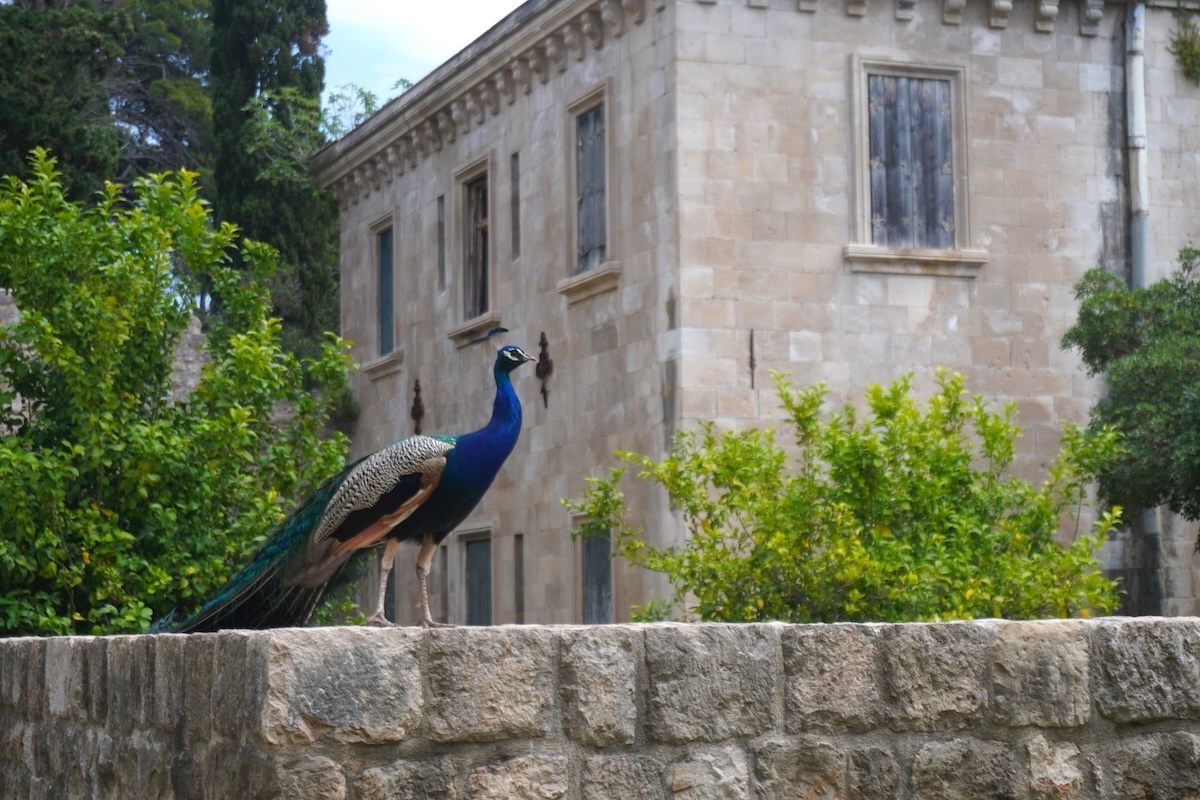
What to see on Lokrum Island:
At Randomtrip, we decided to spend half a day (in the morning) walking around the island, stopping at Lokrum’s most iconic sites, which we’ve listed below (it took us about 4 hours, including a few dips in the water):
RandomTIP: When you arrive on Lokrum, we recommend starting in the northern part of the island and turning right as soon as you disembark from the boat, since—at least when we were there—most people did the opposite. That way, we were able to enjoy the island in solitude for most of our time there.
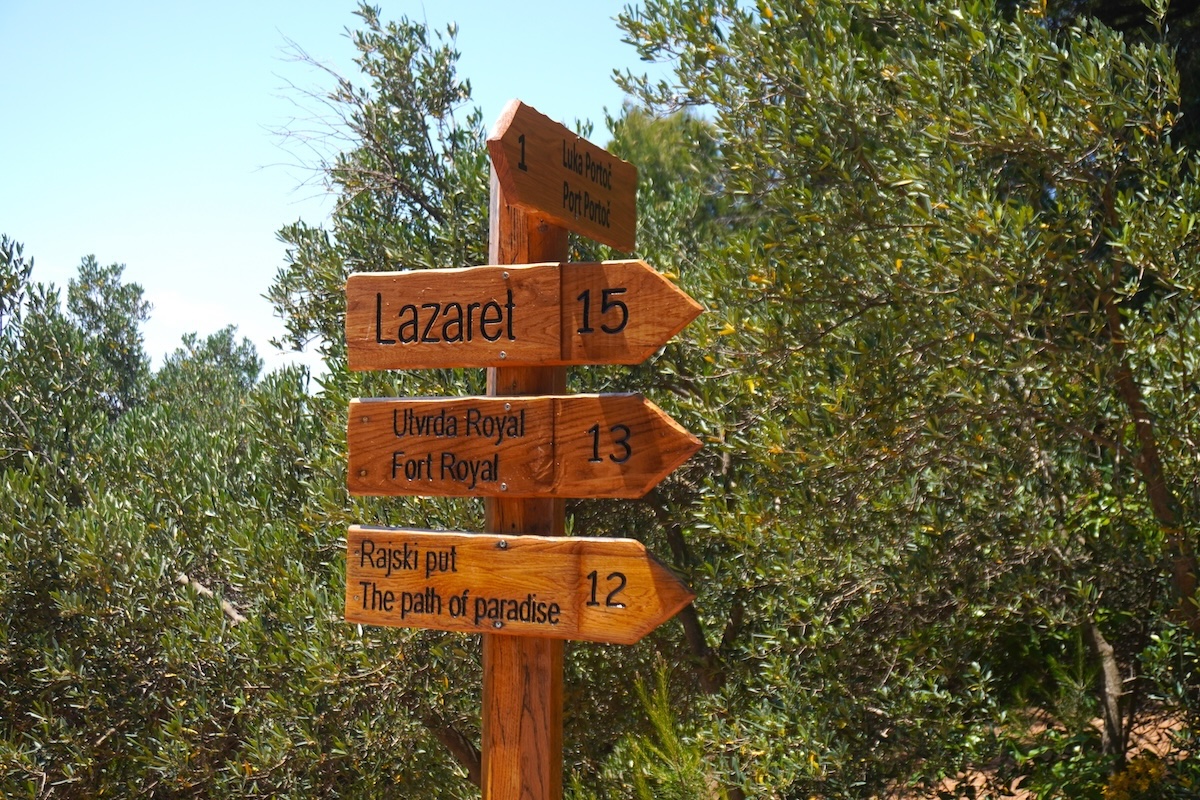
- Portoc Bay/Harbor: This is the arrival point on the island and one of Lokrum’s historic docking and defense sites; as soon as you step off the boat, you’ll notice the clear waters and the change in atmosphere, with the feeling that you’ve left Dubrovnik behind in just a few minutes. South of the pier is a naturist beach if you practice nudism (if you don’t, there are other options for swimming—keep reading)
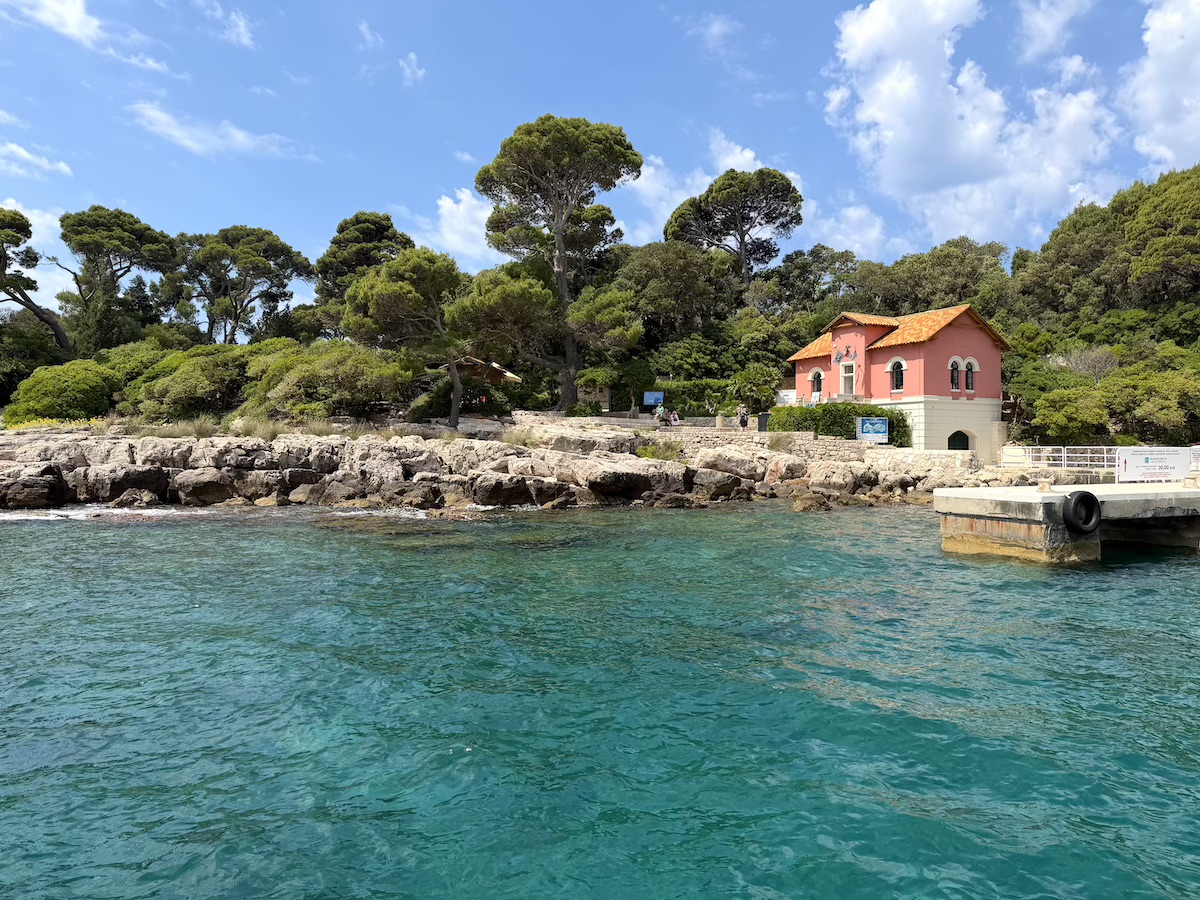
- Forest Rangers’ House: It’s located next to the pier and serves as the entry point, offering basic services and visitor information; it also served as the Habsburgs’ summer residence and was used to monitor the island.
- Benedictine Monastery Complex: It preserves the remains of a 12th-century basilica and a 13th-century Benedictine monastery, and later became part of Maximilian of Habsburg’s summer residence; it remains one of the island’s most important sites due to its history and atmosphere.
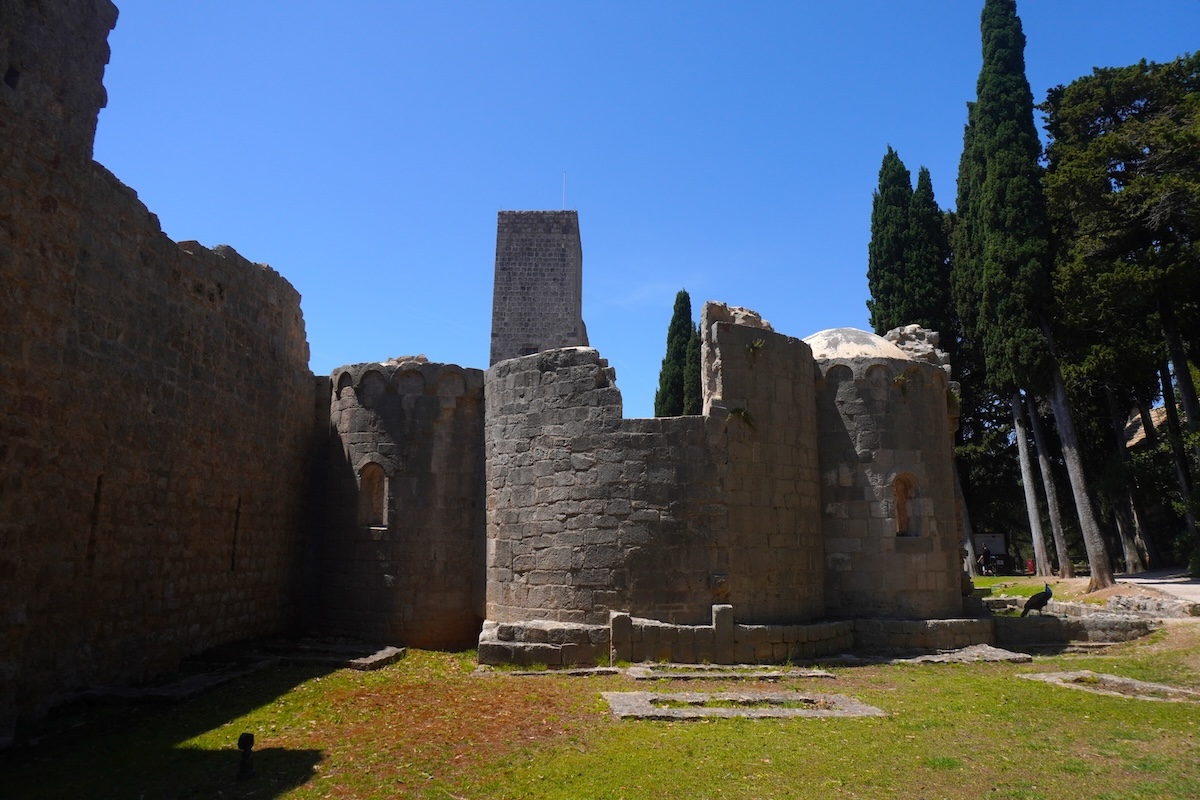
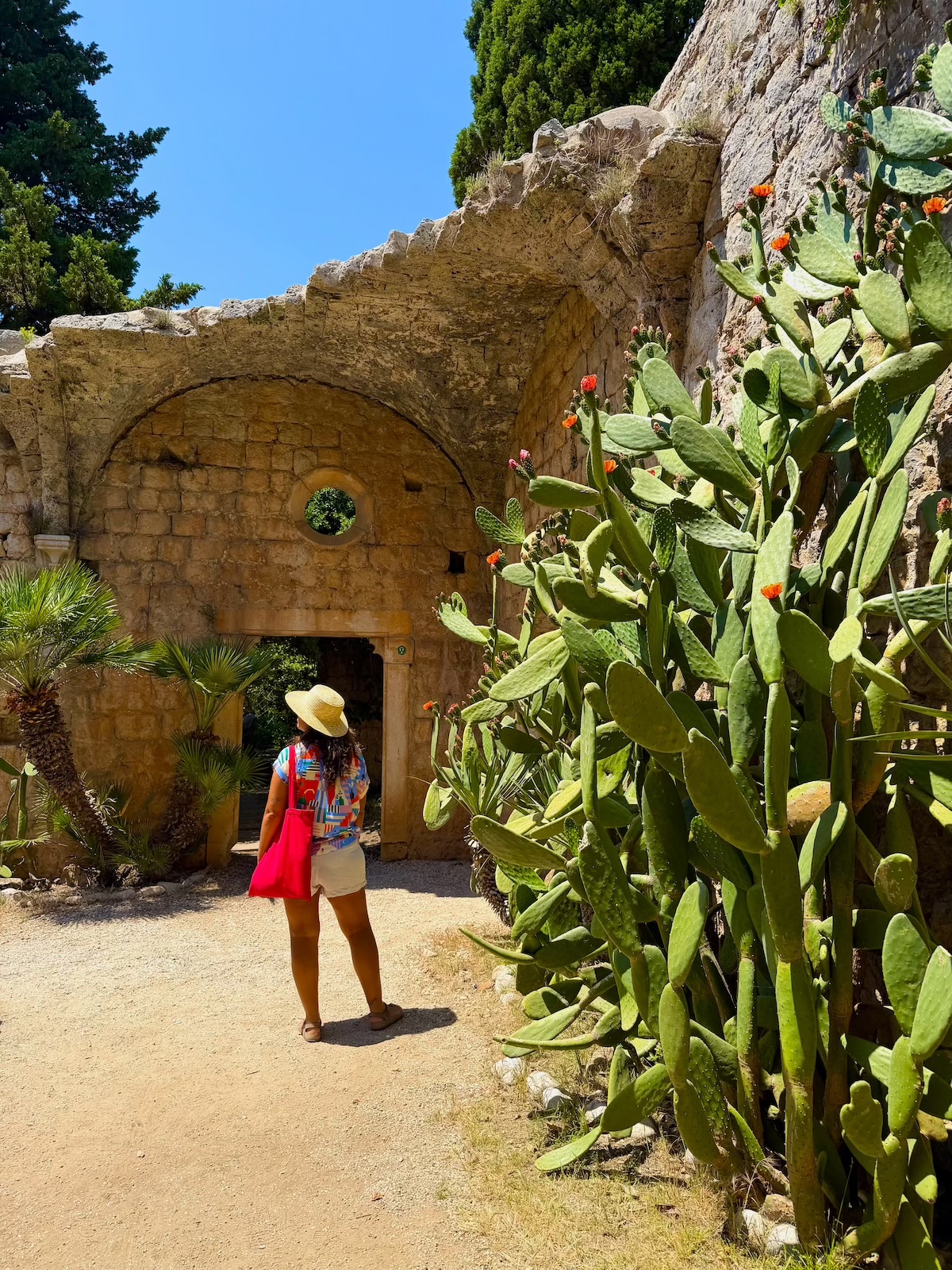
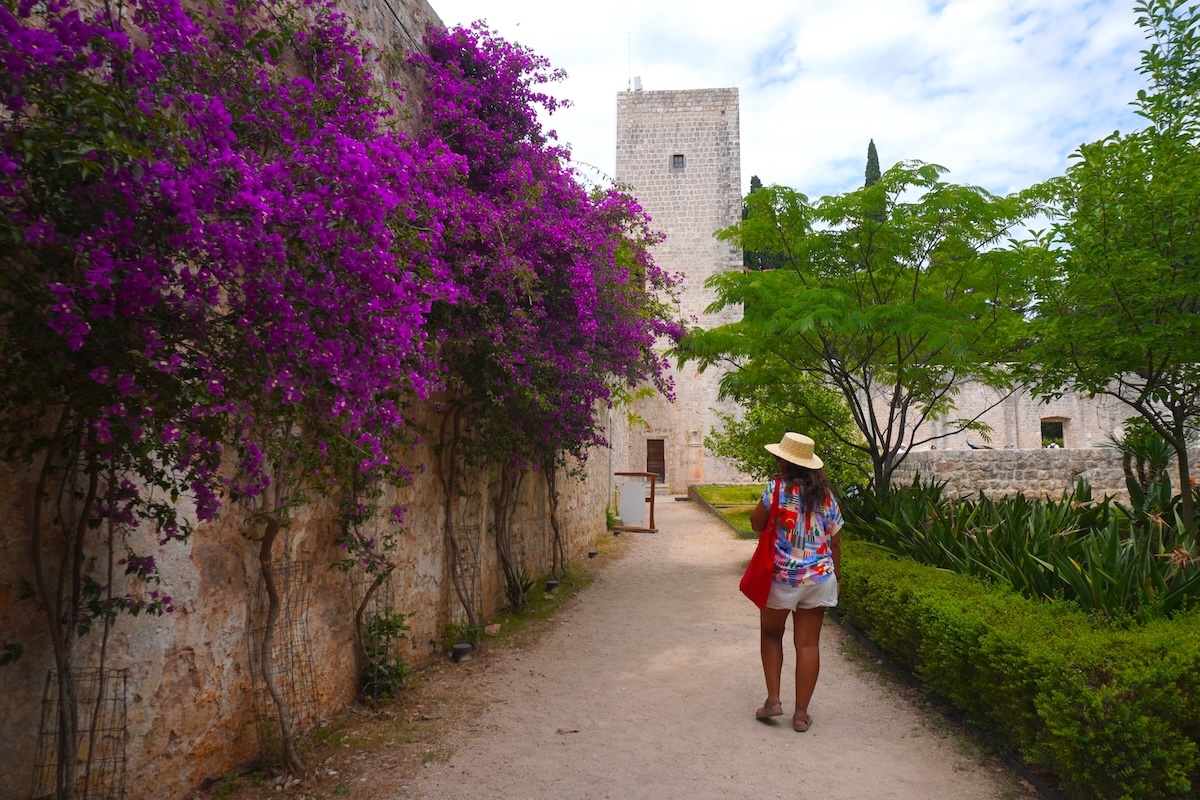
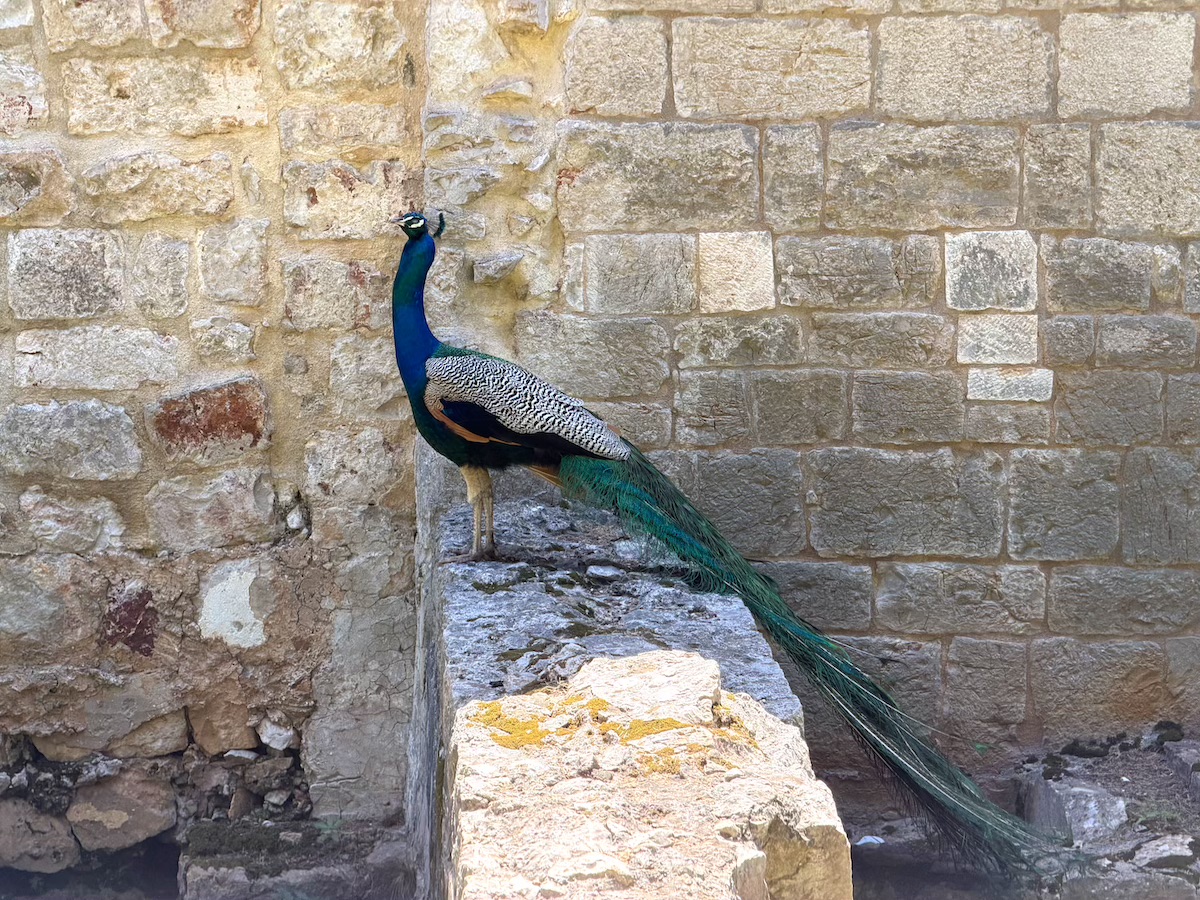
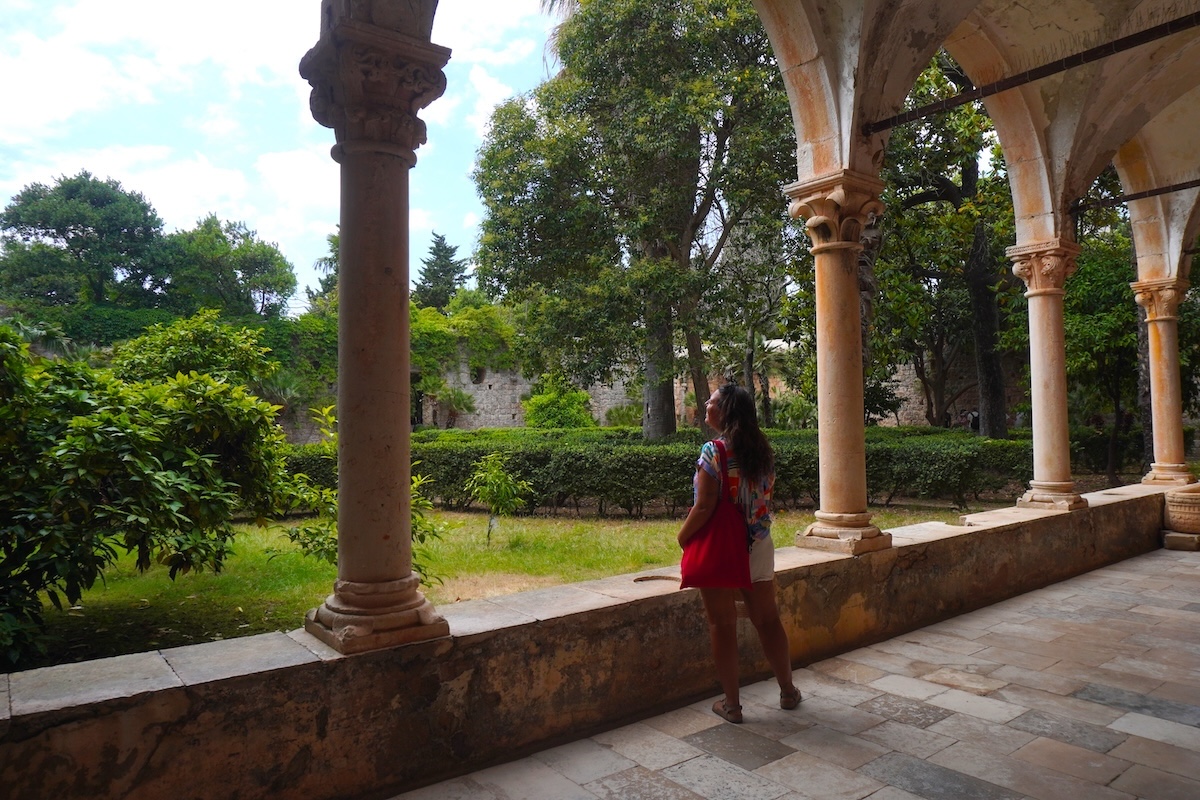
The Benedictine monastery also features an exhibition on the history of the island and the Benedictine monks, with a special focus on the legend of Richard the Lionheart and the famous curse of Lokrum, as well as a replica of the famous Iron Throne from Game of Thrones, so you can imagine yourself for a moment as Cersei or Daenerys, depending on whether you’re more of a Lannister or a Targaryen.
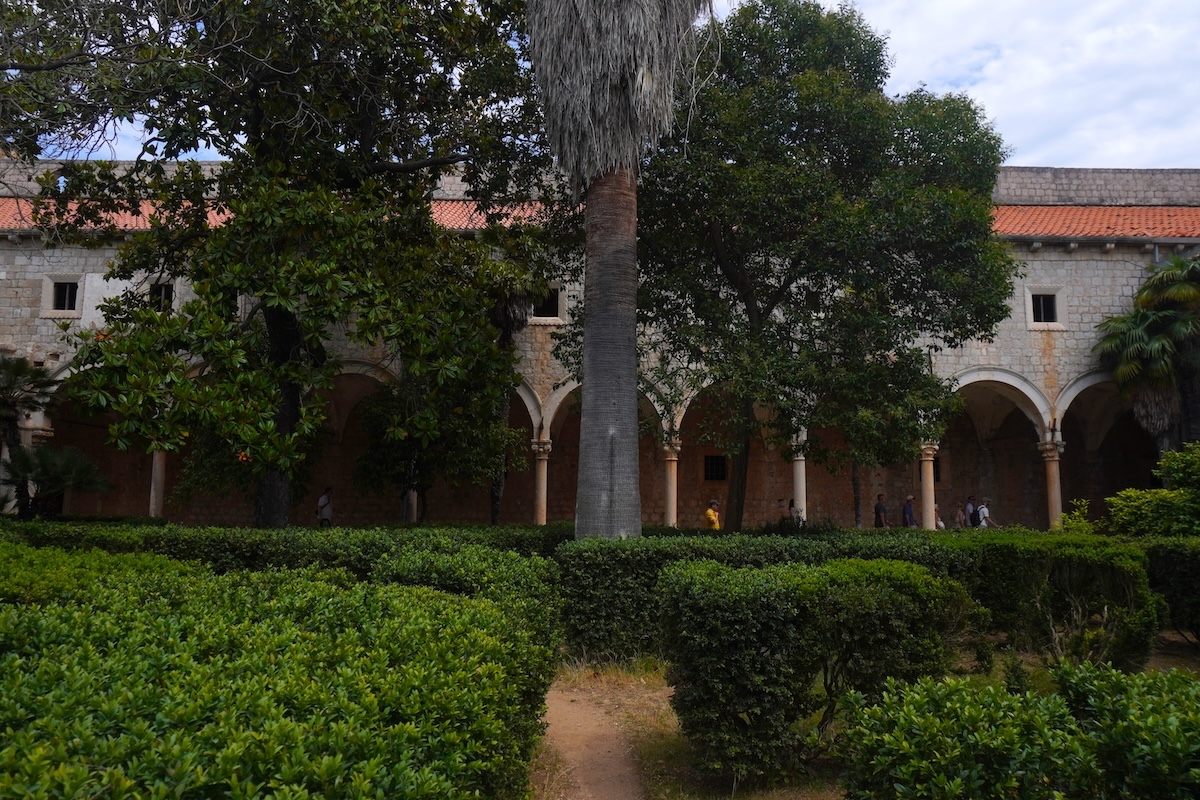
- Maximilian’s Gardens: These are the formal gardens created by the archduke in the 19th century, where he gathered plant species from different parts of the world; today they are one of the most pleasant areas for a stroll, with a more manicured and elegant atmosphere than the rest of the island.
- The Rocks / Natural Arch: The island is composed of carbonate rocks and offers a very photogenic landscape.
- Hidden Cove / Lokrum’s Eye. It is one of the island’s most secluded and beautiful spots, ideal for those seeking a quieter place to swim or take photos away from the busiest areas.
- Lokrum’s Dead Sea: A saltwater lake and one of Lokrum’s main attractions; it’s connected to the sea by a channel, has calm waters, and is perfect for a relaxing swim and effortless floating
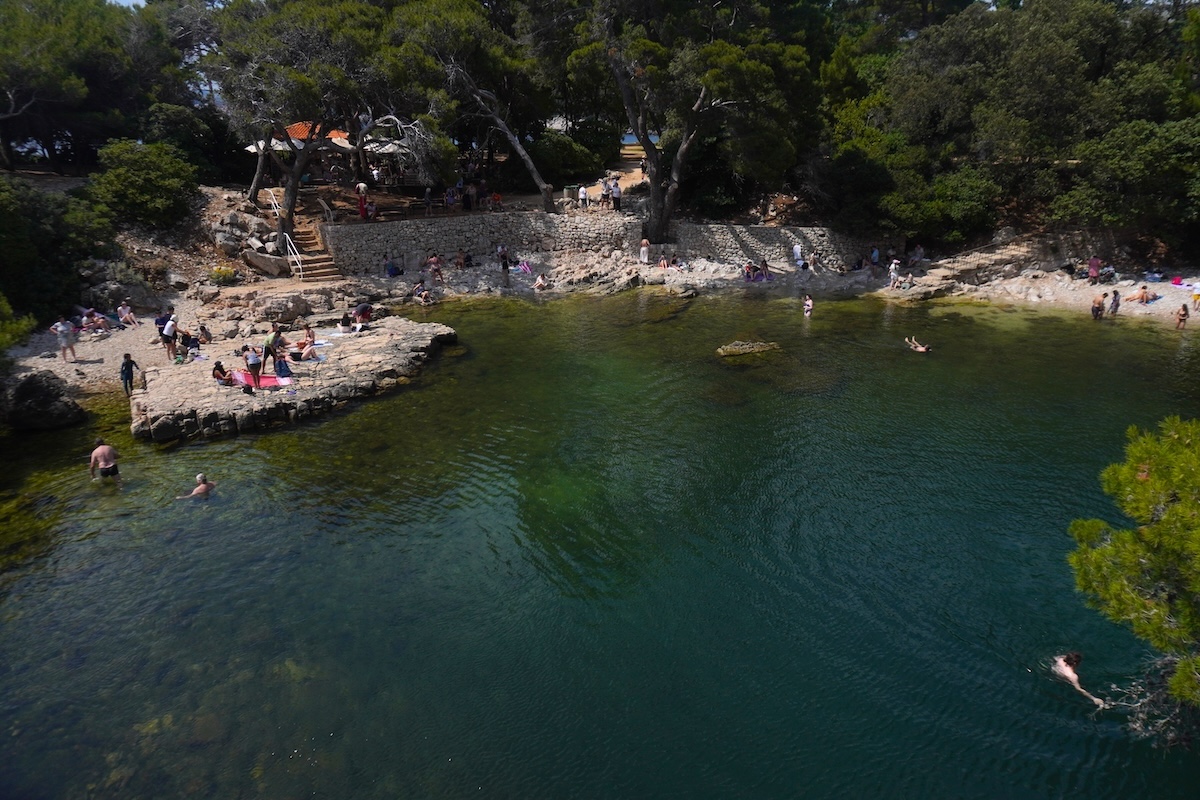
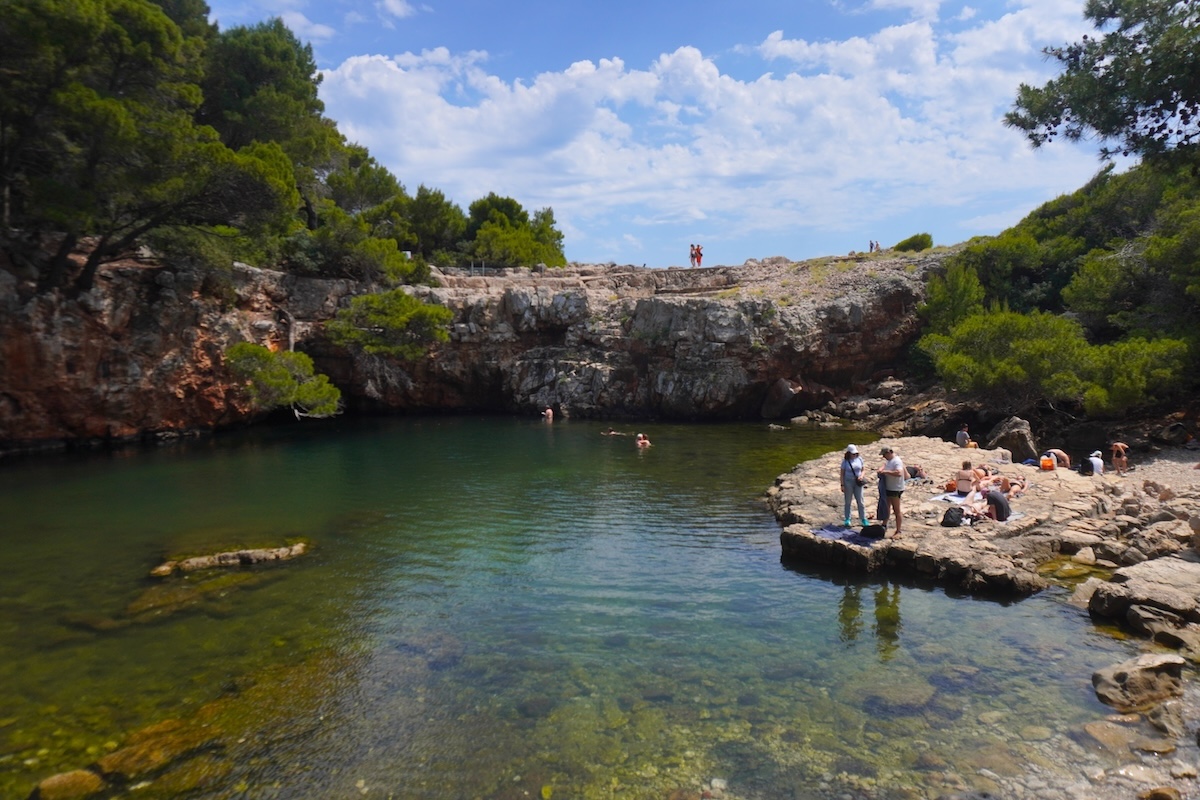
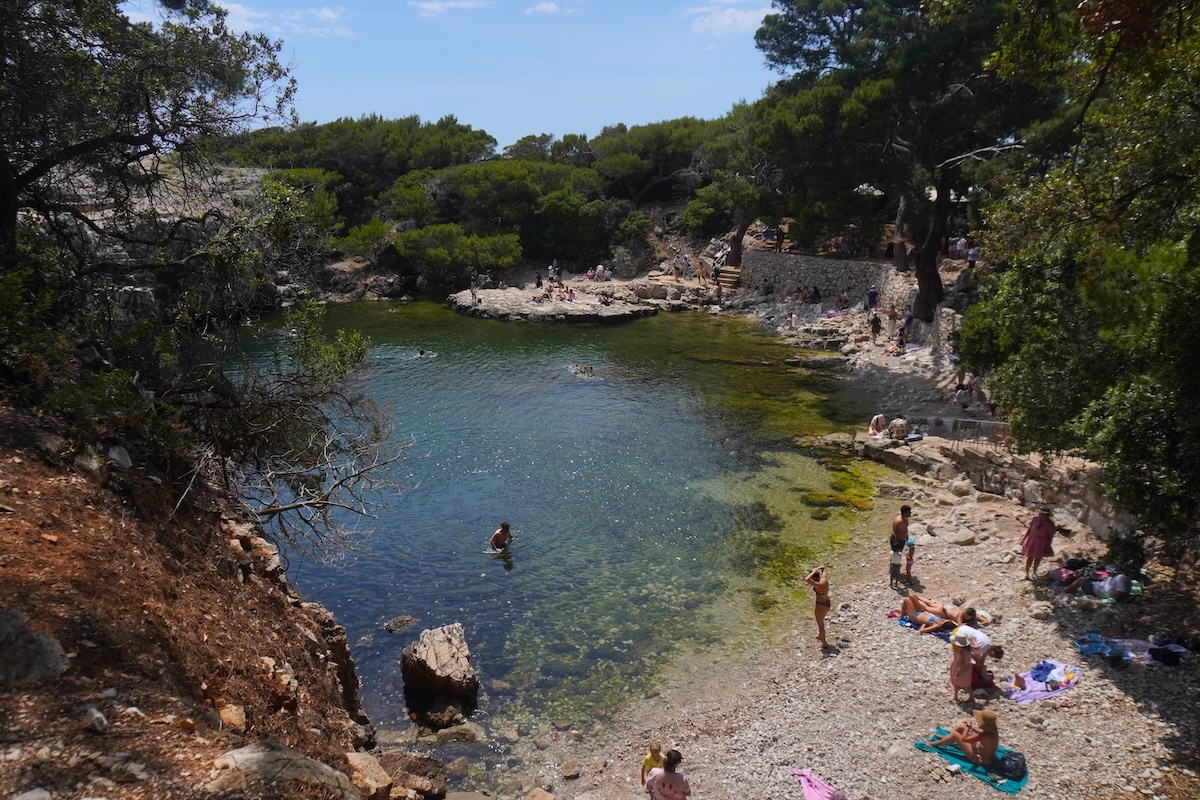
- Charlotte’s Well: A very beautiful stone well, built around 1830, associated with the era of Maximilian and the most ornamental part of the island’s gardens; it was likely used for bathing and/or for watering and maintaining the gardens’ exotic plants
- Botanical Garden: It was founded in 1959 for research purposes and to test the adaptation of exotic plants to Dubrovnik’s climate; today it is home to 500 species of exotic plants and the occasional peacock
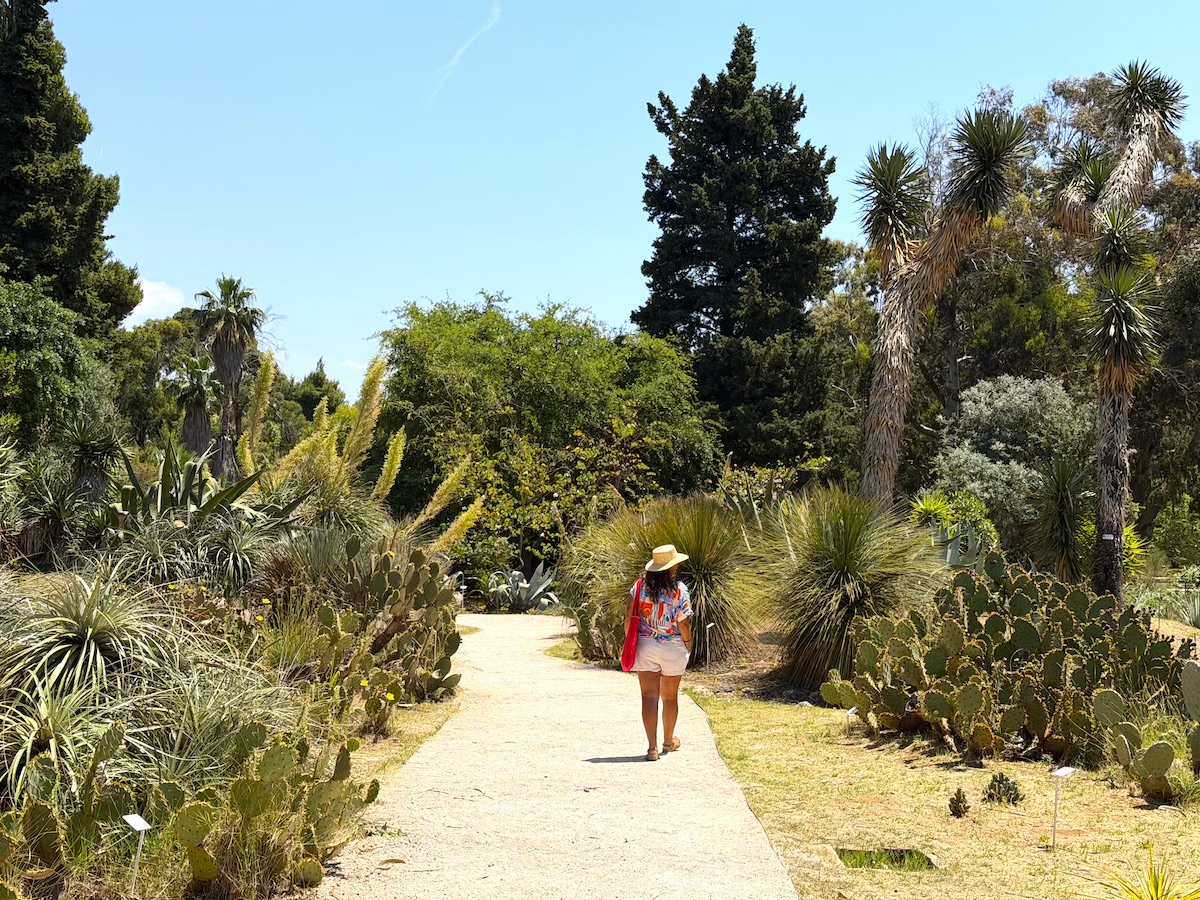
- Church of the Annunciation: It is the only preserved ecclesiastical building on Lokrum, where Masses are occasionally celebrated, and one of the finest examples of the island’s religious past
- Olive Grove: The olive grove on Lokrum holds significant historical value because it preserves part of the agricultural landscape linked to the Benedictine era; in fact, many of the olive trees you see there are very old—some are over 300 years old!—making it a remnant of Lokrum’s productive past
- Lokrum’s Beaches: Most tourists choose to go for a swim here, where you’ll also find several peacocks.
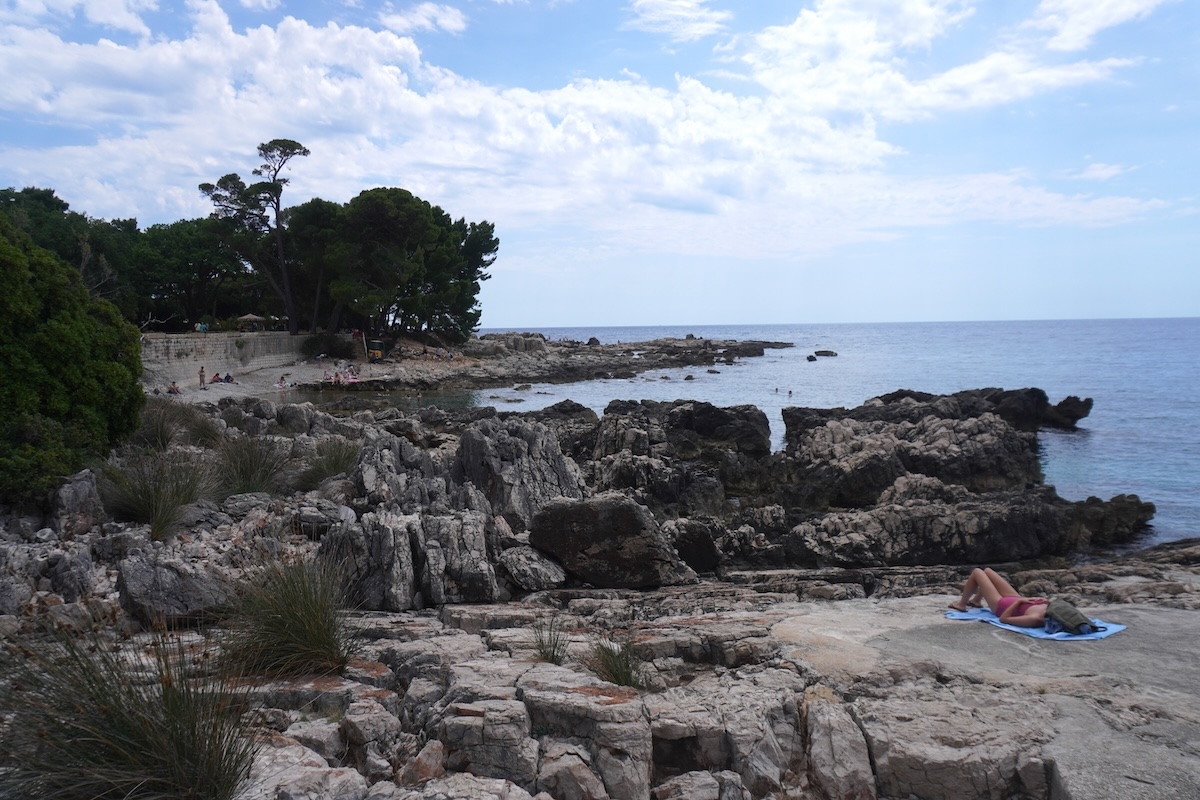
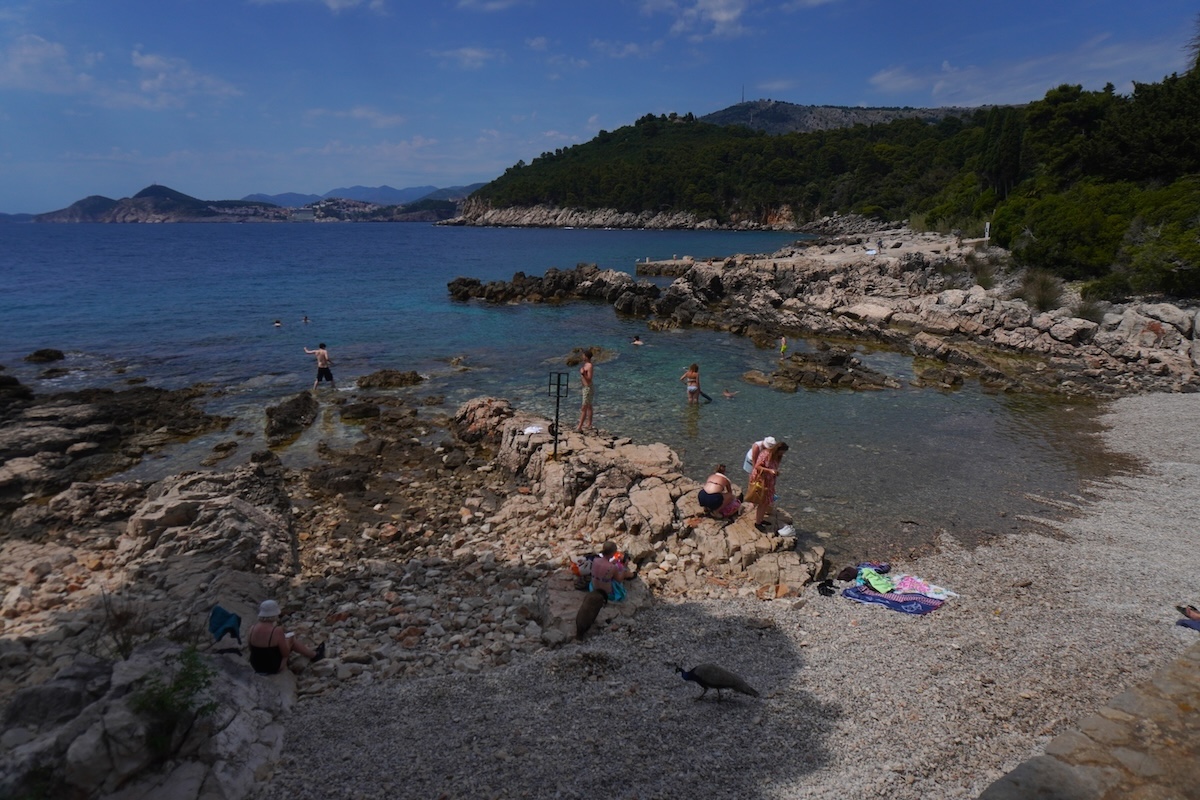
- Large Water Reservoir: It was built during Maximilian’s reign because his summer residence needed more fresh water; it’s a clear example of how the island was adapted for residential and recreational use.
- The Path of Paradise: The name sounds idyllic, and for Randomtrip, it truly was, since we were able to enjoy it in solitude most of the time. Much of the route is flat, followed by a short climb up to the fort (the climb is steeper and cobblestone-paved from the south, so we recommend starting from the north). It’s the island’s main trail, built during the reign of Maximilian of Habsburg; it connects several beautiful spots along the route and is well worth taking your time to explore.
- Royal Fort: Located at the highest point of the island, crowning the hills of Lokrum, this star-shaped fortress dates back to the Napoleonic era (built by the French in 1806) and is one of our favorite spots on the island, offering stunning views of Lokrum and Dubrovnik
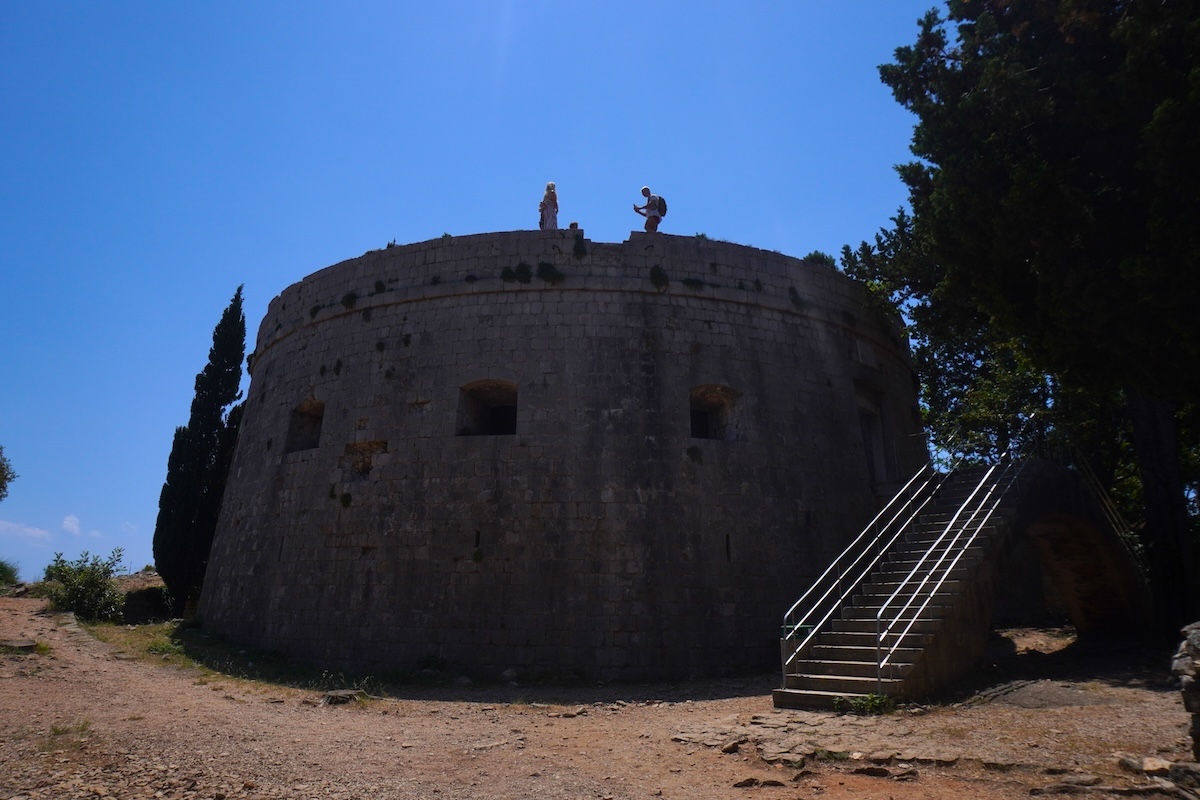
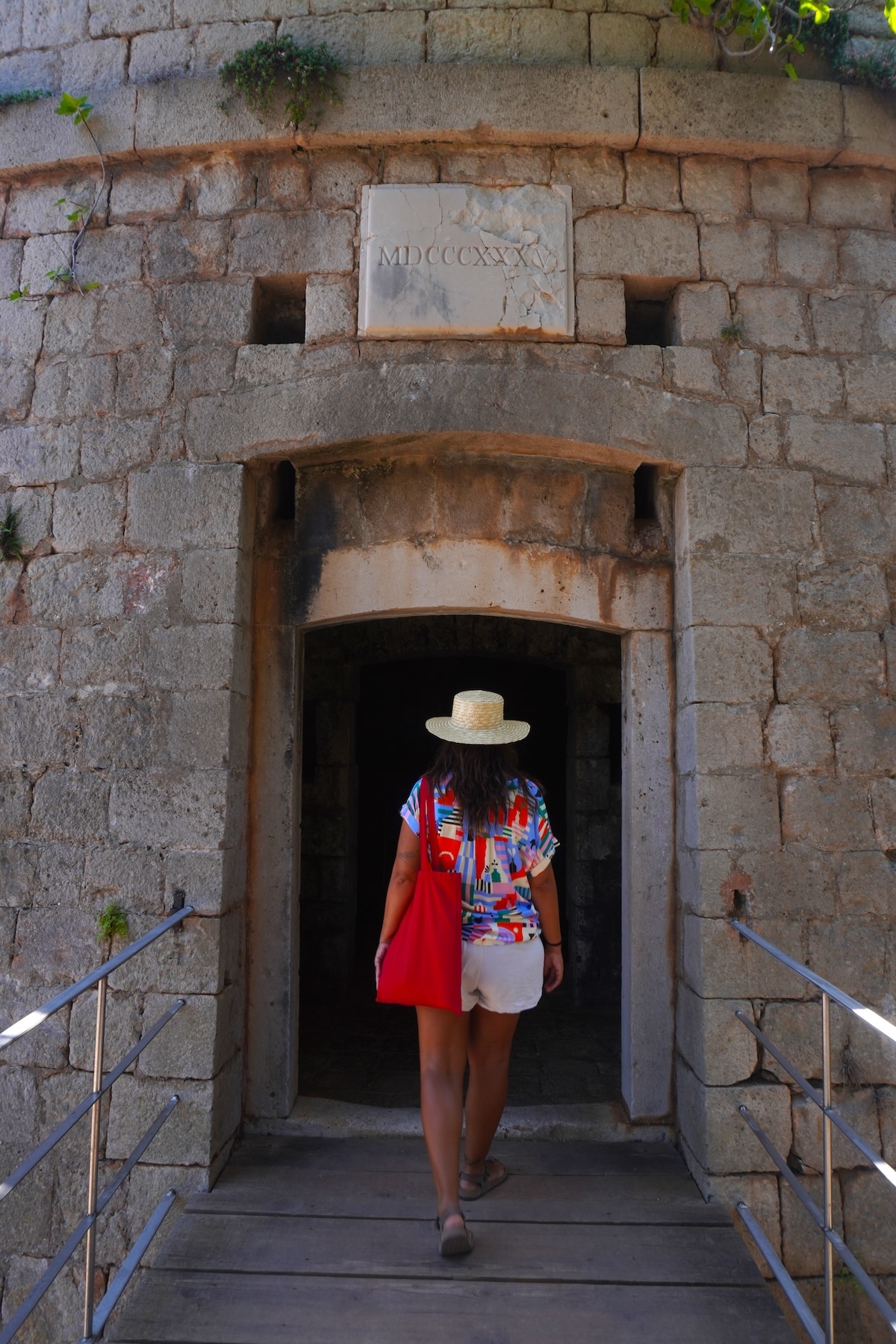
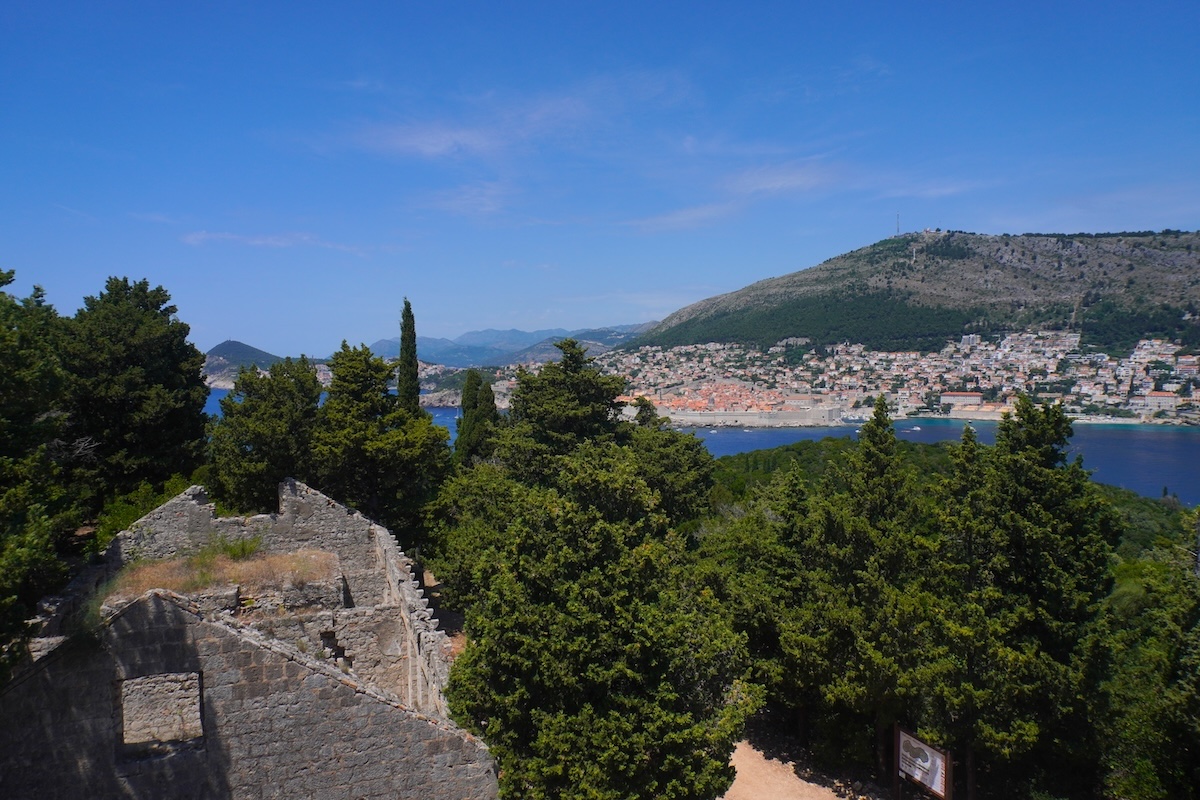
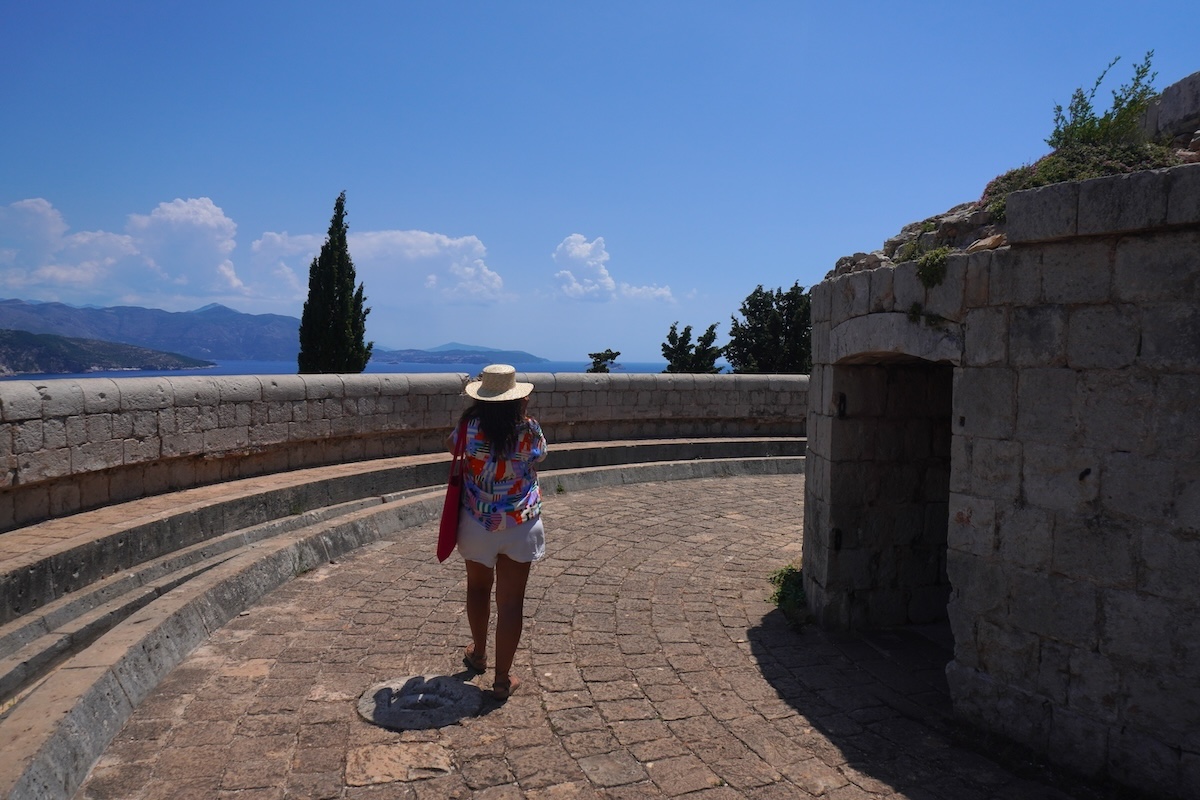
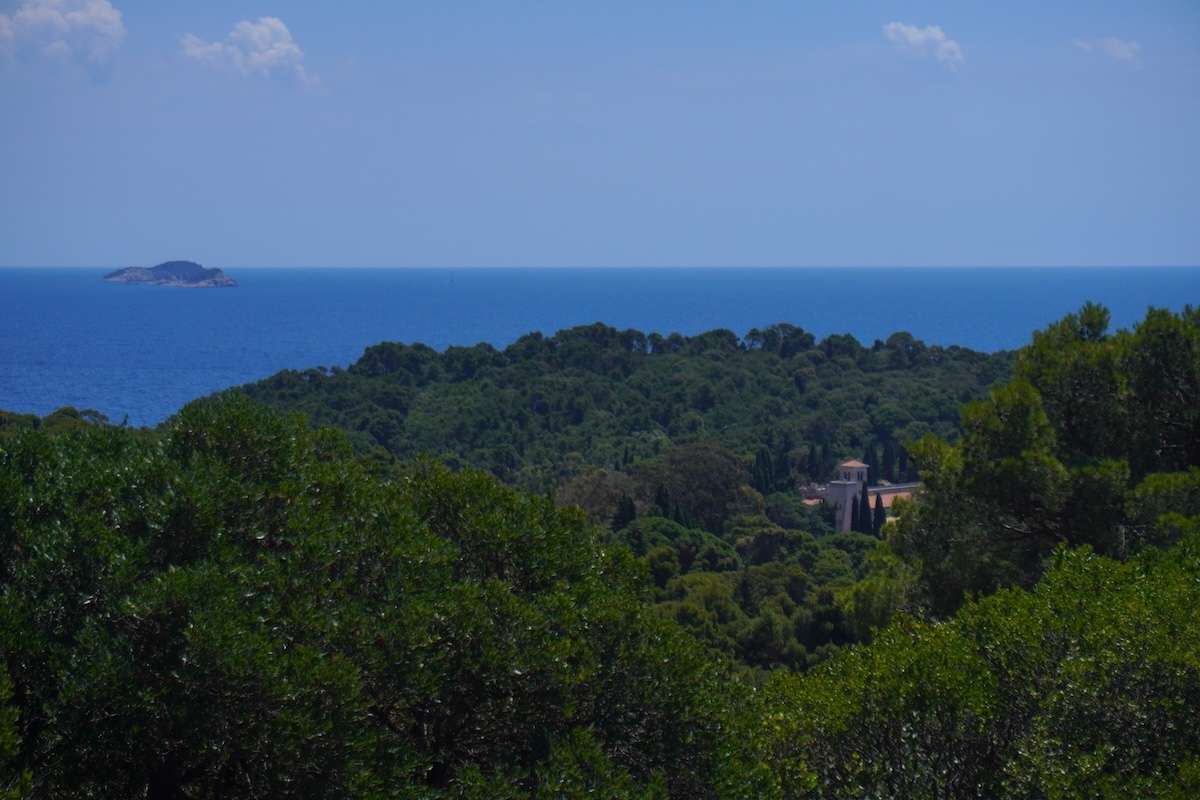
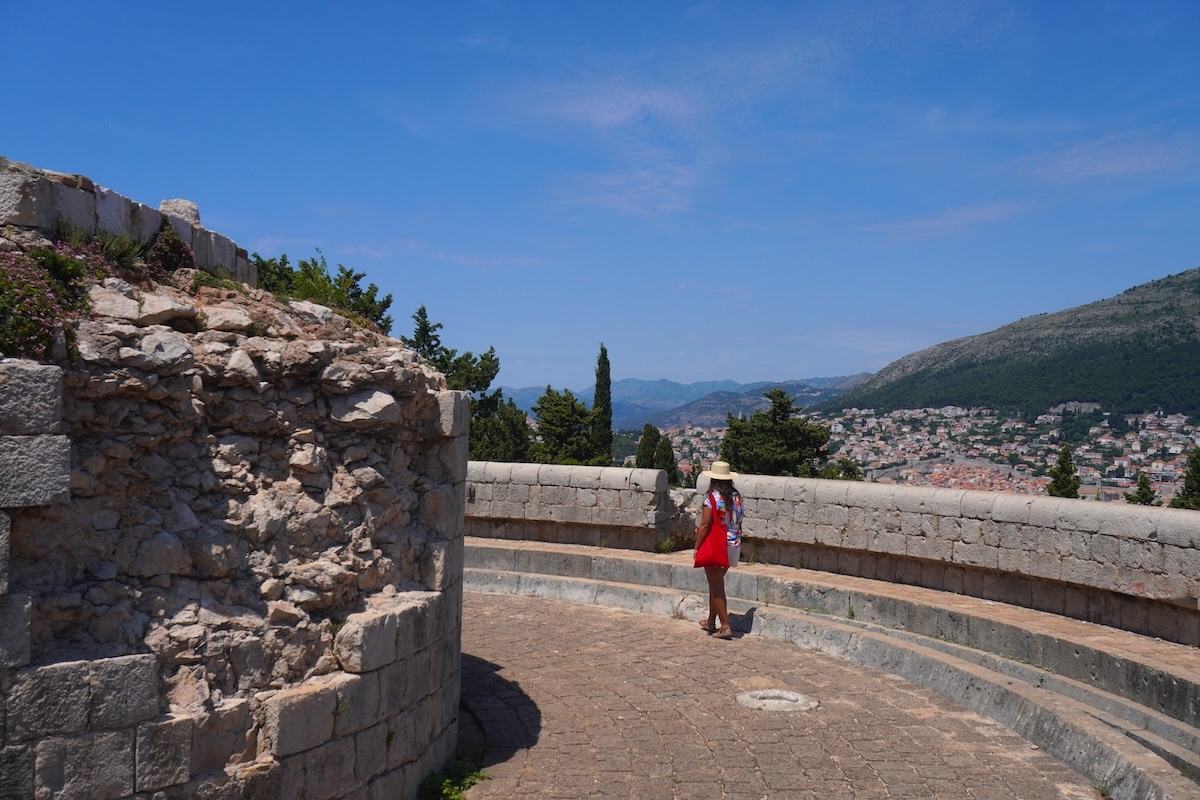
- Dubrovnik Viewpoint: One of the best spots to view the walled city of Dubrovnik and the coastline from the island. In our opinion, the best viewpoint on the island
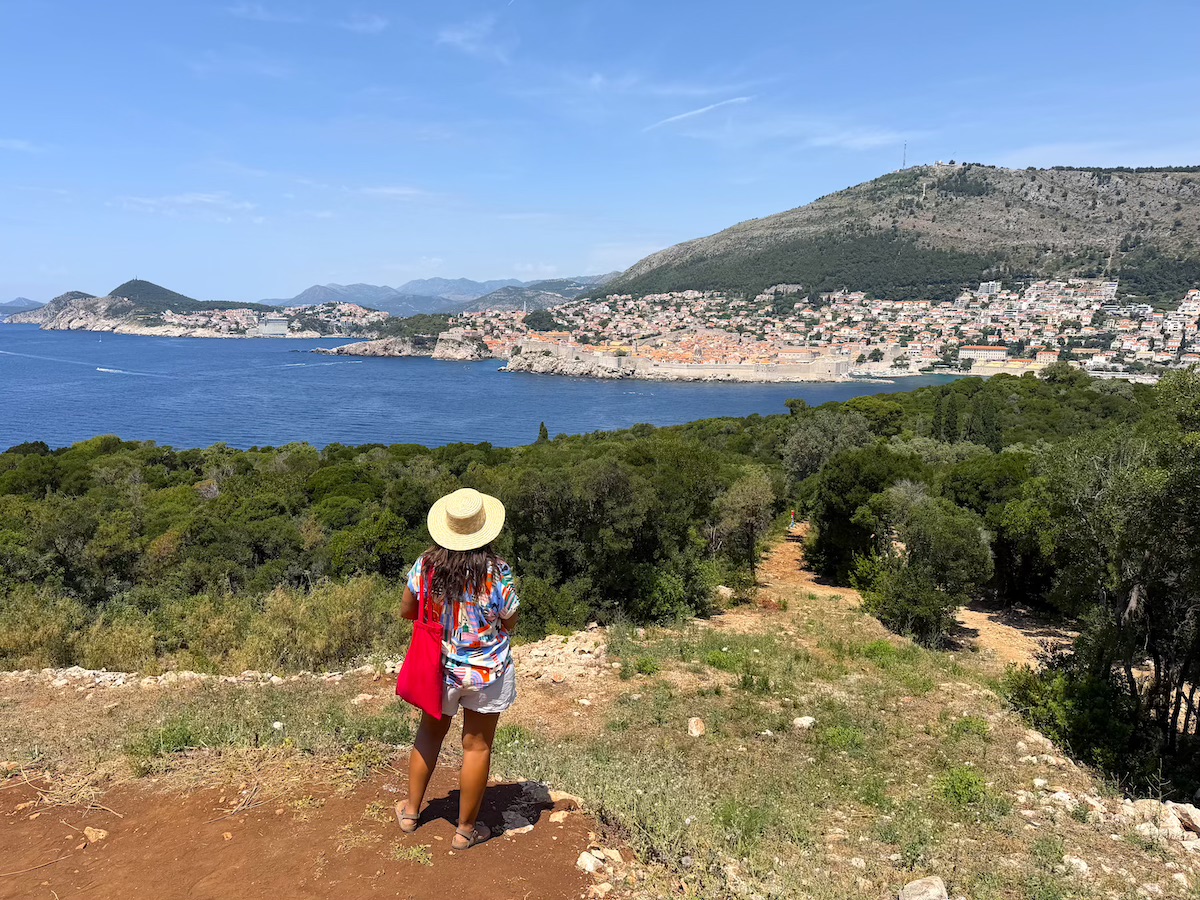
- Small Water Reservoir: Another of the island’s historic reservoirs, less striking than the Dead Sea or the Great Reservoir, but useful for understanding how water was managed on Lokrum.
- Lazaretto: This was the site designated for quarantine, although the project was never completed
- Skalika Beach/Skalika Harbor: Our favorite spot on the island for a quick dip with beautiful views of Dubrovnik. It’s the island’s oldest harbor.
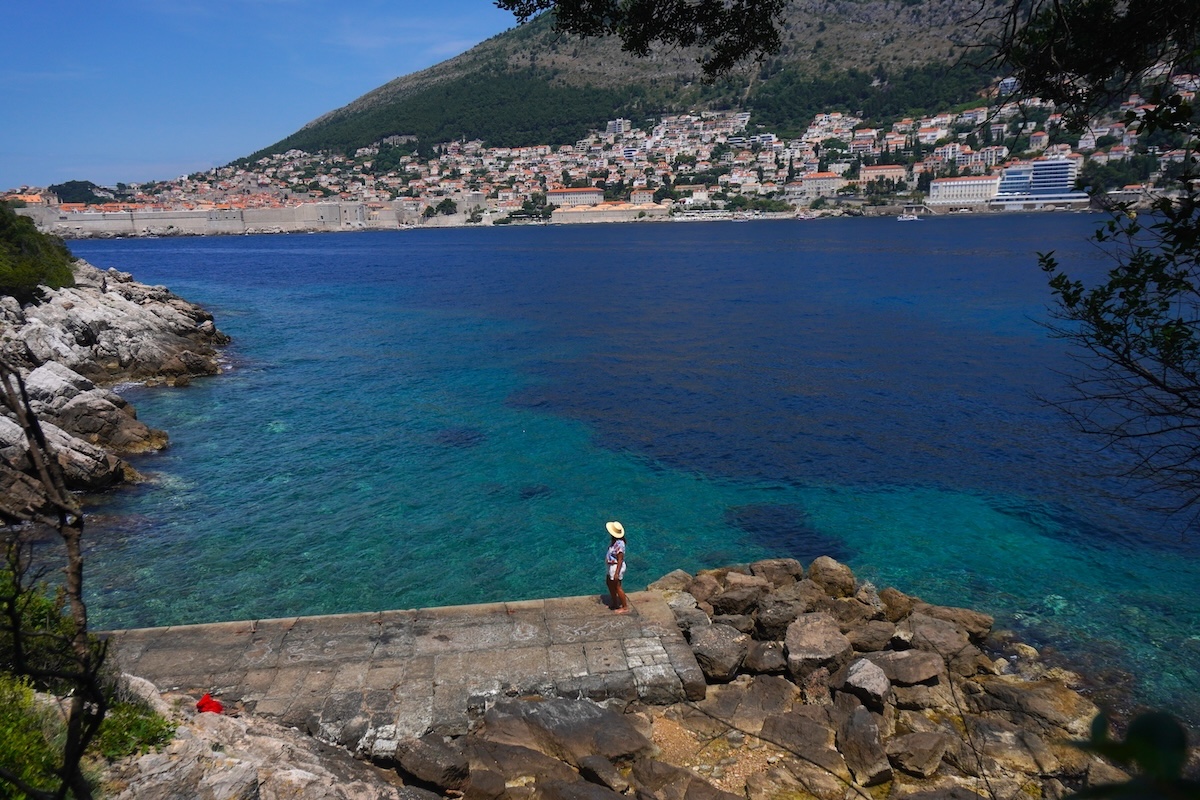
- Triton’s Cross: This large white cross, visible from the sea, is a monument erected in memory of the sailors who died in the sinking of the ship Triton; in addition to its symbolic value, it serves as a good visual landmark on the island.
RandomTIP: If you decide to spend half a day (or a full day) on Lokrum, it’s best to bring a towel, swimsuit, a bottle of water, and some food (a burek or a sandwich, for example), because although there are places to eat, prices tend to be higher and service can be a bit slow. Also, when you get off the boat, we recommend heading in the opposite direction of the main crowd, skirting the island toward the north. In our case, it was perfect to walk the “Path to Paradise” practically alone the whole way, avoiding the crowds in most places.
How to get to Lokrum Island (and how to return to Dubrovnik)
Schedule:
Boats depart from the port in Dubrovnik’s Old Town, and the frequency varies by season. Boats depart every 15, 30, or 60 minutes depending on the number of visitors and weather conditions; therefore, we recommend contacting the office for more information. When we went on Randomtrip (June 1), boats were leaving every 15 minutes. Be sure to check the return schedule carefully so you don’t get stranded on the island.
Price (includes admission to the nature reserve): Adults: 30 € round-trip; children under 18: 5 € round-trip; free admission for children under 7. There’s a discount with the Dubrovnik Pass: 20% off with the 3-day pass and 30% off with the 7-day pass, though to get the discount, you have to buy the tickets in person and wait in line. In our case, we stood in line to get the discount and paid 24 € per person, instead of the standard price of 30 € per person. If you don’t have a Dubrovnik Pass, it’s much more convenient to buy tickets online here and skip the line.
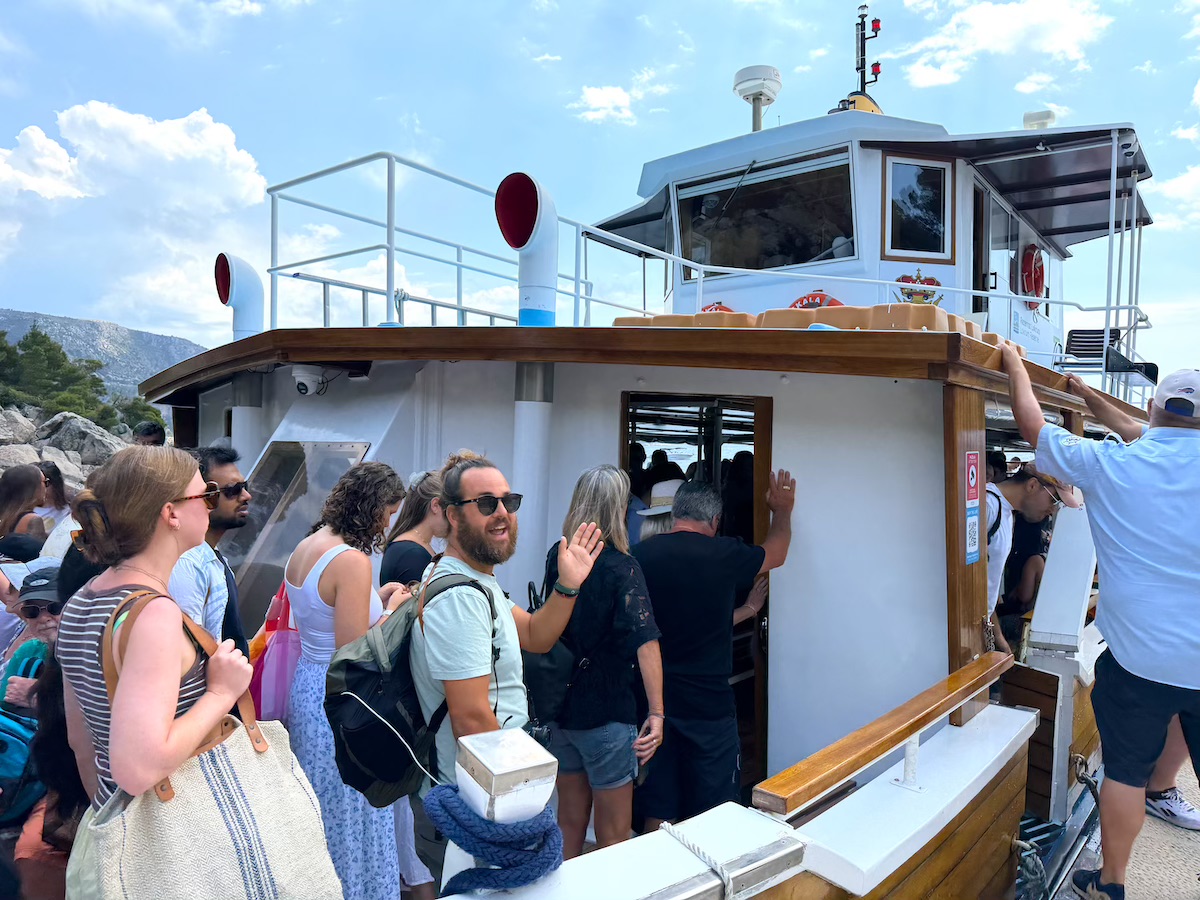
Rules of conduct on Lokrum Island:
- Do not take anything from the island. It is not permitted to collect plants, stones, shells, or any other natural elements.
- Do not damage the vegetation. Respect the flora and do not pull up or step on sensitive areas.
- Do not disturb the animals. Do not chase, feed, or interfere with the island’s wildlife.
- Do not light fires. Campfires, barbecues, and any type of open flame are prohibited.
- Do not smoke outside designated areas. Follow staff instructions and signage.
- Do not leave trash behind. All waste must be taken to designated collection points or carried back with you.
- Do not camp or spend the night. Sleeping or spending the night on Lokrum is not permitted.
- Do not stray from the marked trails. Stay on the designated paths to protect the environment.
- Do not swim in prohibited areas. Swimming is only permitted where authorized.
- Respect the buildings and ruins. Do not climb on, write on, or otherwise tamper with heritage sites.
- If you don’t practice naturism, don’t go to the island’s only nudist spot (we added this point on Randomtrip because we think it’s disrespectful to visit nudist areas if you don’t practice naturism)
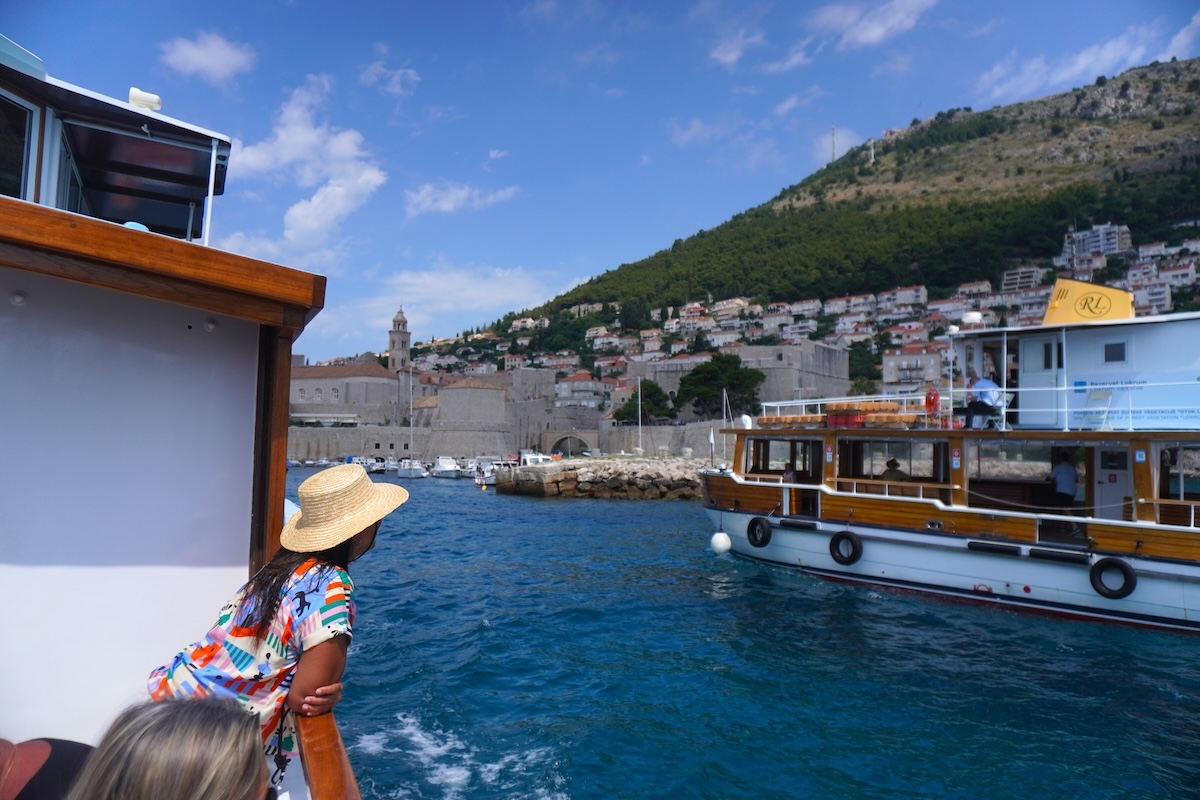
Elaphiti Islands
The Elaphiti Islands are one of the most highly recommended day trips from Dubrovnik if you’d like to spend the day enjoying the sea, small villages, beaches, and a peaceful Mediterranean atmosphere. They’re an archipelago of several islands and islets, but the best-known and most visitable are Koločep, Lopud, and Šipan—three islands that are very different from one another.
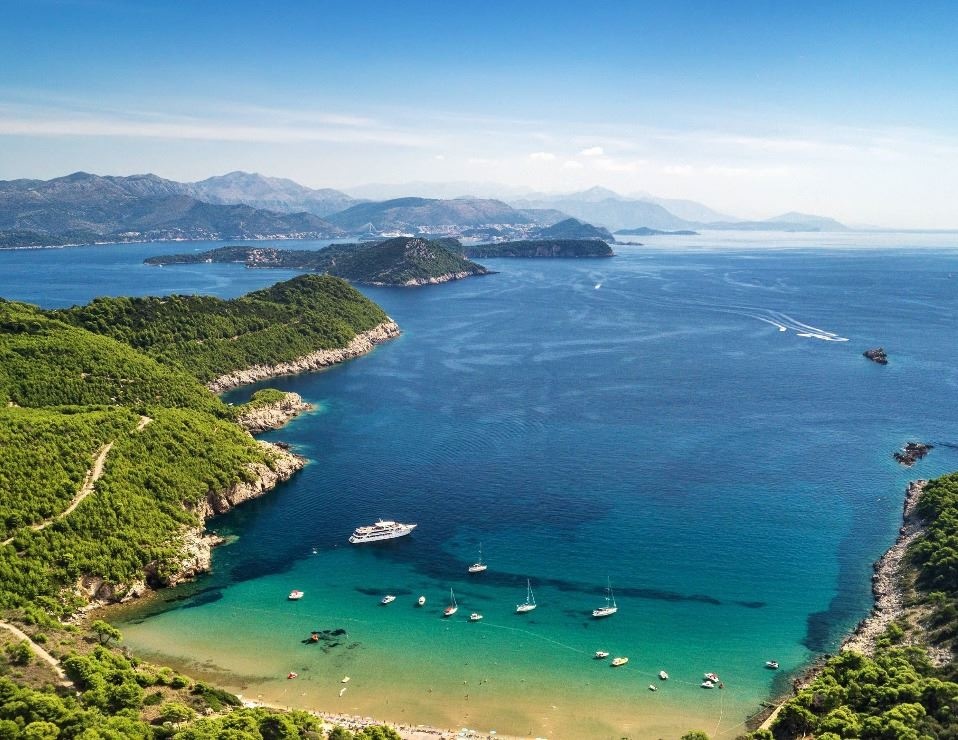
- Koločep is the closest to Dubrovnik and also one of the smallest, so you can easily explore it on foot. It has two settlements, Donje Čelo and Gornje Čelo, with beautiful stone houses and old summer villas, many of which have now been converted into small family-run accommodations. The best thing about Koločep is that you can take your time exploring it: walking around, stopping for a swim, and enjoying its charming spots with a strong Mediterranean vibe. Its beaches are small, but the water is usually very clear and the surroundings are beautiful.
- Lopud is reputed to be the prettiest of the three but also the most famous of the Elaphiti Islands. During Dubrovnik’s golden age, it had as many as thirty churches within less than 5 km², so remnants of churches, palaces, and ruins are still popping up all over the island. Many of these structures are now in ruins, but that’s precisely part of their charm: you walk along and stumble upon them almost by accident. The village of Lopud also has a very pleasant old park, with stone balustrades and statues facing the sea. And then there’s Šunj, a large sandy beach—one of the best-known in the area, very shallow, and ideal for families or for a leisurely swim. Part of the beach is lined with rental lounge chairs, and there’s also a naturist area on one side; moreover, local legend has it that if you swim there with your partner, you’ll never part ways.
- Šipan is the largest island in the archipelago and has a more rural and scattered character. It has two small ports, Suđurađ and Šipanska Luka, as well as several hamlets inland. Both ports are worth a stop. Suđurađ, across from Lopud, is a very pleasant spot for swimming and having a coffee, while Šipanska Luka has some highly recommended restaurants and a more relaxed atmosphere for winding down at the end of the day. Both villages still preserve ancient palaces and historical ruins, and the island’s interior features interesting ruins, including the former palace of the bishops of Dubrovnik.
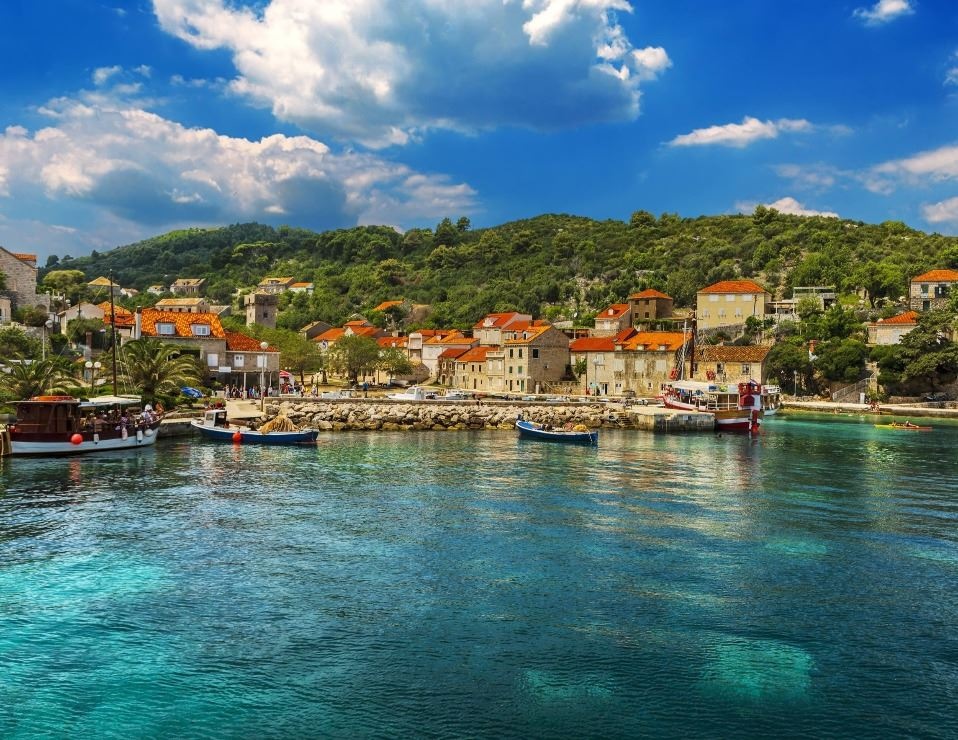
How to Get There
The easiest way to visit the Elaphiti Islands is by ferry or on an organized tour from Dubrovnik. It’s common to spend a full day there, or, if you’re taking it easy, focus on one or two islands to really enjoy them. Here are some recommended tours you can easily book online:
- Full-day Elafiti cruise with food and drinks, visiting several islands
- Elafiti Islands by pirate ship
- Boat tour to the Blue Cave and the Elafiti Islands (half-day)
Which of the three islands should you choose?
If you’re traveling with kids, Lopud and Koločep are great choices because of their shallow beaches: Koločep is the easiest option if you want something peaceful, while Lopud is usually the best all-around choice if you’re looking to combine sightseeing with beach time. If you’re looking for something more authentic and peaceful, Šipan is the least touristy.
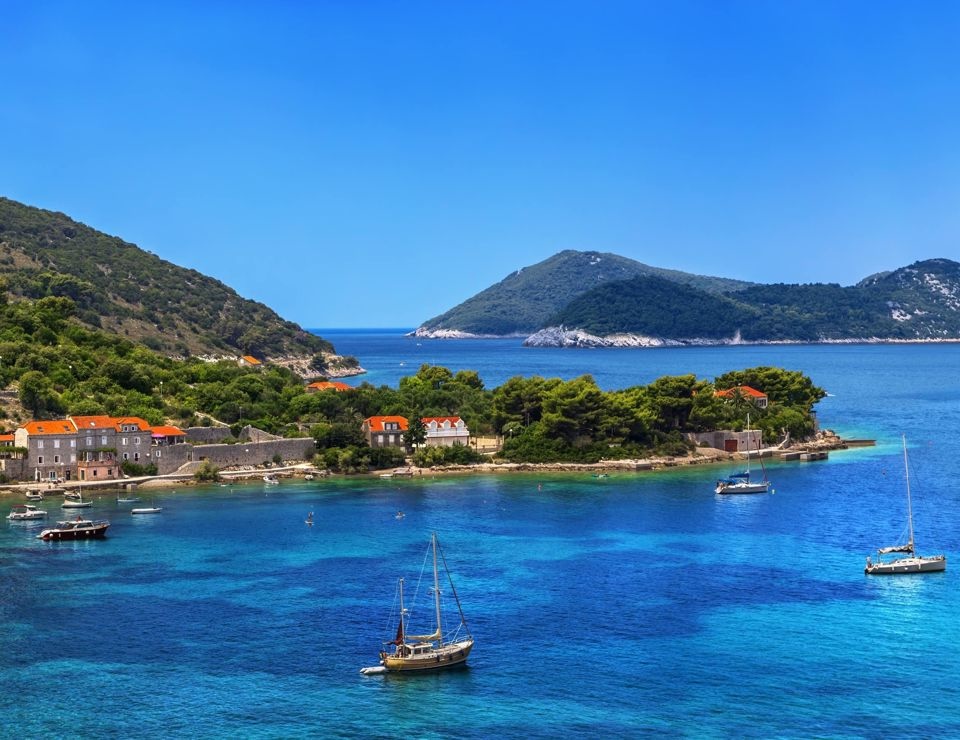
Beaches in Dubrovnik
Dubrovnik has several beaches in the surrounding area where you can cool off, especially if you’re traveling in the summer and/or the weather is nice (in our case, we were very lucky in late May and were able to enjoy the Croatian waters every day).
You have plenty of beaches to choose from; the closer they are to the city, the more crowded they tend to be, so depending on what you’re looking for, you can pick one or the other. In any case, we recommend bringing water shoes (like these) since the beaches are rocky:
- Banje Beach: a very beautiful beach very close to downtown, with views of the city walls; you can easily walk there via Ploče Gate. We went there as soon as we arrived, with some sandwiches we bought downtown, and the water was spectacular.
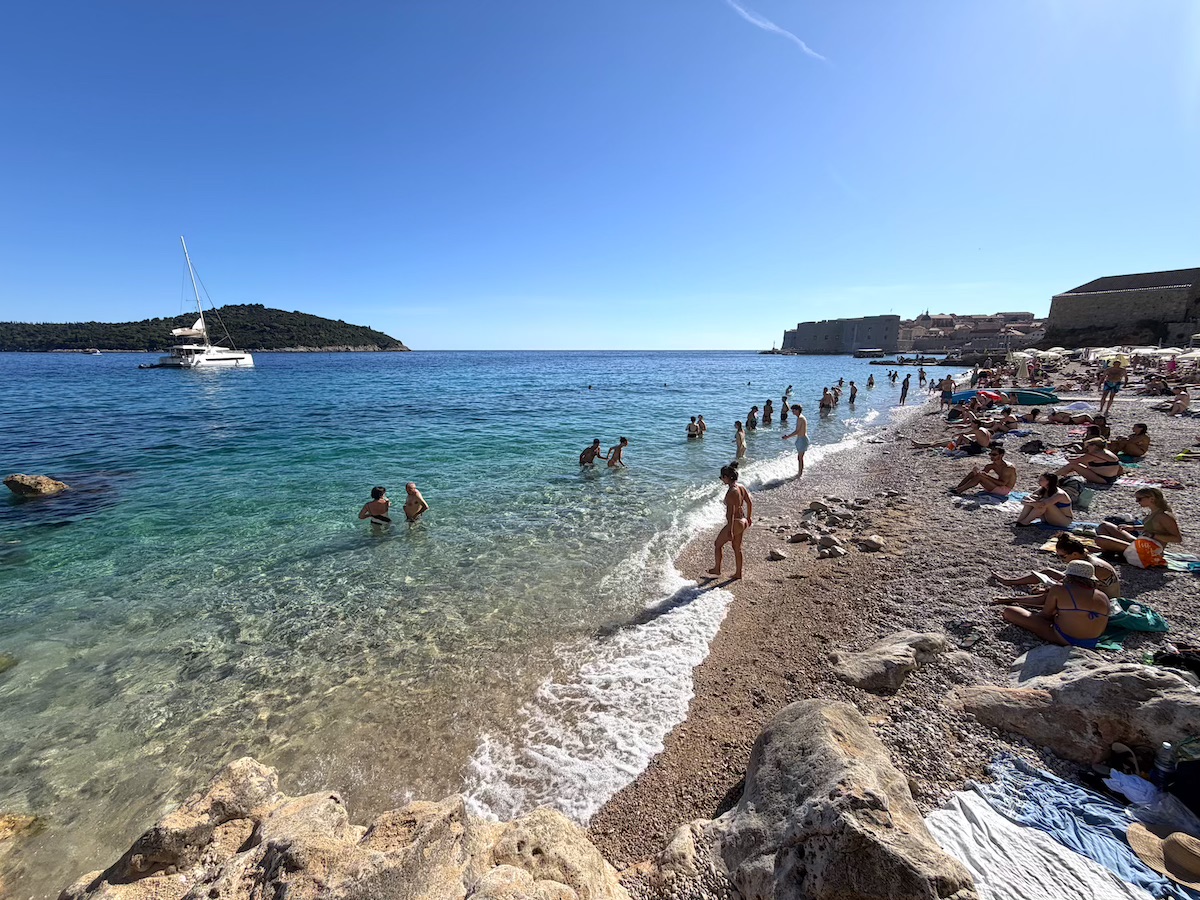
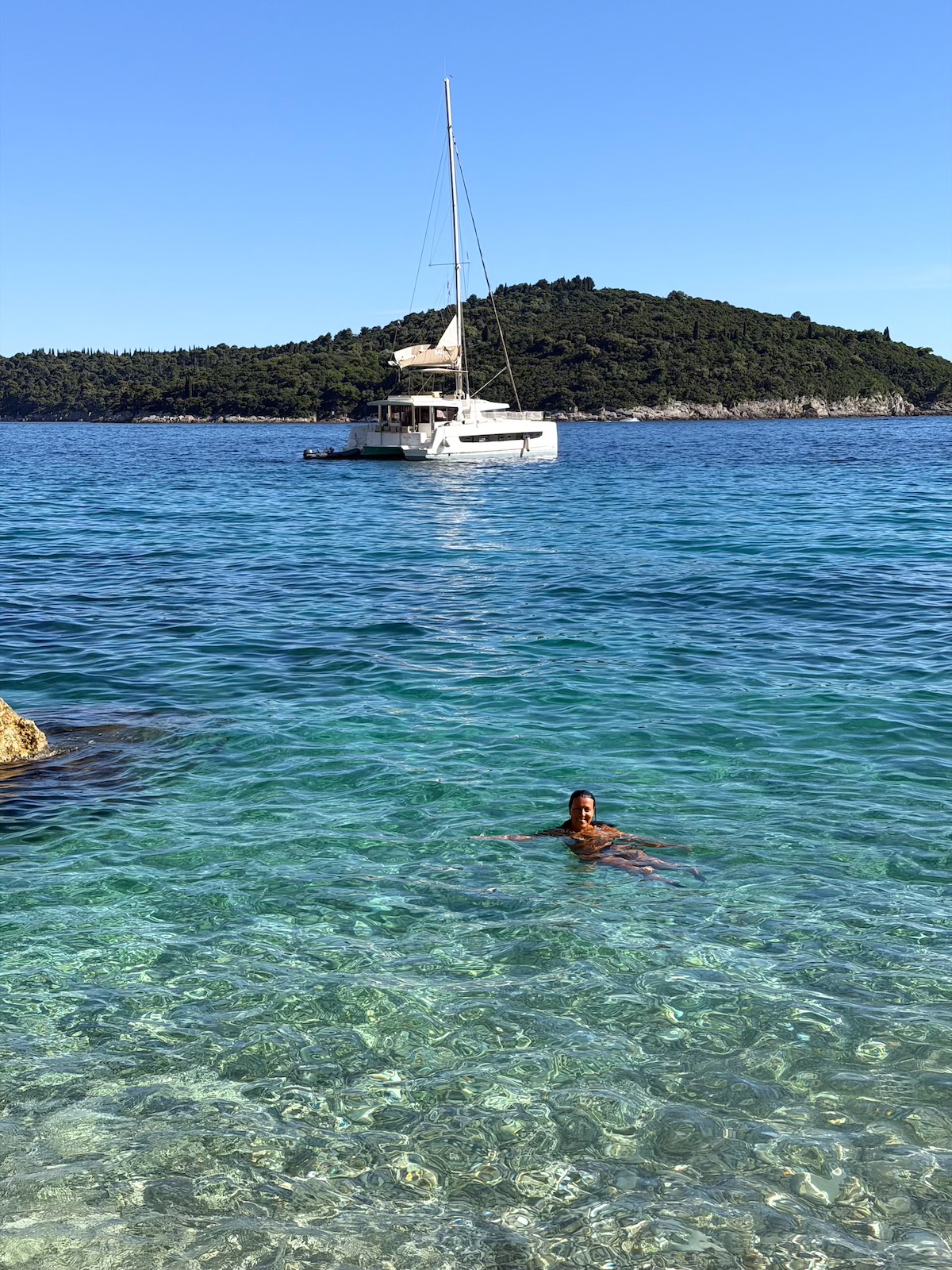
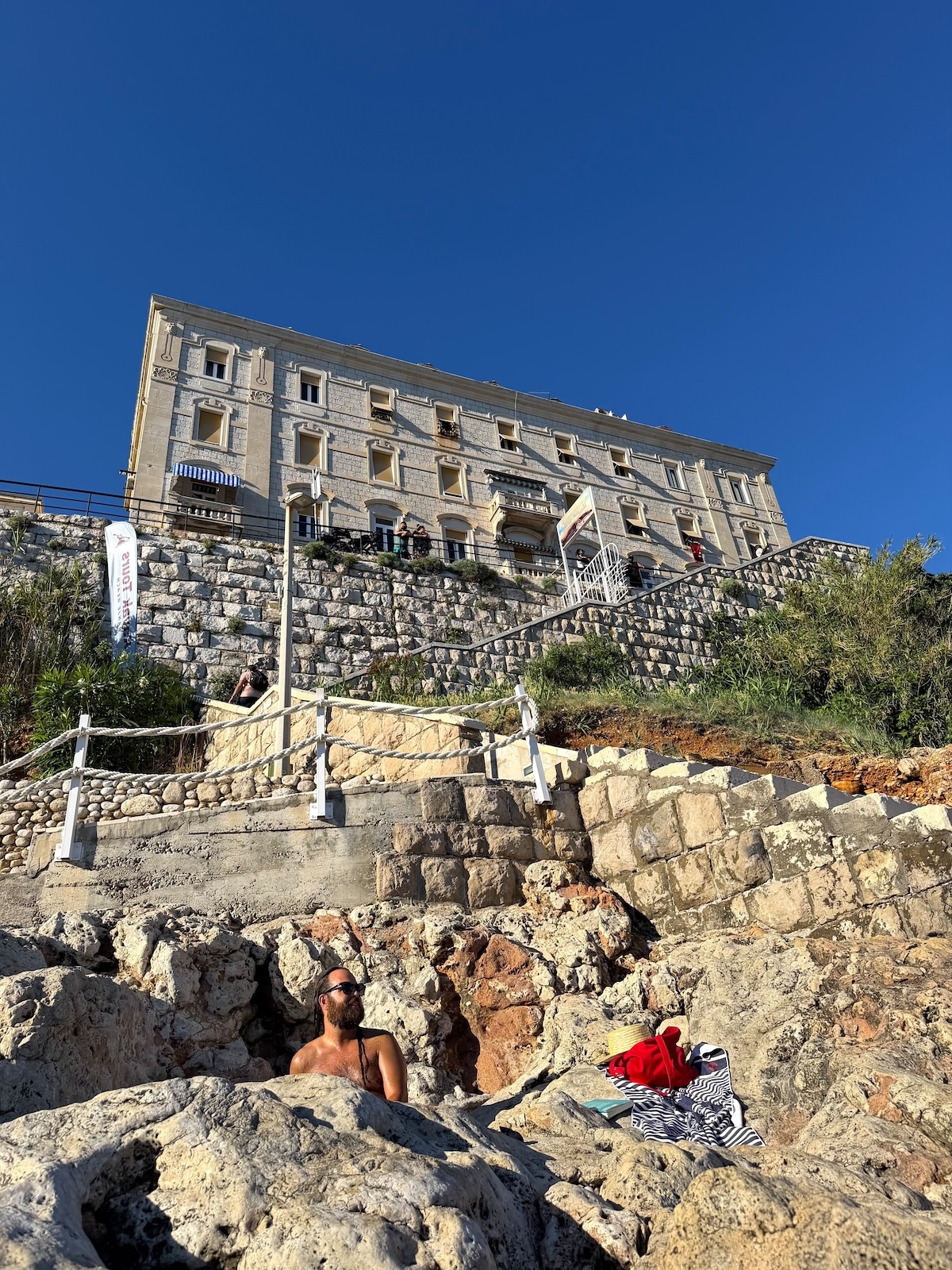
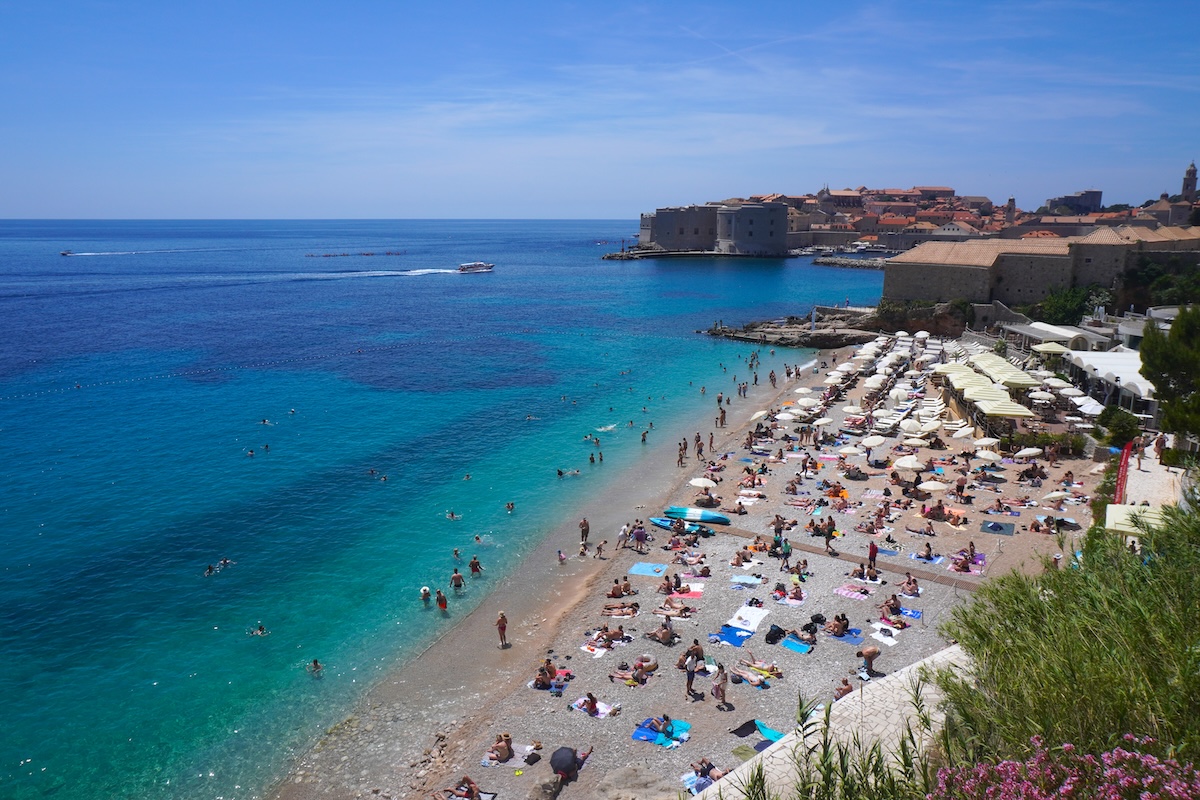
- Šulić Beach: Also close to downtown, past the Fortress of St. Lawrence. It’s quite small and therefore very crowded, so we’d avoid it during peak hours
- Danče Beach: a rocky area with spots to lie down and stairs leading down to the sea. It’s a bit more popular with locals and is spacious.
- Bellevue Beach: a beach located between the 5-star Hotel Bellevue and Rixos Premium. It’s accessed via stairs carved into the cliff.
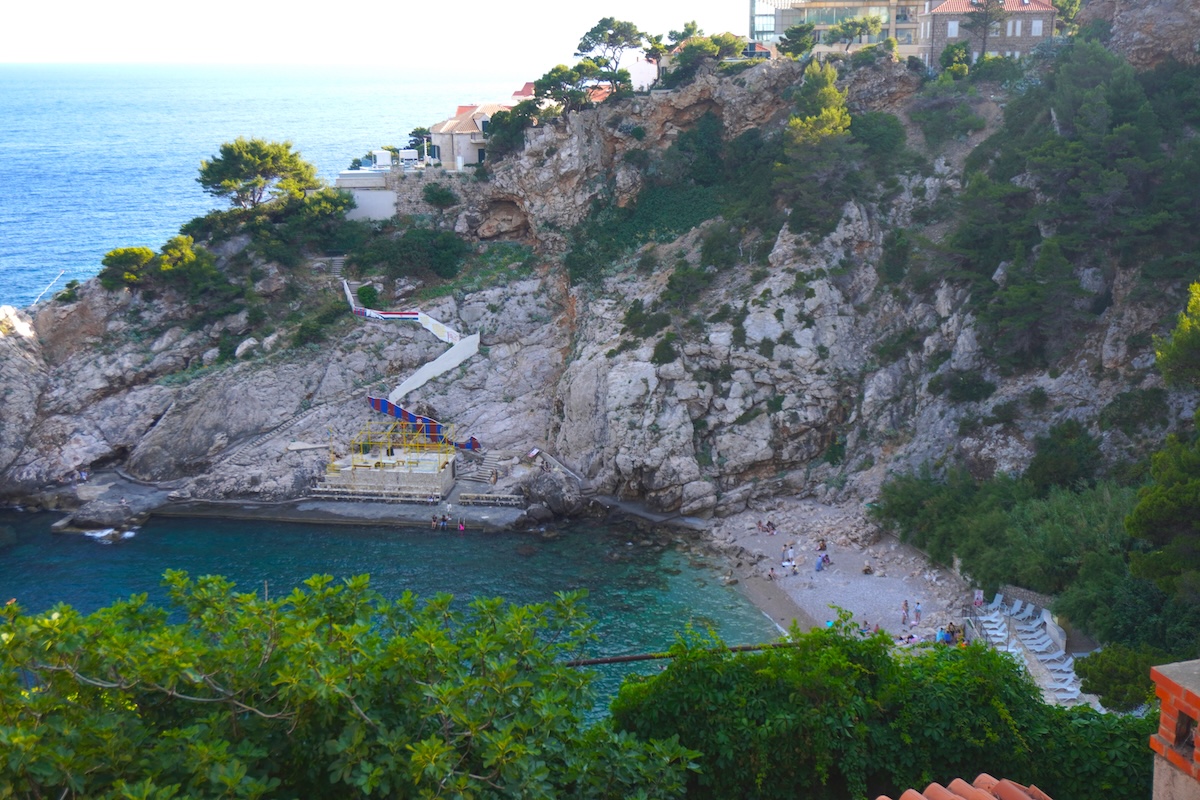
- Lapad and Vis Beaches: A little further away, to the west (in our case, we took the bus, which was included in our Dubrovnik Pass), you’ll find these two beaches. When we went, the first area had more families and kids, the one at Vis was full of lounge chairs, and in between there’s a concrete area with space to lie down and stairs leading down to the sea, as well as a bar—and that’s where we stayed and enjoyed the water.
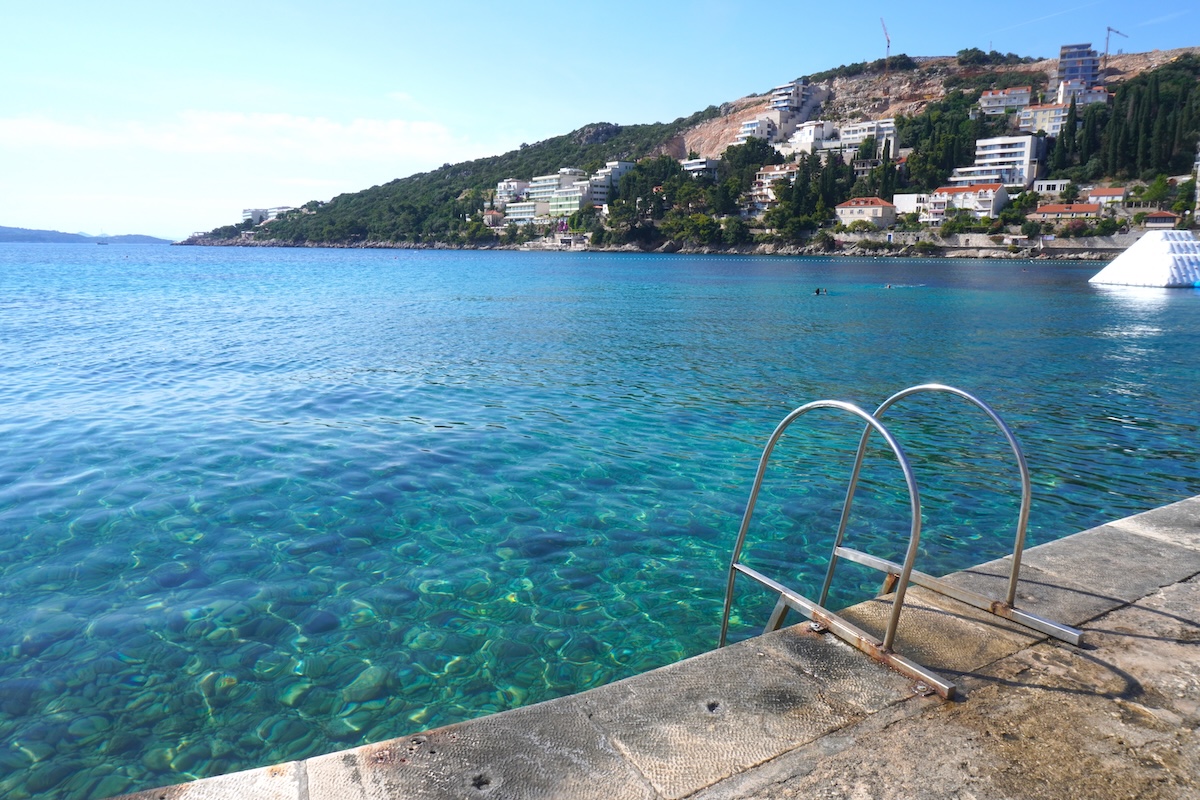
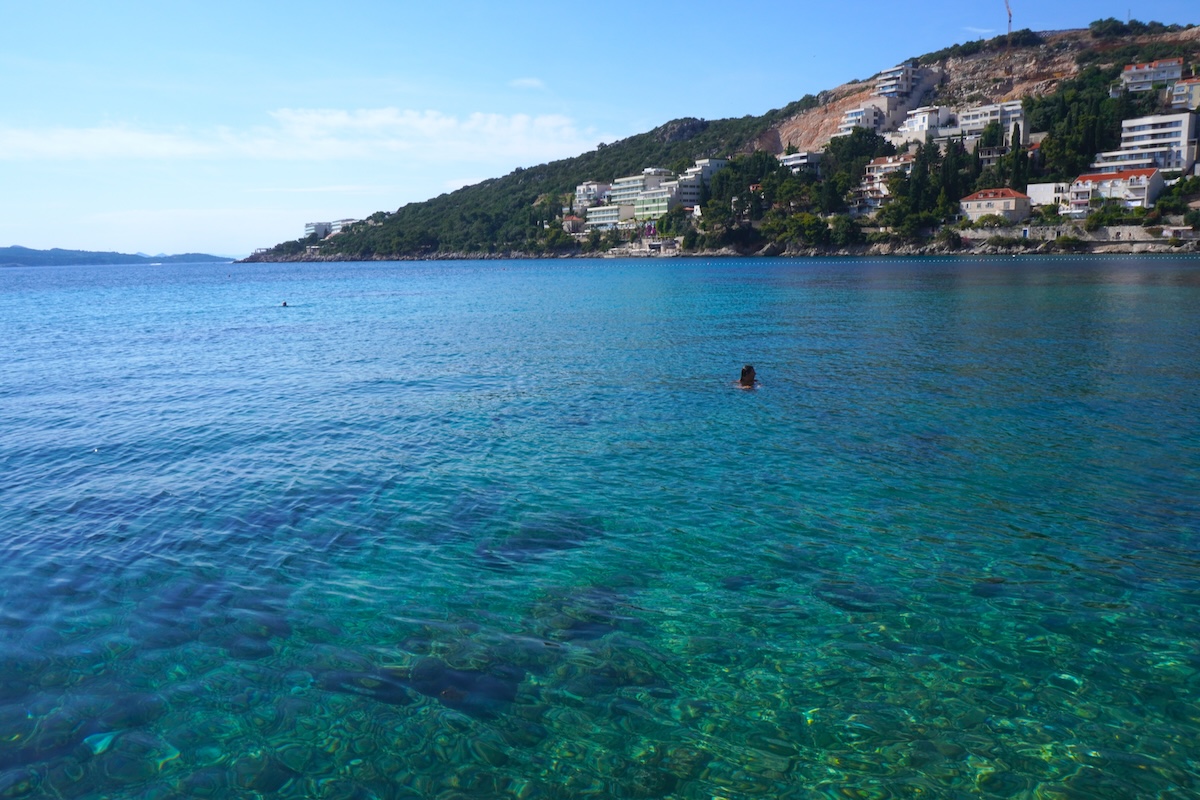
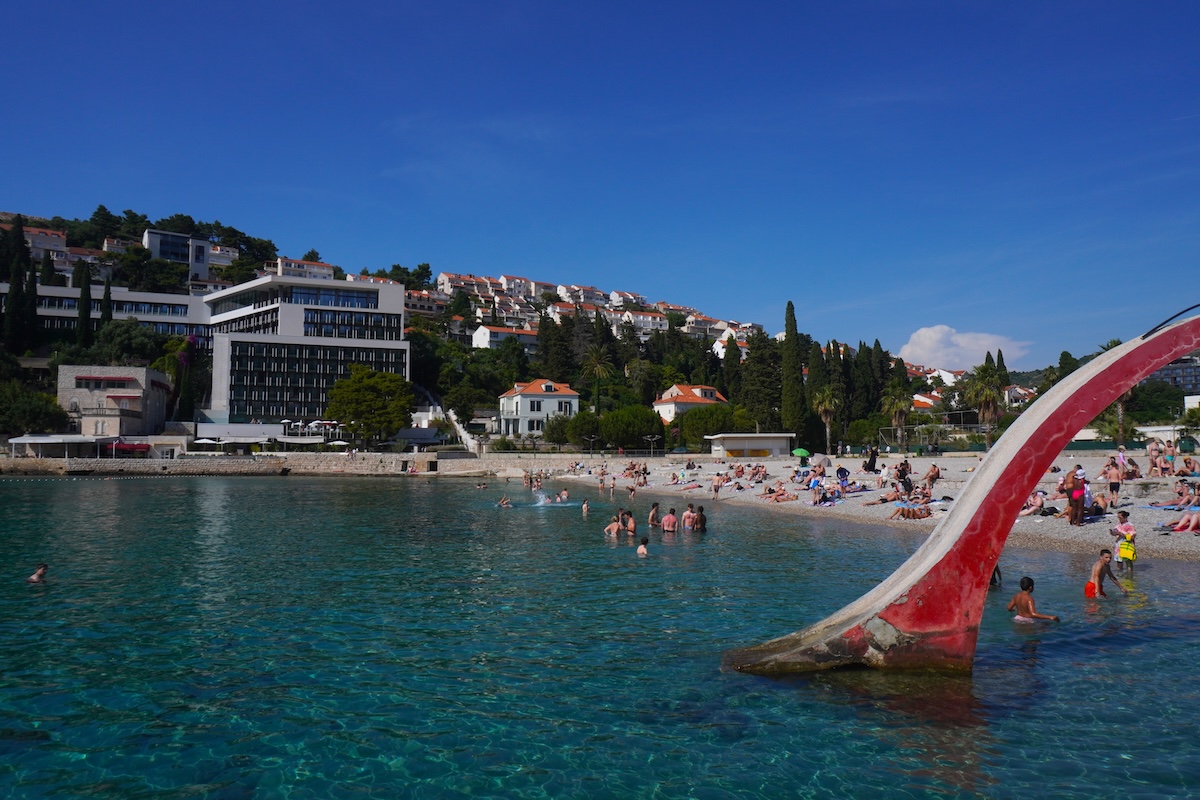
- Mandrač, Copacabana, and Coral Beaches: Of these three, we recommend Mandrač the most—it’s more spacious and beautiful. The other two are small, and they try to convince you that you’re required to pay and buy drinks at their bars/beach clubs, which have extremely high prices, even though they’re public beaches.
- Sveti Jakov Beach: on the other side (to the east), a beautiful beach with a bar and paid lounge chairs.
- Further away from Dubrovnik, to the south, there are more beaches, such as Mlini Beach, Cavtat Beach, and Pasjača Beach, which are best explored if you have a rental car.
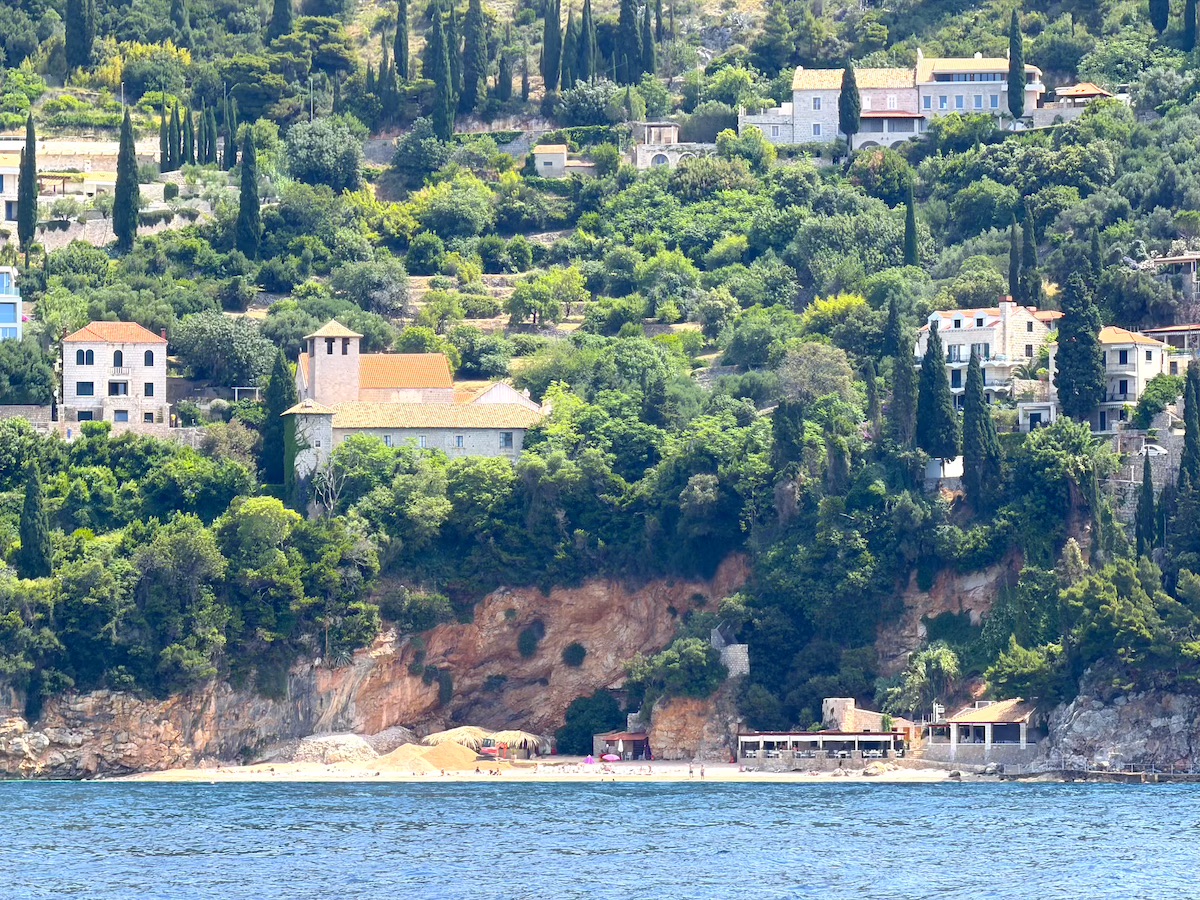
Santa Úrsula Park (Orsula Park)
If, like on Randomtrip, you love panoramic views, Santa Úrsula Park—located next to the ruins of the 14th-century Church of Santa Úrsula—offers incredible views of Dubrovnik’s Old Town, stretching all the way to the Adriatic Sea and the island of Lokrum. In addition to its scenic beauty, the park features an open-air amphitheater with a capacity of 350 people—where concerts and even weddings are held—perched on a cliff about 200 meters above sea level. You can get there in about 25 minutes on foot from the Old Town or with a short ride on bus No. 10 (or via Uber/Bolt).
Kupari and the Abandoned Hotels
Kupari is one of those places we recommend visiting if you’re into abandoned sites. What you see today—a beautiful bay and a row of ruined hotels—was for decades a luxury tourist complex and later a major military resort of the former Yugoslavia. It’s on the outskirts of Dubrovnik, and its history spans from the first grand hotel built in the 1920s to the destruction of the complex during the Croatian War of Independence in 1991.
Kupari began to develop as a tourist destination in the interwar period, when Czechoslovak investors built the Grand Hotel Kupari, conceived as an elegant seaside resort that was very advanced for its time. After World War II, the complex passed into the hands of the Yugoslav army and was transformed into a recreational center for officers and their families, featuring several hotels, villas, and ample lodging capacity.
The darkest chapter in its history came with the Croatian War of Independence: the resort was bombed, set on fire, and looted, and has remained abandoned ever since, transformed into a sort of concrete ghost town facing the sea. Today, a visit is striking precisely because of this: the contrast between the tranquil bay, the beach, and the skeletal remains of the hotels.
How to Get There
Kupari is very close to Dubrovnik and easily accessible by road, so the best option is to take an Uber or Bolt. It’s best to arrive early so you can stroll along the bay, take your time looking at the hotel ruins, and, if you feel like it, even take a dip at the beach.
Get inspired by the stories from our visit to Dubrovnik
You can view the featured Instagram Stories from our visit to Dubrovnik here
Where to Stay in Dubrovnik
If possible, in our opinion, the best option for staying in Dubrovnik is in the historic center, inside the city walls, where most of the city’s attractions are concentrated; at Randomtrip, we stayed at Apartment Ira , a very well-located apartment right next to the cathedral (on a super quiet street with no noise at all), and it was a great choice.
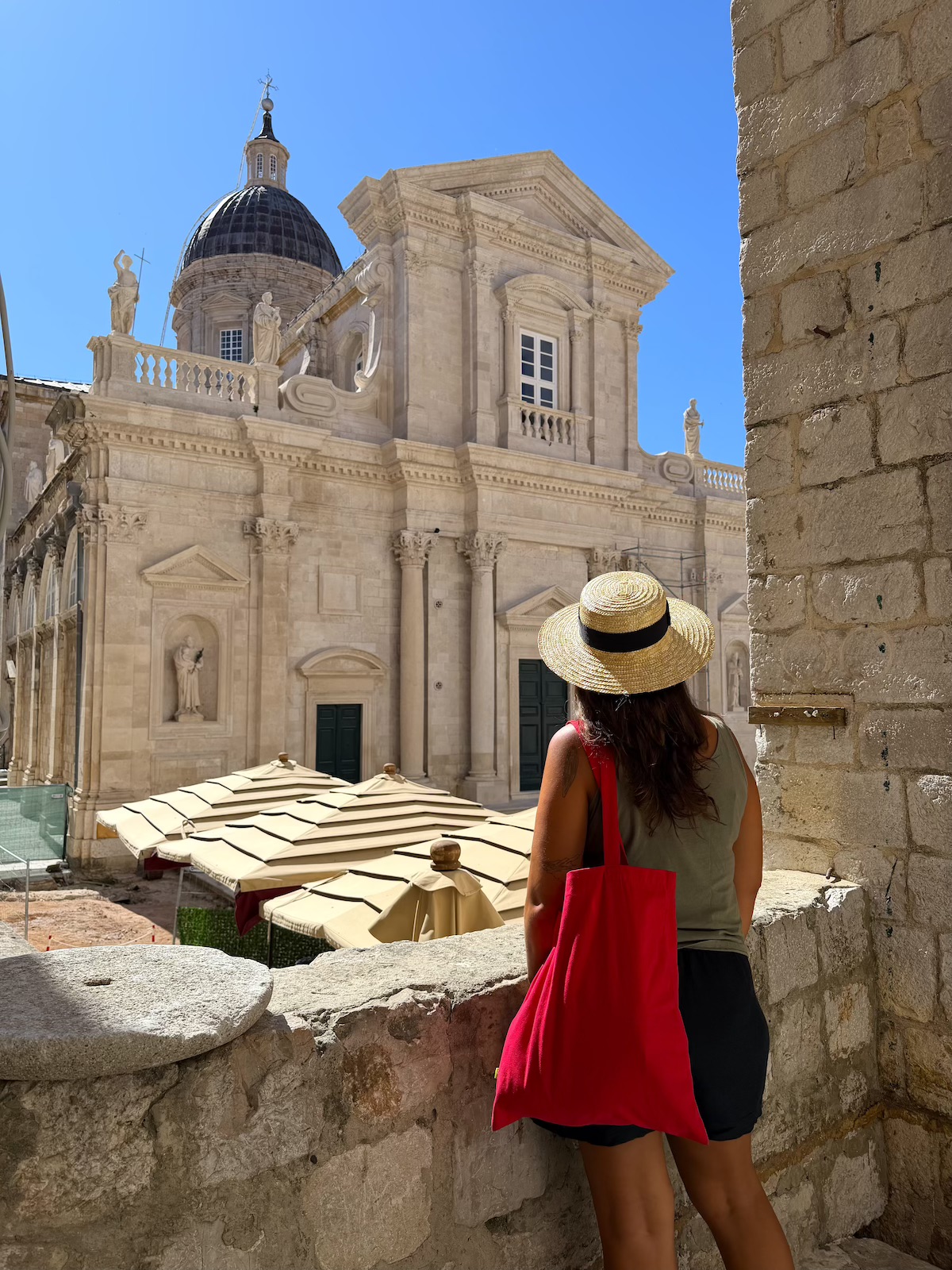
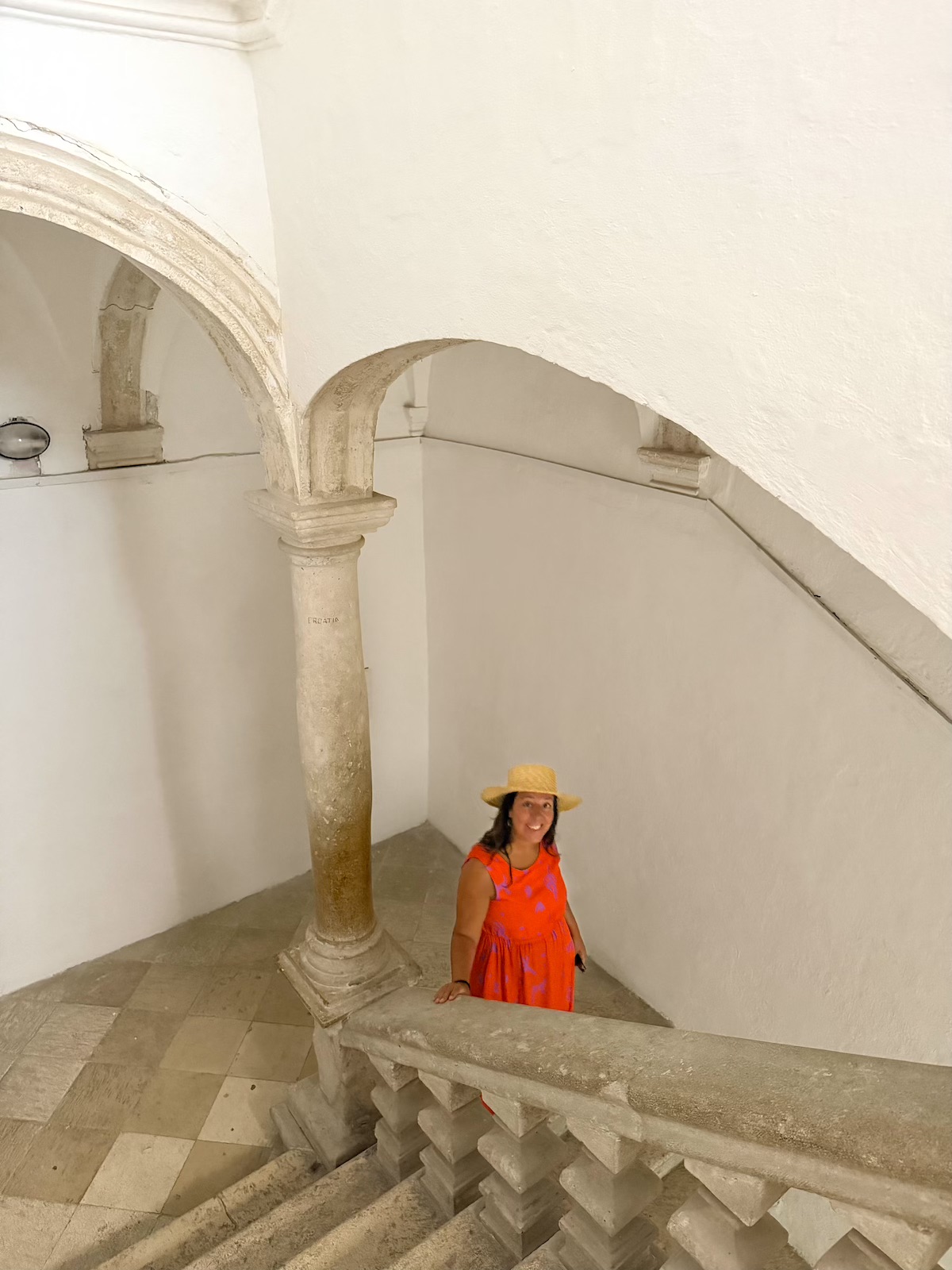
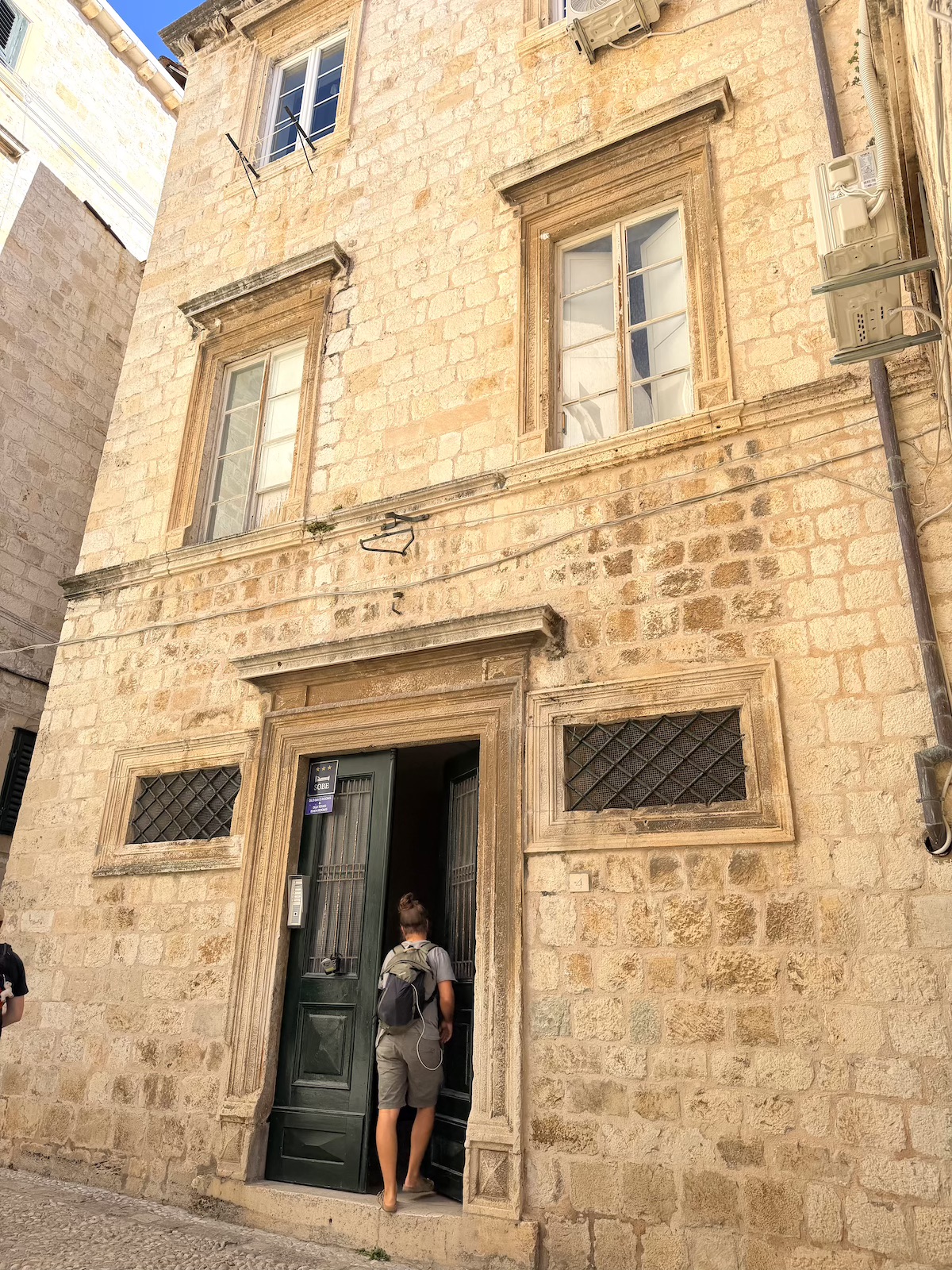
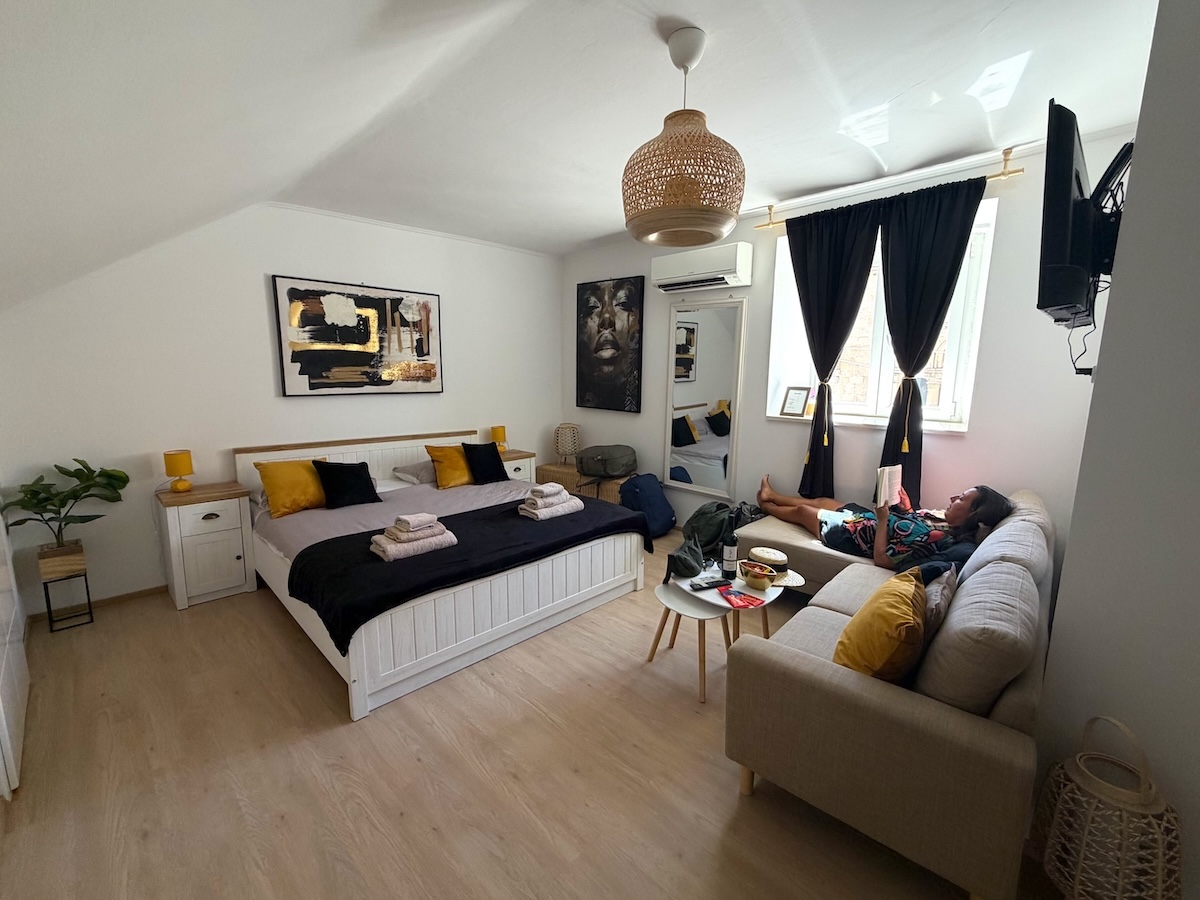
Due to limited space and the rise in tourism, accommodations inside the city walls sell out faster and/or prices rise significantly, so if you can’t find anything inside the walls, you can also stay outside, ideally near one of the two main gates (Pile or Ploče), or—if you don’t mind being a little further away—in the Gruž or Lapad areas. Get a better understanding of the different areas, their pros and cons, and which one is best for you in our complete guide to where to stay in Dubrovnik
Below are several recommended options in each area
Where to Stay in Dubrovnik’s Historic Center (Inside the City Walls)
Staying inside the city walls is the best option for being close to everything, although it’s becoming increasingly difficult due to rising tourism and higher prices. Also, keep in mind that inside the city walls , the area is entirely pedestrian-only, and most buildings are old and lack elevators, so you’ll have to walk—and likely climb stairs—to reach your accommodation. If that’s a problem for you, we recommend staying outside the city walls. If you do want to stay here, we recommend booking your accommodation as far in advance as possible.
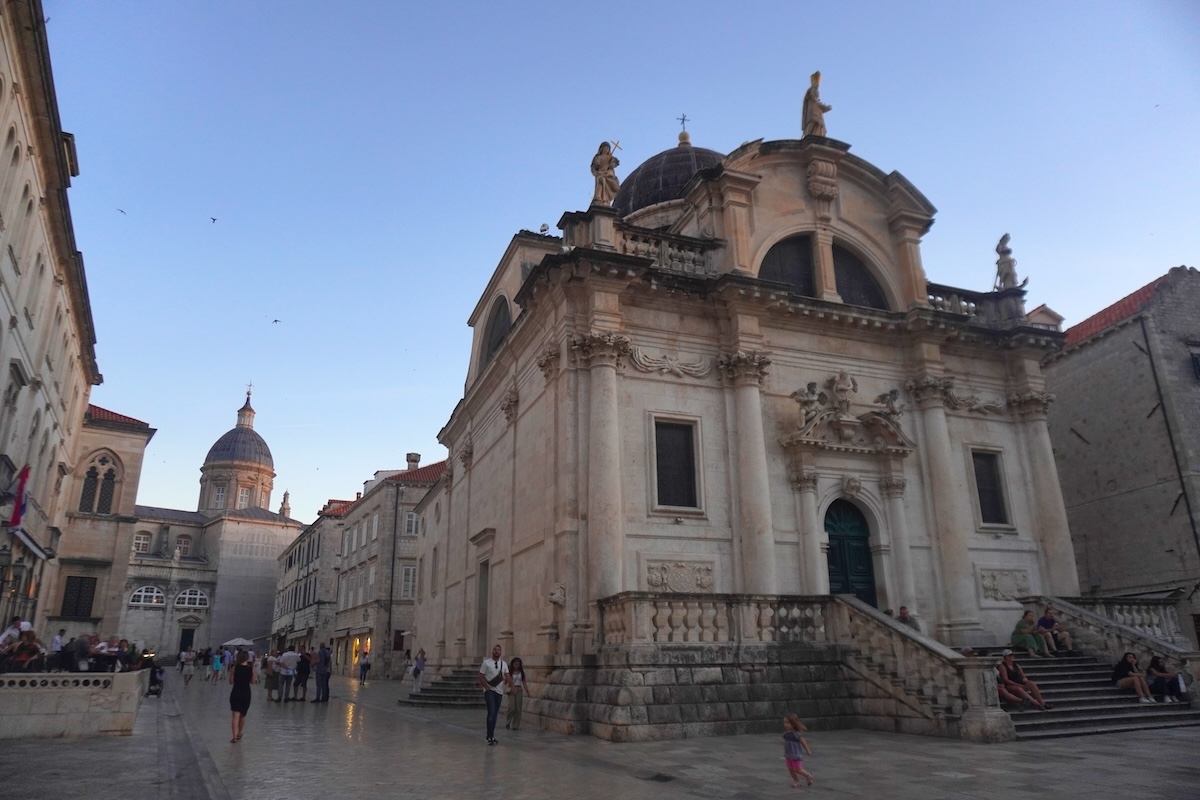
At Randomtrip, we decided we wanted to stay in this area, although since our trip was planned on short notice, we had a hard time finding an option we liked and ended up paying more than we wanted to (which is why we insist that it’s best to book as early as possible). We ended up staying in a studio apartment, Apartment Ira (starting at 150 €/night), which was in a great location right next to the cathedral (on a very quiet street with no noise at all) and had a small kitchen where we could make our own breakfast.
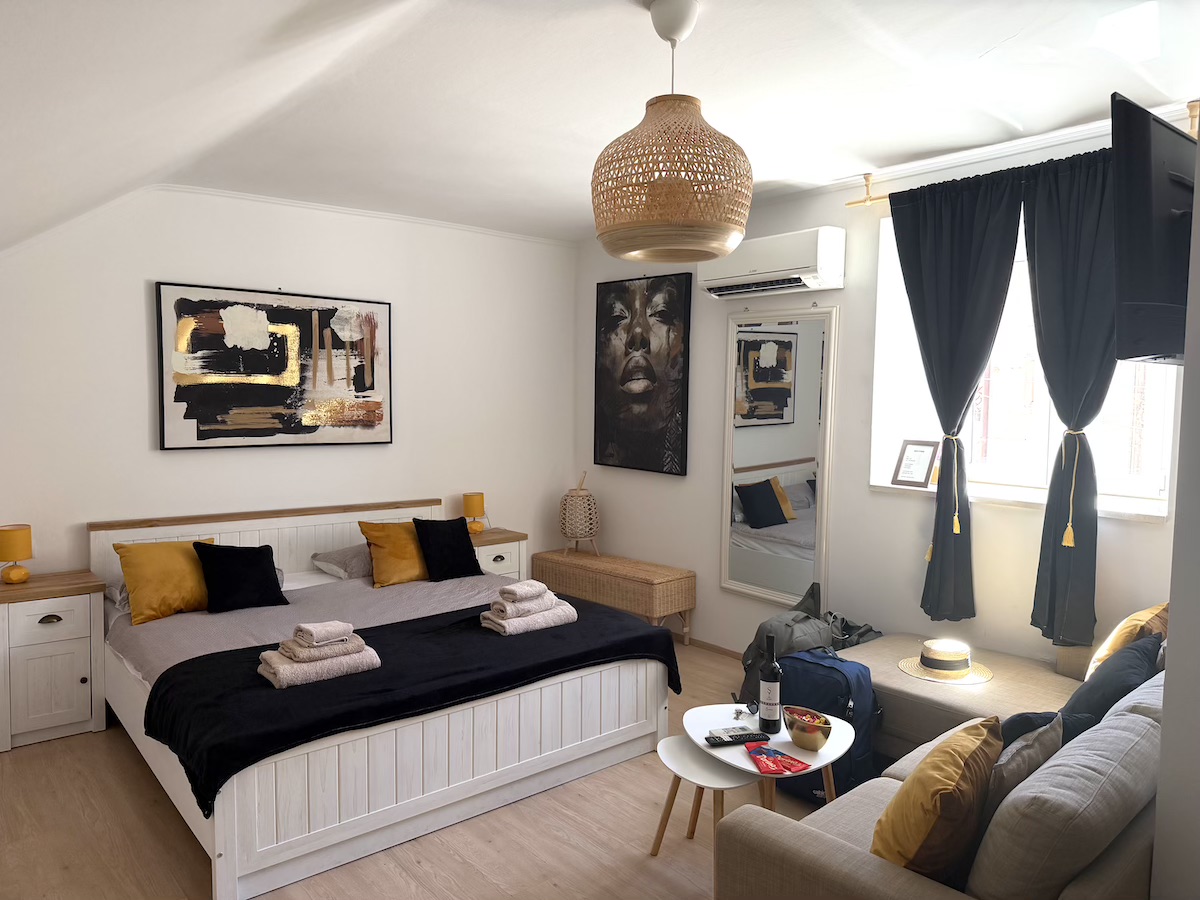
Here are a few options in the city center that we considered or were recommended to us:
- Apartment Ira (from 150 €/night): where we stayed through Randomtrip—centrally located, quiet, and with a kitchen
- Guesthouse Rustico (from 55 €/night): a guesthouse with various room types, quiet, and reasonably priced.
- Festa Apartments and Rooms (from 70 €/night): rooms and apartments (some with a terrace)
- Nono’s House II (from 110 €/night): a modern apartment with a kitchen right in the heart of the city
- Dubrovnik Rupe Apartment (from 150€/night): a simple apartment but with a balcony and an incredible view of the city and the city walls.
- Andante con nobile (from 190 €/night): apartment with an incredible view of Dubrovnik’s Old Harbor, featuring a kitchen and fully renovated
- King Richards Royal Residence (from 200 €/night): a hotel with various room types and breakfast included.
- Breathtaking View Apartment Ragusea (from 400 €/night): a very modern apartment with a large window offering incredible views of the city and the sea.
- Boutique Hotel Stari Grad (from 500 €/night): a boutique hotel right in the heart of the city; some rooms have terraces with beautiful views.
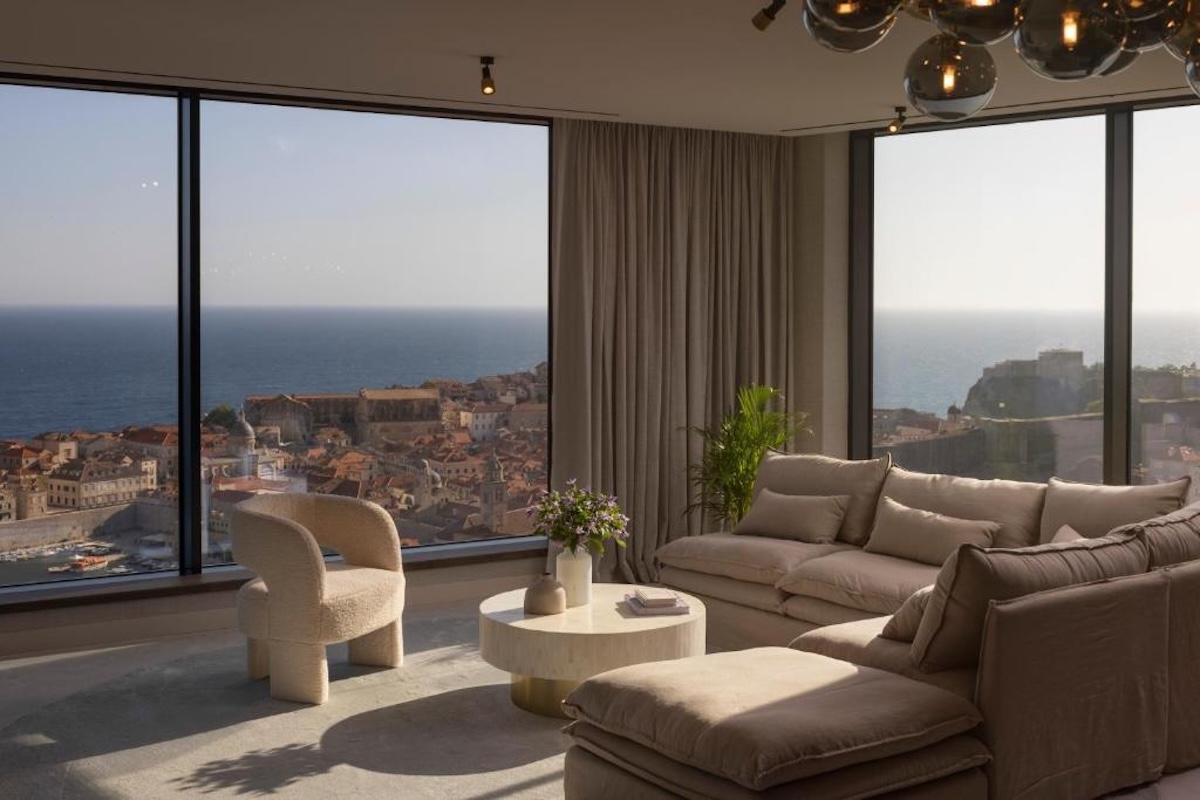
Where to Stay in Pile (near Pile Gate)
The next most common option if you can’t or don’t want to stay inside the city walls is in the Pile neighborhood, right next to Pile Gate. This area has the advantage of offering a few attractions to visit, being very close to one of the main entrances to the historic center, and offering better prices. That said, the upper part of the neighborhood is quite high up, so you might have to climb quite a few stairs or hills.
If we hadn’t been able to find accommodations inside the city walls, Pile would have been our second choice (in fact, we were about to book here instead of inside when we couldn’t find anything).
Here are some suggestions for places to stay in Pile:
- Casita Studio Apartment (from 100 €/night): an apartment with a kitchen and a lovely outdoor terrace. It’s located in the upper part of town, so you’ll have to walk up and down hills.
- Guesthouse Manda (from 120 €/night): a modern studio with a terrace and beautiful views of the sea, the city walls, and the Fortress of San Lorenzo. It’s in the lower part of Pile.
- Studio Apartment Sunny Dream (from 150 €/night): a studio located next to Sulic Beach and the Fortress of St. Lawrence (an unbeatable location right next to the historic center), with sea views.
- Rixos Premium Dubrovnik (from 170 €/night): a 5-star hotel a 20-minute walk from Pile Gate, with beach/sea access and swimming pools.
- Dubrovnik Seaview Apartment 10 min to the Old Town (from 300 €/night): a two-bedroom apartment with a terrace overlooking the sea, 10 minutes from the city walls
- Hotel Bellevue Dubrovnik (from 500 €/night): a 5-star hotel with sea views and direct access to Bellevue Beach. It’s about a 20-minute walk from Pile Gate.
- Villa Mediteran Old Town (from 1 €,300/night): a 1930s villa with 5 bedrooms (sleeps 10), featuring a hot tub, terrace, and ocean views—a great option if you’re traveling with a large group.
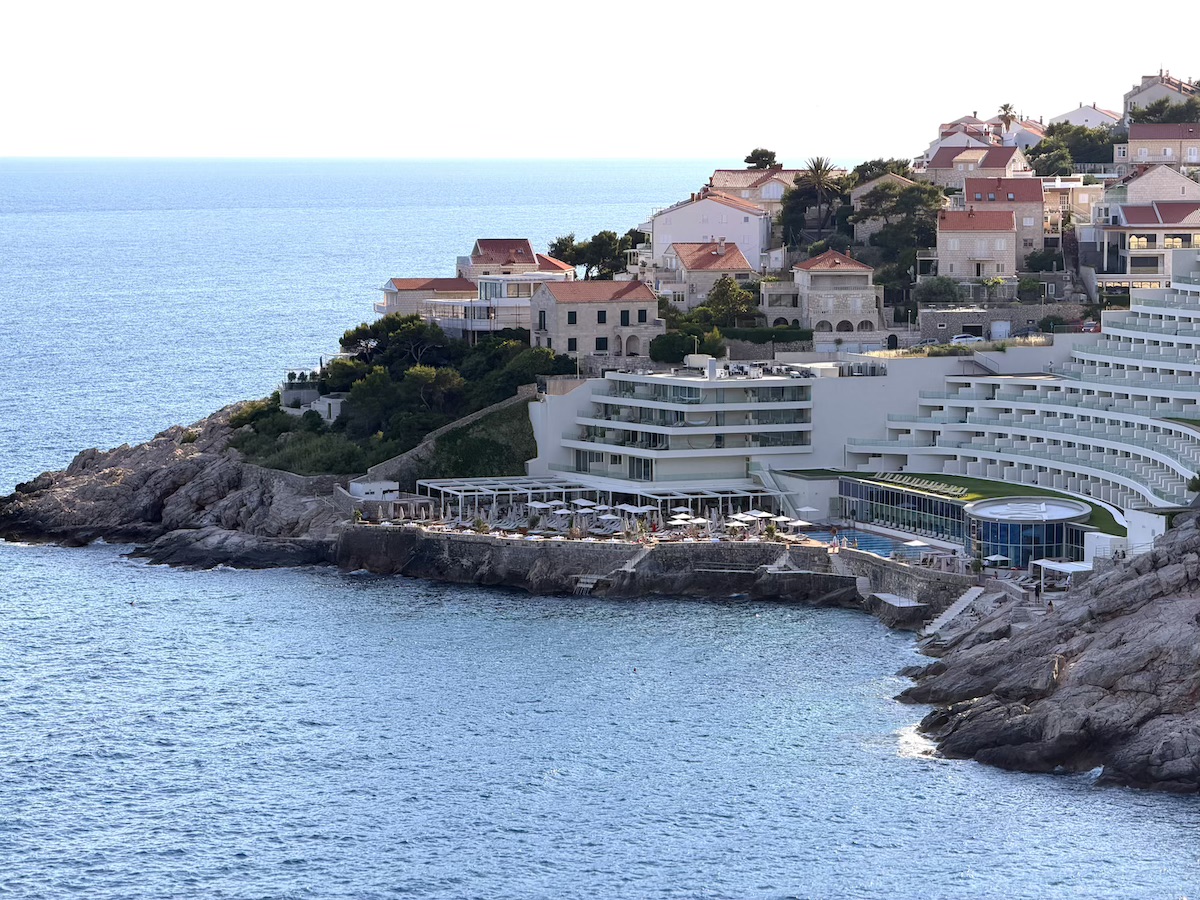
Where to Stay in Ploče (near Ploče Gate)
The Ploče area is more upscale and expensive, located near Dubrovnik’s main beach, so we recommend staying here if you’re looking for something special but still close to the center.
Here are some suggestions for accommodations in Ploče:
- Villa Gloria and Villa Gloria 2 (from 110 €/night): studios and apartments with a shared pool and a terrace with ocean views, just a few minutes from Ploče Gate.
- Guesthouse Nada (from 115 €/night): right next to Ploče Gate (you’ll see it from the apartment’s balcony).
- Apartments Dubrovnik Center (from 150 €/night): studio with a terrace and sea views next to Banje Beach (just a few minutes from Ploče Gate)
- The Beachfront Dubrovnik Old Town (from 215€/night): apartment right across from Banje Beach, with ocean views, and just a few minutes from Ploče Gate.
- Apartment Flora (from 250 €/night): apartment with sea views, near Banje Beach and Ploče Gate
- Hotel Excelsior (from 600 €/night): 5-star hotel located next to Banje Beach, with direct access to the sea and some rooms offering sea views. Just a few minutes from Ploče Gate
- Villa Revelin Dubrovnik Old Town (from 700 €/night): Entire villa with 4 bedrooms (sleeps 8) and a private pool
- Villa Beba Dubrovnik (from 2 €,400/night): Entire villa with 5 bedrooms (sleeps 10) featuring a private pool and incredible views
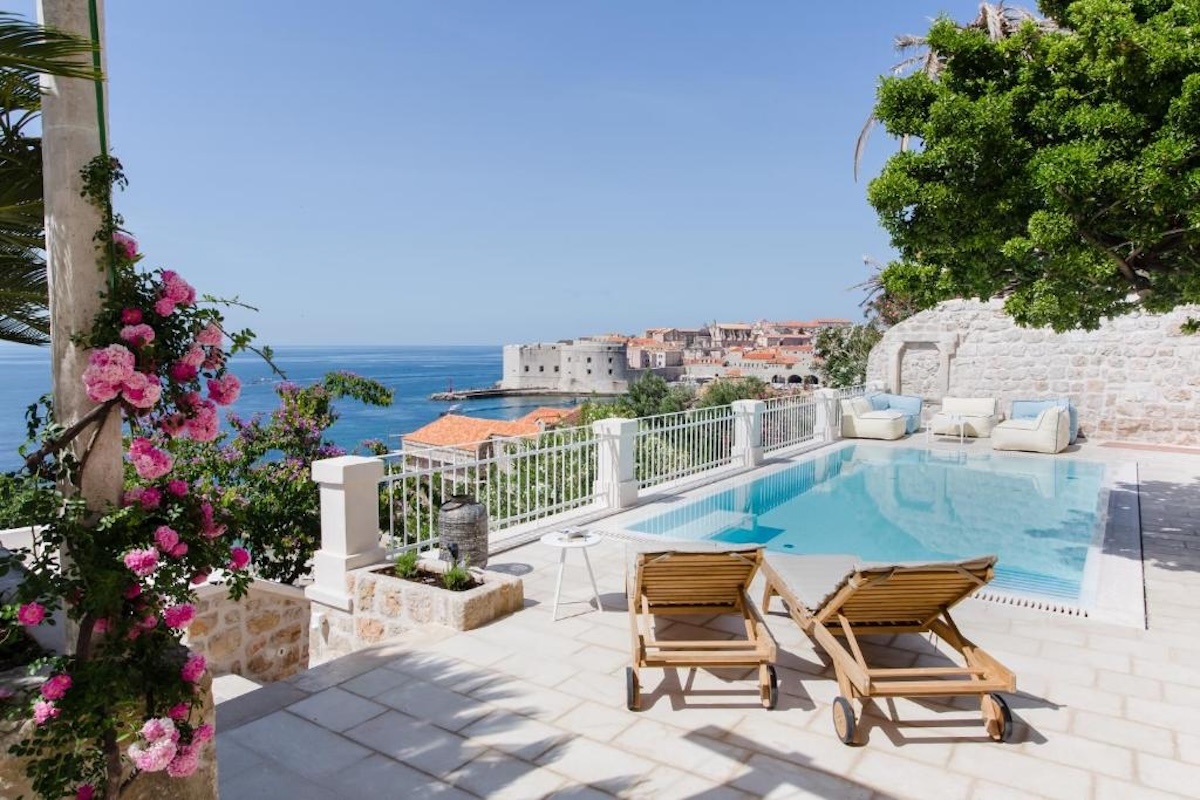
Where to Stay in Gruž or Lapad
If the previous areas don’t appeal to you or are outside your budget, your next option is to stay in Gruž (where Dubrovnik’s current port is located; here you’ll find the most affordable prices and have a direct bus connection to the city center) or in Lapad (further from the city center but close to some beaches; prices aren’t as cheap as in Gruž, but in exchange you’ll have the beach nearby and a bus connection to the city center as well). In our opinion, if you’re visiting Dubrovnik for just a few days and it fits your budget, we think it’s best to stay closer to the city center, but if you don’t mind taking the bus or an Uber/Bolt and/or prefer to stay near the beach, you’ll find plenty of options here.
Here are some suggestions for accommodations in these two areas:
- Apartments Gabrieri (from 58 €/night): studios with a pool (some with ocean views) in Gruž
- Studio A (from 58 €/night): studio with ocean views in Gruž
- Apartments Karla (from 69 €/night): studios and apartments with ocean views and close to the beach, in Lapad
- Apartment Porat (starting at 90€/night): apartment in Gruž with a terrace
- Apartment One (from 100 €/night): apartment in Gruž with ocean views and private parking included (an excellent option if you rent a car)
- Apartments Silva (from 150 €/night): They offer a studio and an apartment, both with ocean views, in Lapad, located right on the beach.
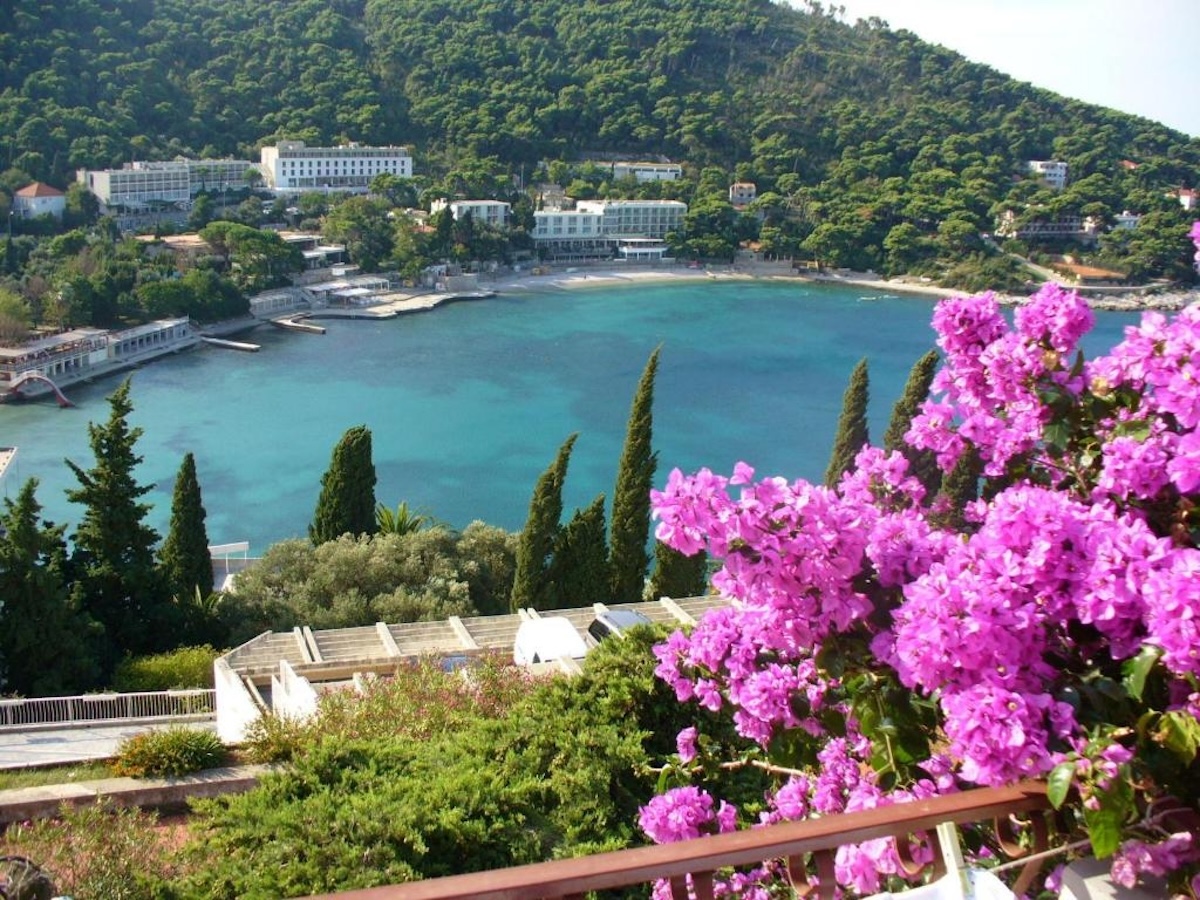
Where to Eat in Dubrovnik
Before recommending specific restaurants that we really liked (and a few that we didn’t like as much) to help you avoid tourist traps, and because we believe that the culinary aspect is a very important part of a country’s culture—and, therefore, of any trip— we’ll mention the typical dishes and drinks you can try on your trip to Dubrovnik, assuming you’re an omnivore (in Randomtrip’s case, we tried several of these dishes in adapted versions with vegetables and/or fish in some cases):
- Sporke makarule: This is the local version of Bolognese pasta—homemade pasta (usually macaroni) with small pieces of beef and fresh tomatoes, resulting in a delicious dish (some places offer a vegan version)

- Pašticada: One of Dalmatia’s most iconic dishes. The original recipe calls for a generous cut of beef marinated with carrots, garlic, smoked bacon, wine, oil, and vinegar—sometimes with a hint of orange or lemon. It’s cooked in a rich sauce and typically served with soft gnocchi. Adapted vegan versions are usually made with seitan and without bacon.
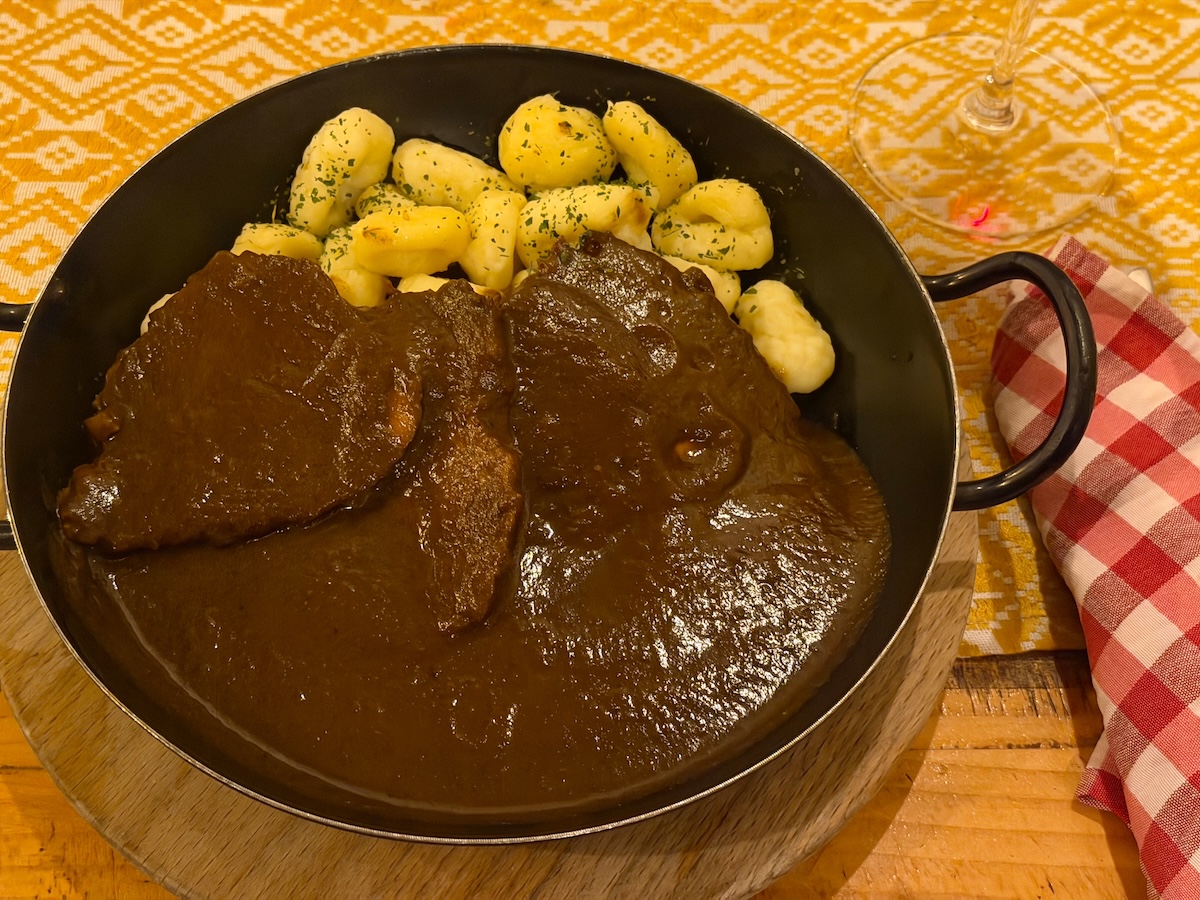
- Crni Rižot (Black Rice): Crni rižot is a very typical dish from the Dalmatian coast—black rice made with cuttlefish or squid ink, featuring a creamy texture and an intense, ocean-like flavor.
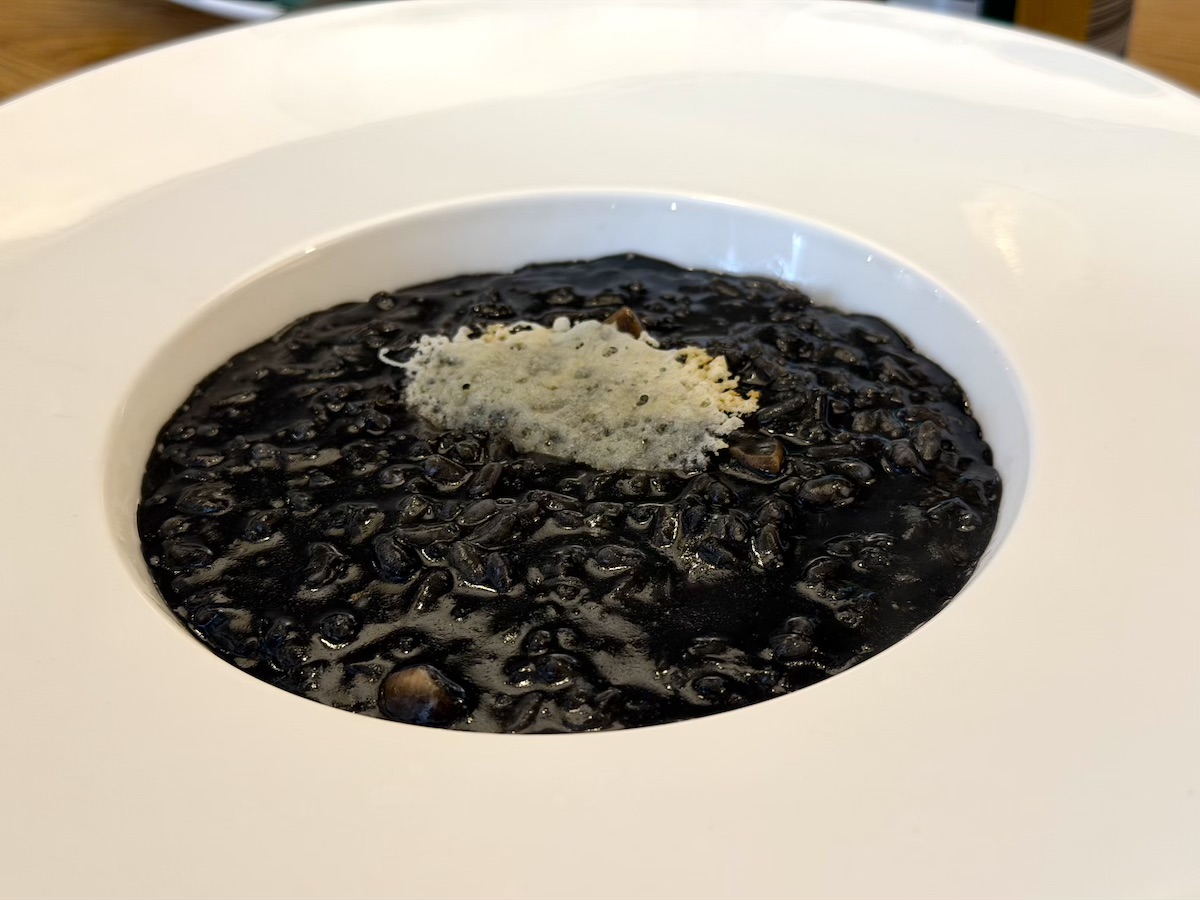
- Burek: A filo pastry pie filled (usually with spinach, cheese, or chicken), very typical of the Balkans.
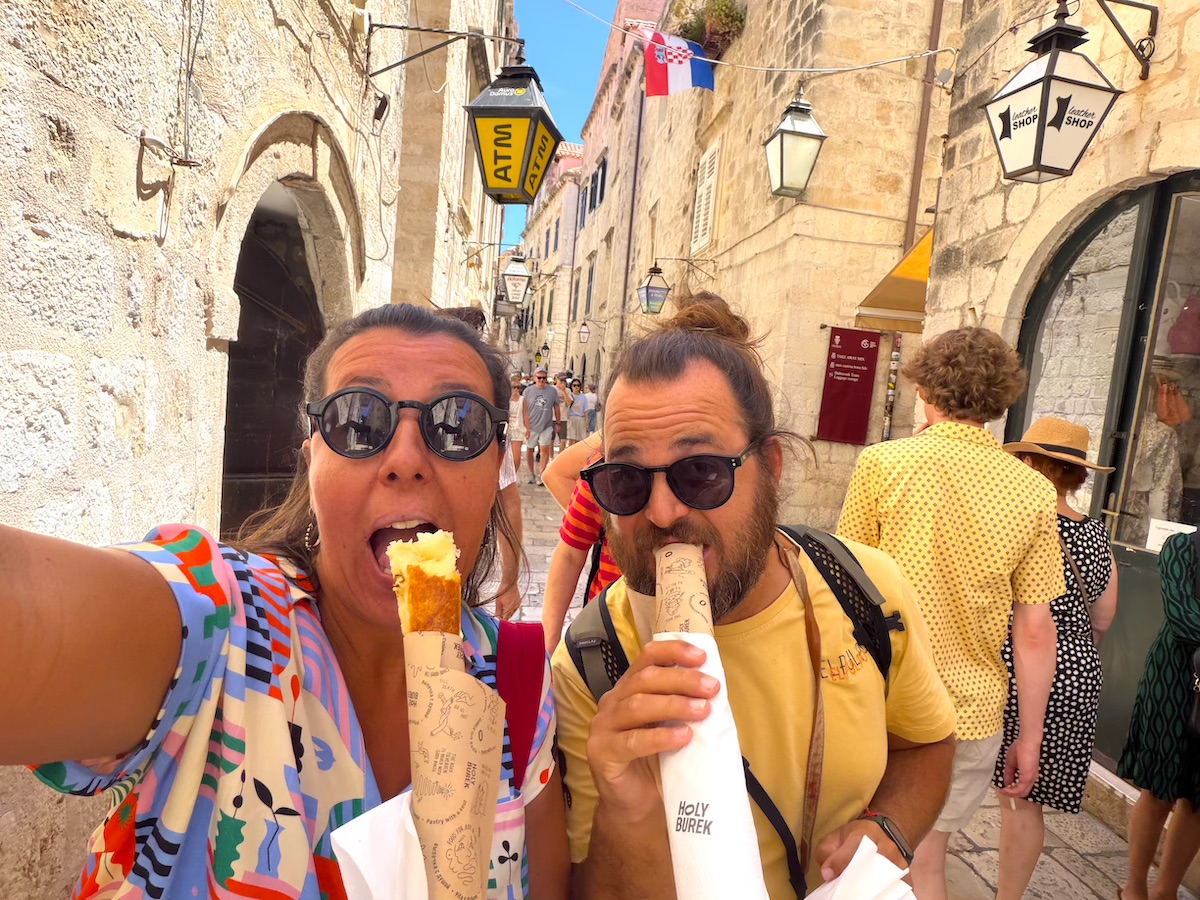
- Zelena menestra from Konavle: A very traditional winter dish made with cured meats such as pork, lamb, and sausage, cooked with winter vegetables and potatoes. It’s a flavorful stew, perfect for cold days.
- Fava Beans with Smoked Lamb: In the spring, when fava beans are in season, it’s also typical to enjoy them cooked with smoked lamb, garlic, parsley, and pancetta fat.
- Oysters from the Pelješac Channel: If you’re in the mood for a slightly more special outing, on the Pelješac Peninsula you can try the famous Ostrea edulis oysters, considered among the best in the world and prepared in many different ways.
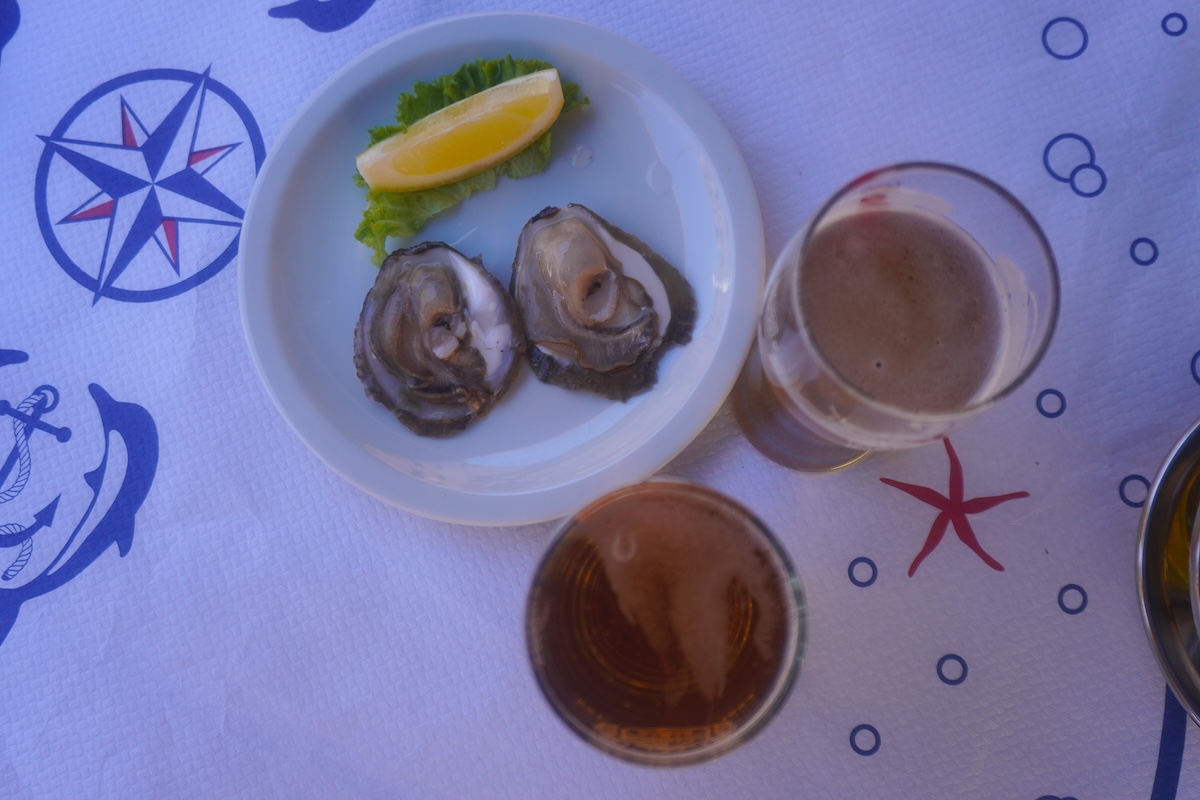
- Snails: In the Neretva Delta, you can try snails cooked over an open fire—one of the most unique dishes in the local cuisine.
- Eel in brudet: Also on the Neretva, eel is cooked in a thick brudet-style sauce, very typical of Adriatic cuisine.
- Dingač: One of Croatia’s most prestigious red wines, from the Pelješac Peninsula.
- Postup: Another highly regarded red wine from Pelješac, intense and full of character.
- Plavac pelješki: A younger, more affordable version of the region’s reds—a great option if you’re looking for something local without breaking the bank.
- Dubrovnik Malvasia. A local white wine, distinct from Istrian Malvasia, quite intense and suitable for both fish and meat. Our favorite.
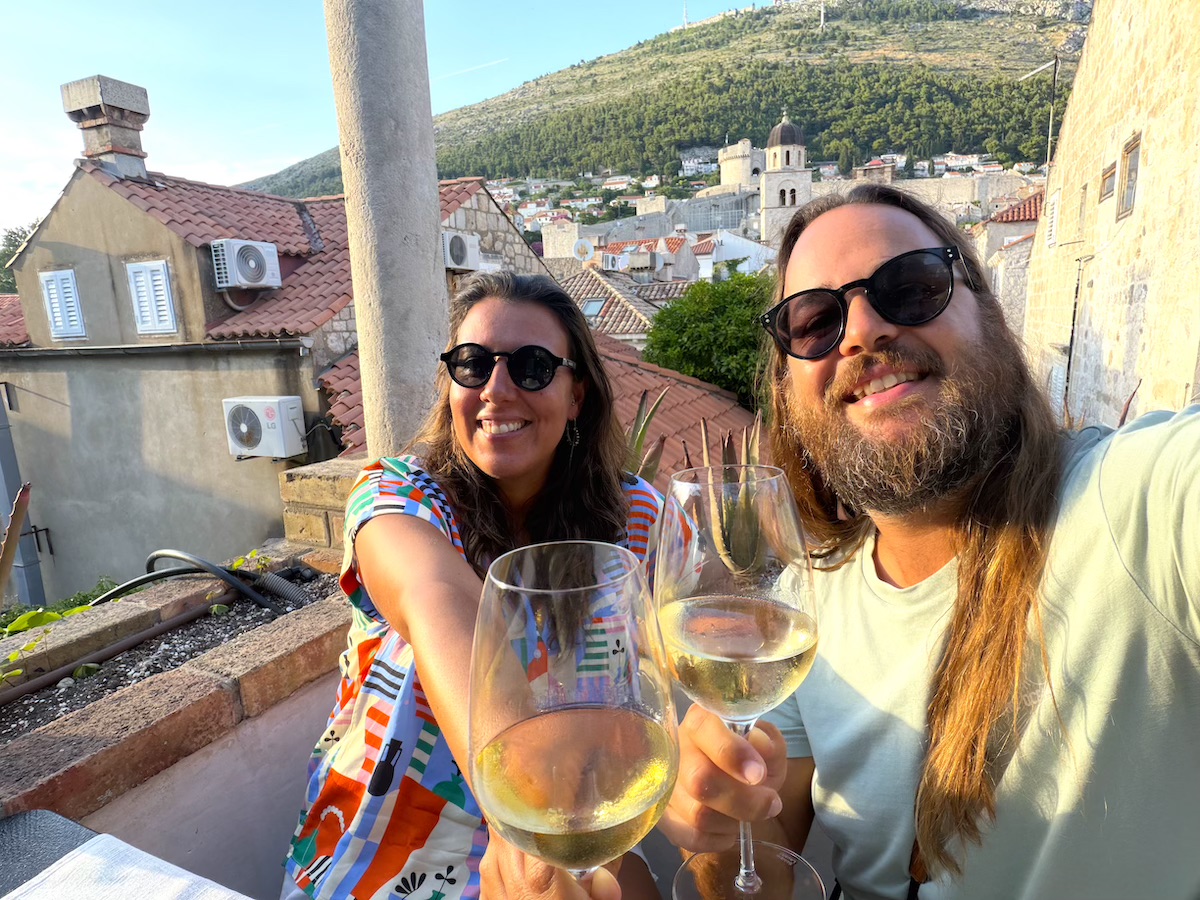
- Rožata. Dubrovnik’s most classic dessert, a kind of local flan or crème caramel.
- Ston Cake. A less common dessert, made with cooked macaroons—quite unique and traditional.
- Figs. At the end of a meal—fresh when in season or dried when out of season—they’re a very typical way to finish a meal in this area.
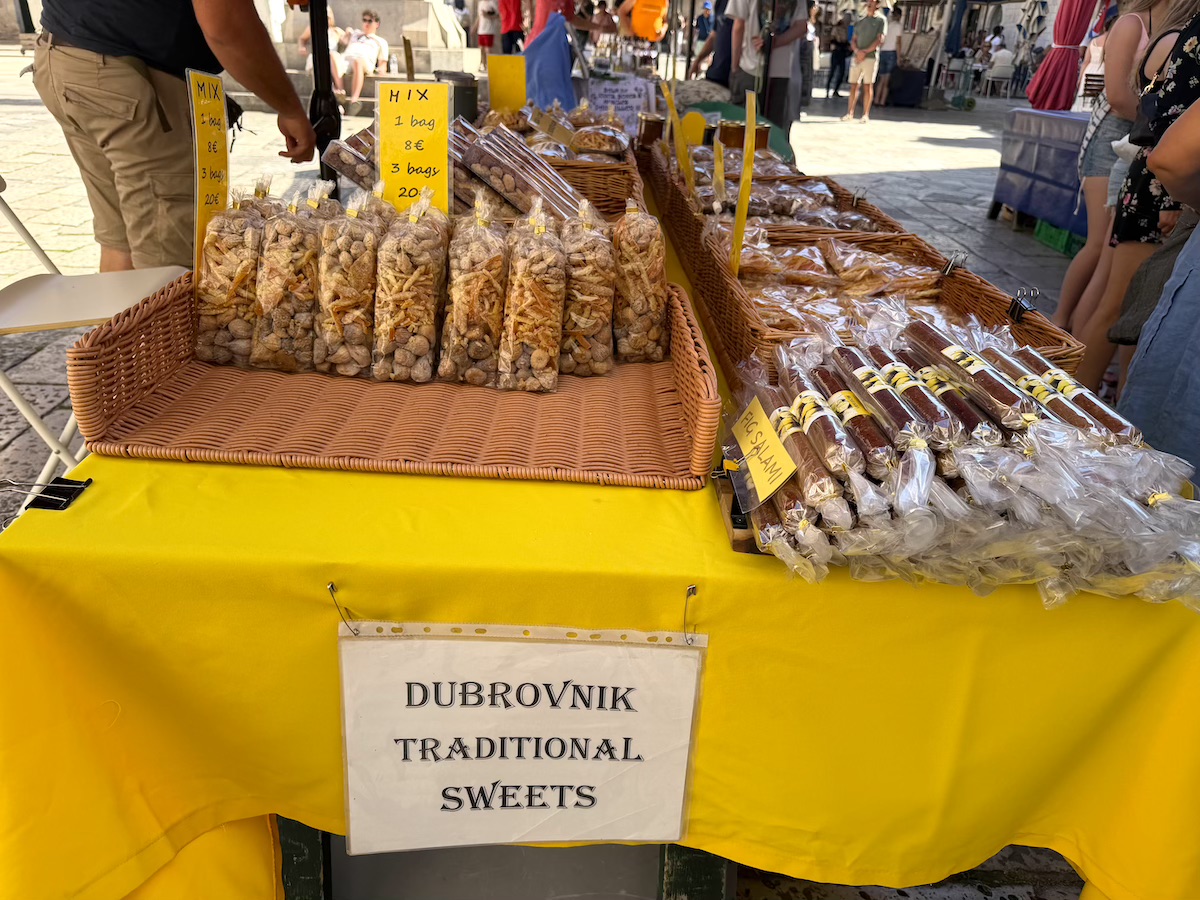
- Almonds. Another classic accompaniment to round out a local meal.
- Orange, tangerine, or rose petal liqueur. The perfect finishing touch, with aromatic liqueurs that are very typical of the region.
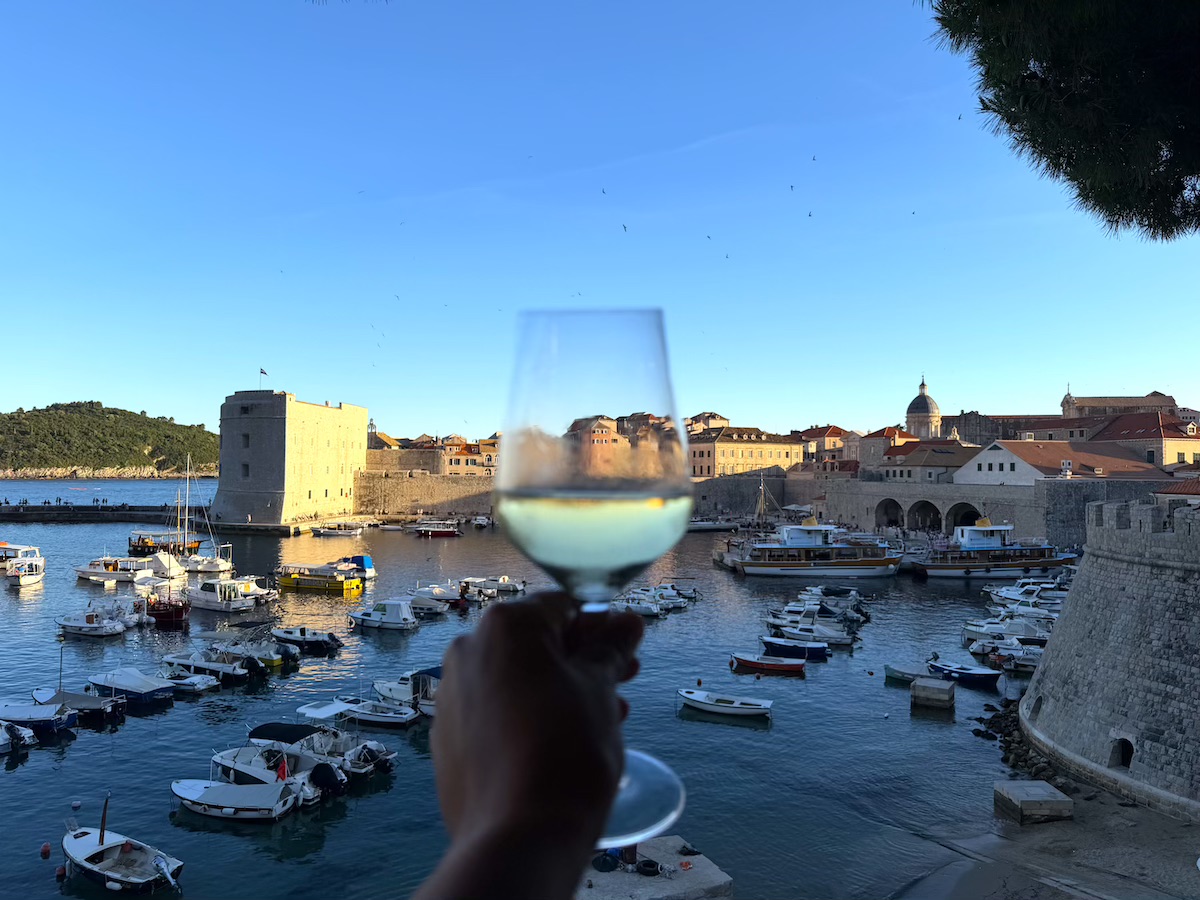
Below are our recommended restaurants in Dubrovnik. We should warn you that, due to the impact of mass tourism on the city, it’s becoming increasingly difficult to find good, local, and reasonably priced restaurants in the city center. There are plenty of options, but most are geared toward tourists, with high prices and mediocre quality.
- Kamenice: to eat oysters right in the heart of the city; we tried two oysters and two beers for 16 €
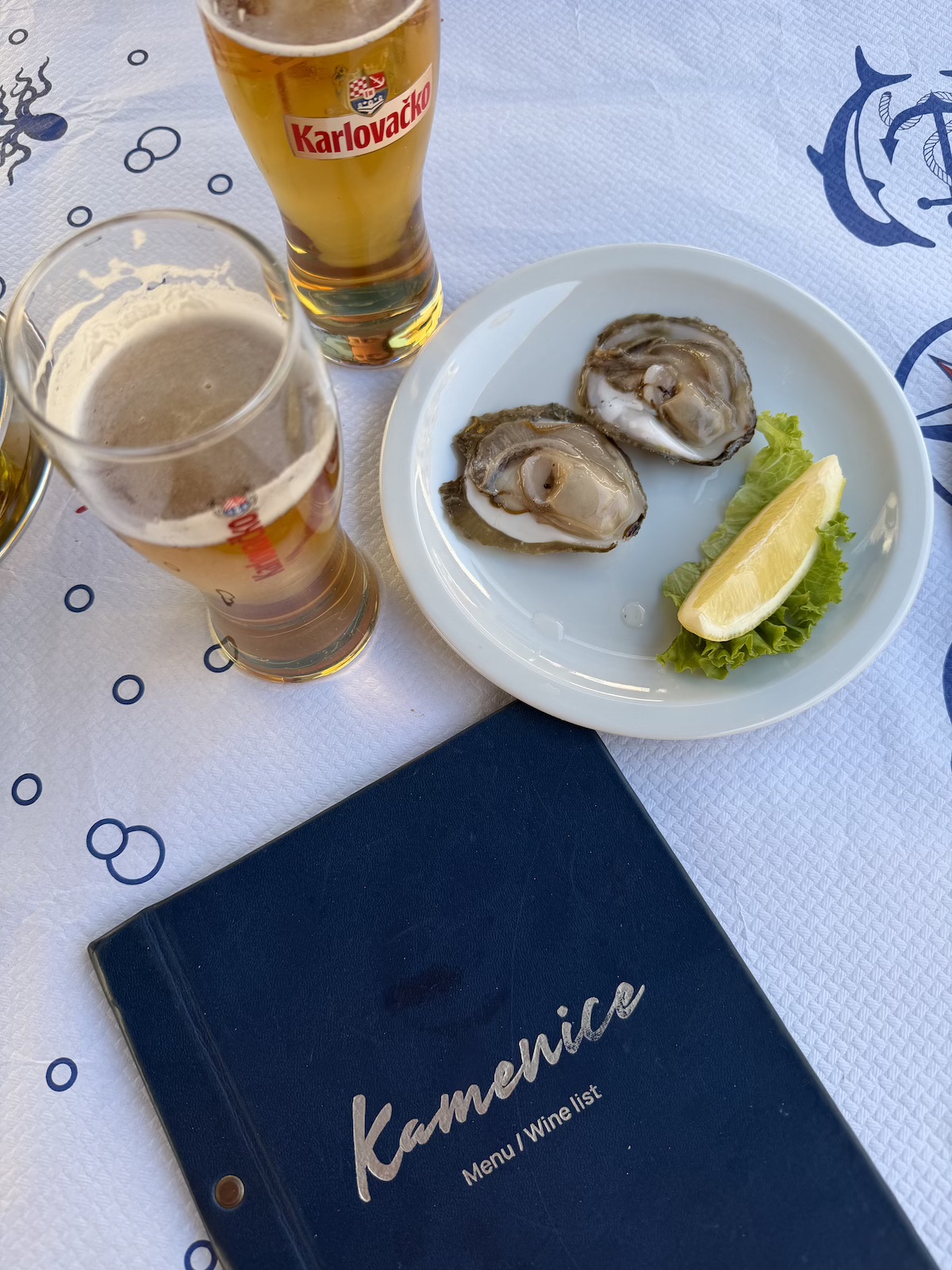
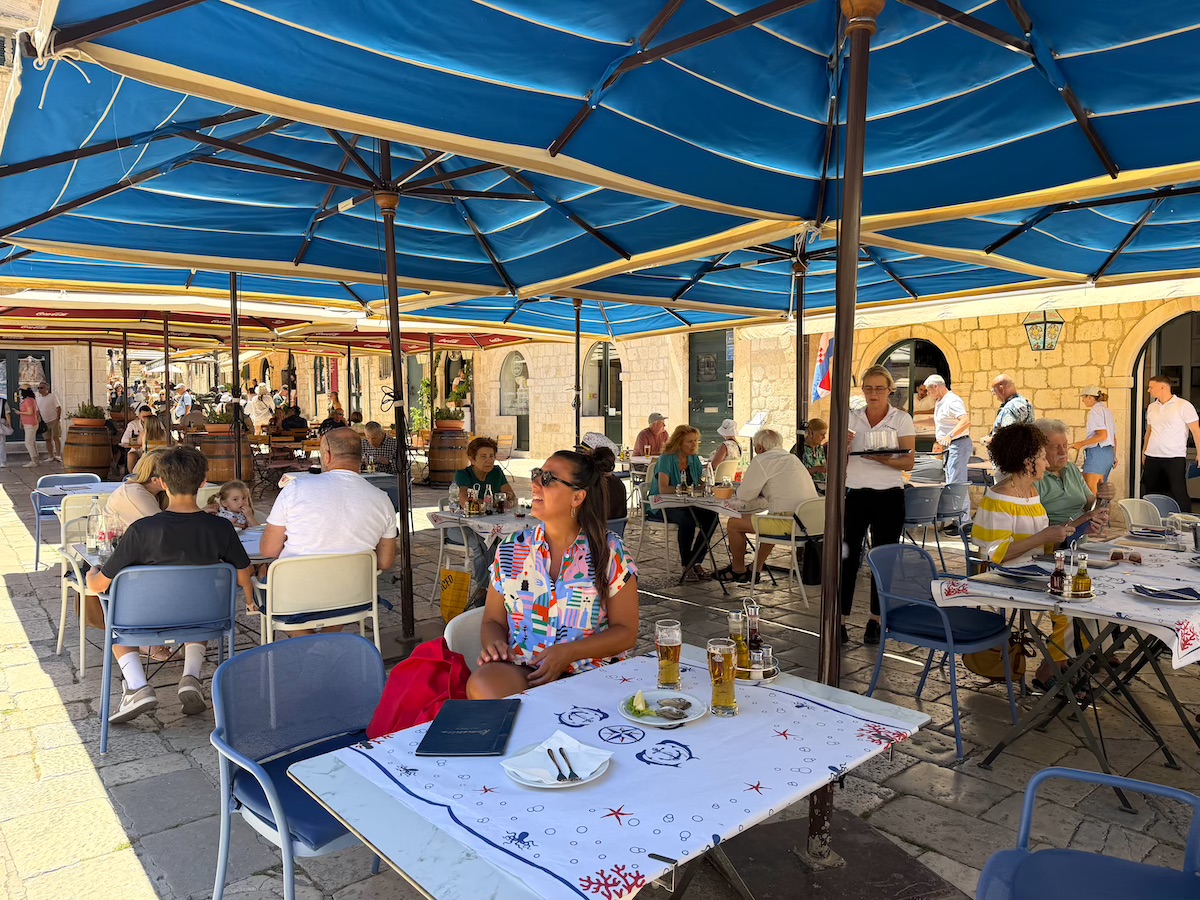
- Edulis Oyster Bar: It only has 6 seats inside (at high stools), though you can order takeout and eat outside while sitting on the stairs or wherever you find a spot. We ordered the shrimp burger and the black risotto, along with beer and sparkling water. The burger was good, and the black risotto was the best we had during the whole trip—highly recommended—and reasonably priced at 18 €. If you like oysters, they look really good too! We paid 46 € for everything.
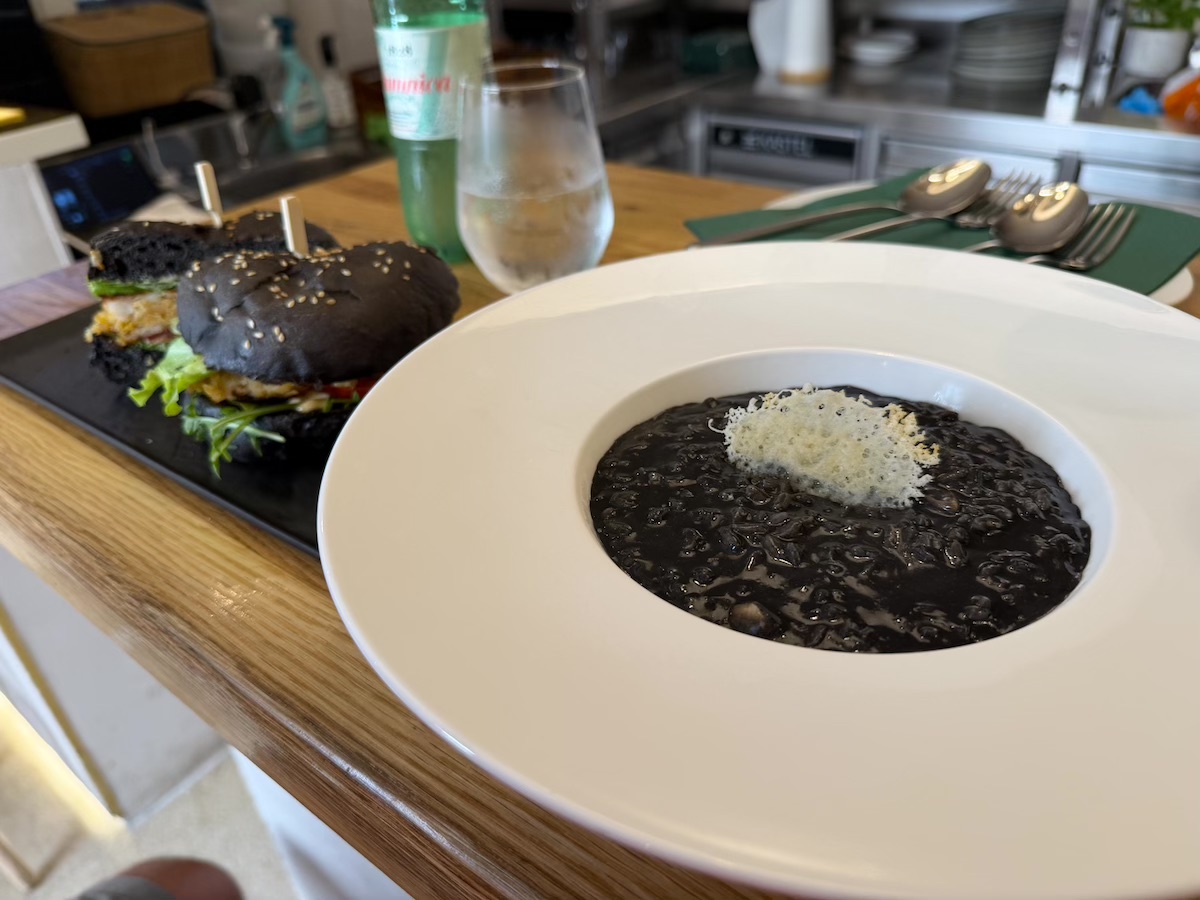

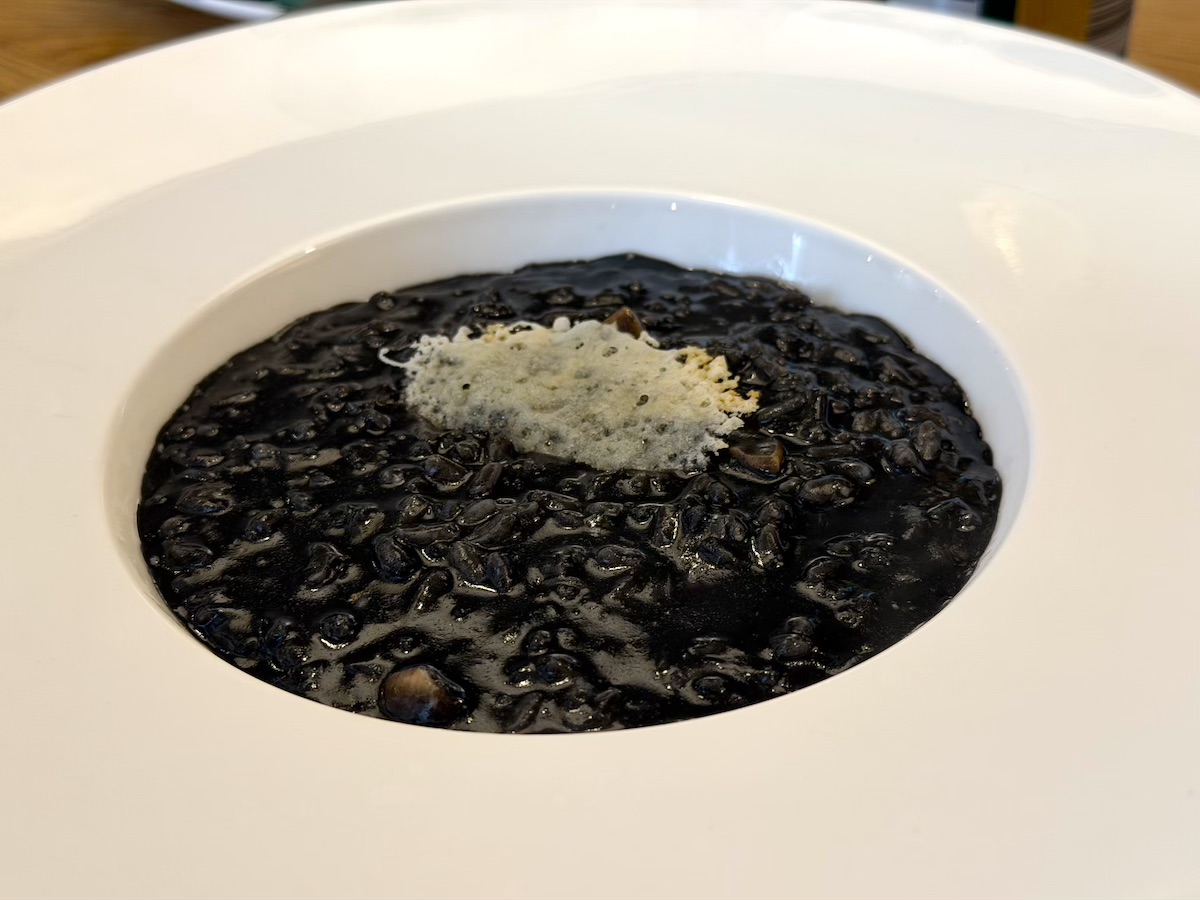

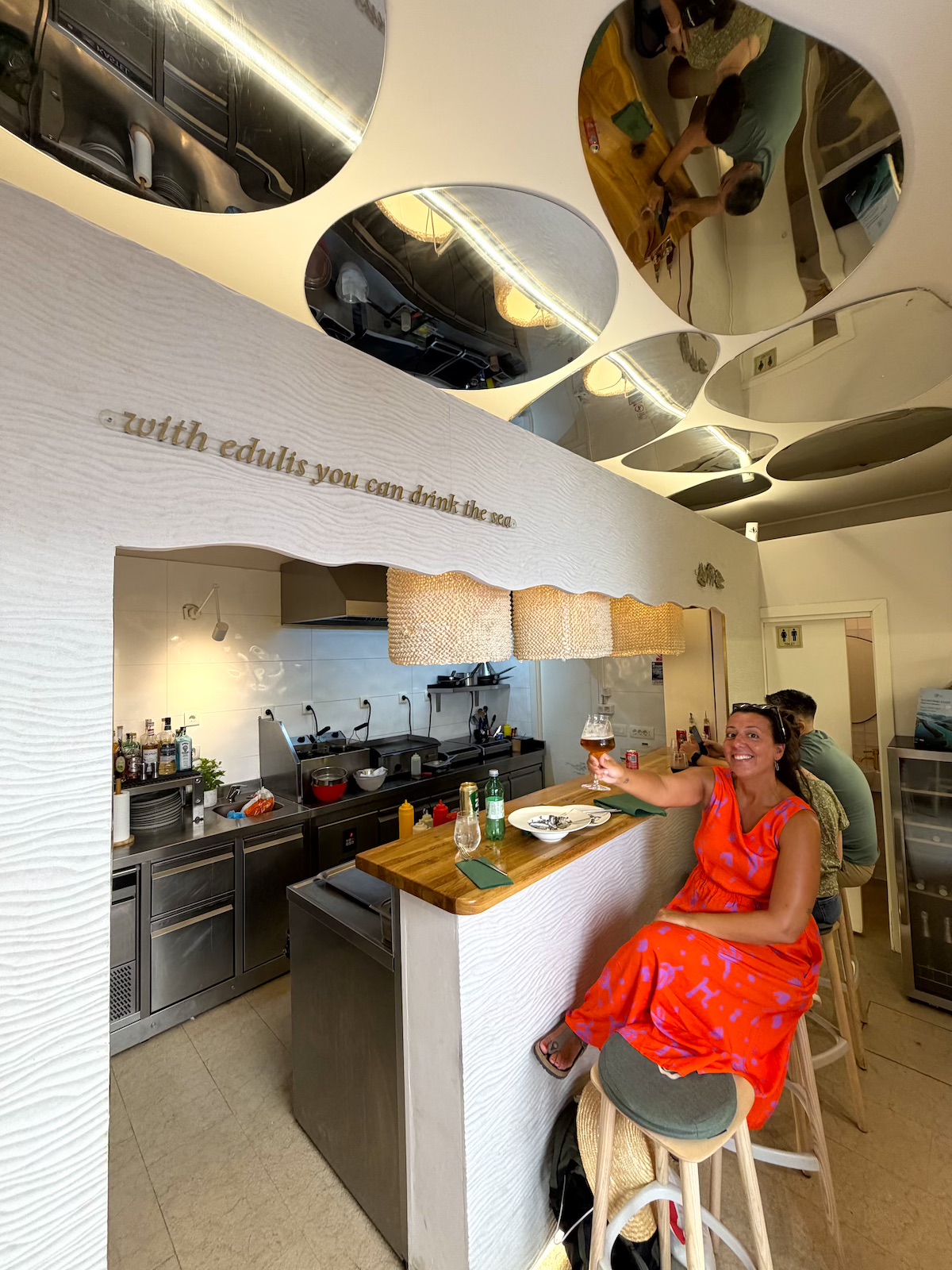
- Trattoria Carmen: Spectacular! Yes, it’s recommended everywhere. Yes, there’ll probably be a line when you go. But it’s one of those places that defies the saying “rest on your laurels”—they built a reputation and remain an incredible option in Dubrovnik. We tried to go three times, since we were staying very close by in this apartment, and every time we tried, there was a line. One day we tried going at 12:00 p.m. and managed to get a table outside. We ordered homemade pasta with truffles and shrimp and homemade pasta with seafood (squid, mussels, and shrimp)—both dishes were wonderful. We don’t like waiting in line, which is why we hadn’t gone before, but if you don’t mind, I think it’s worth the wait—even if it’s just a little bit (in Dubrovnik, which is increasingly full of tourist trap restaurants). Try to go first thing or right before closing for lunch, or right before closing for dinner, since it’s open from 11:00 a.m. to 11:00 p.m. without a break, to avoid the busiest times. 63€ for 2 pasta dishes, 1 glass of wine, 1 bottle of sparkling water, and 2 espressos.
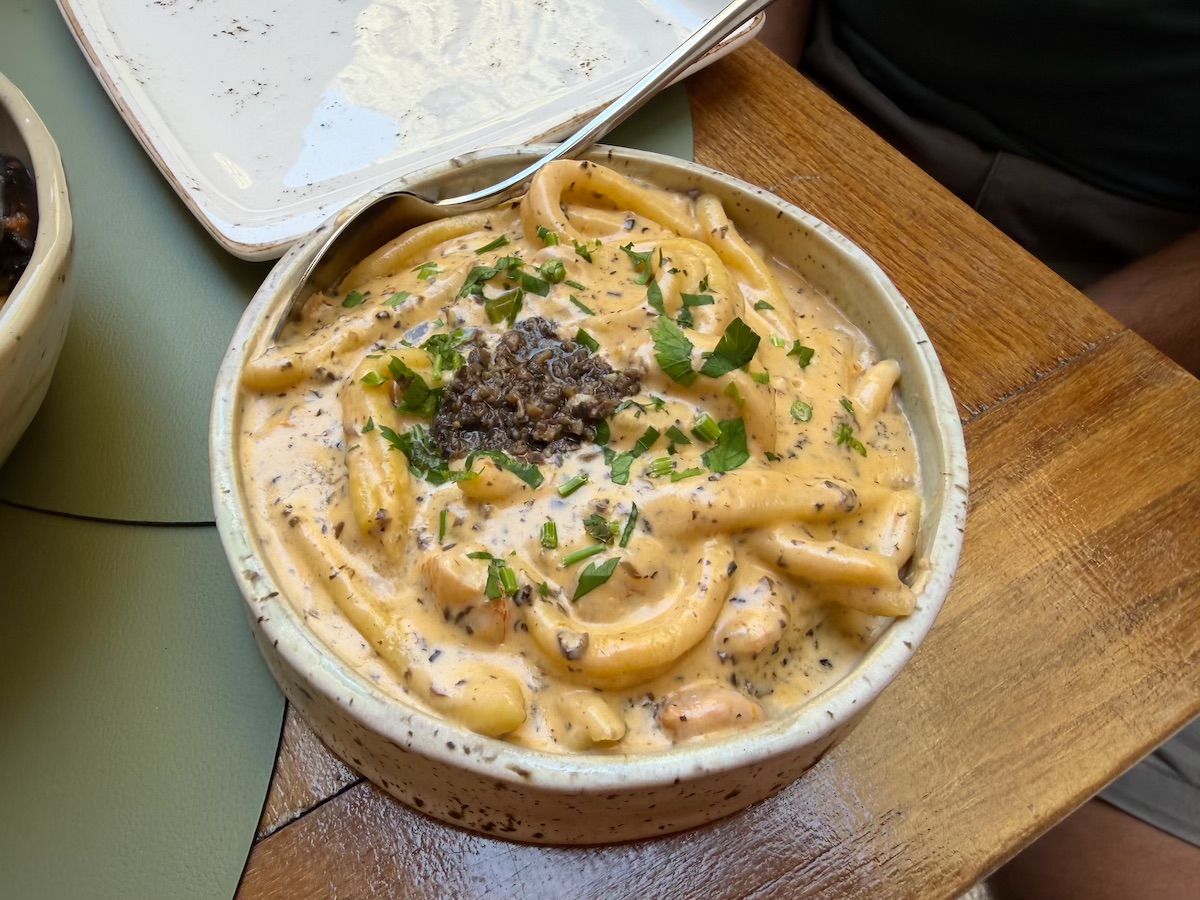
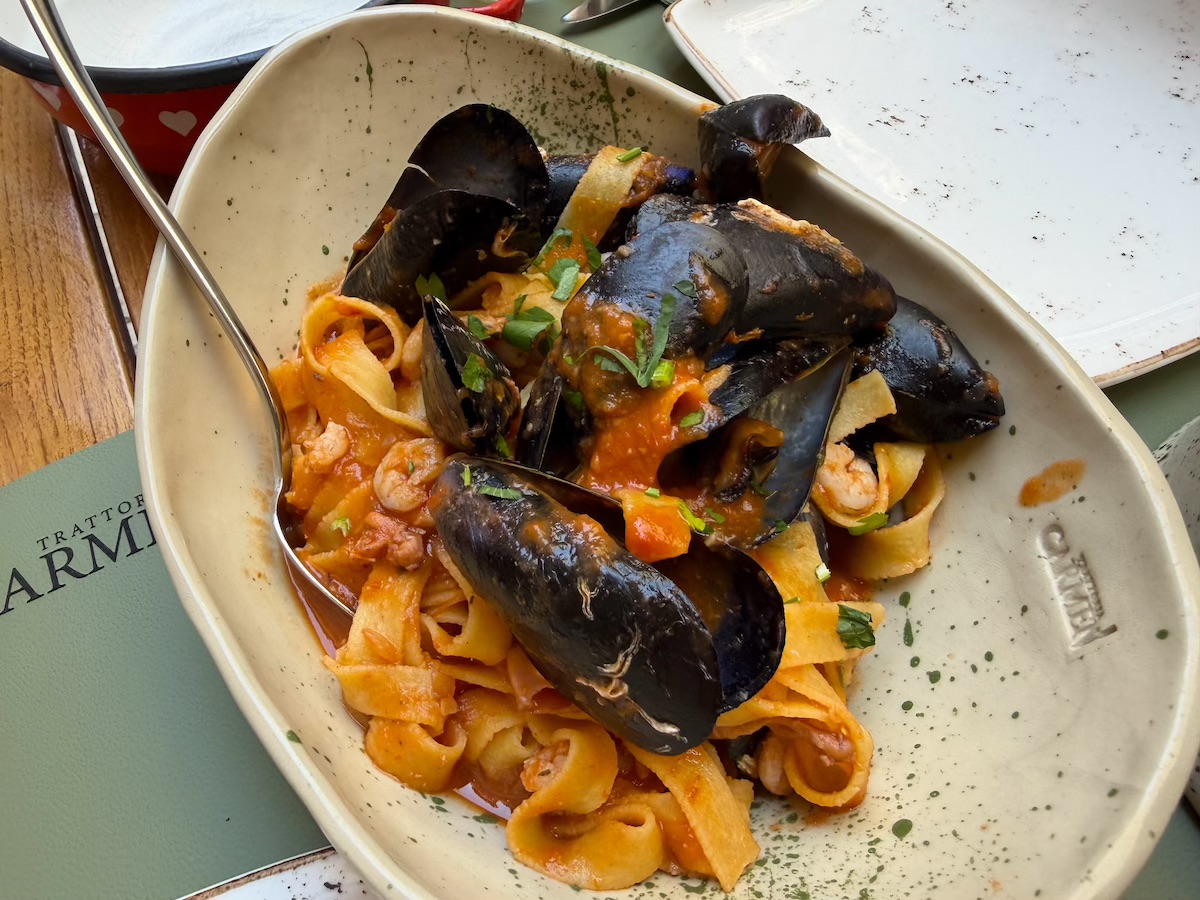
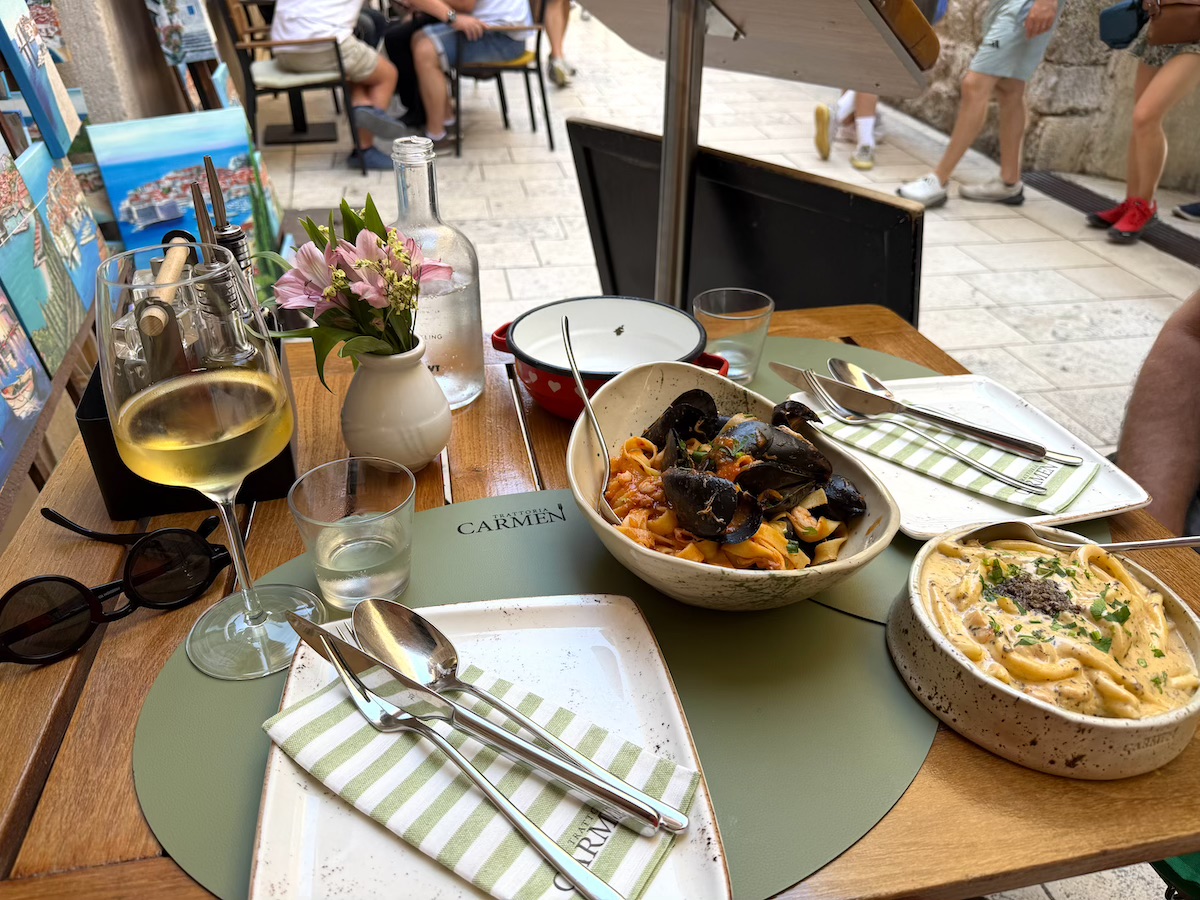
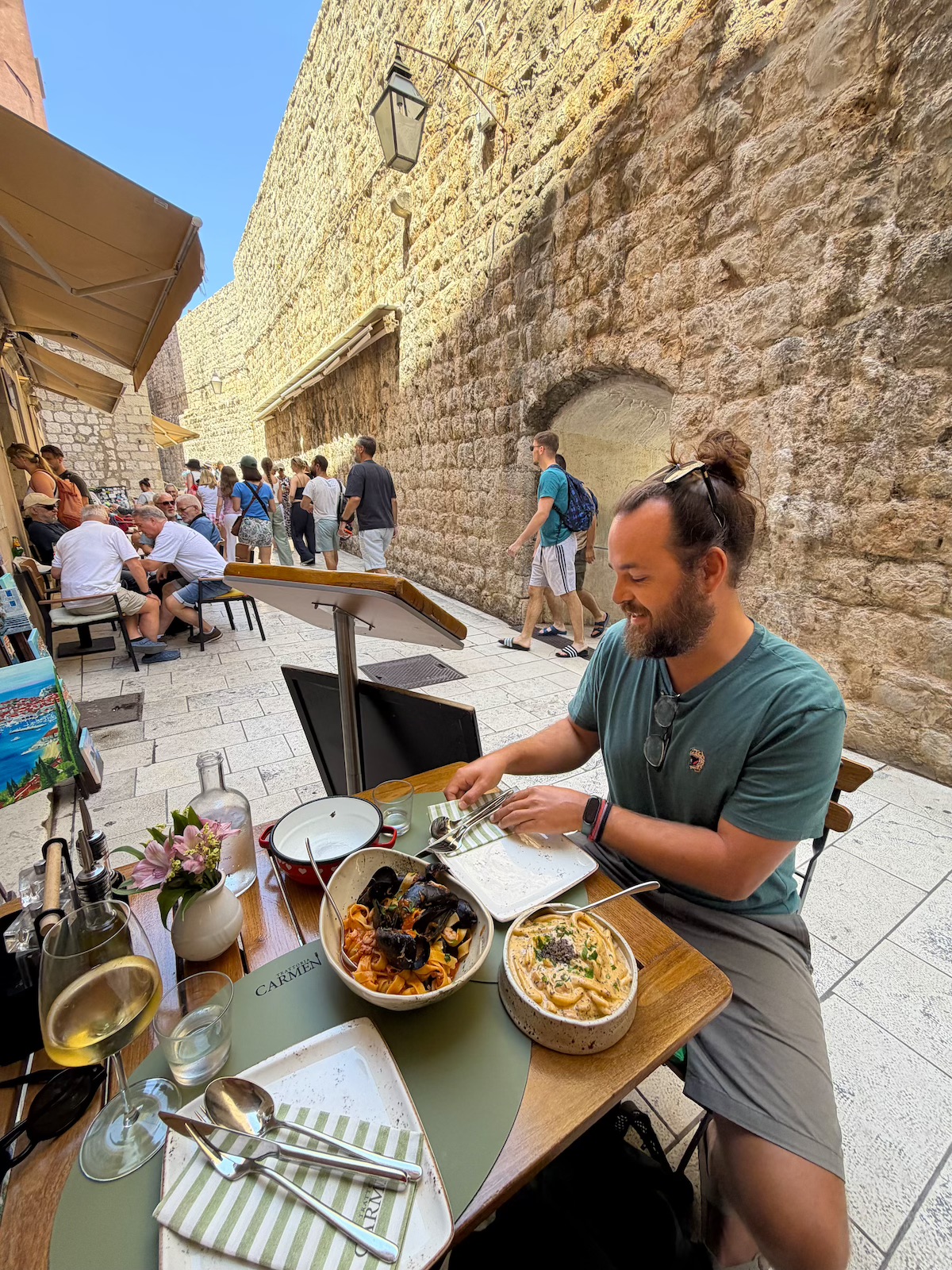
- Heritage of Dubrovnik: to try sporki makaruli (dirty macaroni), a typical Dubrovnik dish. We loved this restaurant and can see why it’s so popular. We stopped by on a weekday at 9:00 p.m. and got lucky—we waited just 10 minutes for a table outside on the pretty street where it’s located. We ordered the famous sporki makaruli and mussels in buzara sauce, and both dishes were spectacular. We paid 67 €, 10 € of which was for a single glass of wine—the only thing we found too expensive (even by Dubrovnik standards). The service was friendly and professional. We highly recommend it.

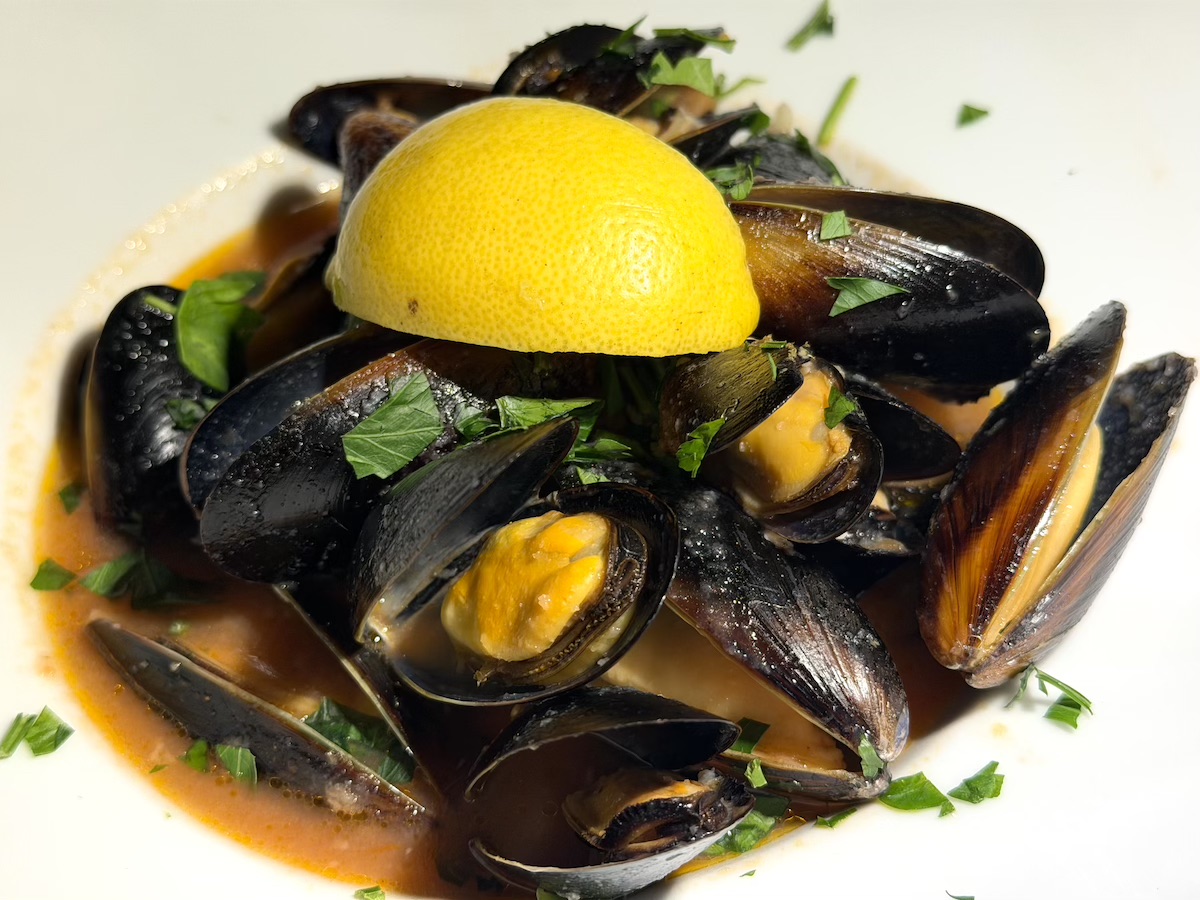
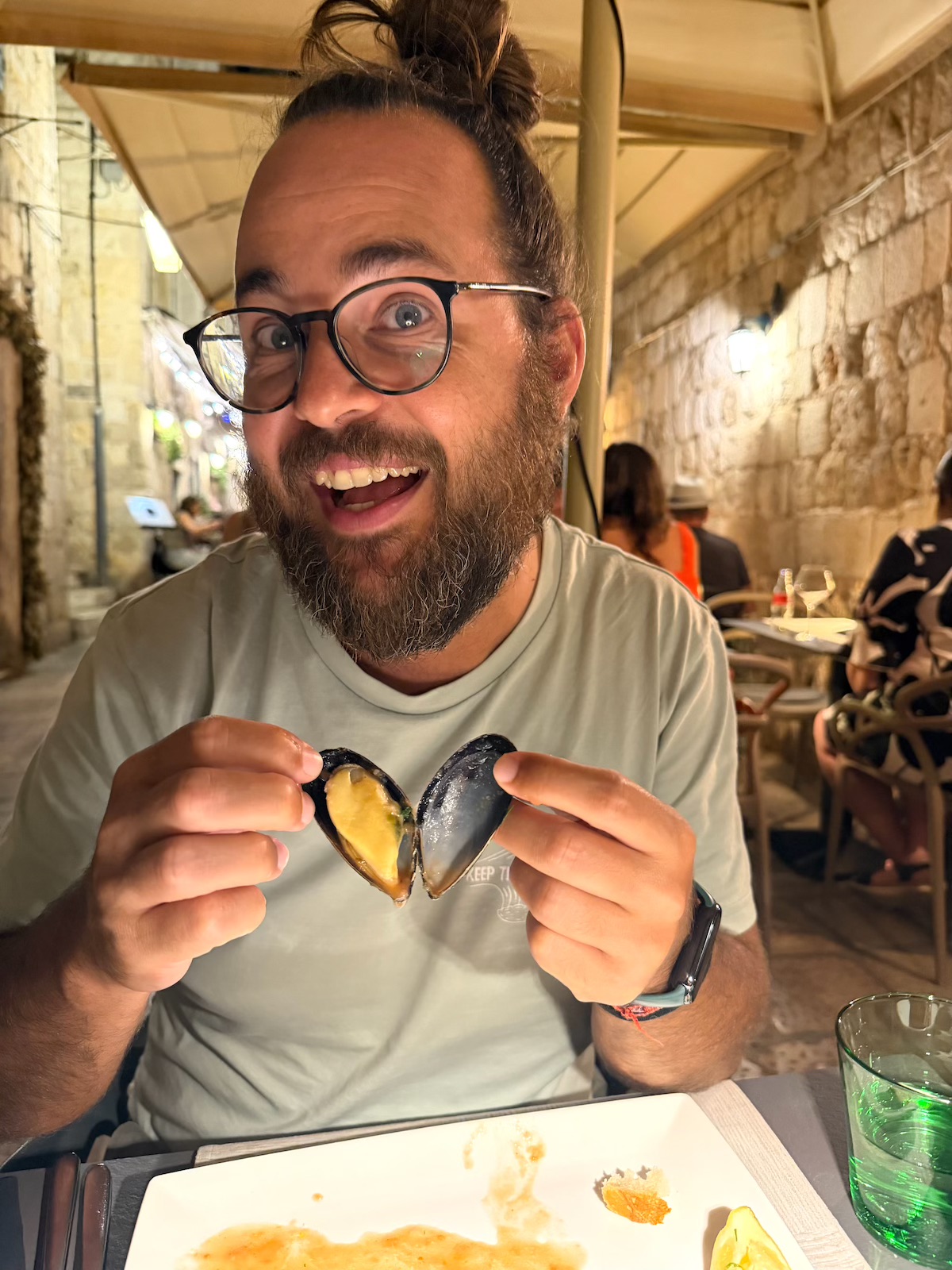
- Lucin Kantun Dubrovnik: another option recommended to us for trying sporki makaruli (dirty macaroni)
- Ciao: delicious Italian food—we ordered lasagna and spaghetti alla napoletana, along with a glass of wine and sparkling water, for 63€. We loved it! The terrace is beautiful. Plus, we were craving lasagna, and honestly, it was delicious. The spaghetti alla napoletana didn’t disappoint either.
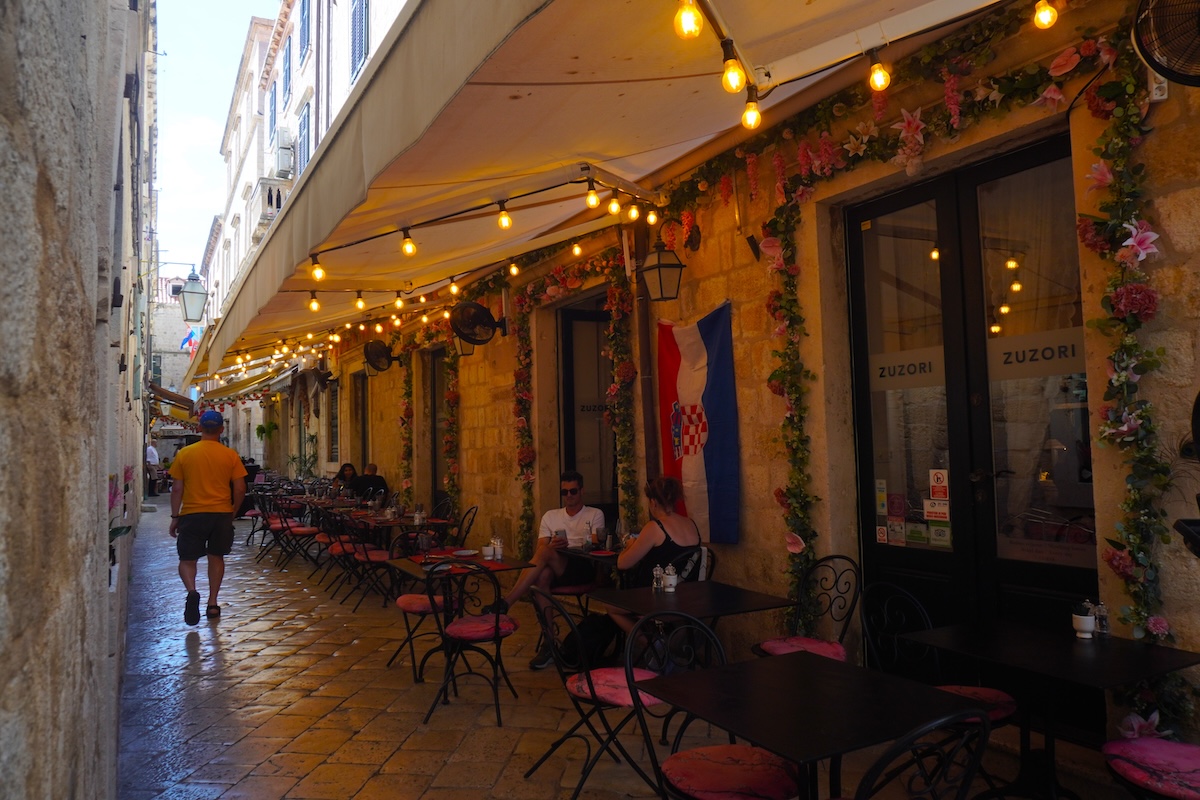

- Restaurant Pizzeria Storia: We had dinner there on our first night (because the line at Trattoria Carmen was too long and this place was very close by). The street is pretty and the service was good. We tried a Dubrovnik salad and a carbonara, both of which were pretty average. We didn’t particularly like it, to be honest…


- Paninaro Sandwich Bar Dubrovnik: takeout panini—very tasty. We bought some on our first day to take to the beach and really liked them. Next door is a similar place, Panini Bar Franco Romano

- Holy Burek: a place to try burek, a phyllo pastry typical of the Balkans. This particular spot is pricey but delicious—17 € for two bureks (one with chicken and one with cheese; they also have spinach, etc.)—and it’s takeout only since there’s no place to sit.
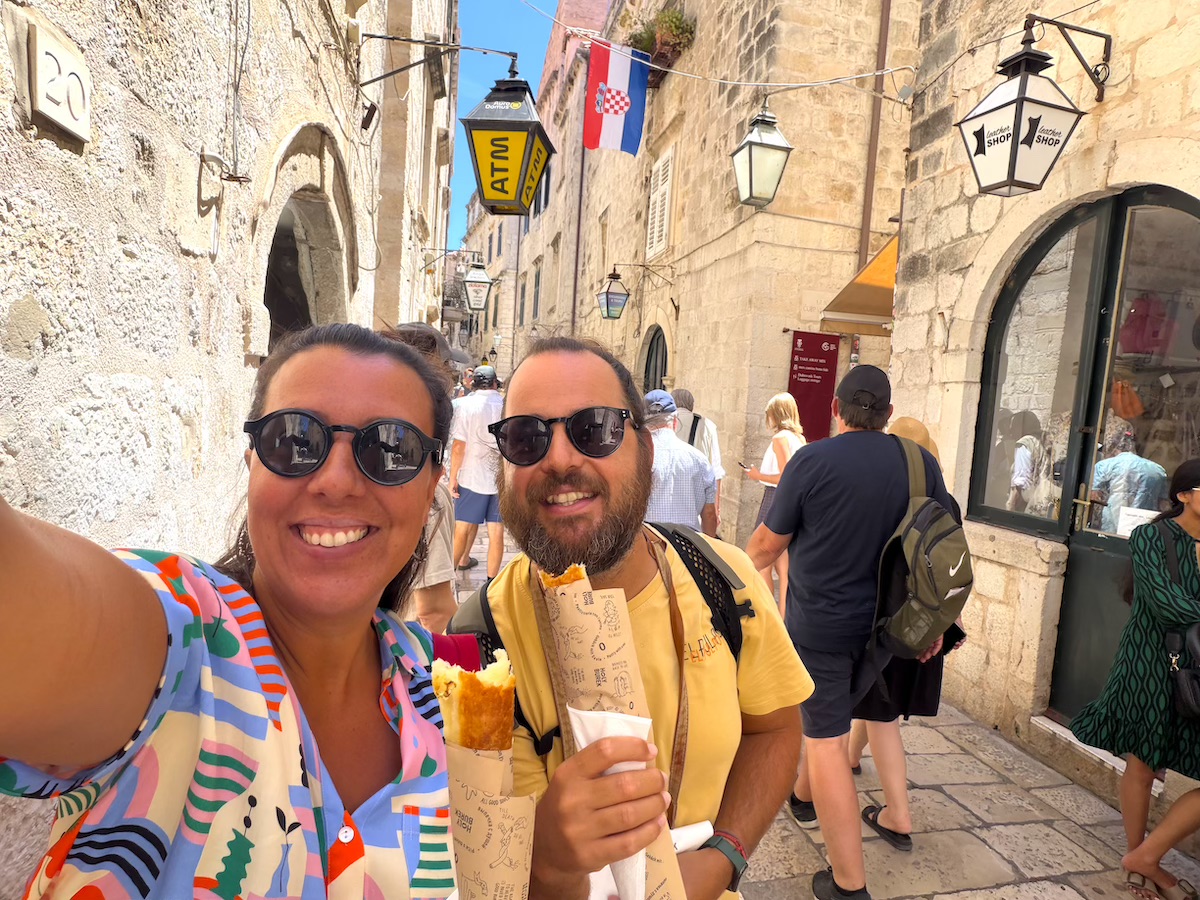



- Vito Napoletana 2 Pizzeria: Delicious Neapolitan-style pizzas at a good price (between 10 € and 20 €). We ordered two to go (Margarita and Vito), both of which were very tasty
- Restaurant & Bar Rudjer: The place is very nice (we had dinner in the garden, though it also has a terrace in front of St. Ignatius Church, right above the famous Jesuit Staircase from Game of Thrones), and the service is unbeatable—everyone is very friendly and professional (Bárbara, who served us, was incredible—thank you so much!). The food was decent (nothing to write home about, but good), so we think it’s a convenient option in Dubrovnik: the food is neither spectacular nor mediocre—it’s good—and the atmosphere is very nice, though it’s also very touristy. You get a 10% discount with the Dubrovnik Pass.
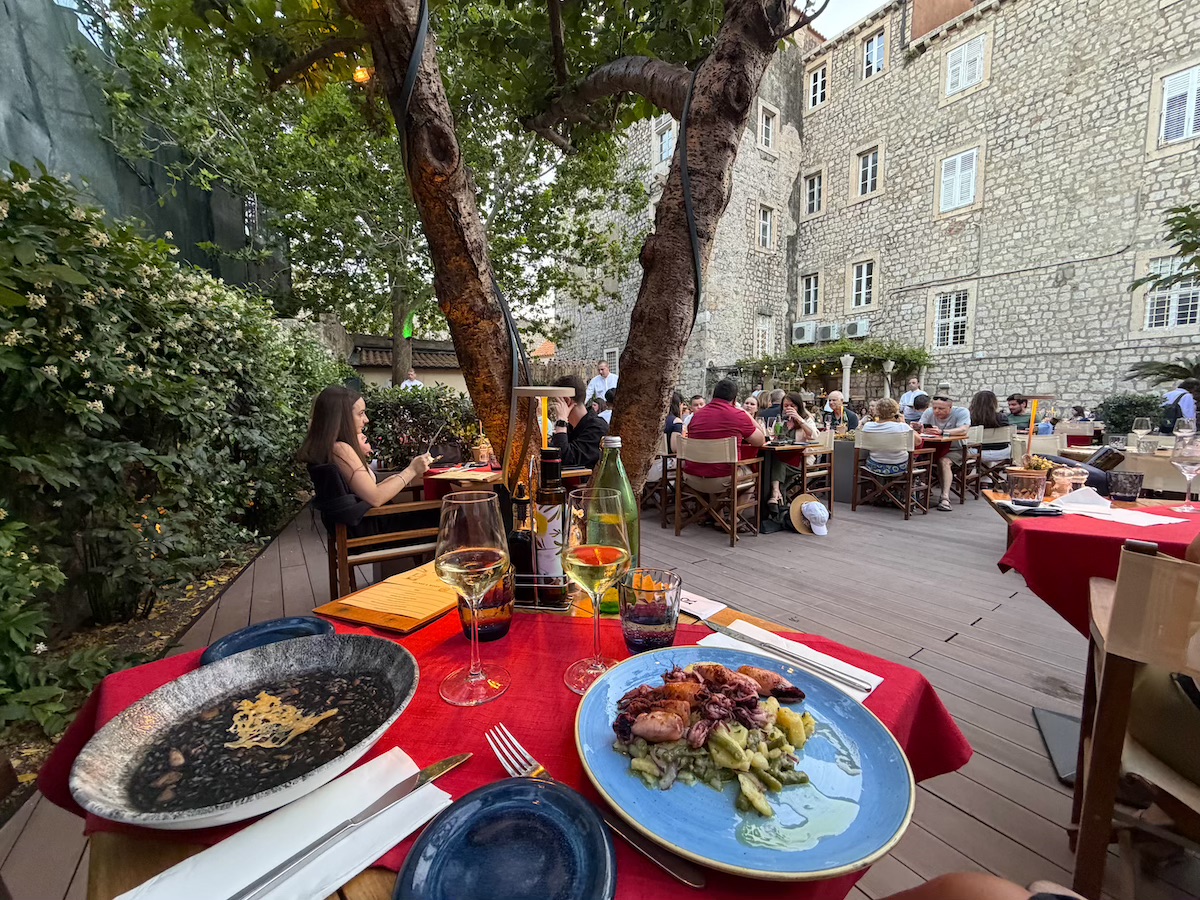
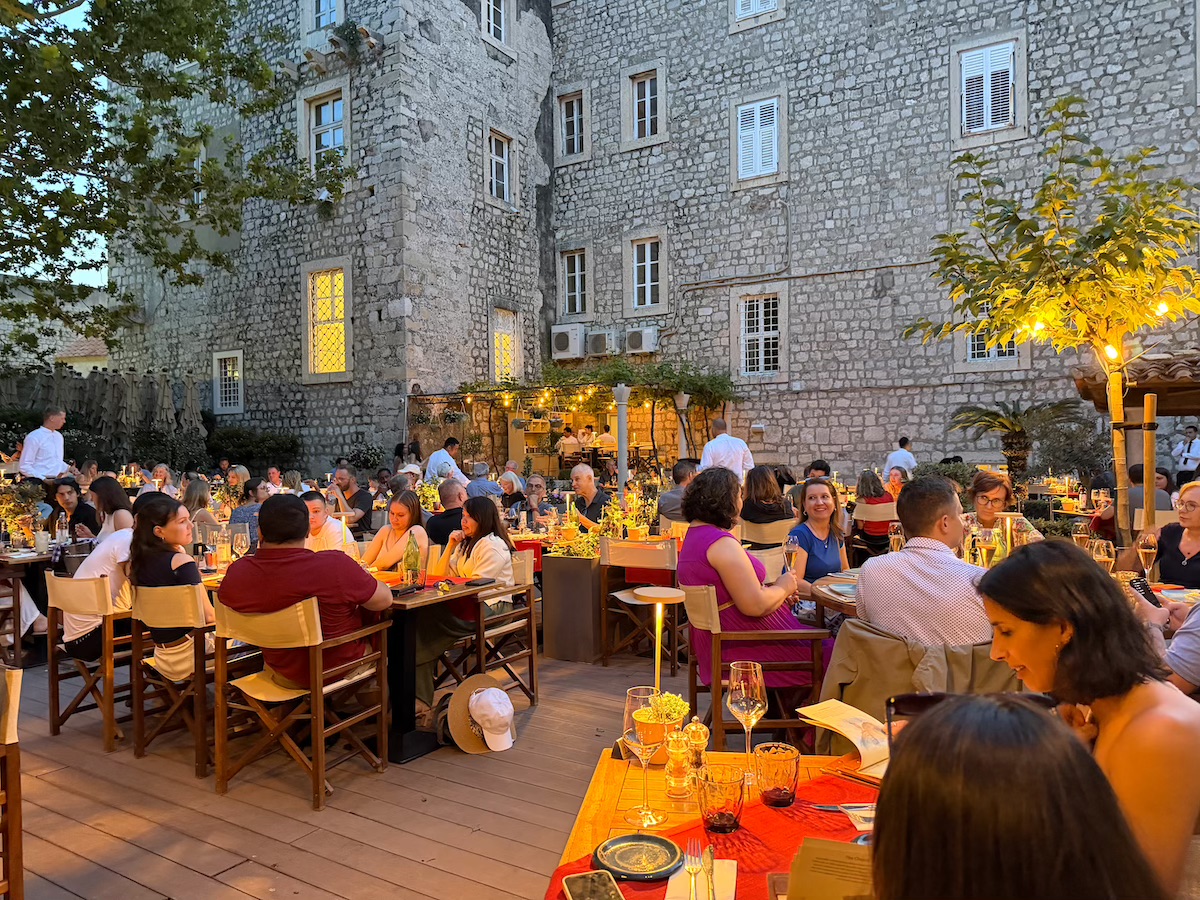
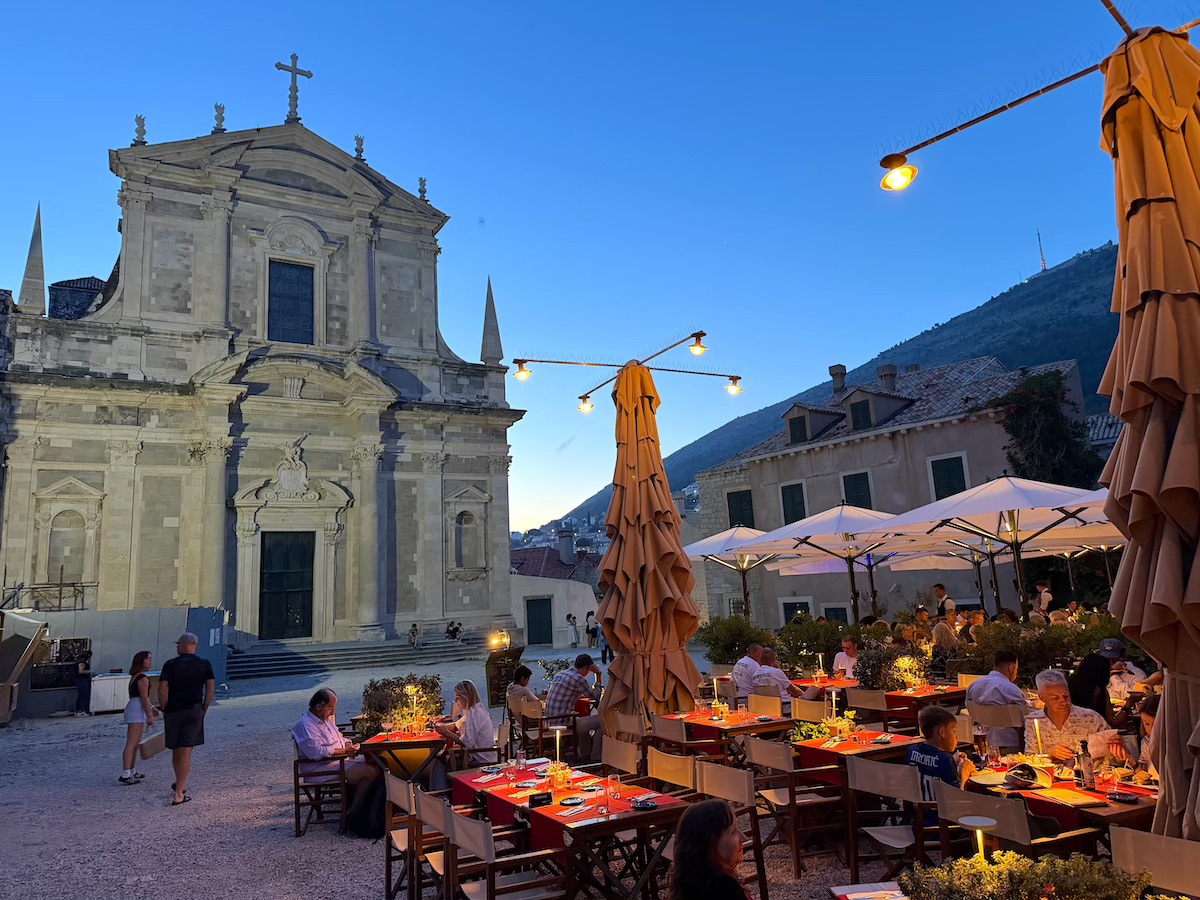
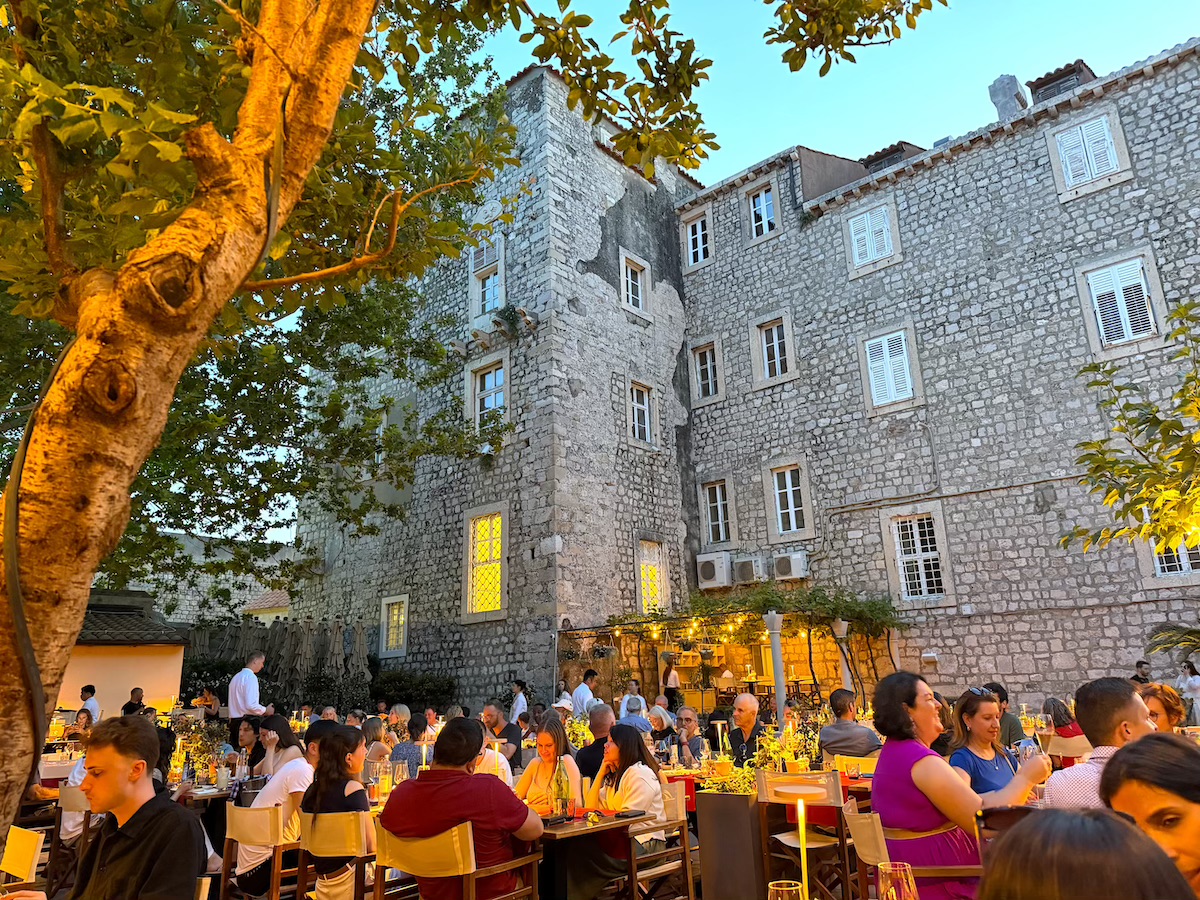
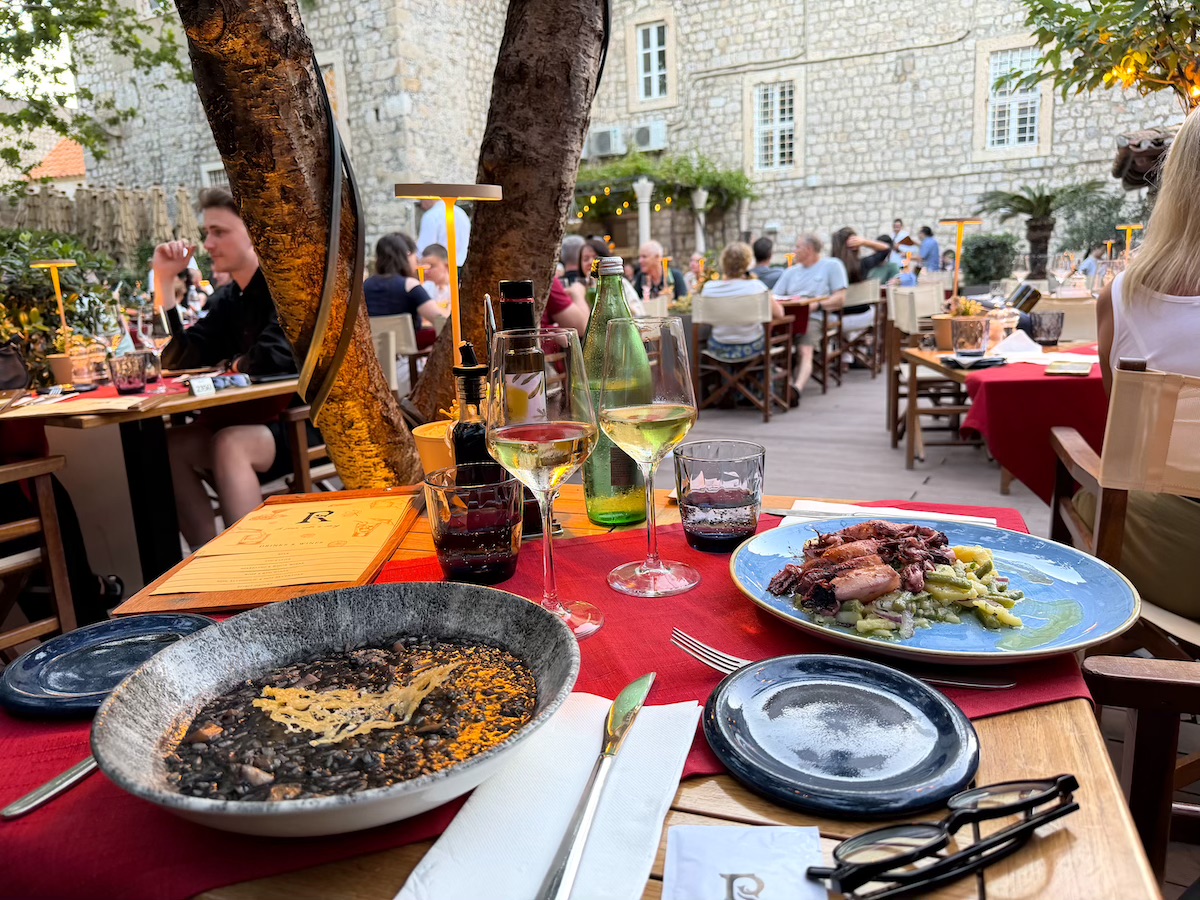
- Bistro Revelin: Located at the Ploče Gate, it overlooks the city and the sea. We stopped by just before sunset for two glasses of wine, so we didn’t try the food.
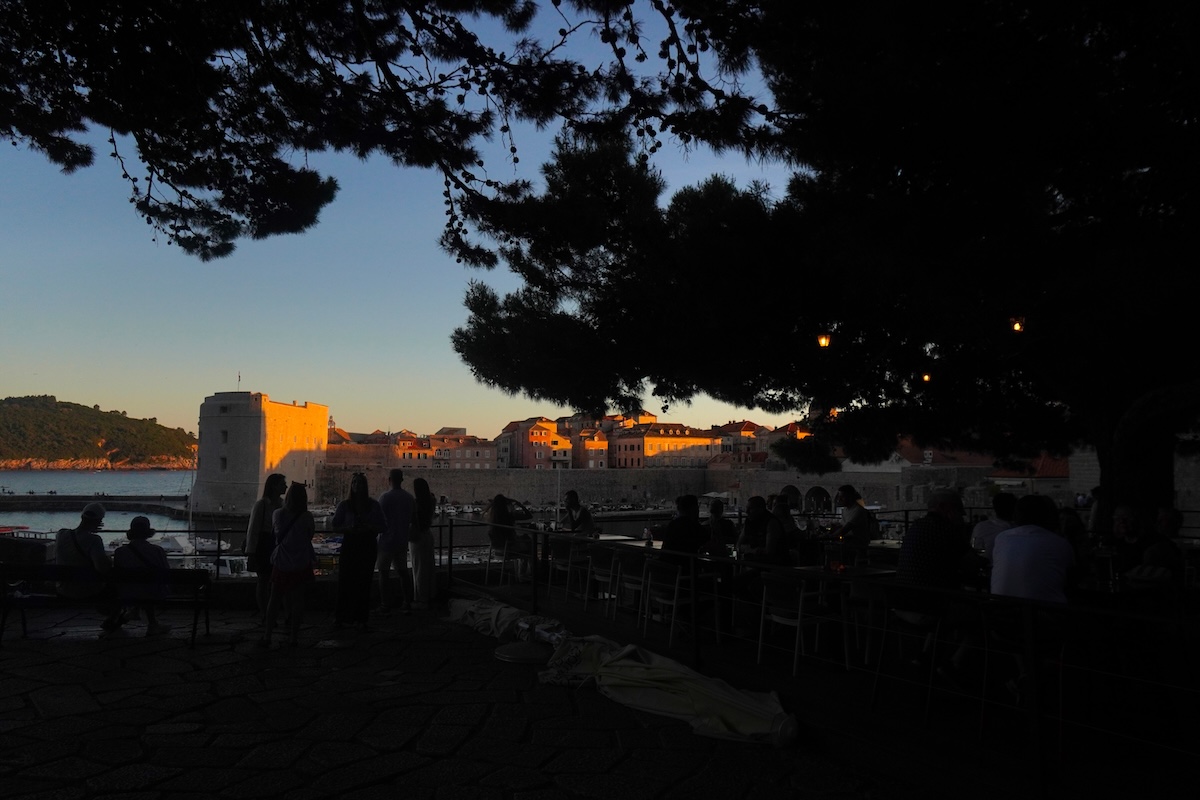
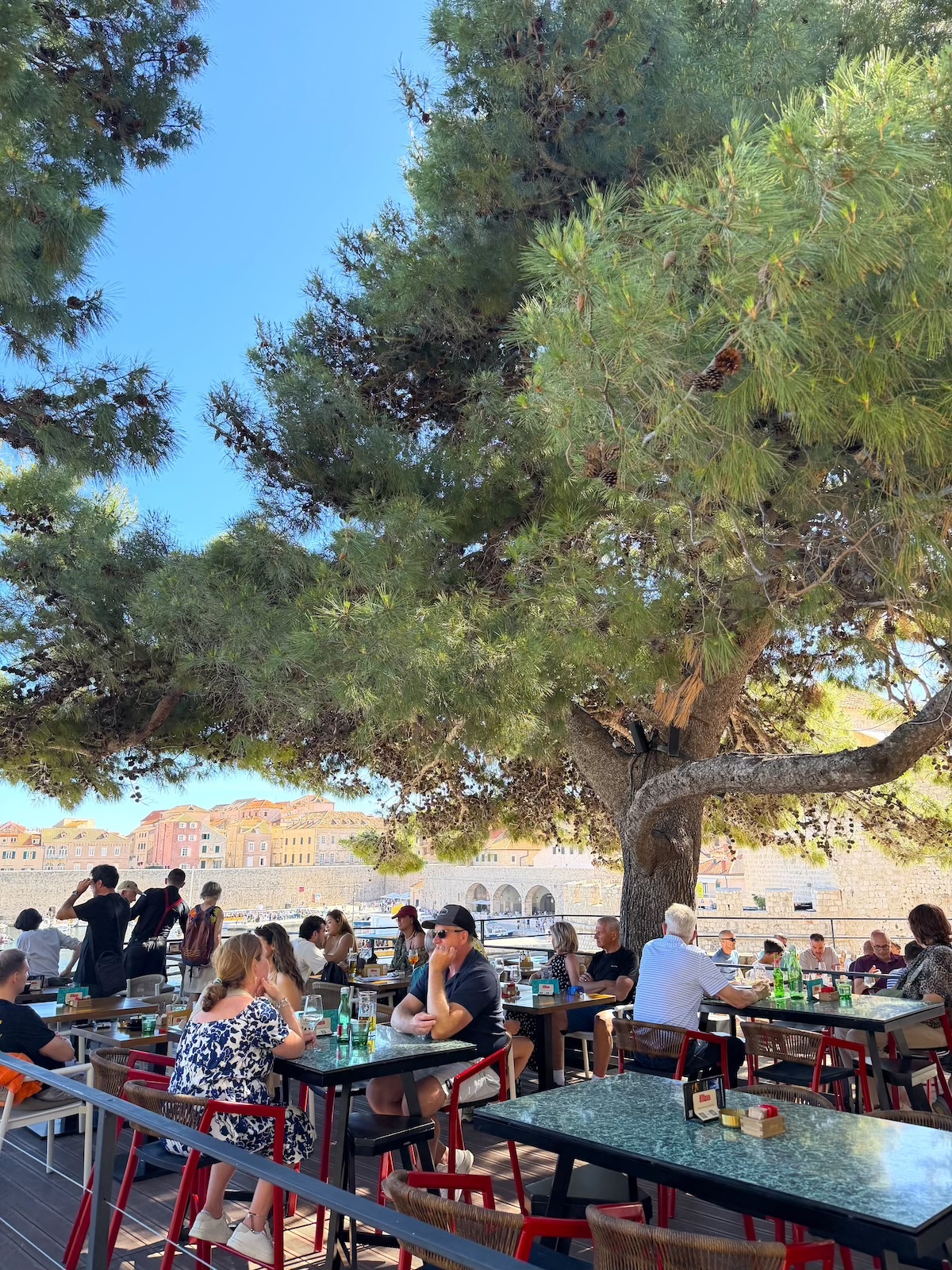
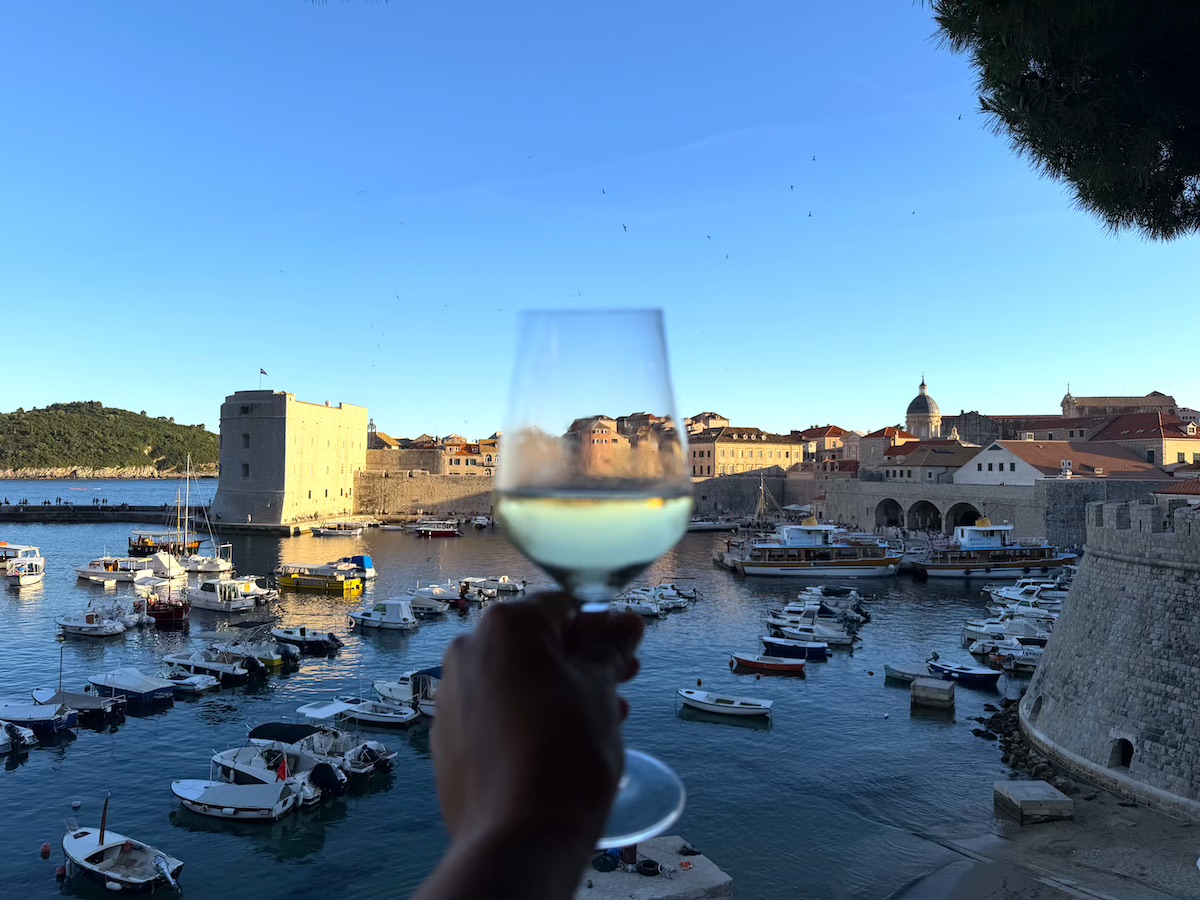
- Restaurant Panorama: a well-known restaurant (above the cable car, on Mount Srd; reservations are recommended), with views of the city and the sunset. Prices are a bit high, but you’re paying for the view—which, to be honest, is somewhat “spoiled” by the cable car wires.
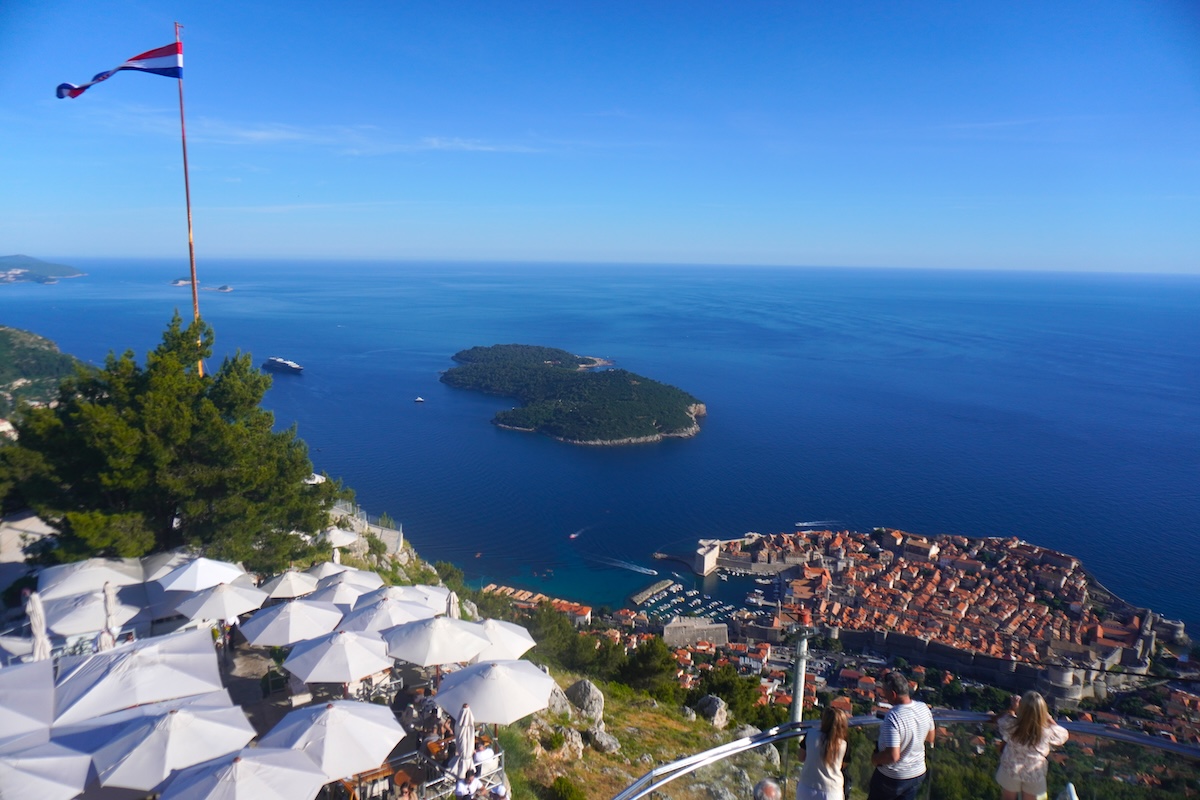
- Gradska kavana Arsenal Restaurant: a very touristy restaurant but also highly recommended; they say everything is delicious, and the setting is beautiful. We didn’t get a chance to try it
- Taj Mahal: Despite the name, it’s a very famous restaurant serving Bosnian cuisine. We didn’t get a chance to try it, but several people recommended it to us.
- Peppino’s Gelato Factory: There are two in the city center; we tried the one next to the Ploče Gate—4 € per scoop of ice cream. There was a bit of a line because they’re so famous. We tried the strawberry (standard) and the pistachio (delicious, though it was more like ice cream mixed with pistachio cream).

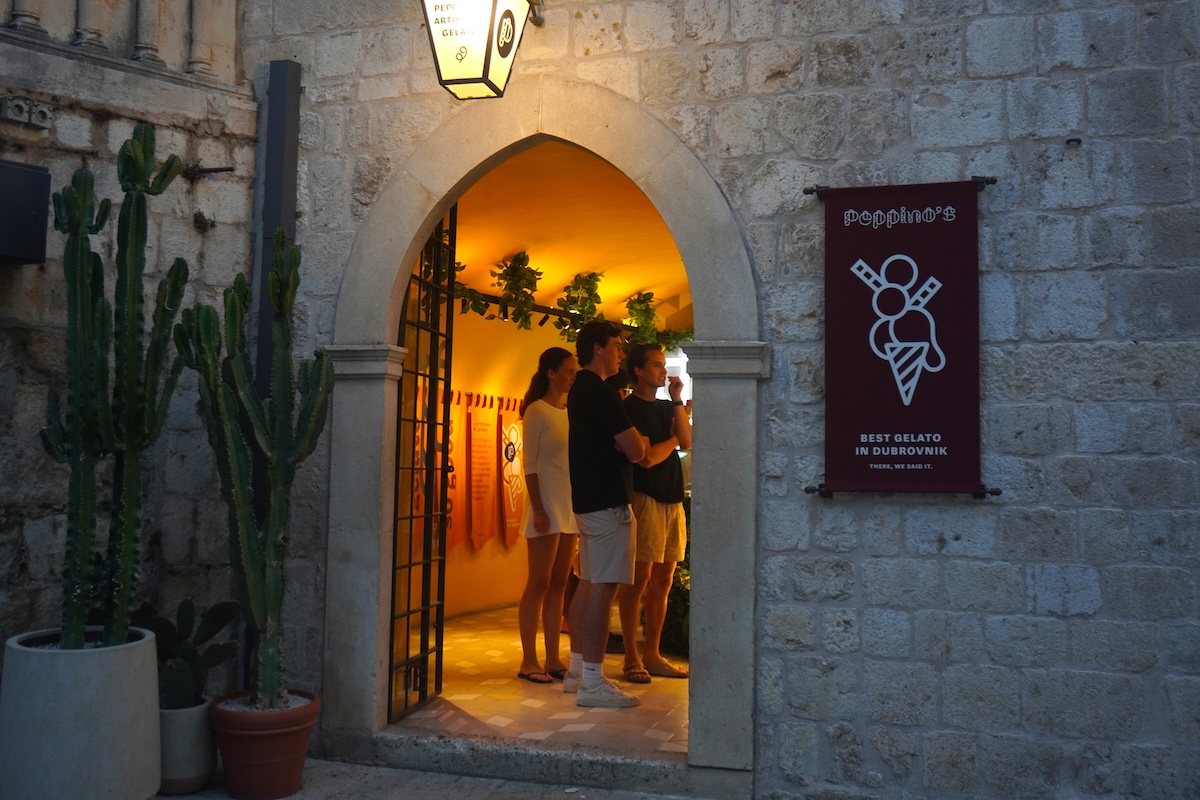

- Giani: another famous ice cream shop; we liked it, but honestly, we think Peppino’s is better. 4 € per scoop
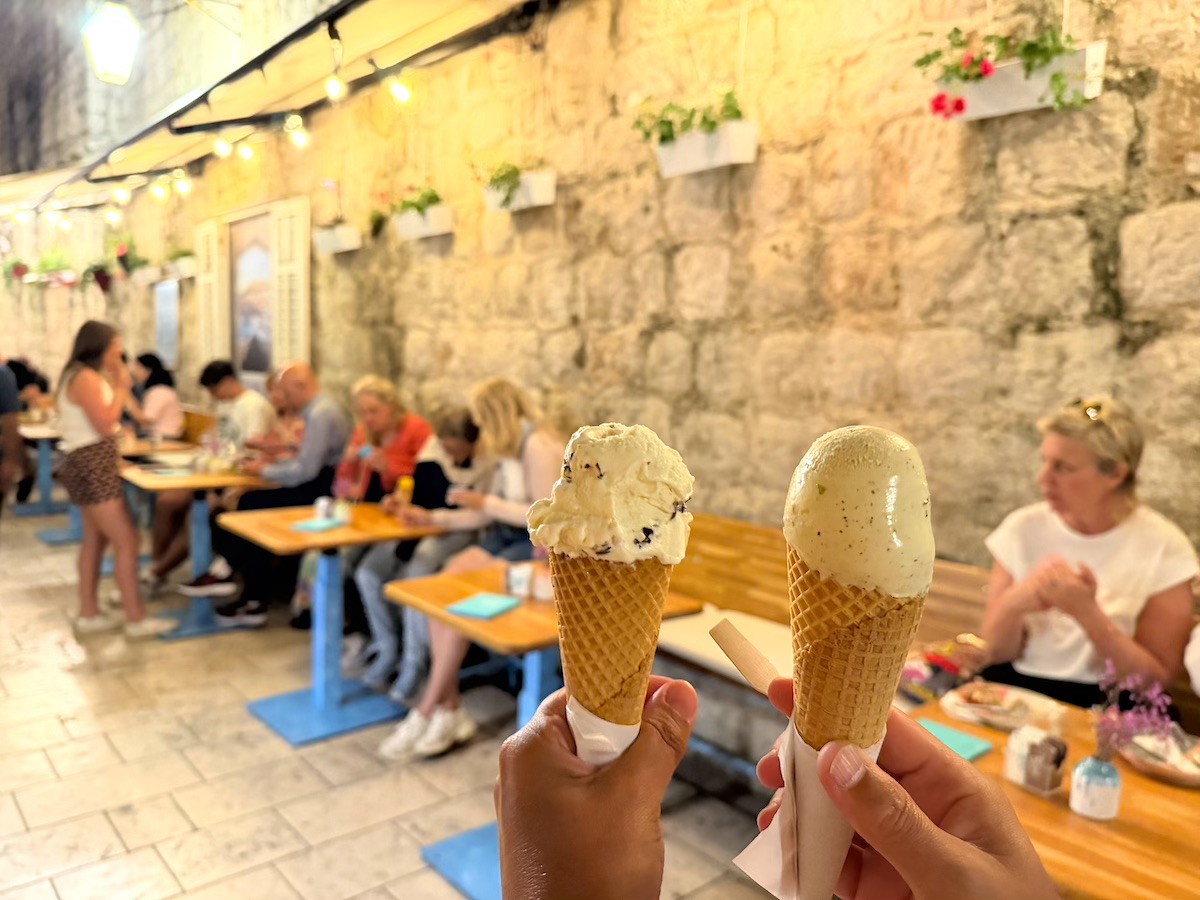
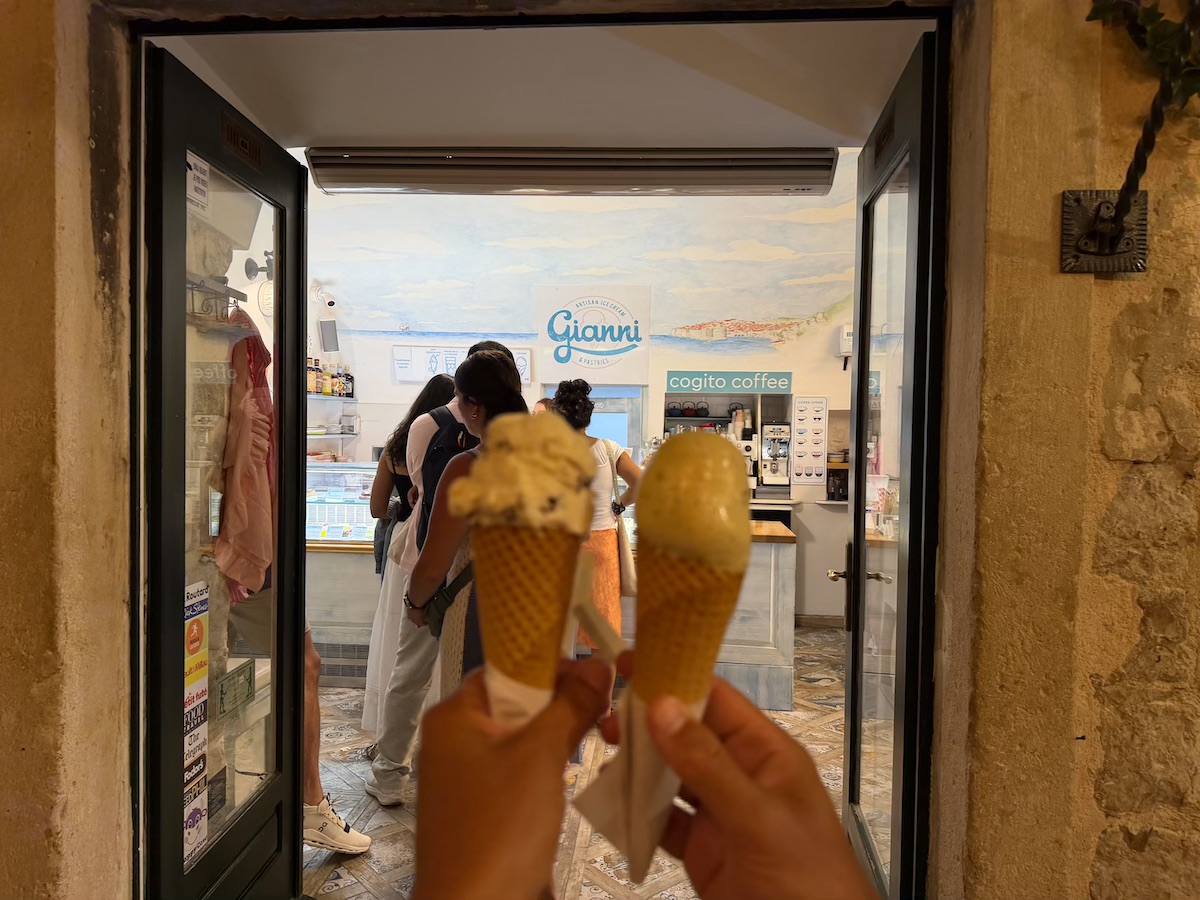
- Cogito Coffee Shop: specialty coffee—expensive (3 € for an espresso) but very good—though it’s best to get it to go (they have hardly any seating) and there’s not much to eat (just a brownie).
- Buža Bar: a small bar in the southern part of the city, perched on the rocks, with access to the sea (you can take a dip) and limited seating; it can be a good spot to watch the sunset.
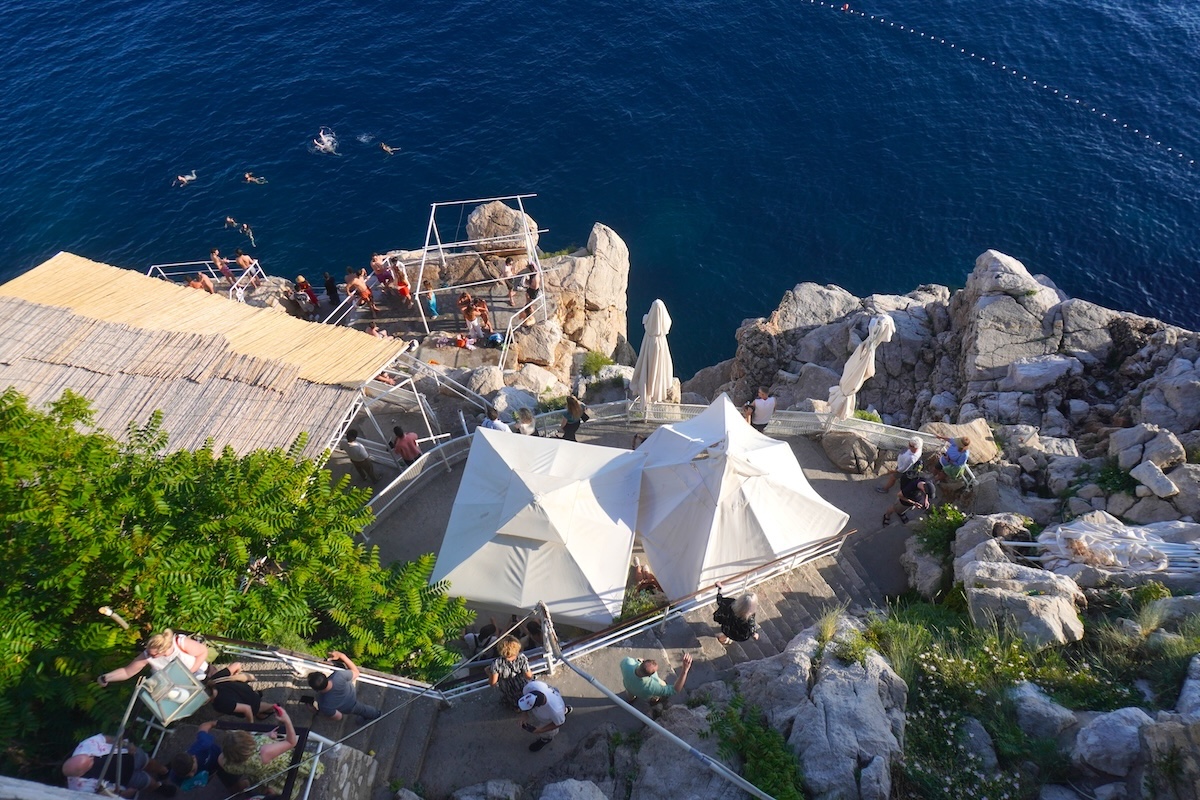
- M’arden Dubrovnik (wine bar): an excellent, somewhat hidden spot with a lovely terrace and wonderful customer service. Wines by the glass starting at 7 €; they also offer tastings and a few snacks. If wine is poetry in a bottle, this spot captures that perfectly. We were looking for a quiet place to enjoy a good wine and found this spot with a carefully curated selection of local and international wines, a beautiful terrace, and an excellent soundtrack (when we were there, it ranged from jazz to bossa nova)—but without a doubt, the real gem is Ana. The person behind this project—whom we were lucky enough to meet and get advice from—will guide you through the world of wine, taking into account what you like (and your budget) in a fluid and natural way (not at all uptight), always with a sense of curiosity, a smile, and plenty of professionalism and kindness. 10/10. We highly recommend it.

- Richeta Dubrovnik: perfect if you’re in the mood for a Spritz because they have a beautiful terrace next to the cathedral (literally right next to the apartment where we were staying) and they often run a 2-for-1 deal on the famous Italian cocktail (each Spritz costs 12 €, so you can get two for the price of one). We went there the day after walking the city walls, before heading home to change—since it’s right next to the building where we were staying—to have a drink and relax. We didn’t try the food menu.
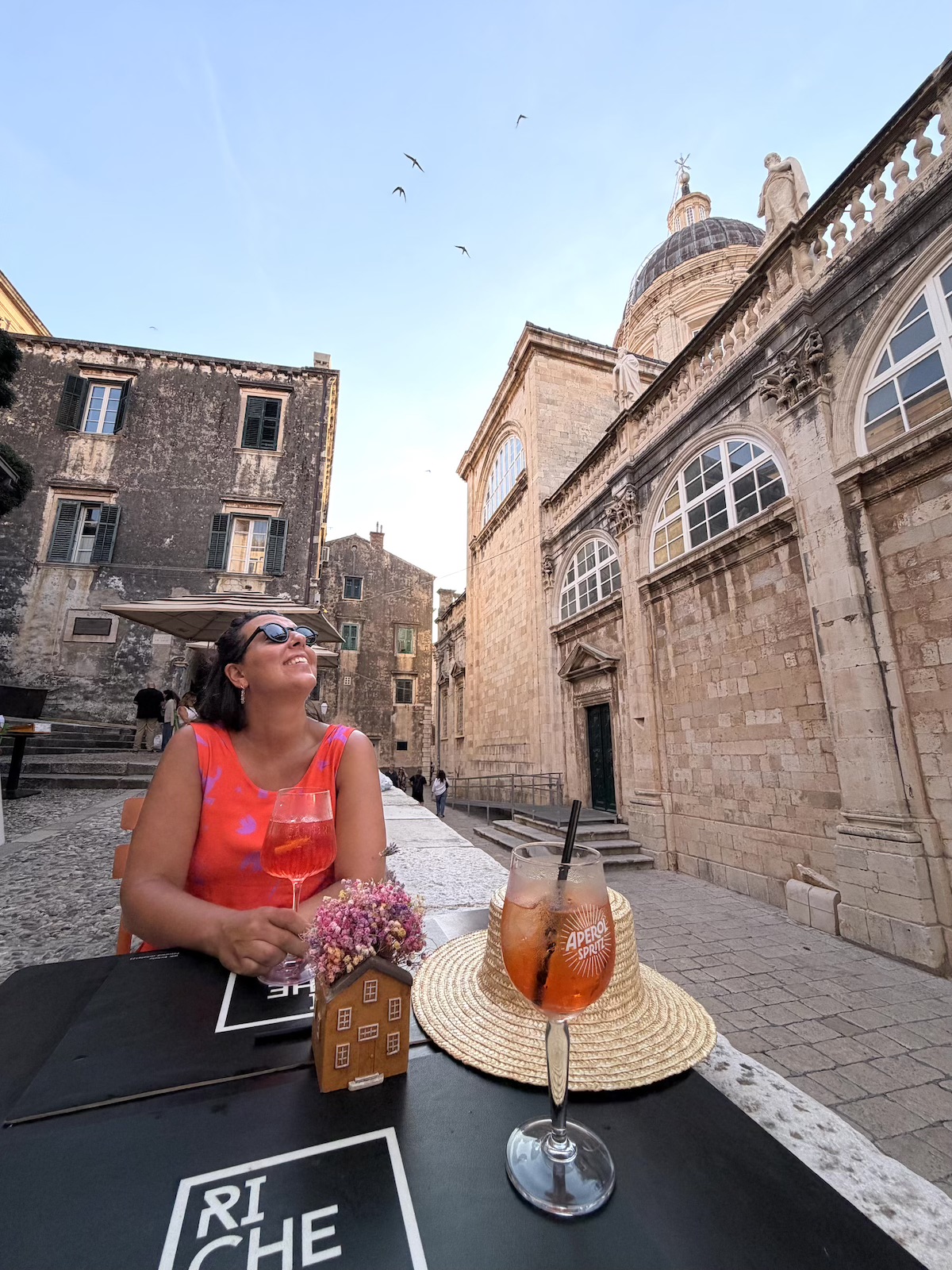
Bonus Tip: Where to Shop in Dubrovnik
We hadn’t planned on creating this section because we believe the most important thing is to eat and shop locally—whenever possible, wherever you are—to support the city’s small businesses. But knowing that a city like Dubrovnik, increasingly marked by mass tourism and gentrification, doesn’t always make it easy to know where to go, we decided to include it.
In this case, we recommend a shop right in the heart of the historic center that we discovered by chance while buying a souvenir for our nieces. The shop is run by a lovely, very friendly lady who gave us advice (as well as some recommendations for the city)—we could have chatted with her all afternoon. In addition to carrying locally made products (not everything, but most of it when we were there), it offers affordable prices (a real gem right in the heart of the Old Town!) and a wide variety of items. The shop is located right across from Peppino’s ice cream shop
Itineraries in Dubrovnik
As you can see in this guide, Dubrovnik has plenty to see. Depending on your interest in monuments and historic buildings, whether you want to spend time at the beach or not, and whether you want to explore the surrounding area and/or the islands, you can spend anywhere from a few days to a week in Dubrovnik without ever getting bored. Below are some suggested itineraries for 1- to 4-day stays in Dubrovnik.
Things to see and do in Dubrovnik in 1 Day
If you only have one day in Dubrovnik, we’d focus on the historic center and its surroundings. Here’s a 1-day itinerary for Dubrovnik highlighting the main attractions (you can choose others based on your interests and the information provided in this guide)
- Enter the historic center through one of its two main gates (Pile or Ploče) and climb up to the city walls to complete the full tour
- Take a stroll down Stradun Street and stop to admire some of the landmarks you’ll find along the way (Onofrio’s Fountain, St. Saviour’s Church, the Franciscan Monastery, Luza Square, Orlando’s Column, the Clock Tower, Sponza Palace, St. Blaise’s Church…). If you purchased the 1-day Dubrovnik Pass to access the city walls, some of these sites are also included
- Visit Dubrovnik’s Old Harbor
- Visit the Rector’s Palace (included in the Dubrovnik Pass)
- Visit Dubrovnik Cathedral
- Visit the Jesuit Staircase and the Church of St. Ignatius
- Visit whichever gate you haven’t seen yet (Pile or Ploče)
- If you have extra time (depending on whether or not you go inside the sites), you can visit the Lazaretto and the MOMAD (on the right), or on the left you’ll find the Fortress of St. Lawrence (Lovrijenac tvrđava), several viewpoints, or Gradac Park—at Randomtrip, we recommend the Fortress of St. Lawrence if you only have time for one visit, as we think it offers some of the most beautiful views of the city (and it’s included in the Dubrovnik Pass). Another option is to head up Mount Srđ (on foot, by cable car, or via Uber/Bolt), where you’ll find viewpoints, a restaurant, and the Museum of the War of Independence.
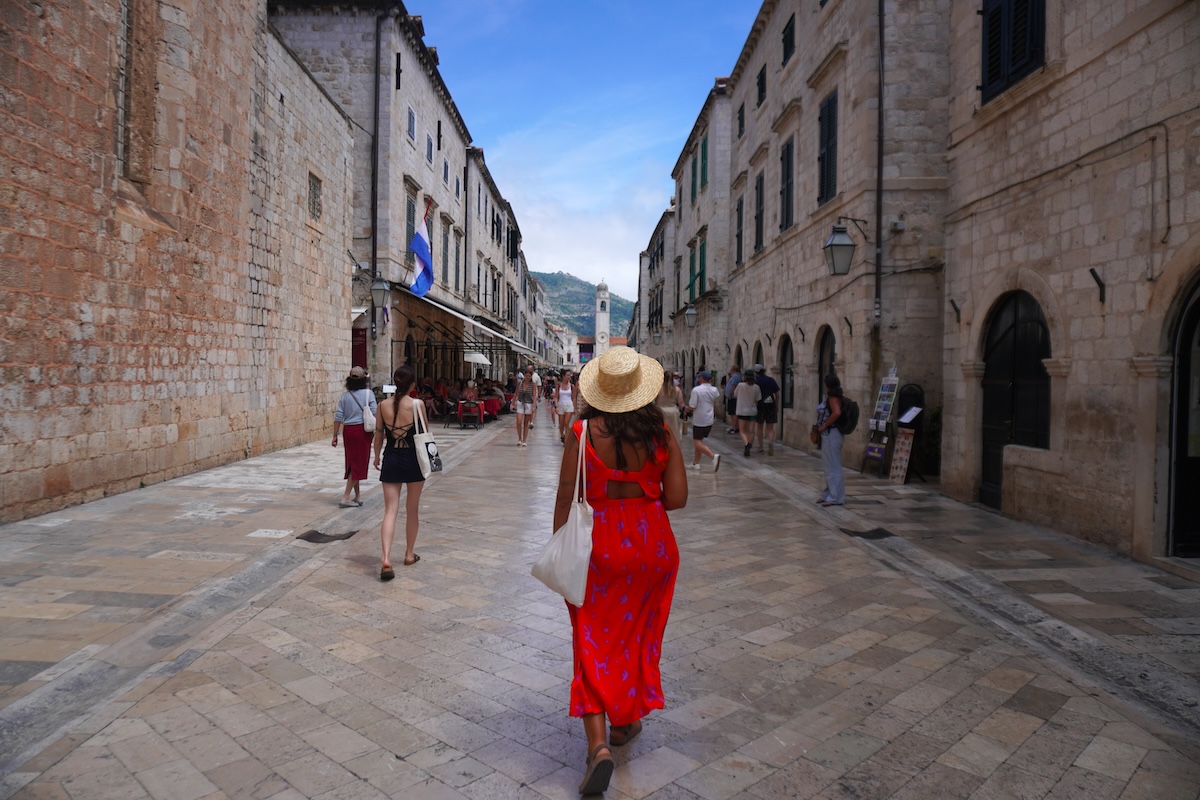
To make the most of your time, we recommend grabbing a quick bite, such as a burek or a panino, at one of the spots we’ve included in the guide. If you’re staying overnight, you can take the opportunity to have dinner at a traditional restaurant.
Things to see and do in Dubrovnik in 2 Days
With two days, you can follow the same itinerary we suggest for a one-day trip at a more leisurely pace, visit more sites, or complete the itinerary in one day and spend the other day exploring the surrounding area:
- Day 1: 1-day itinerary shared in the previous section
- Day 2: Choose one or more of these activities in the surrounding area:
- Go to Lokrum Island for a full day or half day
- Take a day trip to the Elafiti Islands, such as this full-day excursion
- Explore and enjoy the nearby beaches we’ve included in the guide
- Visit nearby places like Mlini, Kupari, or Cavtat
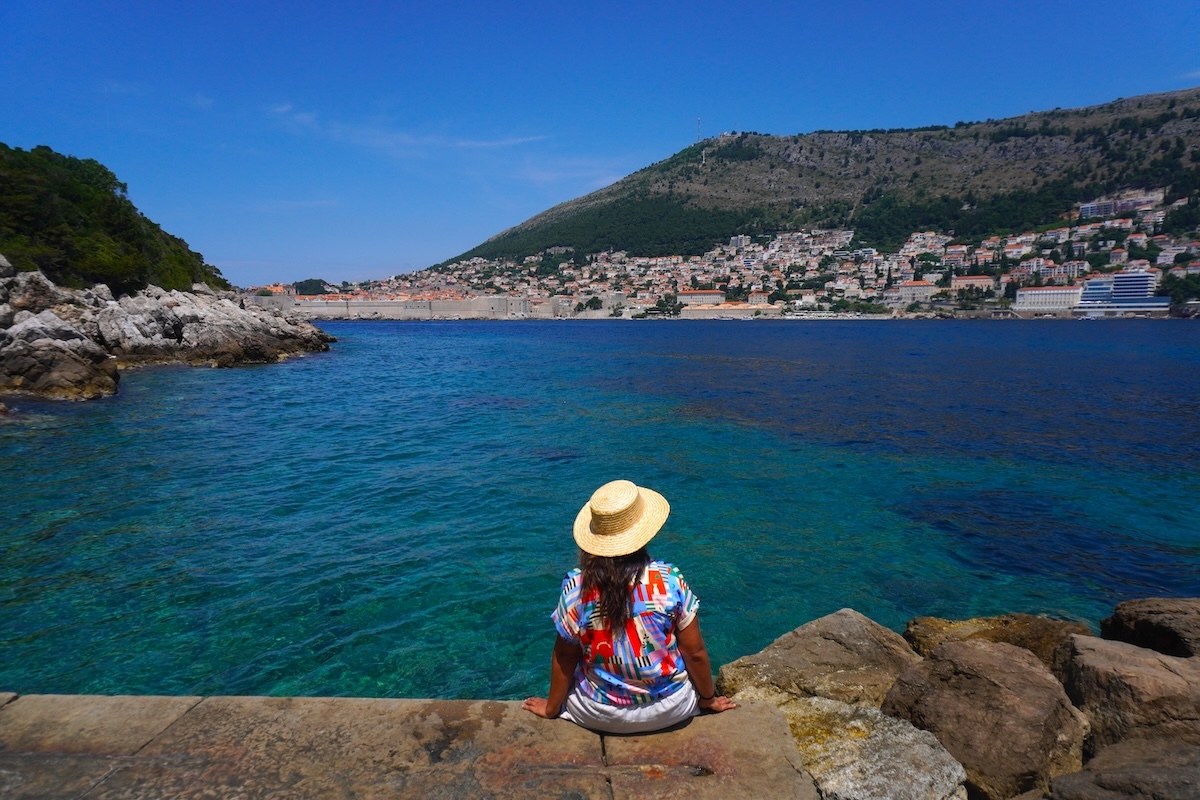
Things to see and do in Dubrovnik in 3 Days
With 3 days, you can explore Dubrovnik’s historic center in depth, visiting most of the sights at a leisurely pace, or you can explore it in one day and use the other two to discover the surrounding area.
Here’s a suggested itinerary to help you make the most of your time:
- Day 1: 1-day itinerary shared in the previous section
- Day 2: Visit Lokrum Island in the morning; spend the afternoon at the beaches or visiting nearby places like Mlini, Kupari, or Cavtat
- Day 3: Take a day trip to the Elafiti Islands, such as this full-day excursion
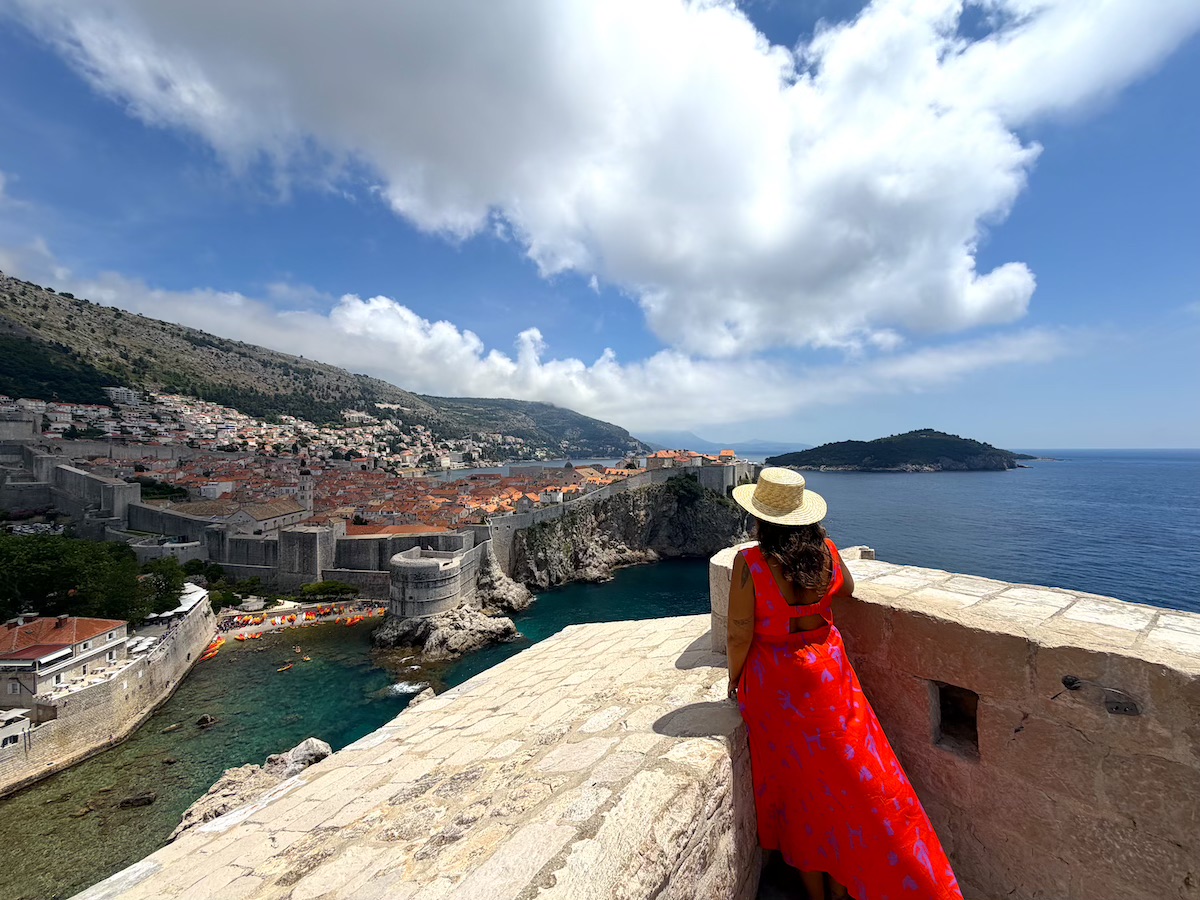
Things to see and do in Dubrovnik in 4 Days
We think 4 or 5 days is the ideal amount of time to thoroughly explore Dubrovnik and its surroundings. At Randomtrip, we stayed for 5 days (in May, including beach time) and didn’t have a single minute to spare. Here’s a suggested 4-day itinerary
- Day 1: Dubrovnik’s historic center and nearby attractions (Mount Srđ, Fortress of St. Lawrence (Lovrijenac tvrđava), etc.)
- Day 2: Dubrovnik’s historic center (any remaining attractions you’re interested in), combined with a trip to the beach if you have extra time
- Day 3: Take a day trip to the Elafiti Islands, such as this full-day excursion
- Day 4: Lokrum Island in the morning, beaches or a visit to a nearby town like Mlini, Kupari, or Cavtat in the afternoon (or visit any place you missed on previous days)
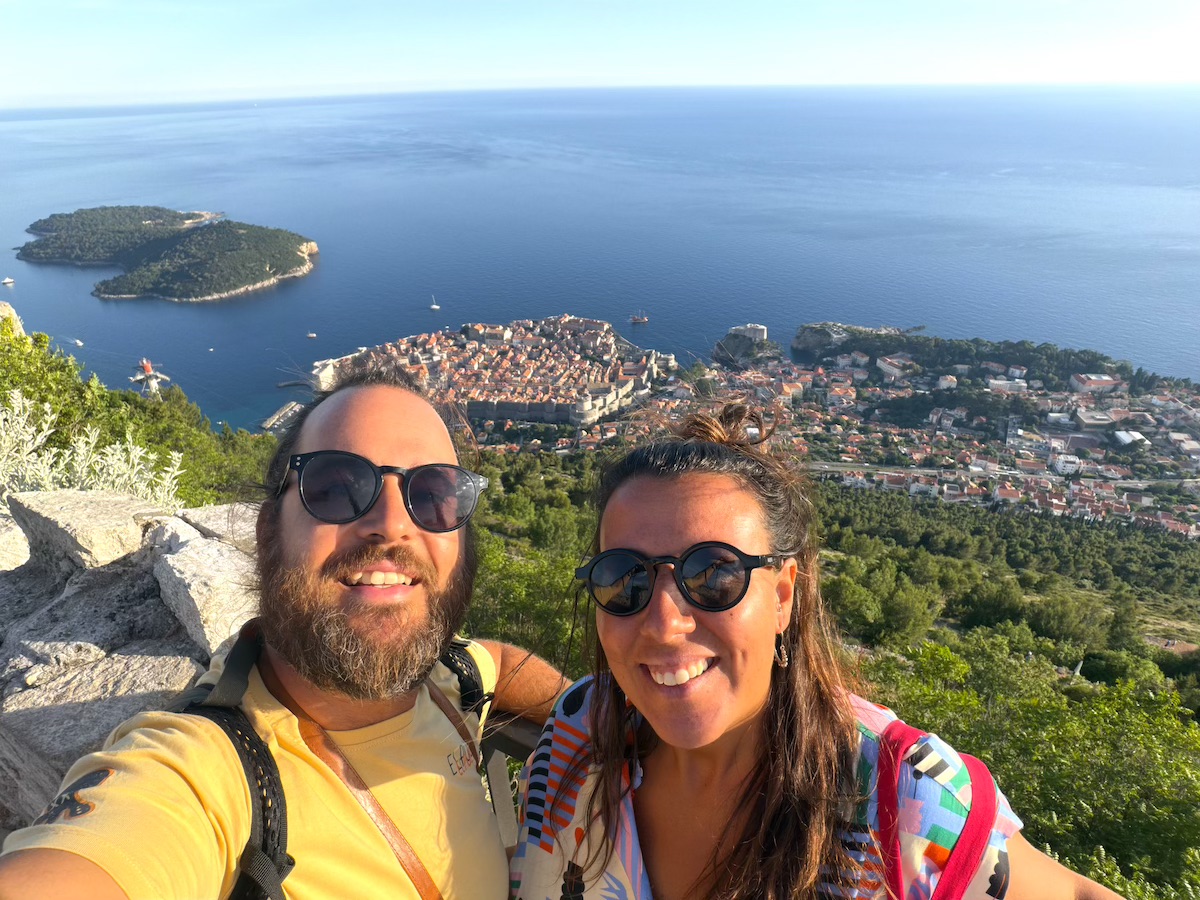
Transportation: How to Get Around Dubrovnik
Most attractions are located within the city walls, in the historic center, where the only way to get around is on foot. If possible, we recommend staying here or very close by to make the most of your time (at Randomtrip, we stayed in this apartment inside the city walls but on a super quiet street)
For destinations a bit further out (for example, Mount Srd, which you can also reach by cable car; beaches on the outskirts of the city; some villages; and the occasional other point of interest), you can use public buses (included in the Dubrovnik Pass) or apps like Uber/Bolt.
If you’re touring Croatia, it might also be a good idea to rent a car (we recommend using comparison sites like Discover Cars—the one we use at Randomtrip—to compare terms and prices), although you’ll hardly use the car in Dubrovnik, and parking near the historic center is extremely expensive.
How to Get from the Airport to Downtown Dubrovnik
If you’re not renting a car, here are the different options you have for getting from the airport to downtown Dubrovnik (and vice versa):
- Platanus shuttle bus: 10 € one-way or 15 € round-trip. Schedules depend on flight arrivals. It stops only at Ploče Gate in the historic center and at the bus station, near the port where ferries to and from the islands depart and arrive. If you’re looking for an even cheaper option, there are local buses, but the schedules usually don’t align very well, so this isn’t a recommended option (you can view the schedules here)
- Uber/Bolt: You can use both apps in Dubrovnik and elsewhere in Croatia. The ride usually costs between 20 and 40€ depending on the time of day and demand. At Randomtrip, we paid 21.45€ from downtown to the airport.
- Taxi: Faster than ordering an Uber or Bolt, but usually much more expensive (be sure to confirm the price before starting the ride).
- Book a Transfer: If you want to make things easier on yourself and have someone waiting for you when you arrive, you can book a transfer in advance. It’s more expensive but faster. You can book a transfer in advance here
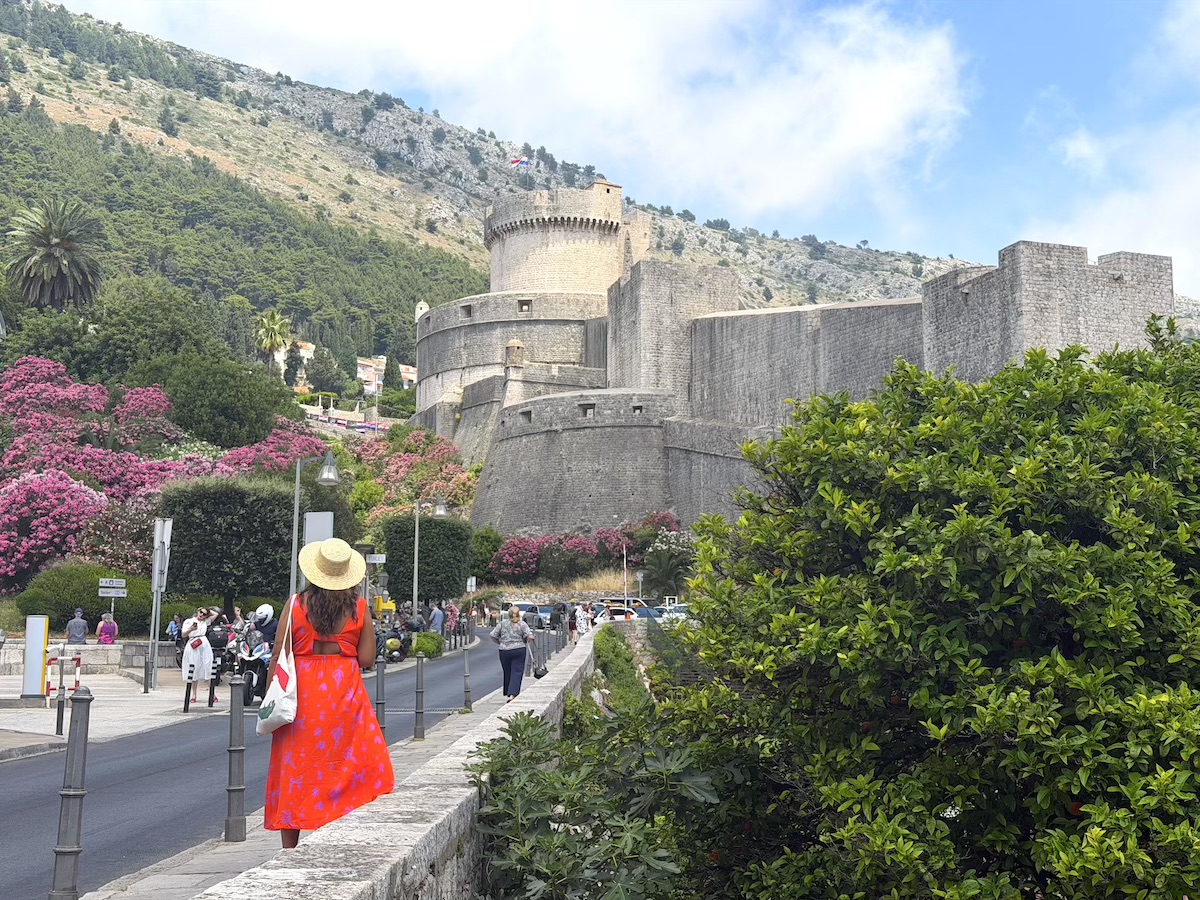
How to Get Internet Access in Dubrovnik
Croatia is part of the EU, so if you have a European carrier, you can probably use your data plan there at no extra cost (check the terms with your carrier).
If that’s not the case, and if your phone supports eSIM and you want to keep things simple, we recommend the Holafly eSIM (unlimited data, 5% off with the code RANDOMTRIP) or the Sim Local eSIM (limited data, but cheaper, 10% off with the code RANDOMTRIP).
More information on how to get an eSIM for your trip to Croatia here:
Safety: Is It Safe to Travel to Dubrovnik?
Both Dubrovnik and Croatia in general are generally safe destinations with low crime rates. During our trip, we never felt unsafe, although, as always, we recommend taking the basic precautions that apply anywhere in the world.
In any case, we always purchase travel insurance (which also covers our belongings), which gives us greater peace of mind in case something happens:
Croatia travel insurance
Do you know what you should always have in your backpack? Good travel insurance! On our trip to Croatia, we purchased Heymondo Travel Premium. Beyond medical assistance in case something happens to you, the insurance also covers you for adventure sports. Plus, if anything happens to your luggage—damage, theft, delayed delivery, or loss—the insurance has your back. We use and partner with various insurance providers, and as a reader, you can enjoy the following discounts:
Carefully read the terms and conditions of each policy and hire the insurance that best suits your needs.
Money in Dubrovnik: Cards to Save on Fees
Croatia adopted the euro in 2023, so if you’re coming from a country that uses the euro, everything will be much easier. To pay for things and withdraw money in Croatia while minimizing fees, we recommend the two cards we use ourselves:
- Revolut: With the free version, you can make unlimited card payments in euros. Up to 200€ in ATM withdrawals are fee-free; beyond that, a 1% fee applies.
- N26: With the free version, you can make unlimited card payments with no fees. For ATM withdrawals, there’s a 1.7% fee, which you can waive by signing up for the You (€9.99/month—the one we use) or Metal (€16.99/month) monthly plans.
It’s important to keep in mind that even if your card doesn’t charge a fee for ATM withdrawals, some ATMs in Croatia do charge a fee for their use. Be sure to check before completing the transaction.
In tourist areas, you can pay by card at most businesses, so we recommend getting one of the cards we suggest (or checking to see if the cards you already have allow you to pay without fees and without any problems) before you travel.
Tips: Tips in Croatia are not mandatory. However, especially with the growth of tourism from the United States, tipping has become more common in the most touristy areas, and in many cases, when paying by card, you’ll be required to choose a tip amount or indicate that you don’t want to leave a tip—which can be quite awkward in front of the person who served you.
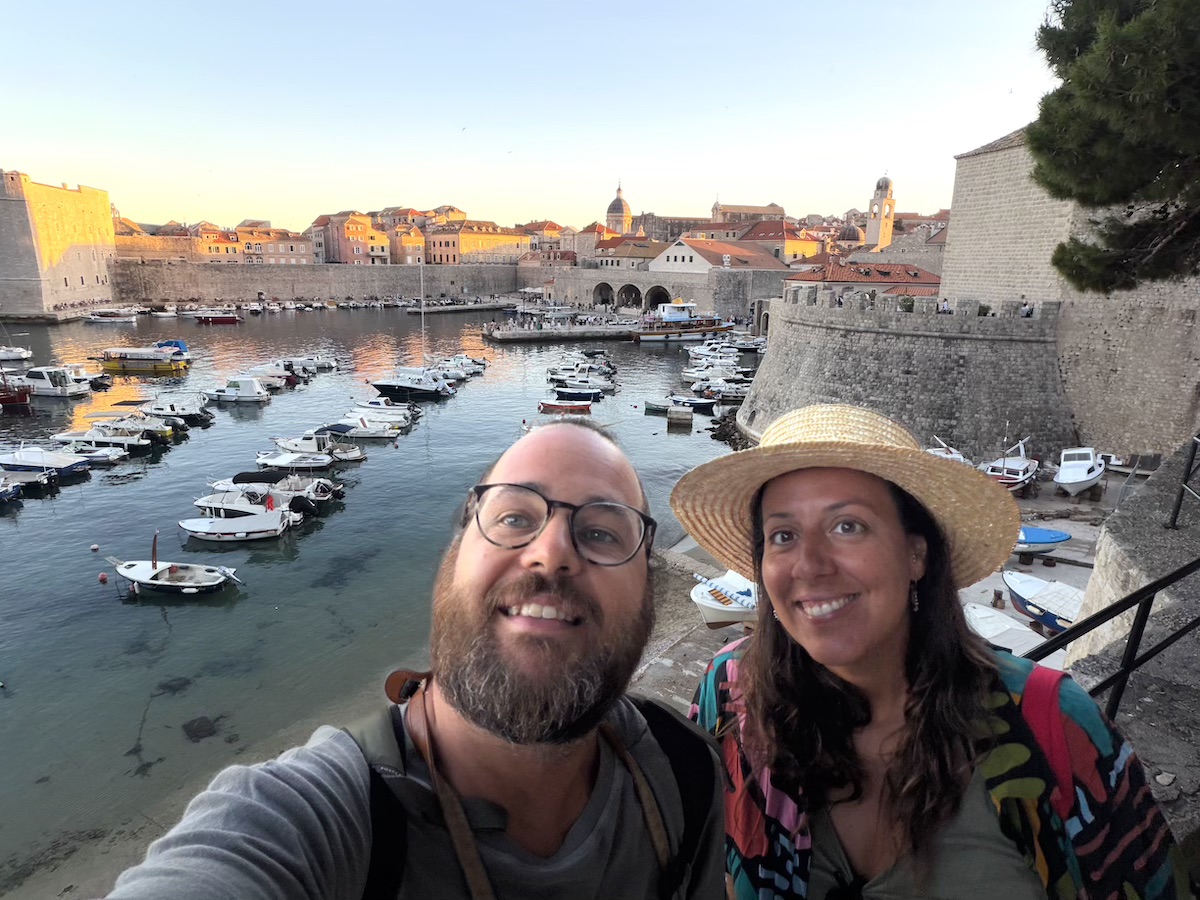
Estimated Budget: How Much Does a Trip to Dubrovnik Cost?
Putting together a budget is tricky since it depends heavily on the type of trip you’re taking: how many activities you want to include, whether you’ll eat out or cook to save money, the type of lodging you’ll choose… In any case, to give you an idea, here are the average prices and what we consider the average daily cost (we’ll reiterate that these are APPROXIMATE prices and may vary at any time):
- Flights: Starting at 60 € round-trip with minimal luggage. From Europe, you can find good deals with several airlines, though as always, it depends on the dates and how far in advance you book. Use flight comparison sites like Skyscanner and Kiwi to find the best price.
- Transportation: You can explore Dubrovnik’s historic center on foot, and the surrounding areas by bus (included in the Dubrovnik Pass) or via Uber/Bolt
- Accommodation: Starting at 60 €/night for a room with a private bathroom or a small apartment with a kitchen inside the city walls, though it’s important to note that availability is limited and budget options book up quickly, so if you don’t book well in advance, you’ll pay much more to stay in the center. Find accommodations of all types and price ranges on Booking, with up to a 15% discount.
- Restaurants: plenty of options starting at 15 € per person, with something for every taste.
- Admission: Some sites require an admission fee. You can save quite a bit with the Dubrovnik Pass, depending on how many of them you visit and over how many days.
In total, a weekend trip (2 nights) to Dubrovnik can cost between 90 € and 110 € per person per day, based on the cheapest accommodation options, eating out at affordable restaurants, and using the 3-day Dubrovnik Pass.
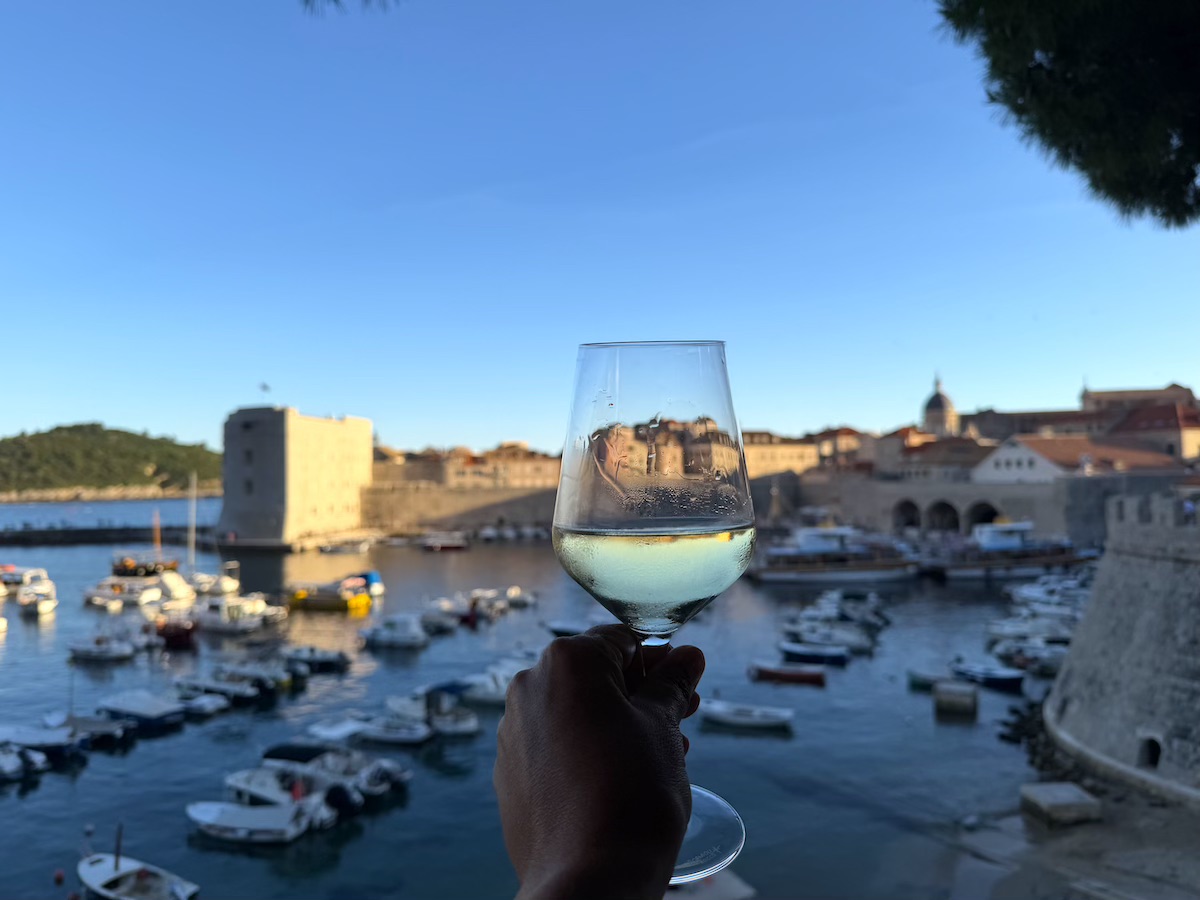
Useful apps for getting around Dubrovnik
- Google Maps (Android/iOS): This is what we use to save and organize all the places we want to visit or have already visited, and as a GPS to help us find our way around on foot or when we rent a car. It also includes public transportation information, if available. You can view other people’s reviews of these places, photos, restaurant menus, contact phone numbers, and more. You can also open our map within the app , which includes all the places featured in this guide
- Maps.me (Android/iOS): An app similar to Google Maps but one that works offline (although Google Maps can also work offline, this one works better) and, in many cases, has information that Google Maps doesn’t have
- Uber / Bolt: apps for ordering taxis or ride-hailing services.
- Windy (Android/iOS/Web): a must-have app for our trips. It lets you check forecasts for rain, clouds, wind, etc., to help you plan your days based on the weather (since some places aren’t as enjoyable depending on the weather). Obviously, the forecasts aren’t 100% reliable.
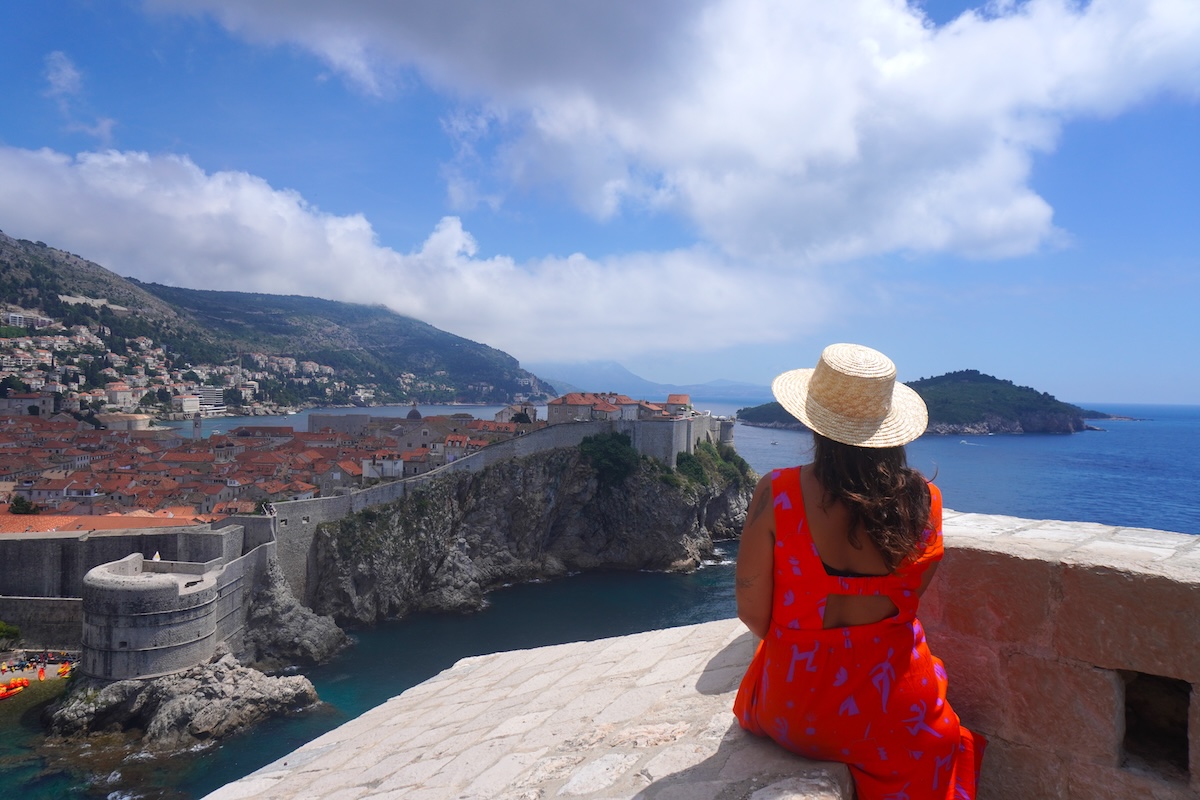
Tips for traveling to Dubrovnik as a responsible tourist
At Randomtrip, we strongly emphasize in our guides the importance of practicing more sustainable and responsible tourism. This is especially true in destinations like Dubrovnik, where mass tourism is having a huge impact on the local population—it’s even more important to educate yourself and try to minimize your impact as much as possible when visiting the city. Here are some tips and recommendations:
- If you take tours,it’s best to choose small groups (maximum of 6 to 8 people) and local guides, rather than crowded free tours, which in such a compact city have a huge impact on noise, traffic, and the overall atmosphere.
- If possible,avoid the Old Town on days and at times when cruise ships arrive, because the city gets extremely crowded (you can take the opportunity to go to one of the beaches if it’s hot or check out some of the activities in the surrounding area).Here you can see the daily cruise schedule
- Even if you have the Dubrovnik Pass, there’s no need to visit every museum and site included just to get your money’s worth; it’s better to go where you really want to go (at Randomtrip, we’ve run into disrespectful people with no interest in deeply moving exhibitions about the Yugoslav War, for example)
- It’s importantto respect the city’s rules—both the written ones (regarding dress, noise, etc.) and those that just make sense with a little common sense: keeping things clean, respecting the local population… the usual, really
- Bring areusable water bottle to refill with water and avoid contributing to plastic waste. There are several drinking fountains throughout the old town.
- If you have a choice, avoid the summer months (July and August), which are the most crowded and also the most expensive.
- Be responsible when you visit a place: a large influx of people to a particular site can have a negative impact, so follow the rules—don’t climb the tree or monument you’re visiting, don’t deface the walls, avoid touching things, and, out of respect for other visitors, don’t make noise or “monopolize” the spot with your photos.
- Take care of natural and archaeological monuments and follow the rules
- Don’t litter on the streets or at the places you visit; usetrash cans and recycling bins, and keepyour trash with you until you find a proper place to dispose of it or return to your lodging.
- Don’t be complicit in animal abuse: avoid any attractions where animals are kept in captivity and/or used for human entertainment.
- Respect other people: don’t play your music too loud, pick up your trash, and don’t throw away cigarette butts, etc. Leave the place better than you found it.
Checklist: What to Pack in Your Backpack or Suitcase for Dubrovnik
Here’s a list of essentials you can’t forget to pack for your trip to Dubrovnik:
- A reusable water bottle like one of these to carry water with you all the time and void single-use plastic.
- Water Shoes like these ones, ideal for not hurting your feet when entering the water or not touching the ground.Keep in mind that most beaches in Croatia are rocky, so they’re a must-have.
- Snorkel kit (mask and tube) like this one, a must to take on this trip to contemplate the seabed.
- Waterproof dry bag like this one, very useful for keeping your camera equipment, cell phone and wallet safe from getting wet on any boat trip (or even if the tide comes in on the beach).
- Fast drying towel like this one which doesn’t take a lot of space in your luggage
- A hat or a cap (like this one) and sunglasses to protect yourself from the sun
- Windbreaker waterproof jacket: like this one, to protect yourself from the sudden weather changes in Azores
- A good camera to register your adventures. At Randomtrip we carry a Sony ZV-E10 and a Gopro Hero13 Black (for underwater pictures)
- A Power bank: taking so many pictures will drain your batteries, so it’s always a good idea to carry a good powerbank. At Randomtrip we travel with these 2 (Anker 20000 mAh and Anker 10000 mAh), which allow us to charge both our phones and our cameras.
- Sun screen: always look for a Coral Friendly Sunscreen, i.e. one that protects your skin without harming marine ecosystems by avoiding ingredients such as oxybenzone and octinoxate, which are harmful to corals. Nor that it has been tested on animals.
- Mosquito repellent: like this one, it should have at least 15% deet
- First aid kit: In our first-aid kit there is always a medicine against seasickness (such as biodramine for seasickness on boats), antibiotics, anti-diarrhea medication (and a probiotic to recover more quickly), antihistamines, painkillers and antipyretics
- Travel insurance: always travel with travel insurance. We collaborate with different travel insurance companies so that you can get a discount with some of them:
Croatia travel insurance
Do you know what you should always have in your backpack? Good travel insurance! On our trip to Croatia, we purchased Heymondo Travel Premium. Beyond medical assistance in case something happens to you, the insurance also covers you for adventure sports. Plus, if anything happens to your luggage—damage, theft, delayed delivery, or loss—the insurance has your back. We use and partner with various insurance providers, and as a reader, you can enjoy the following discounts:
Carefully read the terms and conditions of each policy and hire the insurance that best suits your needs.
Dubrovnik is a stunning city, steeped in history, that deserves to be explored calmly and with respect for its people—who have been shaped by a difficult recent past and the current wave of mass tourism. If you have time, it’s best to extend your trip to include the surrounding area: islands, bays, coastal towns, viewpoints, and places that help you better understand the region and enjoy it even more. If you plan your trip well, you can combine the best of Dubrovnik’s historic center with a side trip to the surrounding area, making the experience much more complete. Hopefully, this guide will help you put together a trip to Dubrovnik tailored to your tastes, blending the essentials with those hidden gems that make the itinerary truly your own. After all, it’s often the little extras that leave the best memories.