

The main cities and towns in the Azores aren’t usually the most interesting parts of each island, since the natural scenery is so breathtaking that it becomes the true highlight of the trip and the place where most of us prefer to spend the majority of our time. Angra do Heroísmo (capital of Terceira Island) is an exception. Designated a UNESCO World Heritage Site in 1983, Angra (as it’s affectionately known) is a hub of the archipelago due to its historical, political, and economic importance. This UNESCO designation came just three years after the massive earthquake on January 1, 1980 (7.2 on the Richter scale), which destroyed 80% of the city’s buildings, killed 70 people, and left thousands more homeless.
Angra is also the perfect place to stay during your visit to Terceira Island ( you can check out our complete guide to Terceira here), with plenty of accommodation options, restaurants, and bars to wind down the day and rest up before tackling the next one.
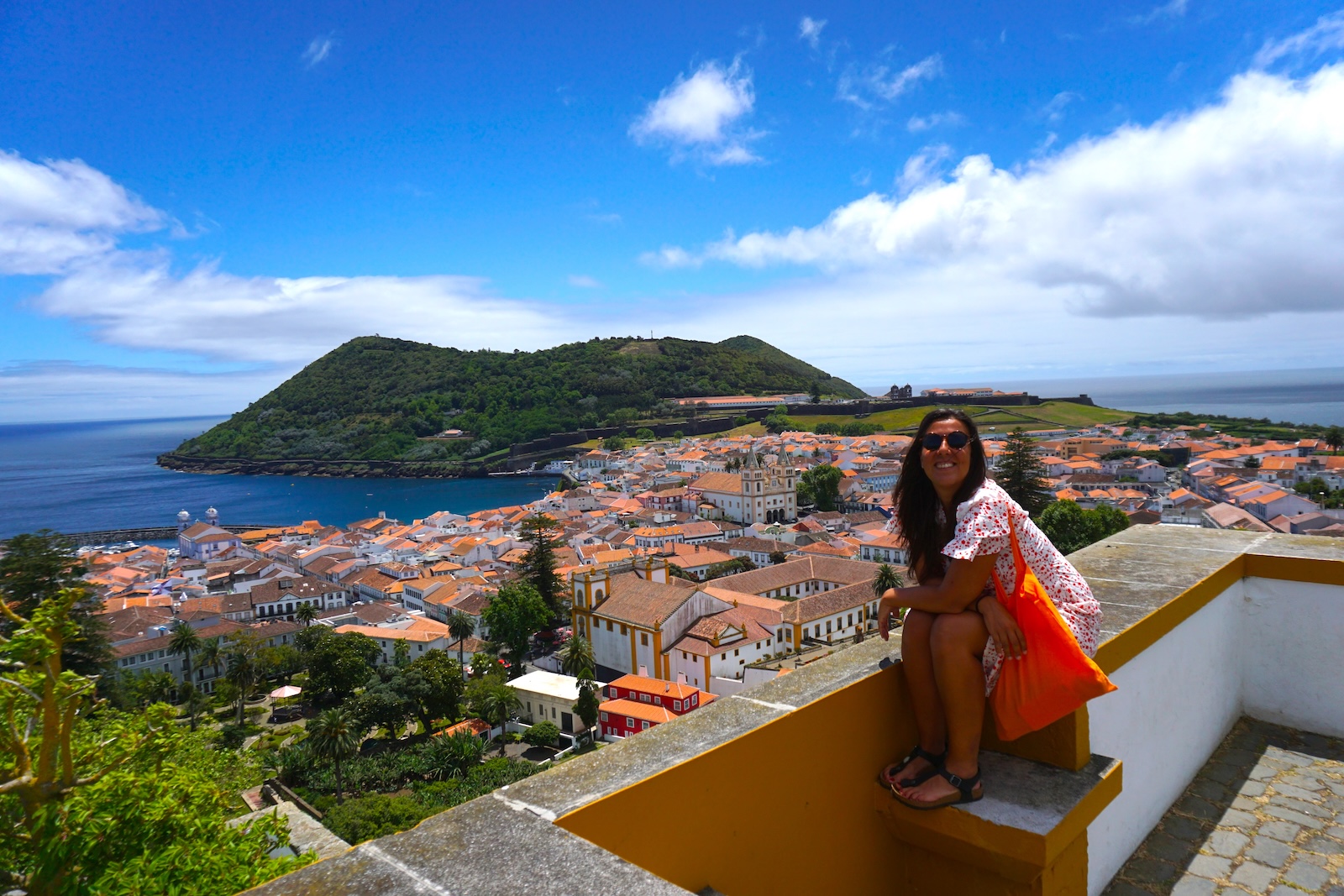
In this guide, we’ll tell you everything you can (and should) do in Angra do Heroísmo, where to stay, and, of course, the restaurants we liked best so your trip will be just as incredible as ours was.
Basic facts for traveling to Angra do Heroísmo
Language: Portuguese
Currency: Euro
Population: 33,771 (as of 2021)
When to visit: Without a doubt, the best time to visit Angra do Heroísmo and Terceira in general is in the summer due to better air temperatures (and sea water temperatures at the beaches and natural pools) and a lower chance of rain, although winter isn’t very cold (average temperature of 18°C) but it tends to rain more. Spring and fall are other good options for visiting the island; we’ll tell you more (with a table showing climate and rainy days per month) here. In any case, the weather in Terceira (and in the Azores in general) is very changeable, so there are no guarantees at any time of year (it’s often said that you can experience all four seasons in a single day).
How many days: At least 1 day to explore the city; ideally 4–5 days to see the whole island.
How to get there: There are some international direct flights to Terceira (from Boston, Toronto, …), although the easiest/cheapest way is normally to fly from within Portugal, where you will have cheap flights from major cities. Ideally,you should be flexible with your dates and use price comparison sites like Skyscanner and Kiwi.com.
Where to stay: On Terceira, everything is close by, so you can stay right in the city of Angra do Heroísmo, where there’s a wide variety of accommodations, ranging from more budget-friendly options in the heart of the historic center (such as the My Angra Boutique Hostel, Hotel do Caracol The Shipyard, or the Terceira Mar Hotel). On our last visit, we stayed at Quinta do Martelo, just a few minutes from Angra. More info on where to stay here.
Getting around: In Angra do Heroísmo, you can reach most places on foot, though to explore the rest of the island, the best option is to rent a car. We did so with Autatlantis and loved it: new cars and the best deductible policy. Find your rental car at the best price on this DiscoverCars comparison site. More info on getting around here
Cost: Starting at €70/day per person (approx.) for flights, car rental, private accommodation for two people (budget options), and meals.
Internet connection: If you are visiting for a few days, your phone supports eSIM and you don’t want to complicate things, we recommend Holafly eSIM (unlimited data, 5% discount with the code RANDOMTRIP) or Airalo eSIM (limited data, but cheaper, 15% discount with the code RANDOMTRIP15). Otherwise, the cheapest way is to get a local SIM (the main companies are Vodafone, Meo and Nos). More info here
Time zone: UTC +0. The time in the Azores archipelago (Portugal) is one hour behind mainland Portugal and the Canary Islands, and two hours behind mainland Spain.
Things to see and do in Angra do Heroísmo
Below is a map and all the points of interest in Angra do Heroísmo
Map of the city of Angra do Heroísmo
Here is a Google Maps map with all the points of interest in Angra do Heroísmo included in this guide, including restaurants. You can save it to your Google Maps app on your phone to consult it during your visit to Angra do Heroísmo:
Here is also an official map of Terceira in PDF format that includes a tourist map of Angra do Heroísmo:
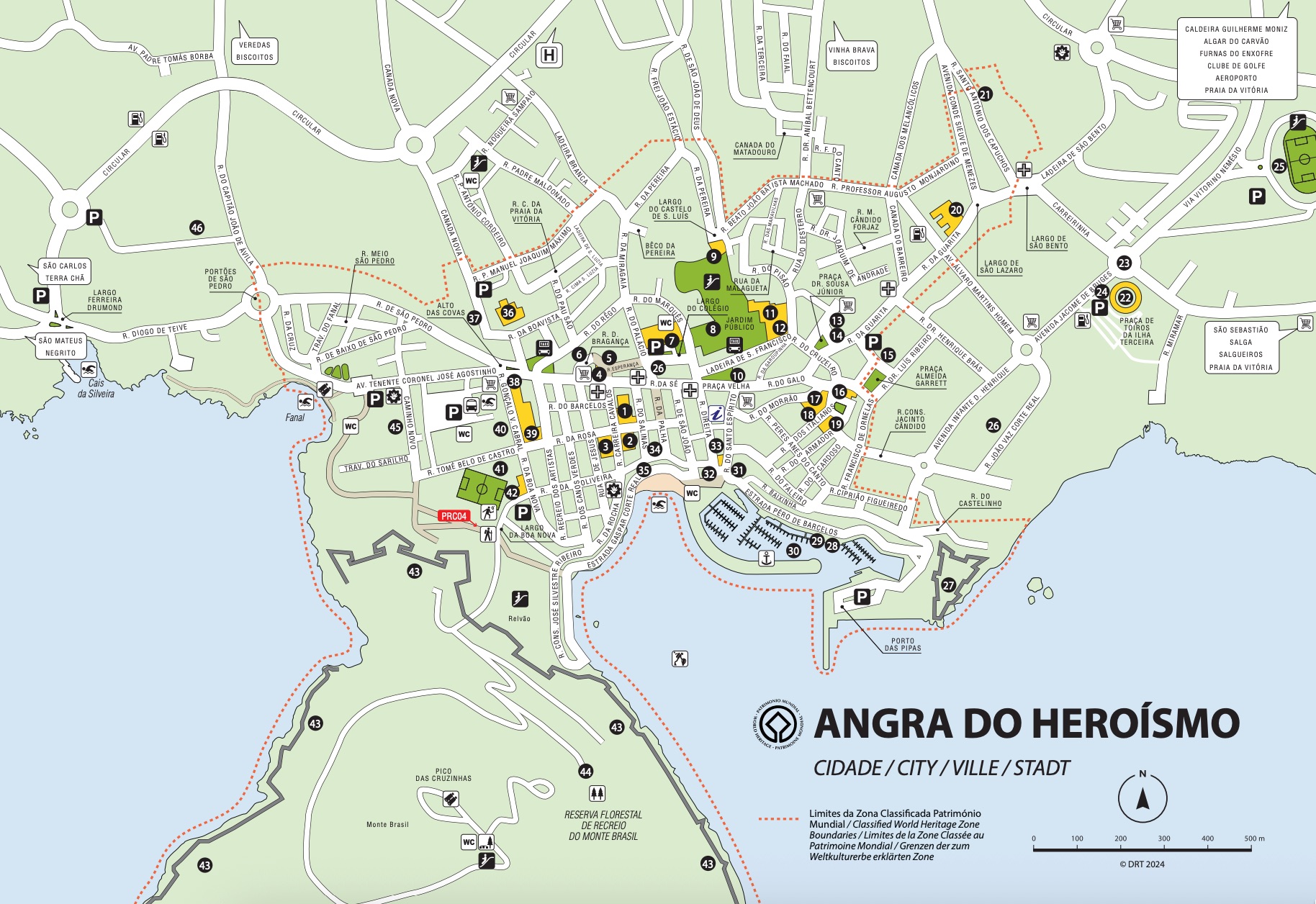
Below we detail the places to visit in the center of Angra do Heroísmo; they are listed in order and in a circular route, so you can follow the exact sequence of the points.
Stroll through its streets, a UNESCO World Heritage Site
Angra do Heroísmo is a hub of the archipelago due to its historical, political, and economic importance. This UNESCO designation came just three years after the massive earthquake on January 1, 1980 (7.2 on the Richter scale), which destroyed 80% of the city’s buildings, killed 70 people, and left thousands more homeless.

The reconstruction effort was so extensive that today, as we stroll through its streets lined with buildings, palaces, churches, and monasteries from the 16th, 17th, and 18th centuries, it seems impossible that the massive earthquake occurred just 40 years ago.



Pátio da Alfándega: Statue of Vasco da Gama, Igreja da Misericórdia, and Portas da Cidade
The Pátio da Alfándega (in English, Customs Courtyard or Square) was once the first sight of ships arriving in Angra. Merchants could view the goods arriving on the ships from above before they passed through customs. In the 18th century, it was remodeled, receiving a grand staircase and arched gates to “dignify” the entrance to what was then the capital of the Azores. Part of that remodeling has since disappeared, and the current appearance, dating from the late 20th century, was designed by architects Miguel Cunha and José Parreira.
In addition to admiring the Portas da Cidade, here you’ll find a statue of Vasco da Gama, a famous Portuguese navigator. Vasco da Gama landed on Terceira in 1499 upon his return from his voyage to India, because his brother, Paulo da Gama, fell ill and eventually died on Terceira (he was buried in the Convent of São Francisco, now the MAH: Museu de Angra do Heroísmo, which we’ll discuss later in this guide)
Behind the statue, if you have your back to the sea, stands the blue Igreja da Misericórdia, built in the 18th century and designated a “Property of Public Interest”


Praça Velha and Paços do Concelho
From the previous stop, you can walk along Rua Direita to Praça Velha. Praça Velha ( Old Square) was Angra’s main gathering place, dating back to the 15th century. At that time, Rua Direita connected this square (which was initially much smaller) with the customs house mentioned in the previous section. The square features “artistic cobblestones,” designed by Mestre Maduro Dias in 1929 and inspired by the regional Terceira blanket.
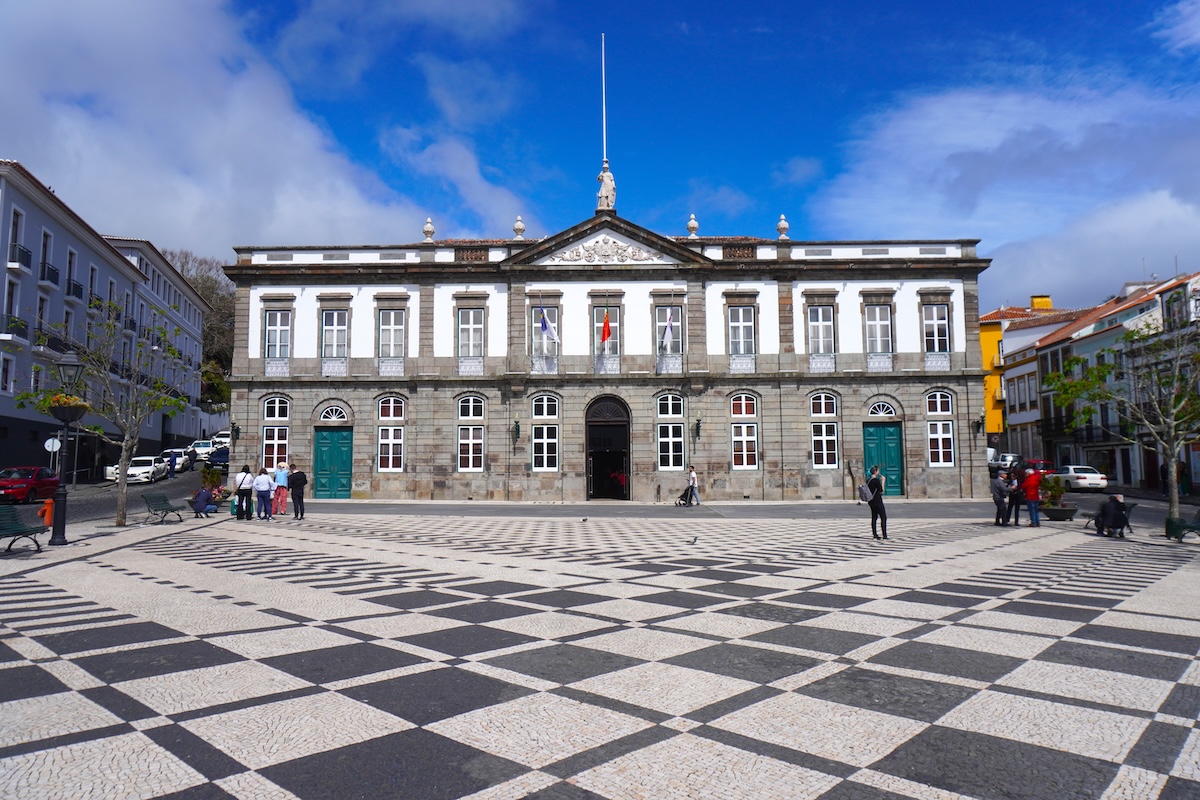
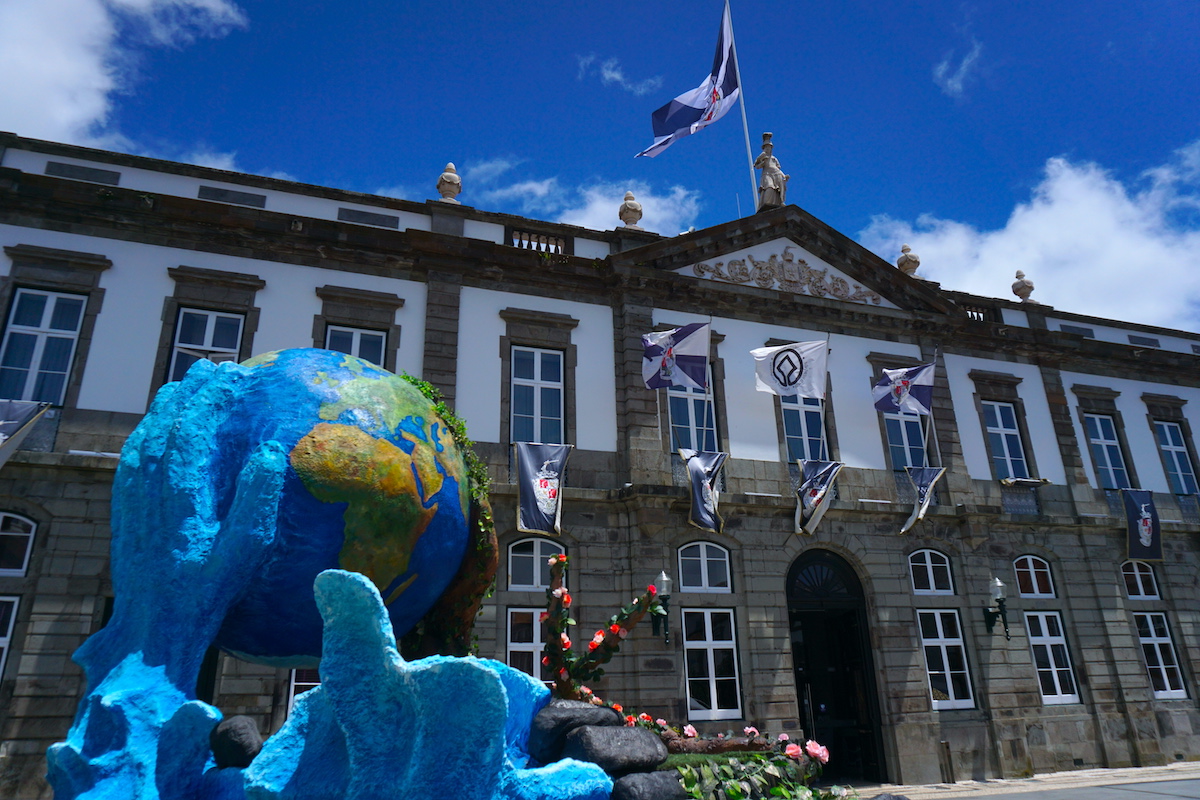
Also located in this square is the Paços do Concelho, a historic building constructed in 1866 as the town hall, inspired by the Paços do Concelho in Porto from that era. If you’d like, you can enter the building (admission is free) to see some of the sculptures and valuable artifacts, and they occasionally host temporary exhibitions as well.
Duque da Terceira Garden
Take a short break in the beautiful Duque da Terceira Garden, as you’ll need to climb up afterward to enjoy the views. This botanical garden is bordered by the Convent of São Francisco and landscaped in the Portuguese Romantic style. In the garden, there are a couple of tributes to Almeida Garret ( the most representative author of Romanticism in Portugal and of some of the most famous works in Portuguese literature, such as “Viagens na Minha Terra” and “Folhas Caídas”) as he was one of the principal drafters of the new Constitution, drafting the decree of January 12, 1837, by which Queen Maria II bestowed the title of “Heroism” upon the city of “Angra.”


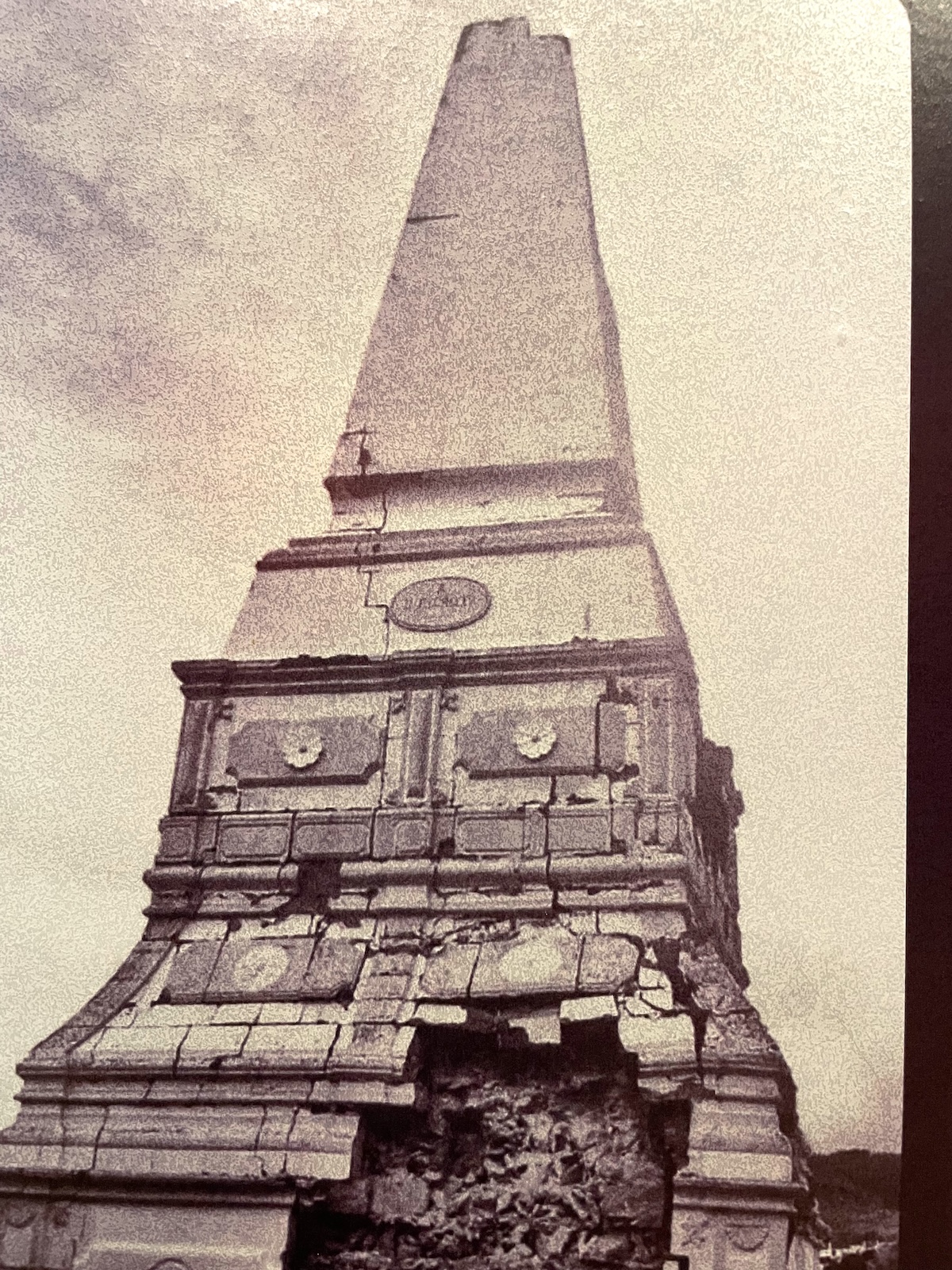
From the garden, you can climb the stairs to reach the Monumento da Memória or Alto da Memória, which is—pardon the redundancy—an obelisk in memory of King Pedro IV. It was in Terceira that the monarch organized his forces to reconquer the throne, consolidate the constitutional monarchy, and make Angra the capital of the Kingdom of Portugal in the 19th century. As a point of interest, it was also then that “de Heroísmo” was added to “Angra” as a tribute to the bravery of its inhabitants throughout the island’s history (the text was written by Garret, as mentioned earlier).


MAH: Museum of Angra do Heroísmo
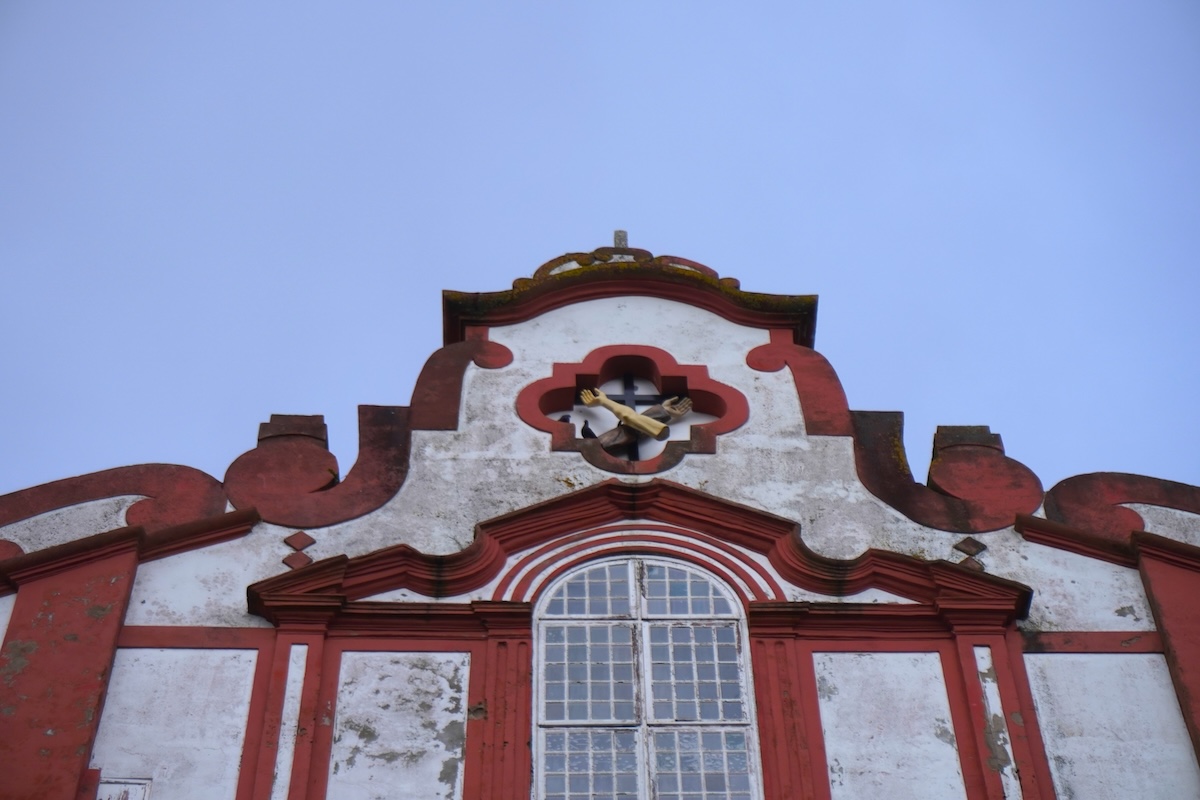
The Angra Museum (MAH) is well worth a visit (€4 per person, open from 10 a.m. to 5:30 p.m. Closed on Mondays in winter). In addition to the permanent galleries where you can learn about the islands, their geography, their discovery, and their history (it offers an interesting chronological overview of the Azores in general and Terceira in particular) as well as admire the beautiful cloisters of the convent, we especially enjoyed the temporary exhibitions dedicated to contemporary art. When we went on our last visit, there was the “Espaço Ocupado” exhibition of contemporary sculpture, part of the museum’s collection.


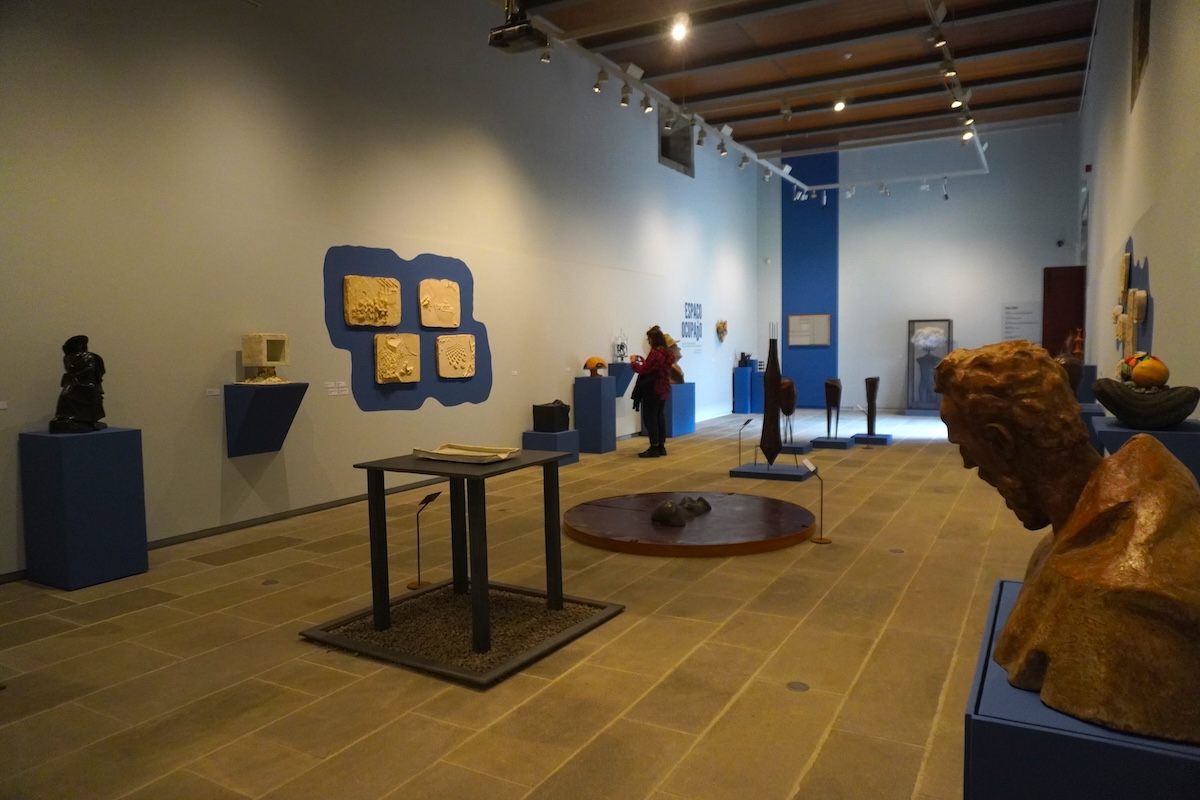
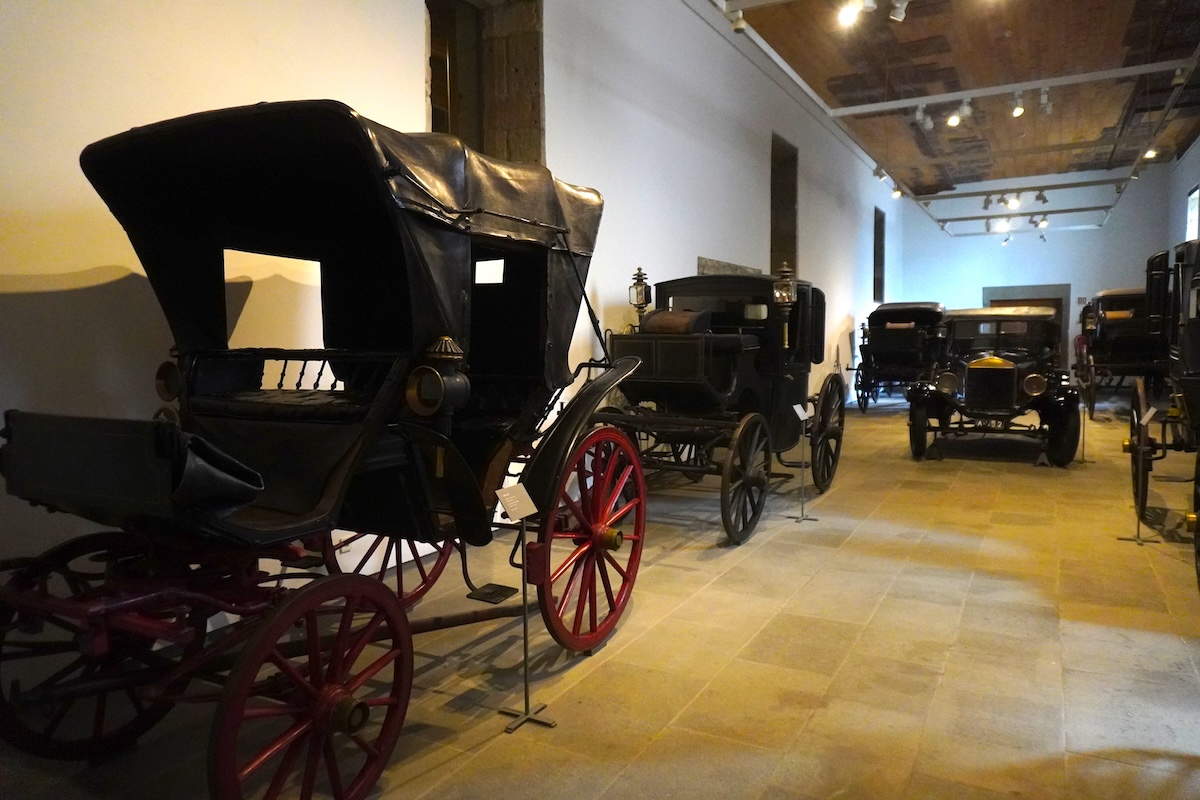
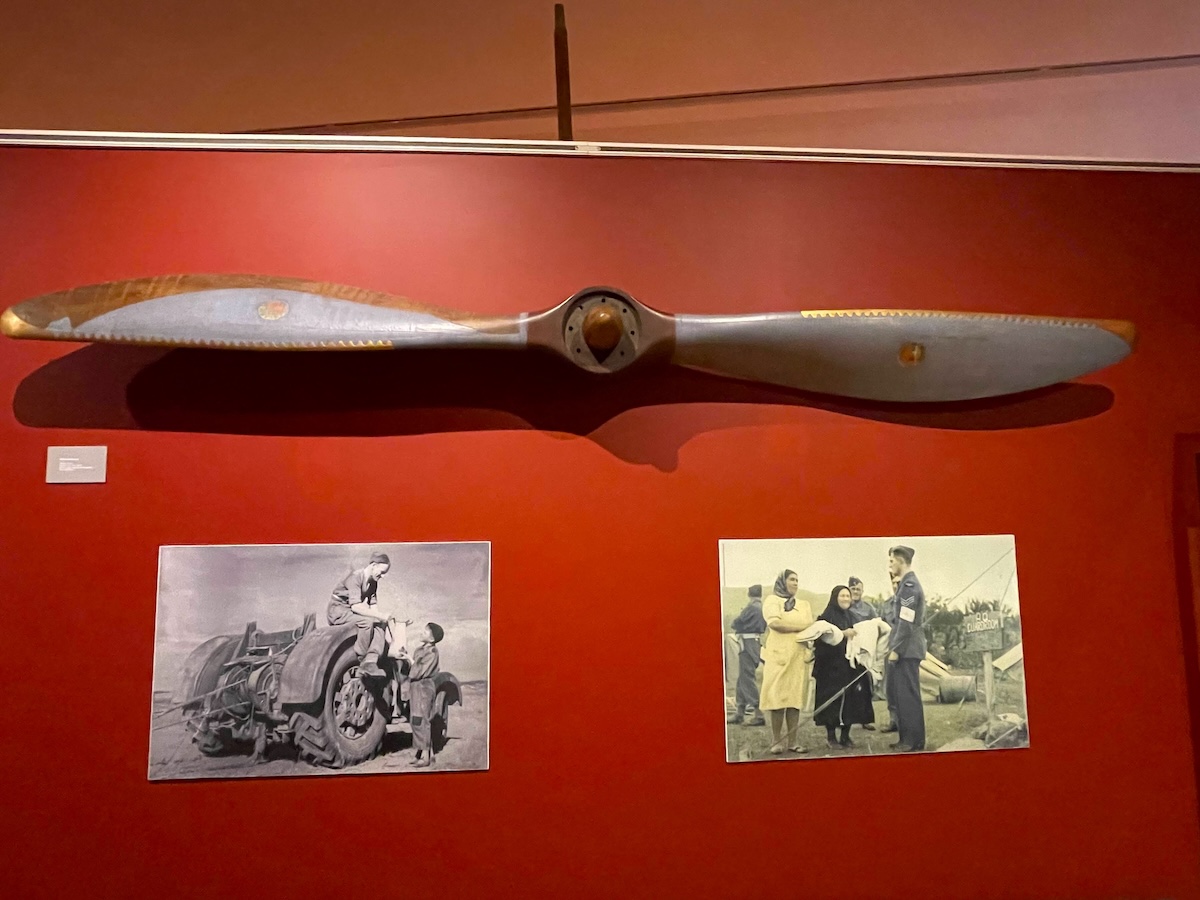

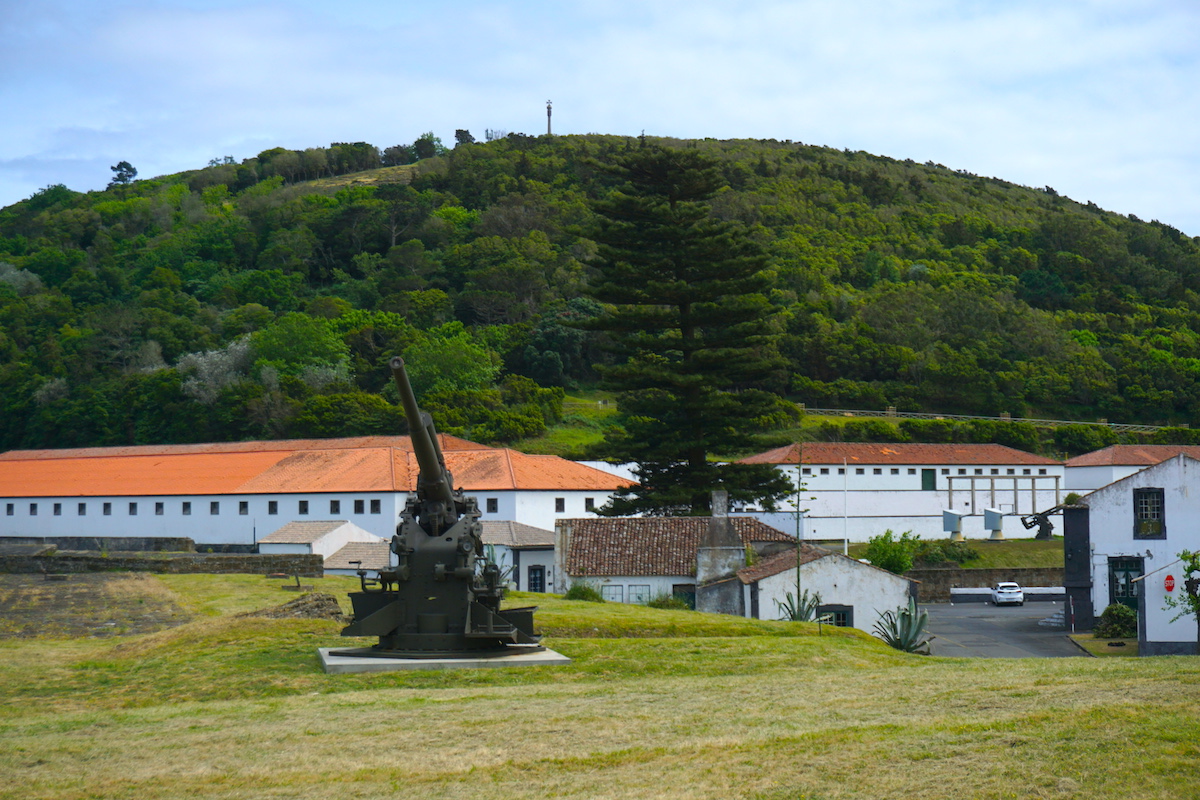
You can check which temporary exhibitions are on during your visit here. This museum has several branches, such as the Military Branch, from which you can visit the São Baptista Fortress and the Carmina Contemporary Art Gallery (free admission).

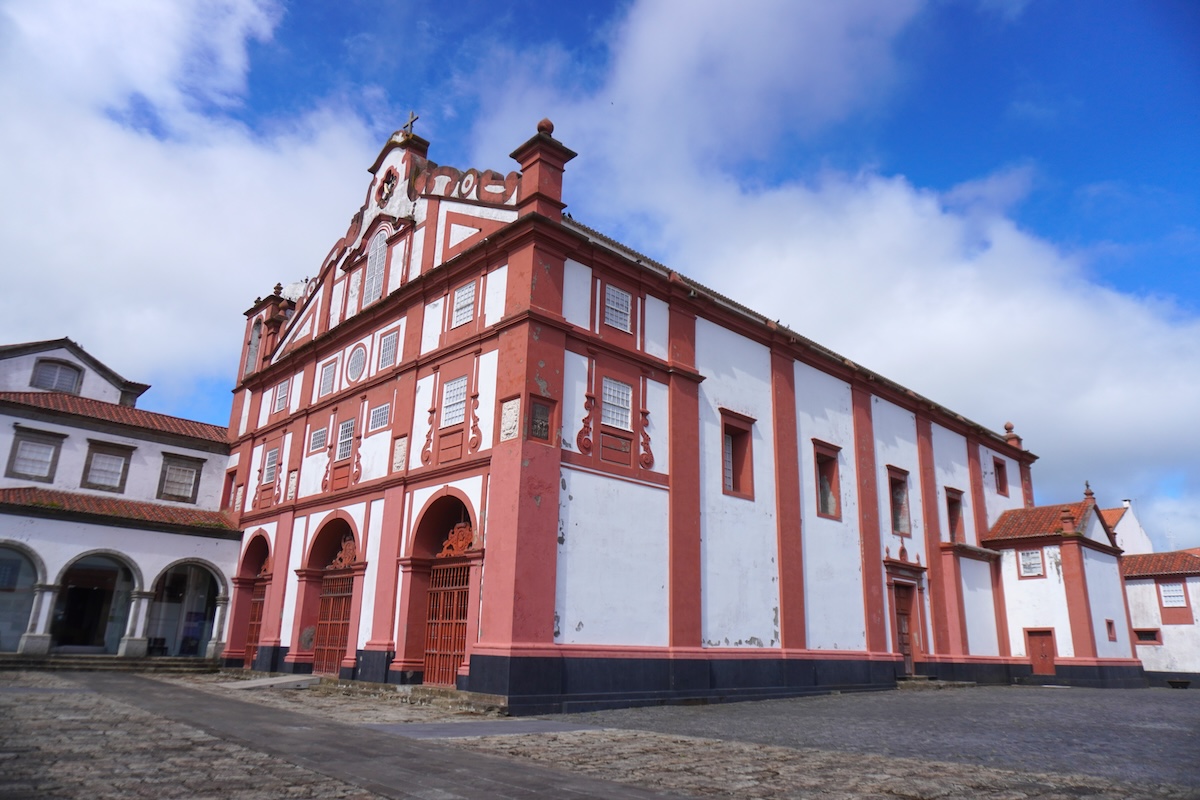
The museum is located in the Convent of São Francisco, where the navigators João Vaz Corte-real and Paulo da Gama (Vasco da Gama’s brother) are buried.
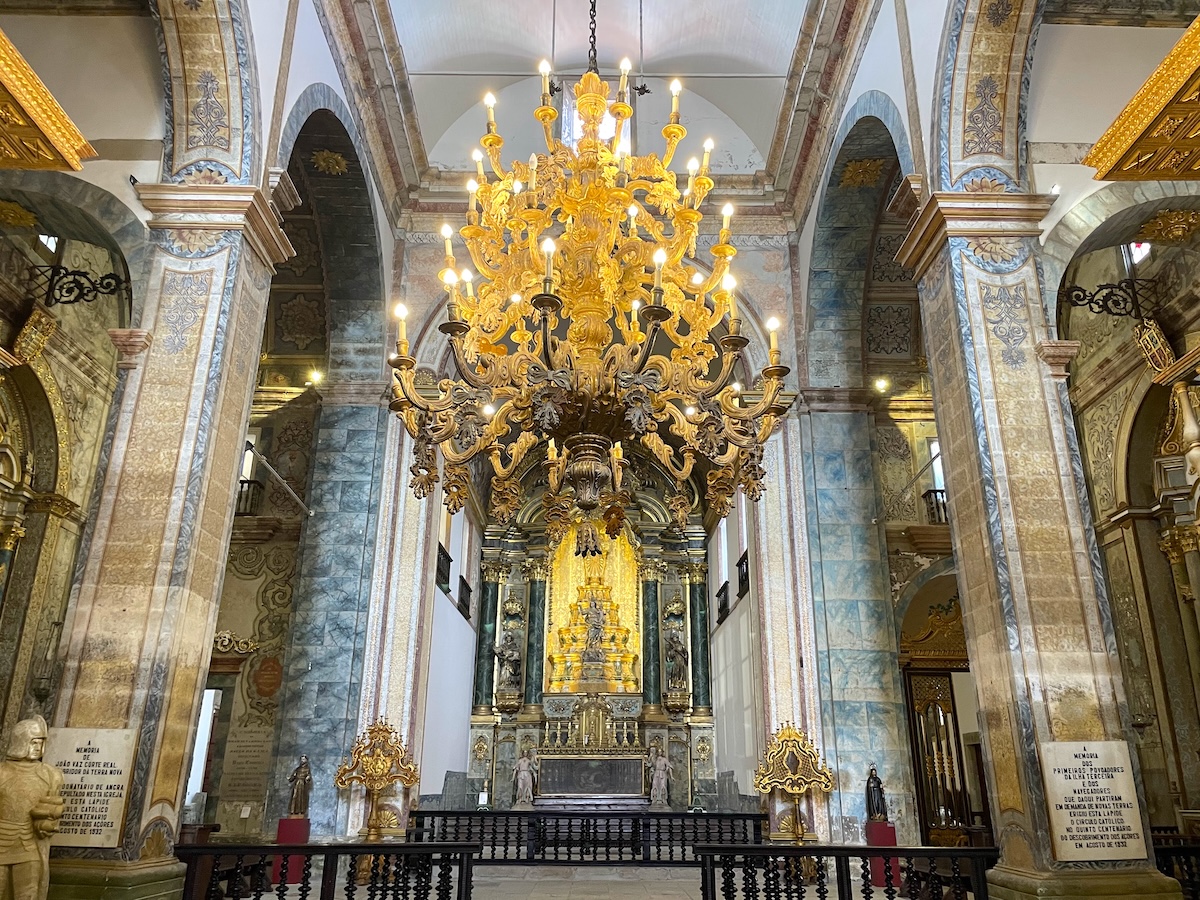
Admission to the MAH: €4. Hours: Tuesday through Sunday from 10:00 AM to 5:30 PM in summer (in winter, from 9:30 AM to 5:00 PM); closed on Mondays.
Palácio dos Capitães-Generais and Igreja da Nossa Senhora do Carmo
The Palácio dos Capitães-Generais is a historic building constructed in the 17th century. It has passed through various owners and served different purposes: it was initially built as the Colégio da Companhia de Jesus de Angra by the Jesuits; following their expulsion, the building was confiscated and later converted into the headquarters of the “Capitania Geral” from 1766 to 1830; after that, it served various governmental and public purposes, and following the 1980 earthquake, it underwent a careful restoration process that sought to recreate the historical atmosphere of the “Capitania Geral” period. Today, the building is one of the official residences of the Azores regional government and is classified as a “Property of Public Interest.” It is open to visitors from Tuesday to Sunday from 10 a.m. to 5 p.m., free of charge, and offers guided tours (you can get more information by writing to visitascapitaesgenerais@azores.gov.pt)

Adjacent to the previous building is the Igreja da Nossa Senhora do Carmo, also popularly known as the Igreja do Colégio or the Igreja dos Jesuítas, due to the building’s origin as explained in the previous paragraph. It is also open to visitors.
Cathedral of Santo Salvador (Sé Catedral de Angra do Heroísmo)
The Cathedral of Santo Salvador (the Sé Cathedral of Angra do Heroísmo) was built in the late 16th century on the site of an old 15th-century Gothic church, as the episcopal seat of Angra (since the previous church was considered too small and modest for that purpose). It is the largest church in the entire Azores archipelago.


It is a survivor, having suffered significant damage as a result of the 1980 earthquake, and during subsequent restoration work, a fire destroyed much of its interior. It is open to visitors from 9:30 a.m. to 5:00 p.m.
Teatro Angrense and Vaquinha on the Sidewalk
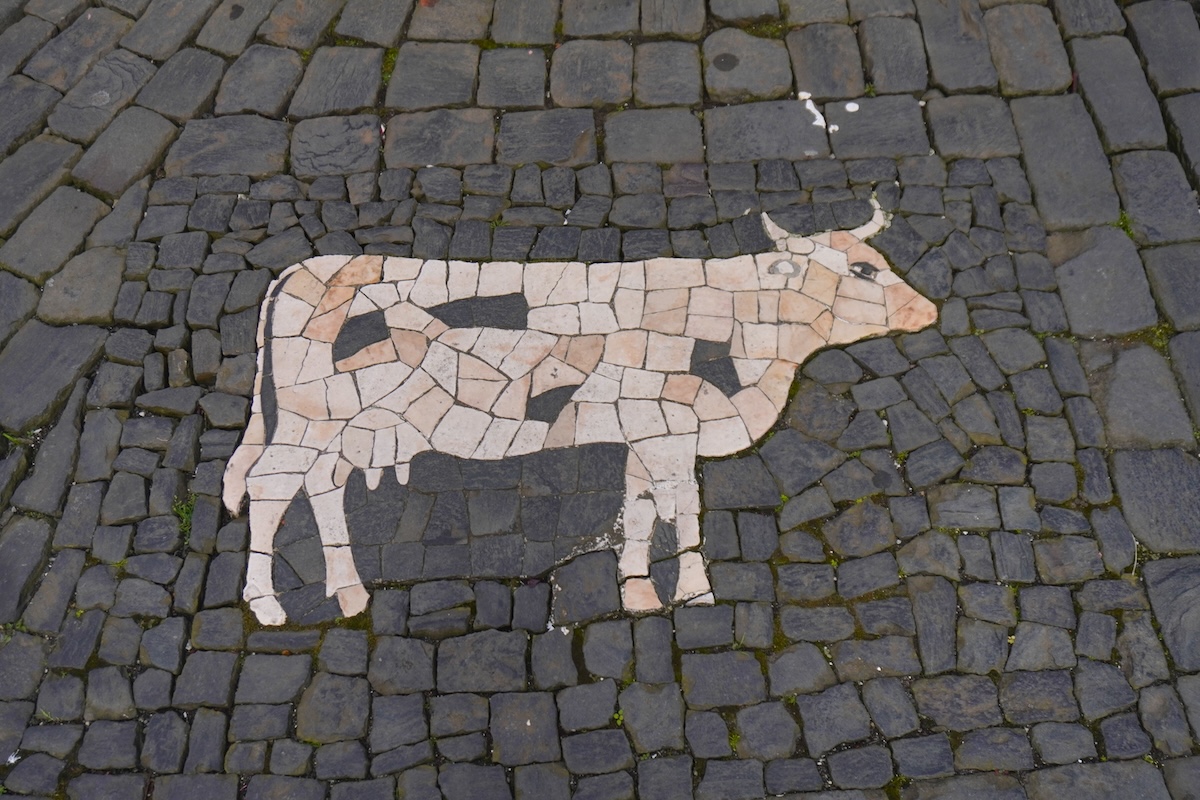
The Teatro Angrense is an interesting building constructed in 1860 that withstood the 1980 earthquake. Right in front of it, on the ground, you’ll find a little cow designed with the small stones of the Portuguese cobblestone pavement
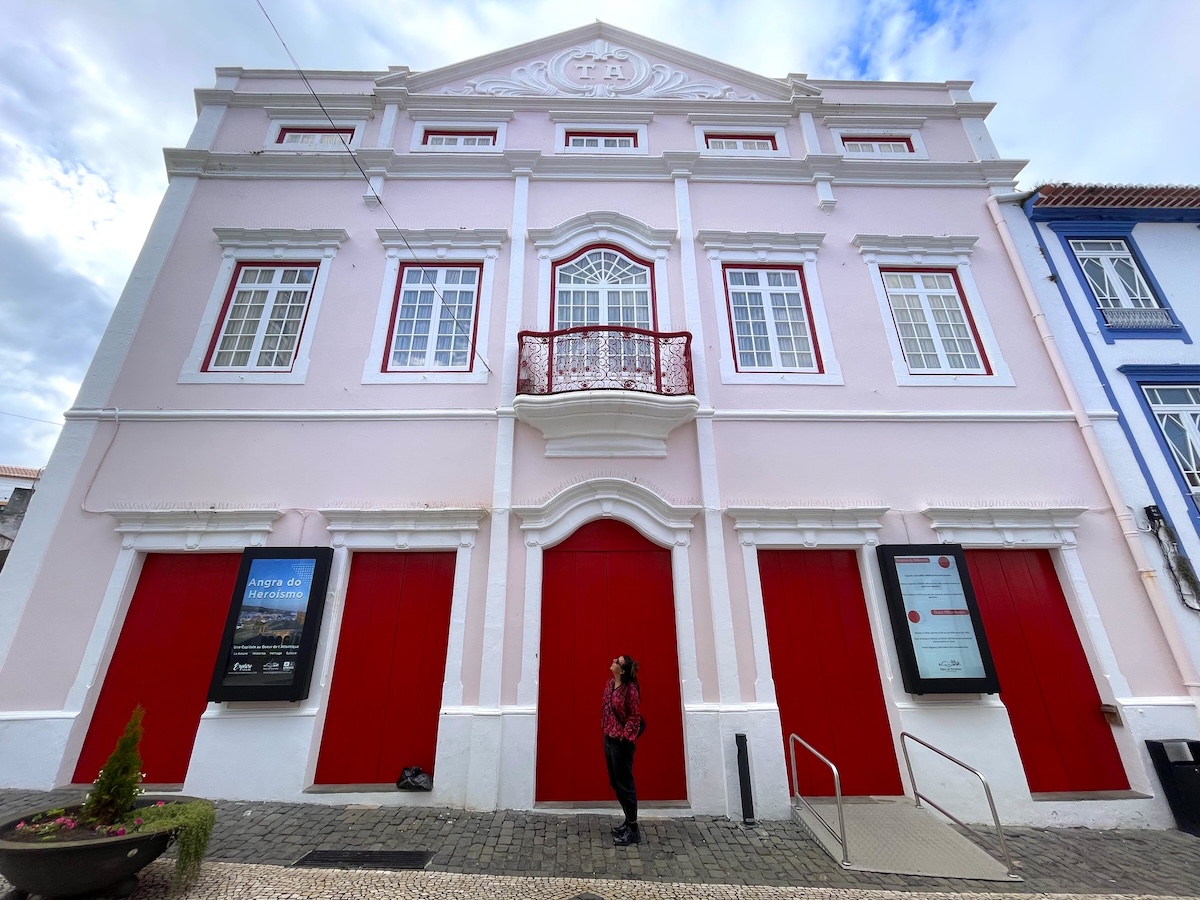
It is located on Rua da Esperança, one of the most colorful streets in Angra:

Next door, you can visit AçorBordados, Bordados dos Açores, a shop where you can buy traditional embroidery and a wide variety of souvenirs from the island

Volcano-Speleological Museum
The Volcano-Speleological Museum, in addition to serving as the headquarters of the “Os Montanheiros” association—which manages, among other things, the famous “Algar do Carvão”—is a museum of geology and speleology.
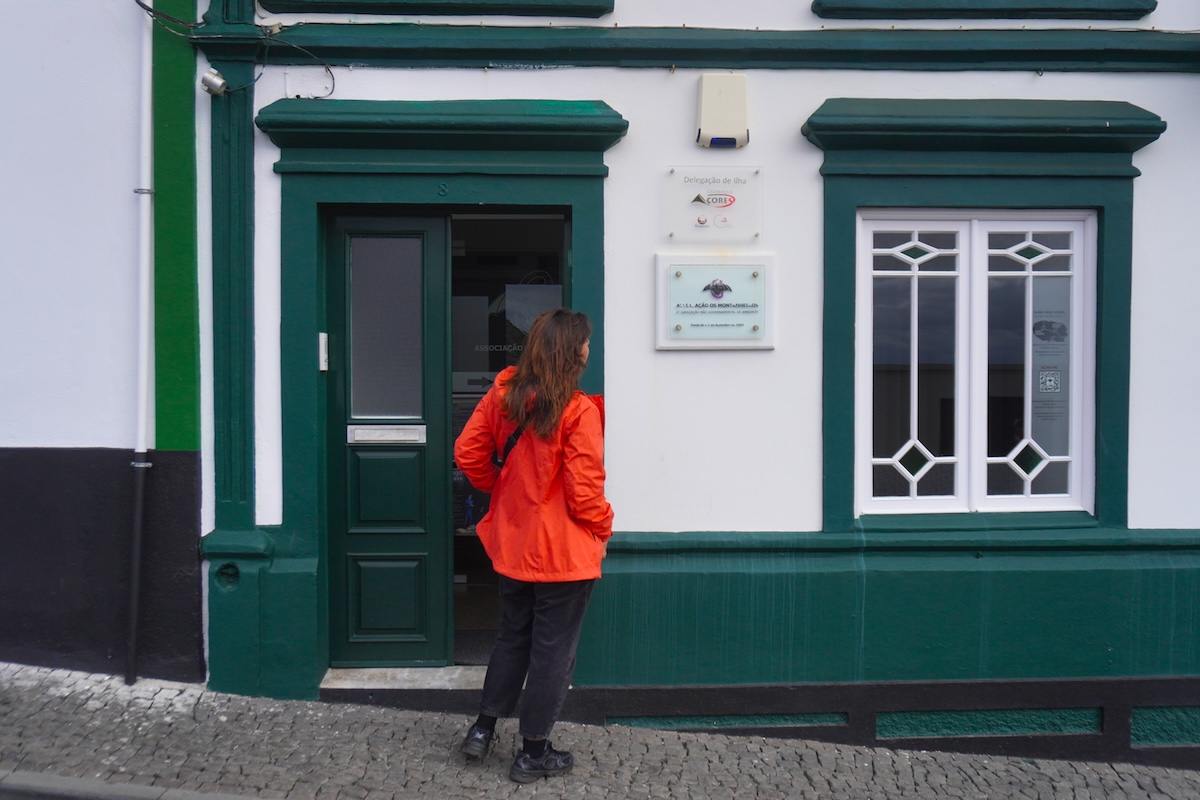
On display here are materials from various geological formations resulting from the volcanic origins of the Azores ( lava flows, pyroclastic materials, obsidian, basaltic scoria…), a 3D representation of the islands, a collection of fossils, and photographs of the islands’ landscapes and protected areas.
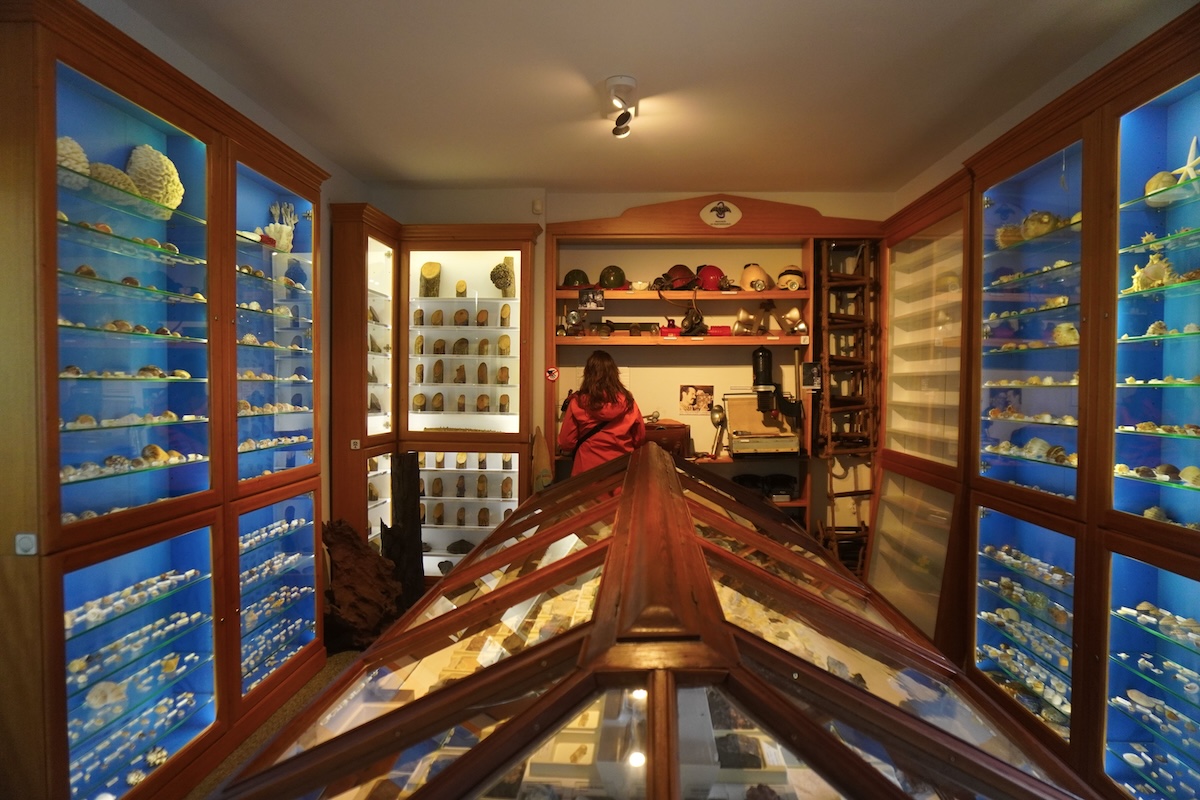

Also, if you plan to visit the impressive Algar do Carvão —one of the few volcanoes in the world where you can enter the caldera and explore the interior!—the museum preserves and explains materials from the famous Algar. And if you visit the museum before seeing Algar do Carvão, it will serve as an introduction to better understand how the cavity formed and why it is so important on Terceira.


More information about Algar do Carvão, hours, and prices in our complete guide to Terceira. Here is the specific section on Algar do Carvão.
Free admission. Hours: Monday through Friday from 8:00 AM to 12:00 PM and from 1:00 PM to 4:00 PM; closed on weekends. Once a month, from April to October, they organize hikes around the island on trails other than the official ones.
Angra do Heroísmo Science Center
The Angra do Heroísmo Science Center is an observatory dedicated to the dissemination of science and technology, featuring an interactive area.
Free admission. Hours: Monday through Friday from 9:00 AM to 6:00 PM; closed on weekends.
Angra Marina and Prainha
Another spot to visit in Angra, almost back at the starting point of this tour, is its marina, where you can admire the beautiful Angra Bay. Here, we recommend grabbing a drink on the terrace of Quinta dos Açores, which offers Azorean cheese platters with bolo lêvedo at a good price and delicious ice cream.

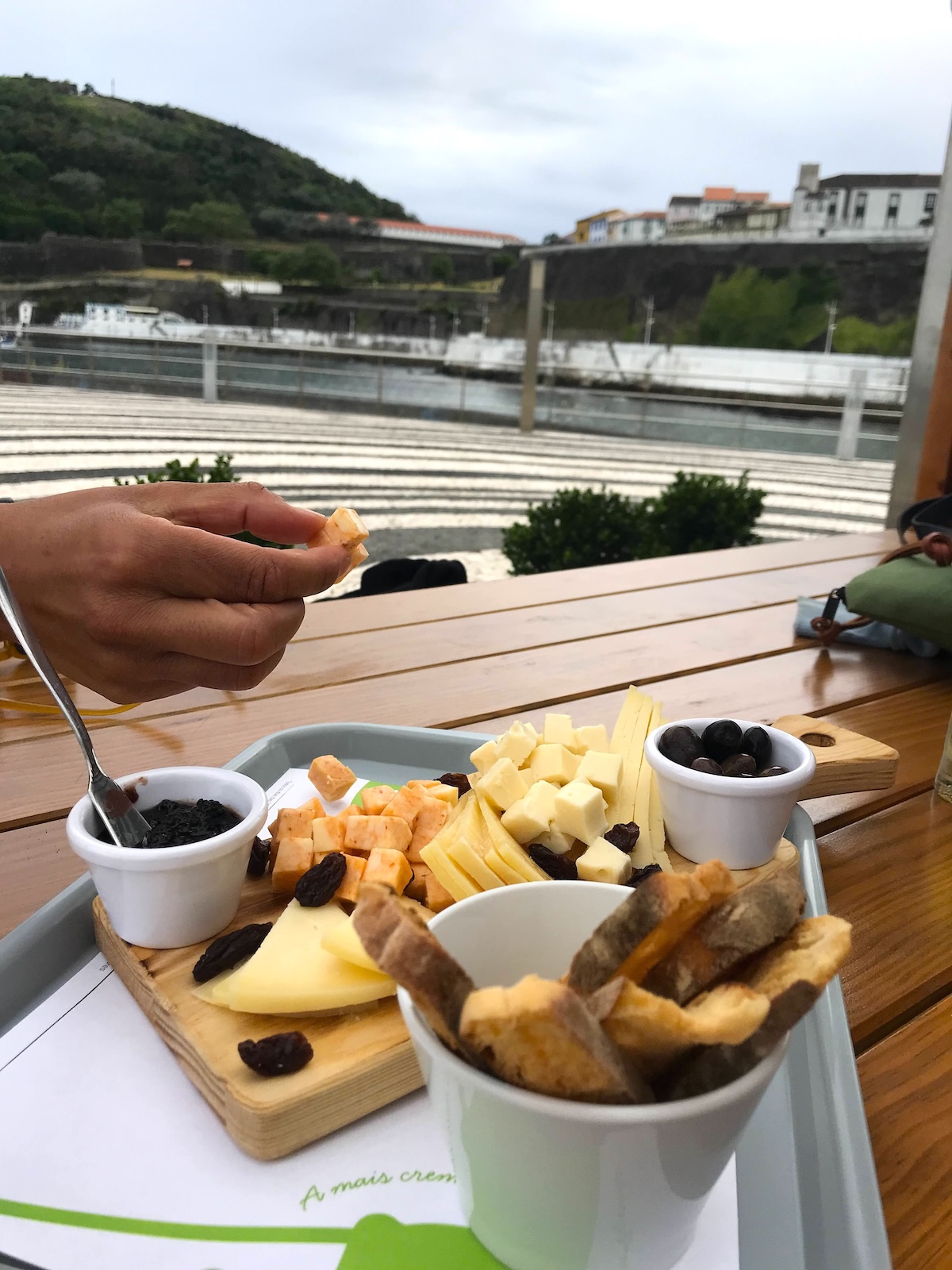
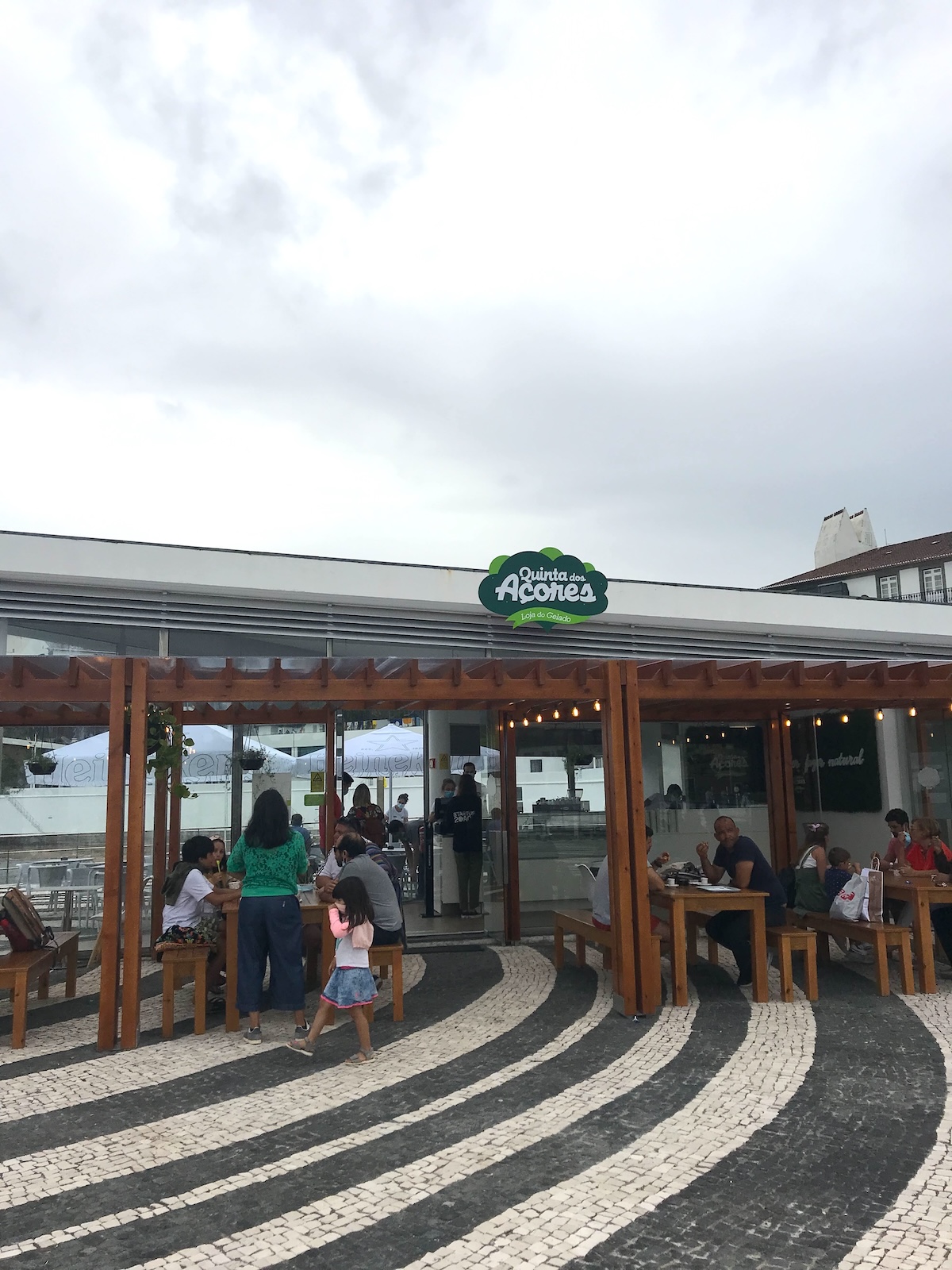
In the bay, there is an Underwater Archaeological Park where you can go diving and see a large number of anchors as well as the wreck of a steamship. You can book your dive here
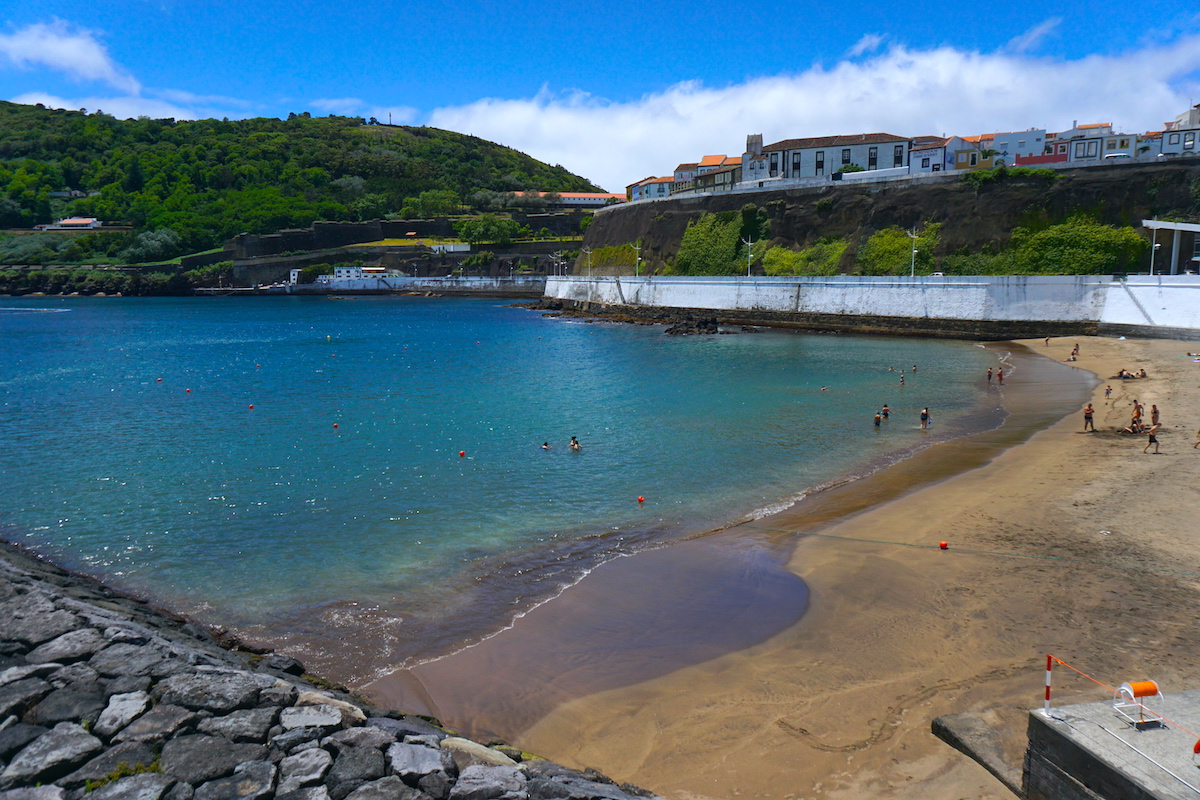
If it’s hot, you can even take a dip at the small beach there, called Prainha (meaning “little beach” in Portuguese).
Forte de São Sebastião (Castelo de São Sebastião)
Once you’ve finished our circular route through downtown Angra, you can also visit the Forte de São Sebastião, known locally as “O Castelinho” or “Castelo de São Sebastião.” It was the city’s first major fortification, built by order of King D. Sebastião in the late 16th century and rebuilt in the 17th century.

In 2006, the building was converted into a Pousada (similar to the Paradores in Spain), so today it’s possible to stay there overnight.
Olaria de São Bento and O Nosso Café de São Bento
Just outside Angra, we recommend stopping by Olaria de S. Bento, a traditional pottery shop. They mainly produce items for restaurants and hotels, though they also have things for tourists. Ricardo, the owner, was charming; we bought some marine-themed ceramic decorations (turtles and dolphins).


Also in the shop was José Gabriel Ferreira, a coffee producer who offers tours of his plantations with views of the city and liquor tastings (right next door, at O Nosso Café de São Bento). He told us that currently all the Azorean islands produce coffee except for Santa Maria, which has a climate that’s too dry.
Monte Brasil and Fortaleza de São João Baptista
Due to their strategic geographic location, the Azores were a target and refuge for pirates and privateers over the centuries, and traces of this can be found on all the islands; however, of the nine islands, Terceira is the one that hides the most remnants of forts and fortresses. Between the 15th and 19th centuries, it was a mandatory stopover for Portuguese and Spanish fleets transporting all kinds of riches and a strategic refuge for ships making the so-called “Carreira da Índia” (India Route). Consequently, the precious metals and spices that used to pass through here were highly coveted by pirates and privateers, which explains the existence of these defensive fortresses.

Monte Brasil, a dormant volcano, is home to the Fortress of São João Baptista, one of the largest Spanish fortresses in the world (or the largest, as we were told, though we couldn’t confirm it). Monte Brasil is the cone formed by the largest underwater volcanic eruption in the entire archipelago, whose volcanic tuffs provided the materials used in the construction of the fortress and its walls. The 4.1-km-long fortress was built in the 16th century and stands as a visible testament to the 60-year presence of the Spanish Habsburgs on Terceira Island (1580–1640).
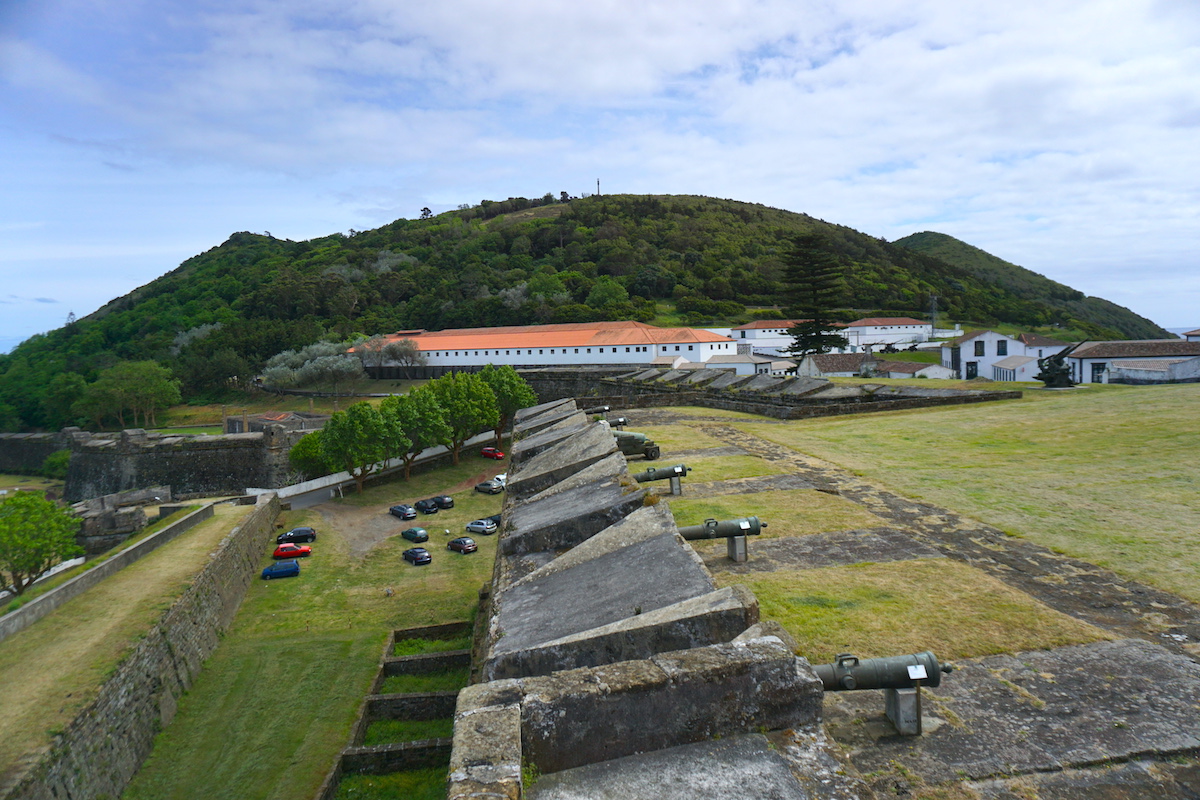

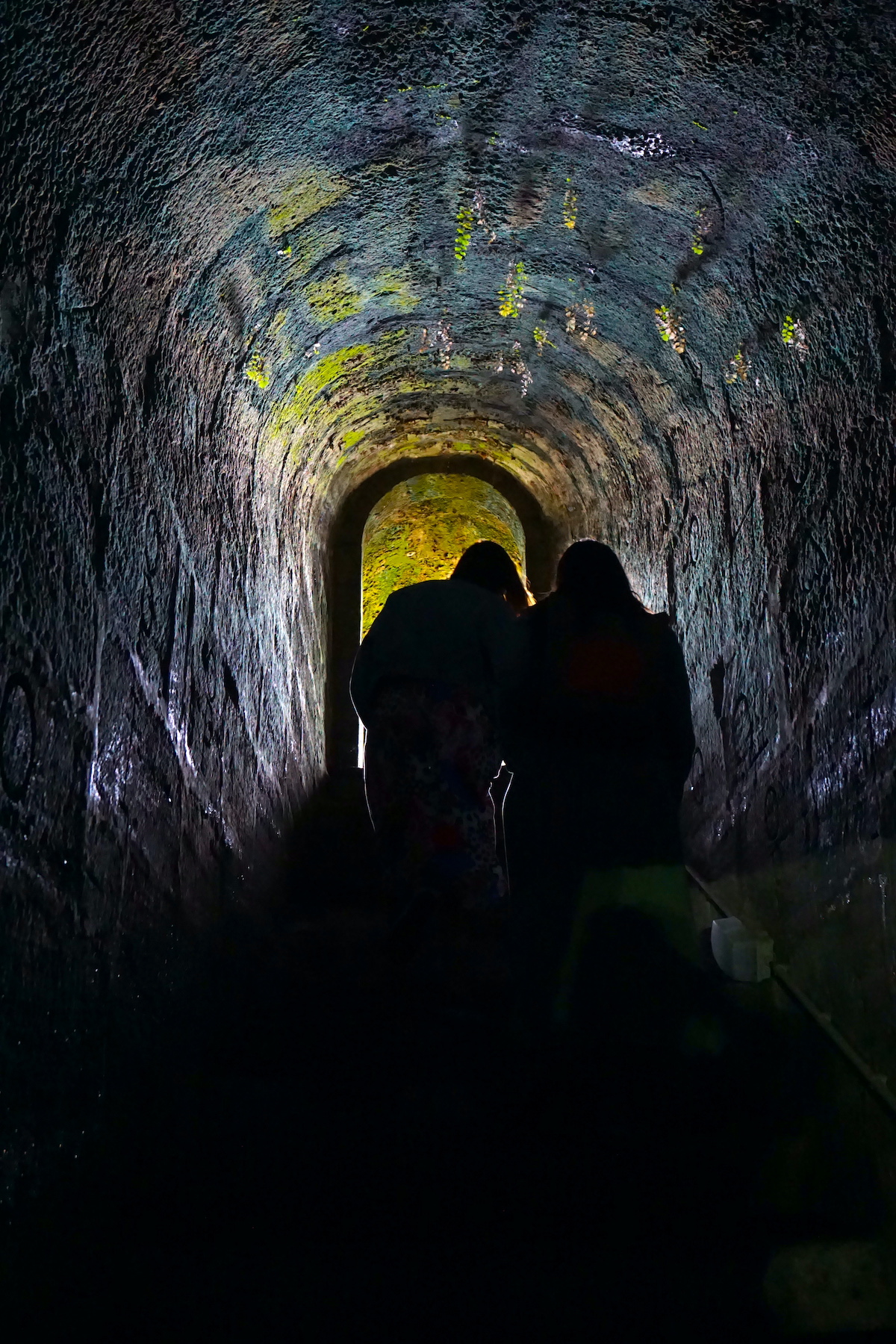
In addition to offering breathtaking views of the city, Angra Bay, and the Cabras islets, it features five bastions that were essential to its defense, and you can explore the ancient dungeons, carved out of volcanic rock. These dungeons were abandoned in the 18th century and restored in the 20th century following the 1926 coup d’état, during which the fortress was converted into a political prison by the Portuguese fascist dictatorship. This dictatorial period of fascist and authoritarian rule is also known as the “New State” (Estado Novo, in Portuguese) and lasted 48 years in Portugal until the Carnation Revolution in 1974, which brought it to an end and established democracy.




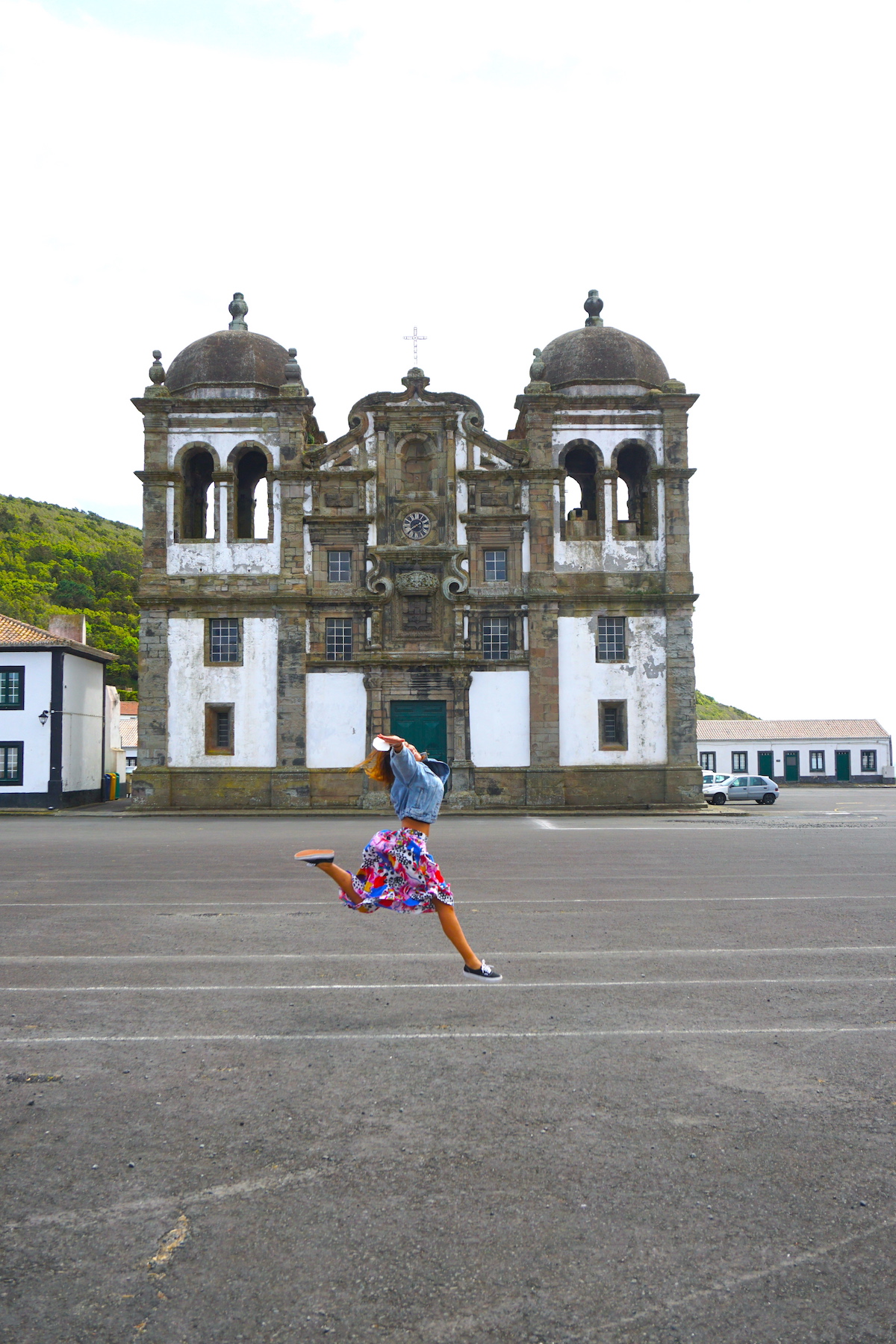
Within the fortress walls is also the church of the same name, the Igreja de São João Baptista, commissioned by King João IV in 1645. With a Baroque façade, a colonnaded portal, and two massive bell towers at the top, it stands out as the first monument commemorating the Restoration of Portugal’s Independence , achieved in 1640 at the Battle of Aljubarrota.

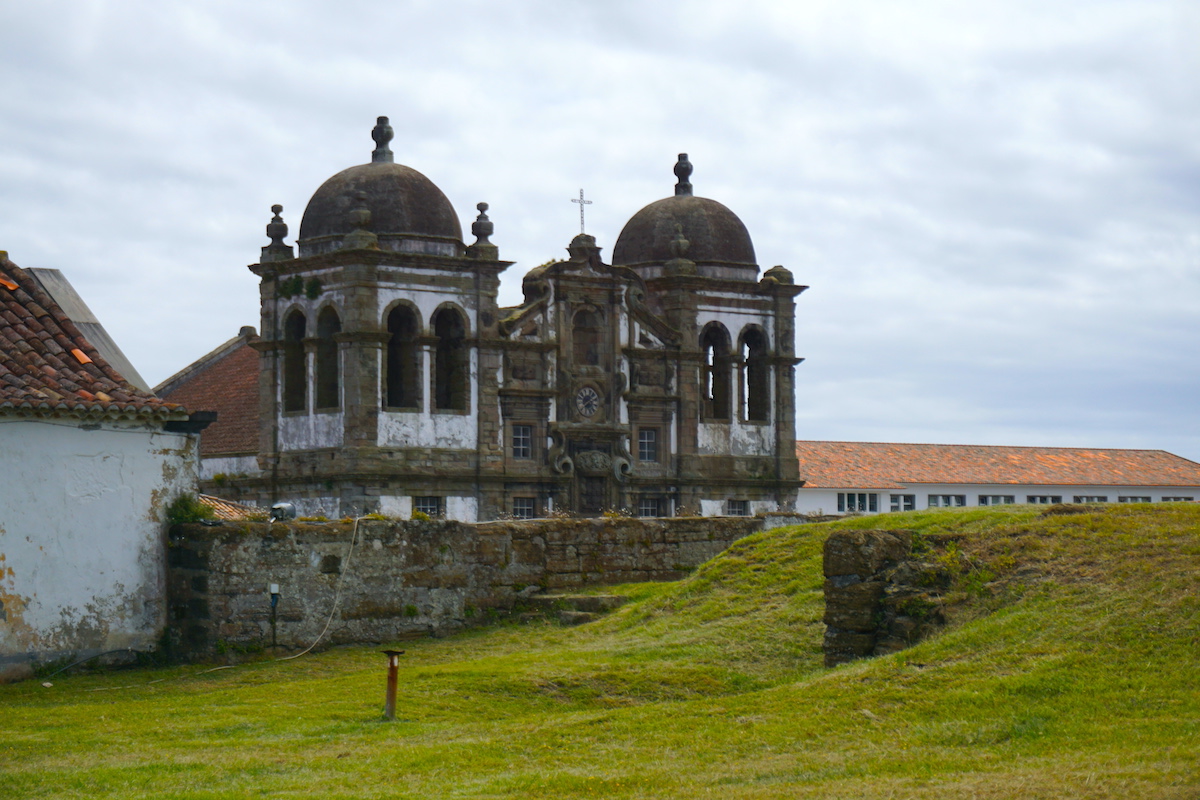
Note! You cannot enter the fortress directly from there. To visit the São João Baptista Fortress in Monte Brasil, you must go to the Manuel Coelho Baptista de Lima Military History Center, where you’ll receive a briefing before proceeding inside the fortress. It is located in the former 17th-century Boa Nova Military Hospital, next to the imposing Philippine fortress, and features an exhibition of light and heavy artillery, cannons, firearms, bladed weapons, projectiles, uniforms, and medals. At the center, they provide a brief introduction before proceeding inside the fortress. Admission is free but limited to groups of up to 15 people, so reservations must be made by phone at +351 295218383 or by email at museum.angra.info@azores.gov.pt. It is open Tuesday through Sunday and on holidays, from 10:00 a.m. to 12:00 p.m. and from 2:30 p.m. to 4:30 p.m.

Beyond the fort, we loved exploring Monte Brasil, which you can discover by walking along a trail of approximately 7.5 km. At Randomtrip, we did it by car with our guide and friend Mario Mendes from Blika Azores.


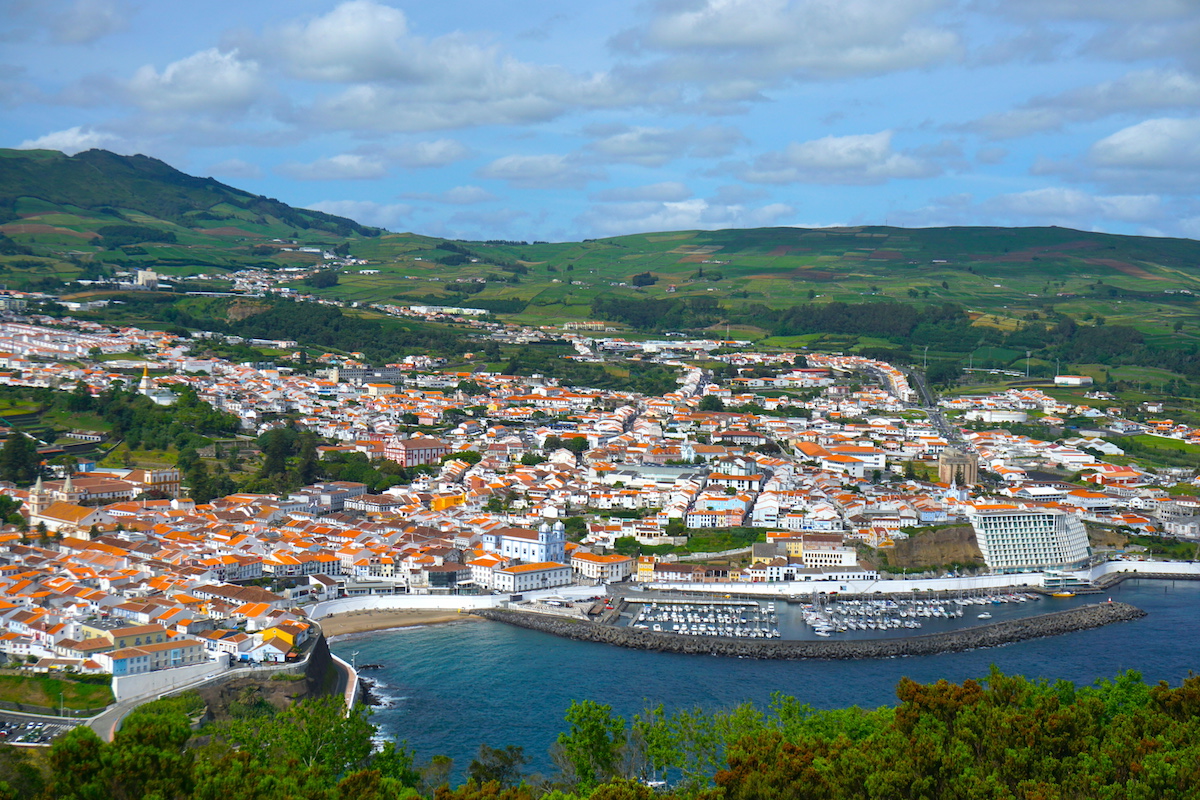
We drove up to the Pico das Cruzinhas viewpoint to enjoy the panoramic view of the city.


From this viewpoint, you can see the entire Angra Bay and the island’s main volcanoes: Santa Bárbara (to the west), Guilherme Moniz (in the center), and Cinco Picos (to the east):
Afterward, we continued up to the Pico do Facho viewpoint. This viewpoint is particularly interesting because the telegraph station (signal post or semaphore post) located there used to transmit messages based on the position and number of metal plates. It was crucial for the navigation of ships, airplanes, and even for whale watching.
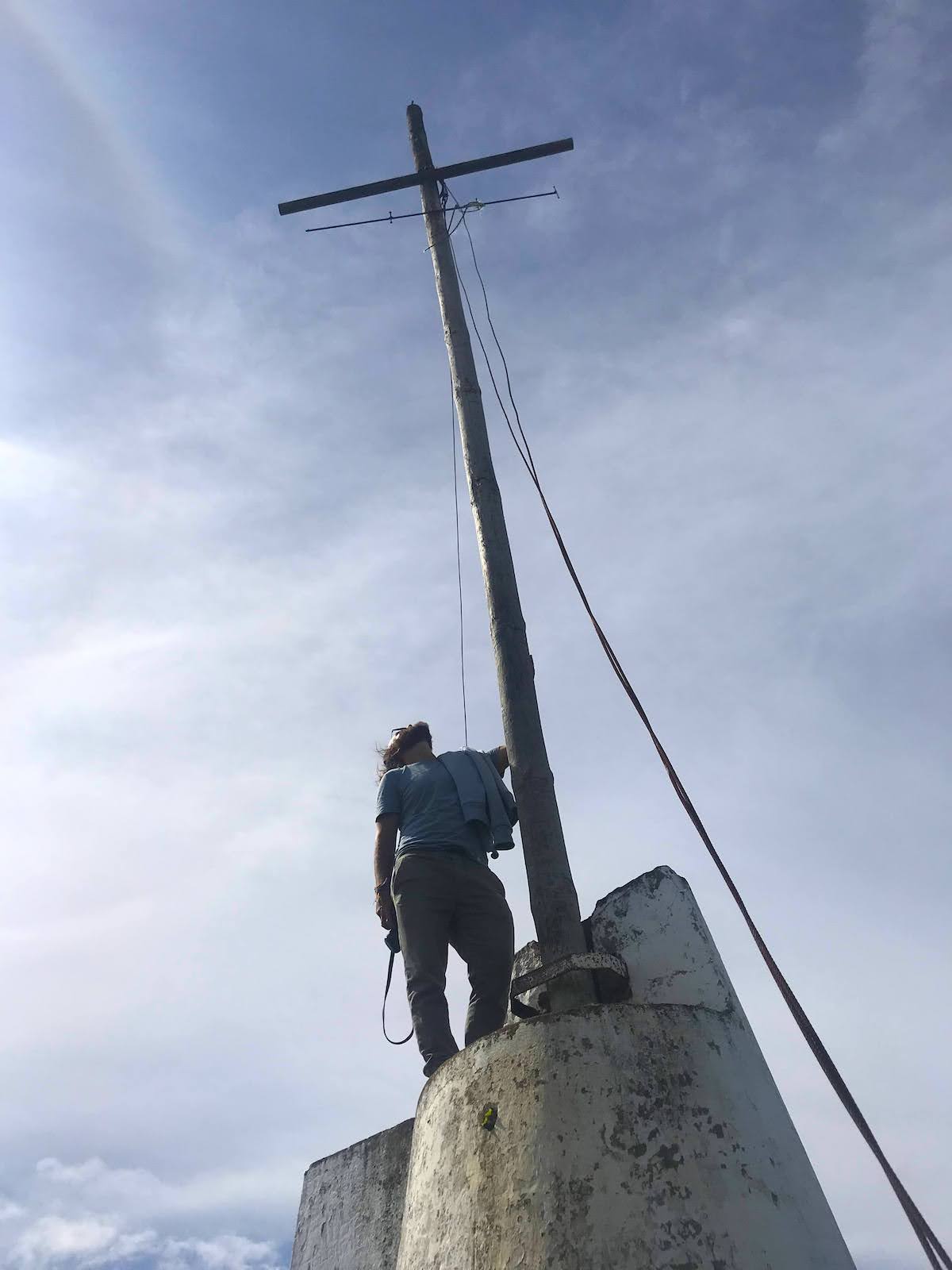

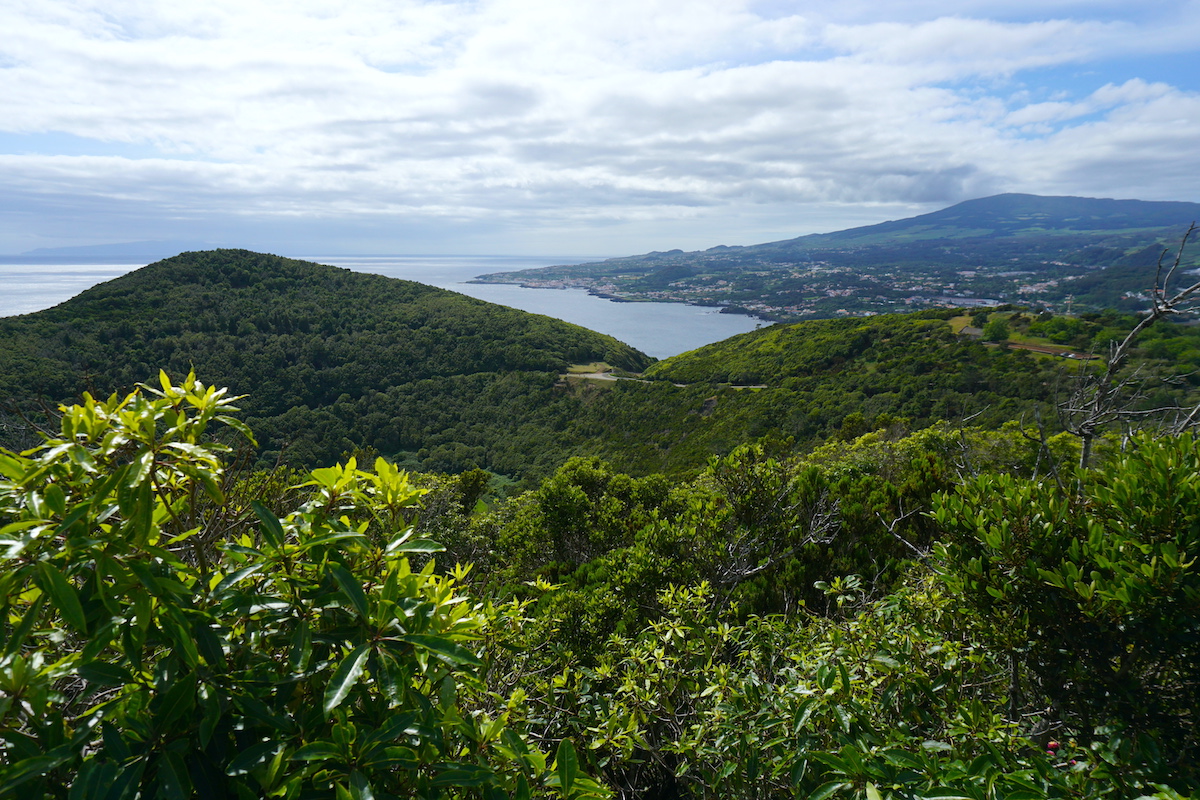
Other viewpoints you can reach on foot are Miradouro do Pico Zimbreiro and Miradouro Vigia da Baleia, both offering great views of Terceira’s southern coast and from where, with a bit of luck, you might spot a whale in the waters surrounding the island.
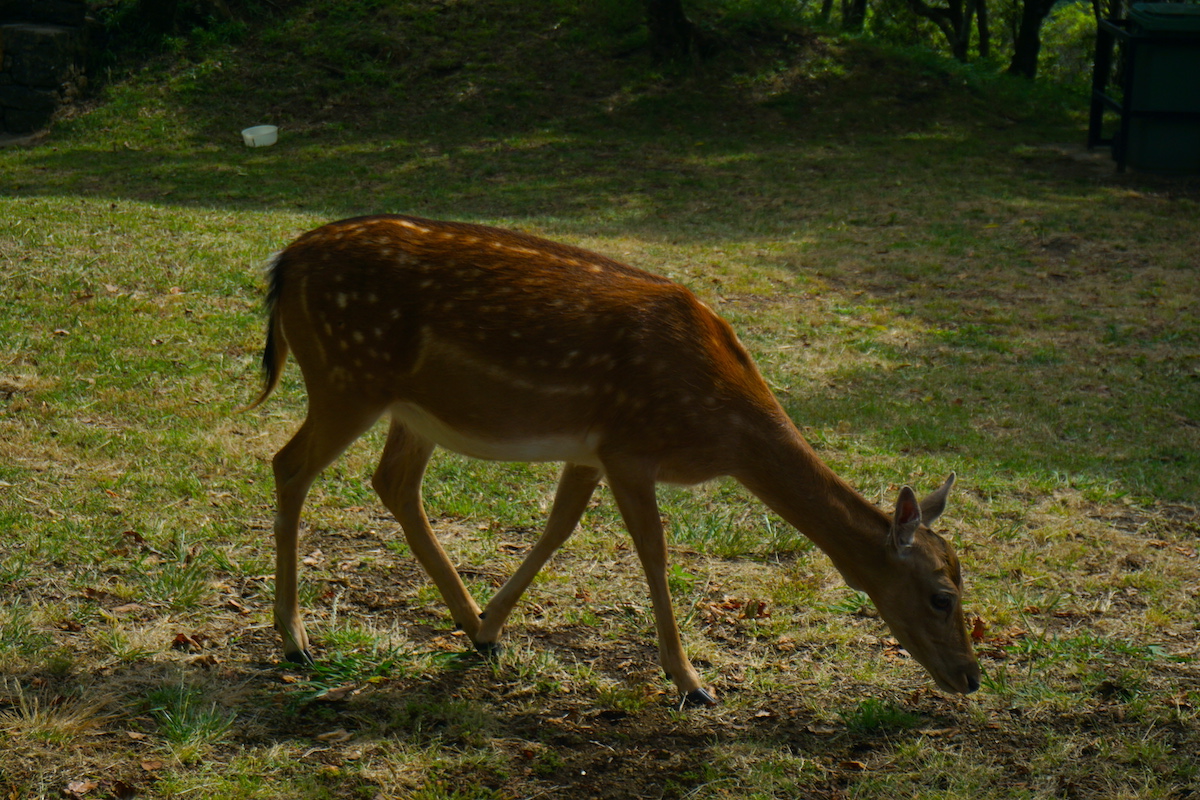
As a bonus, on our way down from Monte Brasil, we ran into this deer friend who, apparently, lives there with his family, so maybe you’ll be just as lucky and get to say hello to him.
If you want to experience the adventure of pirates and privateers of yesteryear up close, there’s nothing better than sleeping inside a fortress. In Terceira, this is possible at the Pousada de Angra de Heroísmo Castelo de São Sebastião (from €80/night), a guesthouse inside the 16th-century fort featuring comfortable rooms, swimming pools, and incredible views of the sea and Monte Brasil. Book your stay here.
Things to see and do around Angra do Heroísmo
While we recommend reading our complete guide to Terceira to explore every corner of the island, if you’re short on time and want to round out your visit to Angra with some nearby spots, here are a few we recommend:
- São Mateus: very close to Angra lies the village of São Mateus, an excellent spot to enjoy fresh fish and seafood, as well as visit its port, churches, impérios, and more. If the weather is nice, there are several places between Angra and São Mateus where you can take a dip, such as the Zona Balnear da Silveira or Poça dos Frades
- Ribeirinha, Feteira, and the surrounding area: in the opposite direction from São Mateus, you’ll also find several points of interest. In Ribeirinha, there are several lookouts that, on clear days, offer incredible views of the island’s southern coast, Angra, and Monte Brasil (for example, from the Janela da Ribeirinha Lookout). Nearby, you’ll also find Carmina Galeria, a small contemporary art museum attached to the MAH in Angra; and in Feteiras and the surrounding area, you’ll enjoy the best views of the Ilhéus das Cabras, for example from the Miradouro Cruz do Canario.
Where to stay in Angra do Heroísmo
Here’s a list of accommodations we’ve noted down in Angra for our upcoming visits to Terceira:
My Angra Charming House (from €50/night): one of the most affordable options in downtown Angra, this hostel offers rooms with private or shared bathrooms and beds in dorms. Don’t let the name fool you—it’s so beautiful it doesn’t really look like a hostel.

Casa Flor d’Sal (from €55/night): an apartment with a double bed (and a sofa bed) for up to three people, featuring a terrace, in the center of Angra

Hotel do Caracol (from €75/night): comfortable double rooms with private bathrooms in a hotel featuring a pool and views of the Atlantic Ocean. It’s a 15-minute walk from Angra’s historic center, includes breakfast, and has on-site parking.

Lost in Terceira (from €60/night): Although it’s not in the center of Angra (it’s a 5-minute drive away), it’s ideal if you’re looking for a comfortable, well-equipped two-bedroom house with a small garden and top-notch service (everyone raves about Adília and João’s hospitality).

Terceira Mar Hotel (from €89/night): A 4-star hotel with a saltwater infinity pool, indoor pool, Turkish bath, and massage service. Ideal for waking up not only to ocean views but also to a delicious breakfast buffet featuring regional products.

The Shipyard (from €95/night): studios and apartments with ocean views in a brand-new hotel, an 8-minute walk from Prainha.

Torel Terra Brava (from €112/night): if you’re looking for something more luxurious, this 5-star hotel features indoor and outdoor pools, a sauna, a Turkish bath, and 46 beautiful, comfortable rooms right in the heart of the city’s historic center

You can see more accommodations in Angra do Heroísmo here:
Where to stay in southern Terceira: São Mateus, Feteira, Porto Judeu…
If staying in the city isn’t your thing but you want to be relatively close, the other towns in southern Terceira are an ideal option for your stay, since they’re also well-located (on Terceira, everything is close by, usually no more than a 30-minute drive), offer several dining options in the evening (or you can drive a few minutes to Angra, where there’s a wider selection), and you can find unique accommodations and/or ocean-view rooms at great prices.
It was precisely at one of these special accommodations in the south of the island, very close to the capital (5 km from Angra do Heroísmo, a 10-minute drive), that we stayed on our last trip to the island. Staying at Quinta do Martelo ( from €85/night), a member of Casas Açorianas, is a journey in itself—a journey back in time.


The estate transports us to the rural life of yesteryear with authenticity and attention to detail. Its name comes from an 18th-century door knocker that still adorns the estate’s main door, and they take this journey back in time so seriously that they maintain the shop, the pottery workshop, the wine cellar, the carpentry shop, and more, exactly as they were. Your tour guide is the owner, Gilberto, who will share fascinating stories in great detail that will make you wonder if you’re still in the 21st century. You can see our experience at Quinta do Martelo in the videos we post on our Instagram Stories


Quinta do Martelo’s slogan, Tradition and Nature, sums up quite well the priority of Gilberto Vieira, a pioneer in rural tourism in Portugal, owner of the estate, and current president of the rural tourism association Casas Açorianas: “Here we don’t do decoration—only from the heart—here we do restoration.” Furthermore, the estate’s guiding principle is that all activities be ecological and sustainable, striving to live as much as possible in harmony with nature.


In fact, stepping into each of the accommodations at Quinta do Martelo is like immersing yourself in an ethnographic world of everyday objects from days gone by and Catholic liturgical items that transport us to the home of a Terceira family from over half a century ago. From the light switches to the family photographs, the hand-carved cutlery to the carefully crafted and personalized ceramics, handmade locally, everything is thought out down to the last detail. The breakfasts, made with local products, are plentiful and delicious.


In addition to the accommodations and areas of the estate that take us back in time, the estate features a pool and a delicious (and famous) restaurant, known as one of the best on the island, where you can enjoy an authentic experience and sample one of the best alcatras on the island, the typical Terceira dish. The restaurant is open to everyone, not just guests, and comes highly recommended.


The traditional restaurant “A Venda do Ti Manel da Quinta” boasts authentic Terceira cuisine and offers not only one of the best Alcatras but also other typical dishes such as“Galinha na Telha no Alambique” (chicken baked between tiles in a still), or a delicious vegetable soup (from the farm’s garden). Here, too, everything is carefully prepared to make us feel like we’re experiencing Terceira life of yesteryear, from the entrance through the mercearia (the shop), the restored original furniture, and even the tableware. In addition to the exquisite and abundant food, the service is impeccable, and the staff is very friendly.


If you’re visiting as a group and let them know in advance, you can enjoy an interesting tasting at the “Mercearia” (the farm shop), with a detailed explanation from Gilberto. During this tasting, you’ll sample various types of cheese, traditional dishes, and local products such as Porto Martins olives (the only olives produced in the Azores come from Terceira), lupini beans salted directly by the sea, fava beans with “unha” sauce, and even potatoes with “pimenta da terra,” a delicious, quintessentially Azorean sauce.


On our first trip to the island, at Randomtrip we split our stay between Angra do Heroísmo and Porto Judeu, staying at one of the local accommodations with a pool overlooking the Cabras islets. The place we stayed at no longer exists and is now a private home, but there are several accommodations nearby with pools and/or the same view.

Accommodations we recommend in southern Terceira (with views of the Cabras islets):
Casinha de Muda da Feteira (from €52/night, Feteira): one-bedroom house with a hammock facing the sea, overlooking the Cabras islet

AlLuar Lodge (from €60/night, Porto Judeu): Bungalows with a pool right next to the Miradouro da Cruz do Canário, facing the sea with the Cabras islet directly in front. The place where we were originally going to stay for Inês’s birthday (but we ended up taking a trip to the neighboring island of Pico)

Farol Guest House (from €70/night, São Mateus): very close to the Negrito natural pool (and the Beira Mar restaurant), this scenic accommodation features modern double rooms, some with balconies and ocean views.

Bela Vista Ilha Terceira Apartment (from €72/night, Feteira): an apartment with a balcony overlooking the sea and the islet, accommodating up to 5 people.

Casa Doce Mar (from €80/night, Feteira): a house that accommodates up to 6 people. It has 2 bedrooms, each with a double bed and a single bed.

Canário do Mar (from €115/night, Porto Judeu): another option next to the Miradouro da Cruz do Canário, this one-bedroom house with a sofa bed faces the sea. It offers bike rental services.

You can see more accommodations in southern Terceira here:
Where to Eat in Angra do Heroísmo
In addition to nature and heritage, if there’s one thing Terceira is known for, it’s the warm hospitality and “bem receber” (“warm welcome”) extended to visitors. This translates to joy, friendliness, great parties, and, of course, good food. There’s something for everyone (well, almost everyone, because as on the other Azorean islands, vegetarian and/or vegan options are the most overlooked…). If you’re looking for the most typical dish, you’ll definitely want to try a Alcatra. Although the name coincides with a cut of beef, that’s not what it refers to; in fact, there are both meat and fish versions of Alcatra from Terceira. Alcatra is a dish cooked for 12 hours in a clay pot and usually served with sweet bread, or rather, massa sovada. On the sweet side, don’t miss the island’s most traditional treat: Dona Amélia queijadas. Despite the name, they don’t contain cheese: they’re little “bombs” made with eggs, sugar, and honey, named in honor of Queen Dona Amélia’s (and King Don Carlos’) visit to the island in 1901.
Here are our restaurant recommendations in Angra de Heroísmo and the surrounding area:
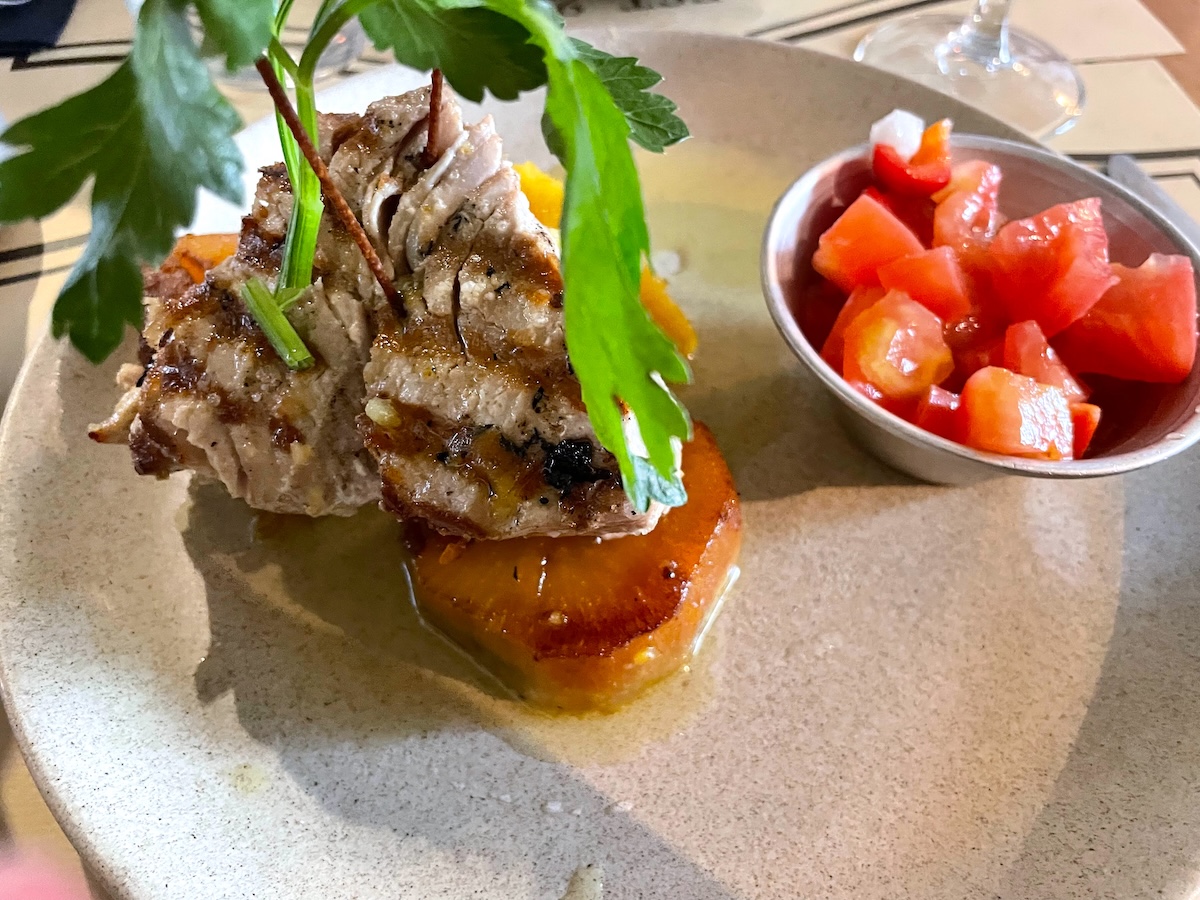
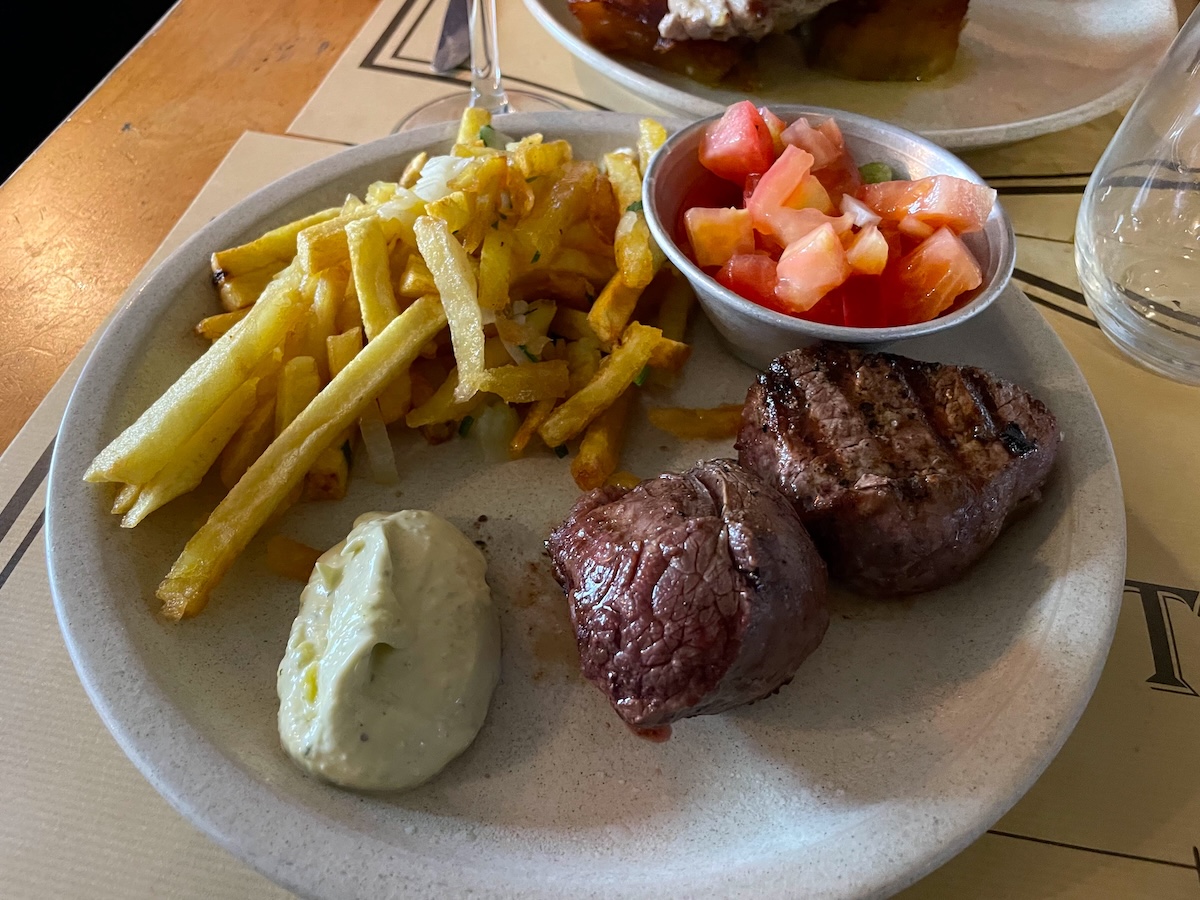
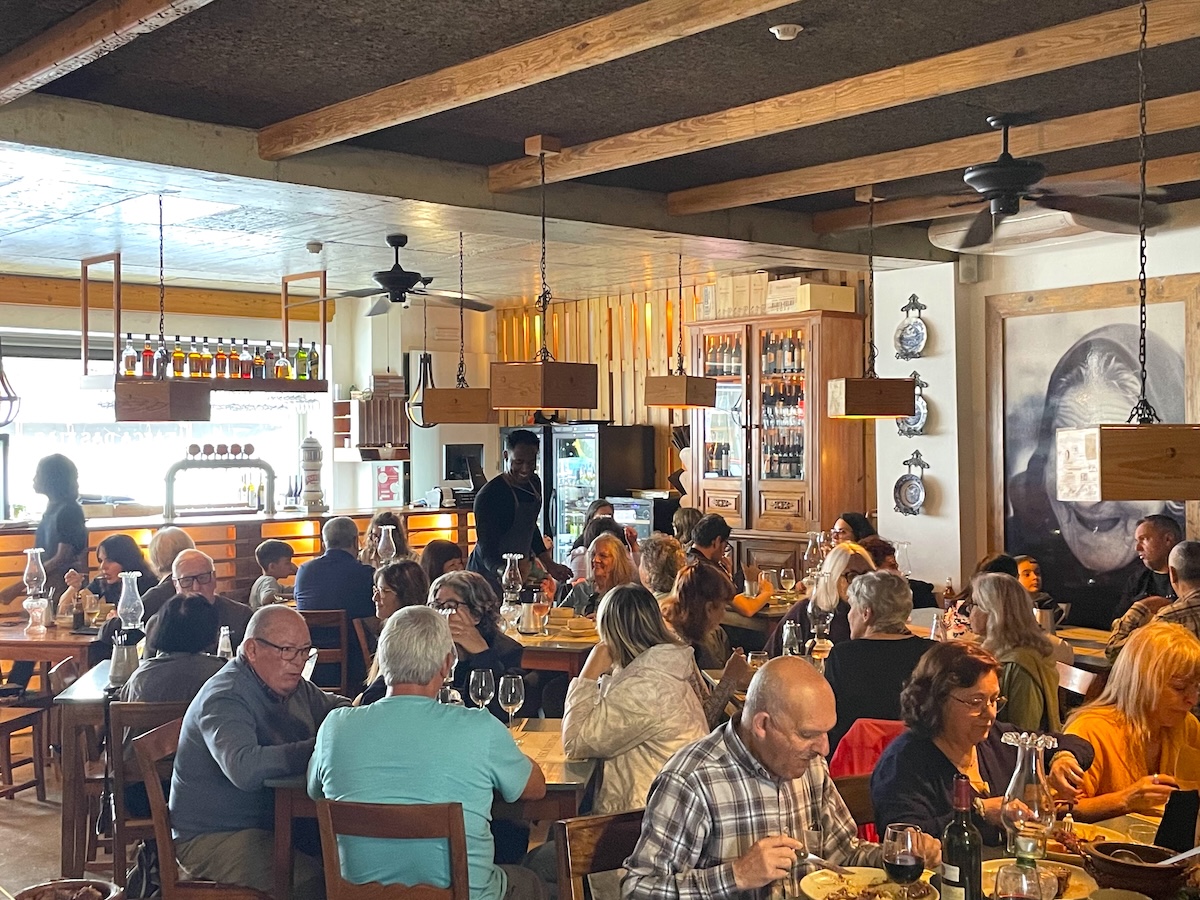
- Tasca das Tias: One of our favorite places to have dinner in Angra. Delicious dishes in a modern, relaxed atmosphere. We tried the grilled tuna, house-style shrimp, “alheira” meatballs, and fish soup, along with a bottle of wine. Everything was incredible; there were three of us, and we paid €20 per person. We returned in 2025 and this time tried the rump steak croquette, seared tuna, and filet mignon, with a glass of wine and a sparkling water, and paid €56.

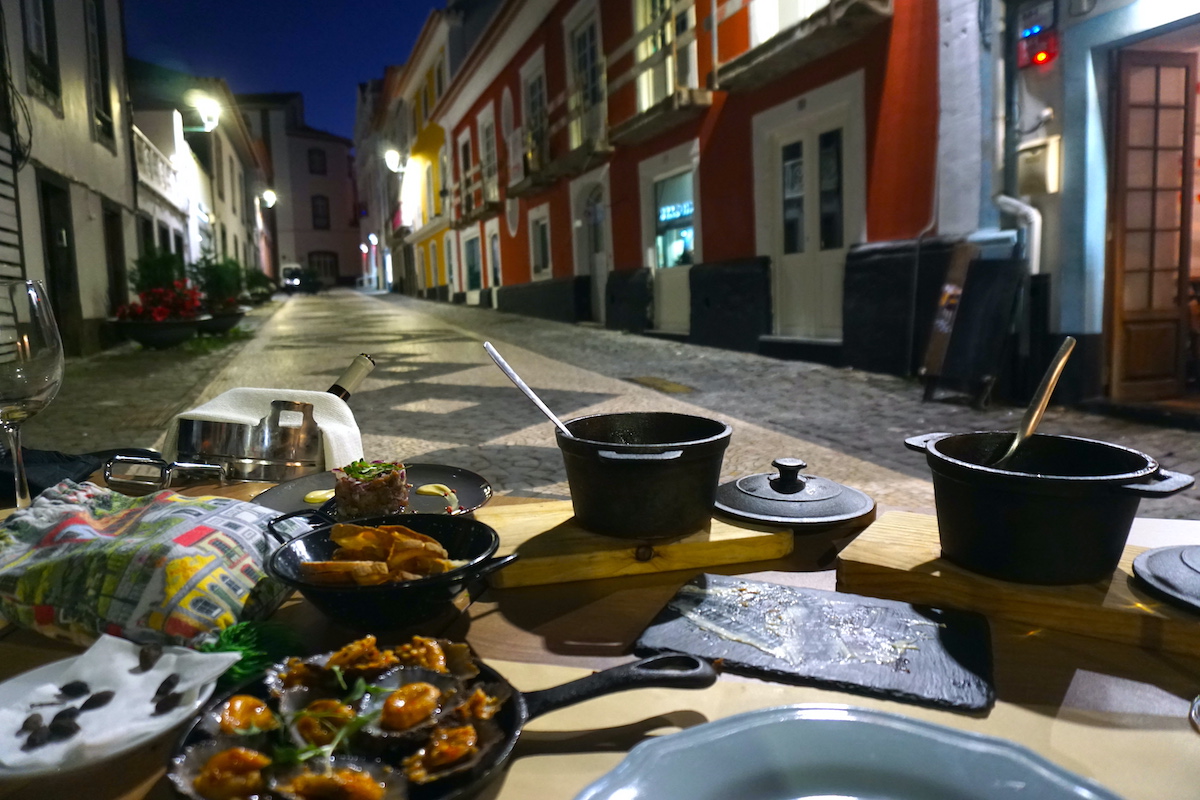
- Taberna do Teatro: One of our favorites in Angra, this is a spot with a terrace where you can enjoy original tapas and fusion dishes based on Terceira’s regional cuisine. For three people, we ordered the arroz de fumeiro (a rice dish with sausages) that tasted like something from grandma’s pot, fish tartare, rump croquettes (a typical Terceira dish), limpets, mushrooms à la Bulhão Pato, and pork belly with pickles—and we had a hard time deciding which one we liked best. All of this was washed down with a fine white wine from the island of Pico, “Frei Gigante,” and we paid €20 per person.
- A Barrica: Right in the heart of town, on Rua de São João, with a varied menu ranging from burgers (€6) to steaks in different sauces (mustard, pepper) for €10, and even Francesinha on a leavened bun (€9). It has a terrace with 4 tables.
- O Forno: A pastry shop where you can try (and, after trying, you’ll surely buy to take home) the famous Dona Amélia’s queijadas, the typical Terceira dessert. It’s been open for 30 years and offers all kinds of traditional sweets like rebuçados de ovo, morcela doce, doce de vinagre, pudim do conde da Praia, …
- Athanasio: The other pastry shop recommended to us where you can sample the famous Dona Amélia queijadas, or as they’re known, the“Amélias”(€1.90 each). Terceira’s only historic café. While the Amélias were good, we fell in love with the Filhós de forno com recheio de creme de limão (€2.60); we had to go back for more (they’re usually only made during Carnival, but this bakery has them all year round)


- Café Aliança: an excellent pastry shop with a wide variety of sweet and savory treats where we stopped for a snack a couple of times. It has a terrace both inside (in a courtyard) and outside, right in the heart of Praça Velha, as it’s located in the heart of the network of colorful alleyways in downtown Angra.
- Bela Bar: a great spot for a drink, with a retro vibe and beautiful decor, specializing in craft beers. The music is usually indie. Closed Sundays and Mondays, open from 6:00 PM to 1:30 AM

- Taberna Dona Viola: a restaurant with live fado nights. You can check the schedule on their Instagram. A small but delicious menu: delicious garlic bread, cheese and charcuterie platters, caldo verde, and pregos. Everything is delicious
- O Cachalote: a restaurant specializing in meats cooked on volcanic stone; they say it’s very good, though we didn’t get a chance to try it. Reservations are a must.
- Fumeiro de São João: a good restaurant with a small menu for dinner or a drink
- O Chico: It was recommended to us to try the alcatra, but we didn’t get a chance to go.
- Restaurante da Associação Agrícola da Ilha Terceira: on the outskirts of Angra, a good option to try Terceira beef. We had the filet mignon (spectacular), cod, dessert, and drinks and paid €46 for two.


- Restaurante Taberna Roberto: also on the outskirts of Angra; we didn’t get a chance to try it, but many locals recommended it for the meat.
- Casa de Pasto do Posto Santo: very close to the previous spot, serving hearty, home-style food at good prices; they have a daily special

- Quinta do Martelo (São Mateus): In addition to traveling back in time to the Terceira of yesteryear by staying at Quinta do Martelo, we also experienced the estate’s restaurant (open to the public, not just for guests). The restaurant boasts authentic Terceira cuisine and offers not only one of the best Alcatras from Terceira but also other typical dishes such as “Galinha na Telha no Alambique” (chicken baked between tiles in a still), or a delicious vegetable soup (from the estate’s garden). Everything is carefully prepared to make us feel like we’re experiencing Terceira life of yesteryear, from the entrance through the mercearia (the shop), the restored original furniture, and even the tableware. In addition to the exquisite and abundant food, the service is impeccable, and the staff is very friendly. We went twice; the first time we tried the vegetable soup and the rump steak, and the second time the Galinha na Telha no Alambique—everything was delicious
- Beira Mar (São Mateus): One of our favorite restaurants on Terceira, Beira Mar is a local spot with a terrace that serves incredibly fresh seafood bought every morning at the nearby port. You absolutely must try the seafood broth served inside a loaf of bread. We also tried the limpets, Afonsinho (grilled fish), and a skewered dish of wrasse, squid, and shrimp ( fish and prawn skewer), along with two bottles of Frei Gigante (white wine from Pico), dessert, coffee, and Nêvedas liqueurs (typical of the Azores). It was a special dinner with our friend Mario from Terceira, from Blika Azores; for three people, we paid €110. The food is very good, and dishes cost approximately €10–15 each. They have another restaurant nearby, Quebra Mar

- Adega de São Mateus (São Mateus): it doesn’t have ocean views like Beira Mar, but locals recommended it to us for fresh fish, especially for its limpets (they say they’re the best in Terceira). Unfortunately, we didn’t get to try them. Another option recommended to us nearby is Restaurante Lima
- Tasca Happy Hour (Near São Mateus): delicious thin-crust pizzas and, if you go during the day, beautiful views. We paid €40 for two pizzas, a bottle of wine, a bottle of water, a tiramisu, and two limoncellos—all absolutely delicious.
You can find more restaurants across the rest of the island in our complete guide to Terceira
Transportation: Renting a Car in Terceira
As on all the islands of the Azores, in our opinion,renting a car isessential to fully enjoy Terceira, makethe most of your time, and visit all the places recommended in this guide at your own pace—many of which cannot be reached by public transportation.
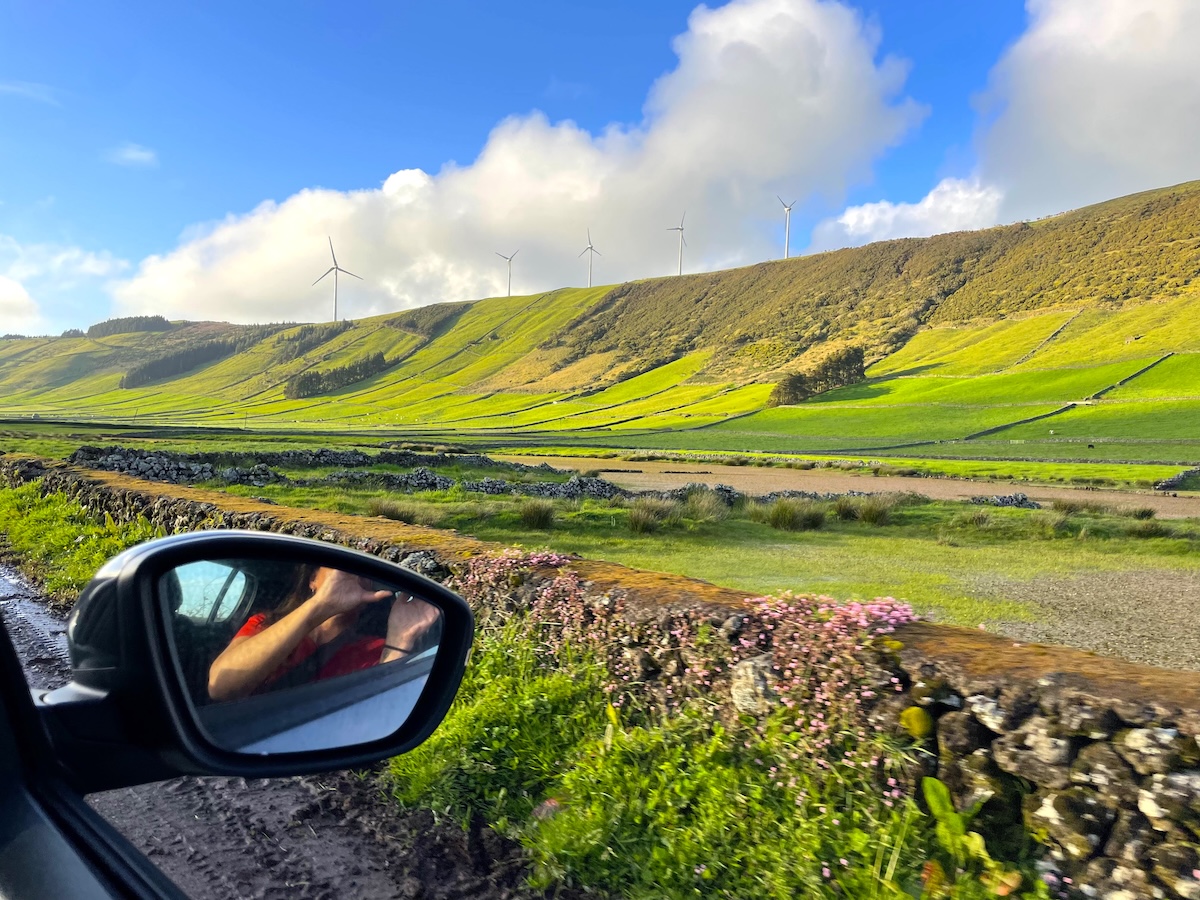
At RandomTrip, we rented a car through Autatlantis and everything went perfectly: the service upon arrival was quick and efficient, the car (an Opel Corsa) was like new, and we didn’t have a single issue. Virtually all companies include a deductible in their insurance, and Autatlantis is one of those with the lowest deductible (€700, compared to €1,300–€1,500 at other companies).
If Autatlantis doesn’t have availability, you can check and compare other companies with availability for your dates on comparison sites like DiscoverCars. Remember to carefully review each company’s rental terms (excess, what the insurance covers, fuel policy, reviews…) and not just the price.
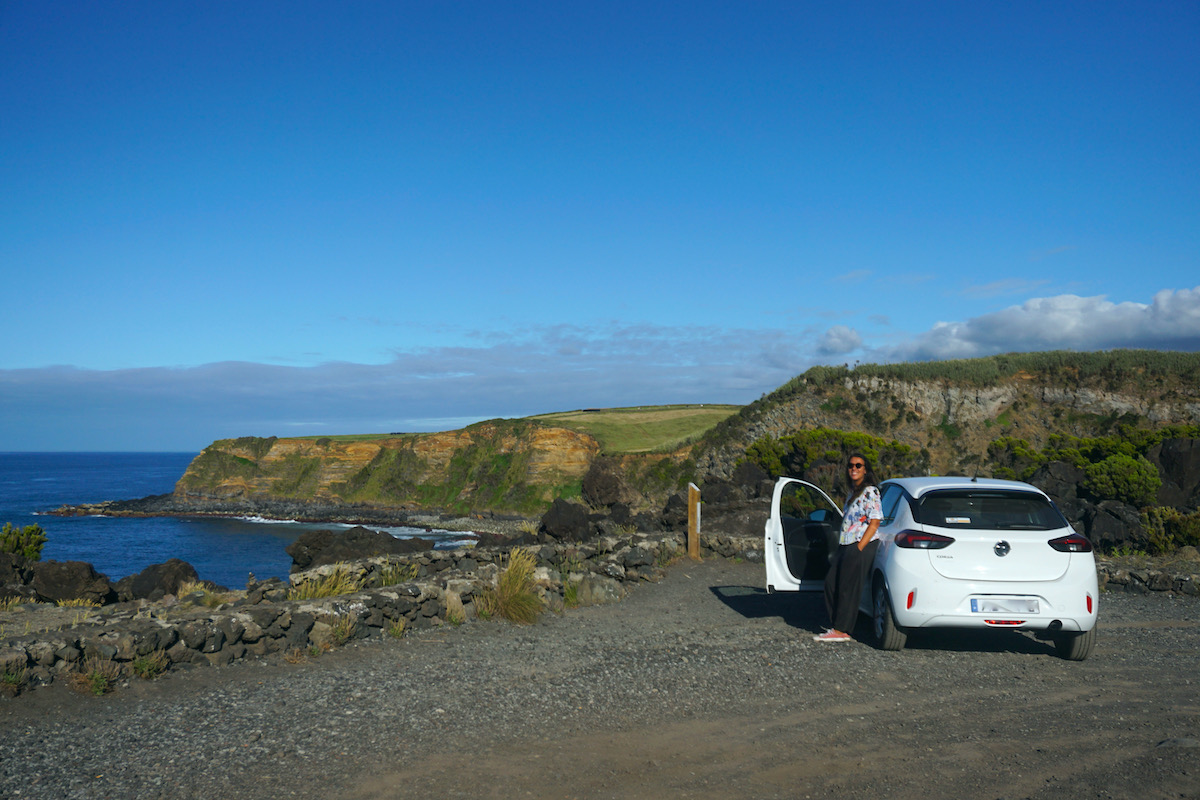
Parking in Angra:Although you generally won’t have to worry too much about parking spaces in the Azores, Angra may be different; if you’re staying in the center, there may not be any free parking available. Be sure to check when booking your accommodation to see if it offers free parking and/or if there are free public parking areas nearby.
Car rental prices in Terceira rarely drop below €25 per day, and especially in the summer, we recommendbooking well in advanceto avoid running out of vehicles or finding that the few available have prohibitive prices (in some summers, prices reached €100 per day, and we know several people who were unable to rent a car because they waited until the last minute).
There’s also the option of getting around by public transportation: there’s only one bus company (EVT) that connects some of the island’s key locations; you can view the schedules here. Connections and frequencies are quite limited, but if you’re traveling on a tight budget, it can be a valid option for visiting some of the island’s main attractions.

If you don’t drive, can’t get a car, or just don’t feel like driving, you also have the option of booking a tour to get to know the island better:
- Tour of Terceira, the island circuit: a tour that circles the island, stopping at some of Terceira’s most iconic spots (Serra do Cume, Praia da Vitória, Biscoitos…)
- Jeep excursion to the volcanic caves (Algar do Carvão and Gruta do Natal): Algar do Carvão is a must-see
- Tour of Terceira’s viewpoints: a day-long tour that takes you to several of the island’s viewpoints
This option is especially recommended for those of you who don’t have much driving experience. Be warned, though: even though driving on Terceira is fairly easy and relaxed, we’ve had a few close calls on some of the roads. Don’t be surprised if you come across a car stopped in the middle of the road after a blind curve—it’s likely because the driver ran into a neighbor driving in the opposite direction and decided to pull over for a quick chat. So, cars parked anywhere, unexpected turns, or cows in the road are common. The essentials for enjoying the road trip: caution, experience, and driving slowly to enjoy the views and avoid scares.

How to get from Lajes Airport to Angra do Heroísmo (and back)
Terceira Airport is about a 20-minute drive from Angra do Heroísmo, and you have several options for making this trip, whether on the way there or back:
- Rental car: as we explained, the best option in our opinion is to rent a car. Just enter Angra or your accommodation into Google Maps and follow the directions to get there
- Book a transfer: You can book a private transfer in advance that will be waiting for you upon arrival (or when you return to the airport); the price and vehicle will depend on the number of people (they offer cars, vans, minibuses…)
- Taxi: You’ll find taxis at the airport exit, and the fare between the airport and downtown Angra is between €20 and €25
- Bus: The local bus company in Terceira (EVT) operates a route connecting Angra and the airport; schedules vary by day of the week (with more limited service on weekends). The fare is just over €3 per person. You can find more information about the route here
Estimated budget: How much does it cost to travel to Terceira?
As always, giving a general estimate is very difficult since it depends largely on your travel style. What we can do is provide you with a price guide so you can calculate your budget:
- Flights: You can sometimes find flights for €100 (round-trip) to Terceira from mainland Portugal, but this depends on how far in advance you book.
- Car rental: starting at €25–€30 per day for the most economical car (depending on the company and the number of days). Prices go up in the summer, and it can be difficult to find a car on short notice.
- Accommodation: starting at €45/night for a room with a private bathroom or an apartment with a kitchen.
- Restaurant meals: between €10 and €25 per person for lunch or dinner at a restaurant.
In total, as a rough estimate, a one-week trip to Terceira with a rental carcan costbetween €450 and €750 per person (with the most economical options for car, accommodation, and restaurants).

Useful apps for traveling to Terceira
We recommend a few apps for you to install on your phone that will come in handy on your trip to Terceira:
- SpotAzores (Android/iOS/Web): Here you can view all the webcams located at different points across the islands to check the weather. Since the weather is highly changeable and it can be raining in one part of the island while the sun is shining in another, this app is the quickest way to stay informed and avoid unnecessary travel.
- Windy (Android/iOS/Web): an essential app for our trips, even more so in the Azores. It lets you view forecasts for rain, clouds, wind, etc., to help you plan your days based on the weather (since some places lose a lot of their appeal depending on the weather). Obviously, the forecasts aren’t 100% reliable. It also shows available webcams
- Google Maps (Android/iOS): This is the app we use to save and categorize all the places we want to visit or have already visited, and as a GPS in rental cars. You can view other people’s reviews of places, photos, restaurant menus, contact phone numbers, and more.
- Maps.me ( Android/iOS): an app similar to Google Maps but one that works offline (although Google Maps can also work offline) and which, in many cases, has information that Google Maps doesn’t have, especially regarding trails. Useful whenever you’re going on a hike, to find your way around, download the route from the official Azores trails website (click on Downloads->GPS), etc.
Tips for visiting Terceira as a responsible tourist
- When whale watching, follow the guidelines provided by the center and be wary if they do not include measures such as: a ban on swimming with dolphins; maintaining a reduced and constant boat speed and a minimum distance of 50 meters from the animal; avoiding the presence of multiple boats within a 150-meter radius of the cetacean group; and not staying with the same animal for more than 10 minutes.
- Do not allow the disturbance, pollution, or destruction of seabird nesting habitats. “Cagarros” (shearwaters, in Spanish) are migratory birds that nest in the Azores and will be familiar to you on your trip because of their distinctive “awa awa” call, as if they were singing the chorus of Radiohead’s “Video Killed the Radio Star.” To prevent young shearwaters from being captured or hit by cars on the road, the Government of the Azores annually promotes the SOS Cagarro Campaign , which we recommend you learn about upon arriving in the archipelago.
- Never try to touch or feed an animal.Don’t be an accomplice to animal abuse!
- Do not buy handicrafts made from marine animals or materials extracted from the sea(e.g., dolphin teeth, turtle shells, shark jaws, sperm whale ivory, etc.). The ivory trade, currently the only valuable product from the sperm whale, remains a justification for hunters. Buy local handicrafts made from alternative materials such as wood, stone, or vegetable ivory.
- If you visit the island in summer and enjoy the sea, remember that you may occasionally encounterjellyfish or Portuguese man-of-war , whose stings are painful and dangerous. The good news is that the latter float and are easily spotted, but if you see one, get out of the water immediately and warn others of its presence. If you’ve been stung by either of these, it’s very important to follow these official recommendations: do not scratch the sting site (to prevent the venom from spreading); do not clean it with fresh water or alcohol—clean it only with seawater and very carefully; and if the sting is from a Portuguese man-of-war, seek medical attention as soon as possible.
- Respect other people and the island: don’t play loud music on the beach or at the natural pool (if you want to listen to music, use headphones), don’t leave trash behind, don’t throw away cigarette butts, etc. Leave the beach in better condition than you found it (if you see plastic, pick it up).
- In some areas, swimming can be dangerous due to strongcurrents. Don’t try to be a hero.
- Learn to play Marralhinha, the traditional game of Terceira, and you’ll see how easy it is to meet people and make friends. Apparently, Marralhinha is quite a popular game in the U.S., and given the number of Azorean immigrants and second- and third-generation Portuguese descendants living there, it gradually made its way to the island until it became, as of today, the island’s most famous game. If you see a wooden game with marbles on a table and feel like giving it a try, here are the rules.
- Always travel with travel insurance: medical expenses, theft, or flight issues during a trip can cost you a fortune, so it’s best to get travel insurance. We always use IATI and highly recommend it. If you purchase your insurance through this link, you’ll get a 5% discount.

If all this is what awaits you in Angra do Heroísmo, imagine what awaits you across the entire island of Terceira! We’ll tell you everything you need to know to plan an incredible trip around the Azorean “Green Island” in our complete guide to Terceira.
Have a great trip!
